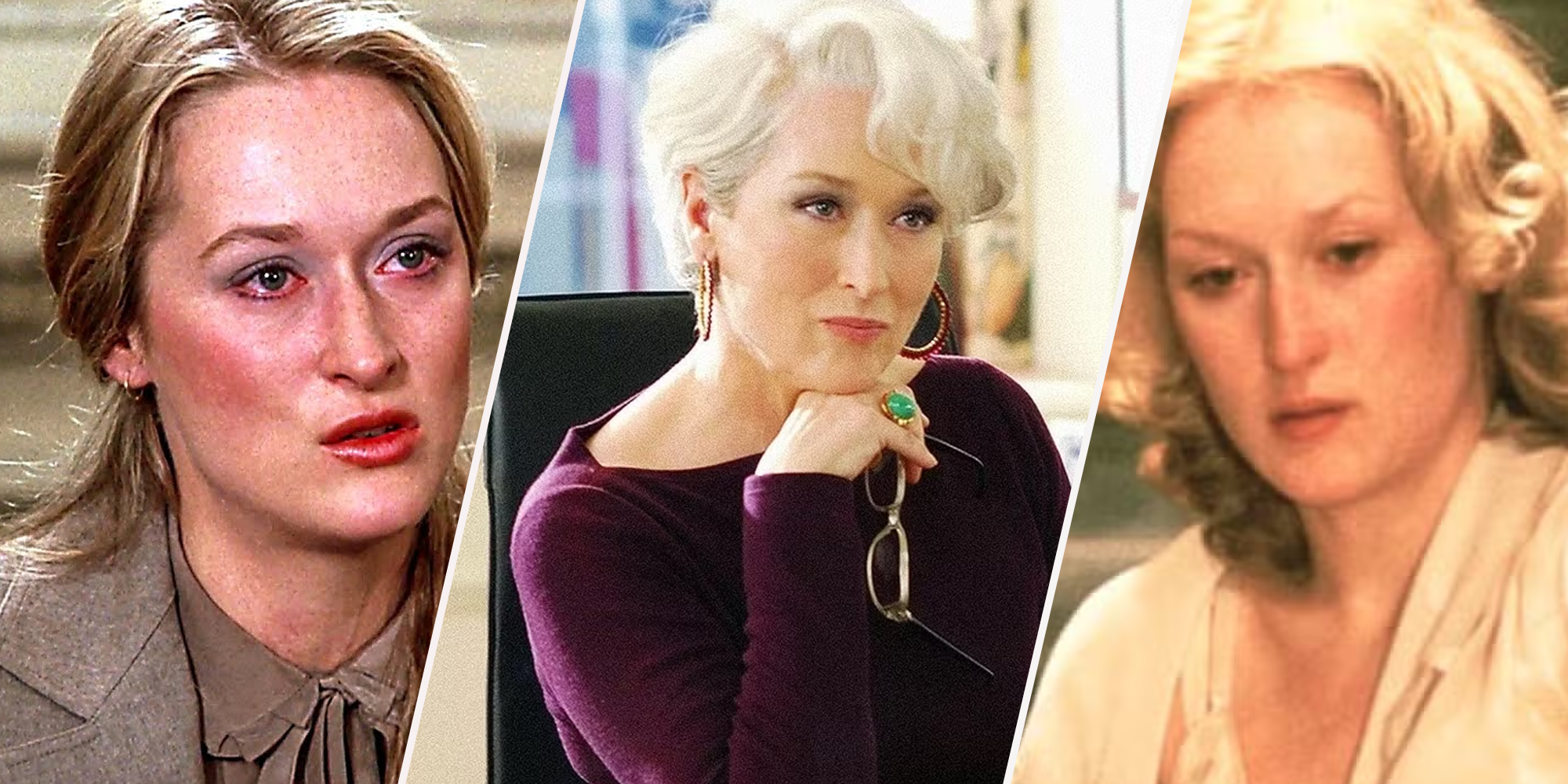
Choosing the best films from Meryl Streep‘s career is incredibly difficult, like trying to predict the weather over fifty years. She’s appeared in over 60 movies, won three Oscars, and holds the record for the most nominations, but she’s never been defined by a single type of role. Streep effortlessly transitions between different genres – from serious dramas to comedies, musicals, thrillers, and historical stories – always delivering fresh and unique performances.
Meryl Streep first gained recognition in films like The Deer Hunter and Kramer vs. Kramer, and later became famous for roles such as Miranda Priestly in The Devil Wears Prada. Throughout her career, she’s consistently transformed herself so completely for each part that it feels like she’s lived multiple lives. Every character has a unique way of moving, speaking, and thinking, making her body of work truly remarkable.
10. Doubt
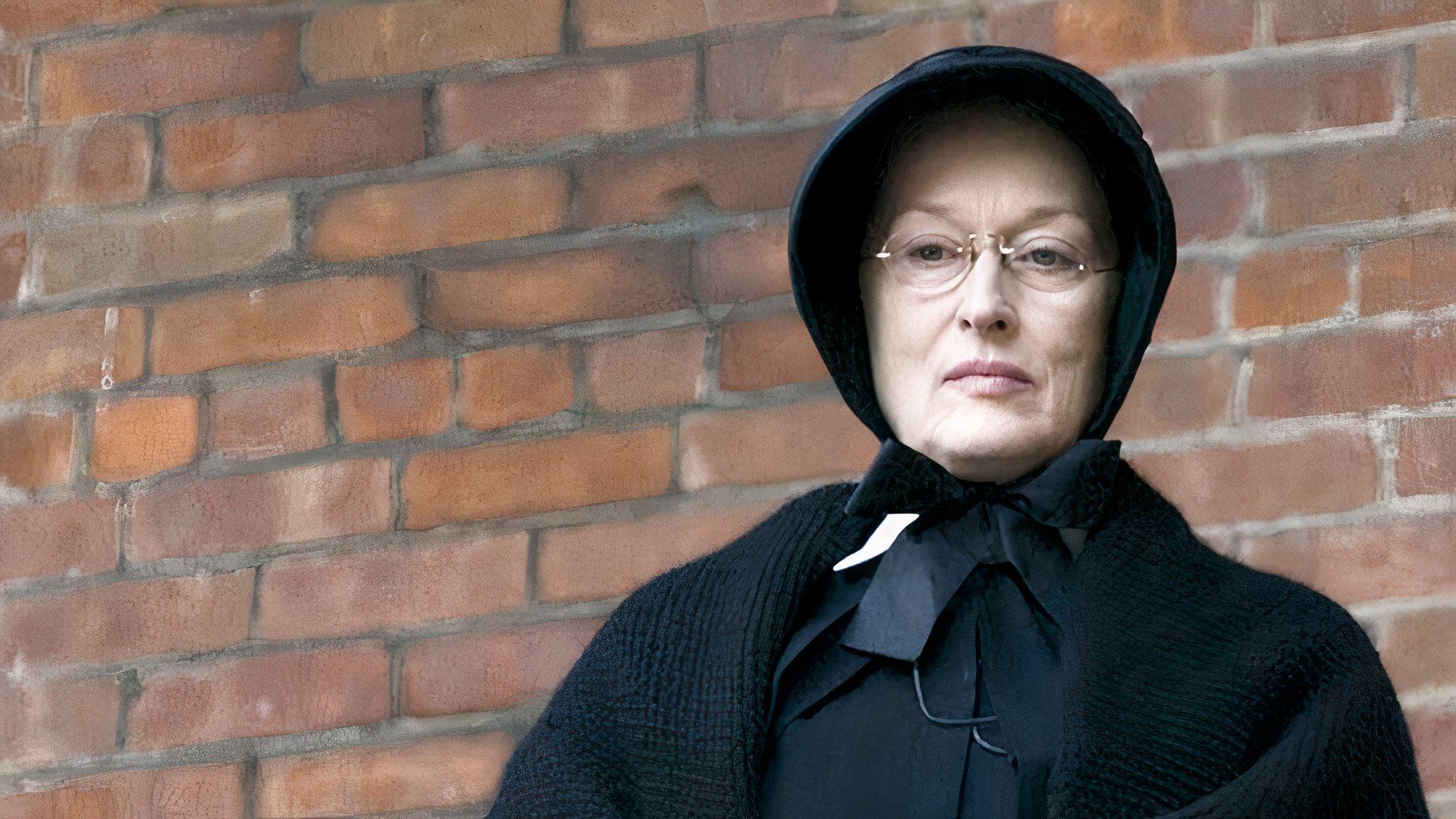
Meryl Streep plays Sister Aloysius, the stern headmistress of a Catholic school in the Bronx. She suspects a priest of inappropriate behavior with a student, but has no hard evidence. Driven by her gut feeling and strong principles, she confronts him, leading to a gripping and unsettling conflict filled with uncertainty. The film, Doubt, creates a feeling of intense pressure, where even simple conversations between Sister Aloysius and the priest are loaded with hidden meanings.
During the film’s central conflict, she confidently pursues her beliefs, but Flynn questions everything, highlighting how easily convictions can crumble without proof. Meryl Streep delivers a powerful, understated performance that grounds the movie’s complex themes and keeps its ambiguities intact. Streep was nominated for an Oscar for her role, and fellow cast members Philip Seymour Hoffman, Amy Adams, and Viola Davis also received nominations.
9. Postcards from the Edge
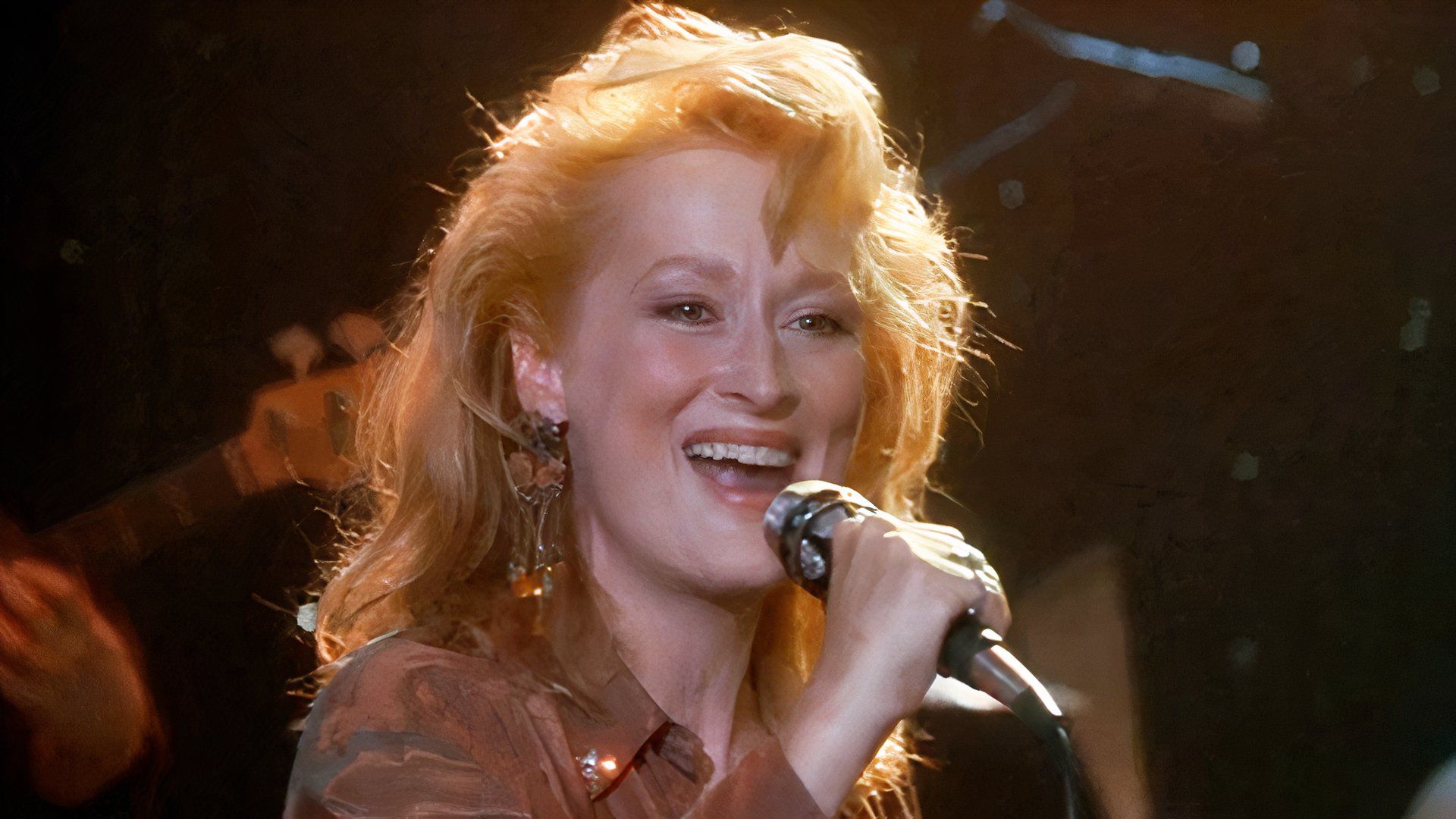
Based on Carrie Fisher’s own life experiences, Postcards from the Edge stars Meryl Streep as Suzanne Vale, an actress battling addiction. She has to move back home with her overbearing mother, Doris, while trying to rebuild her career in the demanding world of Hollywood. The film blends humor and awkwardness as Suzanne deals with auditions, setbacks in her recovery, and the pressures of her job, all while facing long-standing issues with her mother.
A pivotal scene shows her confidence crumbling during an audition, revealing her hidden emotional struggles. Meryl Streep gives a nuanced performance, blending humor and vulnerability without being overly dramatic, and expertly portraying both a satire of Hollywood and a personal battle. This performance earned her an Academy Award nomination and cemented the film’s reputation as a smart, character-focused dramedy exploring themes of recovery and the complicated relationship between mothers and daughters.
8. The Bridges of Madison County
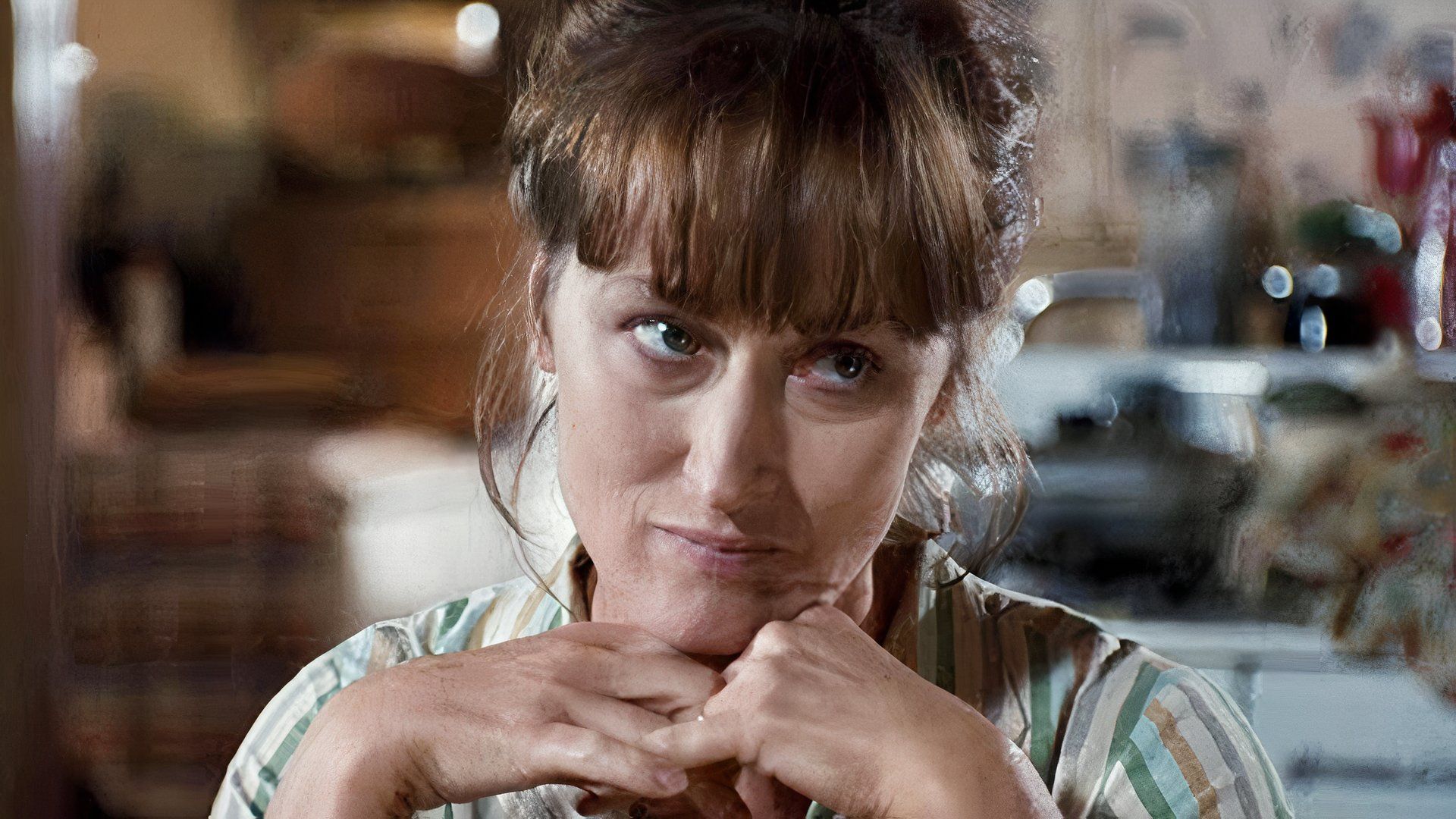
Meryl Streep stars as Francesca Johnson, an Italian immigrant who settled on an Iowa farm after the war. Her peaceful life is disrupted when she meets Robert Kincaid, a traveling photographer, and they share a brief but intense connection. While her family is away, a surprising romance blossoms over four days, making her question her commitments and the path her life has taken. Directed by and starring Clint Eastwood as Robert, The Bridges of Madison County is a subtle and emotionally powerful film that relies on quiet moments and unspoken feelings rather than dramatic displays.
A quiet moment of Francesca alone in her kitchen—weighing the possibility of leaving her family—becomes the emotional heart of the film. Meryl Streep received an Oscar nomination for her portrayal of Francesca, a performance built on understated conflict and unspoken feelings. She powerfully shows Francesca’s inner turmoil without needing a lot of dialogue.
7. The Hours
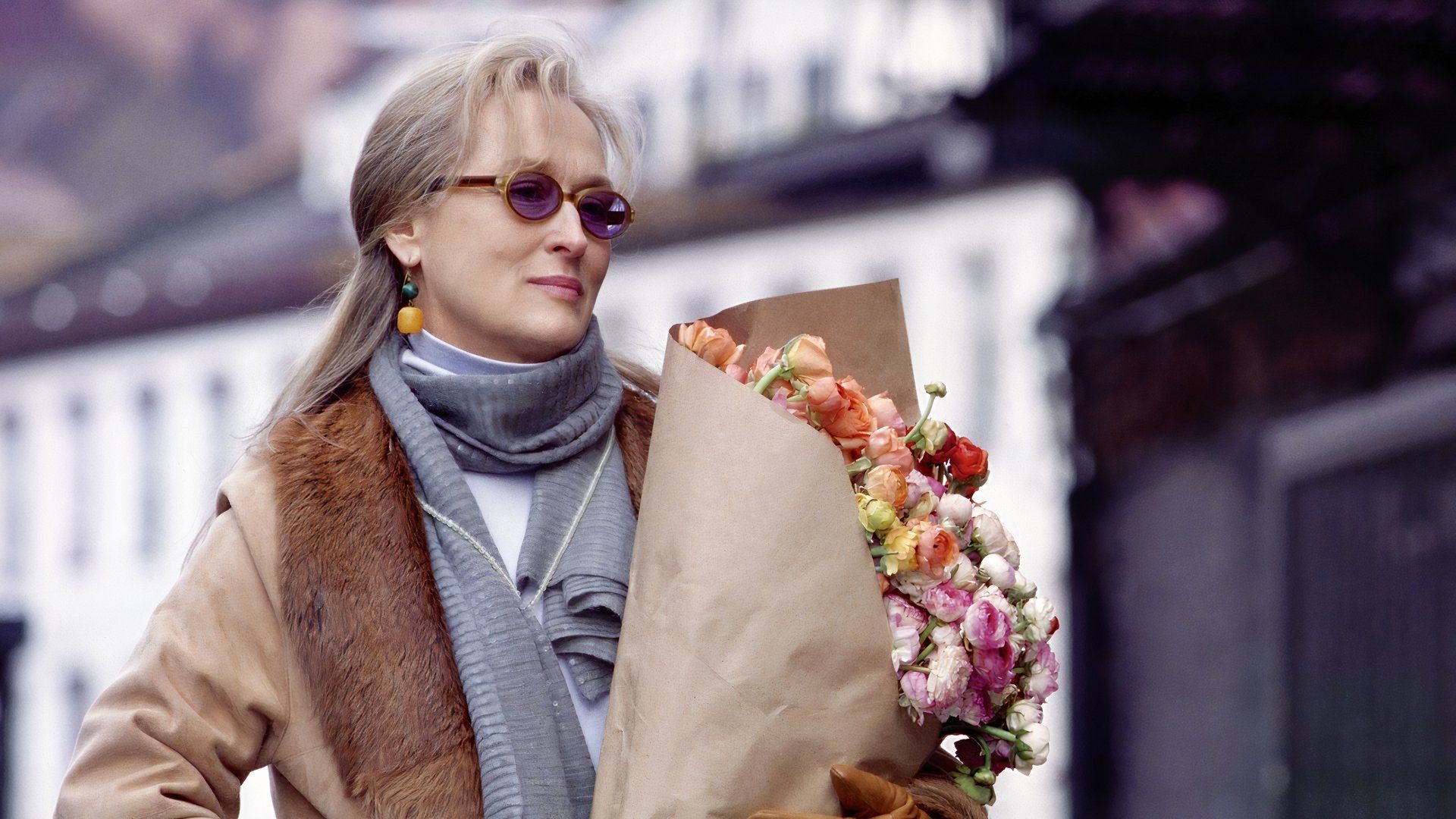
In the film The Hours, Meryl Streep stars as Clarissa Vaughan, a New York editor organizing a party for her friend, a poet who is ill with AIDS. As she prepares, she also reflects on difficult moments from her past. The movie, directed by Stephen Daldry, tells three interconnected stories that take place in different eras—1920s England, 1950s California, and 2001 New York—all inspired by the novel Mrs. Dalloway by Virginia Woolf.
Much of the emotional weight in the film comes from the quiet interactions between Clarissa and Richard. Their long history and what isn’t said are just as important as their actual conversations, ultimately leading to a heartbreaking realization that changes how Clarissa views love and grief. The Hours relies on subtle acting and focuses on the characters’ inner struggles rather than dramatic events. Julianne Moore’s performance earned her an Academy Award nomination and contributed to the film’s overall critical success.
6. The Devil Wears Prada
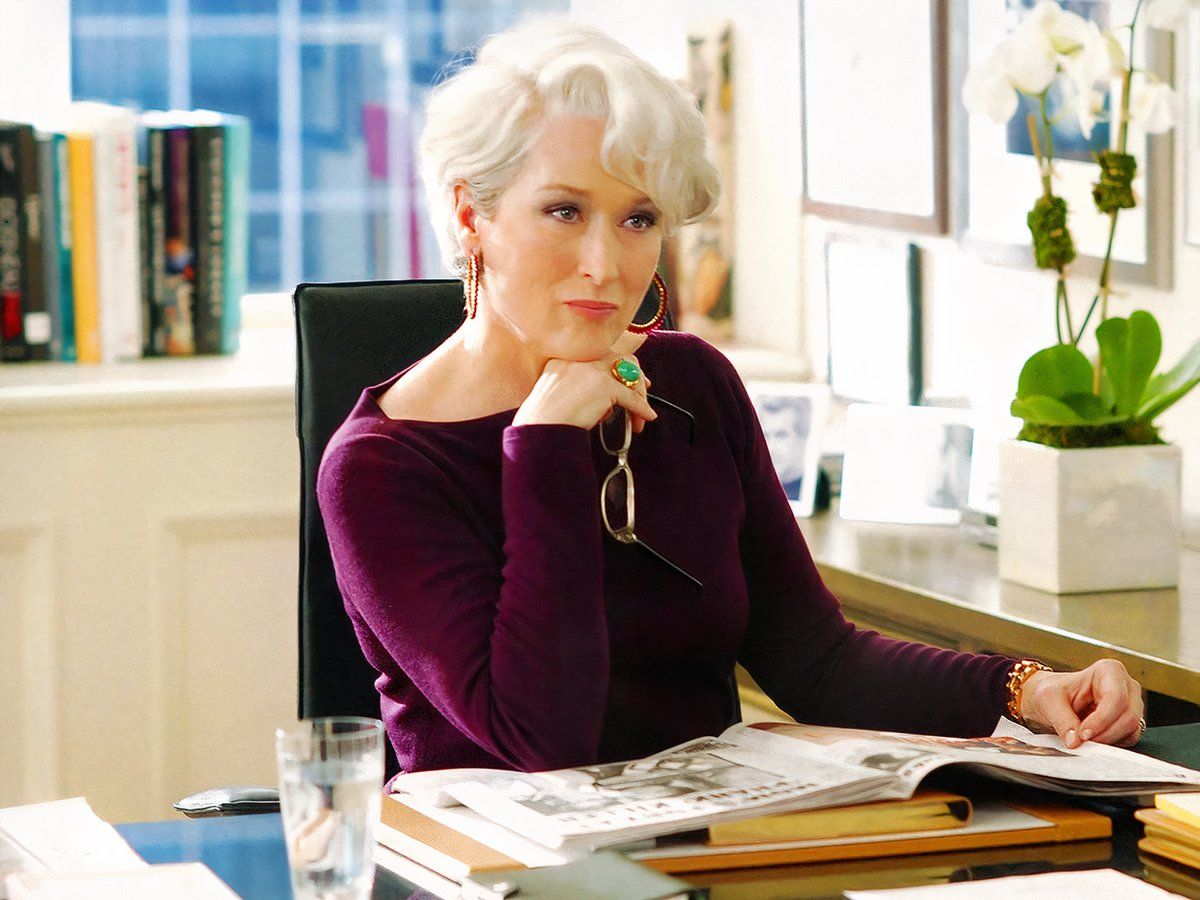
Meryl Streep brilliantly portrays Miranda Priestly, the cool and sophisticated editor-in-chief of Runway magazine in The Devil Wears Prada. When Andy Sachs joins her staff, Andy’s life is quickly absorbed into Miranda’s demanding world, dictated by her precise expectations and subtle but powerful influence.
Directed by David Frankel and based on the book by Lauren Weisberger, the movie was filmed in New York City and went on to become a hit around the world.
Meryl Streep’s performance is remarkable for its subtlety. She builds tension not through grand gestures, but with quiet pauses, a measured pace, and understated expressions. A particularly striking moment is the “cerulean” speech, where her character, Miranda, coolly explains how a blue sweater reveals the connections between fashion, history, and power. The scene feels more like a demonstration of control than an argument. Streep’s work in the role was critically acclaimed, earning her an Oscar nomination and a Golden Globe award.
5. The Deer Hunter
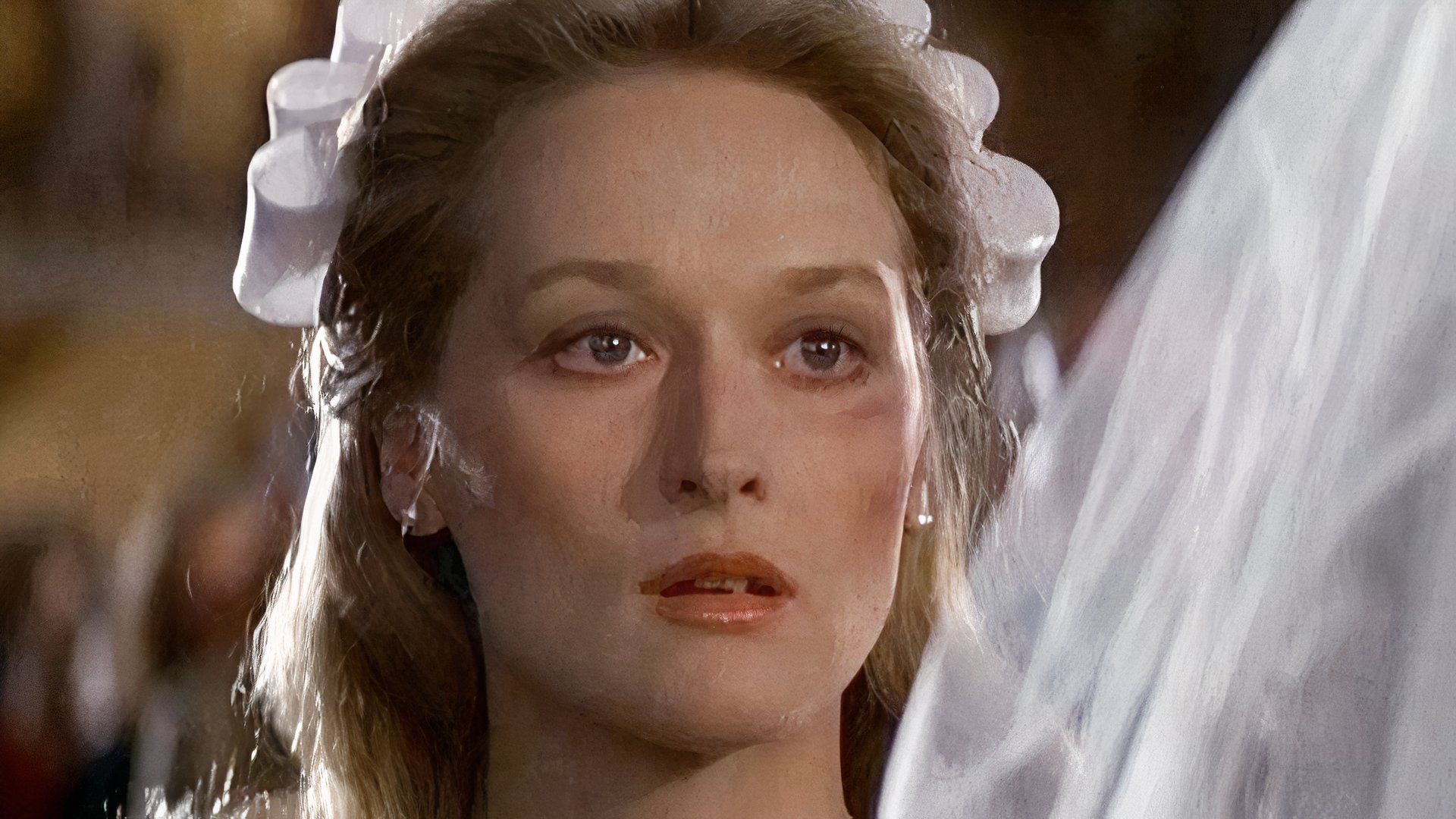
In The Deer Hunter, Meryl Streep plays Linda, a woman dealing with the emotional scars of the Vietnam War and the complexities of her relationships. Despite not being in many scenes, her performance is powerful and significantly impacts the film’s most moving moments, particularly when she interacts with John Savage’s character.
Michael Cimino’s film centers on a group of friends and how their experiences in Vietnam affect them before, during, and after the war. It delves into themes of trauma, finding oneself, and damaged relationships. Within this story, Linda’s subplot provides a subtle yet powerful emotional core, highlighting the real-life impact of the war. The film was a critical success, winning the Academy Award for Best Picture. Meryl Streep also received her first Oscar nomination for Best Supporting Actress, demonstrating her talent for making even smaller roles memorable.
4. Sophie’s Choice
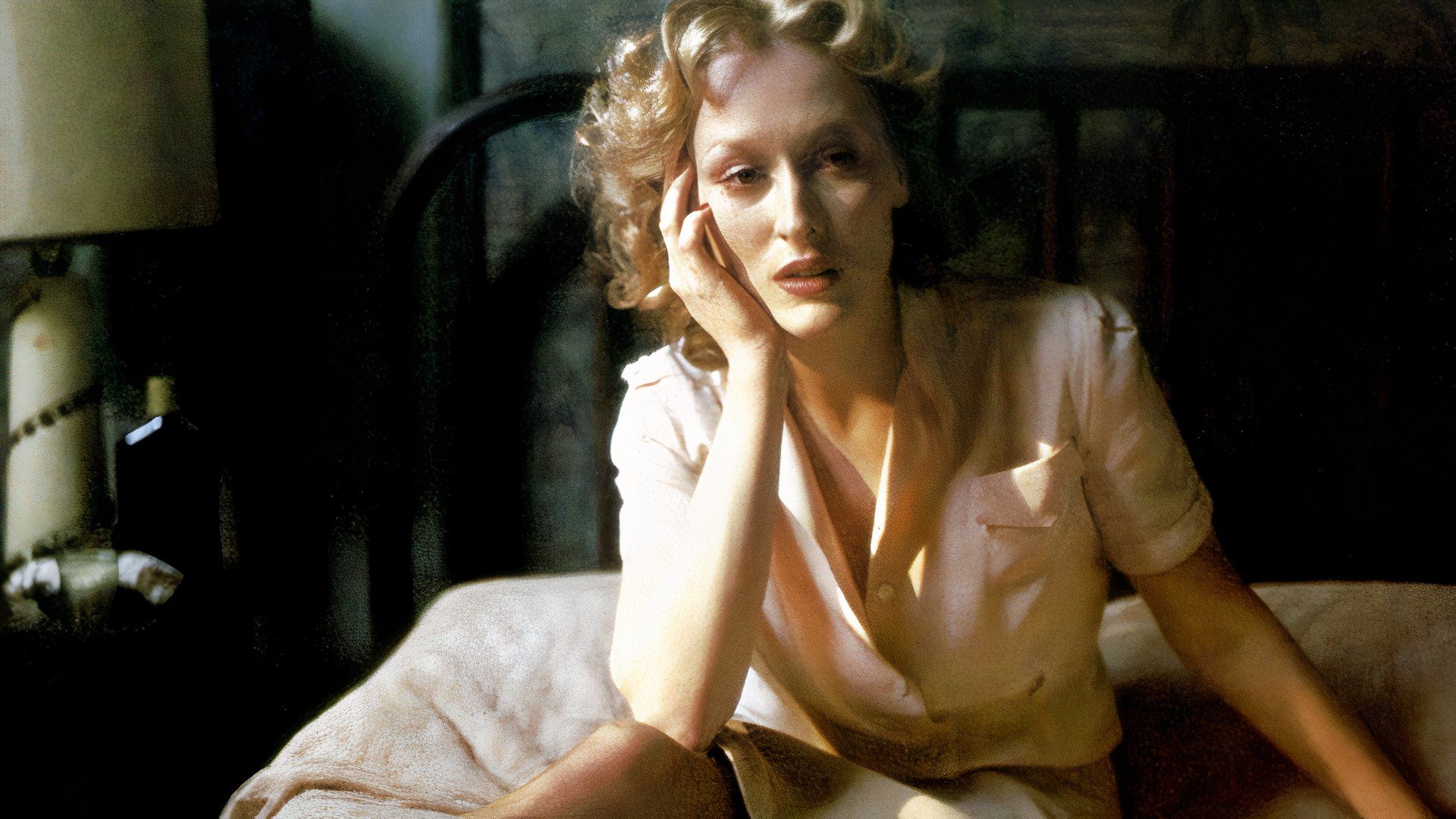
In Sophie’s Choice, Meryl Streep portrays Sophie Zawistowski, a Polish woman who survived the Holocaust and is attempting to start over in Brooklyn after the war. The movie alternates between her difficult present and haunting flashbacks, gradually showing how the trauma of wartime still affects her daily life. A particularly powerful scene occurs when Sophie confesses to a devastating choice she was forced to make regarding her children. Streep delivers this scene with restraint and subtlety, making its emotional impact even stronger.
Alan J. Pakula’s film, adapted from William Styron’s novel, slowly reveals Sophie’s story through flashbacks, her relationships, and building emotional pressure. Meryl Streep’s masterful performance is the heart of the film, balancing subtle control with powerful emotion. She rightfully won an Academy Award for this role, and it’s still considered one of her best. What’s truly remarkable is how she portrays Sophie’s complex feelings and jumps between different points in time while maintaining the character’s deep emotional core.
3. Silkwood
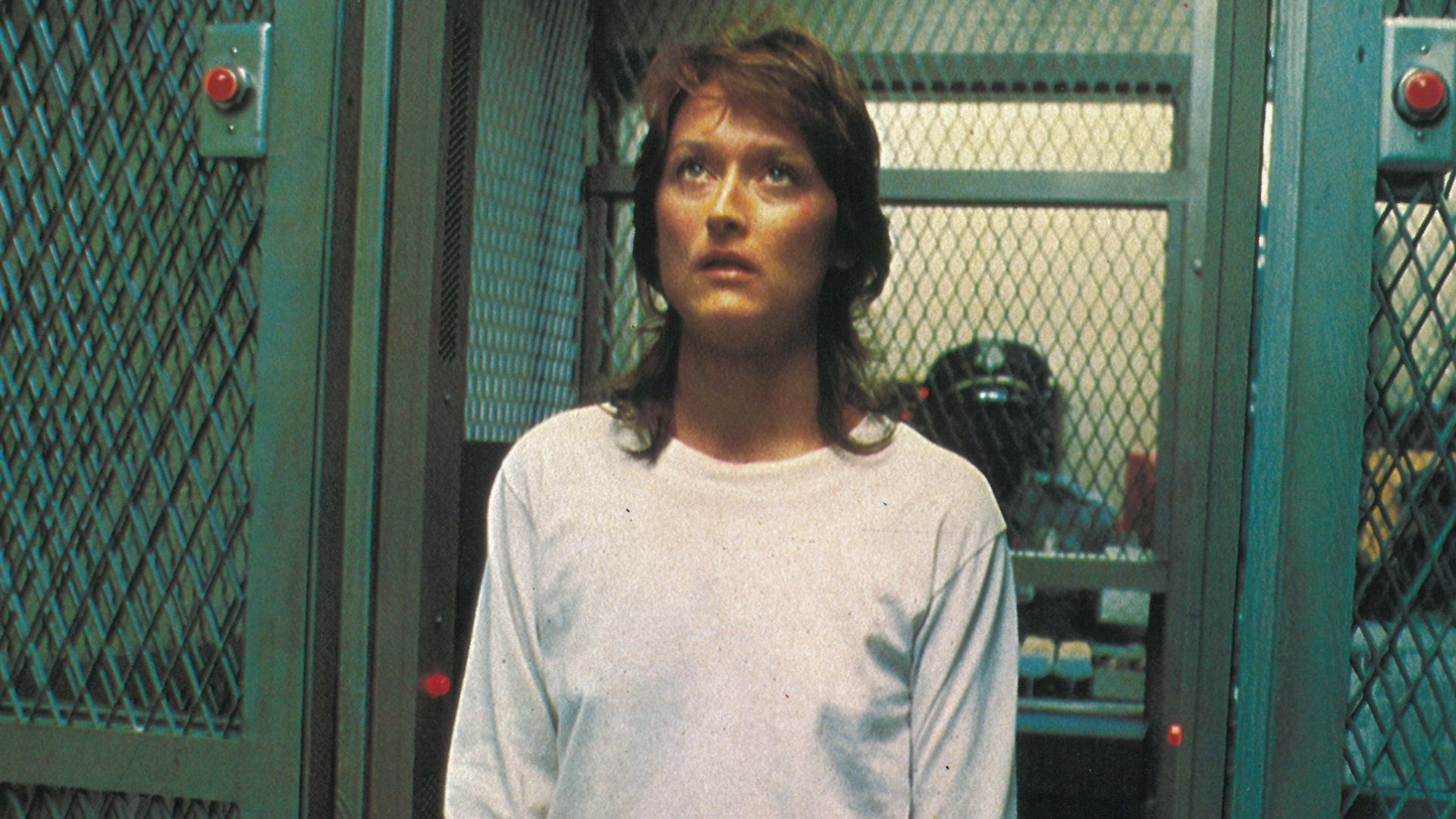
In the movie Silkwood, Meryl Streep plays Karen Silkwood, a nuclear plant employee who begins to investigate safety problems at work. As she digs deeper, she realizes that asking questions puts her at risk. The film builds suspense through subtle, realistic moments – like awkward conversations and coworkers being overly cautious – rather than relying on big, dramatic scenes.
There’s a scene with Karen driving to a meeting she ultimately doesn’t make that really stuck with me. It’s filmed in a way that feels incredibly natural and almost like you’re just watching life unfold, which makes the growing sense of dread all the more effective. It subtly shifts the story into much darker territory without ever feeling heavy-handed. Meryl Streep’s performance, which earned her an Oscar nomination, is a masterclass in subtlety. She doesn’t play Karen as some grand heroine, but as a relatable working woman just trying to navigate a situation that’s rapidly spiraling beyond her grasp. It’s a remarkably unforced and grounded portrayal.
2. Kramer vs. Kramer
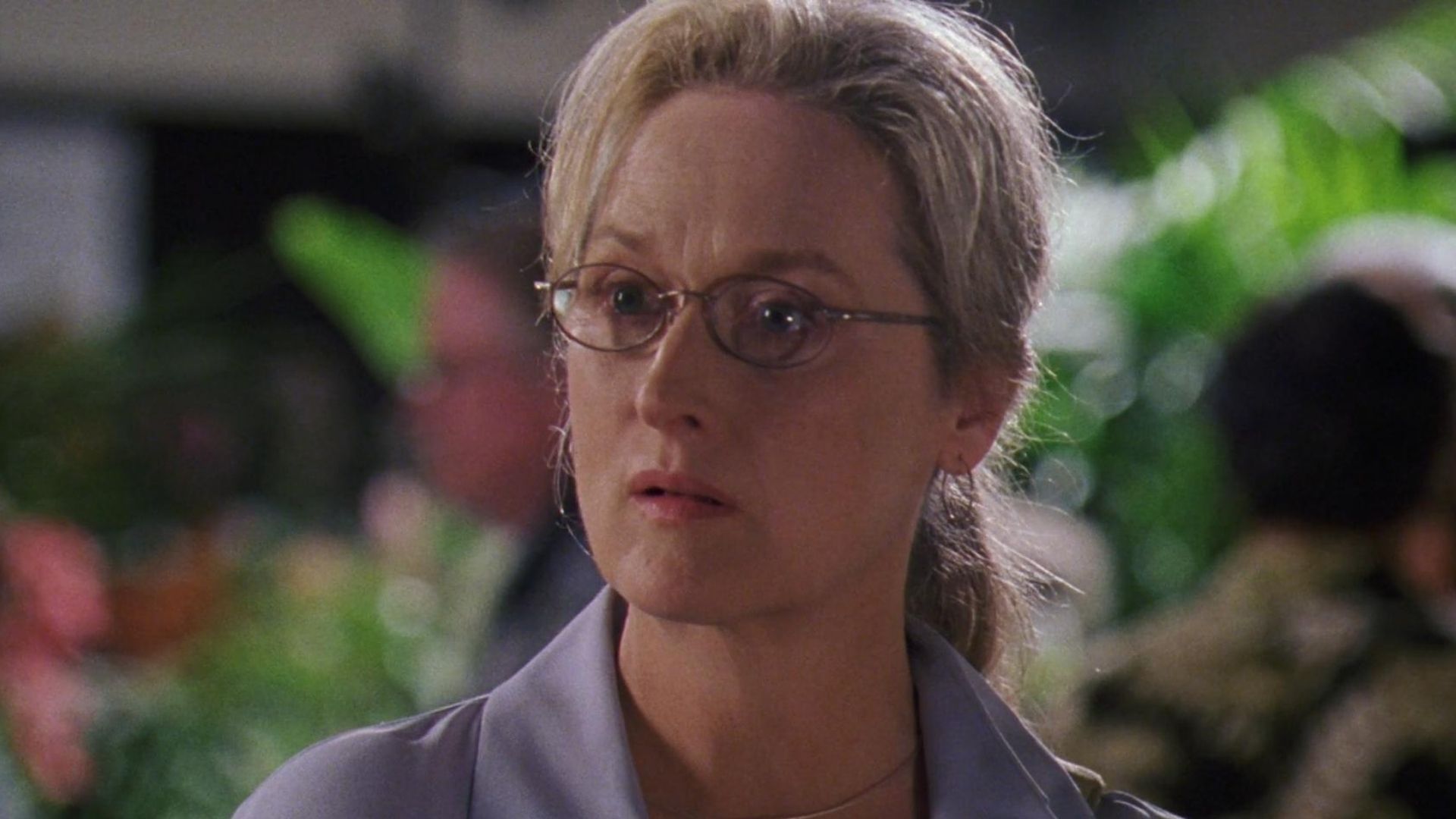
In Kramer vs. Kramer, Meryl Streep plays Joanna Kramer, a woman who leaves her husband and child, then tries to regain custody in a difficult and public legal battle. The film doesn’t portray anyone as simply good or bad, but instead explores the complex question of who is responsible when a family falls apart. Joanna’s choices, both leaving and returning, are presented with sensitivity, highlighting how feelings like regret, the need to survive, and love can all exist at the same time in complicated ways.
One particularly memorable scene is her calm testimony in court, where she recounts the difficult choices she made about leaving her family. The lack of dramatic flair actually makes her story even more powerful. It’s like watching someone struggle to explain a life that was never straightforward. Meryl Streep won an Oscar for her performance, and it proved to be a turning point in her career. It quickly established her as an actress who could brilliantly portray complicated, morally ambiguous characters that resonate with viewers long after the credits roll.
1. Adaptation
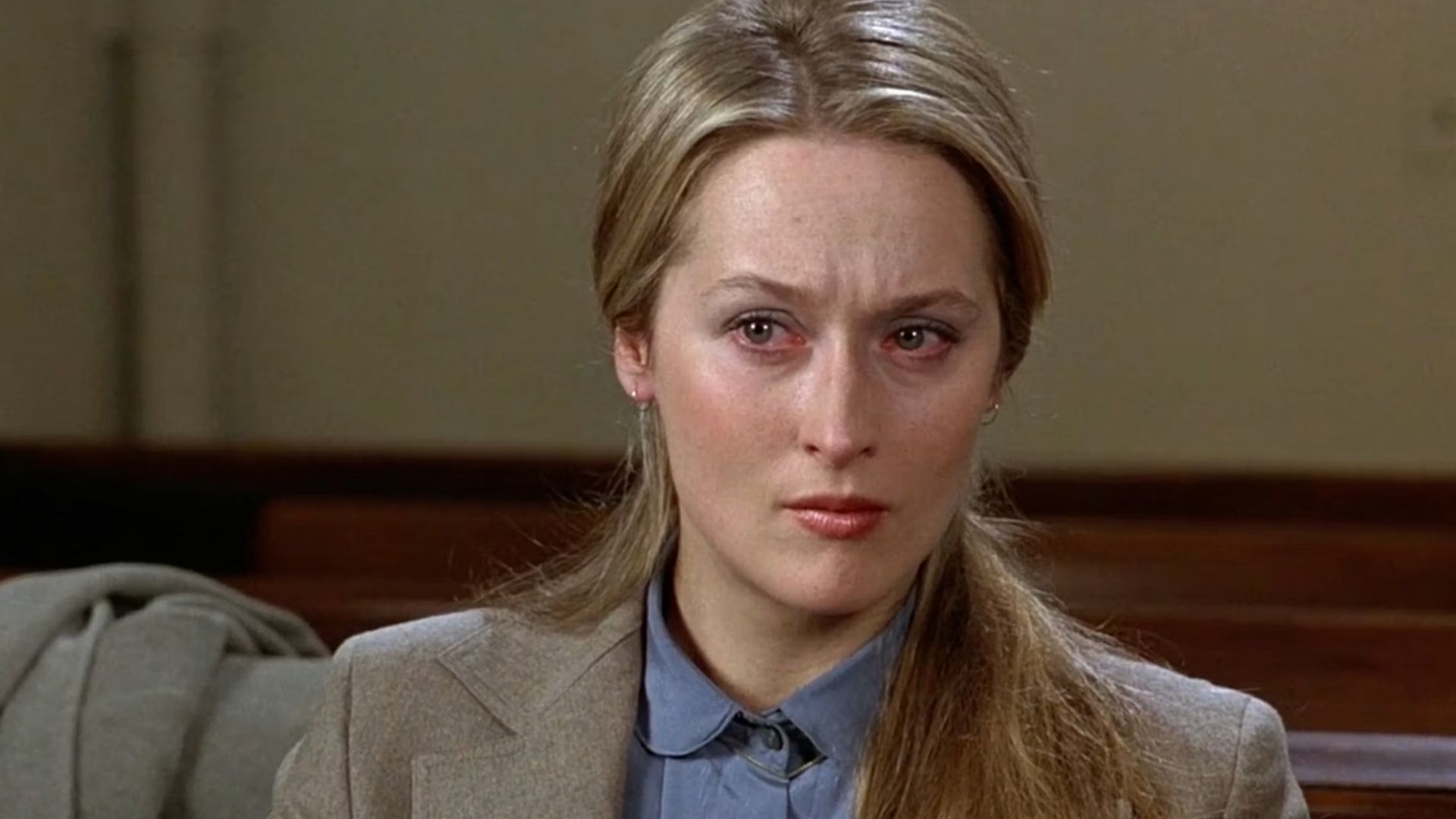
In the movie Adaptation, Meryl Streep plays Susan Orlean, a writer whose book is turned into a screenplay that quickly becomes unpredictable and increasingly self-absorbed. Directed by Spike Jonze and written by Charlie Kaufman, the film constantly defies its own conventions. Susan becomes a character defined by different interpretations of her life, leaving the audience to question whether she’s a real person, a figment of someone’s imagination, or something in between.
Her interactions with Nicolas Cage’s character are unusually tense. Instead of relying on typical conversations, the scenes feel like a careful dance where both characters subtly adjust to a story that seems to be evolving in real time. It’s fascinating to watch them navigate this shifting dynamic.
Meryl Streep received an Oscar nomination for her supporting role. What’s truly remarkable about her performance is how it reflects the film’s uncertain atmosphere. Rather than following a predictable emotional journey, she reacts to each moment as it comes, creating the impression that her character is constantly evolving with every scene.
Read More
- Forza Horizon 6: Find the Ohtani Treasure Chest Location
- NTE Drift Guide (& Best Car Mods for Drifting)
- LEGO Batman Legacy of the Dark Knight Batcave Minikits & WayneTech Caches
- How to Open Locked Door in Tenryu River in Nioh 3 (Dirty Key)
- Skyblivion Gets Encouraging Development Update
- Sega’s “Super Game” is Said to Release Next Month, But Nothing is Known About It
- LEGO Batman Legacy – All Cauldron North Cluemaster Puzzle Solutions
- New Steam Game is Like Pokemon If It Were a Sci-fi Shooter
- Dead as Disco Best Songs (Clear Beats & Stable BPMs)
- GameRant Daily Crossword (February 10, 2026)
2026-05-10 23:07