Because of its many rulebooks and manuals, Dungeons & Dragons is a very complex tabletop role-playing game, and players often misunderstand how spells and combat abilities work.
Let’s clear up some common misunderstandings about how certain spells work in the game. Knowing the correct rules can really benefit both players and Dungeon Masters, and maybe even open up new strategies with spells you already use! So, keep reading to discover how to get the most out of your favorite spells.
10. Lay Of The Land
The Most Misused Spell in the Divination School

Let’s start with Lay of the Land, a Divination spell that’s caused a lot of discussion. Many people misunderstand how it works – some think it’s just a compass, while others imagine it’s like magical GPS. But that’s not what it does at all. Instead, this spell creates a very detailed picture of the surrounding area, showing the locations of towns, villages, and other populated (or empty) places.
This spell isn’t limitless – it only works within a 50-mile range of where it’s cast. It won’t reveal enemies, treasure, or potential ambushes, so it’s not like a magical radar. Instead, it creates a mental map of the area for the druid, allowing them to guide the party – which can be incredibly powerful, assuming the players know how to use it effectively.
9. Goodberry
It’s Not A Healing Cheat, It’s Something More Useful

There’s a common misunderstanding about the Druid spell Goodberry. Some players think it can save them from dying by eating a lot of berries at once, but that’s not how it works. While eating multiple berries won’t heal you more—you only get an extra 1 hit point—they will fill you up for a full 24 hours. That’s actually where the spell’s usefulness lies.
Eating this berry eliminates the need to find food for a full day, meaning characters don’t need rations to complete a long rest. If a Druid knows this recipe, the party can skip packing and avoid risky hunting trips. When used effectively, it can significantly change how you approach survival.
8. Fireball
Everyone Uses This Spell Wrong. Everyone!

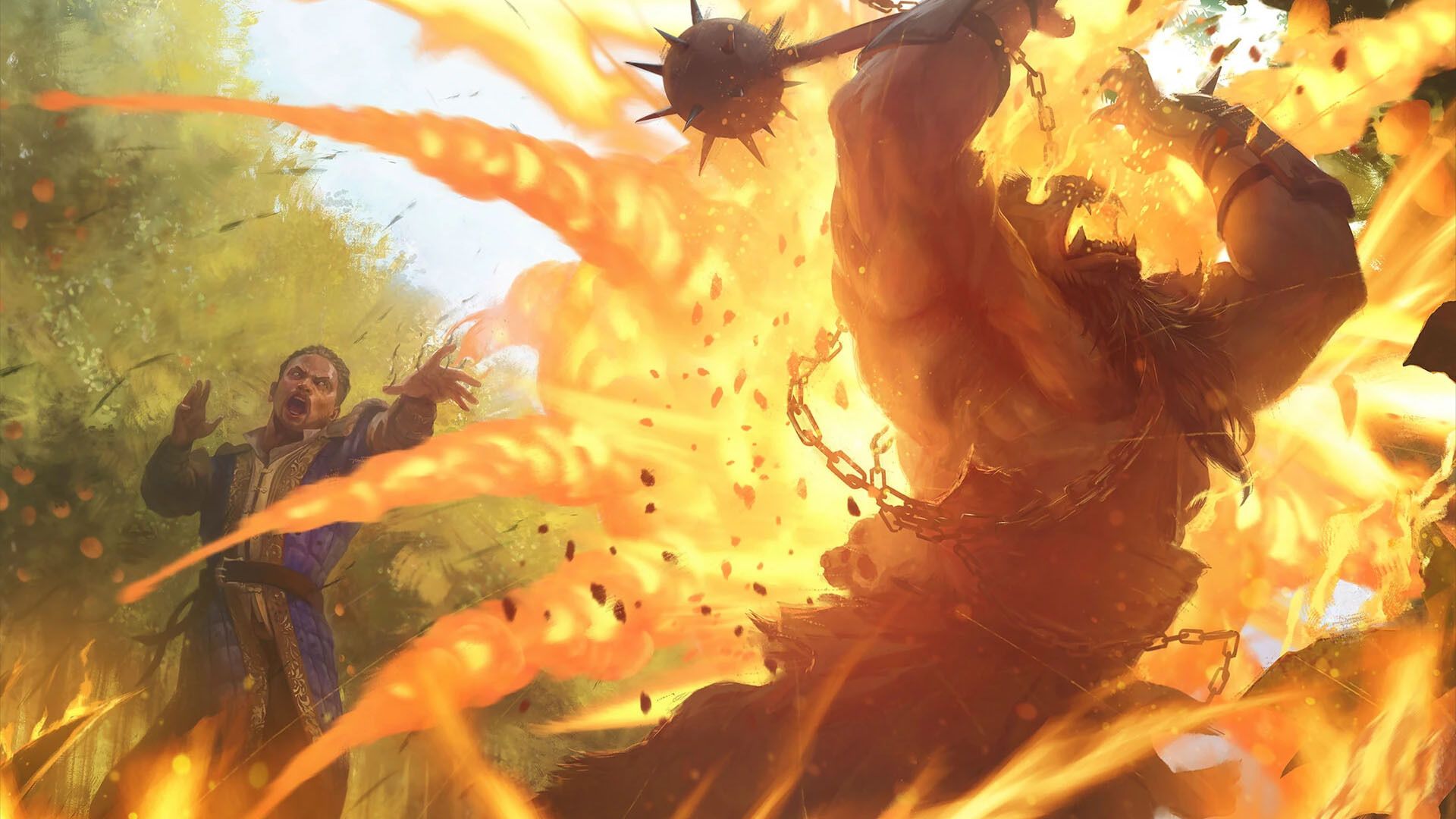
Thanks to the popularity of streamed role-playing games and internet memes, the Fireball spell has become a running joke among Dungeons & Dragons fans, both longtime players and newcomers. You always seem to have that one player who loves to cast Fireball on a group of enemies, even if they’re all crammed together – which is usually a bad idea! Fireball isn’t just about dealing damage directly; the fact that it can harm allies highlights how versatile magic can be. Surprisingly, most area-of-effect (AoE) spells aren’t just for brute force attacks – they’re actually used for strategic warfare and complex maneuvers. Fireball is one of those spells, offering a dual purpose: controlling crowds and setting up ambushes.
What makes the Fireball spell so effective in battles and sieges isn’t just the initial blast, but also everything it destroys around the impact point. Picture being inside a castle when a Fireball hits – it could wipe out a large section. Beyond direct damage, it’s great for controlling the battlefield. Many area-of-effect spells leave lasting effects, and Fireball is particularly good at creating trails of fire that can even destroy the ground itself (if the game master allows it). This means that even if enemies survive the shock of a sudden, massive explosion – one that can even be called down from above – they’ll likely have to struggle across difficult, possibly burning, terrain to get to where the spell originated.
7. Misty Step
It’s Not A Low-Budget Teleport, Stop Using It Wrong

Many players mistakenly think the Misty Step spell (a level 2 spell) does more than just quickly move them to a visible location. It can’t be used to pass through solid objects like windows or keyholes, transport items like barrels, or reposition a fallen ally to safety during a fight – it only moves the caster themselves to a safe, visible spot.
This spell is most useful for getting into a good position before or during a fight. It’s particularly helpful for spellcasters who want to stay out of reach of enemies who attack up close, or for certain close-combat fighters (like Vengeance Paladins or Eldritch Knights) who want to quickly engage and draw enemy focus. However, it’s not a subtle spell – the effect is very noticeable. A large, silvery mist appearing suddenly is hard to miss!
6. Create Water
No, You Cannot Dismount A Charging Knight By Filling His Horse With Water
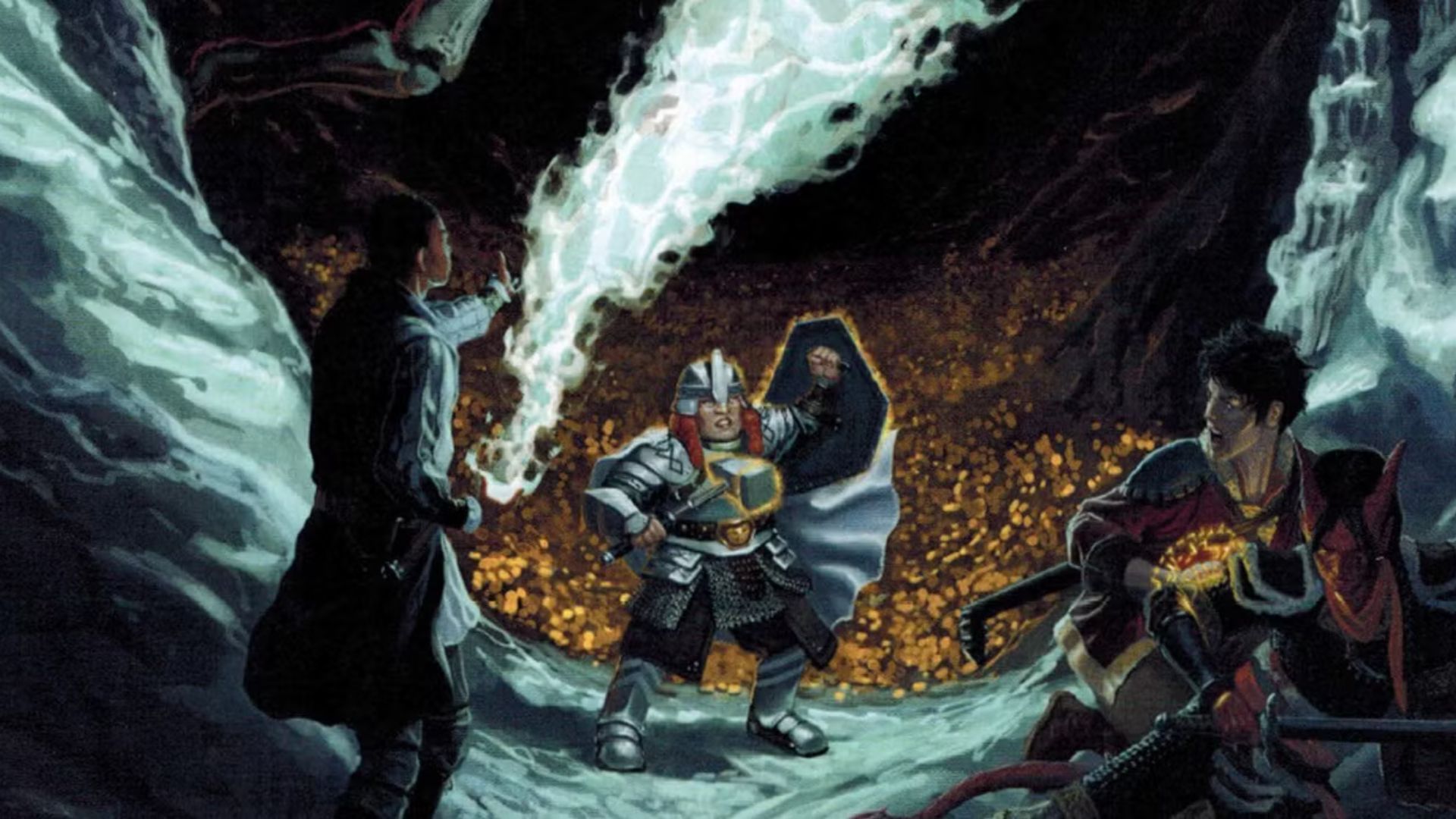
Let’s be clear: the spell Create Water isn’t harmful and can’t be used to drown people. It simply creates a magical source of water, which can fall as rain, potentially put out fires, or, with its alternate effect (Destroy Water), even clear away fog.
This spell creates a very small amount of drinkable water, not nearly enough to fill a living being. It works by gathering naturally occurring water molecules and condensing them into a portable form. It’s simply water, and nothing beyond that.
5. Heat Metal
It Cannot Melt Enemies’ Armor
Some players think the Heat Metal spell can instantly kill an enemy in armor by melting their face, but that’s not quite how it works. While the spell does deal fire damage to armored opponents and can make them less accurate or easier to hit, the effect depends on where on the armor the spell is cast – whether it’s the helmet, a weapon, or another part of the body.
Heat Metal doesn’t instantly destroy armor, but it targets a single piece – a weapon, shield, helmet, or part of their armor. A cleverly cast Heat Metal spell can cause an enemy to drop their shield at a crucial time, or fumble a weapon just as they’re about to attack. This makes the spell incredibly useful for disrupting heavily armored opponents. It can even discourage a sneaky rogue from trying to steal from the party! It’s a versatile spell with both combat and social applications.
4. Hex
Similar To A Curse, But Not The Same

The Warlock’s Hex spell often causes confusion among adventurers. It doesn’t force a target to roll saving throws with disadvantage as many think. Instead, it makes specific ability checks – chosen by the Warlock – with disadvantage. This is often mistaken for the Bestow Curse spell, which does affect saving throws. Hex also adds 1d6 necrotic damage whenever the Warlock hits the target with a weapon or casts a spell on them.
Also, this is a spell that requires concentration and a clear focus on the target. Many players miss a crucial detail: the spell description doesn’t state that the target is aware they’ve been hexed. This opens up interesting possibilities. For instance, a Warlock could use Hex on a Bard to give them disadvantage on Dexterity checks, specifically to disrupt a juggling act – and it would work without the Bard knowing!
3. Rope Trick
Let’s Play Hide And Seek

The spell Rope Trick is surprisingly useful but often overlooked. It creates a small, hidden pocket dimension accessible through an enchanted rope. Up to eight medium-sized creatures can enter this space to conceal themselves. Once inside, they can remain hidden for up to one hour per level of the spellcaster.
While this spell doesn’t let you cast spells from the pocket dimension, you can use it to secretly watch what’s happening below, like looking through a window. This could be incredibly useful for sneaking around – imagine infiltrating the King’s castle after curfew, or anything else you can think of! However, don’t try to use it to instantly defeat a powerful enemy like a Dragon. It doesn’t work that way. A Bag of Holding can fit comfortably inside the pocket dimension without changing anything or causing a catastrophic reaction.
2. Zone Of Truth
It Has Become Popular In Trials Tropes, But There’s A Tiny Problem
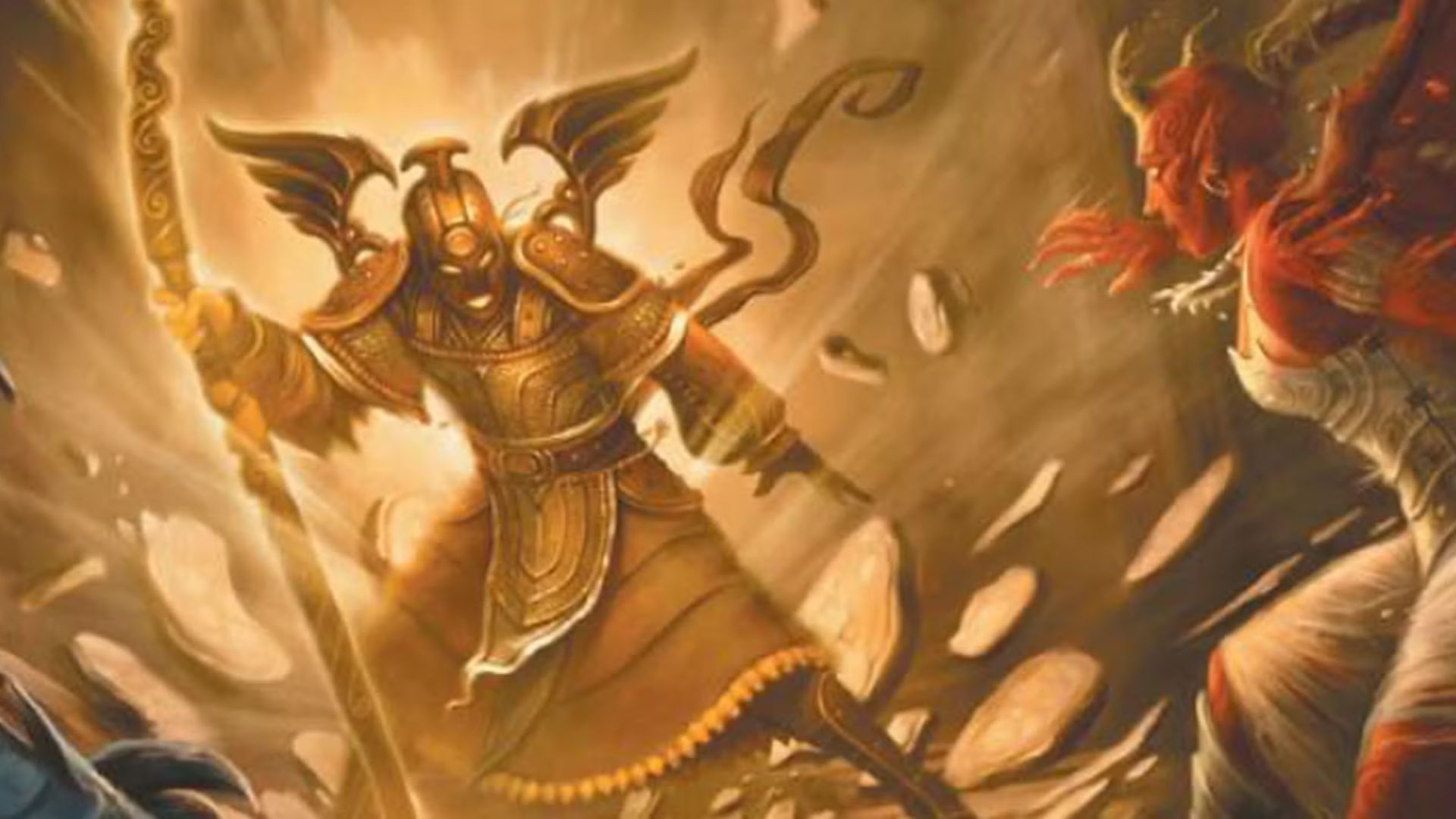
Many players misunderstand how the Zone of Truth spell works in real roleplaying scenarios – moments without fighting. Dungeon Masters often see players, like a Cleric or Paladin, misuse it. For example, they might try to force a Cambion to reveal details of a Soul Pact, compel a corrupt official to confess, or even use it during in-game trials while another party member, like a Rogue, is acting as a witness.
Trying to force a direct lie from someone under the Zone of Truth spell won’t work. The spell itself warns that affected creatures realize they’re under its influence and can avoid answering in a way that would be a lie. They can be deliberately vague, use clever wording, or simply avoid the question while still technically telling the truth, which could embarrass anyone trying to use the spell to catch them. However, the spell is useful for spotting deception: if someone avoids answering directly, you know they’re likely lying. The catch is, the other party will realize you know they’re being evasive, and it can create a complicated situation for everyone involved.
1. Charm Person
Used Correctly: The Key To Every NPCs Heart
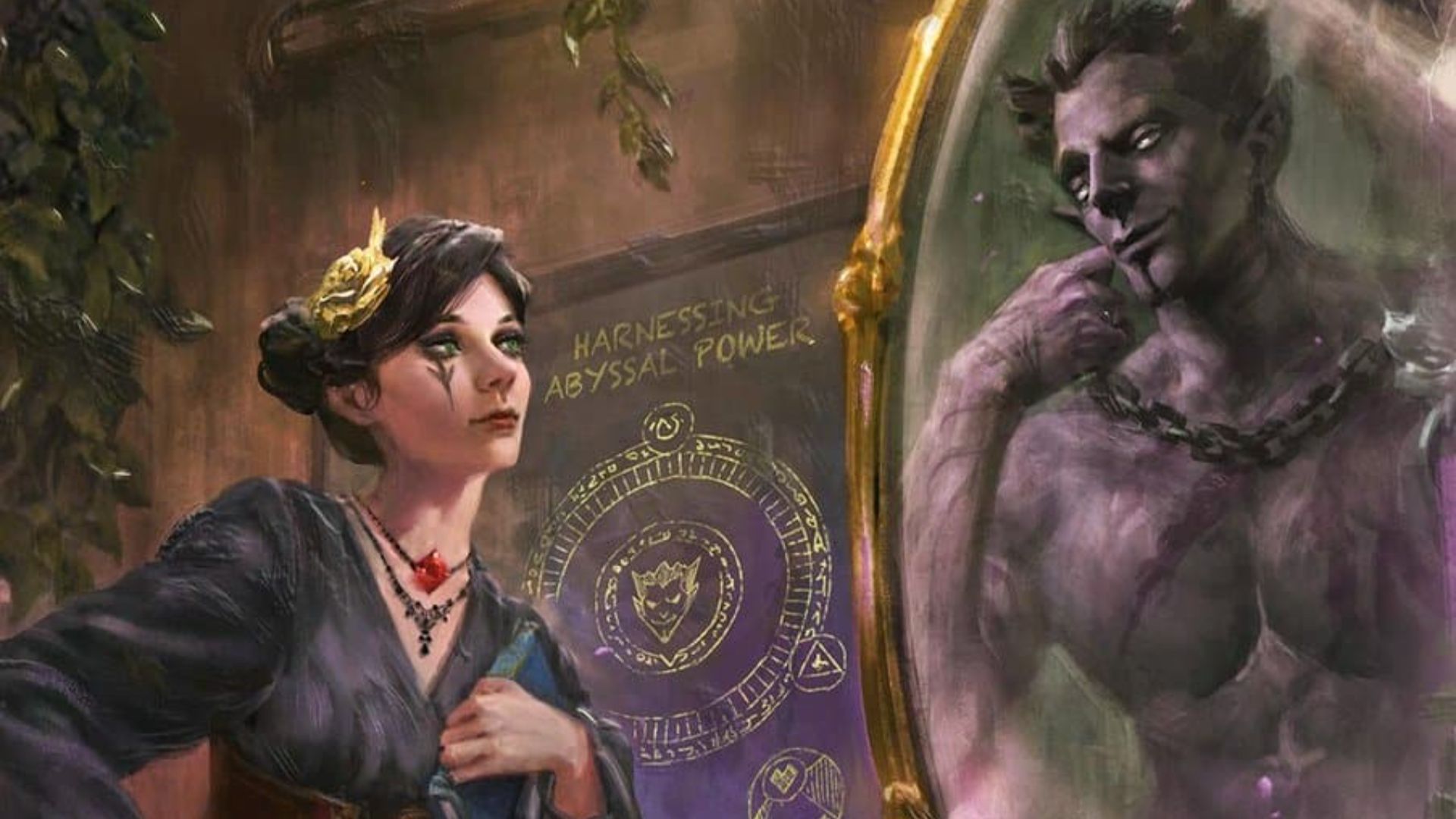
Players sometimes get the spell Charm Person mixed up with a stronger ability called Charm, which is used by creatures like fey and succubi. These aren’t the same thing. Charm Person doesn’t force anyone to do whatever the players want. Instead, it just makes the person more friendly and likely to respond well to questions or be helpful during a conversation.
Imagine NPCs reacting to you like a long-lost friend they’re meeting for the very first time – they’re genuinely delighted. Unlike powerful spells like Charm, Beguiling, or Compelling, the Charm Person spell simply makes creatures see you as friendly, preventing attacks and giving you a bonus when trying to be persuasive or use other social skills. That’s where this spell becomes powerful: used skillfully, it can topple kingdoms. However, if you’re not careful, this friendly facade will quickly crumble, leading to disaster.
Read More
- All Skyblazer Armor Locations in Crimson Desert
- One Piece Chapter 1180 Release Date And Where To Read
- All Shadow Armor Locations in Crimson Desert
- How to Get the Sunset Reed Armor Set and Hollow Visage Sword in Crimson Desert
- New Avatar: The Last Airbender Movie Leaked Online
- Cassius Morten Armor Set Locations in Crimson Desert
- Grime 2 Map Unlock Guide: Find Seals & Fast Travel
- Amber Alert Secrets & CDs In Crime Scene Cleaner Act 2
- Euphoria Season 3 Release Date, Episode 1 Time, & Weekly Schedule
- How to Beat Stonewalker Antiquum at the Gate of Truth in Crimson Desert
2025-12-07 06:07