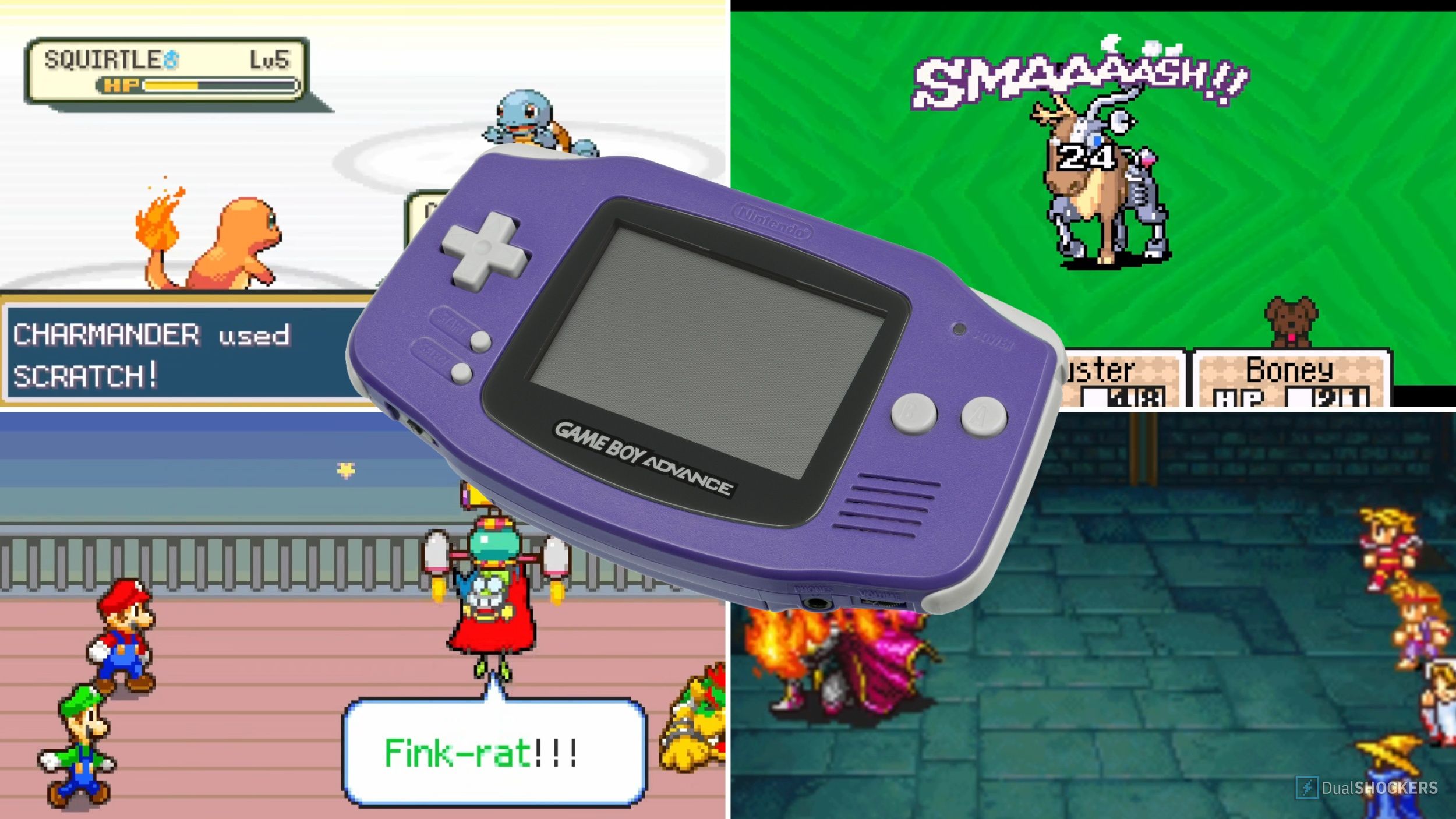
I loved my Game Boy Advance! Like the original Game Boy, it was just so easy to pick up and play wherever I was. And the SP made it even better because it was so portable! There were games for everyone on the GBA – I spent hours playing platformers and adventures, but it also had a ton of great Japanese role-playing games, which I really enjoyed.
JRPGs were perfect for keeping entertained on long car rides or flights, especially when you really wanted to turn on your Game Boy Advance. Portable games generally move at a quicker pace than games you play at home, and the GBA was powerful enough to handle more complex graphics than the original Game Boy. While it couldn’t play huge, detailed games like Final Fantasy X, it was ideal for JRPGs that got straight to the action and adventure.
10. Lufia: Ruins of Lore
Don’t Worry About the Other Ones
| Developer | Atelier Double |
|---|---|
| Platforms | GBA |
| Release Date | March 2002 |
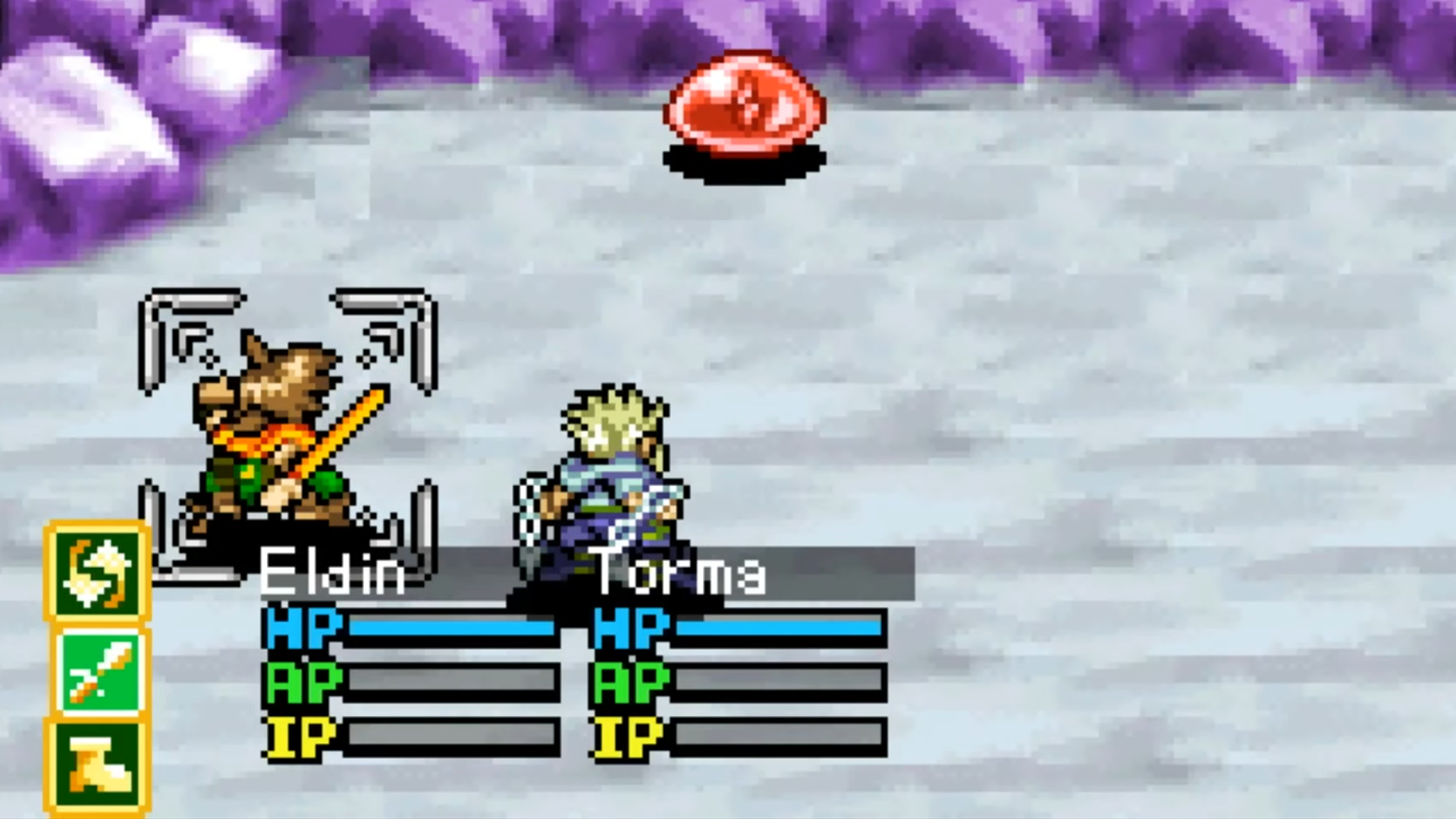
Back in the early 2000s, information about video games wasn’t as readily available as it is now. If a game series was released on several different consoles, it could be hard to tell which game was which unless you were a dedicated fan. This is why some players of Lufia: Ruins of Lore on the Game Boy Advance might not have realized it was actually the fourth game in the series, but it wasn’t a major issue at the time.
Ruins of Lore is a classic JRPG experience. You play as an adventurer embarking on quests filled with exciting fantasy elements. The story is presented quickly at the beginning, letting you jump into the action right away. You’ll assemble your team within the first 15 minutes, and find yourself exploring a dungeon just 5 minutes after that. It’s a game you can easily start at home and then continue playing on the go.
One of the best features of this game, compared to other RPGs on the Game Boy Advance, is that enemies appeared on the game screen instead of starting random battles. This meant you could see them coming and avoid fights if you were in a hurry, which was unusual for games of that era.
9. Breath of Fire
A Capcom Classic
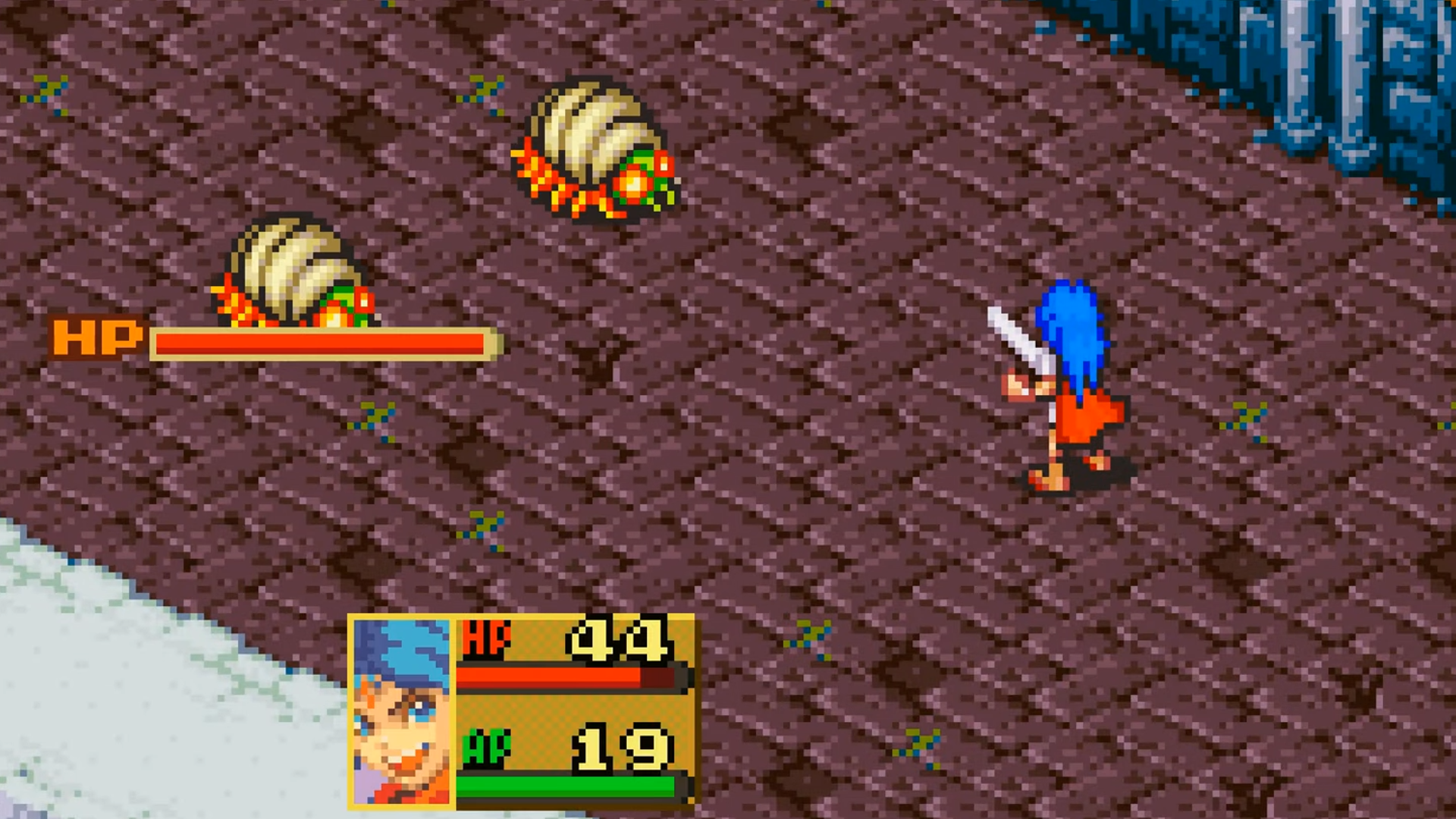
One of the great things about the Game Boy Advance was that it let people who had missed out on the Super Nintendo experience those classic games again, often with updated graphics. I, for example, never got to play Capcom’s Breath of Fire when I was younger, but I finally had the chance when it came out on the GBA in 2001.
Breath of Fire is a great starting point for players new to JRPGs. The story quickly establishes a dramatic premise – the destruction of a village – and then gets you exploring the world. The combat is fast and streamlined with simple menus and quick animations, letting you issue commands rapidly and keep the action moving. It doesn’t feel rushed, but the fast pace makes combat satisfying and engaging.
Both Breath of Fire and Breath of Fire 2 are available on the Game Boy Advance, and they both move at a fairly fast pace. If you’re looking for a quick and engaging GBA JRPG, either game is a good option. However, Breath of Fire 2 continues the story from the first game, so it’s best to start with Breath of Fire to avoid confusion.
8. Tales of Phantasia
Better Late than Never
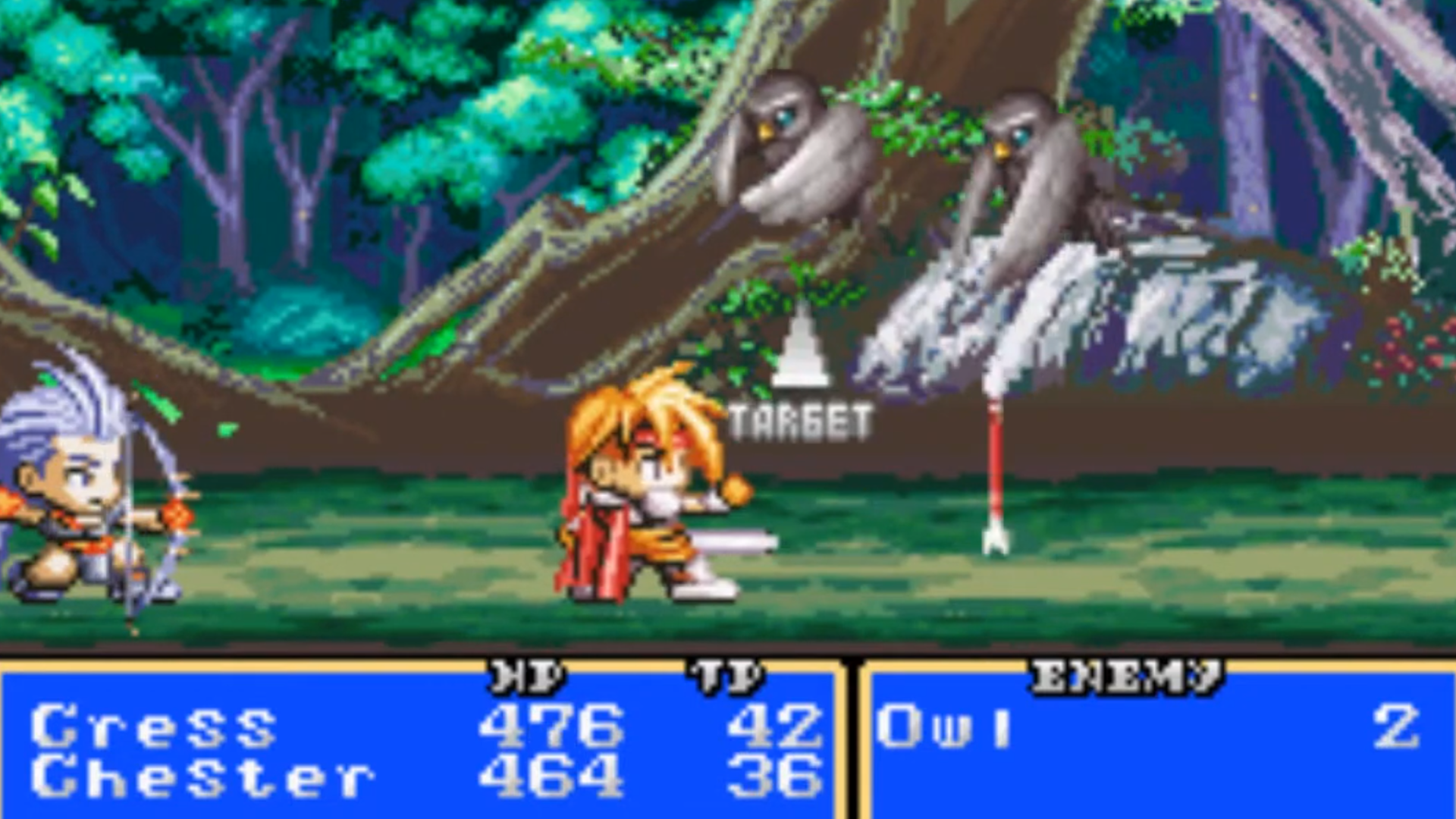
By the mid-2000s, Western gamers had already enjoyed several installments in the Tales series, like Tales of Destiny and Tales of Symphonia on consoles. However, the series actually began in Japan in 1995 with Tales of Phantasia for the Super Famicom, and it wasn’t until 2006 that Western players finally got a chance to experience the original game on the Game Boy Advance.
Okay, so the game throws you right into the action! You start with this awesome cutscene – a huge battle between the heroes and the villain, Dhaos, complete with a fully voiced spellcasting sequence. It’s short, but it immediately sets the tone. After that, you spend a little time exploring the town, but things quickly pick up, and you get to jump into the fast-paced combat – which is really where the game shines!
Let’s be honest, the Game Boy Advance version of Tales of Phantasia isn’t the best. The voice acting is over-the-top, and the battles feel a bit sluggish. However, if you were a Tales fan back then and wanted a portable version, it wasn’t a bad option. It does jump into the action quickly, even though the battles themselves aren’t as polished.
7. Golden Sun
Put Your Mind to It
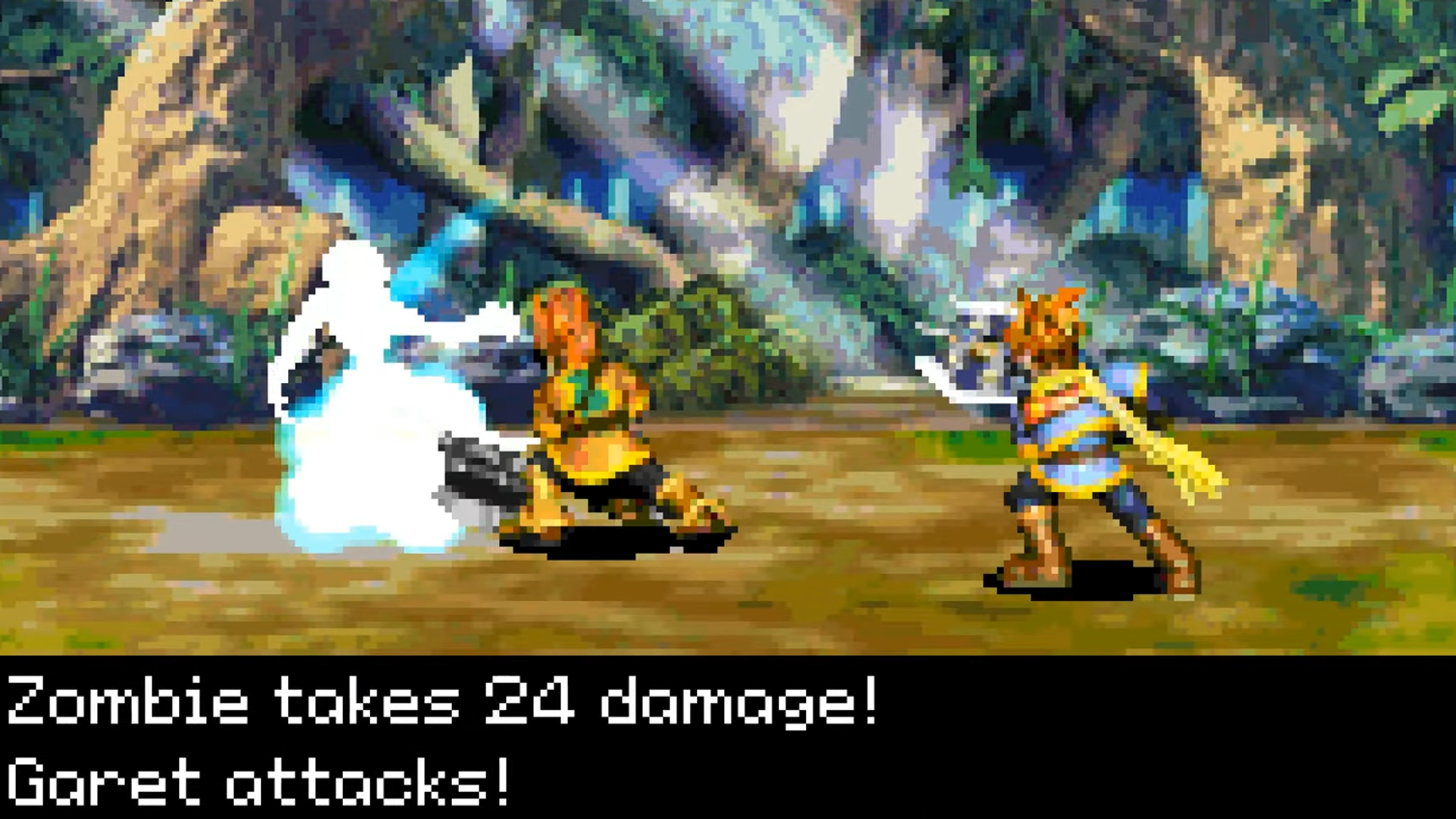
Is it just me, or do many games begin with a village under attack or in danger? I don’t mean to point it out, but it seems to happen a lot. Even if it’s not a fresh start, the 2001 game Golden Sun handled this trope in a really compelling way. Its engaging battle system worked perfectly with the story, quickly drawing players in.
The game begins with a devastating magical storm that destroys Isaac’s village. This opening isn’t playable, but it effectively establishes the story and makes you invested in the characters, with a surprising amount of emotional impact for a Game Boy Advance title. Once the dramatic introduction is over, the game truly begins, showcasing its exciting combat with dynamic camera work and visually impressive animations.
You’ll soon discover the core gameplay elements of Psynergy and Djinns, which are central to how the game works. Learning these basics early on helps you understand and enjoy the more complex aspects later.
6. Final Fantasy I & II: Dawn of Souls
Many’s First Exposure to the OG
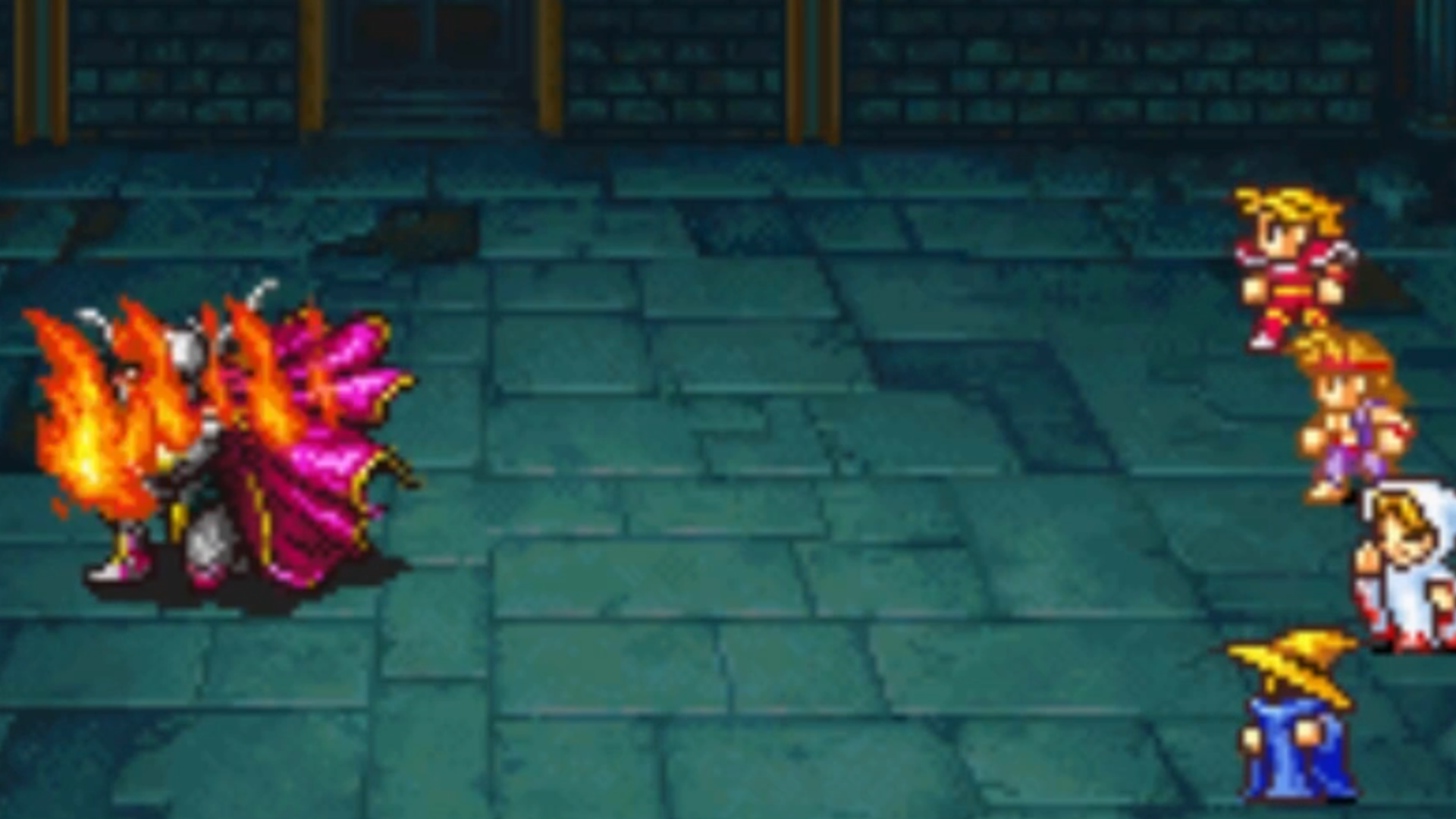
The first Final Fantasy game was released in 1987 in Japan and 1990 in the West. I wasn’t born yet, so I didn’t play it when it first came out. I eventually experienced the original game when it was re-released on the Game Boy Advance as part of a collection called Final Fantasy I & II: Dawn of Souls.
This two-pack features a significantly updated version of the original Final Fantasy, boasting enhanced gameplay, graphics, and music. Despite these improvements, it remains a classic JRPG experience, quickly thrusting you into the story – you’ll meet the King and receive your first quest to defeat Garland within the first 15 minutes. You might even encounter your first battle before you reach the city, showcasing how quickly the action begins!
Yes, this cartridge includes Final Fantasy II, and it’s an important game in the history of Japanese role-playing games – definitely worth playing. I wanted to, but I could never defeat Chaos in the original Final Fantasy, so I never got the chance.
5. Mega Man Battle Network 3
Battle Routine Optimized
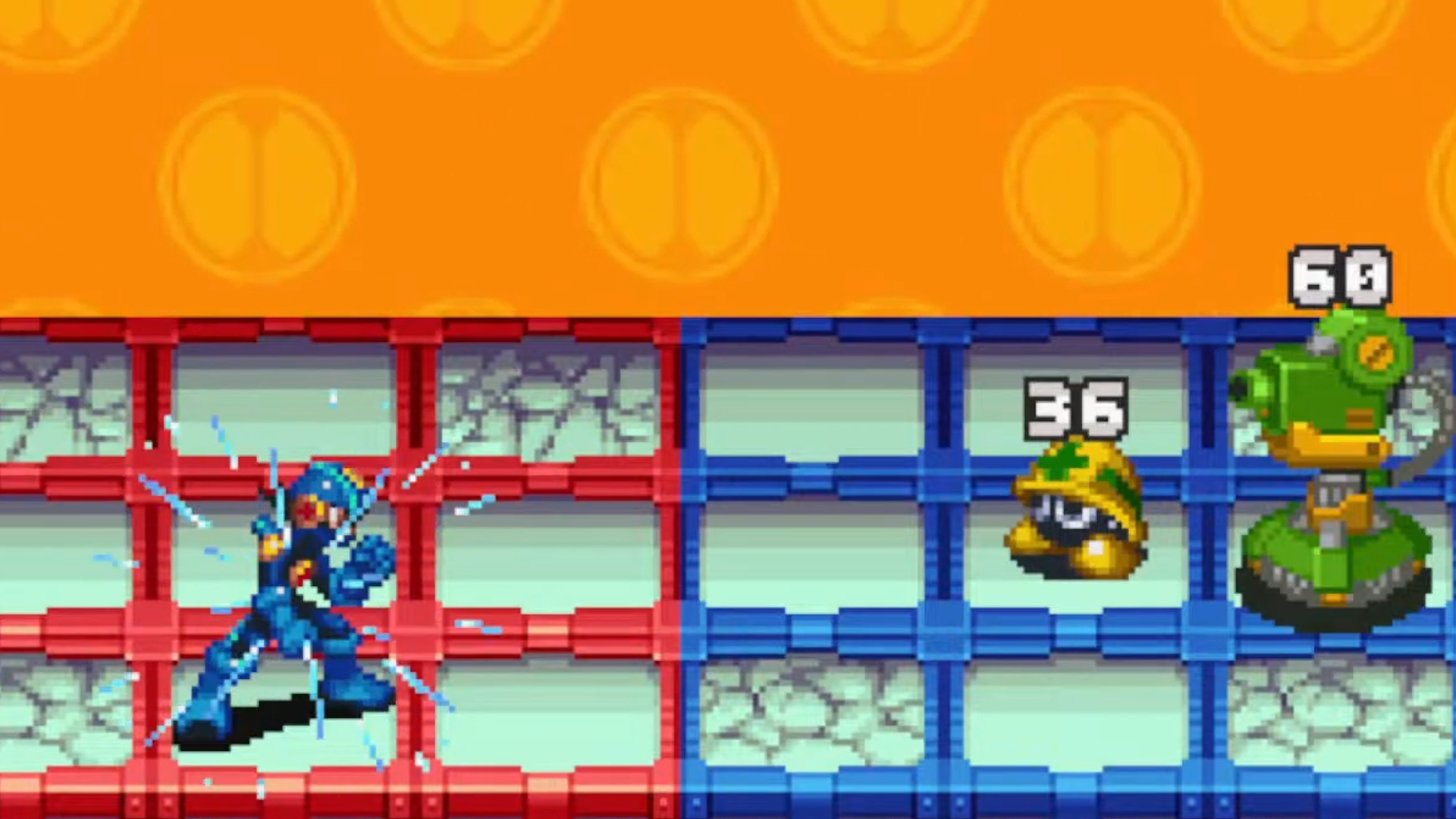
The Game Boy Advance holds a special place in my gaming history, as it’s where I discovered the Battle Network series – one of my favorite parts of the Mega Man franchise. I didn’t start playing until the third game, Battle Network 3, but looking back, it was a great entry point for me.
Being the third game in the Battle Network series, Battle Network 3 jumps right into the action. It doesn’t spend time re-explaining the core story or how the battles work, assuming players already understand the basics. And if you don’t, the tutorial is now streamlined and efficiently teaches you how to use battle chips and defeat viruses.
Battle Network 3 significantly improved the game’s underlying systems, organizing battle chips and adding the Navi Customizer, making it a great entry point for new players. Plus, the Blue version is the better choice – it includes BowlMan.exe, who’s a fantastic addition!
4. Fire Emblem
The First in the West
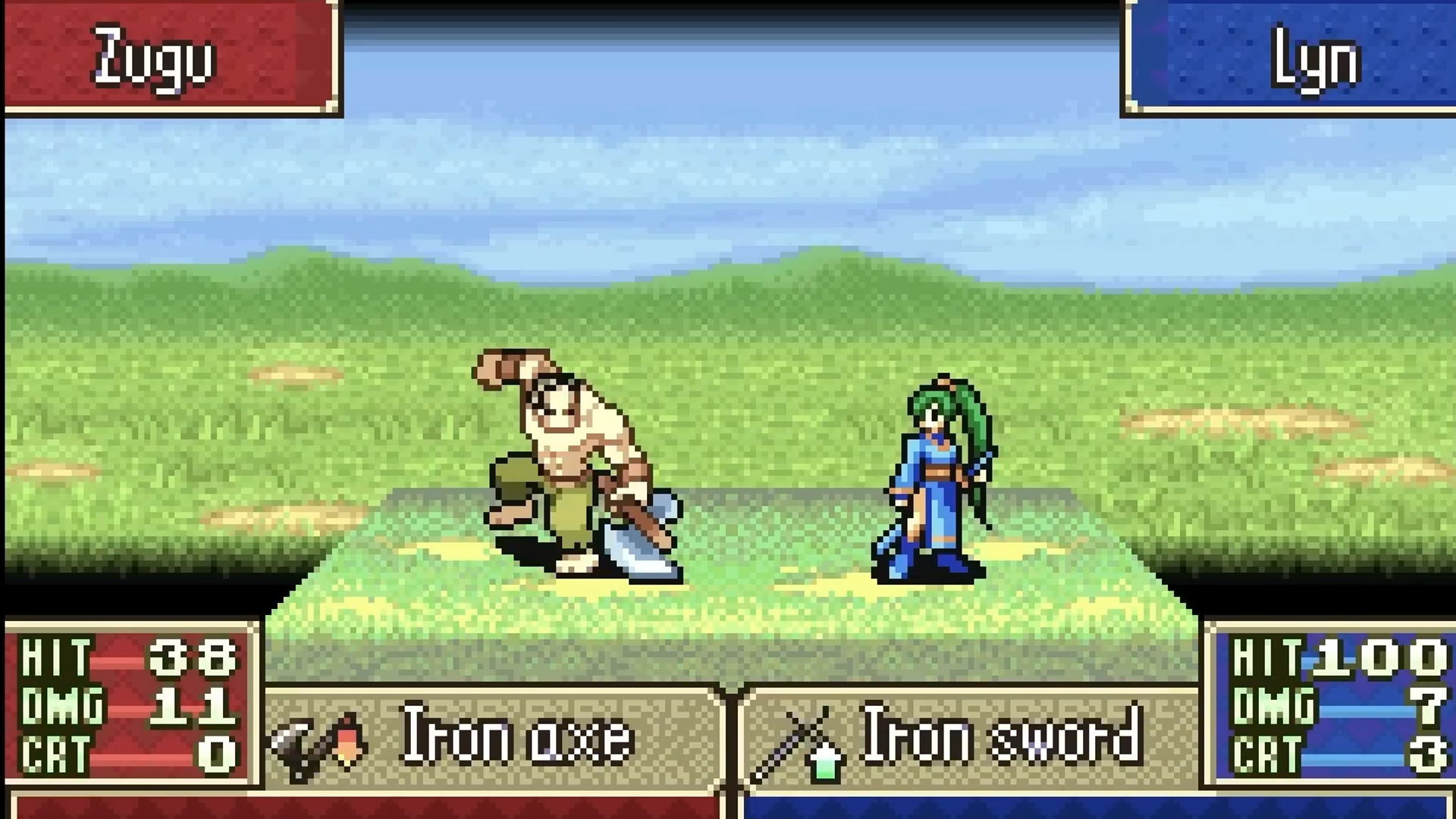
Today, Fire Emblem is a hugely popular Nintendo franchise worldwide, but that wasn’t always the case. Back in the early 2000s, it was virtually unknown in western countries. That’s why it was so puzzling for many players when characters like Marth and Roy appeared in Super Smash Bros. Melee, speaking only Japanese. Western audiences finally got their first chance to experience Fire Emblem properly when it came to the Game Boy Advance in 2003.
This isn’t the first Fire Emblem game overall, but it was the first released in English, meaning the gameplay was already polished. You quickly jump into your first battle – after a short introductory conversation with the character Lyn. The initial tutorial explains a lot, which is helpful since this type of Japanese role-playing game can be complex. Later battles gradually become more challenging, which keeps you invested and helps you learn the ropes.
The Game Boy Advance Fire Emblem is a great game to jump into, and it’s also a perfect way for newcomers to get a feel for the series. If you’re thinking about playing the newer Fire Emblem games on Switch Online, trying this one first can help you decide if the gameplay is something you’ll enjoy.
3. Mario & Luigi: Superstar Saga
As Simple as Jumping
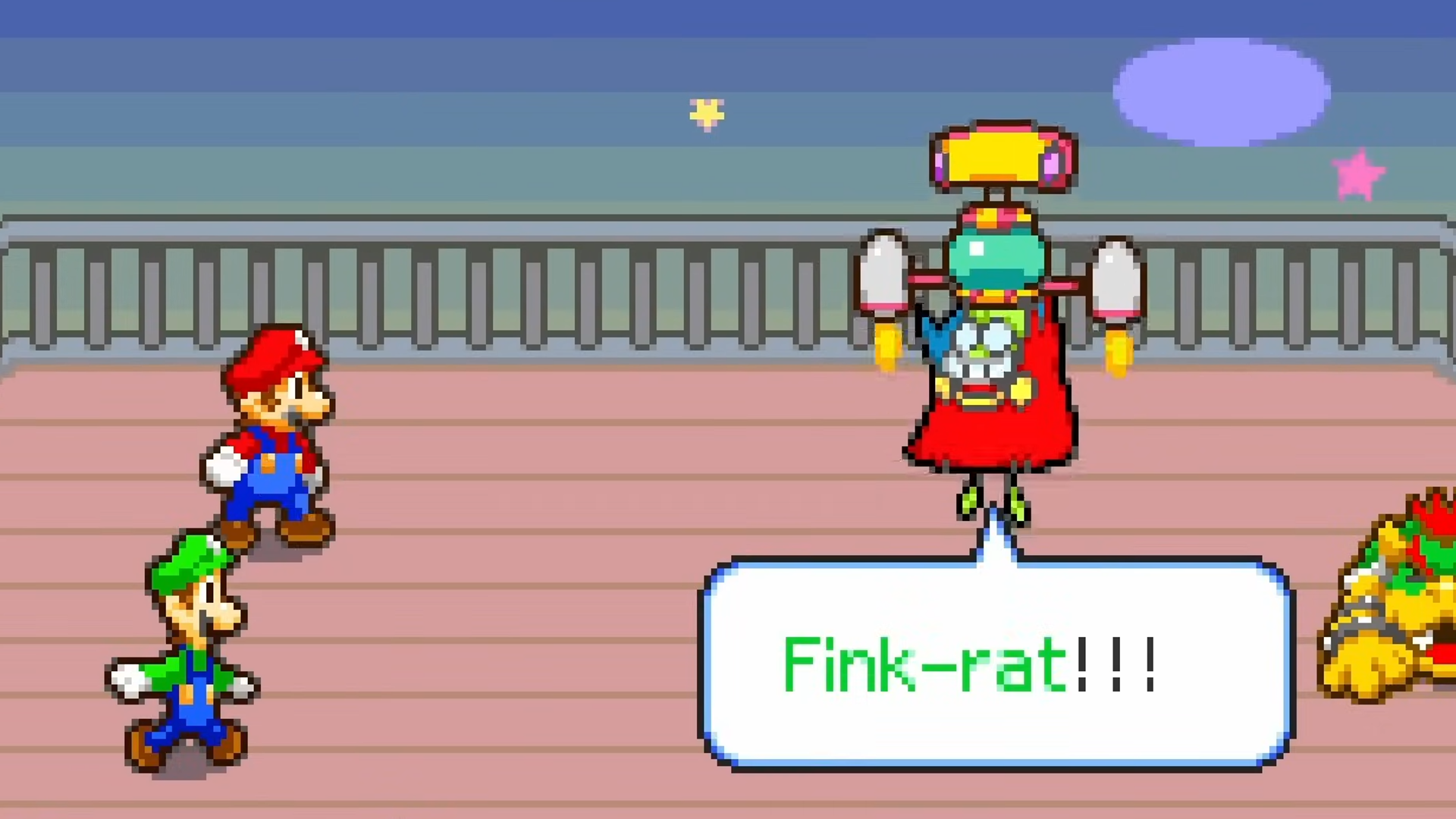
If you’re looking for a JRPG that gets straight to the action, Mario games are often a good choice. Whether he’s playing alone or with his brother Luigi, these games tend to be straightforward and quick-paced. The Game Boy Advance was the birthplace of this style, with the release of Mario & Luigi: Superstar Saga.
Subscribe for portable JRPG picks and game insights
Superstar Saga quickly explains the story at the beginning: a wicked bean witch has taken Peach’s voice, and Mario, Luigi, and even Bowser must team up to journey to a nearby kingdom and retrieve it. You’ll have a first battle with Bowser within the first few minutes, then explore his airship while fighting Fawful, learning the game’s mechanics along the way. By the time you reach the first large area, you’ll understand the core gameplay.
One reason Superstar Saga plays so quickly is its straightforward battles. Initially, Mario and Luigi mostly just jump on enemies and over obstacles, with Bros. Attacks being the only slightly complex move. The game introduces new abilities gradually, giving you plenty of time to learn and master each one before moving on.
2. Mother 3
Still Waiting, Nintendo
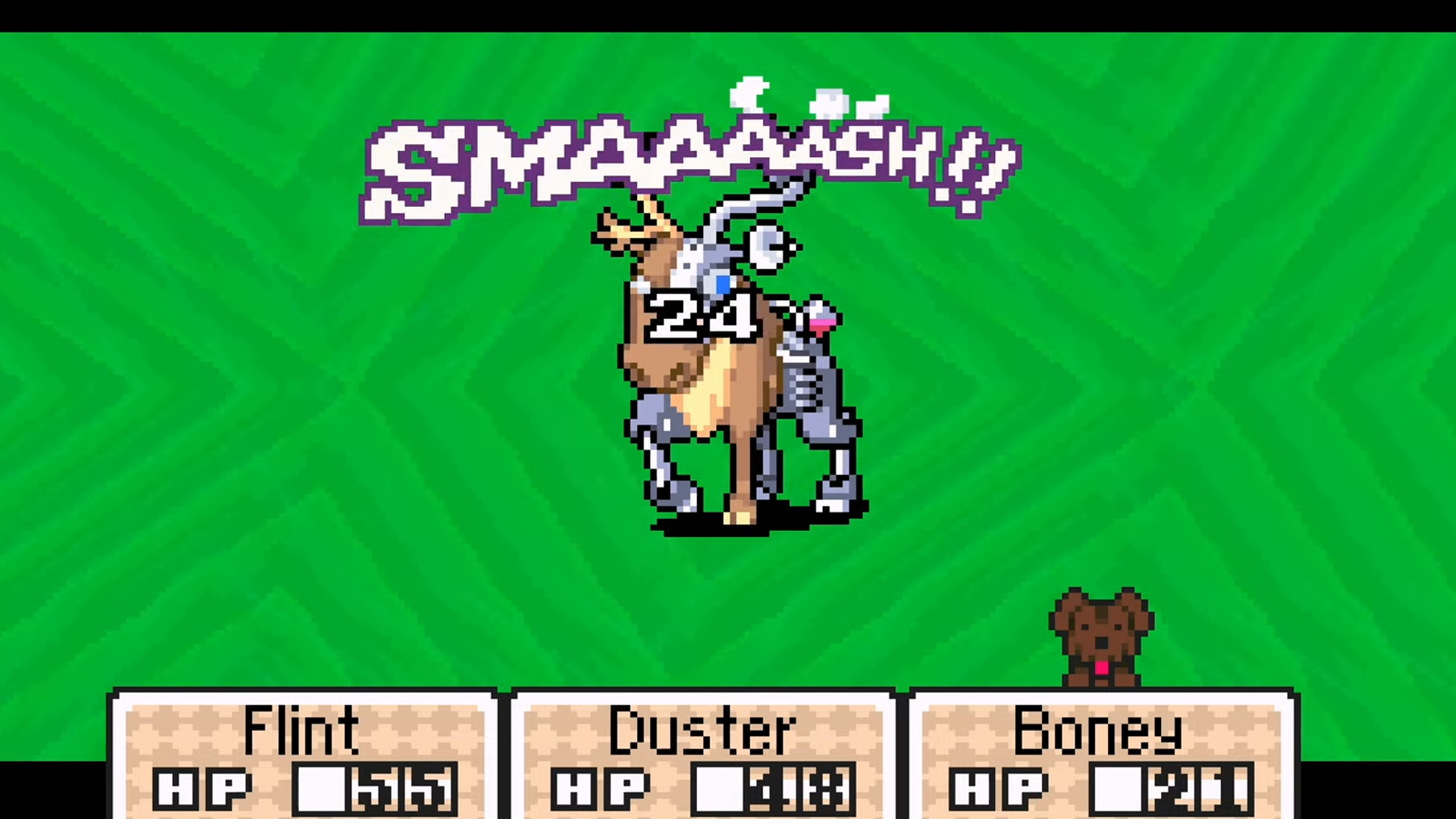
The Mother series of RPGs, often called Earthbound, had a long and winding development process. It began on the NES, continued on the SNES, and finally finished on the GBA. It’s understandable if you’re not familiar with the full history, though, as the most highly-regarded game, Mother 3, has never been released outside of Japan, despite being published by Nintendo.
Mother 3 immediately establishes its atmosphere, beginning with young Lucas and Claus in the mountains where you learn the combat mechanics. The story then shifts to Flint and a village threatened by a forest fire. What’s impressive is how seamlessly the game blends storytelling with gameplay, never losing sight of its important plot points and overall tone. It’s exactly the type of game I would have loved to play on my Game Boy Advance as a kid, Nintendo.
It’s frustrating that this game is still only playable through unofficial means, particularly since it’s already available on the Japanese Switch Online library. Nintendo, please just release an English translation – I’m happy to buy it! I’ve enjoyed this game multiple times and would gladly pay to play it again legitimately. Please don’t make it so difficult!
1. Pokémon FireRed & LeafGreen
A Certified Classic with a Fresh Coat of Paint
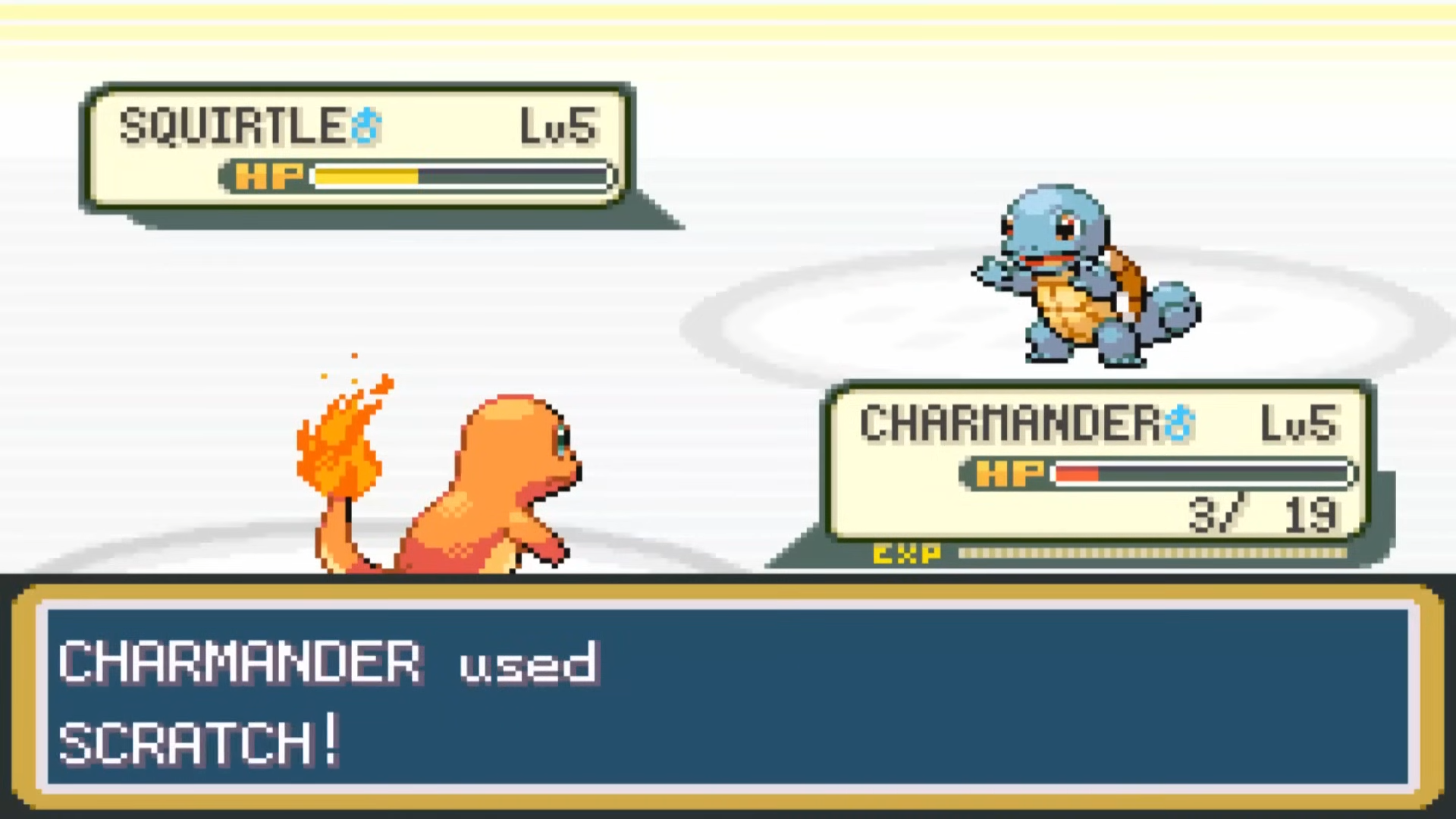
The Game Boy Advance has five core Pokémon games to choose from. Pokémon games are designed to be easy to pick up and play, so you can jump right into the action with any of them. However, if we had to recommend a starting point, it would be either FireRed or LeafGreen.
FireRed and LeafGreen, remakes of the very first Pokémon games, get you into the action quickly. You’ll meet Professor Oak, choose your starting Pokémon, have a quick encounter with Blue, and then you’re off exploring and catching Pokémon. Like all Pokémon games, the core appeal is collecting them all, so getting started with catching them right away is key. This fast start is what made the original games so addictive, and these remakes are just as engaging.
FireRed and LeafGreen made several small but helpful improvements to the original games. One of these was the addition of optional tutorials that taught players how to do basic things and navigate the game world. While these tutorials added a little bit to the beginning of the game, they were a great way to help new players learn the ropes.
Read More
- All Skyblazer Armor Locations in Crimson Desert
- How to Get the Sunset Reed Armor Set and Hollow Visage Sword in Crimson Desert
- All Shadow Armor Locations in Crimson Desert
- Marni Laser Helm Location & Upgrade in Crimson Desert
- Best Bows in Crimson Desert
- All Helfryn Armor Locations in Crimson Desert
- All Golden Greed Armor Locations in Crimson Desert
- How to Craft the Elegant Carmine Armor in Crimson Desert
- Keeping Large AI Models Connected Through Network Chaos
- One Piece Chapter 1179 Preview: The Real Imu Arrives in Elbaf
2026-04-06 22:12