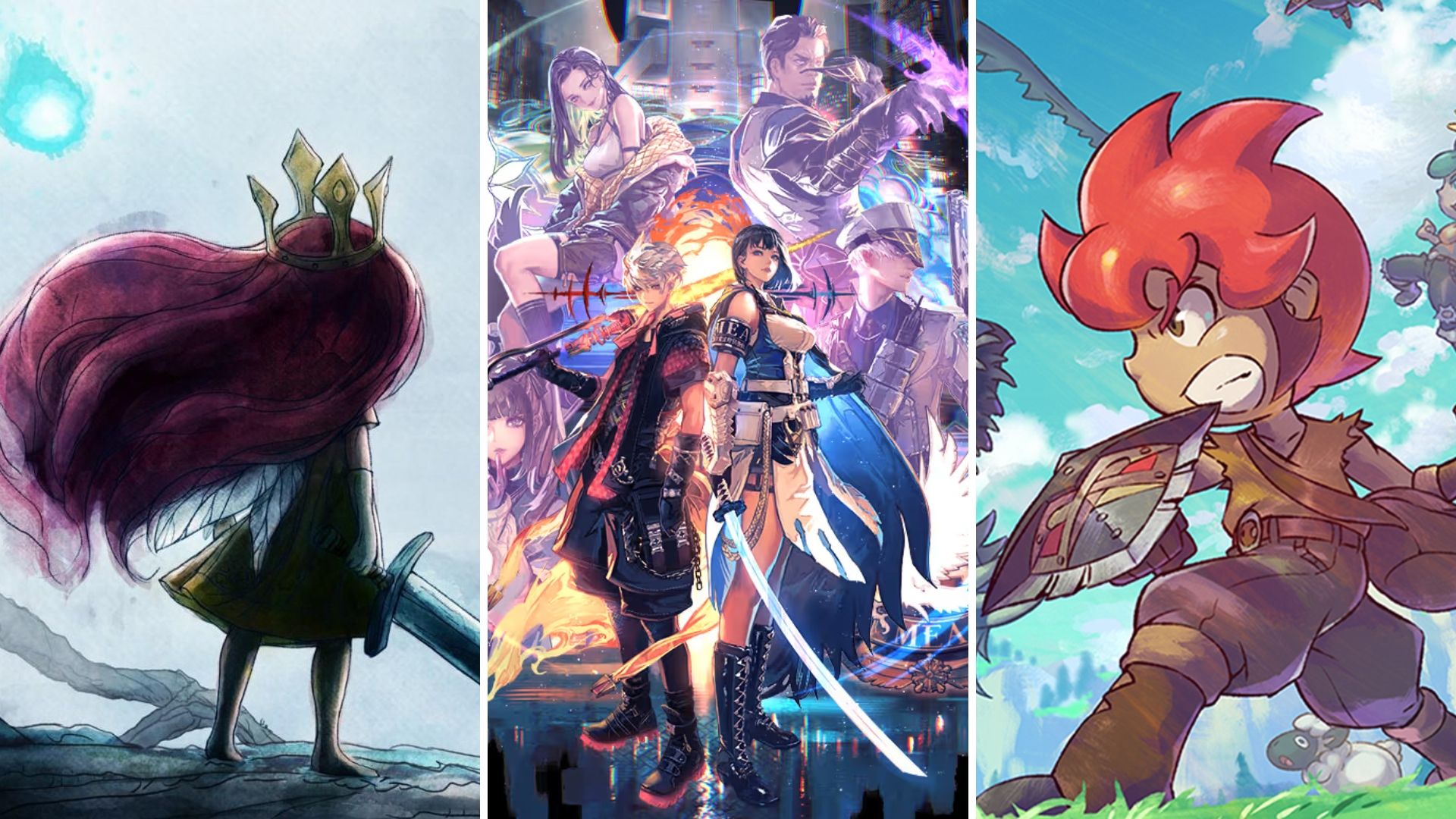
Many JRPG fans are familiar with the developers behind popular franchises like Final Fantasy, Dragon Quest, Persona, Kingdom Hearts, Tales of, and Star Ocean. These games are household names, and the people who create them are well-known within the JRPG community.
Big games from companies like Square, Atlus, and Bandai Namco always get attention, but some of their smaller releases often get overlooked. This could be due to limited promotion, or simply a quiet launch that led to the game being forgotten. These aren’t necessarily bad games—they just don’t receive as much discussion.
Today, I’m sharing a few lesser-known JRPGs created by well-respected developers – games that didn’t achieve the same mainstream popularity as their bigger titles. I’m focusing on the games these developers made, not just the ones they helped to publish. Let’s explore the hidden gems of the JRPG world.
10. ASH: Archaic Sealed Heat
Rise from the Ashes
| Developer | Mistwalker |
|---|---|
| Publisher | Nintendo |
| Release Date | October 4, 2007 |
While Mistwalker isn’t a household name, it’s led by Hironobu Sakaguchi, the creator of Final Fantasy. Final Fantasy is widely considered one of the greatest JRPG series of all time.
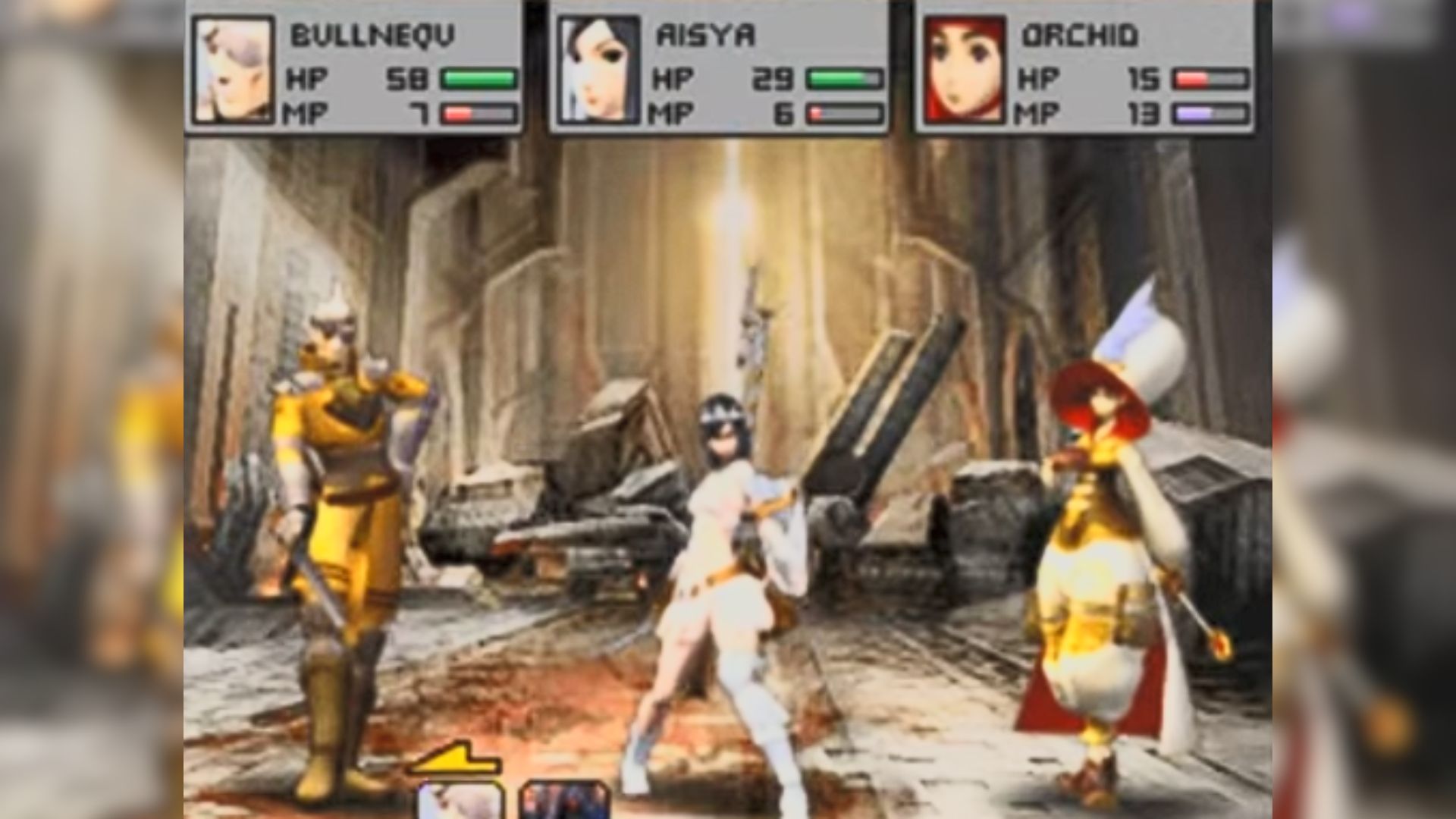
Mistwalker is well known for games like Lost Odyssey, Blue Dragon, and their recent title, Fantasian. But they also made ASH: Archaic Sealed Heat, a strategy-based RPG for the Nintendo DS. In ASH, you play as Aisya, who’s hunting the creature that destroyed her kingdom of Millinear. Aisya has a unique ability: she can bring fallen warriors back to life as ash-based fighters, a mechanic similar to the game Valkyrie Profile.
The game is a tactical RPG played on a grid-based battlefield. You move your characters around the grid to find items and fight enemies. Battles are turn-based, where each character uses their unique abilities, and continue until one side wins or you choose to retreat. Each character belongs to a class that defines their skills, strengths, and weaknesses.
9. Boktai: The Sun is In Your Hands
Almost Literally
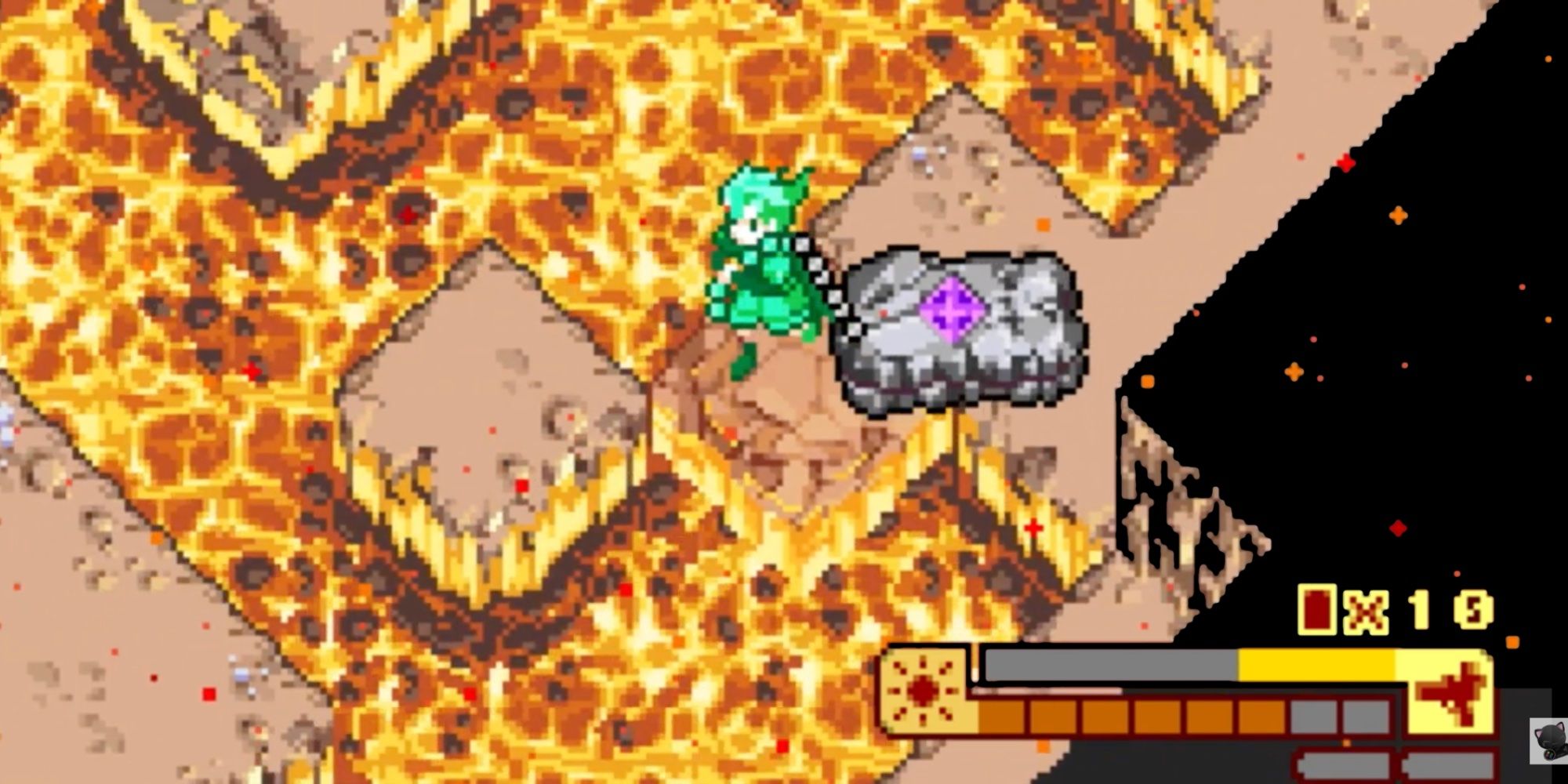
Boktai: The Sun is In Your Hands wasn’t just made by a well-known company; it was produced by the famous game designer Hideo Kojima. He worked on this GBA role-playing game between developing Metal Gear Solid 2 and Snake Eater, and it was notably innovative – as you’d expect from Kojima.
At first glance, Boktai: The Sun is In Your Hands appears to be a standard action RPG. But what sets it apart is its unique recharging system: to power certain weapons, you actually had to expose the game cartridge to sunlight! It sounds strange, but it’s true. The Boktai cartridge contained a light sensor that would recharge the game’s battery when exposed to actual sunlight.
Dedicated gamers who preferred staying indoors often found ways to play despite limitations, but anyone with a Game Boy Advance remembers needing extra light to see the screen, so the game’s solution felt practical. It was a uniquely creative idea for a role-playing game, something only Hideo Kojima could have conceived.
8. Sweet Home
Prehistoric Capcom
Capcom jumped into the popular JRPG genre during the Super Nintendo era, and thankfully, it led to the creation of the Breath of Fire series, which has always been a favorite of mine. But Breath of Fire wasn’t Capcom’s only attempt. Before Breath of Fire and even before the success of Resident Evil, they were experimenting with RPGs through a game called Sweet Home.
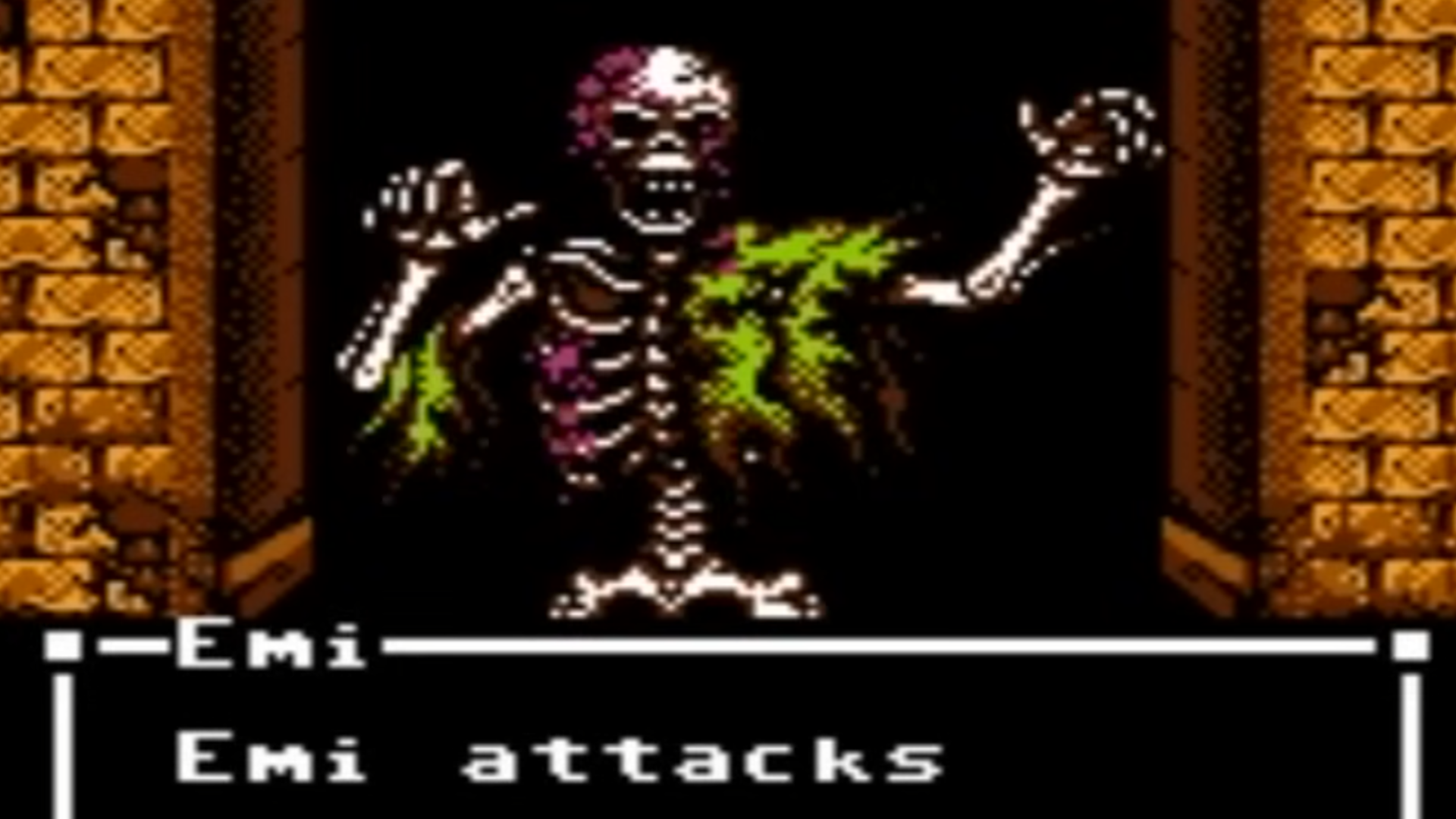
Sweet Home is a role-playing game for the NES that takes place inside a spooky mansion. It actually served as inspiration for the original Resident Evil! While the game has battles, they’re not particularly memorable – most enemies are defeated with simple attacks.
The game centered around solving puzzles and managing a group of characters. You controlled five people, each with a unique item like a lighter, camera, or key. But you could only have three in your active party at once, meaning you had to constantly switch between characters to solve puzzles and uncover the secrets of the mansion.
7. Kartia: The Word of Fate
The Power of Cards
Whenever I see the Atlus logo during a gaming event, I instantly get more engaged. I never expected them to become known for such high quality, or a benchmark for JRPGs, but they’ve really achieved that. After a period of inconsistent games, Atlus has consistently delivered fantastic titles.
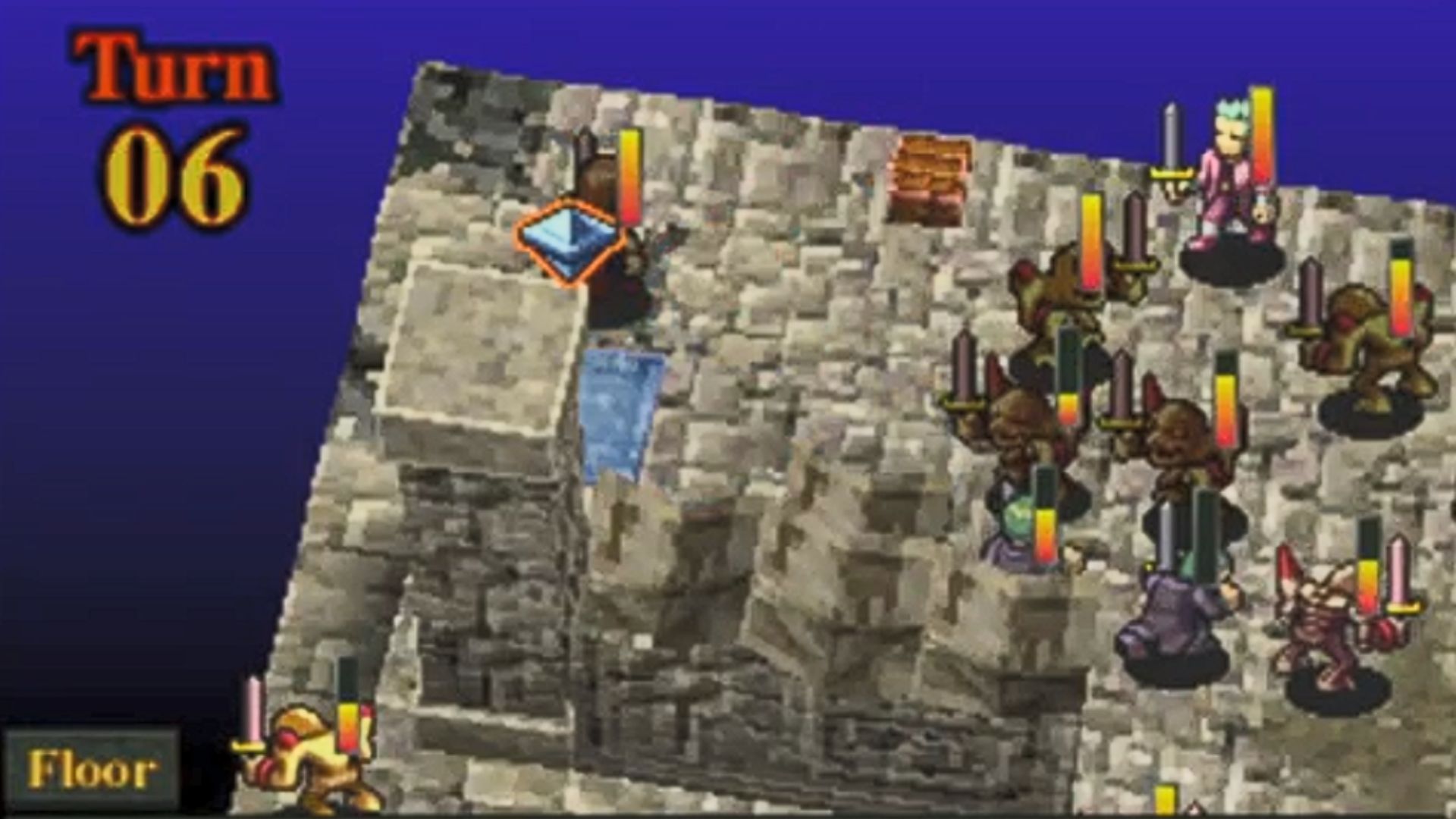
While many games on the PlayStation 1 weren’t particularly memorable, it did have some excellent tactical Japanese role-playing games, like Kartia: The Word of Fate. Kartia is a strategy game with a unique twist: the Kartia system. Players use cards to summon phantom allies, cast spells, and even create weapons for their human characters.
We can strengthen our team by combining Kartias into more powerful units. If a phantom falls in battle, the game goes on, but if a human character is defeated, it’s over. Plus, we’re exploring the ability to destroy parts of the battlefield, which would add a new level of strategic depth to every fight.
6. Soma Bringer
An Anime Hack and Slash
| Developer | Monolith Soft |
|---|---|
| Publisher | Nintendo |
| Release Date | February 28, 2008 |
Monolith Soft has become famous for its technical skill, earning them a reputation as Nintendo’s experts. They’re known for cleverly optimizing large games like Xenoblade Chronicles to run smoothly on the Switch, and they even shared that expertise when helping to create Zelda: Breath of the Wild.
Before creating Xenoblade, Monolith Soft had already developed the popular series Xenosaga and Baten Kaitos. They also made Soma Bringer, a Nintendo DS role-playing game that wasn’t as widely known, particularly in Western markets.
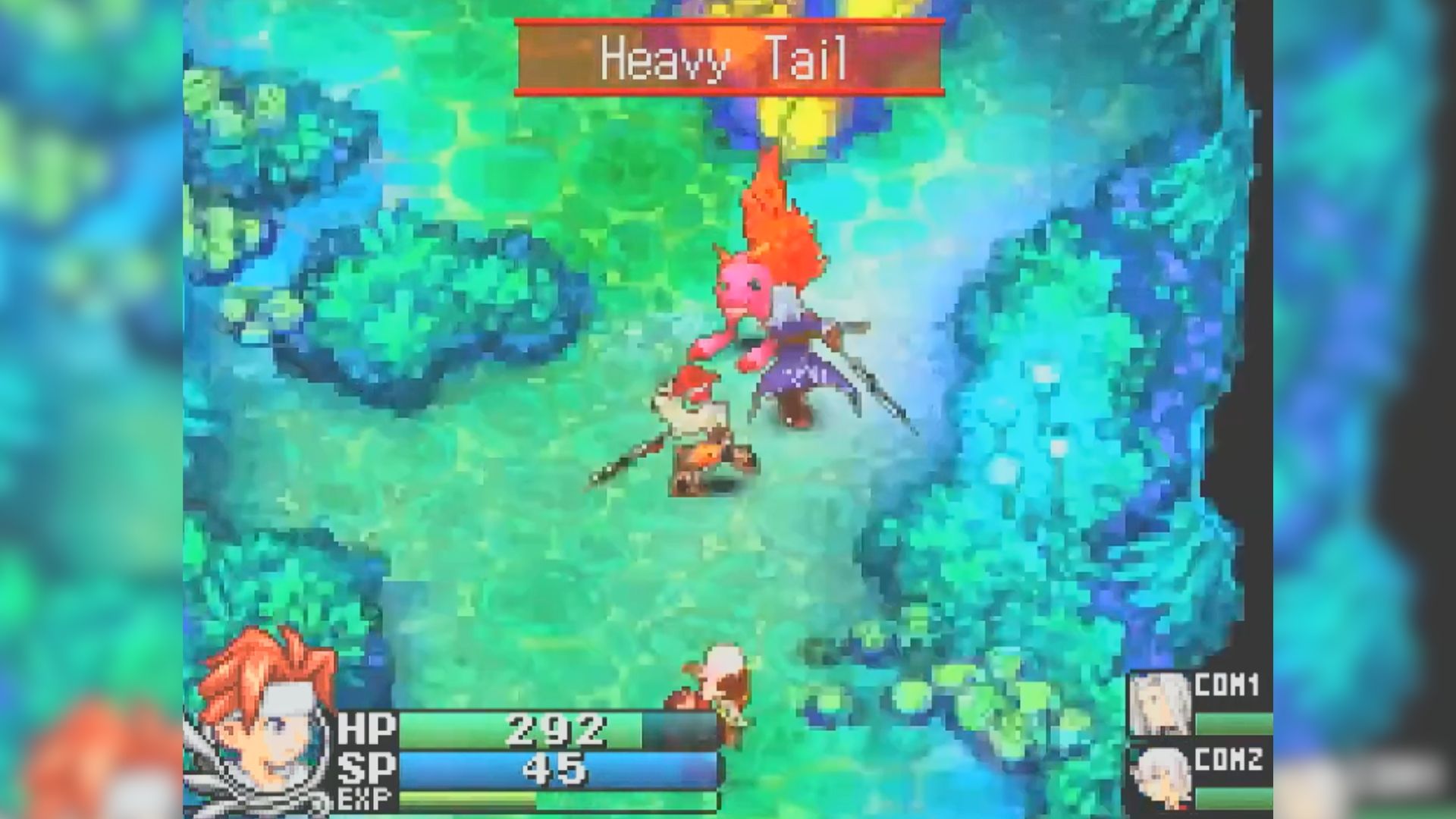
Even though Soma Bringer looks like a typical anime game, it plays a lot like action games from the West. You start by picking a character and then choosing a class, which determines their weapons, armor, and abilities. From there, you explore dungeons with a team of three – you control one character, and the other two are controlled by the computer, unless you play with friends wirelessly.
5. Child of Light
When Ubisoft Was Fun
While there are several JRPG-inspired games available, Child of Light stands out, especially considering it was created by Ubisoft, a major name in the gaming industry. Though Ubisoft’s position has shifted somewhat recently, they remain a significant developer.
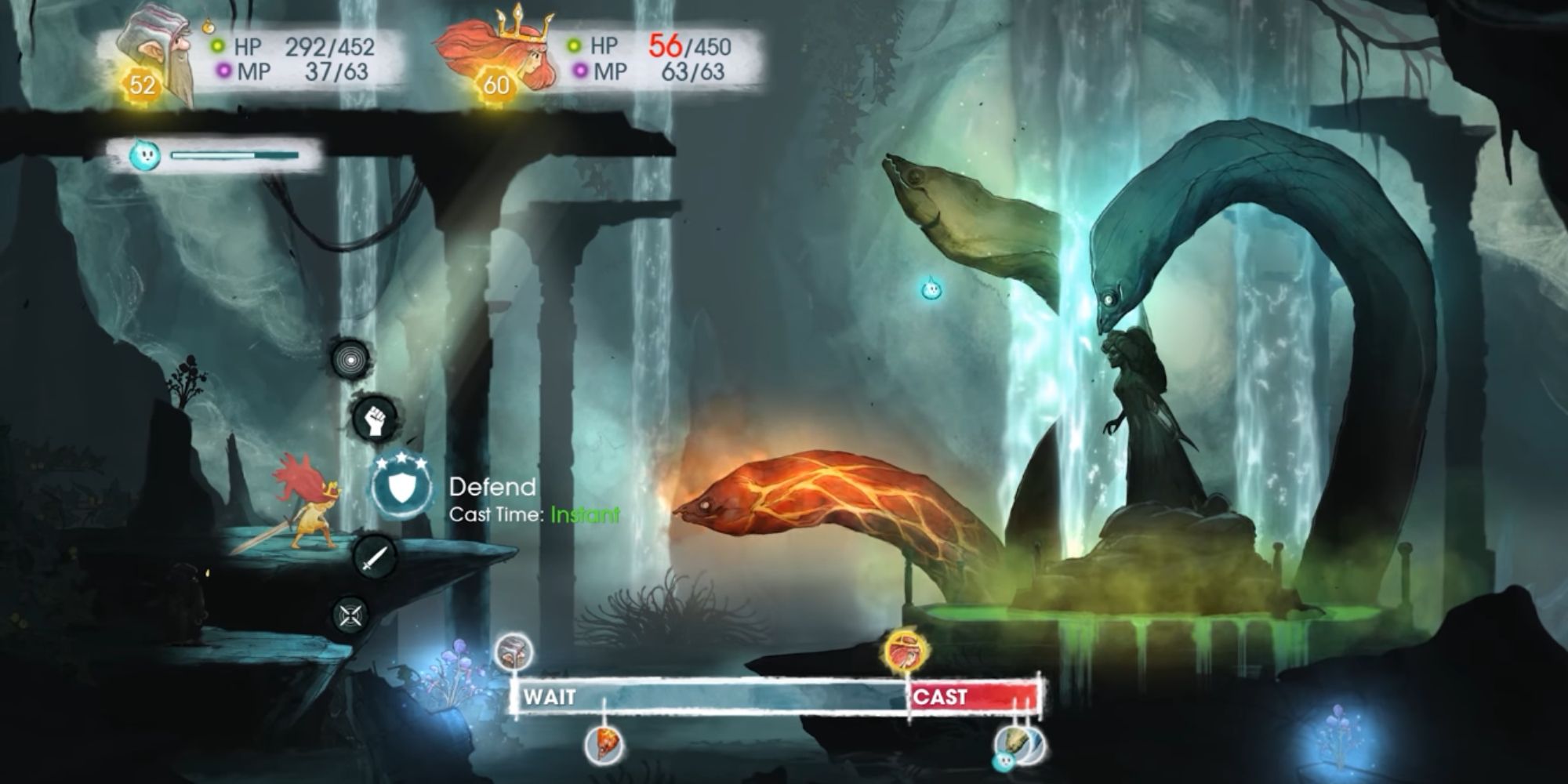
Developed by Ubisoft Montreal, Child of Light is a truly special game, especially considering the types of titles Ubisoft usually publishes. It combines turn-based combat with real-time action, similar to Grandia. Battles feature a timeline that shows when each character will act, and skillful play allows you to take your turn sooner or even interrupt your enemies.
The story has hidden depths. It takes place in Lemuria, a world where the young girl Aurora ends up after passing away. To wake up and return to her life, she must retrieve the sun, moon, and stars from the Queen of the Night. This makes me think Aurora wasn’t actually dead, but simply in a very deep sleep.
4. Reynatis
FuRyu Is Always Trying
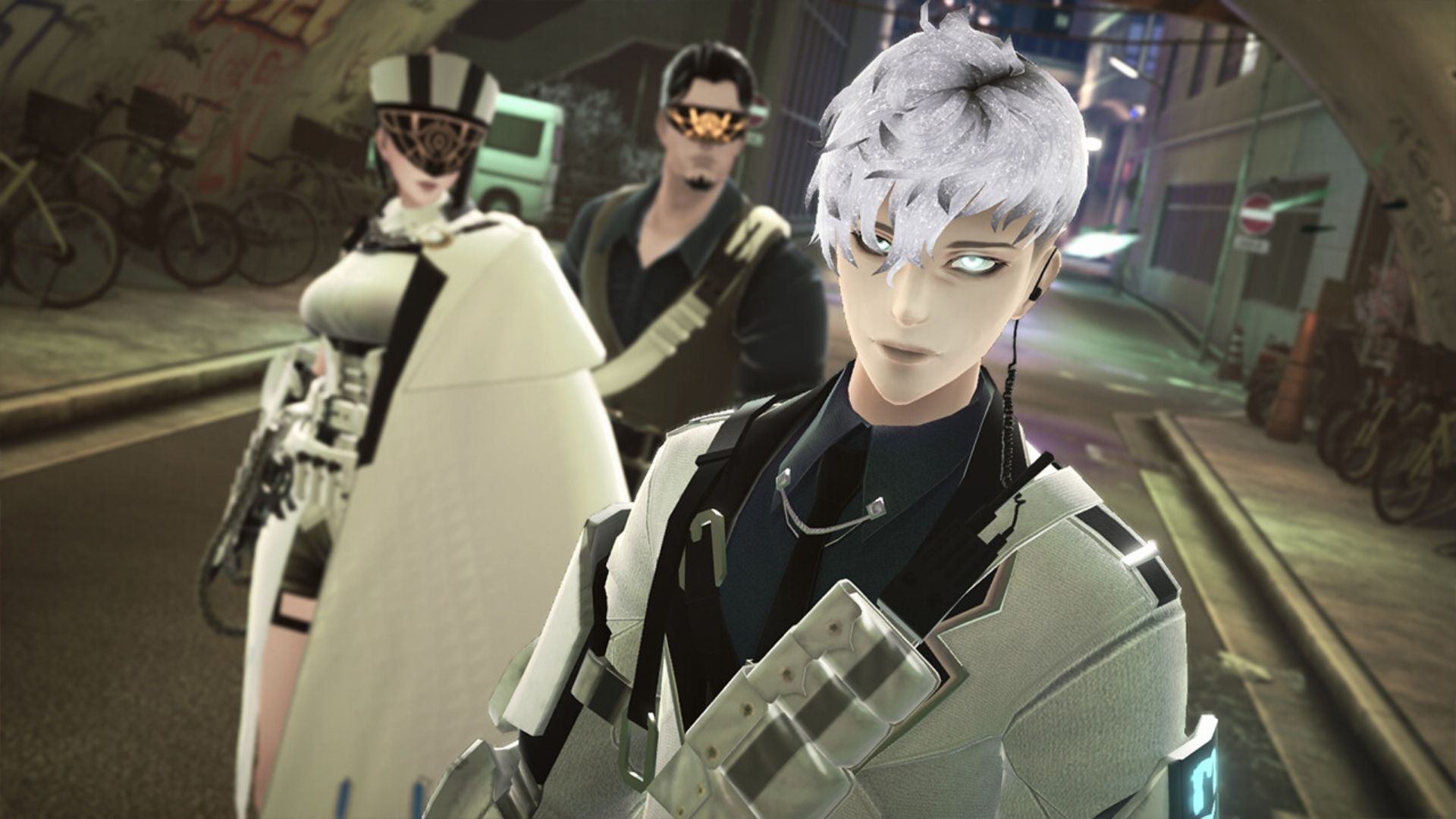
It’s wise to approach new FuRyu JRPGs with a bit of caution, but they consistently attract talented developers with experience in the industry. For this article, I’ll be focusing on one of their newer titles, Reynatis.
Let’s be honest, Reynatis isn’t a particularly great game. Feel free to check it out if you’re curious, but I’m just saying, you’ve been warned! Despite its flaws, it does feature an amazing soundtrack composed by the talented Yoko Shimomura, known for her work on games like Kingdom Hearts and Final Fantasy XV. Plus, the story was written by Kazushige Nojima, who’s contributed to many Final Fantasy titles, including Final Fantasy VII and its related games.
Even with those two elements, the games still weren’t very good. Reynatis attempted innovation with a battle system featuring two modes – Suppressed and Liberated – but it wasn’t engaging. I stopped playing before I could fully understand the story, but it does generally align with the topic we’re discussing.
3. Guns Undarkness
Project with Great Potential
| Developer | Shoji Meguro |
|---|---|
| Publisher | Kodansha |
| Release Date | 2026 |
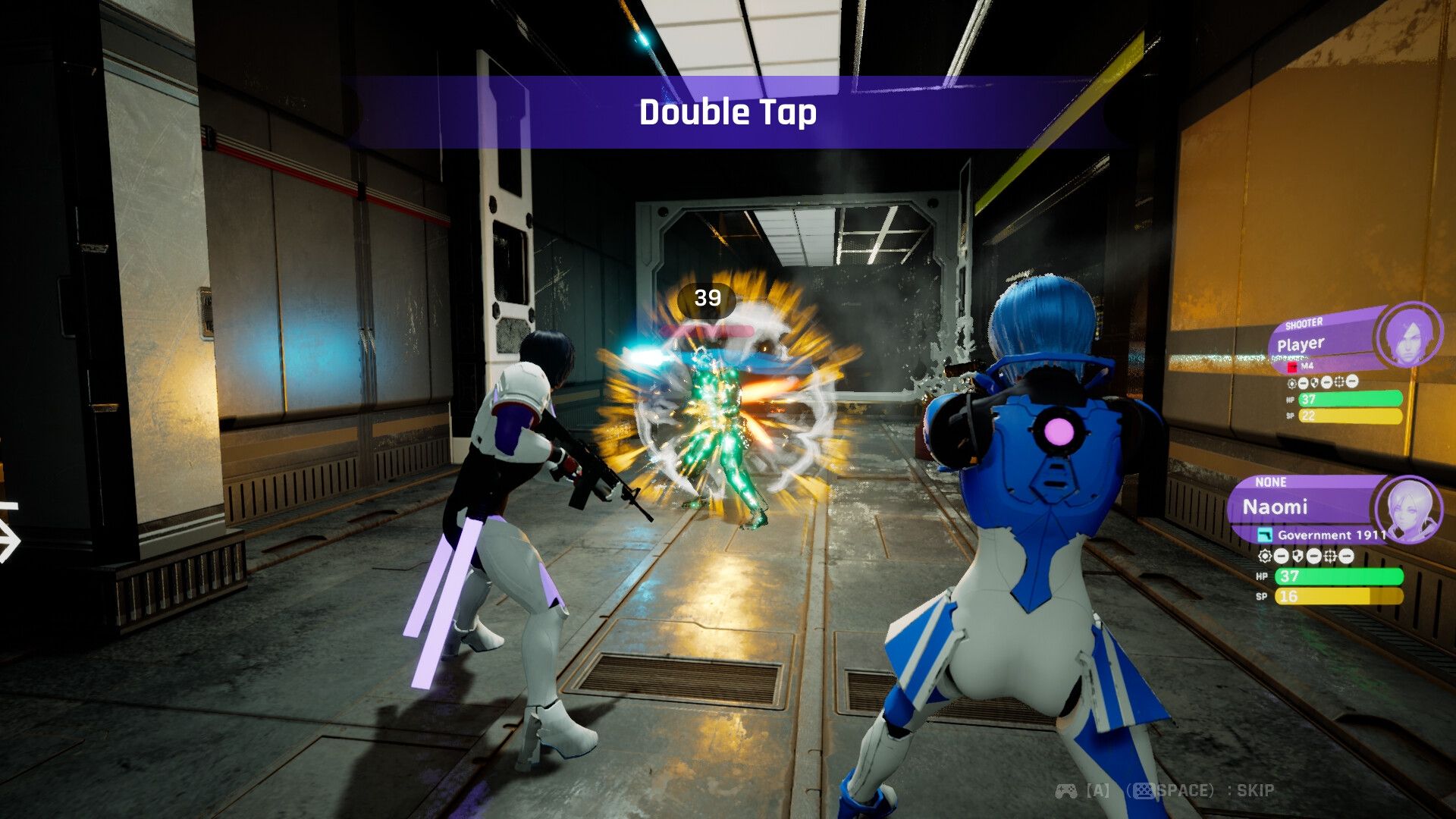
Let me quickly mention a game that’s still in development, but I think deserves a look. It’s called Guns Undarkness, and the music is being created by Shoji Meguro, who’s famous for composing the soundtracks to Shin Megami Tensei and Persona. Fans of those games will tell you the music is consistently fantastic.
Subscribe to our newsletter to uncover JRPG B-sides
The game Guns Undarkness had a successful Kickstarter campaign in 2022. While its Steam page currently lists a 2026 release date, I’m skeptical. It’s described as a turn-based tactical JRPG, drawing inspiration from games like Metal Gear Solid and Persona – honestly, that sounds like everything we could want!
The game takes place in 2045, in a world where over-reliance on technology has widened the gap between the rich and poor – a familiar issue. You’ll play by sneaking around or using cover to get the drop on enemies, then switch to turn-based combat with a strategic edge. It looks good and has a lot of promise, but I’m keeping my expectations tempered for now.
2. Little Town Hero
No More Pokémons
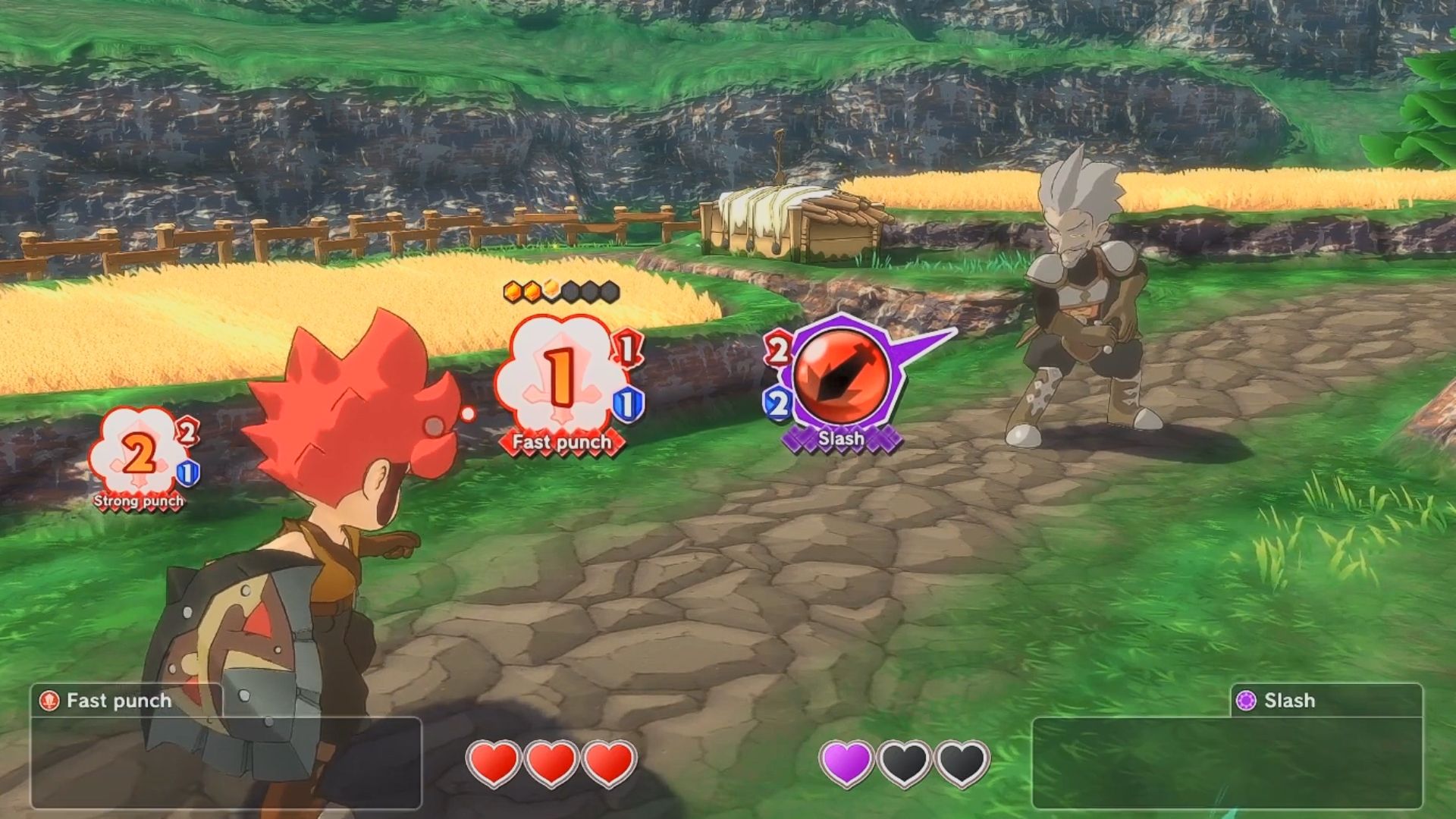
Little Town Hero is a really unusual game. It was made by Game Freak in 2019, while they were also working on Pokémon Sword and Shield. What’s even more surprising is that the music was composed by Toby Fox, the creator of Undertale – a combination you wouldn’t expect!
In Little Town Hero, people live inside a walled village and generally accept their limited world. However, the main character dreams of exploring beyond the walls. When a monster attacks, they use a mysterious Red Stone to defeat it, giving them the opportunity they’ve been waiting for – a chance to journey into the wider world.
The combat in Little Town Hero is turn-based, but it’s more involved than it first appears. You use ‘Dazzits’ for every action – both attacking and defending. The main goal is to deplete an enemy’s Dazzits, after which you can directly damage them. You can also use spells to target Dazzits, and explore the map to trigger events during battles. This system makes each fight feel meaningful, avoiding repetitive, easy encounters.
1. Dungeon Encounters
The Return of the ATB

Square Enix has a long history of making Japanese role-playing games, both when it was known as Square and later as Square Enix. Over the years, some lesser-known titles have faded into obscurity. As a big fan of the company, I enjoy seeking out these more unusual games, and I’ve discovered some real hidden treasures along the way.
I’ve played a ton of RPGs over the years, and I could talk about games like Harvestella, Voice of Cards, or even classics like Treasure of the Rudras and Bahamut Lagoon. But I really want to highlight a more recent one that didn’t get as much attention: Dungeon Encounters. It wasn’t made by Square Enix directly, but it’s led by Hiroyuki Ito – you might know him as the creator of the Active Time Battle system and the director of Final Fantasy IX. That alone got my attention!
In Dungeon Encounters, you explore dungeons, but instead of moving through a 3D world, it all happens on a game board. Your aim is to conquer 100 levels, but the dungeon throws obstacles in your way with unexpected events and challenging battles, which are handled using an Active Time Battle (ATB) system. Many people compare it to a simplified version of the classic game Wizardry, and I think that’s a pretty accurate description.
Read More
- Forza Horizon 6: Find the Ohtani Treasure Chest Location
- NTE Drift Guide (& Best Car Mods for Drifting)
- LEGO Batman Legacy of the Dark Knight Batcave Minikits & WayneTech Caches
- How to Open Locked Door in Tenryu River in Nioh 3 (Dirty Key)
- Sega’s “Super Game” is Said to Release Next Month, But Nothing is Known About It
- Skyblivion Gets Encouraging Development Update
- New Steam Game is Like Pokemon If It Were a Sci-fi Shooter
- GameRant Daily Crossword (February 10, 2026)
- God of War Shadow Drops New Game and Confirms Greek Trilogy Remake
- Dead as Disco Best Songs (Clear Beats & Stable BPMs)
2026-04-17 23:12