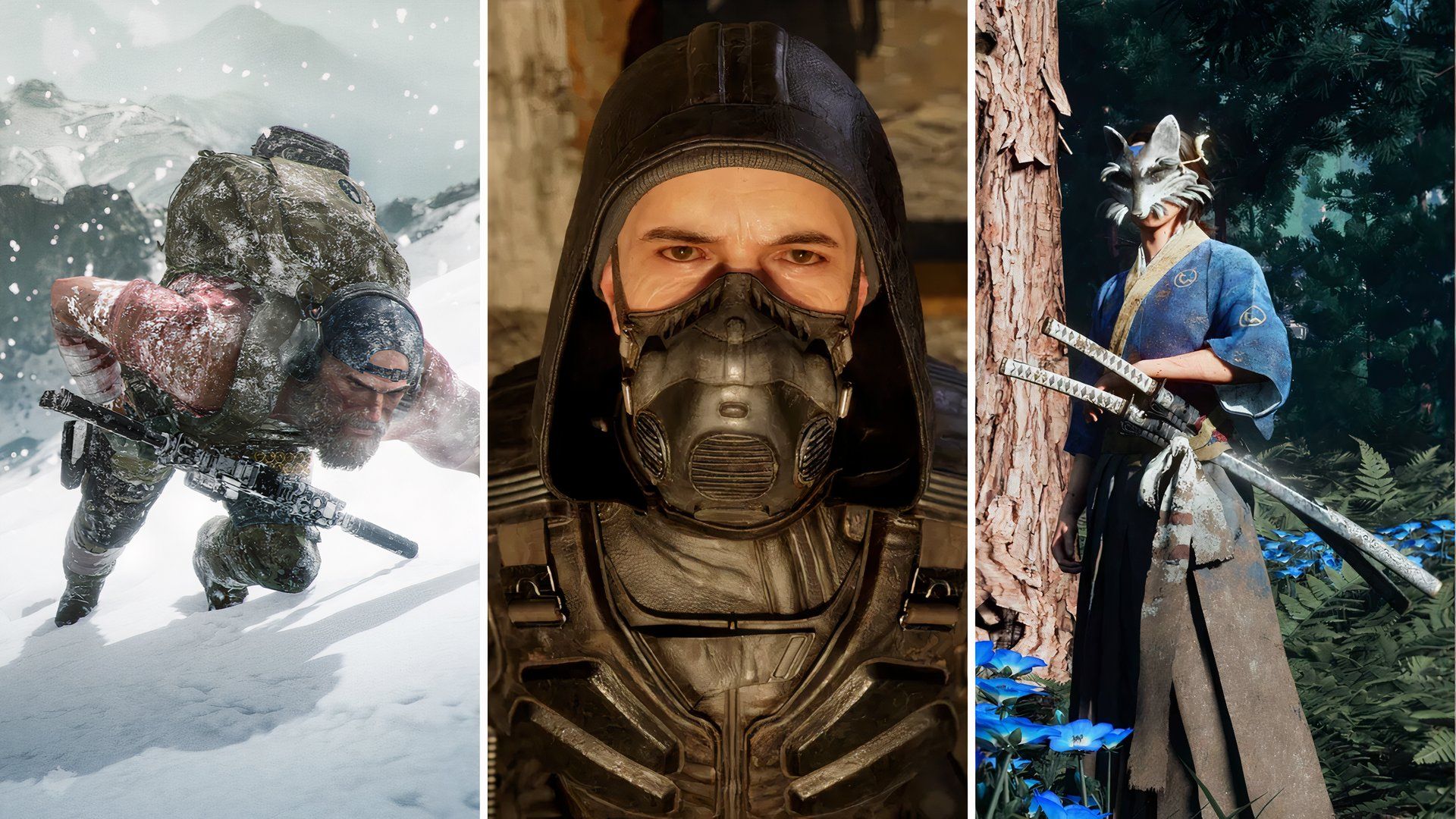
Predictability has its place – everyone enjoys simple comforts sometimes, like a classic vanilla ice cream. But the most unforgettable experiences come from flavors that are complex and offer unexpected surprises.
Many open-world games offer a huge amount of exploration, but simply having a lot to do doesn’t always make them engaging. While they often include numerous side quests and completionist goals, the core gameplay can sometimes feel repetitive.
It’s really challenging to redesign a world that players already love, and these ten open-world games do it exceptionally well, balancing bravery with skillful design.
8. Final Fantasy XV
The Hangover, Part 4
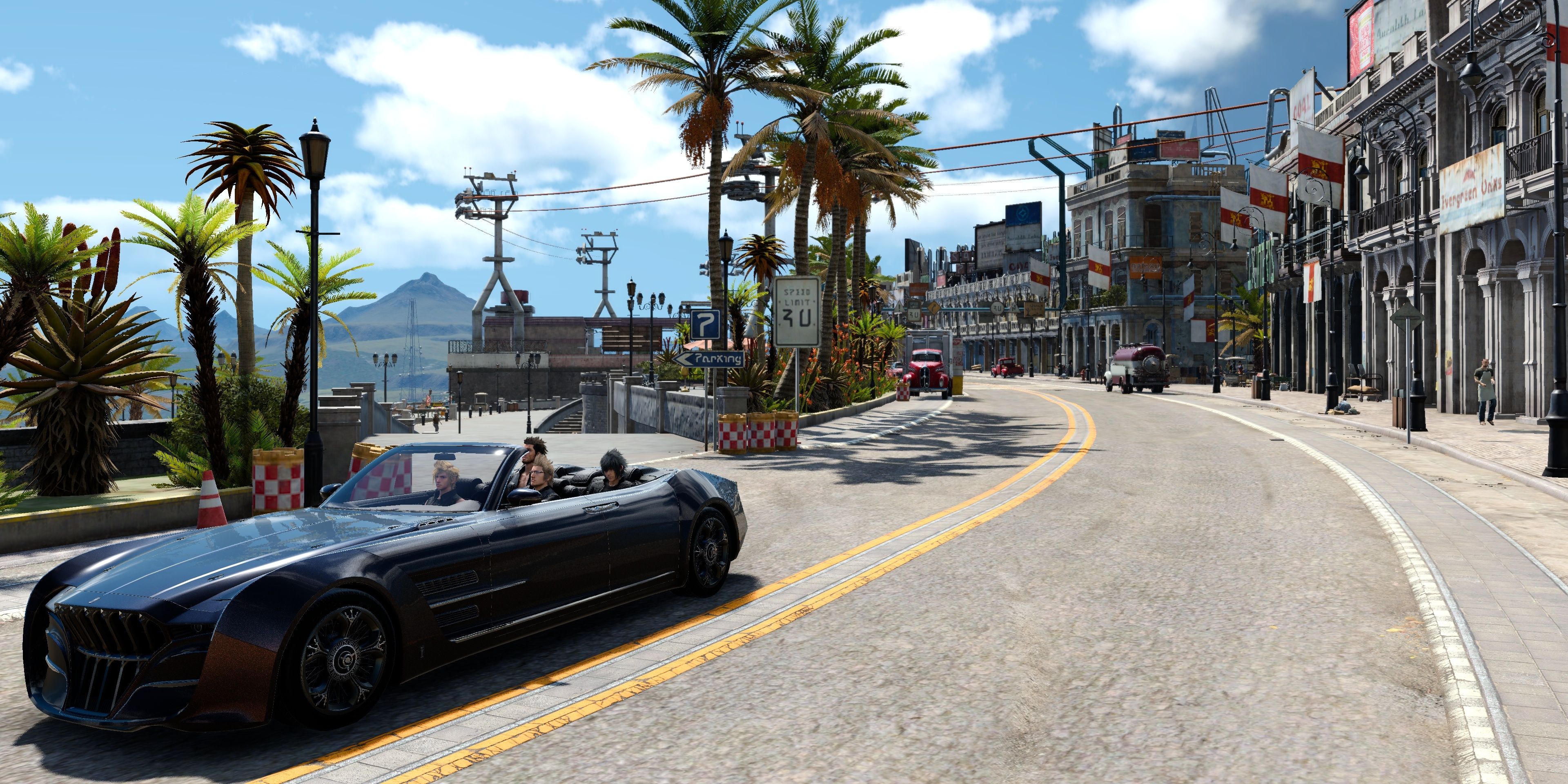
This popular road trip game offers a huge and varied experience over roughly 50 hours of gameplay. You’ll explore the expansive world of Eos through three unique stages, each with its own special qualities.
Final Fantasy XV begins simply enough, with a group of friends on an epic road trip for a wedding. Along the way, you quickly learn that the world of Eos is full of peril, even when it’s not at war.
When war erupts again between Lucis and the Niflheim Empire, your simple journey turns into a dangerous chase, as you’re forced to carefully plan each step in a world that’s quickly becoming more and more hostile – yet remains open for exploration.
Eventually, the game shifts to a tighter, more focused, and challenging environment. While you can still discover some areas, it’s a dangerous experience that feels more like the classic Final Fantasy games, offering a smaller scope than the open world you explored earlier.
7. Tom Clancy’s Ghost Recon: Breakpoint
All Droned Up
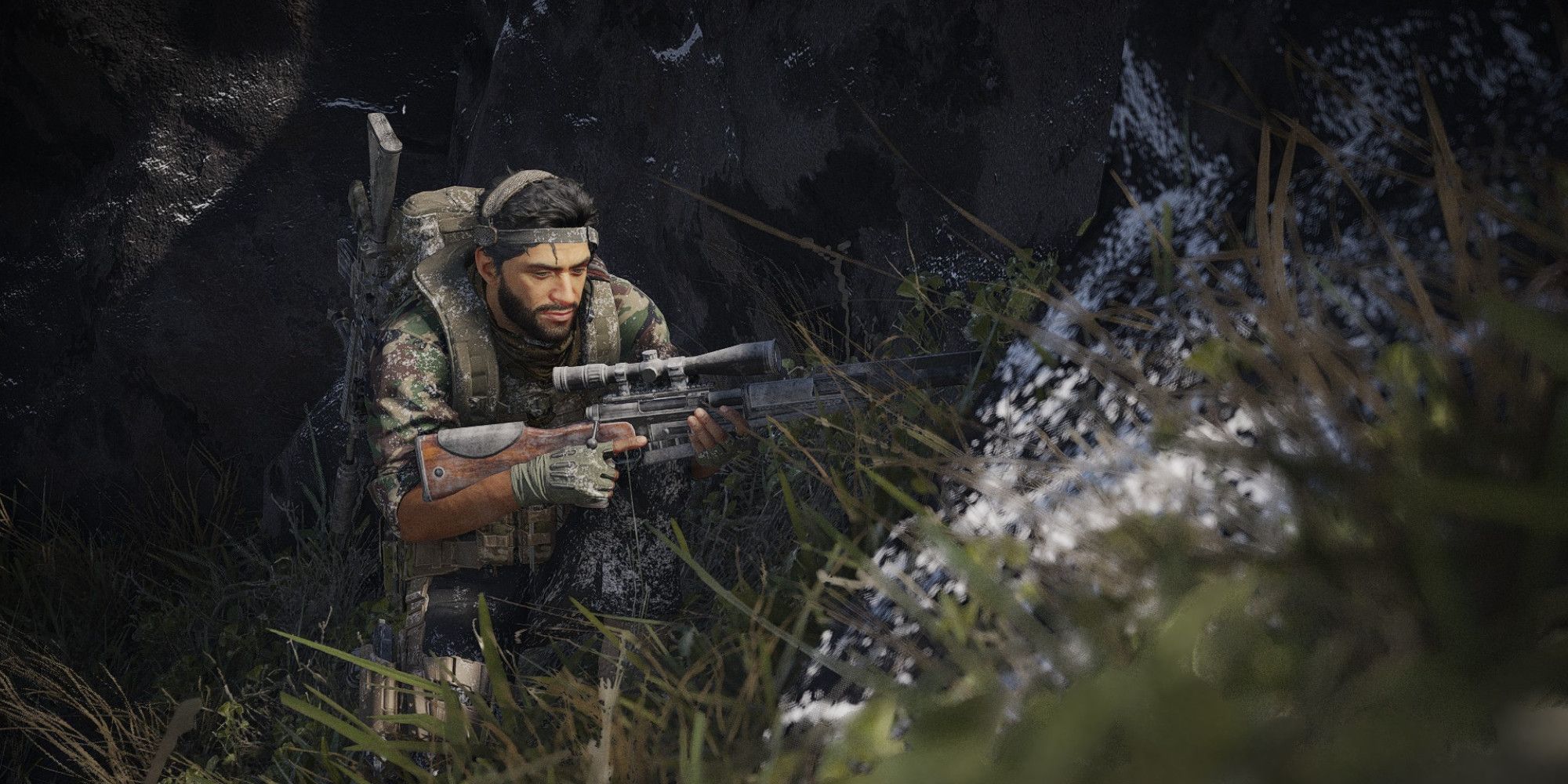
Ghost Recon Breakpoint had a rocky start, and many players were disappointed when it first came out. Ubisoft seemed to rush the game after the success of Wildlands, and the launch was almost a failure. But over time, Breakpoint evolved into something more substantial, effectively becoming three different games rolled into one.
The core of the game, called Operation Greenstone, has a pretty strange story about elite soldiers dealing with the fallout from reckless tech entrepreneurs and private military groups. It can be fun at times, but also feels poorly executed at others.
The game really comes alive with its two added modes. “Deep State,” also known as Operation Checkmate, is a fantastic experience for fans of the Splinter Cell series, and it’s currently the closest you can get to playing as Sam Fisher in a new game. Fans of Ghost Recon: Future Soldier will also enjoy Operation Red Patriot, which continues the story they know and love.
Operation Motherland builds on the foundation of Ghost Recon Breakpoint, introducing a new game mode where players fight for control of map areas against a powerful enemy force. While the game had a rocky start, Ubisoft ultimately improved it through ongoing support and updates.
6. Fallout 3
Hobo to Hero
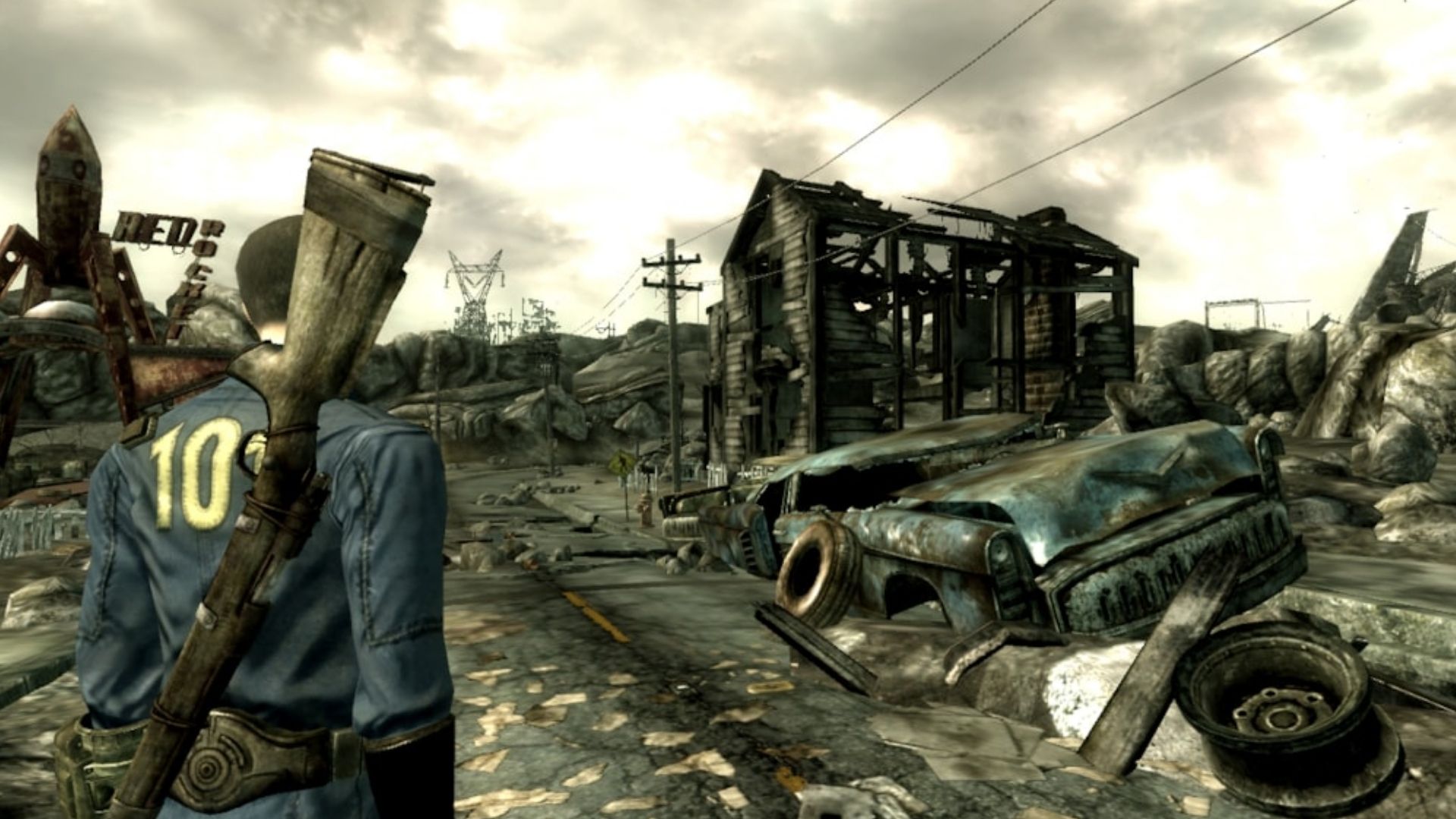
I’d been thinking about playing a Fallout game for a long time, but it was Fallout 3 that finally convinced me to try it. It’s a great example of a game that keeps you hooked for hours – except the ending isn’t very good, which I’ll explain later.
The beginning of Fallout 3 is notoriously difficult compared to other Bethesda Fallout games. A small mistake in where you go can quickly lead you into dangerous territory filled with tough enemies like super mutants. There’s no gentle introduction to Washington D.C. – you might find yourself in a hostile area with only a few healing items and basic equipment.
The Broken Steel expansion is almost essential because it fixes the frustrating ending of the original game. Once installed, you go from being a solitary survivor to a key member of the Brotherhood of Steel, involved in large-scale conflicts. This dramatically changes how the game plays, letting you really impact the wasteland and its future with the choices you make.
5. Ghost of Yōtei
The Cycle of Revenge
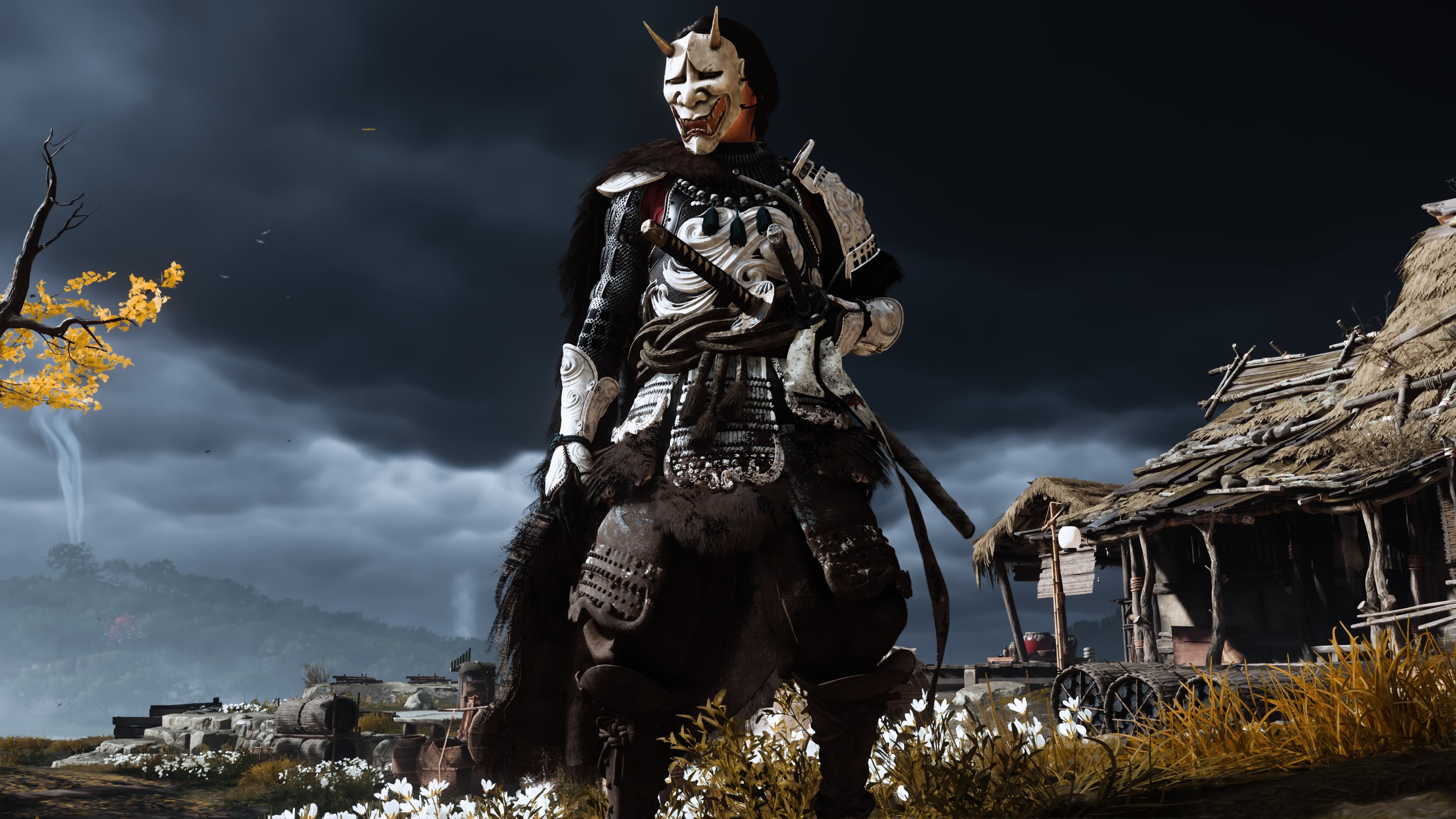
Playing as Atsu in Ghost of Yōtei is just… intense. From the moment I got back to Ezo (which is Hokkaido now, by the way), all I could think about was revenge. Seriously, that’s all that mattered. It’s like I was driven by this need to make everyone who hurt me pay, and honestly, the game makes it feel like that’s the only way I can finally find peace.
Around the midpoint of the game, the experience shifts dramatically. You go from feeling like a solitary wanderer to becoming involved in a much larger, more important story. This creates a new sense of excitement and purpose that wasn’t present in the early hours of gameplay.
Instead of wandering and earning money through smaller tasks, Atsu finds himself fighting alongside a large army, caught up in huge battles and facing far more dangerous enemies than he used to. For the first time since the tragic night of the burning tree, he feels he has a purpose again.
4. Metal Gear Solid V: The Phantom Pain
Has the Memory Gone, Are You Feeling Numb?
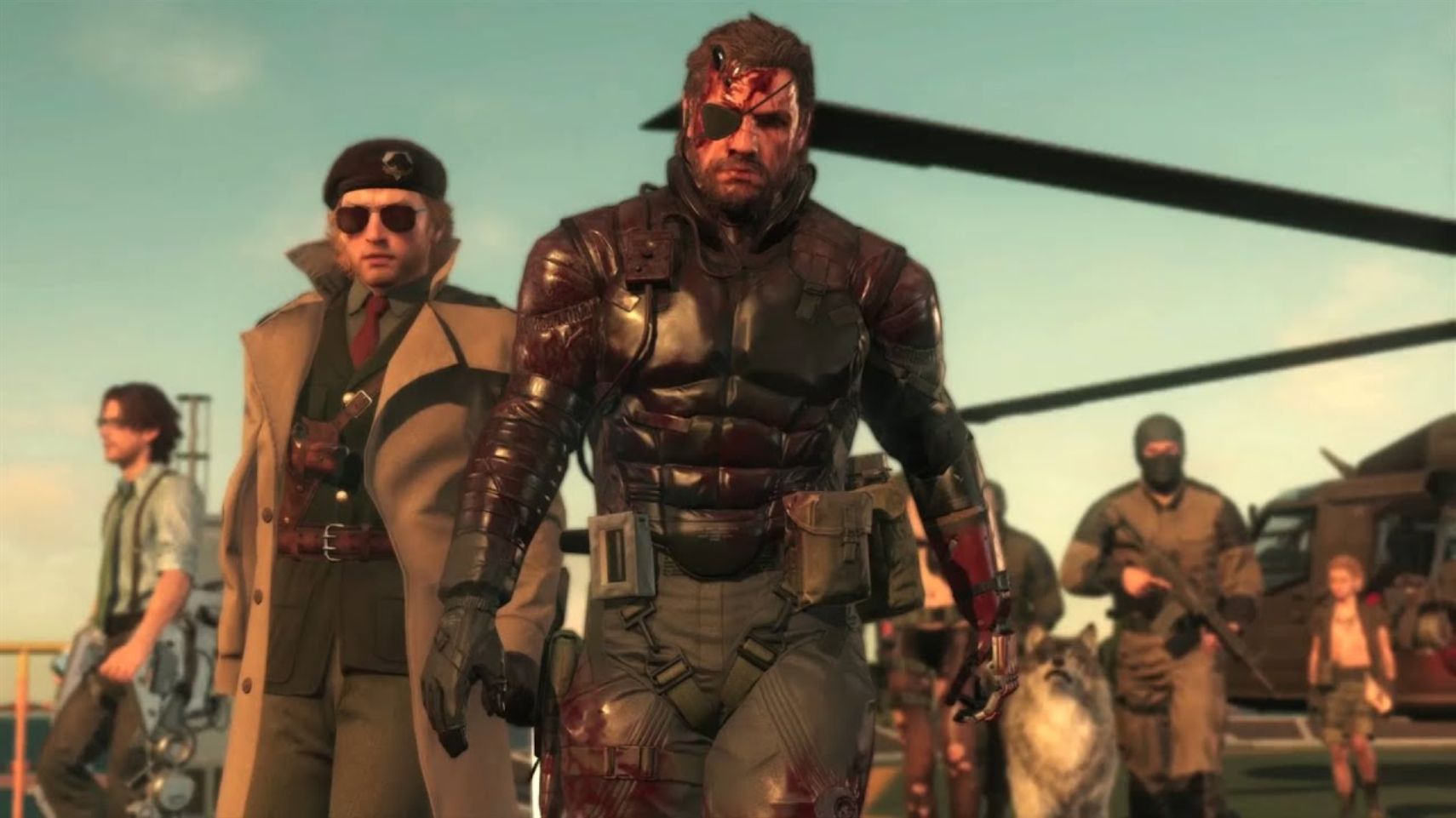
The idea of peace being a commodity – something to be bought and sold – was a recurring theme in Hideo Kojima’s Metal Gear games, which he worked on for many years. Although his time with the series ended badly, we at least got one fantastic game as a result.
The Phantom Pain feels like it has two distinct halves. While the second part is sometimes criticized for feeling rushed due to the issues between Kojima and Konami, it’s still a highlight for me.
The game begins with you and your team rebuilding after the events of Ground Zeroes. But once you start seeking revenge, the leaders of your mercenary group, the Diamond Dogs, become consumed by it, leading to a relentless and ultimately empty spiral of conflict. While dark, this storyline effectively shows what life is really like for private military groups.
3. STALKER 2
A Roadside Picnic
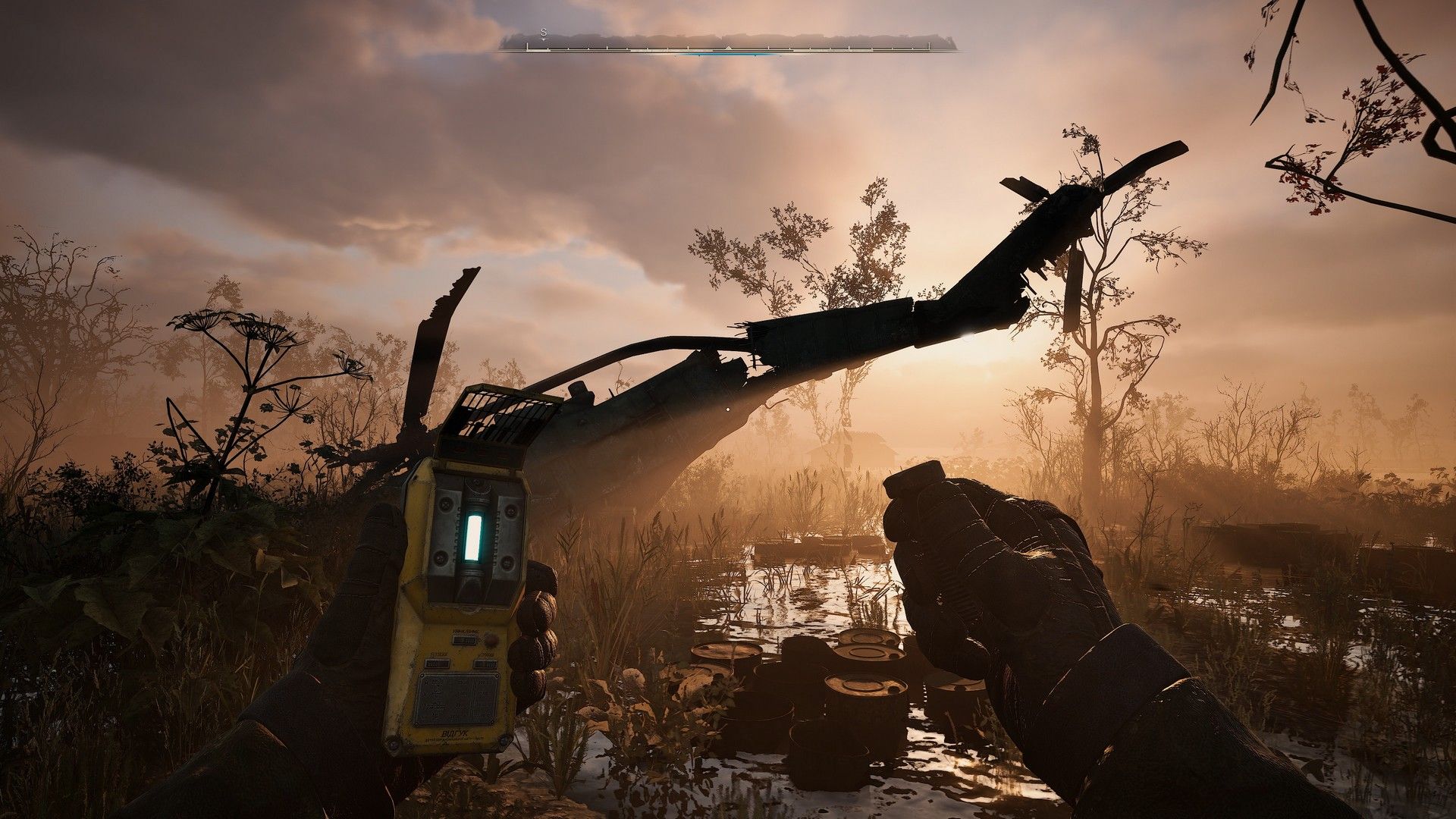
Many role-playing games feature a journey from humble beginnings to great power, but STALKER 2 really emphasizes this. You start in a tough spot, with almost nothing, and have to work hard to gain the trust of the different groups in the Zone – and none of them are particularly friendly at first.
After you’ve gotten settled and equipped yourself, the game throws a major curveball with the SIRCAA incident. Groups that were once friendly will suddenly become hostile, former allies will betray you, and you’ll quickly realize how dangerous the Zone truly is.
Subscribe for deeper open-world game insights and analysis
Once you’ve adjusted to everything, you finally reach Pripyat, and the gameplay shifts again. Here, the missions become very straightforward but incredibly challenging.
2. Kenshi
The Wolf of the Wasteland
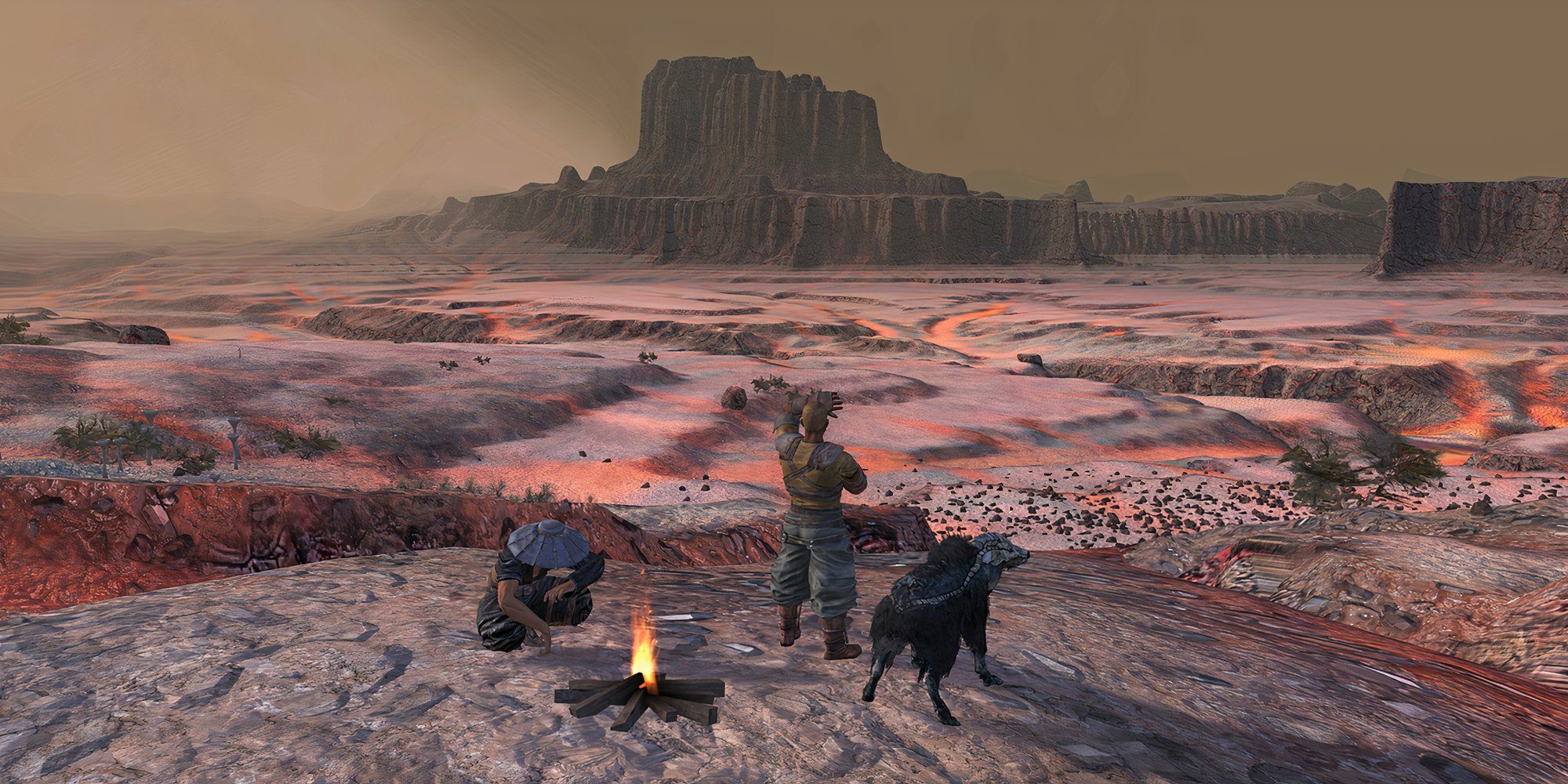
Few games create a feeling of vulnerability quite like starting Kenshi. At first, your main objective is just to stay alive – and keep all your body parts! – in a world that seems determined to knock you down. It’s a different kind of survival game, but you’ll eventually get stronger and move past those early struggles.
Okay, so around the halfway point, I started getting a little bolder. Instead of just sneaking around, I started taking on fights, grabbing bounties, and, yeah, making some enemies. I even managed to set up a little base and started exploring without constantly worrying about dying! But honestly, it feels like that was just the beginning. The game’s really shifting now, and it’s becoming all about building up my base and managing my faction – a full-on tycoon experience!
As you progress in Kenshi, you’ll face powerful groups, and the game cleverly reflects the realities of working life. You’ll shift from actively participating in the action to managing a base and your team – it becomes a demanding, full-time job. However, this also unlocks the ability to directly challenge major factions and create widespread disruption.
1. NieR Automata
Timeless Timelines
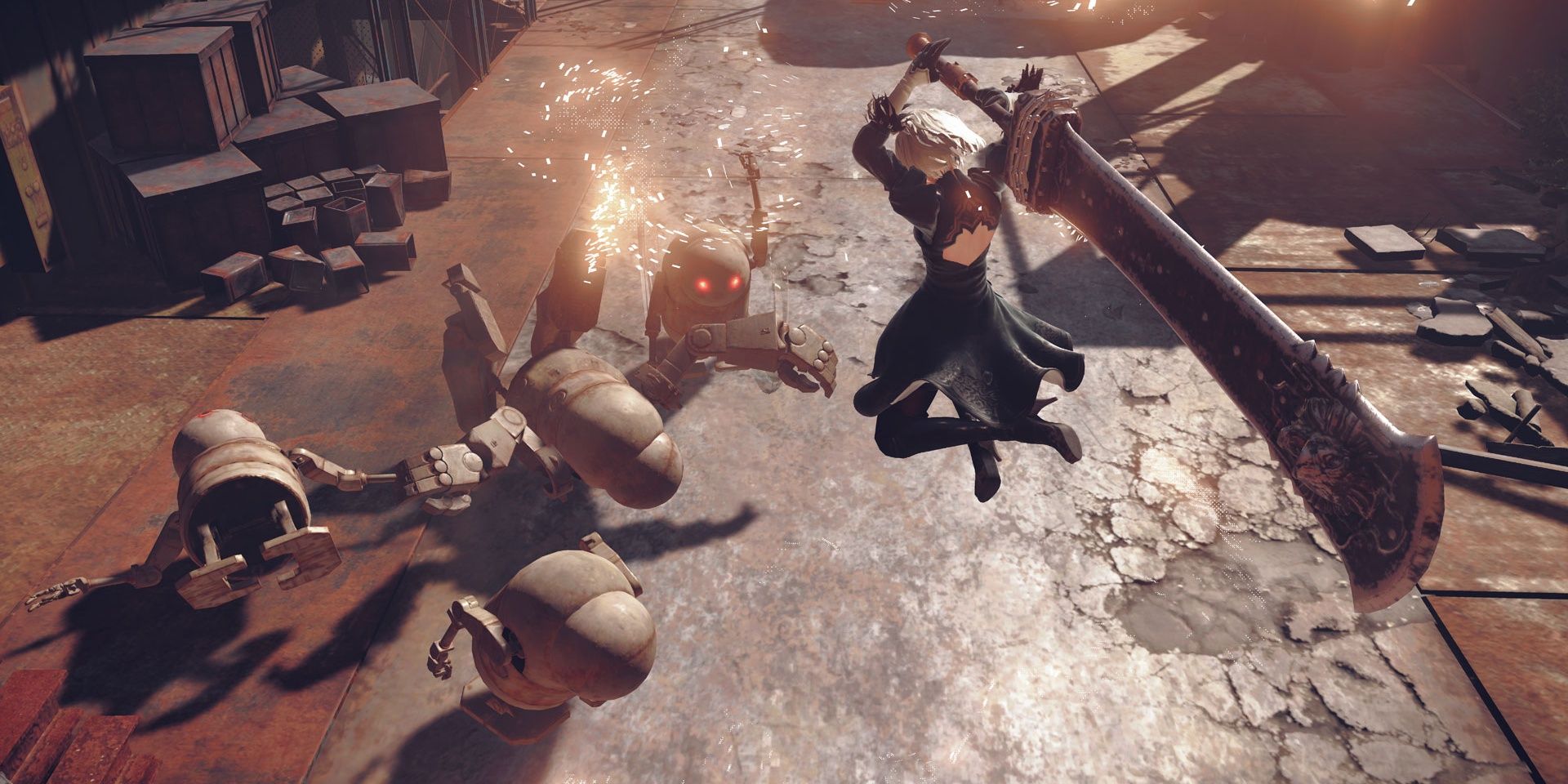
Okay, so Yoko Taro is just a genius when it comes to storytelling. He really pushes boundaries and creates worlds you wouldn’t believe, and honestly, I think NieR: Automata is his absolute best work. It’s a masterpiece.
Okay, so this JRPG, NieR, is seriously something else. It’s beautiful, kinda sad, and sometimes just plain weird, but in a good way! It feels like I’m playing a bunch of different games all mashed into one – one minute I’m exploring a huge open world, the next I’m doing platforming, and then suddenly I’m dodging tons of bullets in a crazy shoot ’em up. Plus, all the different stories are connected, which is really cool and makes you think.
Interestingly, the director stumbled into this unusual storytelling approach out of practical need. When creating Drakengaard, Square Enix provided a tight budget, prompting Taro to experiment with different narratives for each playthrough. And that’s how it all began.
Read More
- All Shadow Armor Locations in Crimson Desert
- Jujutsu Kaisen Season 3 Episode 12 Release Date
- Dark Marksman Armor Locations in Crimson Desert
- Top 5 Militaristic Civs in Civilization 7
- Keeping AI Agents on Track: A New Approach to Reliable Action
- How to Beat Antumbra’s Sword (Sanctum of Absolution) in Crimson Desert
- How to Get the Sunset Reed Armor Set and Hollow Visage Sword in Crimson Desert
- Sega Reveals Official Sonic Timeline: From Prehistoric to Modern Era
- Sakuga: The Hidden Art Driving Anime’s Stunning Visual Revolution!
- How To Beat Ator Archon of Antumbra In Crimson Desert
2026-03-07 20:42