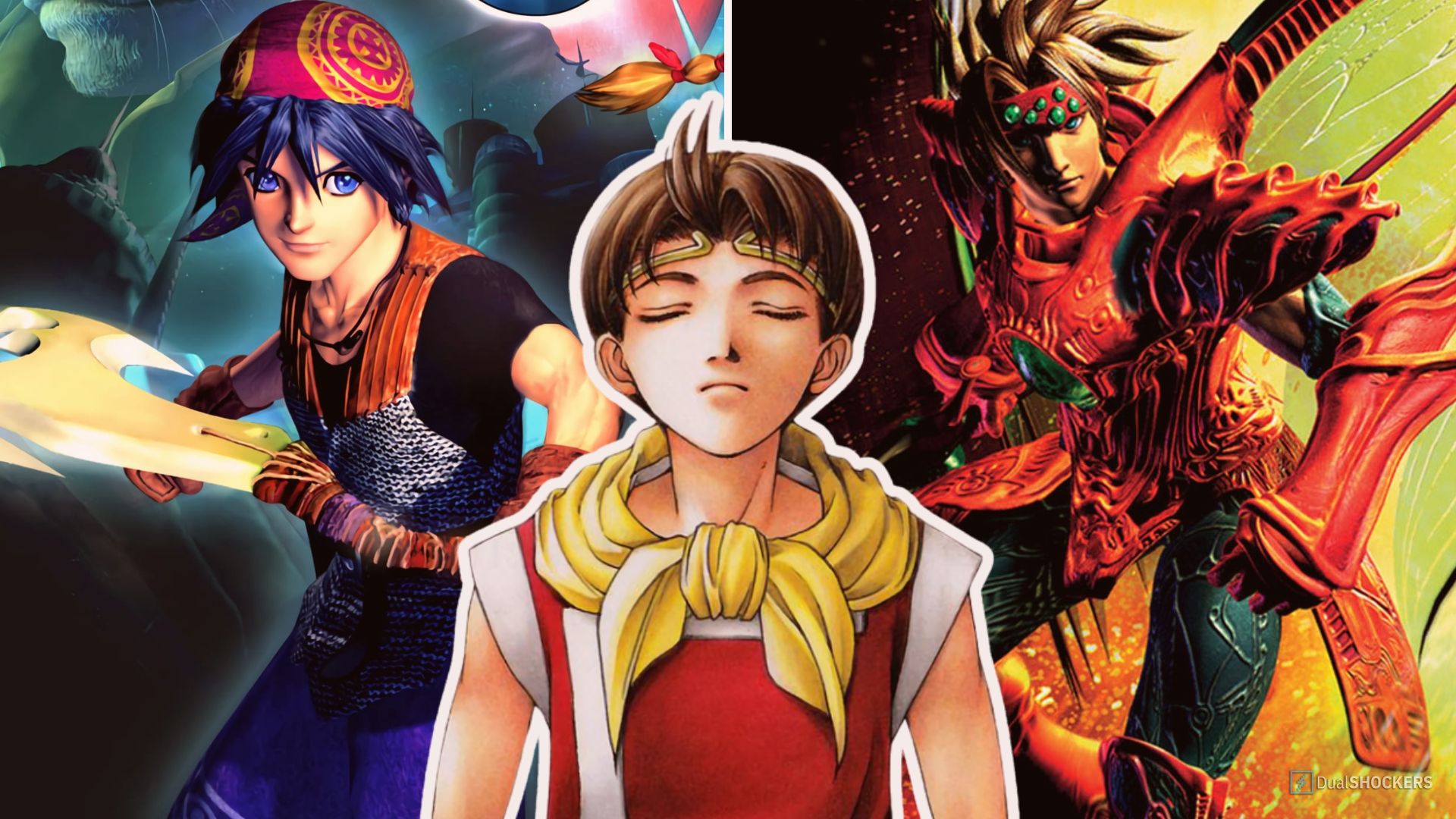
Japanese Role-Playing Games, or JRPGs, often start slowly, taking time to build their worlds and characters. They usually focus on establishing the story’s setting, explaining character histories, and detailing the world’s rules and politics before any major problems arise. I really appreciate this approach, as it typically leads to a very satisfying conclusion.
Look, I get it – sometimes you just want to play the game, right? Not everyone wants to wade through tons of story before anything happens. That’s why some JRPGs are awesome – they throw you right into the action and keep the pace up the whole time. It’s a smooth ride with non-stop fun, which is exactly what I look for!
Today we’re looking at PlayStation 1 JRPGs that grab your attention right away. While most will have a short opening scene to introduce the story, you’ll quickly jump into either playing the game or learning more about the plot – and it’ll leave you wanting to see what happens next.
10. Parasite Eve
Scaring the Pants Off Me from Start to Finish
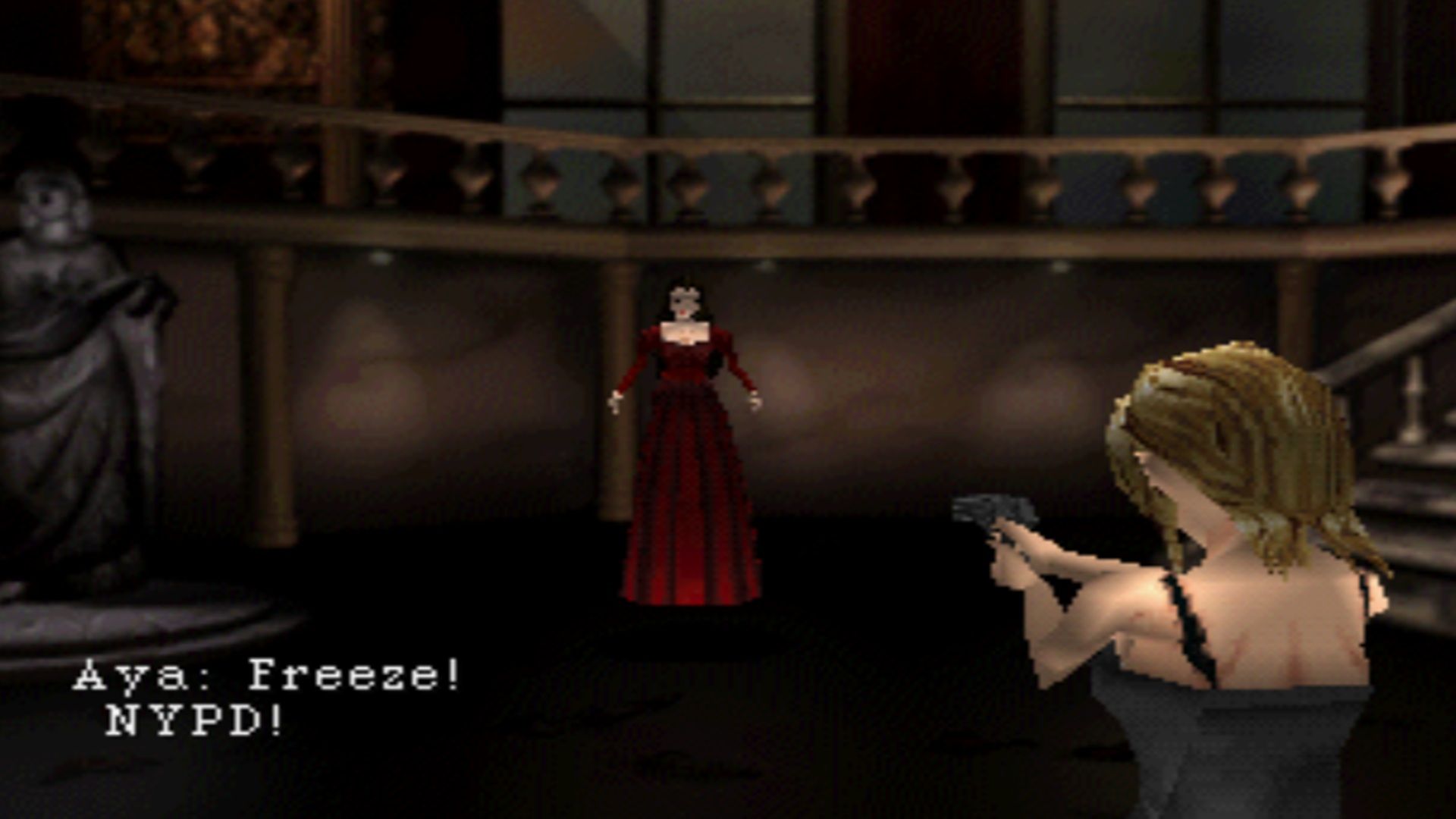
Okay, so I’ll admit it – at 37, I’m a total scaredy-cat when it comes to horror. The last horror movie I actually finished was probably the first Paranormal Activity way back in 2007! So, when I finally tried Parasite Eve, I was seriously not prepared. That opera scene? When Eve starts making people burst into flames? I almost jumped out of my skin – and may have almost had an accident! It was terrifying.
Honestly, I was already on edge, and then a rat transformed into this seriously creepy thing – it gave me chills! Thankfully, the action started right away, and I blasted it to pieces. Even though I was totally freaked out, I gotta admit, Parasite Eve just throws you right into the thick of things from the very beginning.
Although the story follows a set path, it keeps the game moving at a good speed. As players uncover the secrets of the game, they also learn more about Aya Brea, her role in the story, and her connection with Eve.
9. Legend of Mana
No Beating Around the Bush
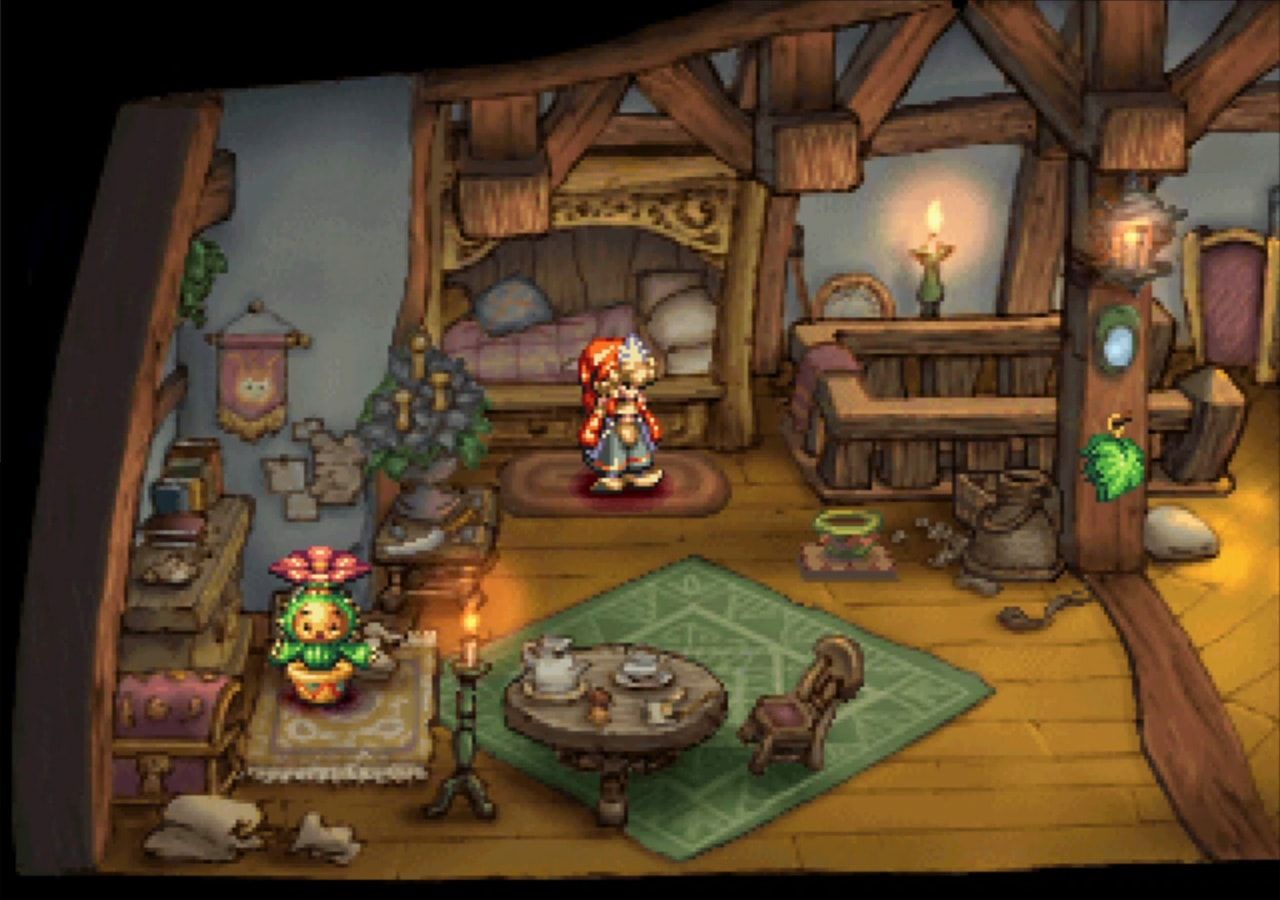
If you’re looking for a game that gets straight to the fun without a lot of lengthy stories, complicated conflicts, or detailed character backstories, I recommend checking out Legend of Mana. It doesn’t waste time with long introductions and lets you jump right into the action.
The game starts with a quick introduction before dropping you into what looks like a world map. You establish a base, explore the area, and then choose where to build the city of Domina. After speaking with Niccolo, you venture into your first dungeon. Throughout this process, you’ll likely feel confused about why you’re seemingly controlling the world’s geography, but you’ll also be driven forward by a strong desire to know what happens next.
That’s essentially what Legend of Mana offers. Each area feels completely fresh, introducing new characters, possibilities, and potential teammates. The game moves quickly from one event to the next, focusing on gameplay and stunning visuals without getting bogged down in explanations. You’ll be constantly engaged and having fun, even if the story isn’t always crystal clear.
8. Digimon World
The Joys of Digivolution
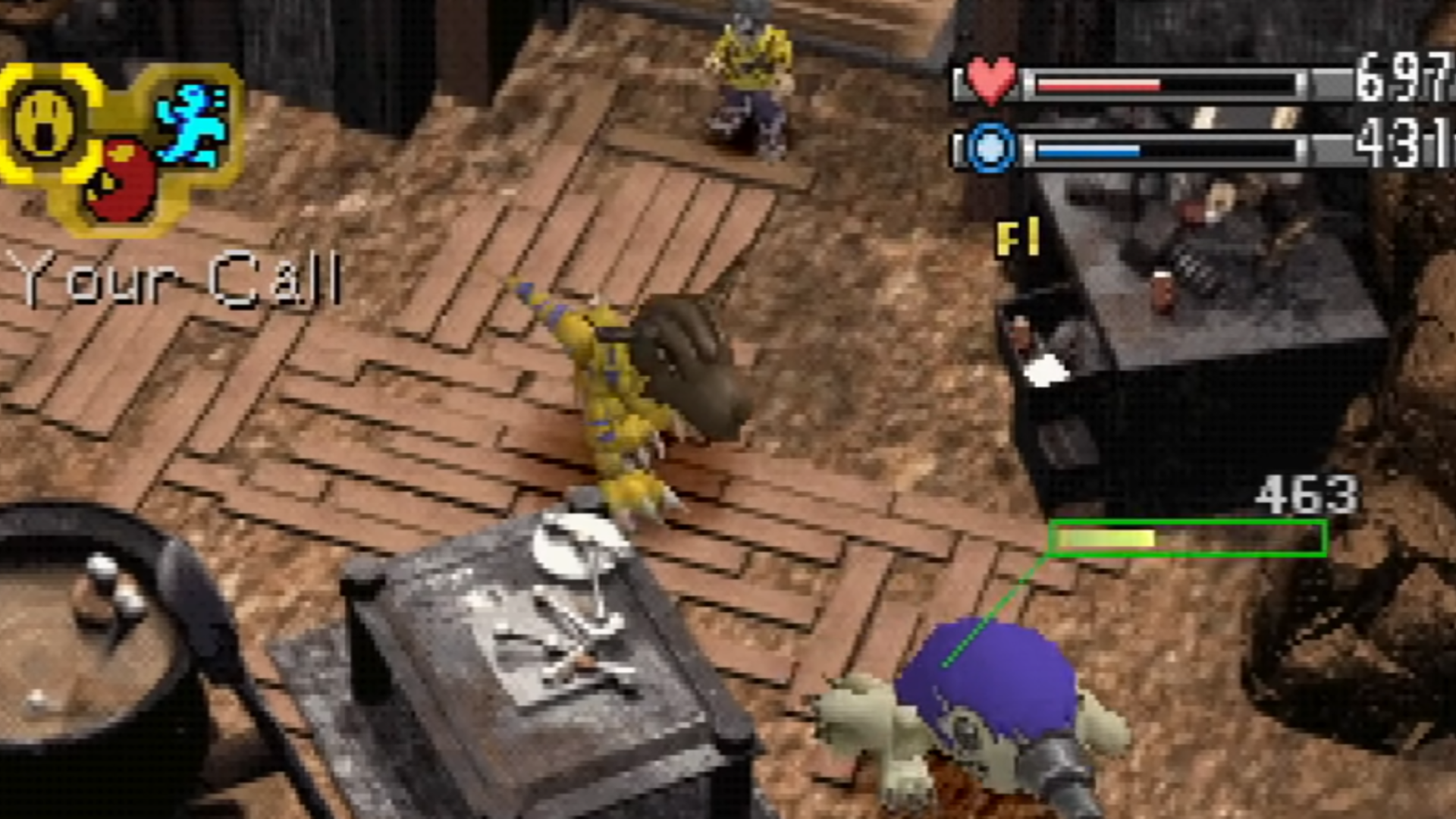
Let me tell you, Digimon World can be really complicated, particularly if you’re trying to figure it out on your own without a guide. I spent ages getting Numemon because I didn’t realize that balancing my Digimon’s stats wasn’t as effective as focusing on improving just one.
From the very beginning, Digimon World grabs your attention by immediately letting you take control. I especially enjoyed the gameplay loop of training my Digimon, discovering new areas, and building up my village with new recruits and improvements.
It took some time to figure out how digivolutions worked, but once I did, the game became much more enjoyable. Still, I liked going in blind and being surprised by each new form my Digimon took, rather than planning ahead.
7. Wild Arms
Choosing Your Adventure
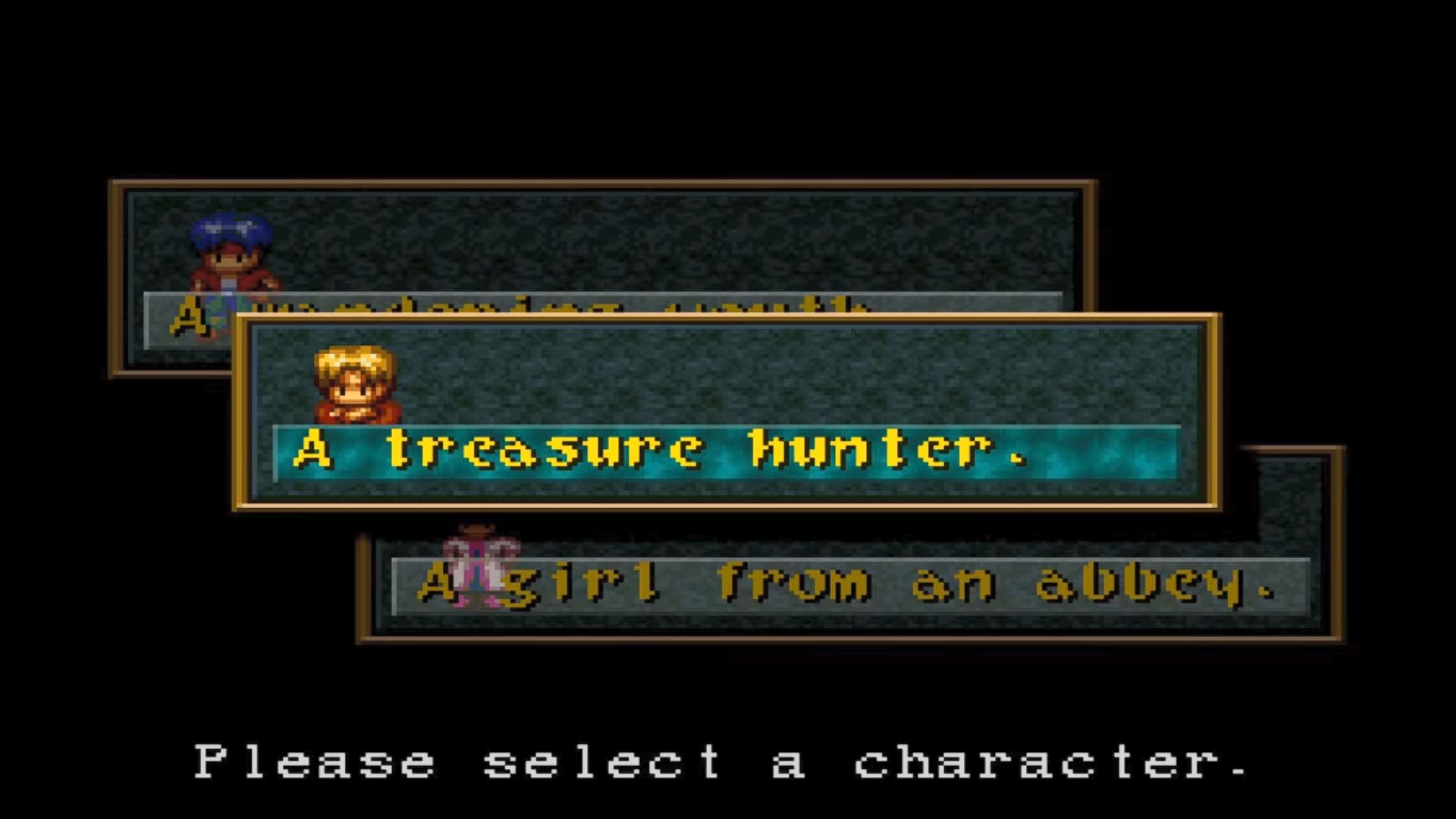
If the captivating opening and music didn’t grab your attention in Wild Arms, the ability to immediately choose your starting point in a new game certainly will. It’s unusual for a JRPG to let you decide where your adventure begins right from the start, but that’s a key feature of Wild Arms. When you begin a new game, you get to pick where your journey starts.
You can begin your adventure as Rudy, a traveler, or Jack, a treasure hunter. If you prefer a quieter start, you can play as Cecilia, who comes from an abbey. Regardless of your initial choice, you’ll eventually play as each character, and each one offers a unique way to explore the world thanks to the game’s Tools system.
Finally, their stories connect, and the real adventure starts. It’s enjoyable having different things to focus on, and it’s tempting to jump into a new one as soon as you finish the last.
6. The Legend of Dragoon
Tragic Kickoff
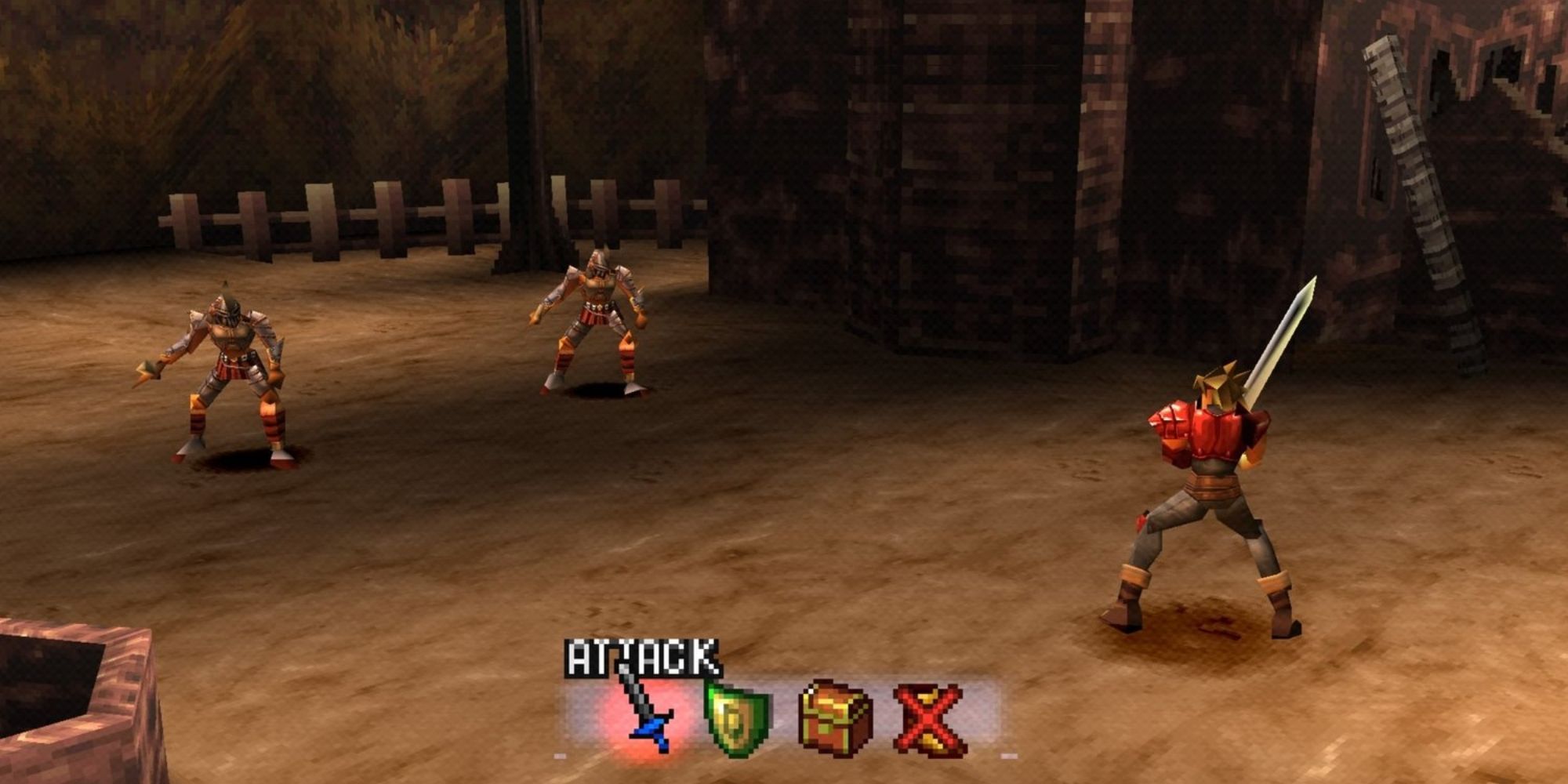
Japanese storytelling often begins with tragedy to immediately grab the audience, and The Legend of Dragoon is a prime example. The game opens with the complete destruction of the village of Seles.
Dart was peacefully living in the forest when he was unexpectedly pursued by the dragon, Feyrbrand. Though he escapes, he returns to find his village in ruins. A battle with soldiers from Sandora follows, offering players their first experience with the game’s unique and fast-paced command system.
What does it take for a game to really hook a player? The Legend of Dragoon does it right from the beginning, with a compelling story and exciting battles. Despite being a four-disc game, it keeps a good pace throughout and is often considered one of the best JRPGs from the PlayStation 1 era.
5. Chrono Cross
Flash-Forward Events
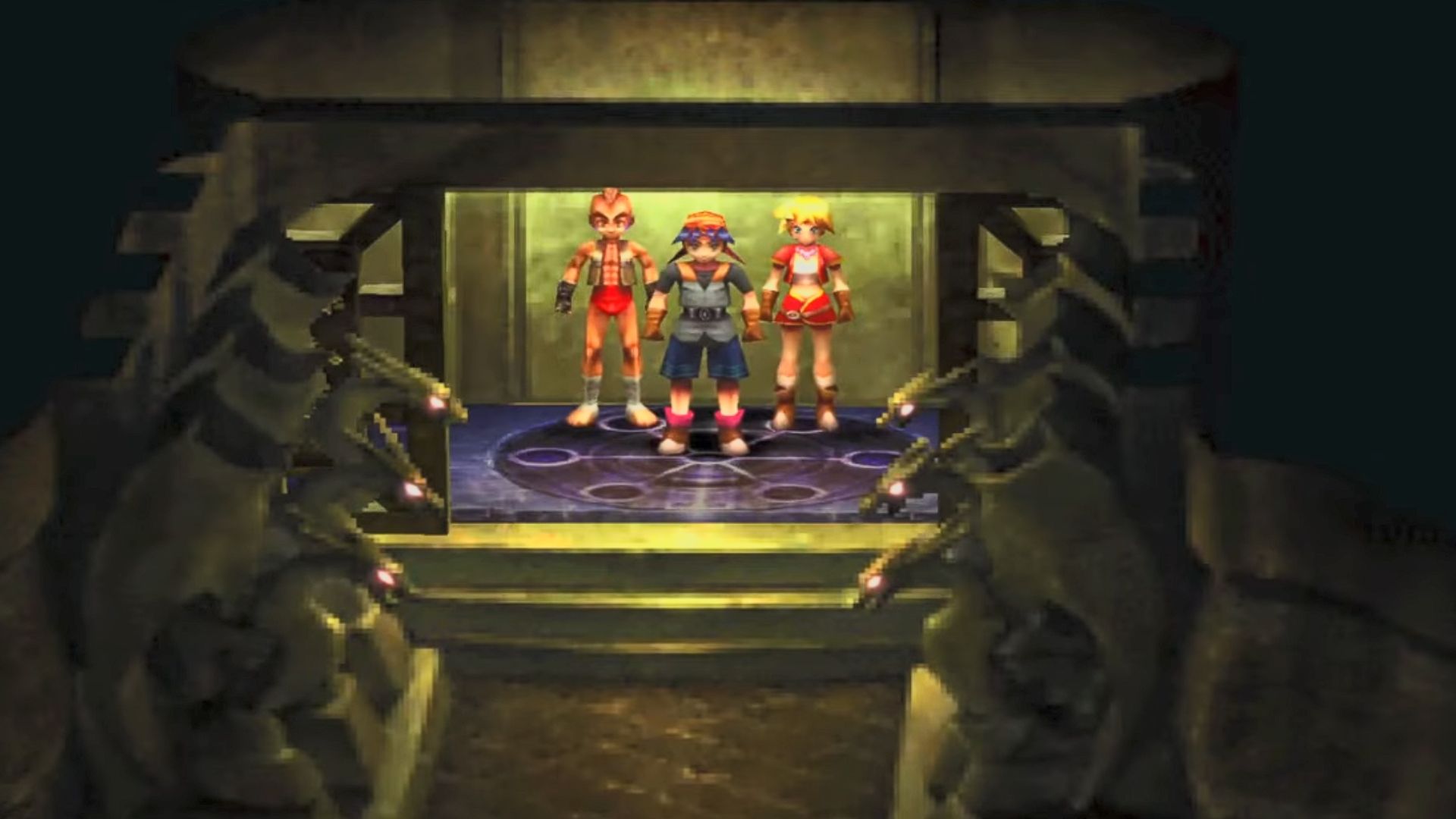
A flash-forward is a storytelling trick where a scene from the future is shown to build suspense and hint at what’s coming, before returning to the present. The JRPG Chrono Cross starts this way. The game immediately throws you into a fast-paced mission that teaches you how to fight with the whole team, and then ends with a shocking cutscene where the main character seemingly kills a member of their party.
Next, the game shifts to a peaceful scene where Serge is gently awakened by his mother, reminiscent of the classic game Chrono Trigger. Whether you spend a lot of time exploring the village of Arni, chatting with its residents, and discovering everything it has to offer, the game has you captivated from the start.
We’re left with so many mysteries: What was the purpose of that tower? Who exactly is Lynx? How did Serge end up leaving his quiet village and getting caught up in all this trouble? And why did people say he attacked Kid? We need answers to these questions, and you really shouldn’t stop playing until you find them, because Chrono Cross is a truly incredible game.
4. Vandal Hearts
Striking Visual Effects
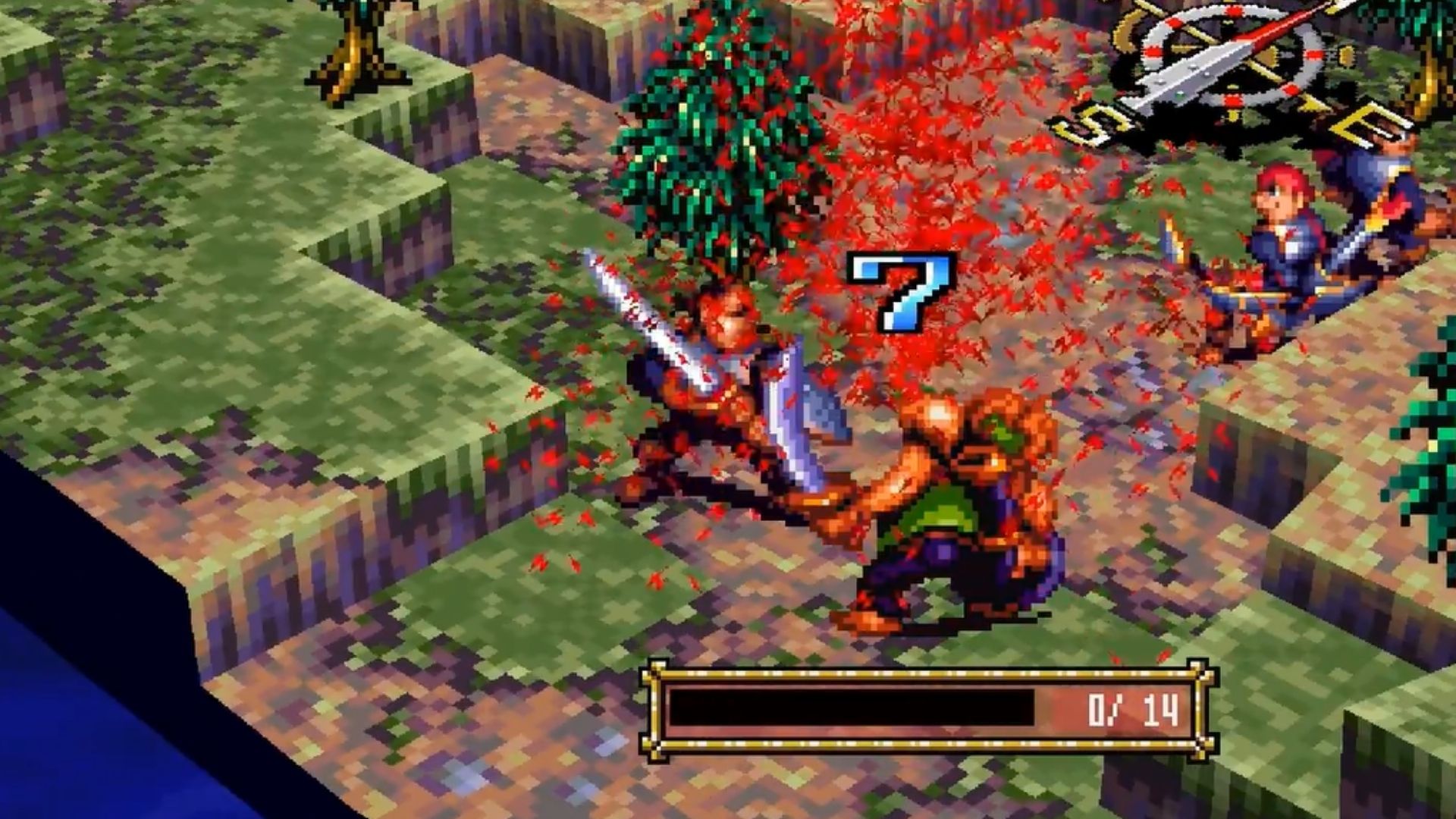
Most tactical role-playing games (JRPGs) move at a deliberate pace, constantly switching between combat and story scenes. A common starting point for these games is throwing you right into a battle. While Final Fantasy Tactics does this well, Vandal Hearts really stood out for its impactful opening.
The game begins with a standard introduction to its world and story. You quickly take charge of Ash Lambert and his team, immediately thrown into a battle with bandits – a promising start. But the experience takes a surprising turn once you actually begin to play.
Although Vandal Hearts follows the standard formula for tactical JRPGs, it stood out with its surprisingly graphic violence. Seeing enemies erupt in blood was really striking when the game first came out, and it immediately signaled that this wouldn’t be a lighthearted, typical fantasy story. It made it clear the game was going to take a darker, more mature approach.
3. Suikoden II
The Plot Thickens Instantly
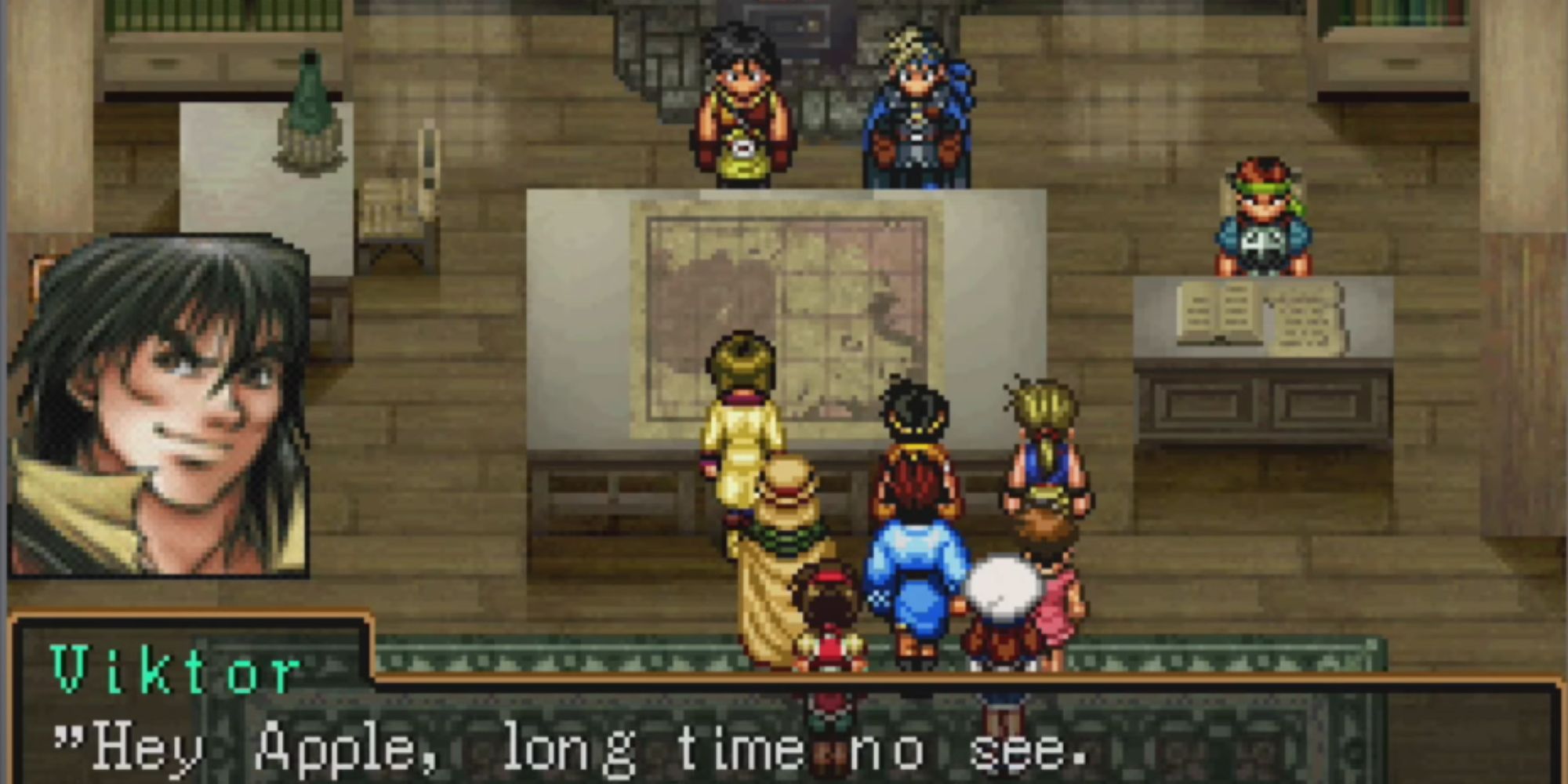
Most Japanese role-playing games (JRPGs) at the time focused on fantasy worlds with magic and gods. However, Suikoden stood out by telling a more realistic story centered on politics – things like betrayals, forming alliances, oppressive rulers, and rebellions. The games also quickly established their central conflicts, with the exception of Suikoden V.
Subscribe for More PS1 JRPG Insights and Picks
Suikoden II does the best job of illustrating how deeply flawed the political system is. The game opens with Riou and Jowy escaping an attack on their unit, which results in many deaths. This attack was actually a fabricated excuse for the ruthless Luca Blight – a complex villain who is both terrible and compelling – to invade the city of Jowston.
The opening immediately establishes the game’s atmosphere – expect plenty of political scheming, warfare, and loss. This introduction also played a key role in solidifying Suikoden II‘s reputation as a top-tier JRPG on the PlayStation 1.
2. Breath of Fire III
Burn Them All
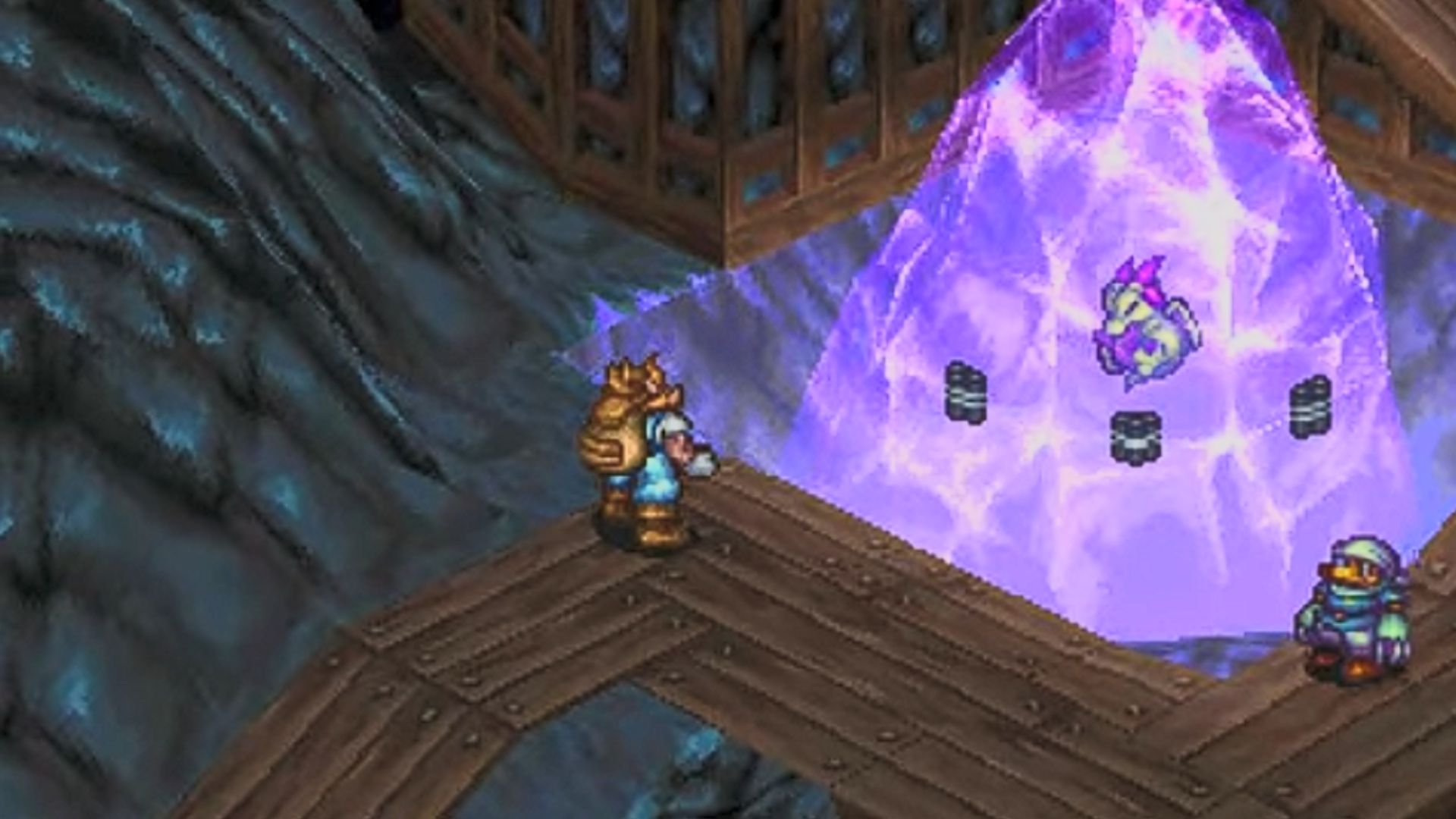
I may be partial since Breath of Fire III is my all-time favorite game, but it truly has one of the most captivating starts of any JRPG. The game opens with miners digging up a huge crystal containing a baby dragon. As soon as they disturb it, they decide to hit the dragon, which understandably causes it to unleash a massive fireball, incinerating the entire mining crew.
We’re suddenly thrown into a chaotic escape, though it’s unclear what’s going on – unless you’re familiar with older games, in which case you’ll recognize the situation. We repeatedly destroy one enemy after another. Sadly, the adorable baby dragon is recaptured and taken away to an unknown location.
We manage to escape, and Ryu transforms back into a human, rescued by Rei, who welcomes him into his unusual family along with Teepo. This is where the story of Breath of Fire III truly begins. It’s a gripping, intense opening that, despite the story becoming a little more predictable later on, immediately draws you into the game.
1. Final Fantasy VII
Well, Obviously
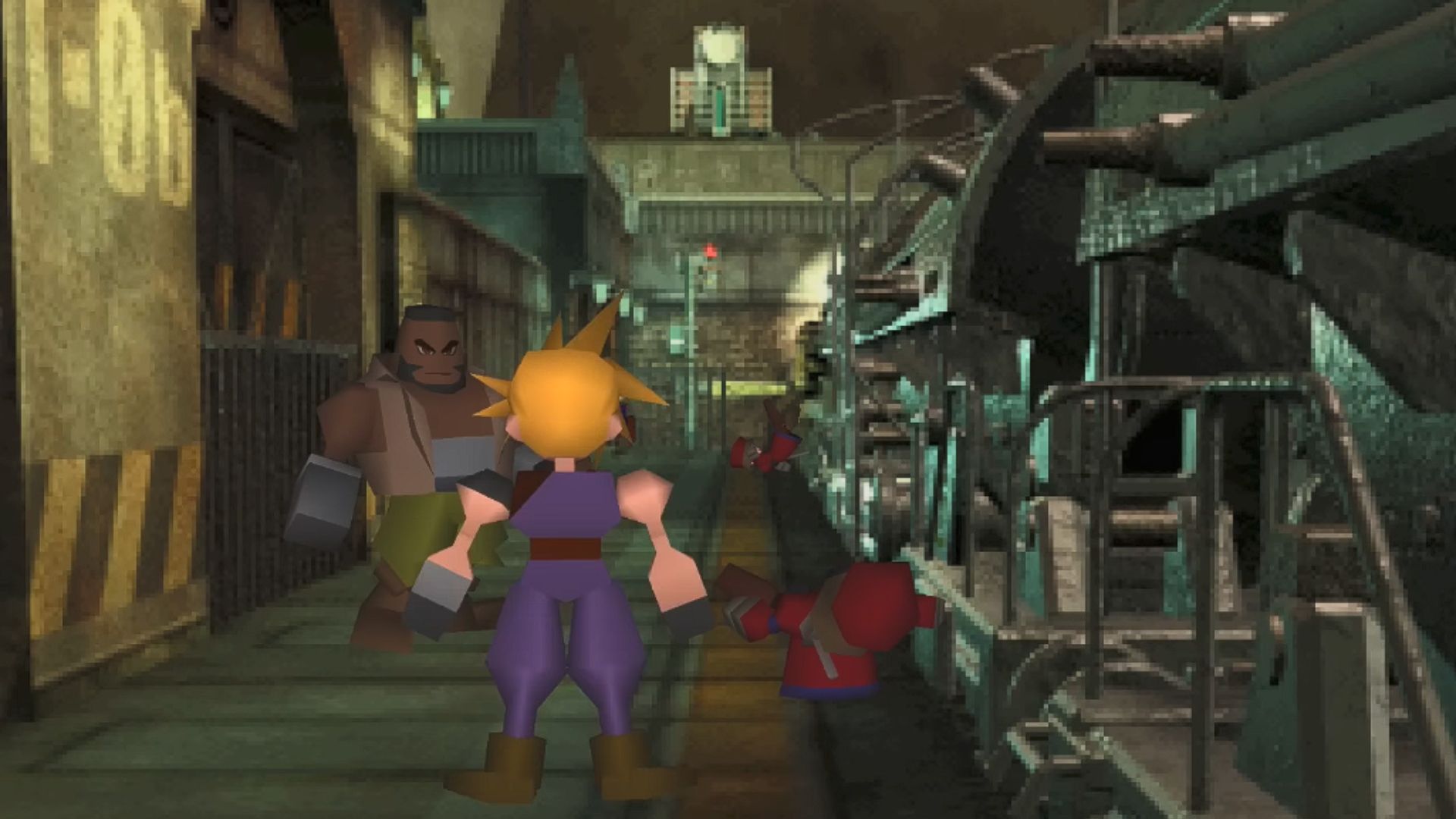
Final Fantasy VII starts with a groundbreaking CGI opening sequence that was incredibly impressive when it first came out. The game immediately throws you into the action with a fast-paced train sequence, a cool-looking hero landing right into a fight, and a desperate mission against a powerful enemy. You’re then forced to escape before everything explodes! It’s hard to imagine a more exciting and frantic beginning for a JRPG.
Square really aimed to impress Western audiences with Final Fantasy VII, and they did so with a thrilling start. The opening sequence was a fantastic blend of action – think explosions, gunfights, and a sense of urgency, all backed by a powerful soundtrack and a cool protagonist. While the game eventually settles into a more traditional JRPG style, that initial burst of excitement was incredibly effective. If it didn’t grab your attention and make you want to keep playing, it’s hard to imagine anything would.
Many Final Fantasy games begin strongly, but to keep things diverse, I’ve focused on Final Fantasy VII for this list. However, the fight between Squall and Seifer really emphasized the CGI, and the opening to Final Fantasy IX is also great, even with the somewhat unusual scene of jumping rope with Vivi.
Read More
- All Shadow Armor Locations in Crimson Desert
- All Skyblazer Armor Locations in Crimson Desert
- How to Get the Sunset Reed Armor Set and Hollow Visage Sword in Crimson Desert
- Best Bows in Crimson Desert
- Marni Laser Helm Location & Upgrade in Crimson Desert
- All Helfryn Armor Locations in Crimson Desert
- All Golden Greed Armor Locations in Crimson Desert
- How to Craft the Elegant Carmine Armor in Crimson Desert
- Wings of Iron Walkthrough in Crimson Desert
- Keeping Large AI Models Connected Through Network Chaos
2026-04-04 19:42