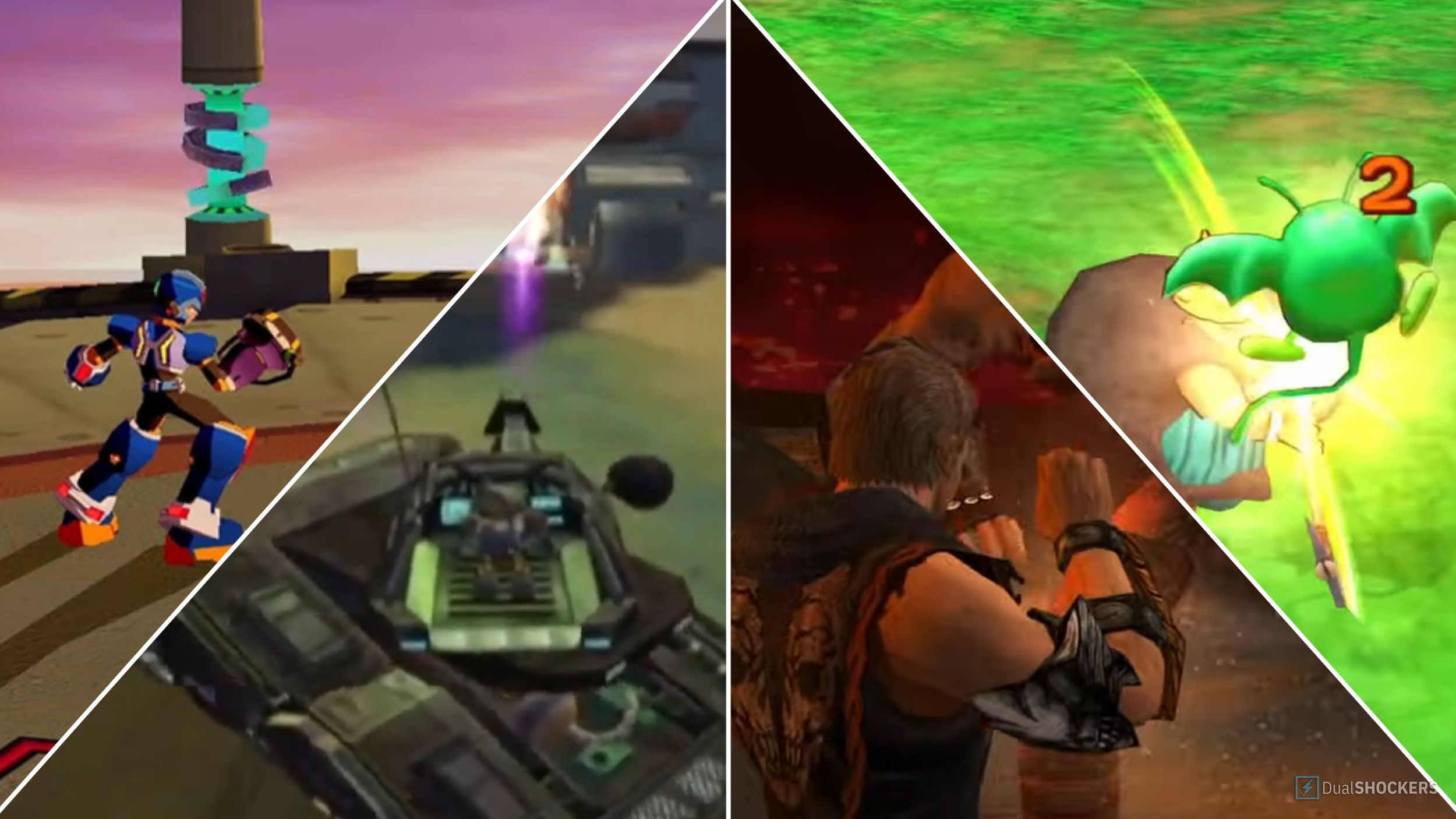
The PlayStation 2 was definitely the most popular console of its generation. It boasted an incredible library of games in the early 2000s that appealed to all kinds of players. Because these games were so well-loved, many have been updated and re-released, allowing a new generation of gamers to experience them with improved graphics and gameplay.
Because the PlayStation 2 had so many fantastic games, quite a few of them are now difficult or impossible to play. While some have been ported to other systems or added to online game collections, these aren’t always the best way to experience them, and even those options aren’t always available. These are the PS2 games I think deserve a remake, ideally for multiple platforms.
To be clear, we’re focusing on remasters that genuinely improve how the game plays or looks. Simple ports, especially those you can’t even buy right now, aren’t what we mean.
10. God Hand
The Most High-Impact Character-Action Game
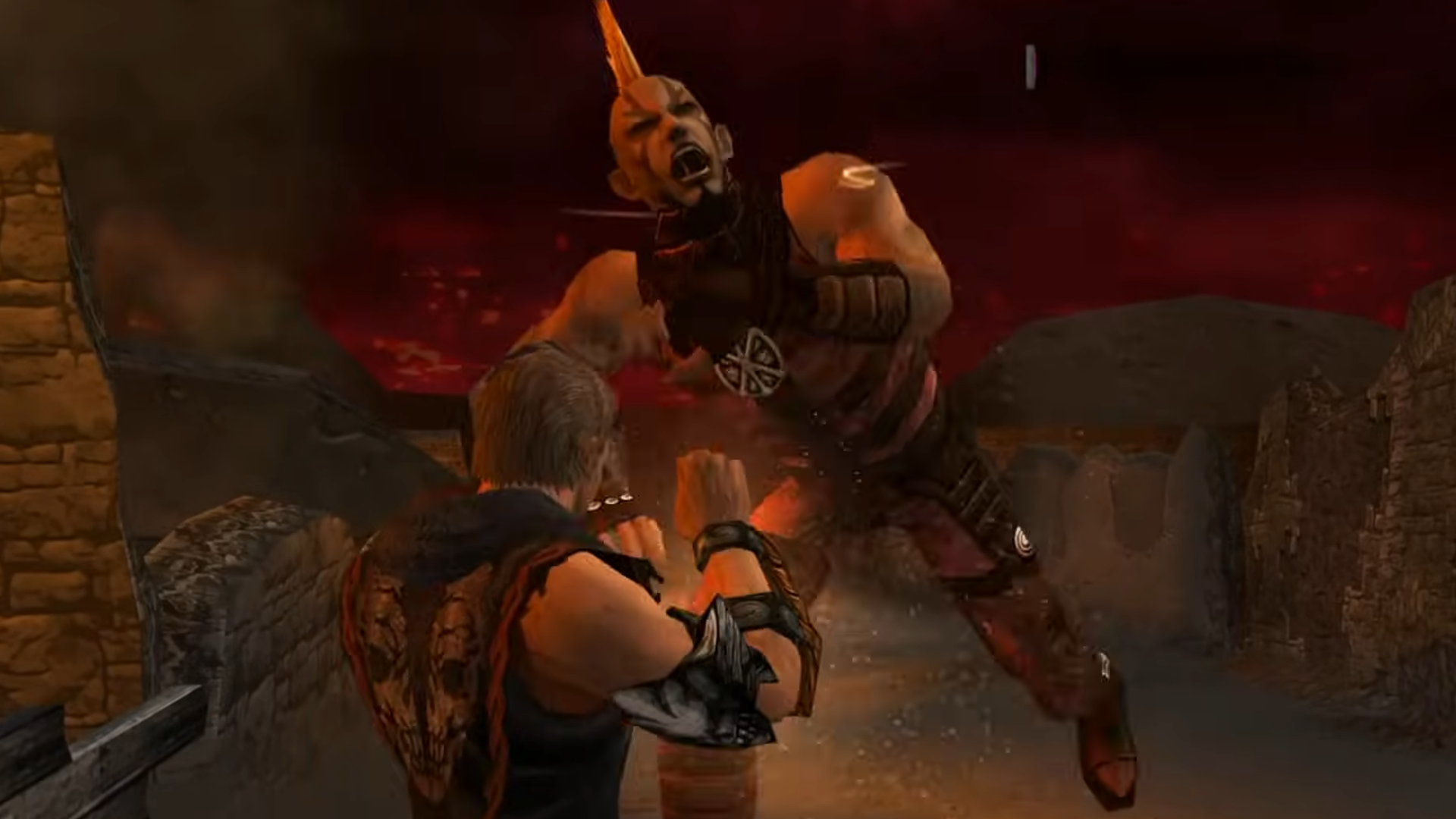
During the early 2000s, Capcom’s Clover Studio became known for creating innovative action and adventure games such as Viewtiful Joe and Okami. Though the studio closed in 2007, they finished one final project: God Hand, a truly unique character-action game unlike anything seen before or since.
God Hand is a fast-paced action game created with complete creative freedom for Shinji Mikami, appealing to dedicated action game fans. Players control Gene, a martial artist who gains superhuman powers – the God Hand – after losing an arm, allowing him to fight demons. The game uses a similar camera angle to Resident Evil 4, but focuses entirely on intense, close-quarters combat, highlighted by Gene’s over-the-top special moves.
God Hand is a challenging and unusual game, which likely explains why it didn’t achieve mainstream success. Despite this, fans of the director Mikami consider it a standout title, and many hoped to see a remastered version when PlatinumGames was at its peak. While that didn’t happen, the recent revival of the original Clover Studio as ‘Clovers’ offers a renewed possibility.
9. Mega Man X: Command Mission
Turn Down the Encounter Rate, and We’re Golden
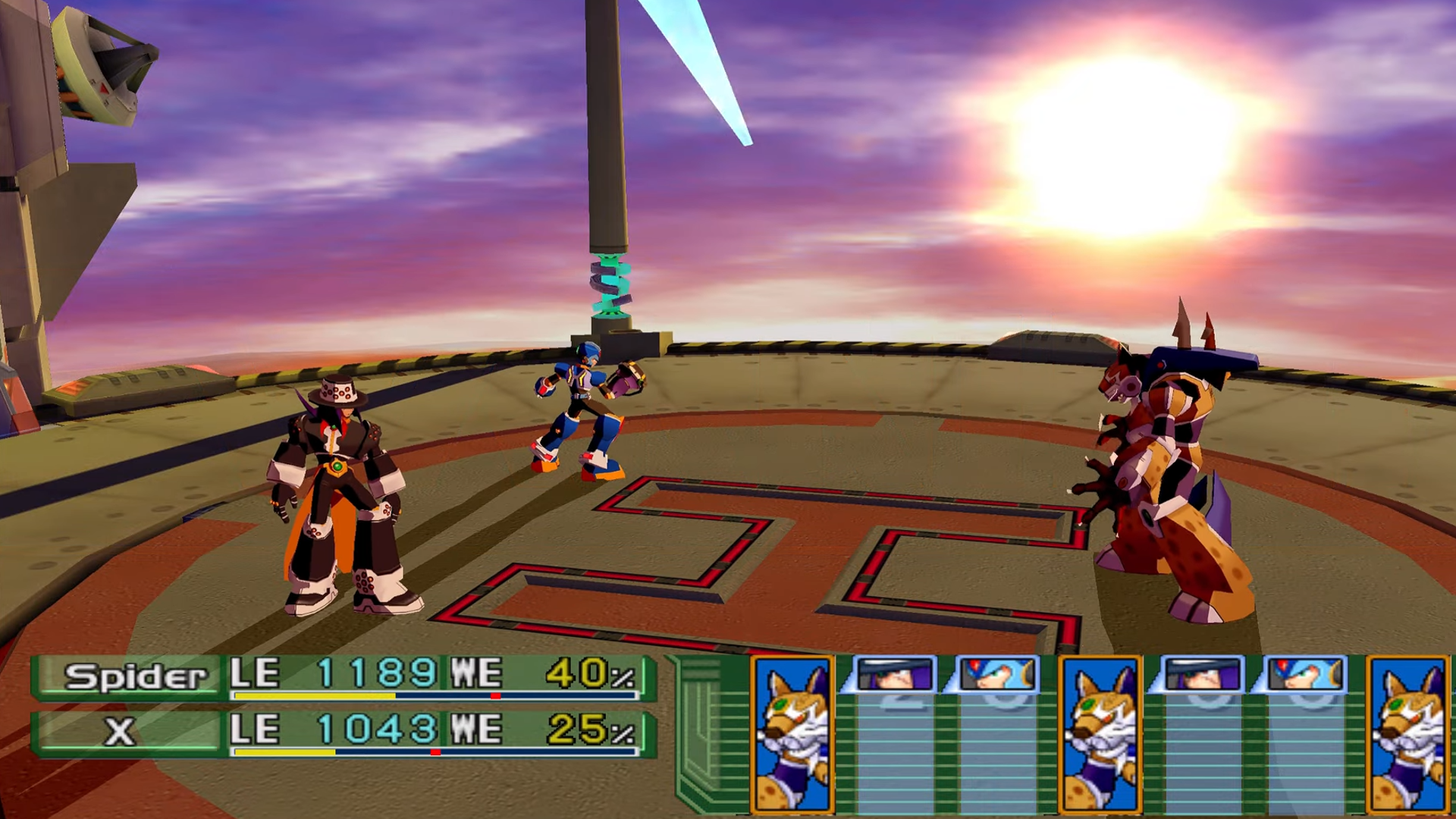
The Mega Man series has explored many different types of games. While the Battle Network games are well-known for role-playing, there’s another RPG often overlooked: Mega Man X: Command Mission. It’s a game that either made a lasting impression on players or completely flew under the radar.
Okay, so I just finished playing this new Mega Man X game, and it’s set somewhere between the other games in the timeline. Basically, X, Zero, and Axl get sent to this island city that’s getting wrecked by a bunch of rogue Reploids – Mavericks, of course. We pick up some cool allies along the way while fighting these guys and trying to figure out what their deal is. The story isn’t super complex, but honestly, the characters are awesome, especially the ones you team up with from the start, like Massimo and Cinnamon. They really make the game!
This role-playing game focuses on turn-based battles and each character has special abilities – for example, X can unleash a powerful area attack, while Zero has complex sword combos based on player input. The combat is enjoyable, and the boss fights are particularly well-designed. A remaster would mostly benefit from reducing how often random battles occur – they happen incredibly frequently, almost every few steps!
8. Metal Arms: Glitch in the System
Robotic Rampage
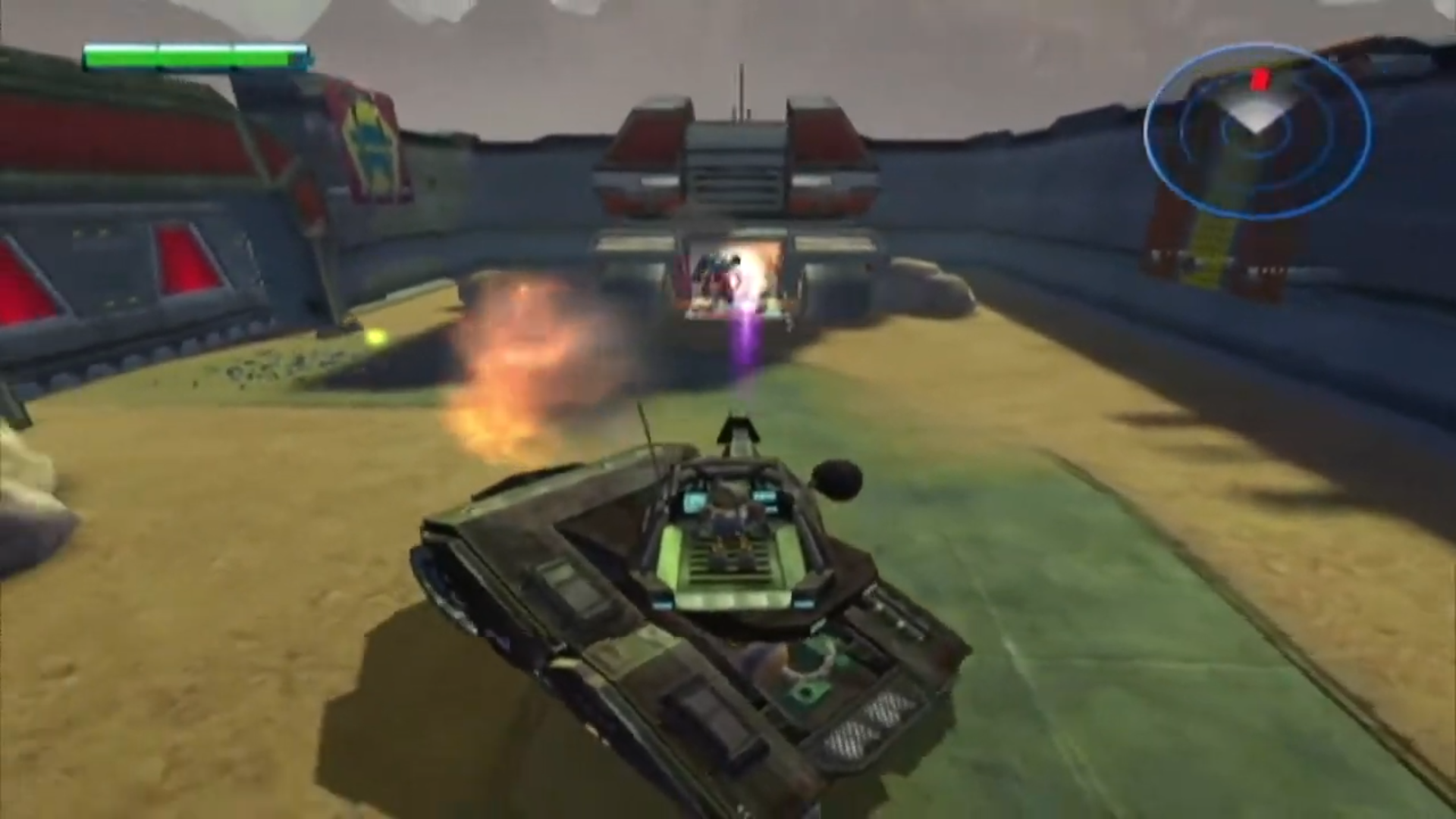
Before online multiplayer became the standard, the sixth generation of consoles – like the PlayStation 2 – were known for fun, local multiplayer experiences. Split-screen deathmatch shooters were incredibly popular, and there were many great options. One game my friends and I especially loved was Metal Arms: Glitch in the System, even though it only supported two players without an adapter.
I’m really into Metal Arms! You play as Glitch, and it’s a super fun third-person shooter where you team up with droids to fight these bad guys called Milbots. There’s tons of action – lasers, explosions, the whole nine yards – and the levels get harder as you go. It’s a really fast-paced game, and Glitch can double jump to get around quickly. Plus, you can ride vehicles which just makes everything even more chaotic and awesome!
The game’s main feature was the Control Tether, letting players hack and take control of enemy robots, turning them against each other. It was really fun in both the single-player campaign and the multiplayer mode, which offered tons of replayability. The multiplayer maps were large and had multiple layers, making them ideal for setting up ambushes. I believe a remastered version with online multiplayer would be a big hit today, capturing the spirit of classic weekend deathmatches.
7. Ape Escape 3
Transformation Makes Everything Better
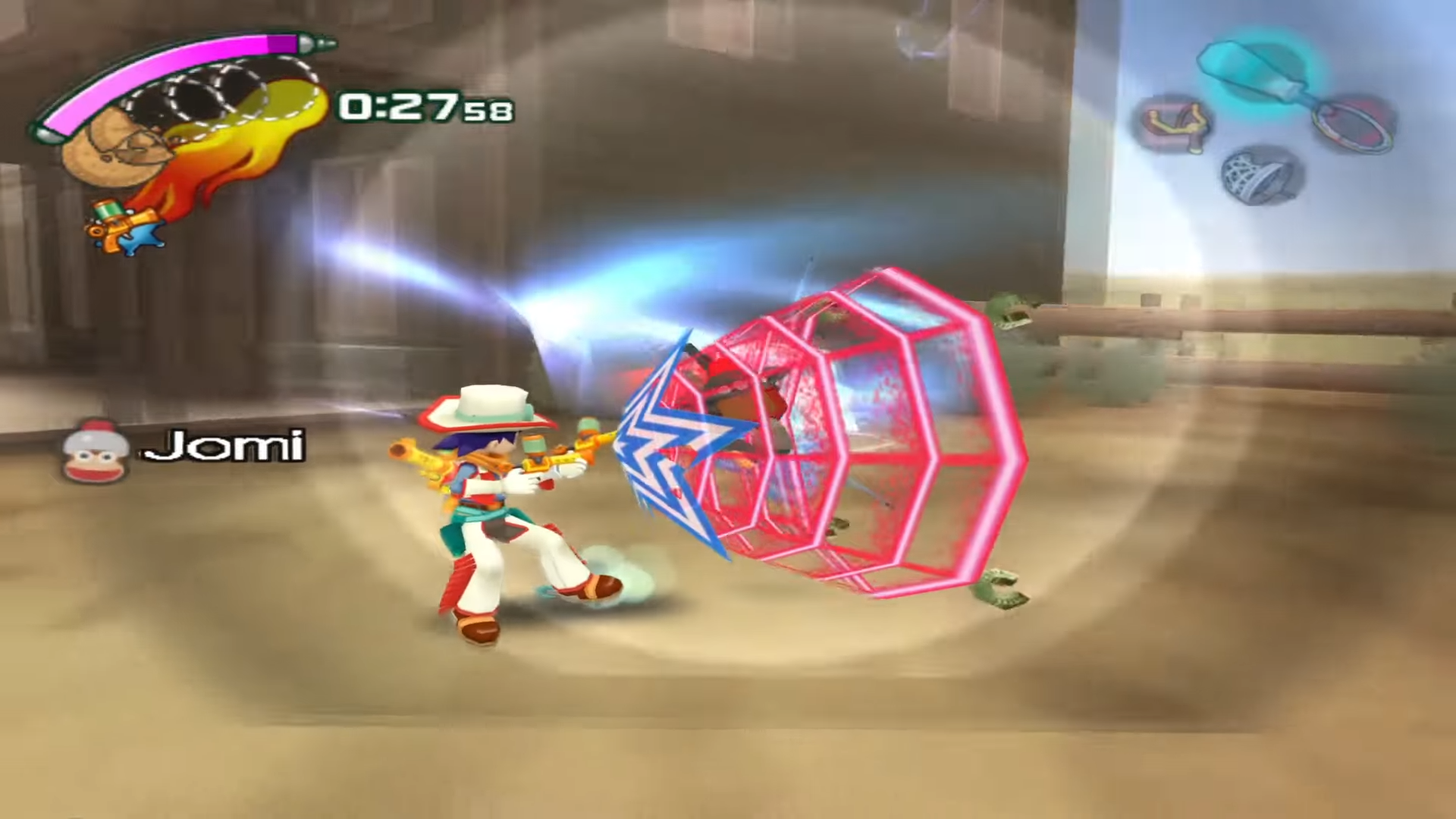
Ape Escape was originally intended to be a flagship franchise for PlayStation, which explains its inclusion in Astro Bot. It’s surprising, then, that we haven’t seen a new main installment since 2005. While all three main games could benefit from updated remasters, I’d choose Ape Escape 3, specifically from the PlayStation 2 era, if I had to pick just one.
Ape Escape 3 plays much like its predecessors. You’ll explore expansive levels, catching playful monkeys with your net. The game also features puzzles solved with cool gadgets, and you’ll occasionally face tough enemies and boss monkeys. It’s a bright, funny, and easygoing game, making it great for kids.
What really makes Ape Escape 3 stand out – and what I love about it – is its Transformation feature. You can use a special meter to turn your character into a variety of powerful forms, like a heavily armored knight or a gunslinging cowboy. This adds a lot of depth to both fighting and solving puzzles, and each transformation even has its own unique and memorable music track.
6. Gitaroo Man
The First Soundtrack I Ever Imported
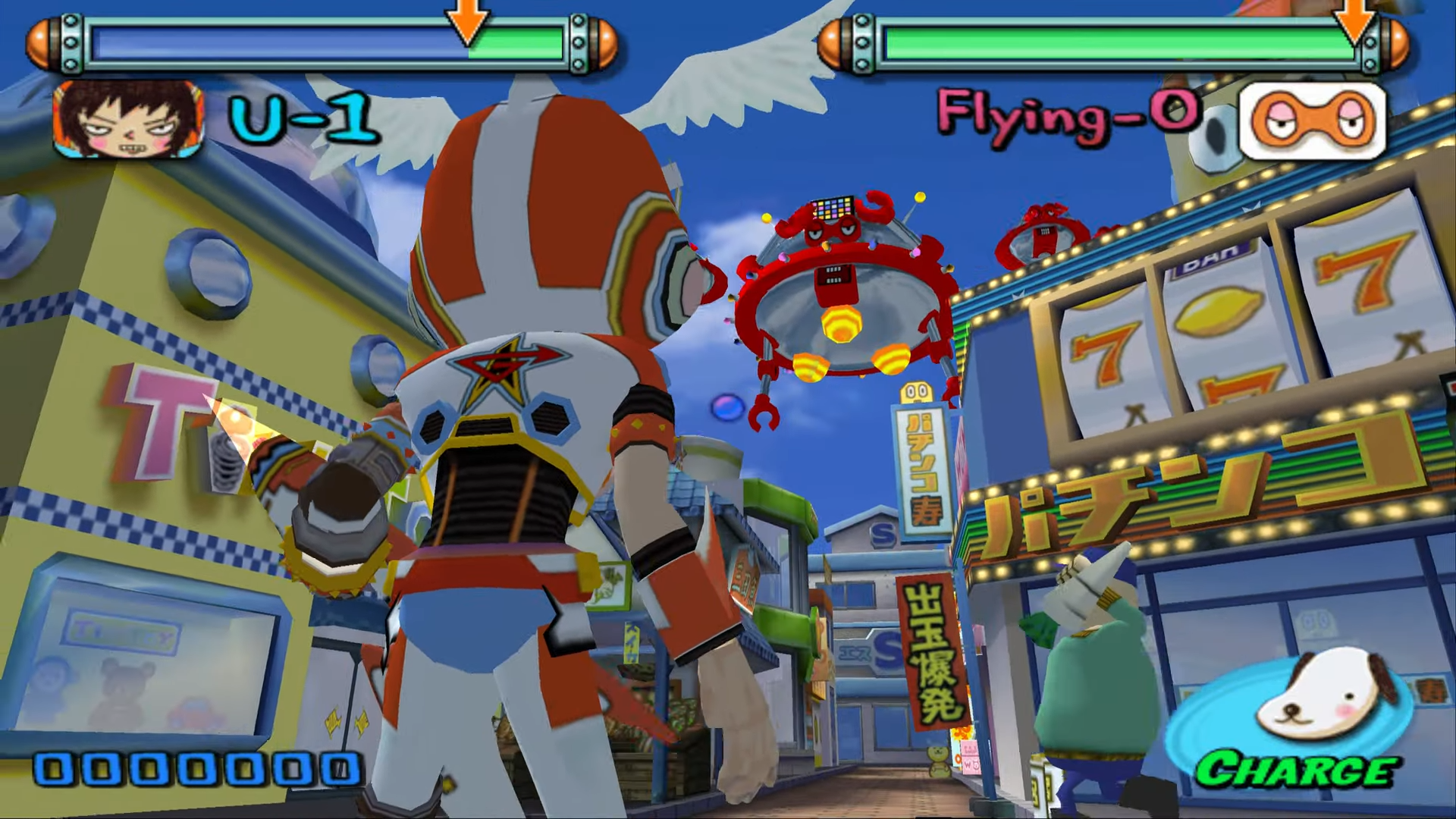
The PlayStation and PlayStation 2 eras were a golden age for rhythm games, with innovative titles like Parappa the Rapper and Space Channel 5 gaining popularity before the market became flooded with games like Guitar Hero. During this time, Koei released a lesser-known gem called Gitaroo Man, which I still consider to have one of the greatest video game soundtracks of all time.
Gitaroo Man features a unique music battle system with two main parts and three stages. You begin each song by following a moving line and strumming to regain health. Then, during the battle, you continue playing to attack your opponent. When they attack, you have to press the corresponding buttons to defend and stay healthy. If you succeed, you’ll finish with an awesome guitar solo! It takes some practice to master, but it’s incredibly rewarding when you do.
Gitaroo Man was ported to the PSP as Gitaroo Man Lives, with slightly easier gameplay and two new songs designed for two-player mode. While it was a fantastic port, the PSP is no longer supported, meaning this unique and charming rhythm game still needs a remaster to make it accessible to modern players.
5. Fatal Frame
What’s With Horror Franchises and Skipping Entries?
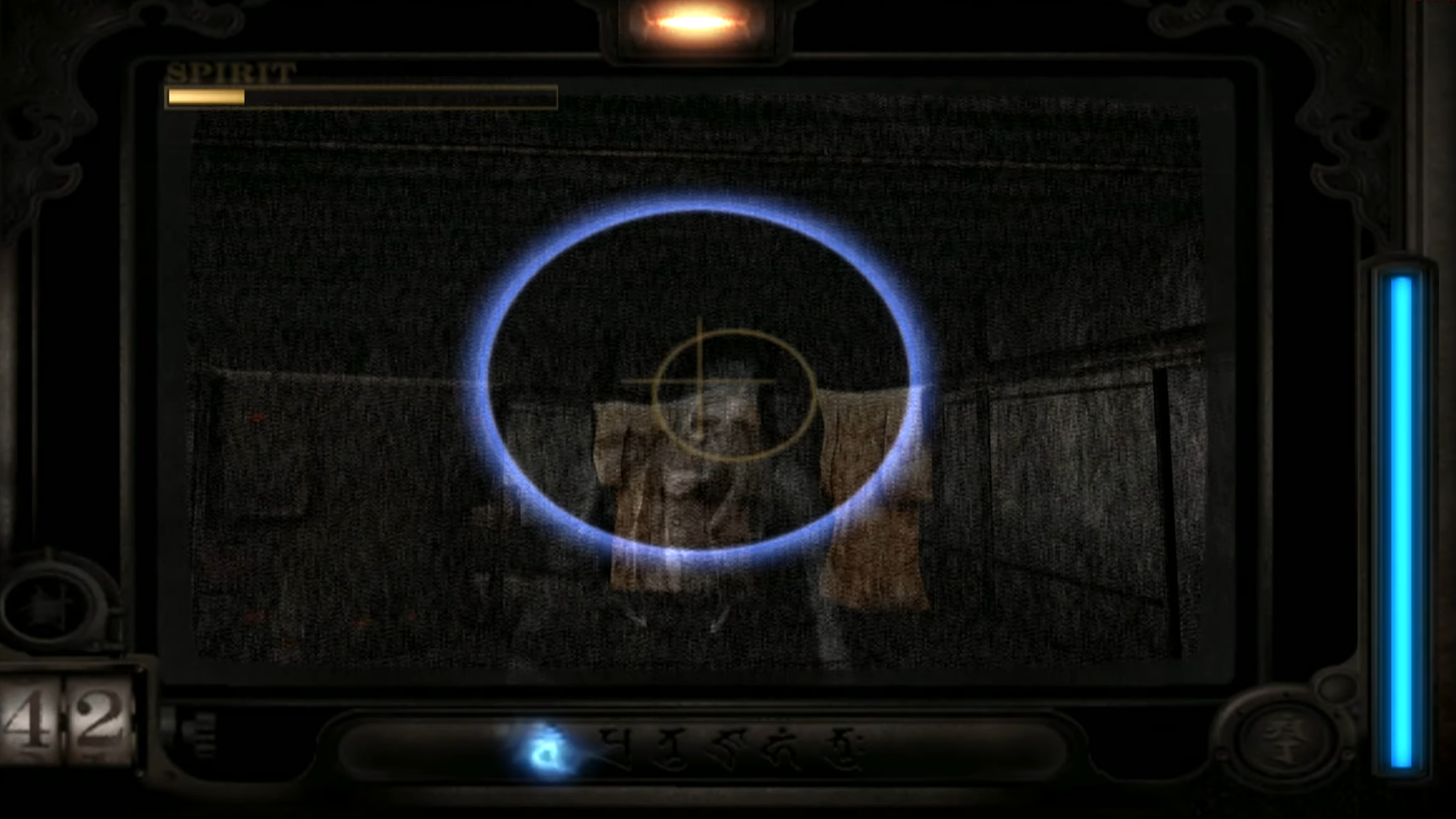
The Fatal Frame series is slowly returning with the remake of Fatal Frame 2: Crimson Butterfly, which is great news. However, just like with Silent Hill 2 being remade before the original, it feels unfair that the very first Fatal Frame game is being overlooked while its sequels are getting attention. It doesn’t seem right to prioritize the later games over the one that started it all.
The first Fatal Frame game, released in 2001, set the standard for all the games that followed. It tells the story of Miku, who bravely enters a terrifying, haunted mansion to find her missing sister, Mafuyu. While exploring, she must avoid ghosts and uncover the secrets behind the mansion’s curse. Her only defense is the Camera Obscura, a special camera that can capture and defeat ghosts—but only when they’re directly in front of her and perfectly centered in the frame.
As a big fan, I always felt the first Fatal Frame was a little rough around the edges – it’s understandable for a first game, especially a horror one! But a remaster would be amazing. It could smooth out those quirks while still making sure this really important game in horror history gets the love and preservation it deserves.
4. Def Jam: Fight for NY
Worth Enduring the Licensing Nightmare
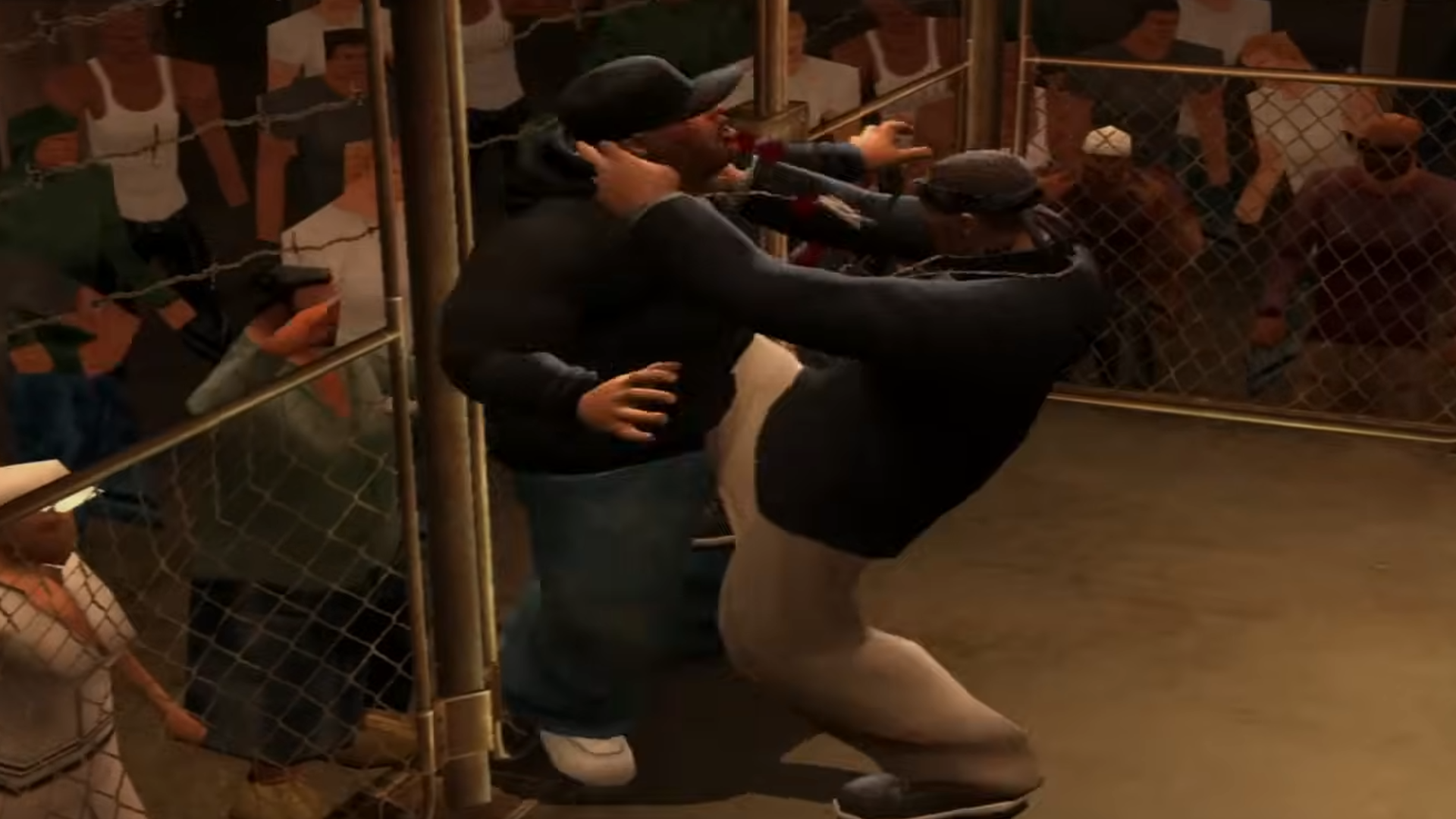
I’m no expert on music licensing for video games, but I’m sure it’s incredibly complicated. Getting the rights to music for a game’s soundtrack is difficult enough, but it becomes a real challenge if music is central to the gameplay. However, if any game deserves the effort of navigating those hurdles for a remaster, it’s definitely Def Jam: Fight for NY.
This unique fighting game features popular hip-hop artists from the mid-2000s – including Snoop Dogg, Ice-T, and Ghostface Killah – battling it out. Created by a wrestling game expert, Aki, it’s easy to learn and play, with a simple fighting system and over-the-top special moves.
One of the game’s biggest strengths is its surprisingly enjoyable single-player mode. You create a fighter who rises through the ranks to become an underground champion, and the story culminates in an incredible final battle against none other than Snoop Dogg – in a burning building, no less! It’s a truly awesome experience. Getting the rights to feature all these rappers would be a challenge, but I believe there’s a real demand for it.
3. Marvel: Ultimate Alliance
Speaking of Licensing Nightmares…
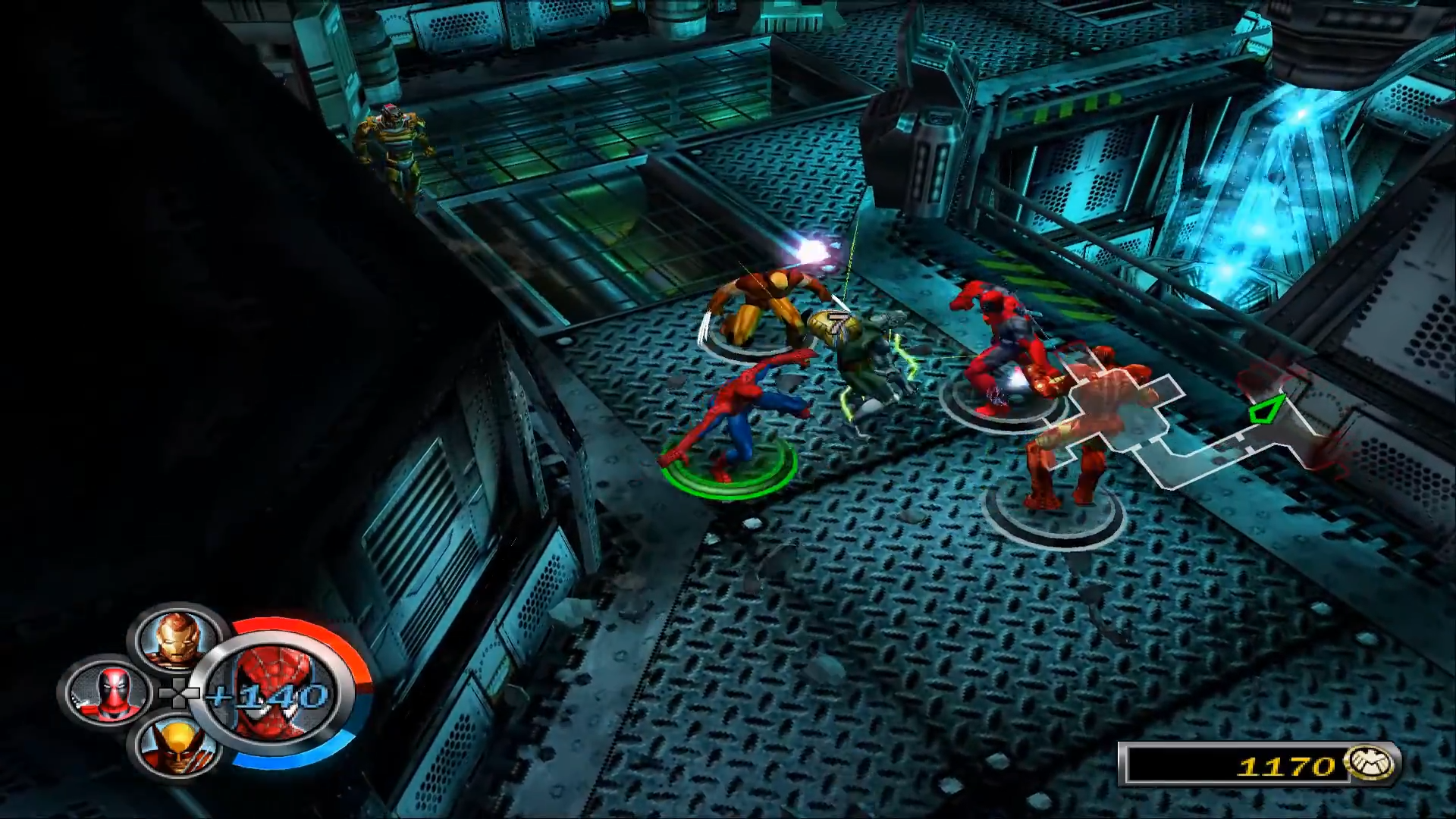
PlayStation currently dominates Marvel games, but in the early 2000s, many different companies made them. Marvel licensed its characters very broadly, leading to a complicated web of deals that affected every game. This likely explains why we haven’t seen a remastered version of Marvel: Ultimate Alliance.
Subscribe to the newsletter for PS2 remaster wishlists
Marvel: Ultimate Alliance is an action role-playing game where you create a team of four Marvel heroes (or villains) to fight enemies from the comics and uncover Dr. Doom’s evil plan. It plays a bit like a streamlined Diablo – it focuses more on fast-paced action and special powers than complex character stats, though you can still improve your characters as you play.
Ultimate Alliance was eventually released on PS4, Xbox One, and PC in 2016, but the port was plagued with bugs and wasn’t very good. Unfortunately, it was removed from digital stores in 2018 because of licensing issues with Activision. A proper remaster with real improvements that stays available for more than a couple of years would be fantastic.
2. Shin Megami Tensei: Digital Devil Saga
If Nocturne Can Have One, Why Not?
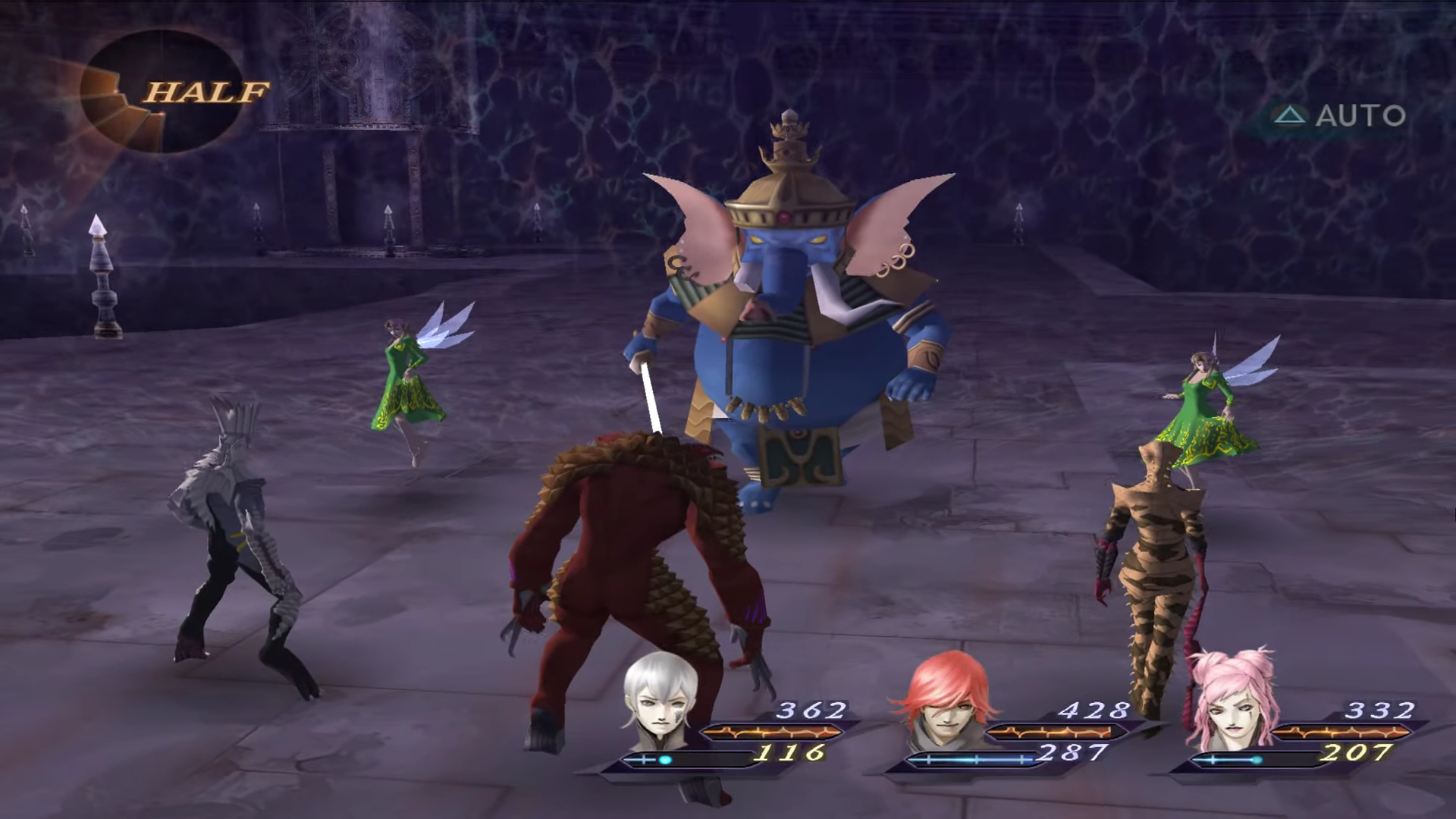
The Megami Tensei series began in 1987, but it gained significant popularity with PlayStation 2 titles like Nocturne and Persona 3, particularly in western markets. Another spin-off, Digital Devil Saga, also made a splash during that time, but hasn’t received the same recognition or continued support as those other games.
Digital Devil Saga shares similarities with other games in the series, being a JRPG where you fight demons using your own demonic powers and the classic Press Turn battle system, which rewards exploiting enemy weaknesses. However, instead of playing as humans fighting demons, you are the demons – your characters transform into powerful demonic forms during combat and grow stronger by absorbing the energy of defeated enemies.
The game’s story can be a little complex, drawing heavily on Hindu beliefs and the idea of karma. However, this actually makes it stand out from other games released around the same time. It was very popular when it first came out, and with the MegaTen series now more well-known, many players are hoping for a re-release.
1. Dragon Quest VIII: Journey of the Cursed King
Trapped on the PS2 and 3DS
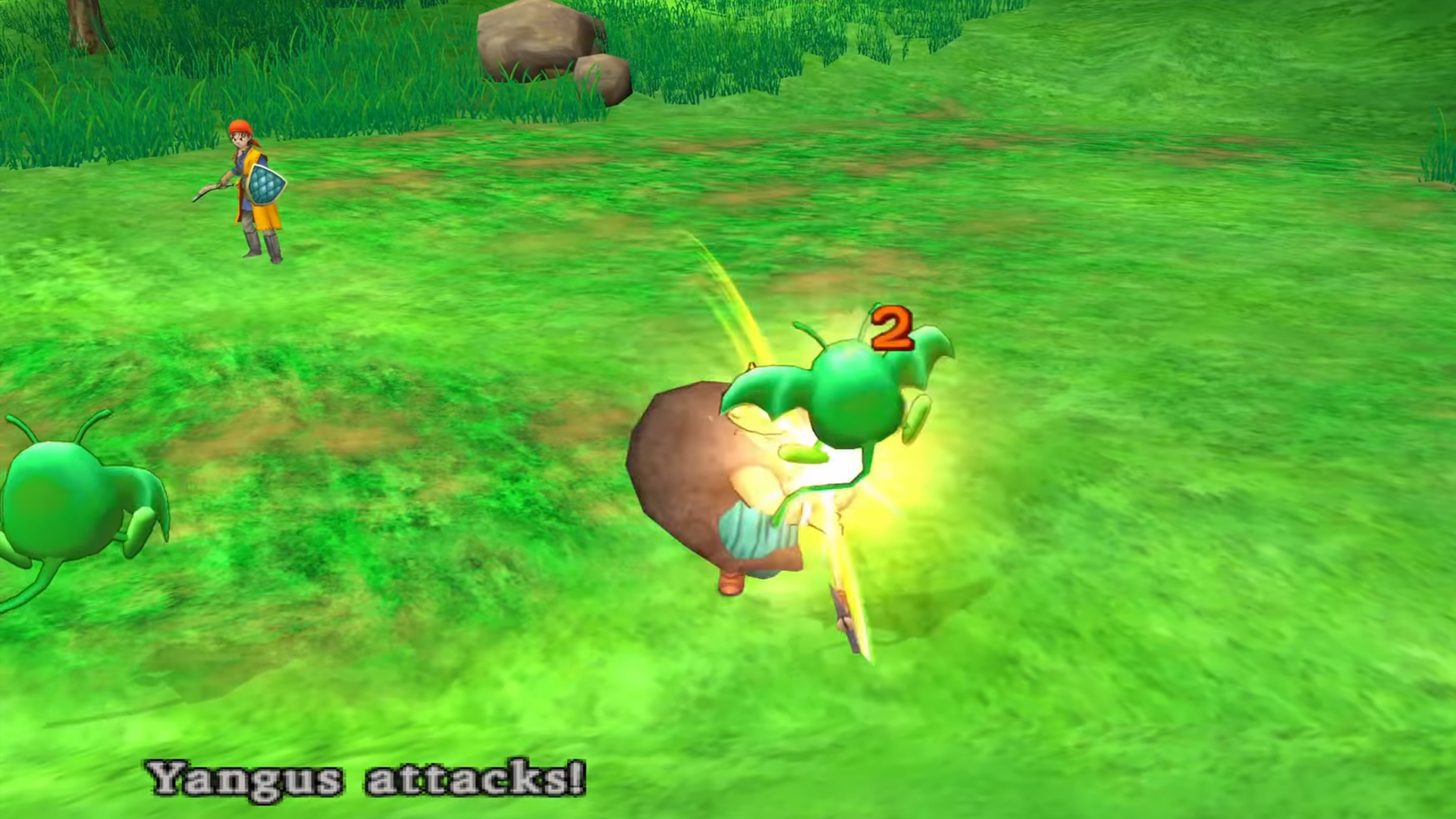
Dragon Quest is incredibly popular in Japan, but the earlier games didn’t achieve the same level of success in the United States. That began to shift with the release of Dragon Quest VIII: Journey of the Cursed King, which is now considered a standout title, not only within the Dragon Quest series but also among all JRPGs on the PlayStation 2.
Like many Dragon Quest games, Dragon Quest VIII tells a classic hero’s story. A quiet protagonist and his bandit companion help a king and his daughter who’ve been cursed by a playful but troublesome wizard. This simple setup is part of what makes the game so appealing, and the witty translation adds to its charm. The battles are fairly standard RPG fare, but a unique ‘Tension’ system lets characters temporarily become more powerful, allowing them to use special skills and spells.
I was so excited when Dragon Quest VIII came to the 3DS! It first launched in Japan in 2015, and we finally got it here in the US in 2017. They added a bunch of cool new stuff – extra story bits and even more characters to join your party. It didn’t look quite as pretty as the original, but honestly, that didn’t bother me much. It’s a shame the 3DS is basically gone now, making it hard to play again. With Final Fantasy VII getting a full remake, I’m really hoping Dragon Quest VIII is next in line for some love!
Read More
- All Shadow Armor Locations in Crimson Desert
- How to Get the Sunset Reed Armor Set and Hollow Visage Sword in Crimson Desert
- Best Bows in Crimson Desert
- Jujutsu Kaisen Season 3 Episode 12 Release Date
- All Golden Greed Armor Locations in Crimson Desert
- Wings of Iron Walkthrough in Crimson Desert
- All Helfryn Armor Locations in Crimson Desert
- How to Craft the Elegant Carmine Armor in Crimson Desert
- How To Beat Ator Archon of Antumbra In Crimson Desert
- Dark Marksman Armor Locations in Crimson Desert
2026-01-29 23:42