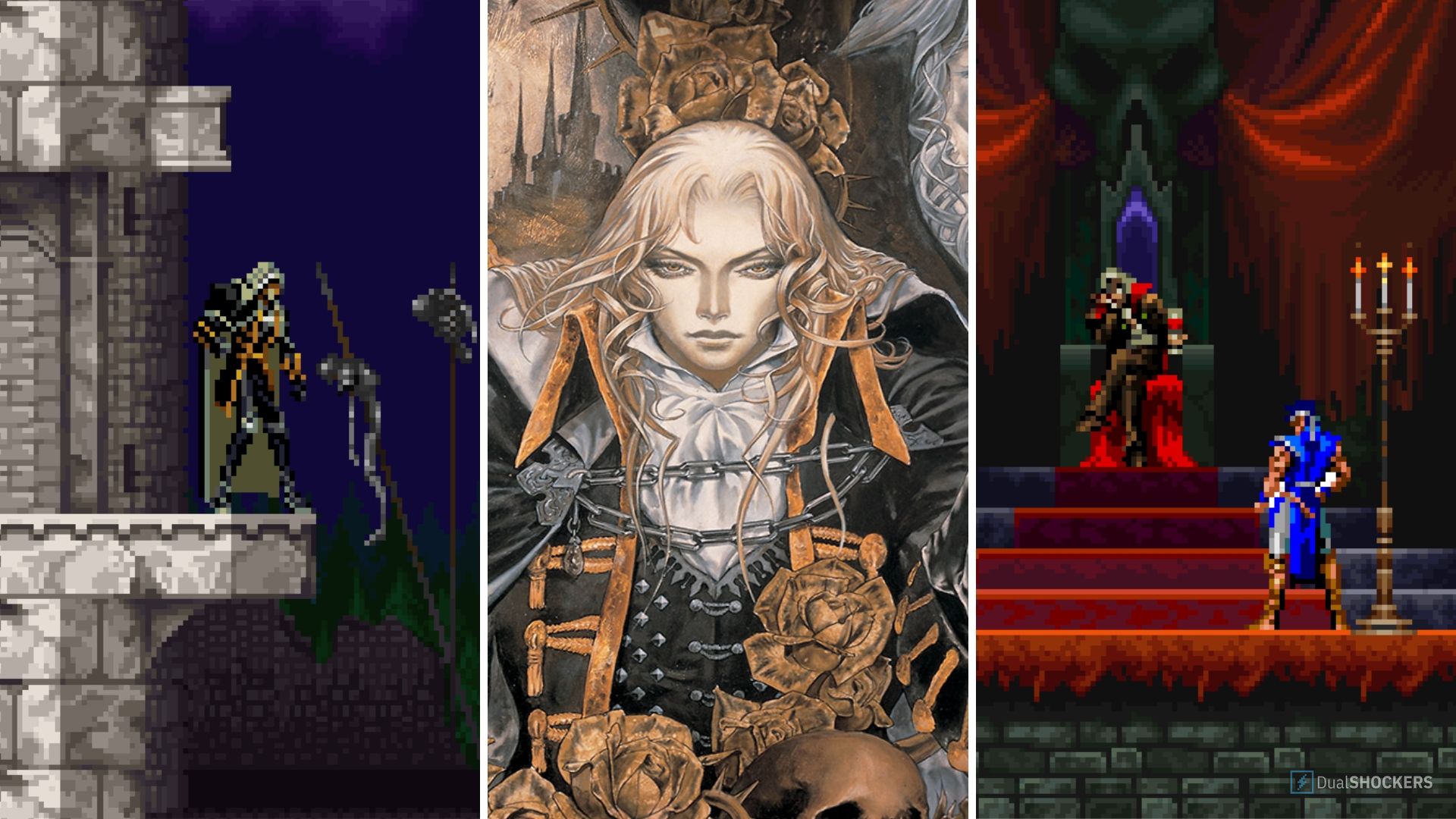
When people discuss the most important games in the Metroidvania genre, two titles are almost always mentioned: Super Metroid for the SNES and Castlevania: Symphony of the Night. Both games remain popular and influential long after their original release.
These games are among my all-time favorites, and I think they come from one of the best series ever created. Unlike most games, I find myself returning to Castlevania: Symphony of the Night every few years – I just can’t stop playing it! I believe it’s a truly exceptional game that has remained enjoyable over the years, and I’d like to share some of the reasons why it’s such a fantastic experience.
10. Art Direction
Goth but Not Hot Topic Goth
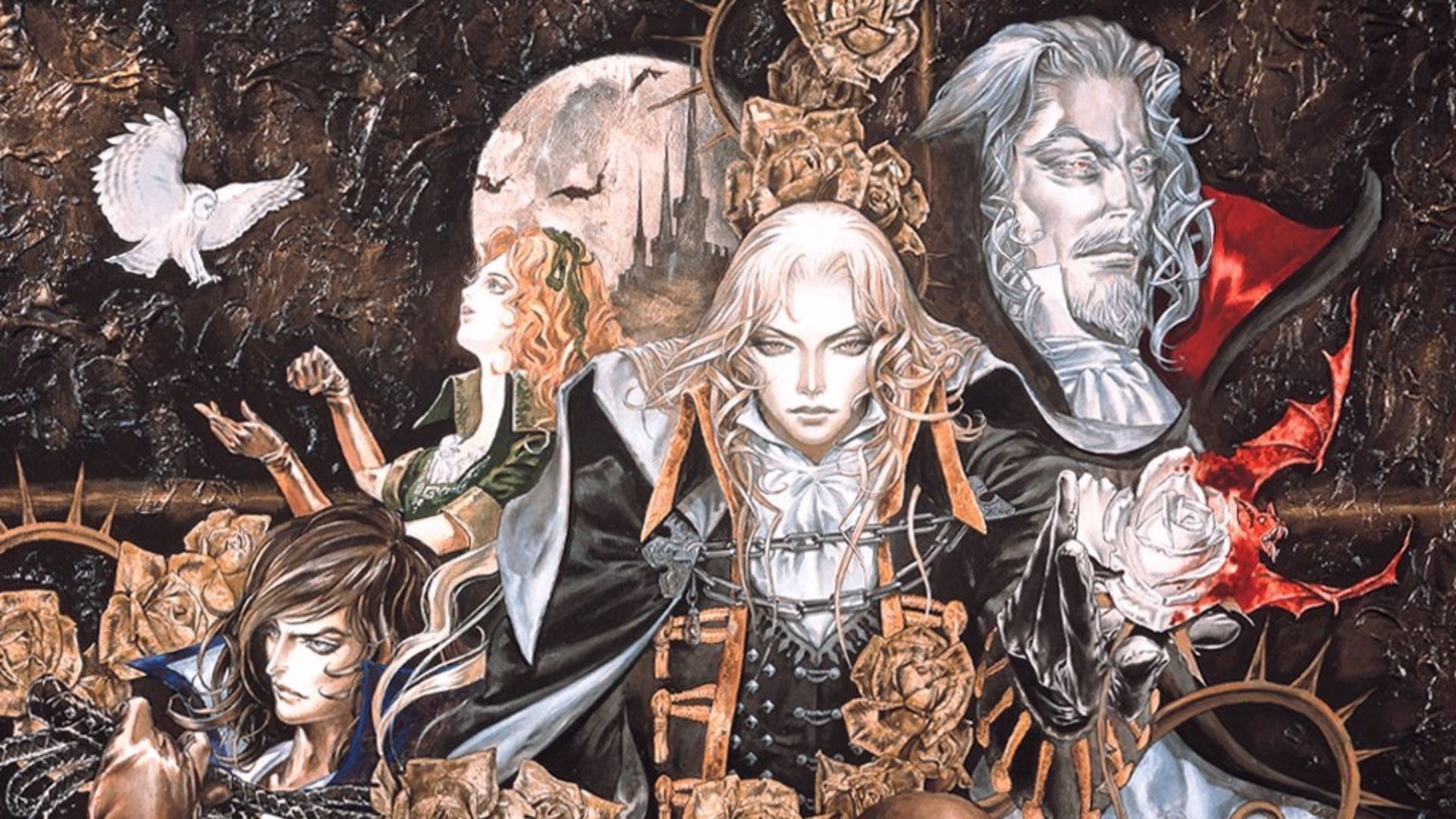
Symphony of the Night was released when the original PlayStation was popular, and most games were moving towards 3D graphics. However, Castlevania: Symphony of the Night stood out by sticking with a classic 2D, pixelated style. This choice felt like a smooth continuation of the series’ traditions.
The distinctive, gothic look of Dracula’s castle, along with the creepy zombies and ghosts within it, are largely thanks to the game’s artist, Ayami Kojima. Her ornate, baroque style perfectly complements the game’s atmosphere, creating a cohesive and memorable experience.
9. An Iconic Soundtrack
Ecclectic And Tasteful
Michiru Yamane’s soundtrack for Symphony of the Night is a standout achievement. She brilliantly combined classical music with energetic heavy metal guitar, perfectly capturing the game’s gothic and mysterious mood.
The song “Prologue” from the soundtrack is a great illustration of how powerful and energetic the music can be. The composer, Yamane, really showcases the soundtrack’s range by transforming the jazzy “Marble Gallery” – with its strong organ and bass – into a grand orchestral piece with a choir in “Tower of Mist.” Even now, this soundtrack is considered one of the best ever made for a video game.
8. Alucard
The Day Walker
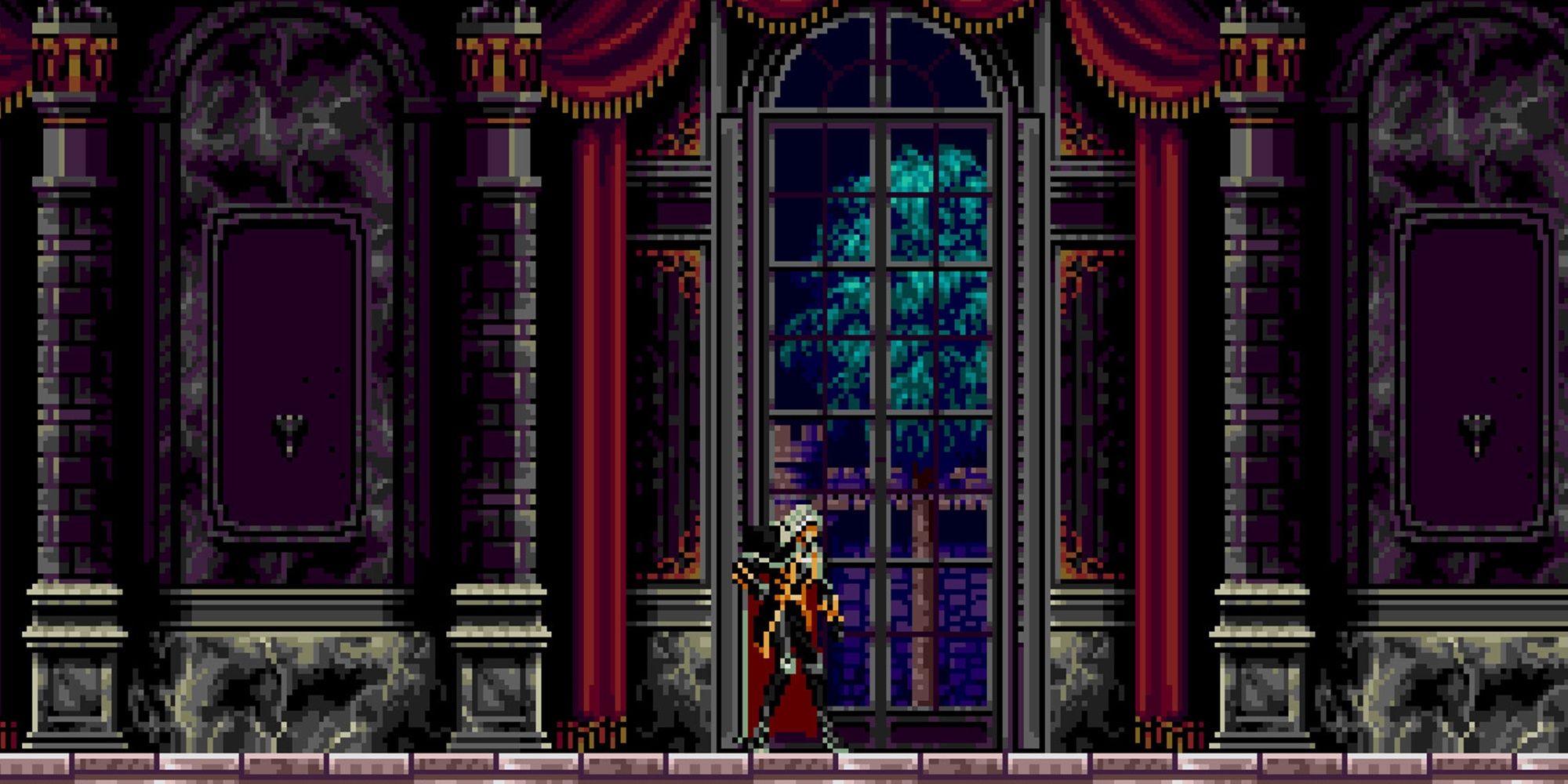
Despite having a rather unoriginal name – it’s simply “Dracula” reversed! – Alucard has become a beloved figure for Castlevania players. The series usually focuses on the Belmont family’s vampire hunters, but Alucard was first playable back in 1989 with Castlevania III: Dracula’s Curse. This time around, the game finally put him in the starring role.
I’m really getting into this game! What’s cool is you don’t start as some weakling. You’re already pretty powerful from the beginning – basically a less experienced version of Blade, a half-human, half-vampire with awesome abilities. Sure, you still level up and learn new skills, but you’re already way above average, and it just gets better from there. It feels great to play someone who’s naturally extraordinary!
7. Exploration
It’s A Big Castle
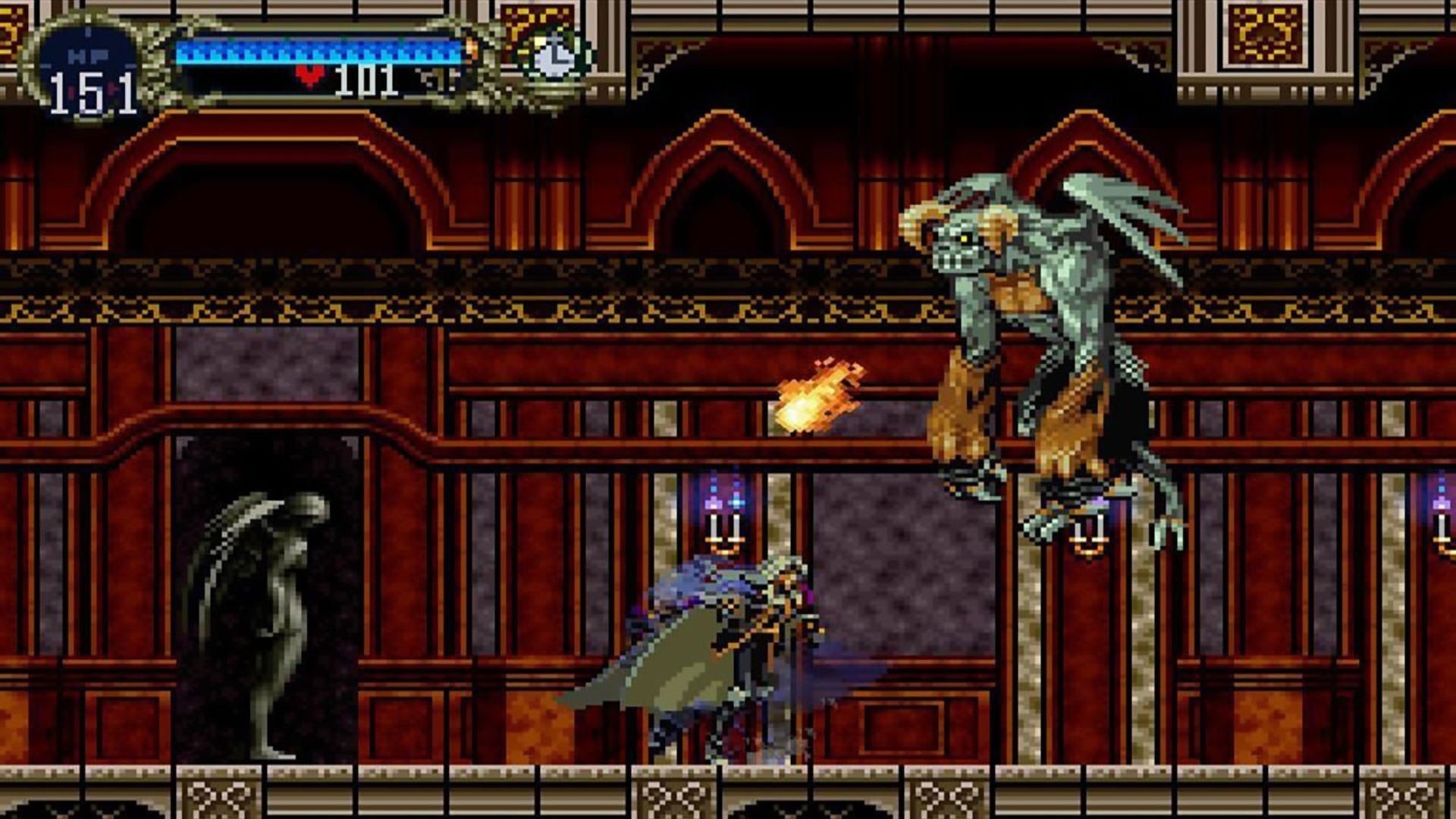
A great Metroidvania game is all about thoroughly exploring its world, and Castlevania: Symphony of the Night is no exception. Dracula’s castle is huge, and every area – from the grimiest sewers to the tallest towers – is meant to be investigated and revisited.
Like many games of this type, progress often required finding specific items or gaining new abilities, meaning players frequently had to revisit earlier areas. Castlevania: Symphony of the Night was especially good at making those moments of discovery – when you finally unlocked a previously inaccessible area – feel incredibly satisfying and rewarding.
6. Amazing Boss Fights
Scary Monsters And Super Creeps
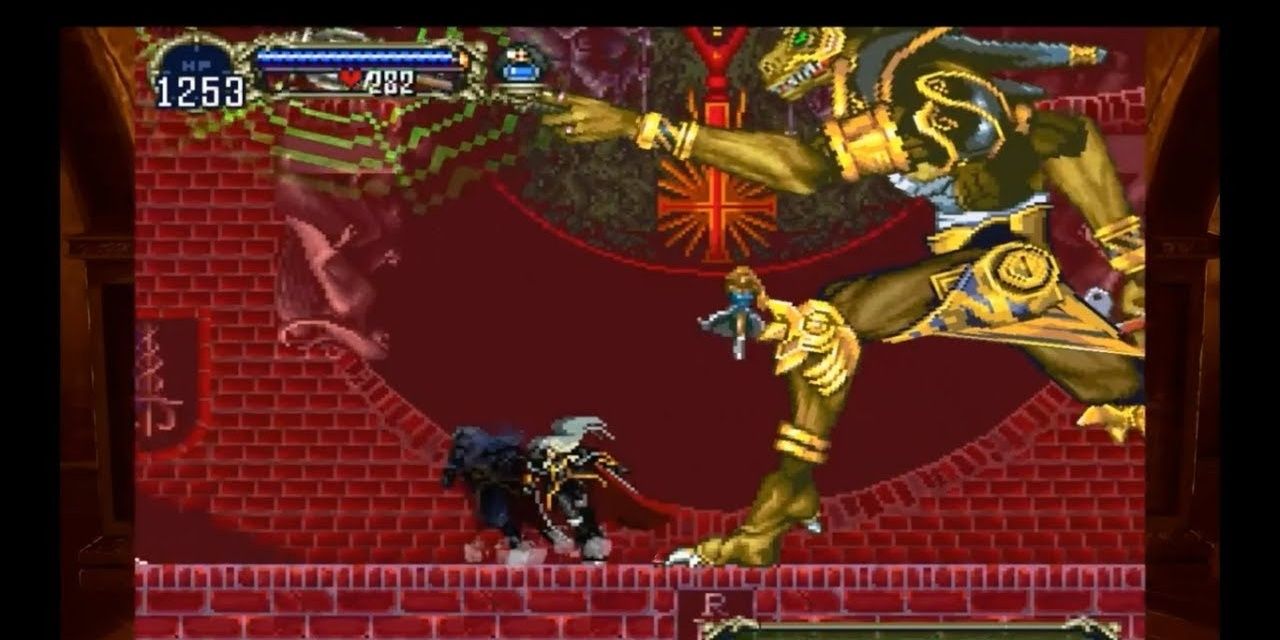
Castlevania games are famous for their challenging boss battles, and Symphony of the Night really raised the bar. It introduced a deeper level of strategy and difficulty, fitting with the game’s new role-playing features.
While Dracula and even death are challenging in Symphony of the Night, I think Galamoth truly shows how difficult some of the boss fights could be. It’s normal to encounter enemies you’re not prepared for, but even when I was very powerful, Galamoth was incredibly tough. To this day, it’s one of the few fights where I had to look up a strategy online to win.
5. RPG Elements
The Enjoyable Grind
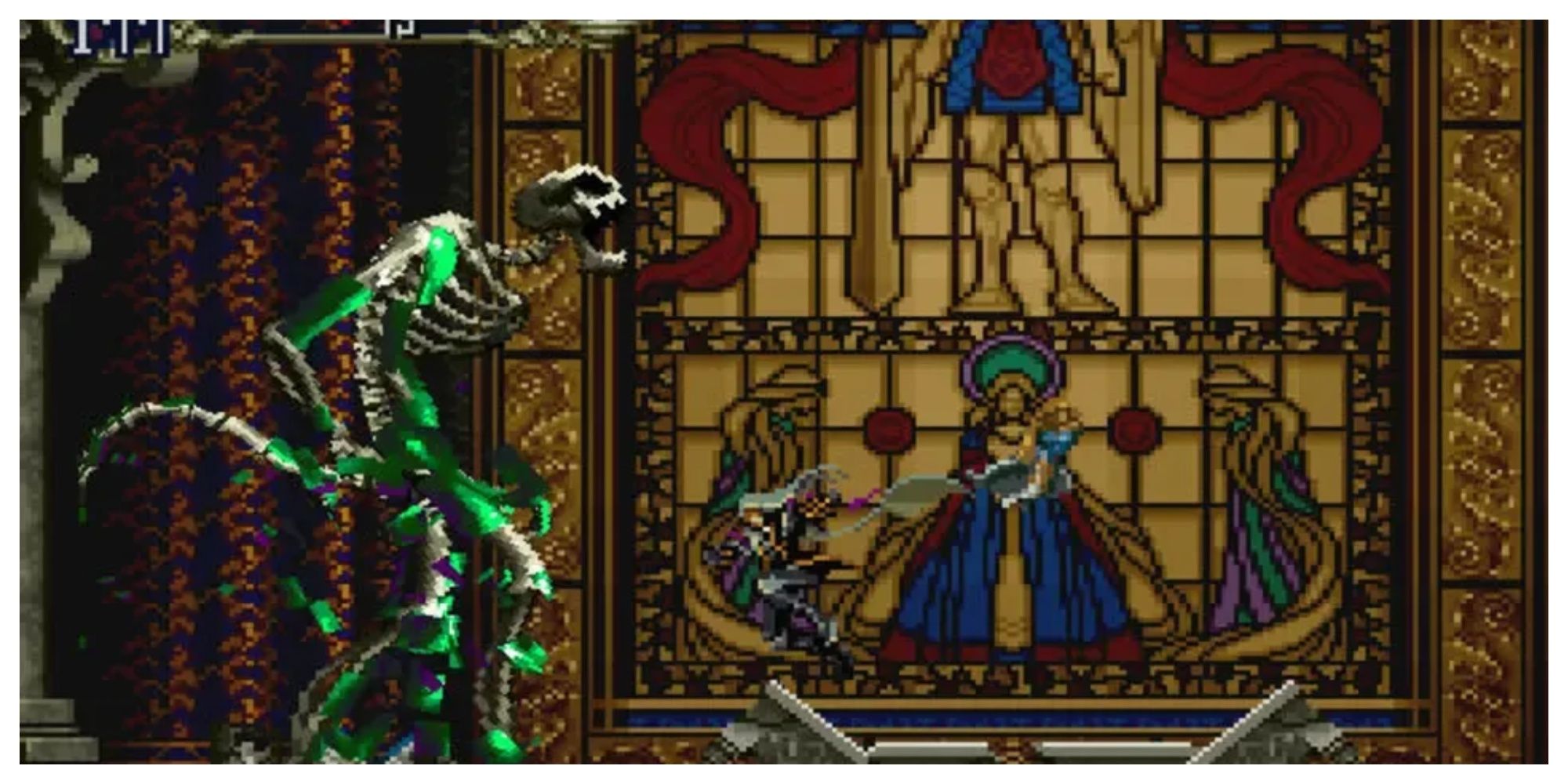
While other Castlevania games had experimented with RPG elements, this one really nailed them. The ability to change your weapons, armor, and accessories to create the perfect setup for any challenge was a great feature.
Plus, defeating enemies now awarded experience points, letting players level up and become even stronger if they wanted to spend time doing that. And who wouldn’t enjoy the awesome rainbow visual effect that appeared whenever Alucard gained a level?
4. Storytelling
Going Viral
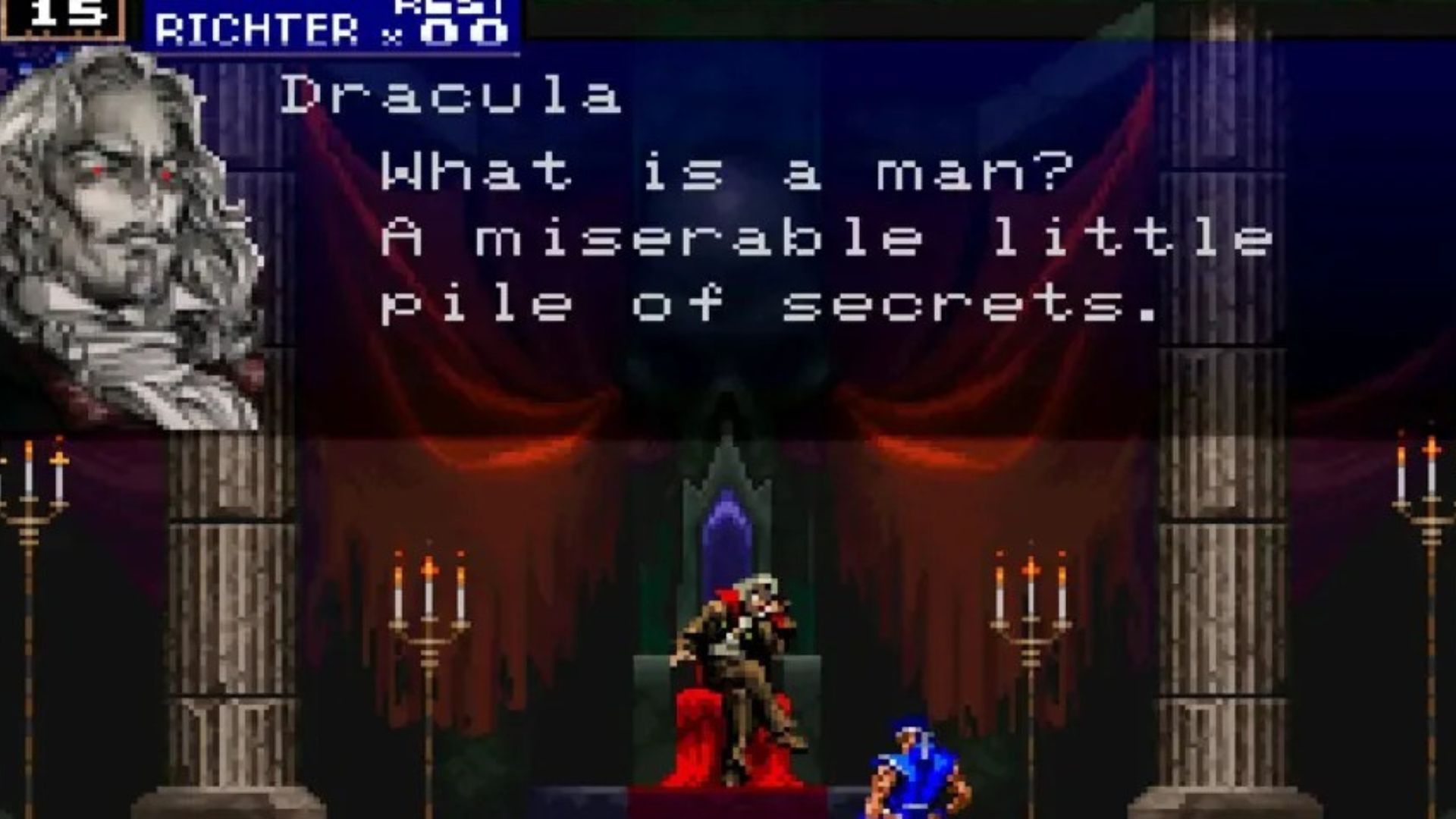
“What is a man? A miserable little pile of secrets!” This famous line from Symphony of the Night has become incredibly popular online and helped make the game a lasting part of pop culture. More importantly, it marked one of the first times the Castlevania series really delved into a character’s story and motivations.
The game benefited from the strong foundation laid by previous titles in the series, and the PlayStation 1’s capabilities, like voice acting, added depth to Alucard’s story. A particularly clever narrative choice was the unexpected battle against Richter Belmont, which subverted established Castlevania lore and felt like a true climax.
3. Combat Mechanics And Abilities
(In Matt Berry Voice) BAT!

As a huge fan of Symphony of the Night, I always loved how much freedom it gave you with equipment! It wasn’t just about having a lot of gear, but finding what worked best for each challenge. You could play it safe with a sword and shield, go for a fast-paced dual-dagger build, or even get up close and personal with enemies using brass knuckles – it was awesome!
Subscribe for deep Metroidvania insights and lore
Alucard gained the power to transform into different creatures. In Castlevania 3, he could become a bat, and in Symphony of the Night, he learned to also transform into a wolf and mist. This ability worked like the power-ups in Metroid, where Samus Aran would find forms like the Morph Ball to access new areas. It was a significant departure from the traditional whips used in earlier Castlevania games.
2. Hidden Secrets
More Than Wall Meats
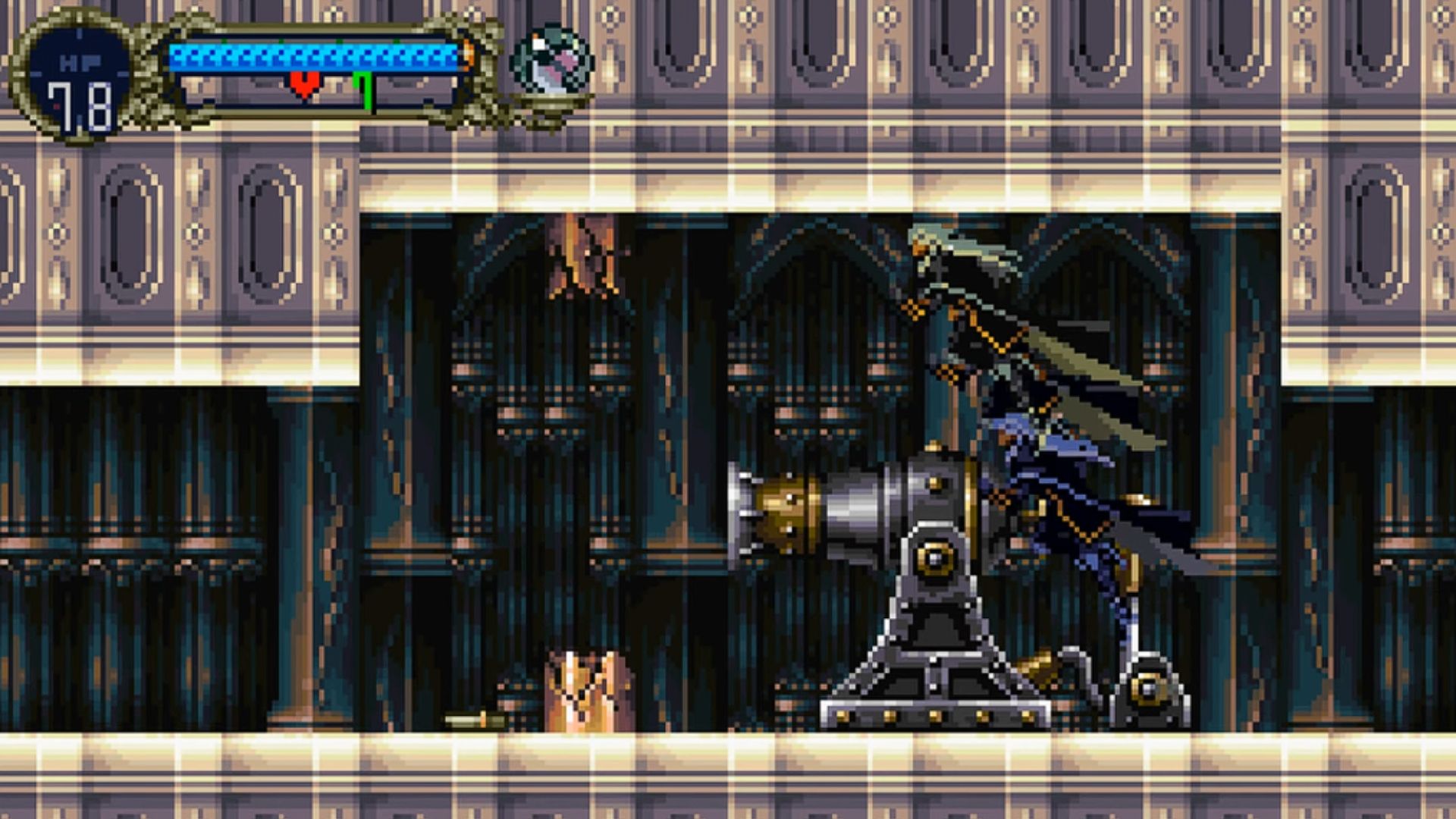
Honestly, as a longtime fan, I always figured Dracula’s castle had to have a turkey hidden somewhere – it just feels right! But that’s nothing compared to all the other cool stuff you could dig up. I heard if you kept boosting the librarian with gravity boots, he’d eventually reward you with some seriously awesome secret equipment.
As a huge fan, I’ve lost count of how many times I’ve played Symphony of the Night, and honestly, every playthrough feels like I’m still uncovering things! It’s a game that really rewards exploration, but it’s also a little frustrating because you always feel like you’ve missed something. That’s why I keep returning, but there was one secret in particular that, if you didn’t find it, you were basically only experiencing half the game. It’s a massive deal!
1. An Upside Down Castle
Flipping The Script
Most players likely finished Castlevania: Symphony of the Night by defeating Richter, thinking the game was over. However, that was just the beginning! If you had the Holy Glasses equipped during the Richter fight and destroyed the orb possessing him, you were about to face a much bigger challenge – a truly unexpected turn of events.
To see the true ending, you had to replay the entire castle, but with a clever twist: the map was flipped upside down. It was a deviously smart design, and in my opinion, it remains one of the most memorable moments in Metroidvania games ever.
Read More
- All Skyblazer Armor Locations in Crimson Desert
- How to Get the Sunset Reed Armor Set and Hollow Visage Sword in Crimson Desert
- All Shadow Armor Locations in Crimson Desert
- Marni Laser Helm Location & Upgrade in Crimson Desert
- All Helfryn Armor Locations in Crimson Desert
- All Golden Greed Armor Locations in Crimson Desert
- All Icewing Armor Locations in Crimson Desert
- Best Bows in Crimson Desert
- How to Beat Stonewalker Antiquum at the Gate of Truth in Crimson Desert
- Legendary White Lion Necklace Location in Crimson Desert
2026-03-18 18:45