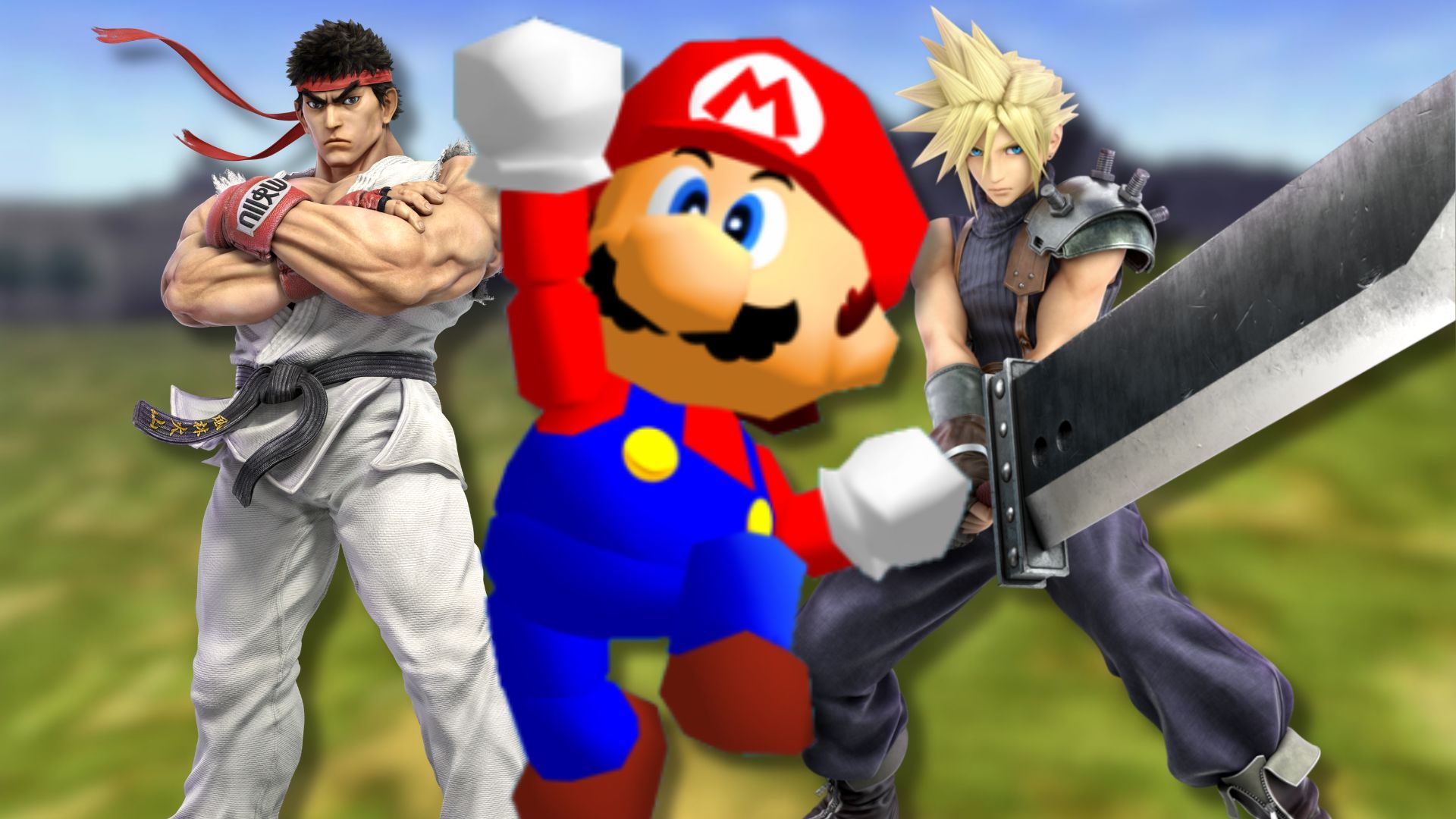
Video games offer something for every type of player, with a huge range of genres available. Whether you’re looking for a grand adventure, a frightening experience, or a competitive challenge, there’s a game for you. This variety is what makes gaming such a fantastic form of entertainment.
It’s also valuable to consider the history of video game genres – how they developed and which games truly made them what they are today. The games listed below are great examples of this. While they weren’t always the first of their kind, they were incredibly influential in defining those genres and ultimately changed the video game industry.
TopMob Quiz
—
Results
—
Super Mario Bros.
Defined The 2D Platformer
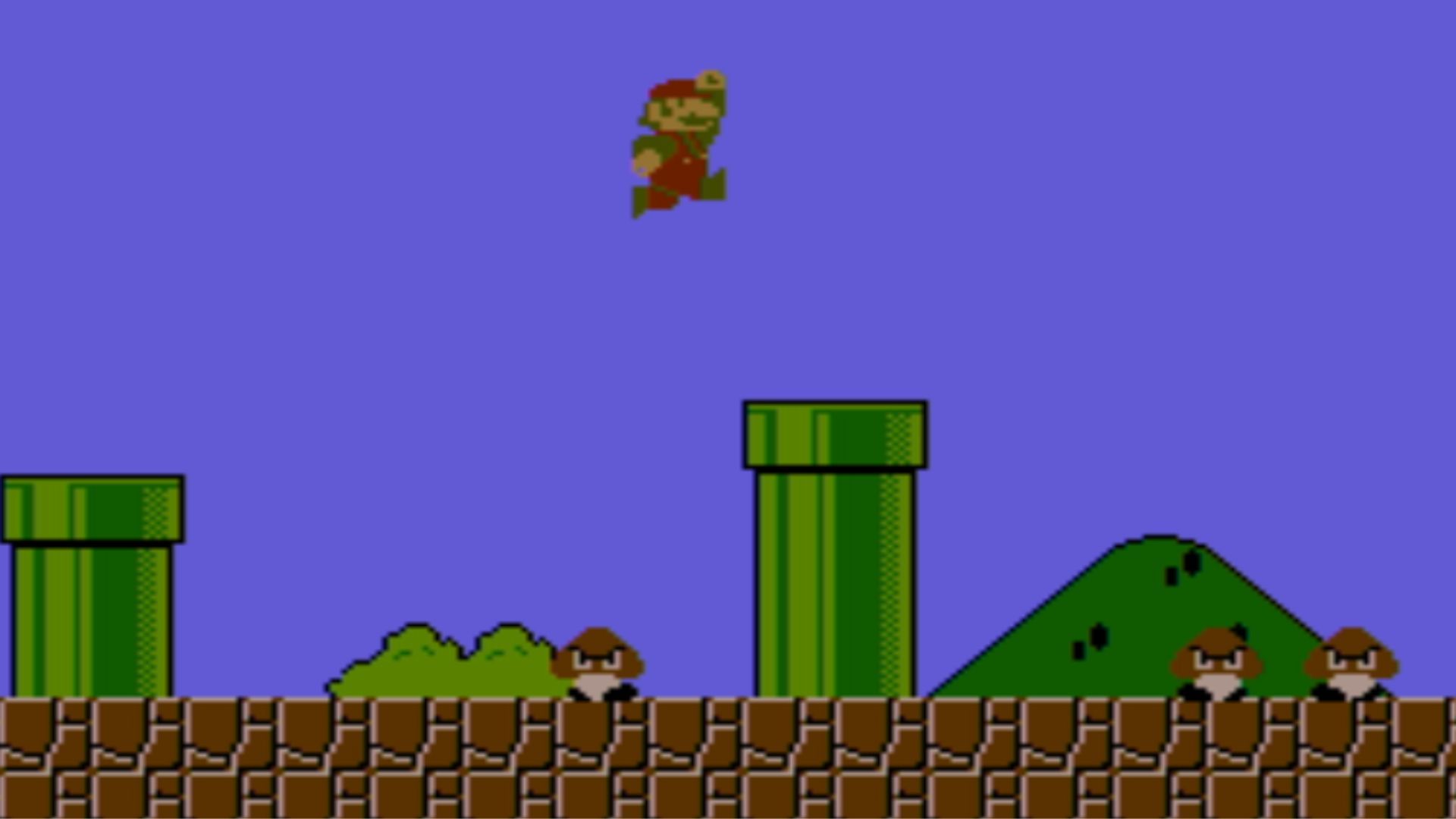
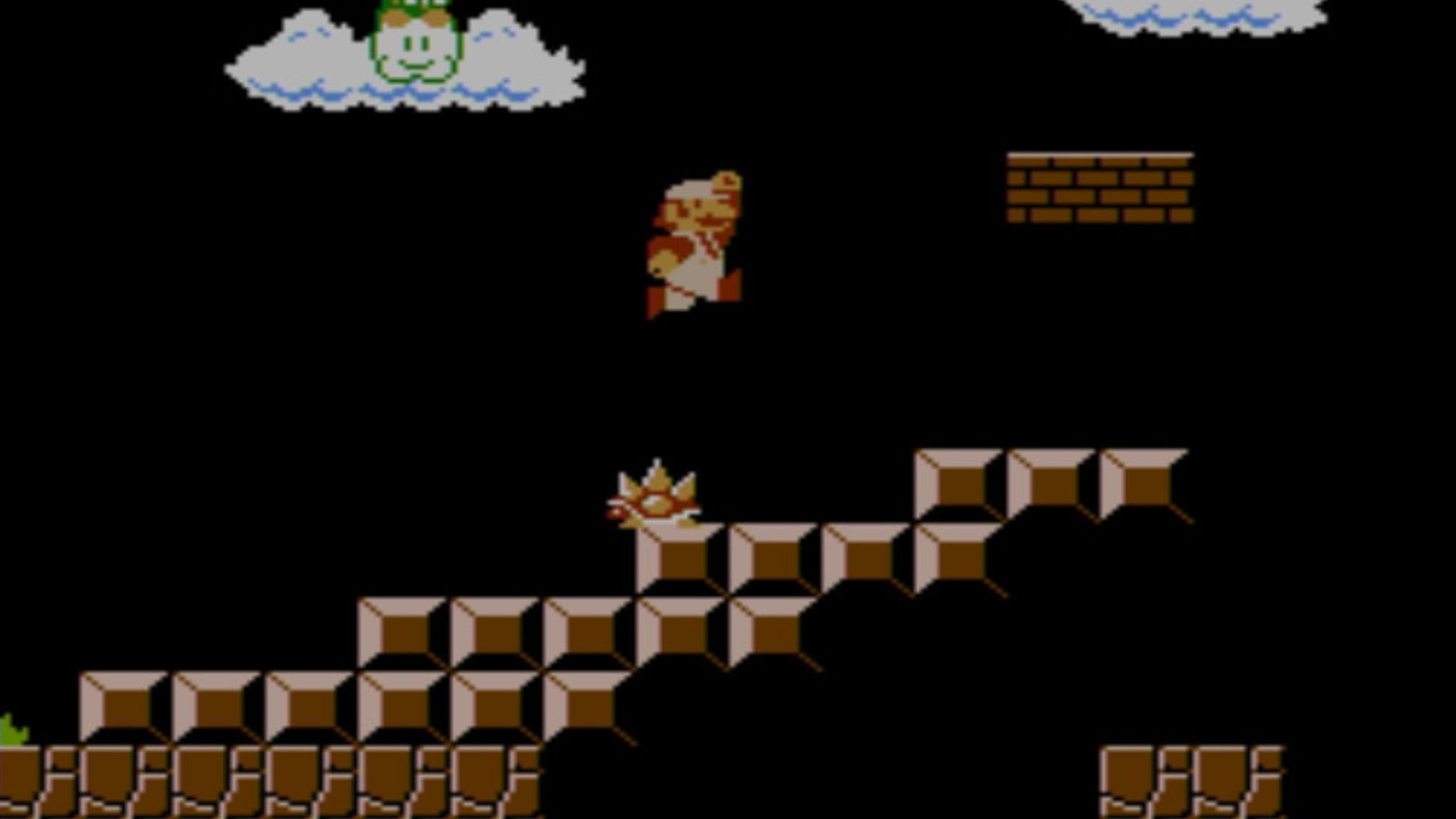
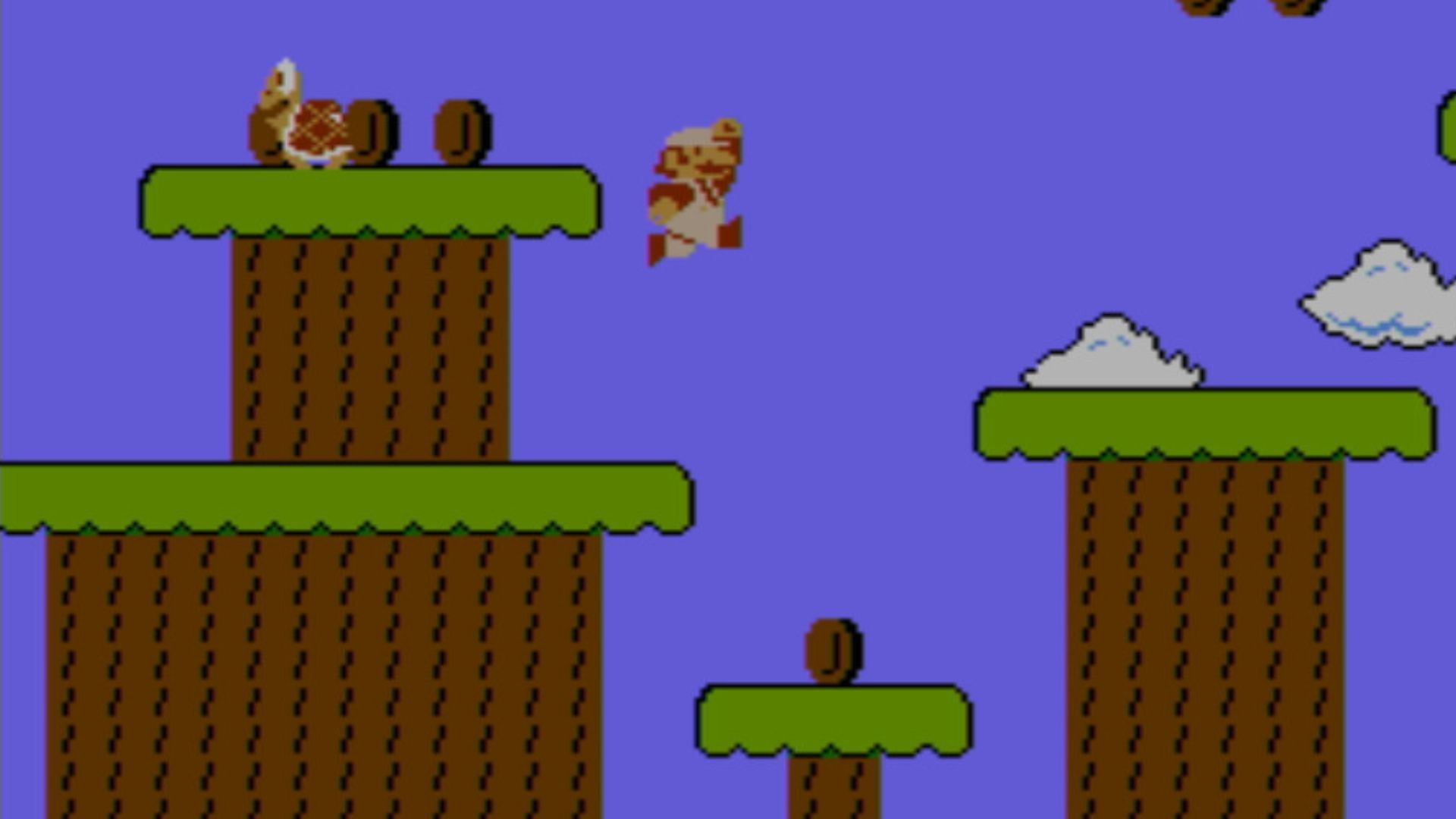
Platforming games are one of the earliest video game genres, appearing almost as soon as video games themselves. While games like Donkey Kong and Mario Bros. were popular in arcades, Super Mario Bros., released on the Famicom/NES in the early 1980s, truly revolutionized the industry. It’s fair to say that this incredibly influential game didn’t just define platforming, but helped shape gaming as a whole.
When Super Mario Bros. first came out, it felt like a game-changer because it actually told a story – even a basic one – with a definite start and finish, rather than just being about getting the highest score. This, combined with its fun jumping and running gameplay, clever power-ups, and perfectly balanced challenge, set the standard for almost every 2D platformer that followed. Without Super Mario Bros., many beloved games like Kirby, Donkey Kong Country, Sonic the Hedgehog, and Mega Man might never have been created.
Super Mario 64
Defined The 3D Platformer
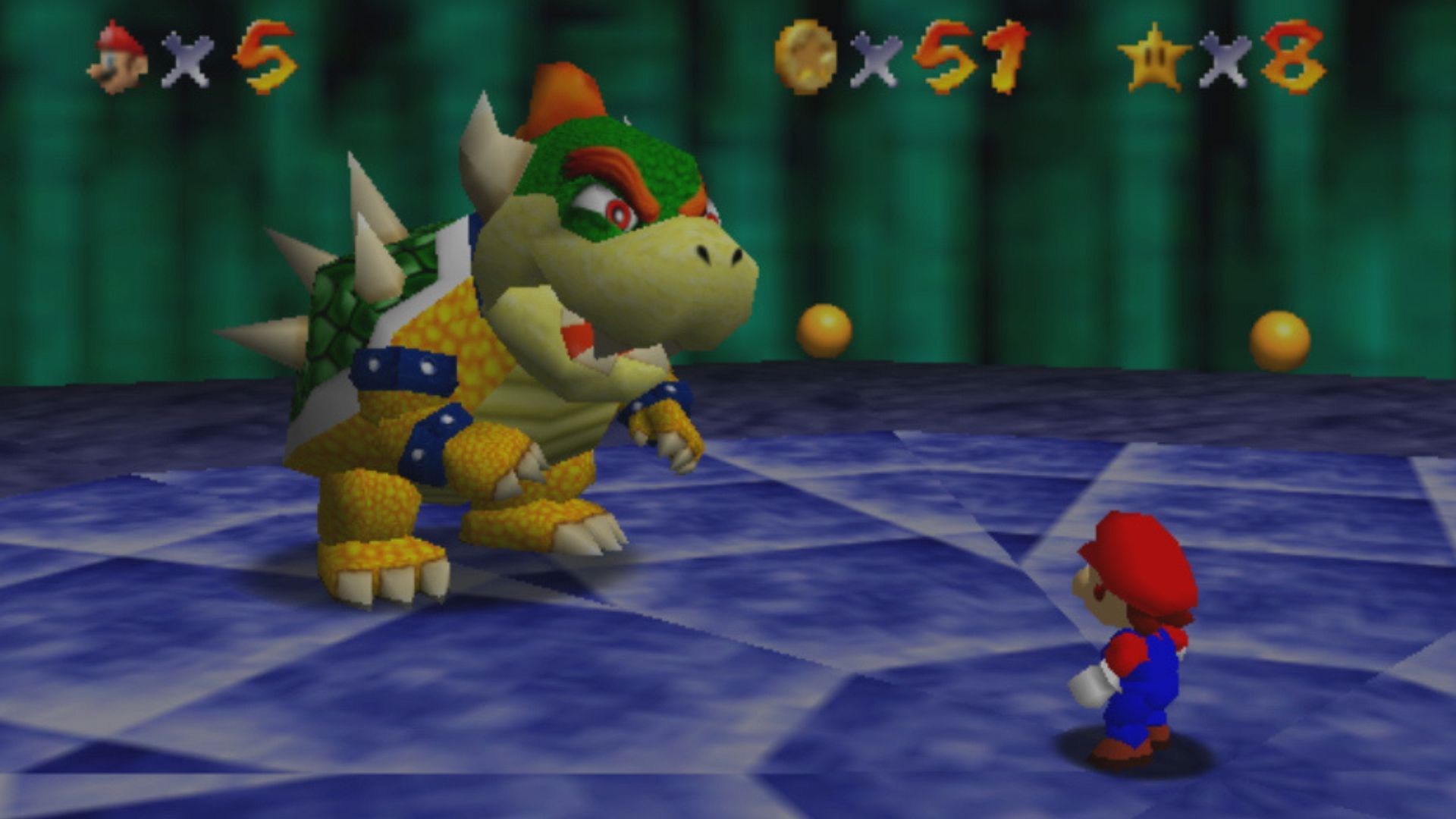
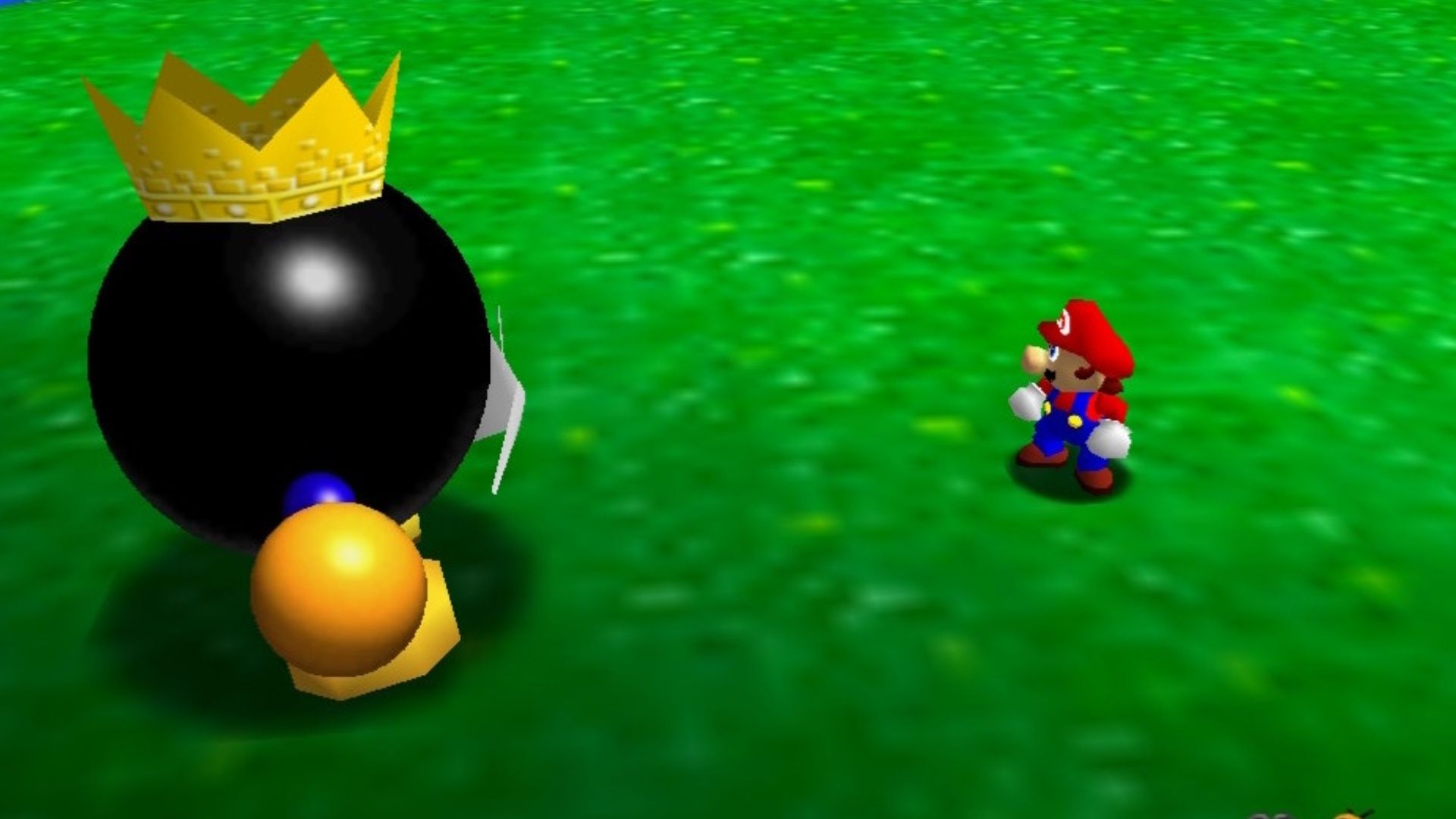

Okay, let’s fast forward a bit and talk about Super Mario 64. It’s seriously one of the most important Mario games ever, right up there with the original Super Mario Bros. It’s kinda funny because people say Nintendo was late to the 3D game party – the N64 came out almost two years after the PlayStation – but Super Mario 64 basically set the rules for every 3D platformer that came after it. It was that influential!
The incredible success of Super Mario 64 largely came down to its use of the analog stick, which revolutionized 3D movement in video games. The entire game was built around this new way of controlling Mario, making it feel natural and fun to perform complex moves and collect Power Stars. Beyond the controls, its focus on collecting items and its large, expansive levels became a blueprint for many 3D platformers that followed, including classics like Banjo-Kazooie, Conker’s Bad Fur Day, Donkey Kong 64, Spyro the Dragon, Jak & Daxter: The Precursor Legacy, A Hat in Time, and countless others.
Street Fighter 2: The World Warrior
Defined The Fighting Game
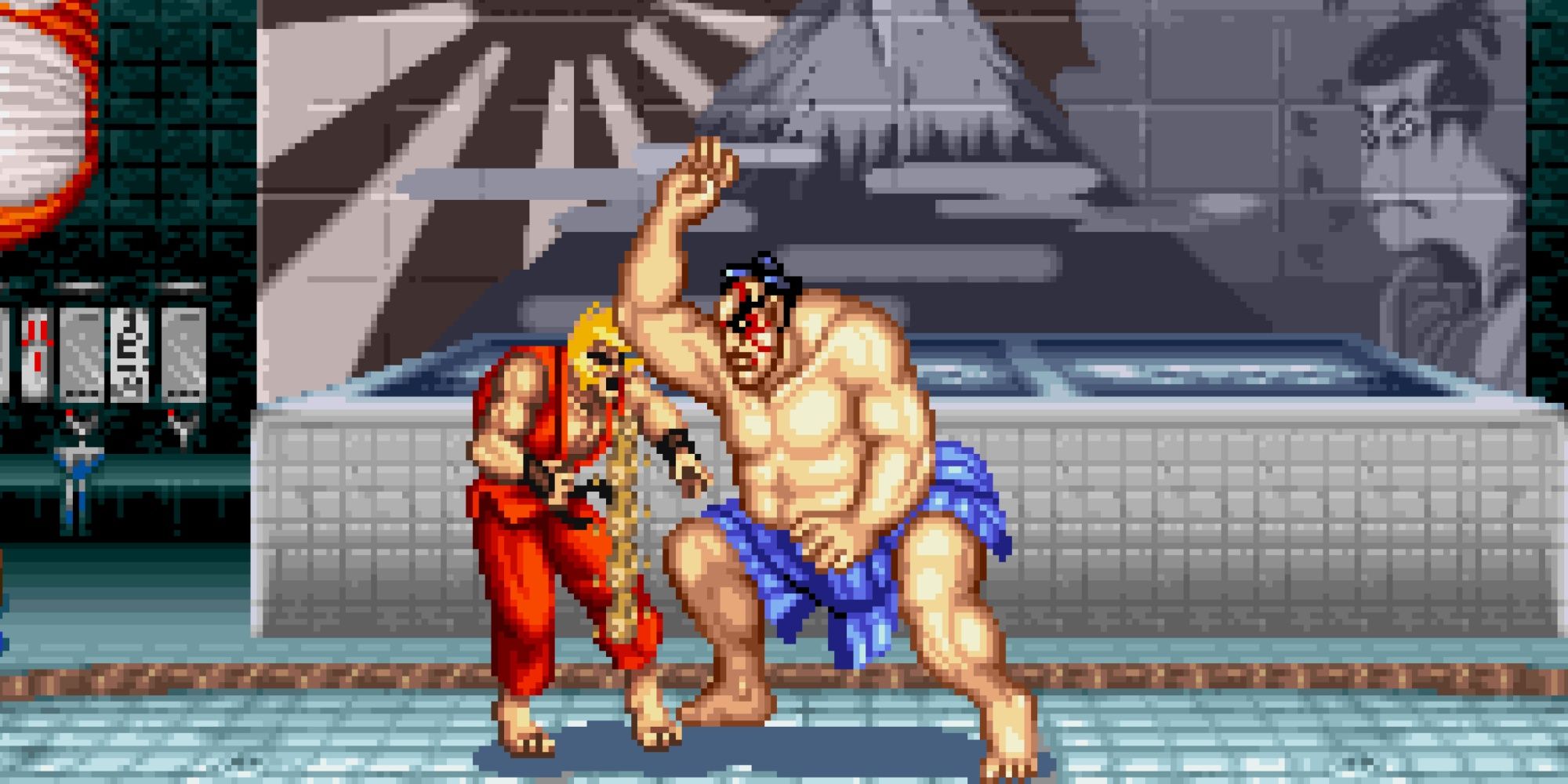
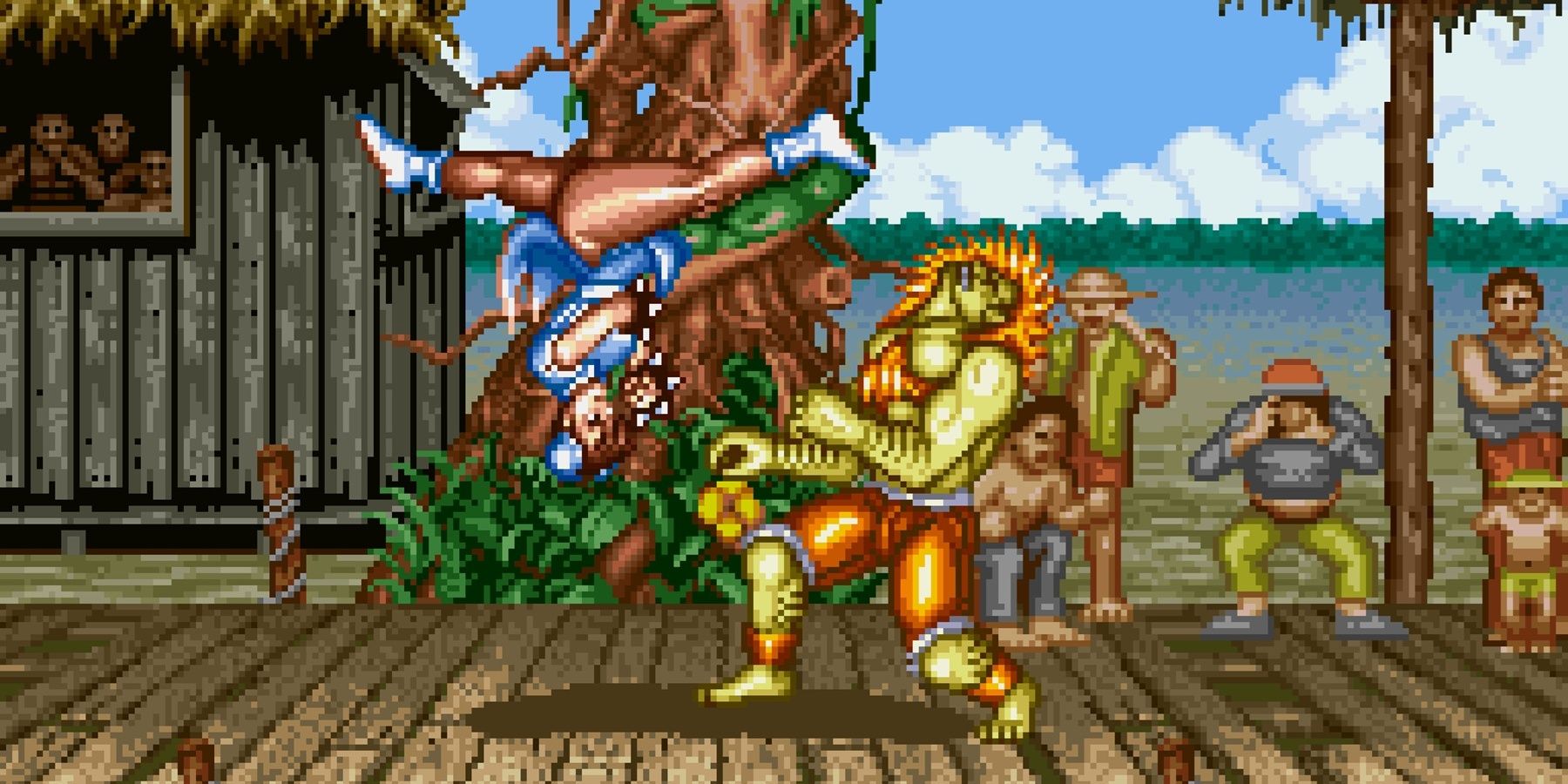
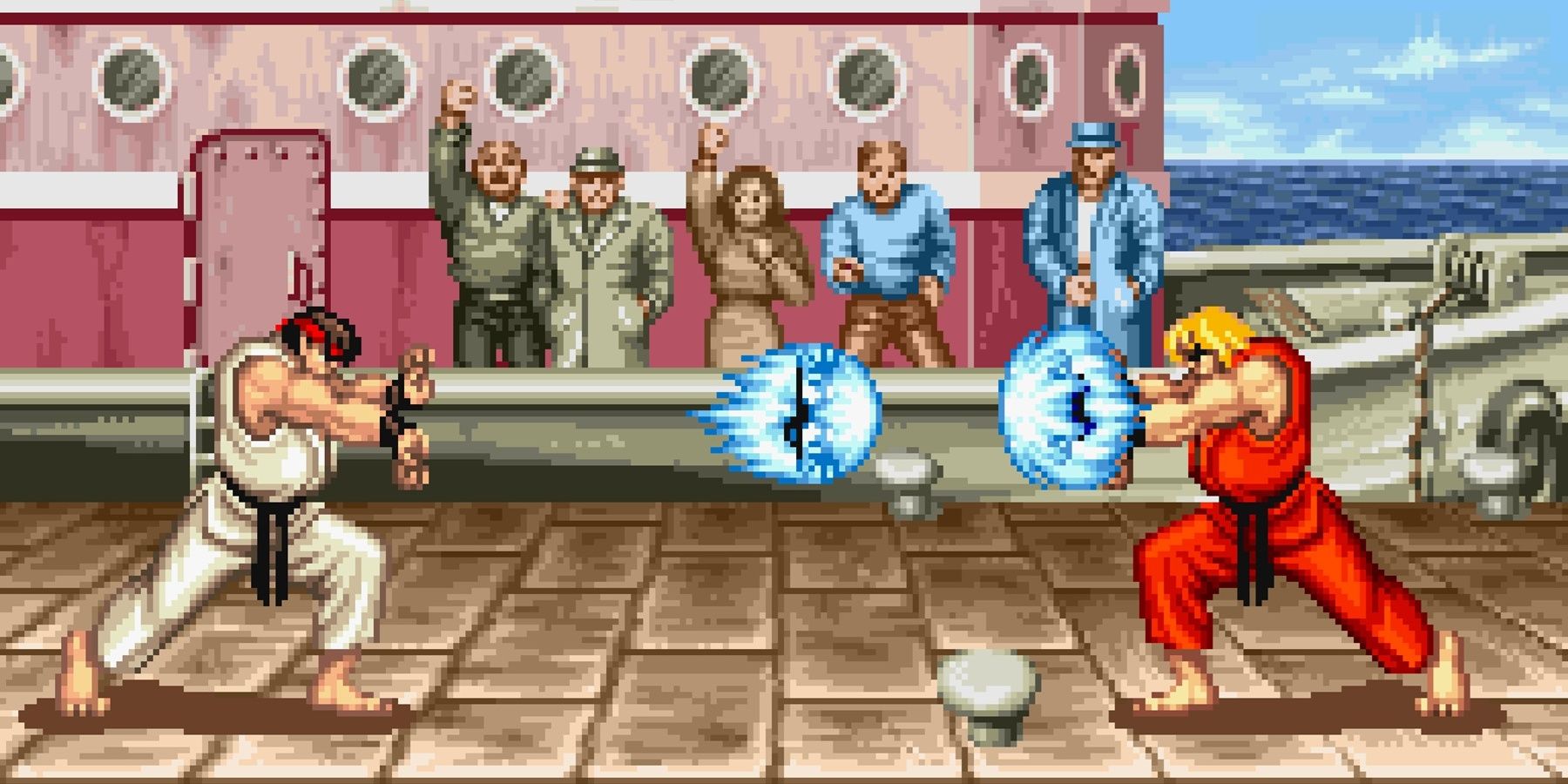
Fighting games are incredibly popular now, largely because of the huge competitive community where players worldwide battle to show off their skills and quick reactions. The Street Fighter series is rightfully considered a leader in this global trend, and it all started with Street Fighter 2: The World Warrior.
The first Street Fighter game from 1987 was decent, but it wasn’t very popular. However, its 1991 sequel, Street Fighter 2, completely changed the fighting game landscape. Its success came from a combination of things – memorable characters, bright visuals, and a revolutionary combo system. The six-button controls made the gameplay both easy to pick up and thrilling. Street Fighter 2 not only launched a hugely successful series, but it also paved the way for other iconic fighting games like Fatal Fury, Mortal Kombat, and Tekken.
Doom
Defined The First-Person Shooter
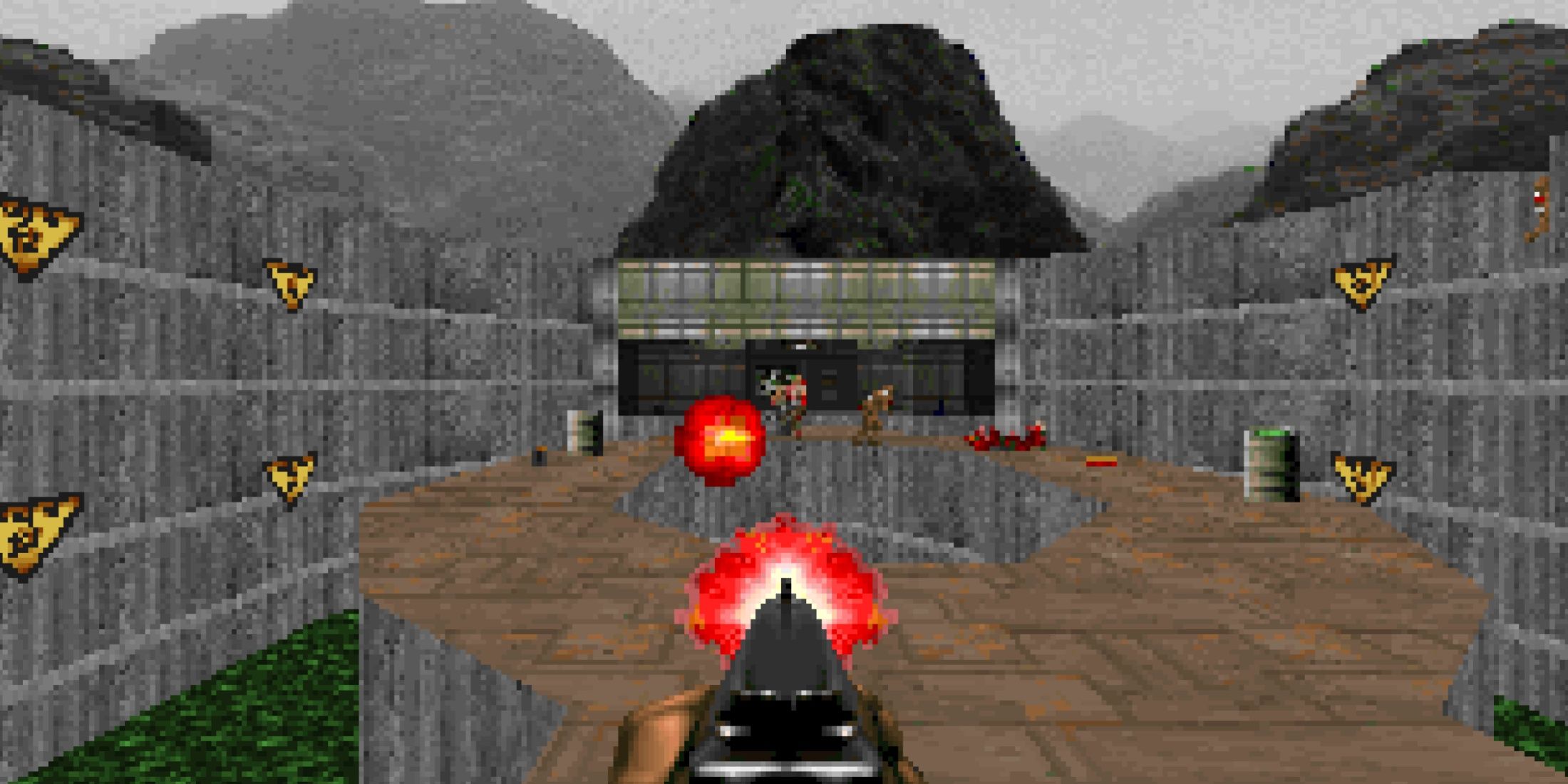
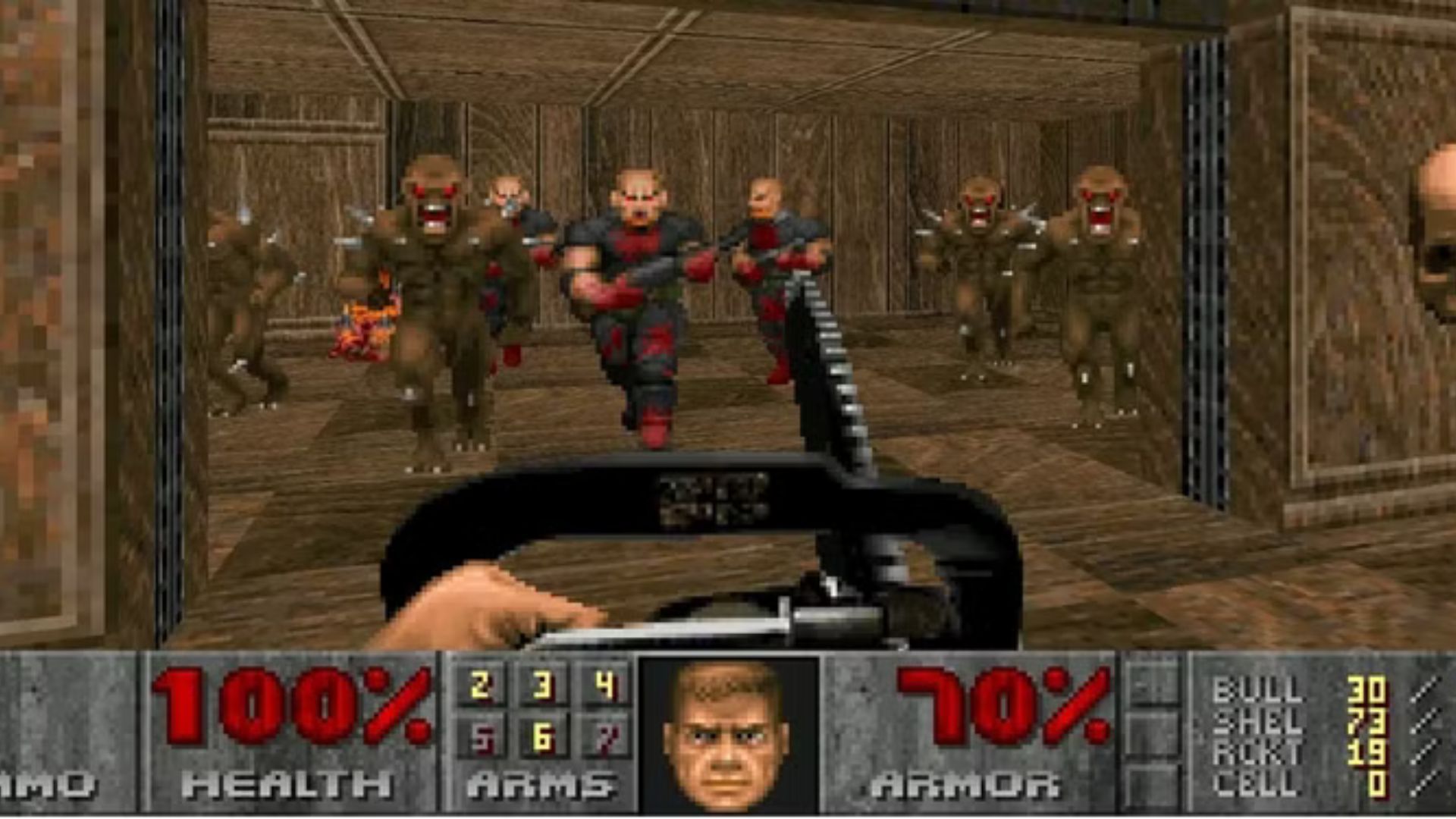
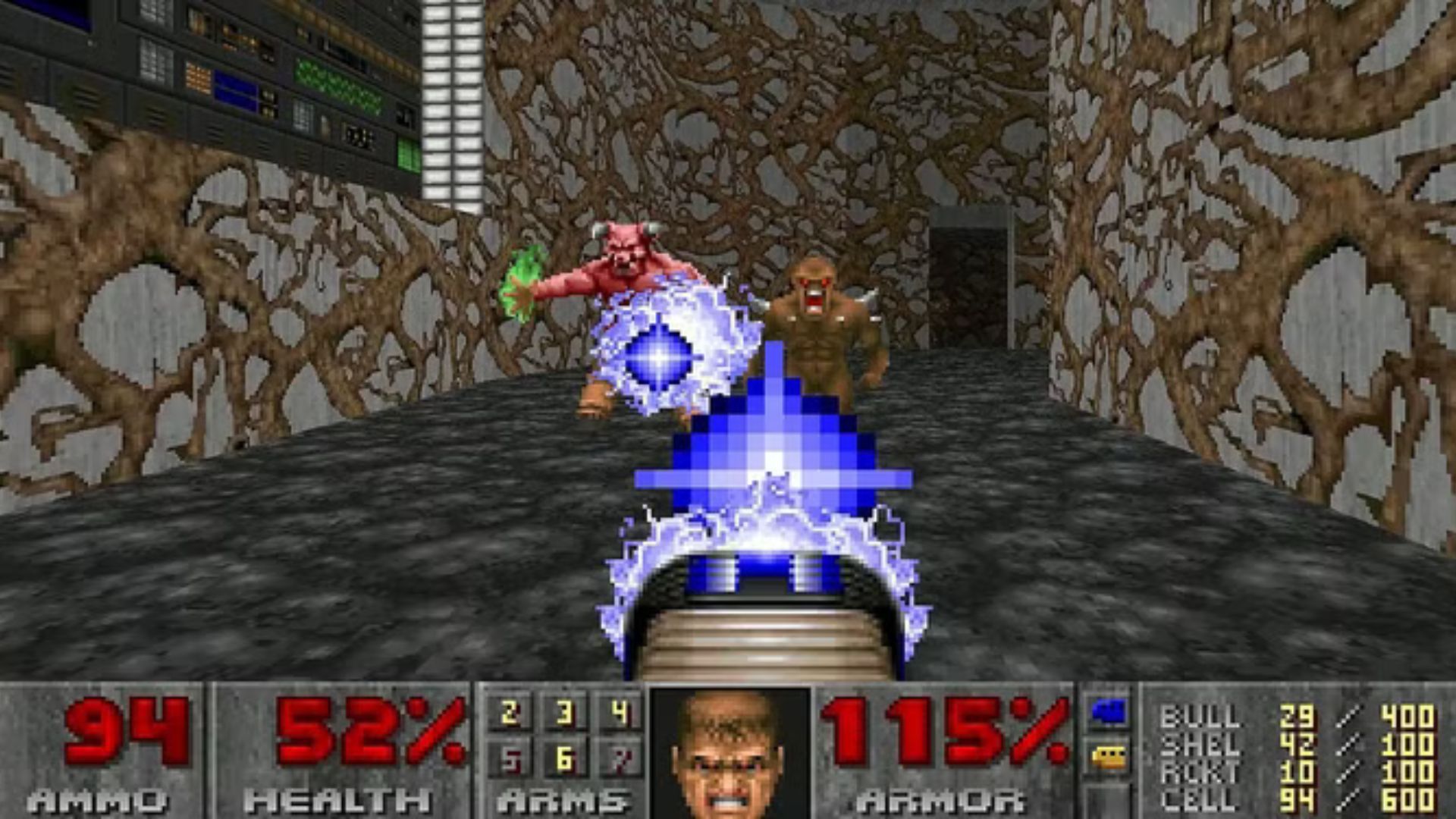
While Wolfenstein 3D is widely considered one of the earliest first-person shooters and was very important, it didn’t have the same huge cultural impact as Doom. That’s why Doom is still so strongly associated with the FPS genre today – and it’s worth noting that both games were created by the same company, id Software.
Released during the early days of 3D gaming, Doom felt revolutionary with its unique camera and controls. Surprisingly, despite its simple gameplay, it still holds up today. Its dark, violent style perfectly captured the energetic spirit of the 1990s. Doom was incredibly popular in its prime and went on to influence countless first-person shooters, including classics like Half-Life, Duke Nukem 3D, Heretic, Outlaws, Quake, and even more recent games like Ultrakill.
Resident Evil
Defined The Survival Horror Game
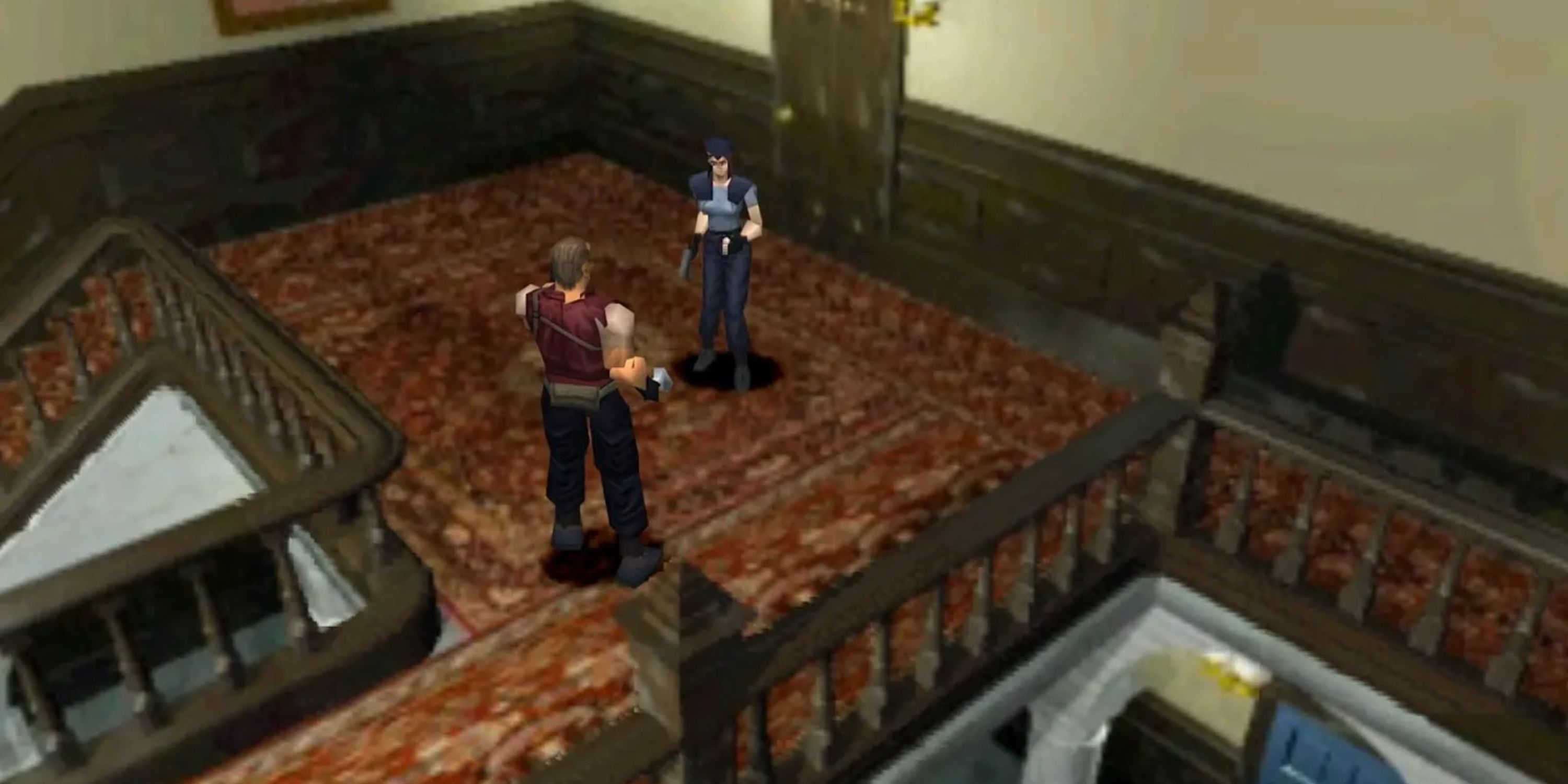
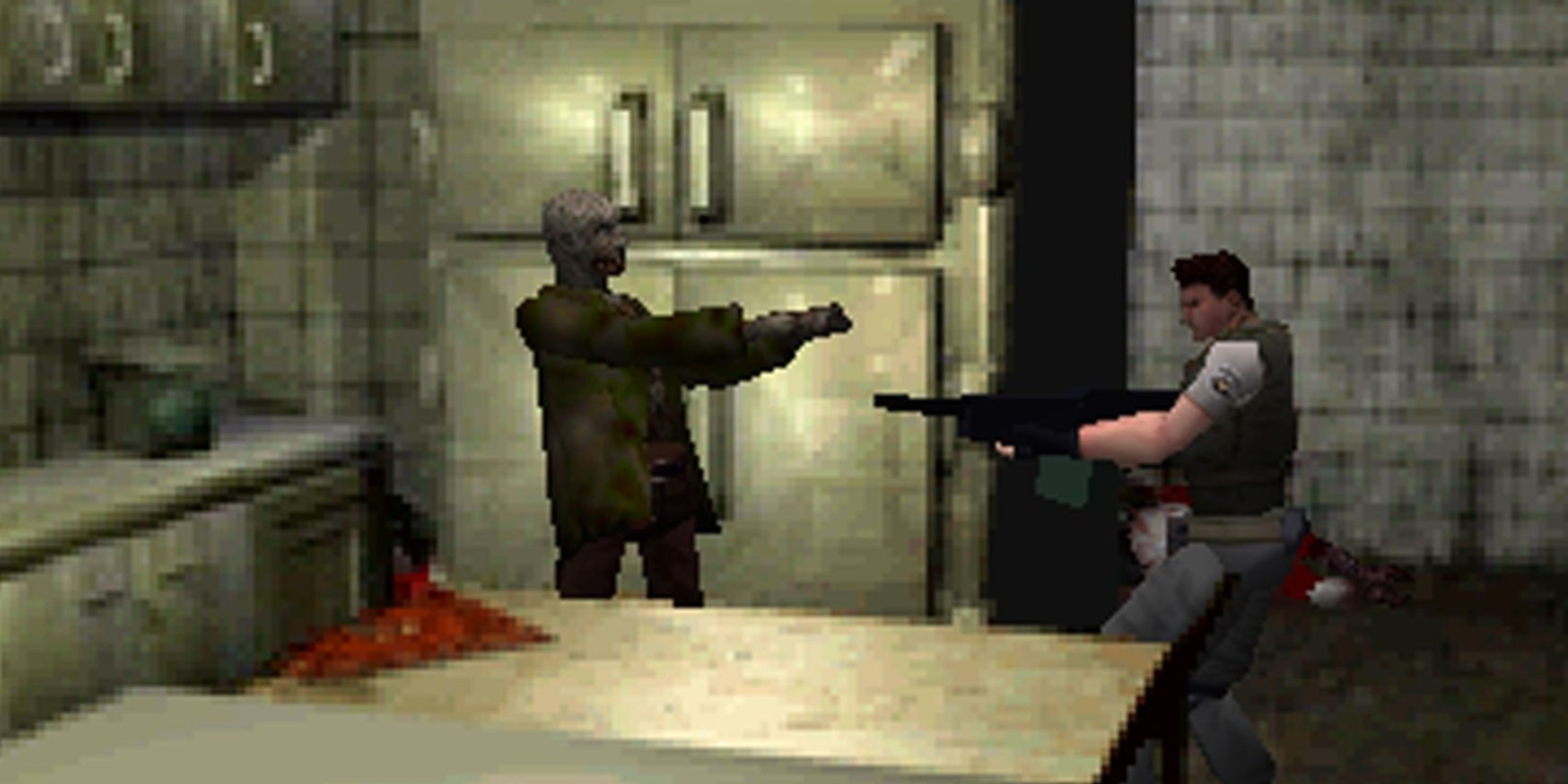
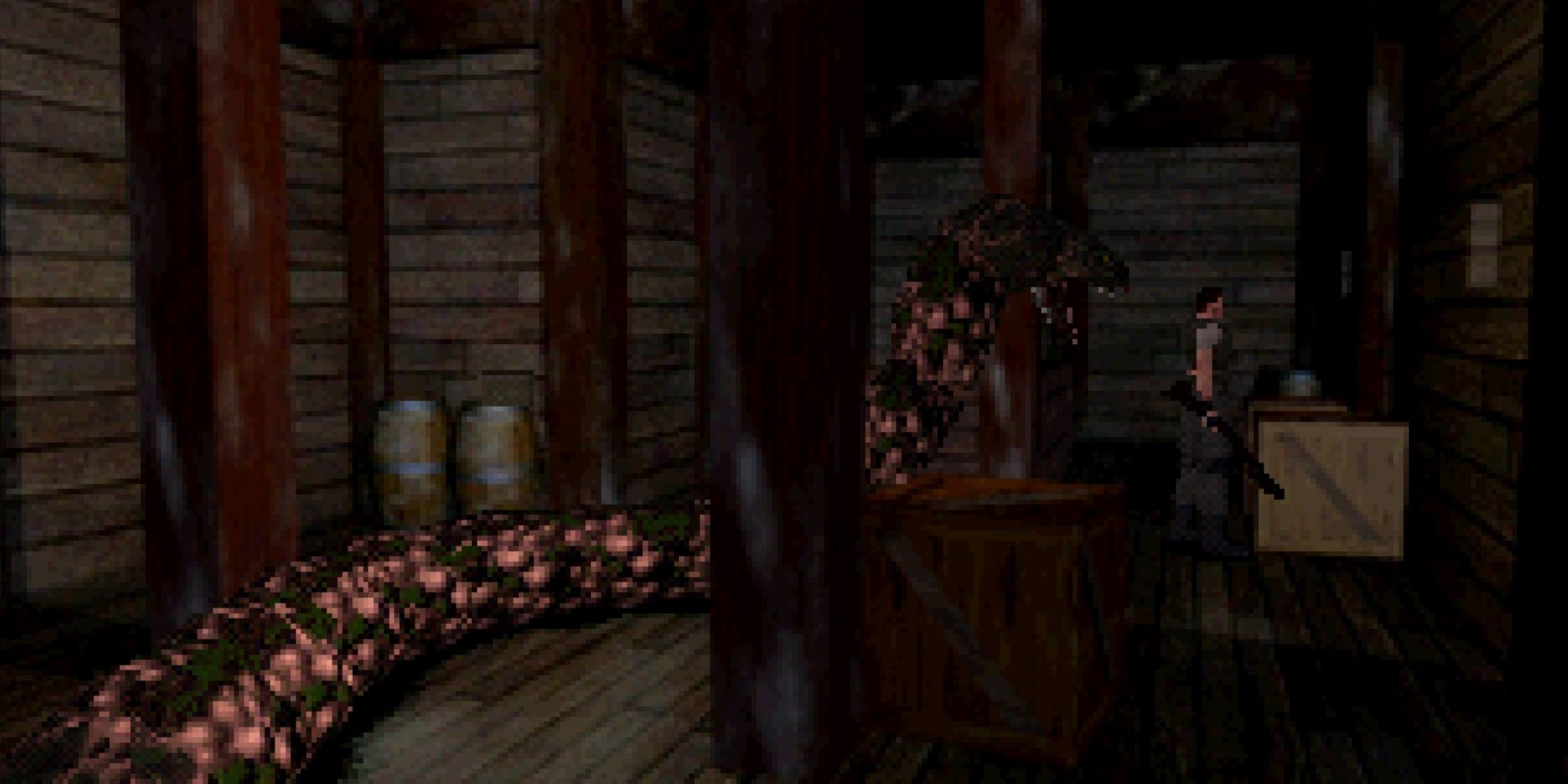
The story of survival horror is interesting because it slowly developed over time. Early horror elements appeared in classic Nintendo games like Sweet Home and Castlevania, but the genre didn’t truly become its own until the 1990s with the rise of 3D graphics. While Alone in the Dark is often seen as the first modern survival horror game, Capcom’s Resident Evil was crucial in shaping the genre into what we know today.
As a huge fan, I always thought the original Resident Evil just nailed everything. The way the cameras were fixed, how cramped and scary the Spencer Mansion felt, even being low on ammo and facing those ridiculously over-the-top bosses – it was all perfect! It’s so obvious how much other great survival horror games like Silent Hill, Eternal Darkness, and Siren took inspiration from it. Beyond spawning a massive and still-thriving franchise, Resident Evil really kicked off a golden age for the genre, especially in the late 90s and early 2000s. It was a total game-changer!
Final Fantasy 7
Defined The 3D Turn-Based RPG
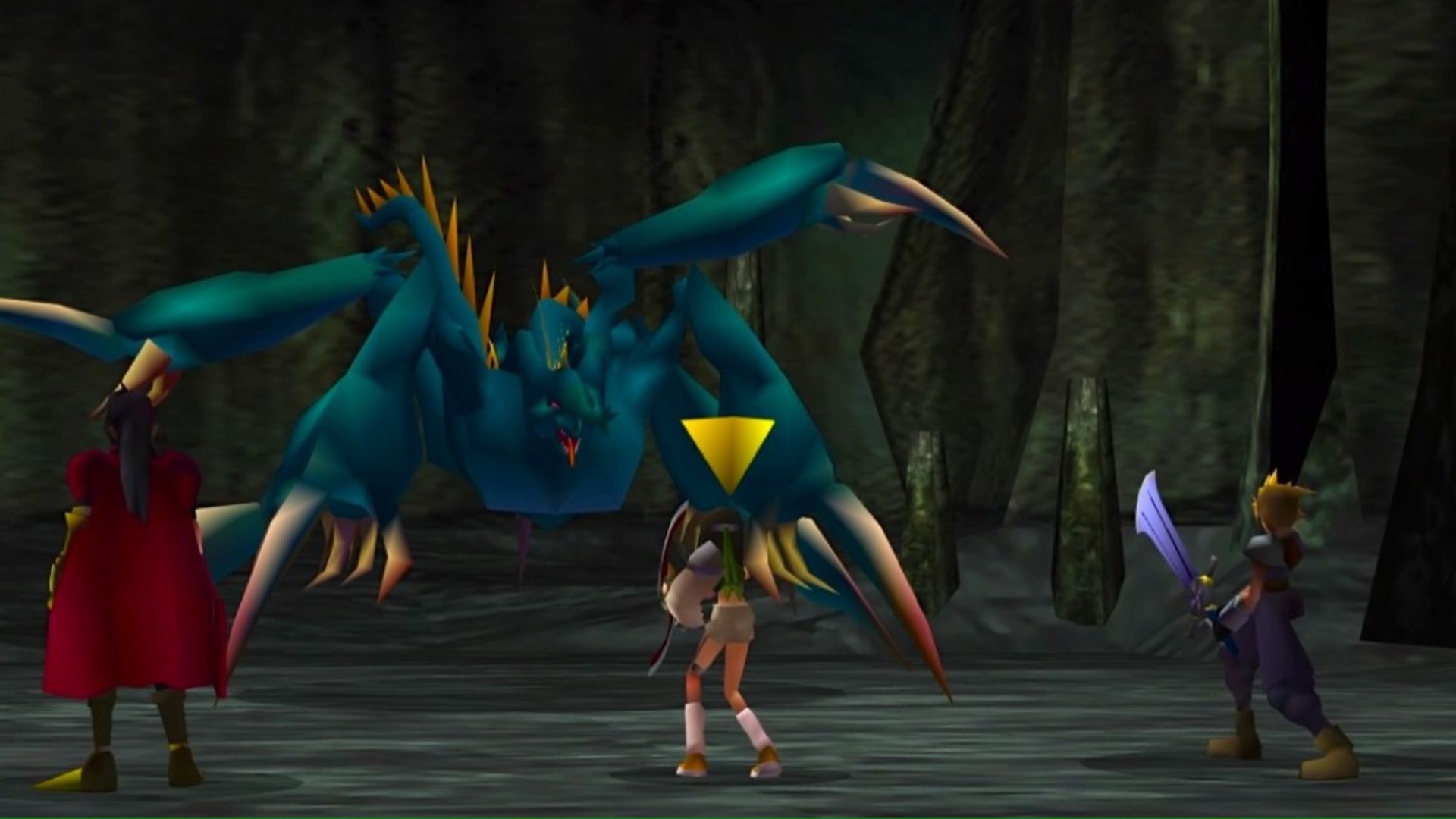
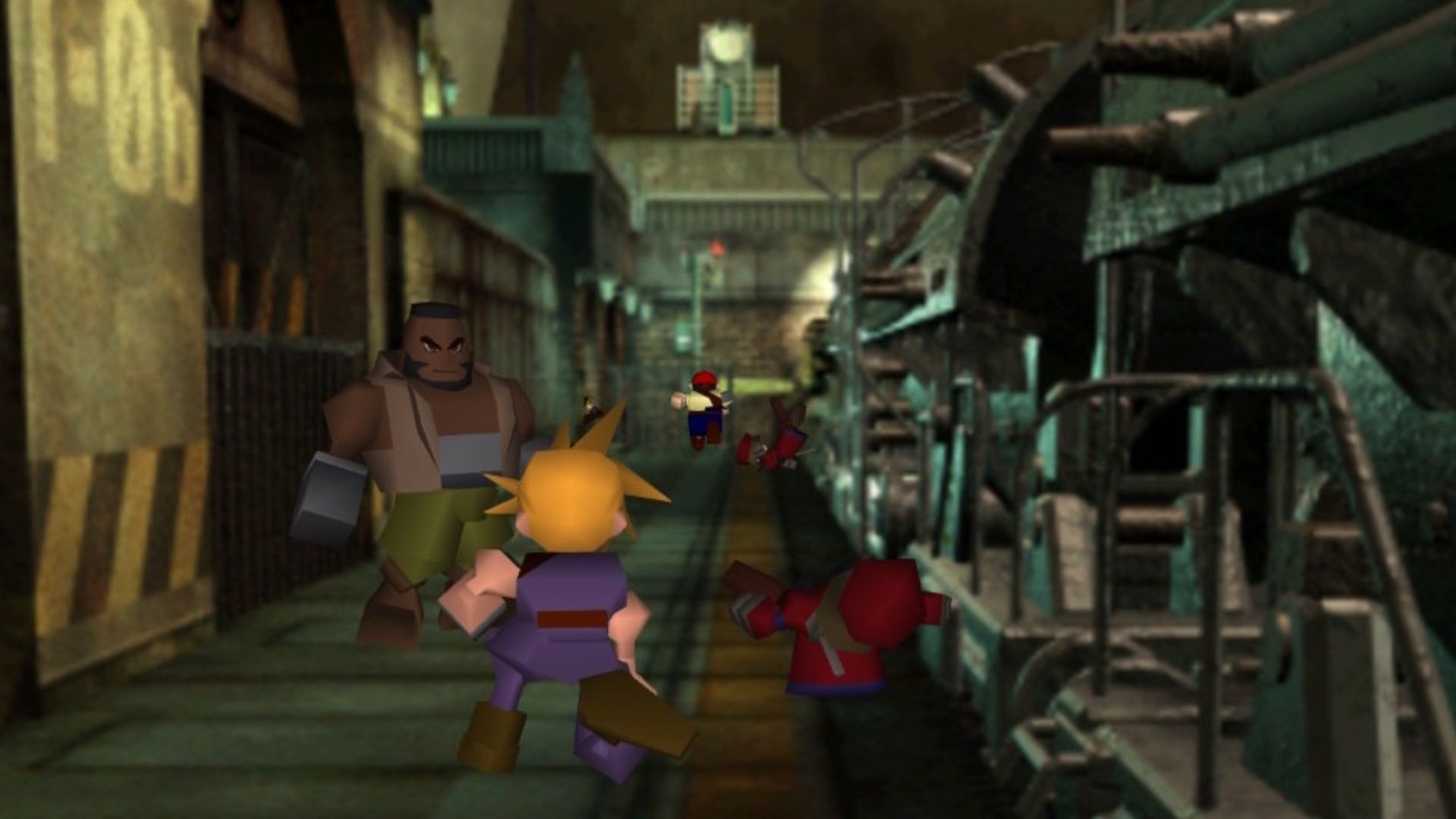
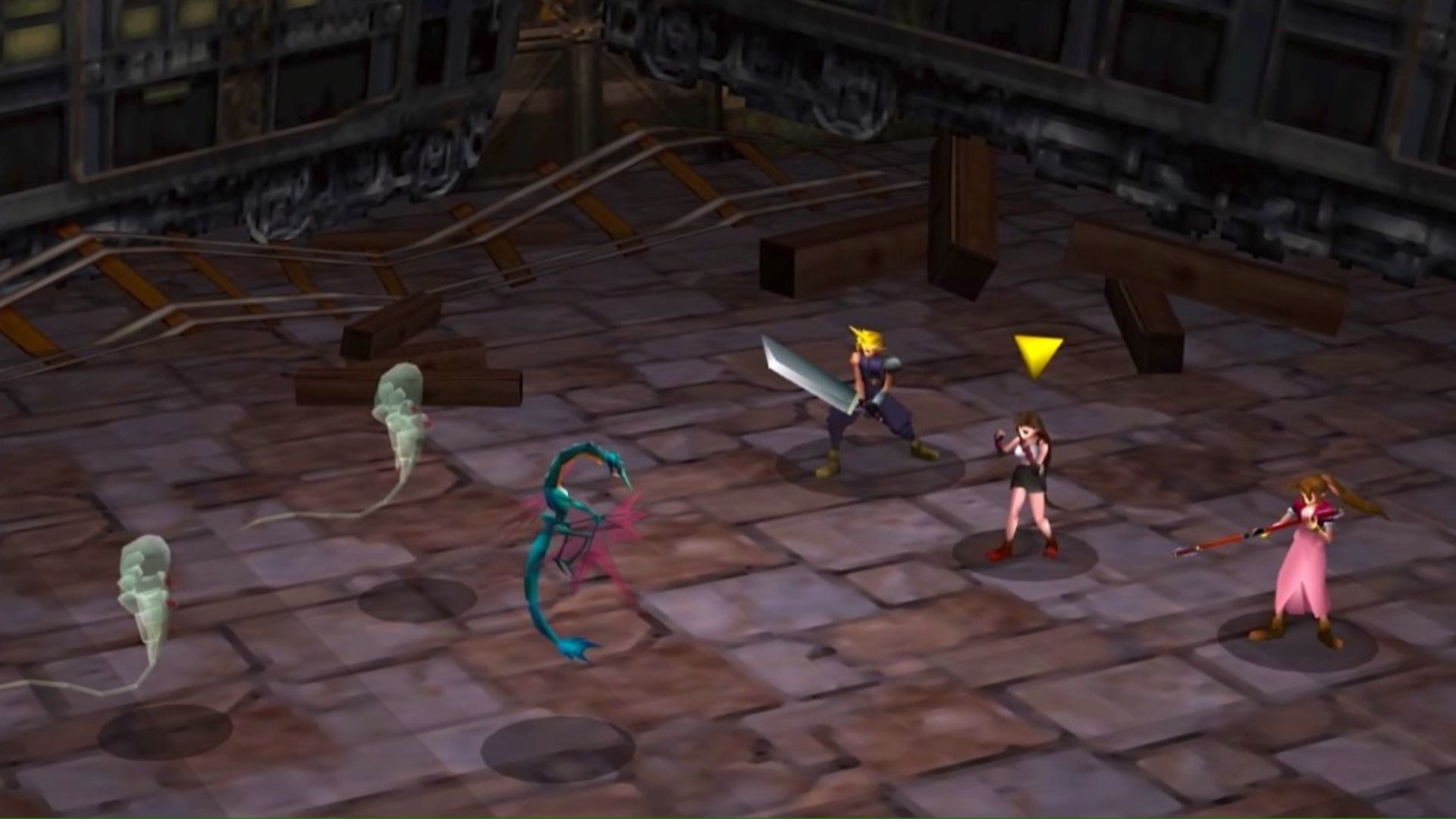
Many classic Final Fantasy and Dragon Quest games deserve a spot on this list, as these series have repeatedly shaped the world of turn-based RPGs. However, Final Fantasy 7 undeniably played the biggest role in making the genre popular, especially in Western countries, and successfully transitioned it into 3D.
Final Fantasy VII built upon what made earlier games great—a unique mix of science fiction and fantasy, and characters with compelling, sad histories—and took it to a whole new level. It told a complex and memorable story that connected with players worldwide. Its combat system was easy to pick up but also had surprising depth, introducing many to the world of turn-based RPGs. Beyond boosting the popularity of the Final Fantasy series, FF7 significantly influenced other popular RPGs, including The Legend of Dragoon, Chrono Cross, Persona, Shadow Hearts, and Xenoblade Chronicles.
The Legend Of Zelda: Ocarina Of Time
Defined The Action-Adventure Game
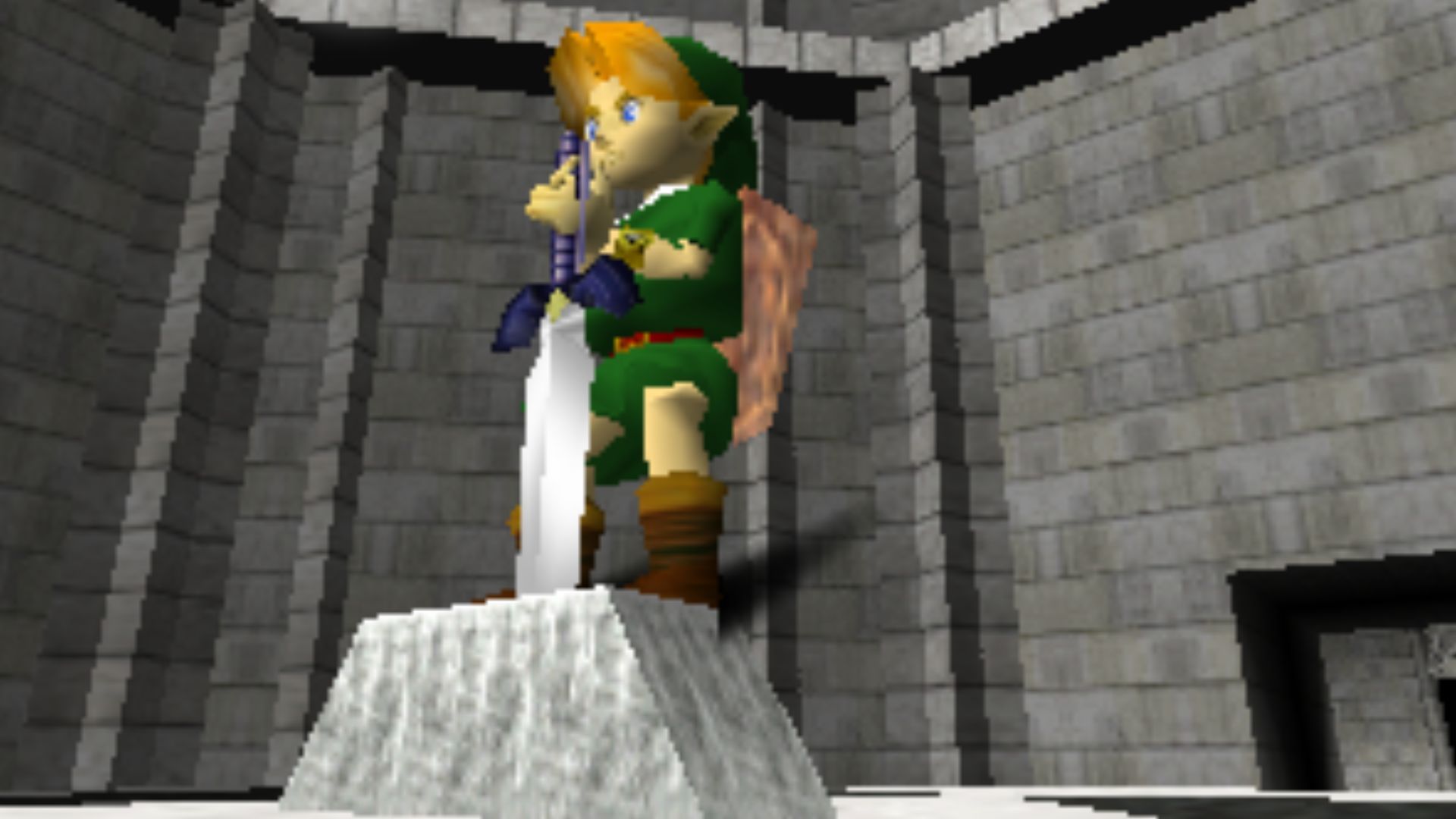
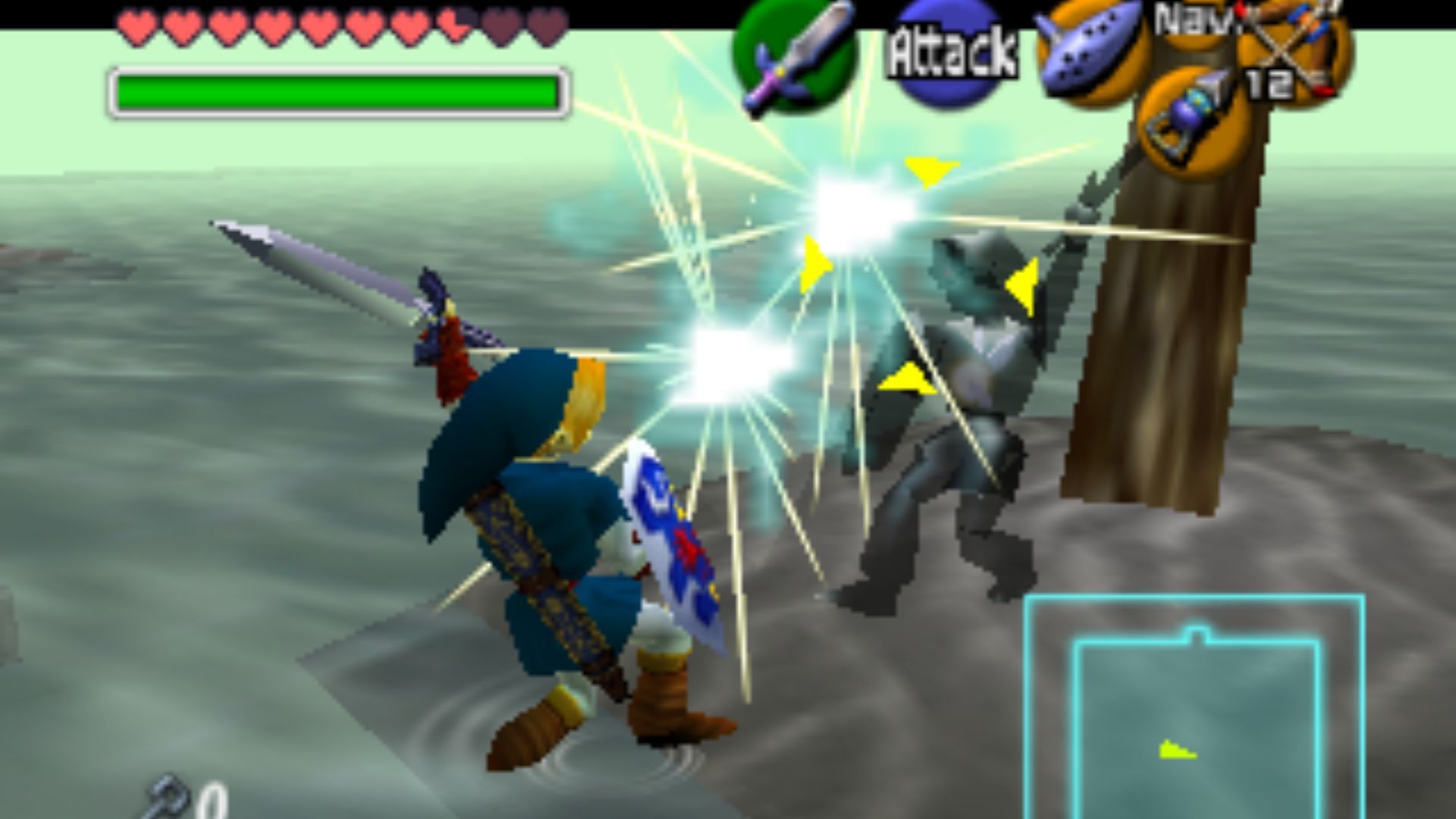
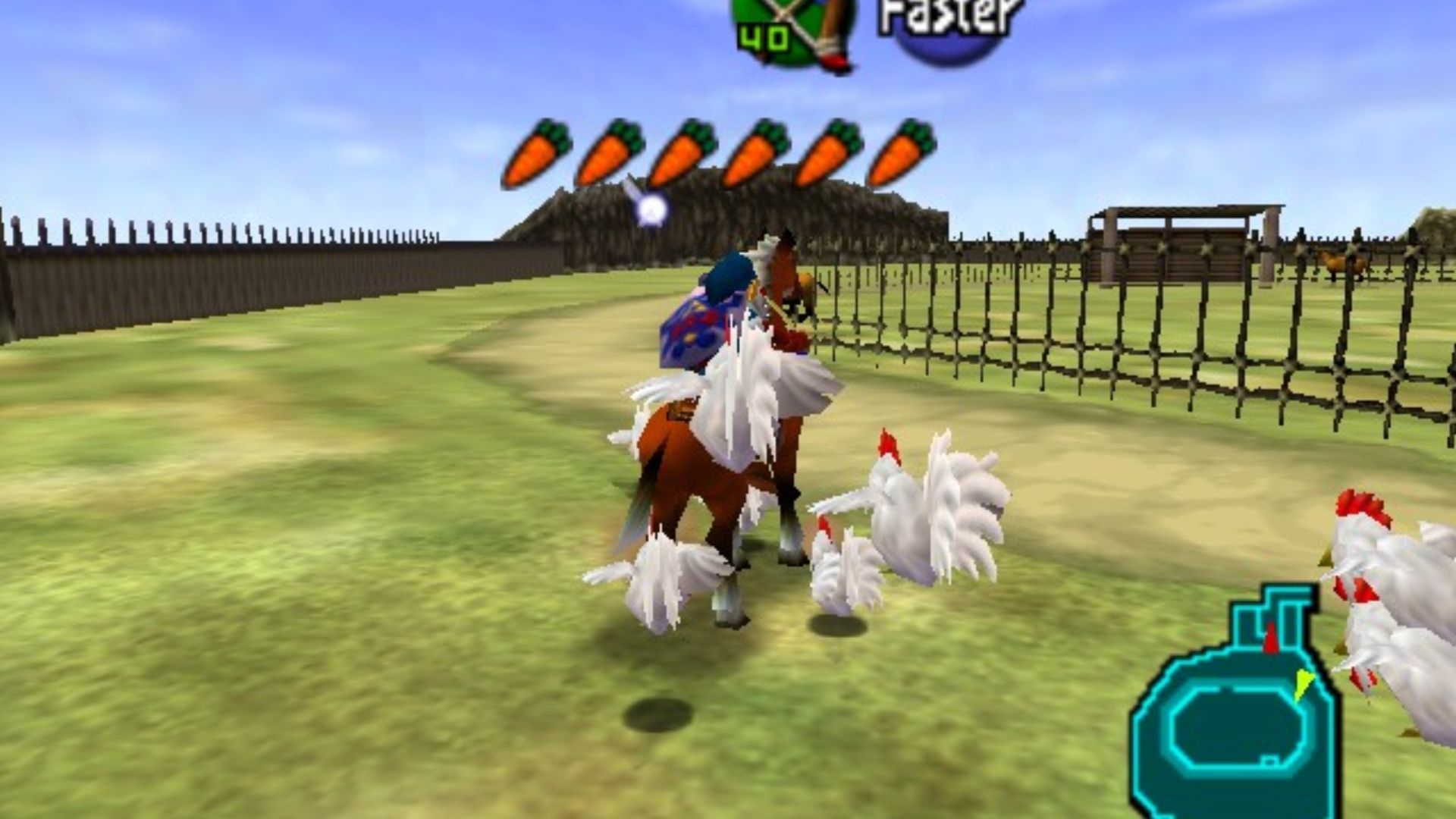
The Legend of Zelda series is famous for establishing the core elements of the action-adventure genre. The original game and A Link to the Past set the standard for 2D games with their grand stories and dungeon exploration. However, The Legend of Zelda: Ocarina of Time was a game-changer, successfully bringing that winning formula into the world of 3D gaming and significantly impacting both the series and the genre as a whole.
Many consider Ocarina of Time to be one of the earliest open-world games, offering a sense of adventure unlike anything players had experienced before. Its innovative Z-targeting system made 3D combat feel natural, fluid, and rewarding. It’s widely recognized as a landmark title, and its influence can be seen in numerous action-adventure games that followed, including Kingdom Hearts, Beyond Good & Evil, Okami, Dark Souls, and The Witcher.
Devil May Cry
Defined The Hack-And-Slash Game
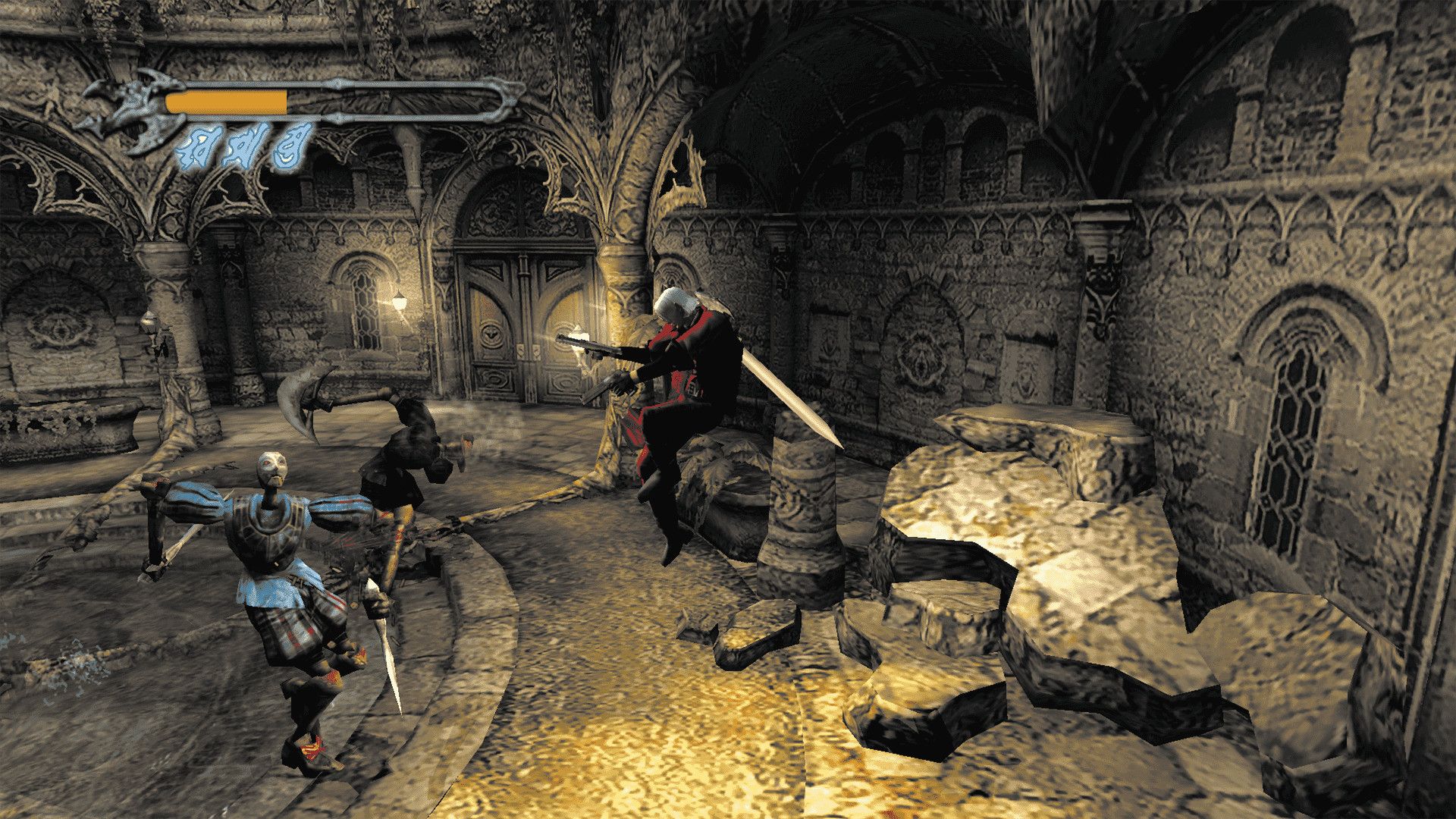
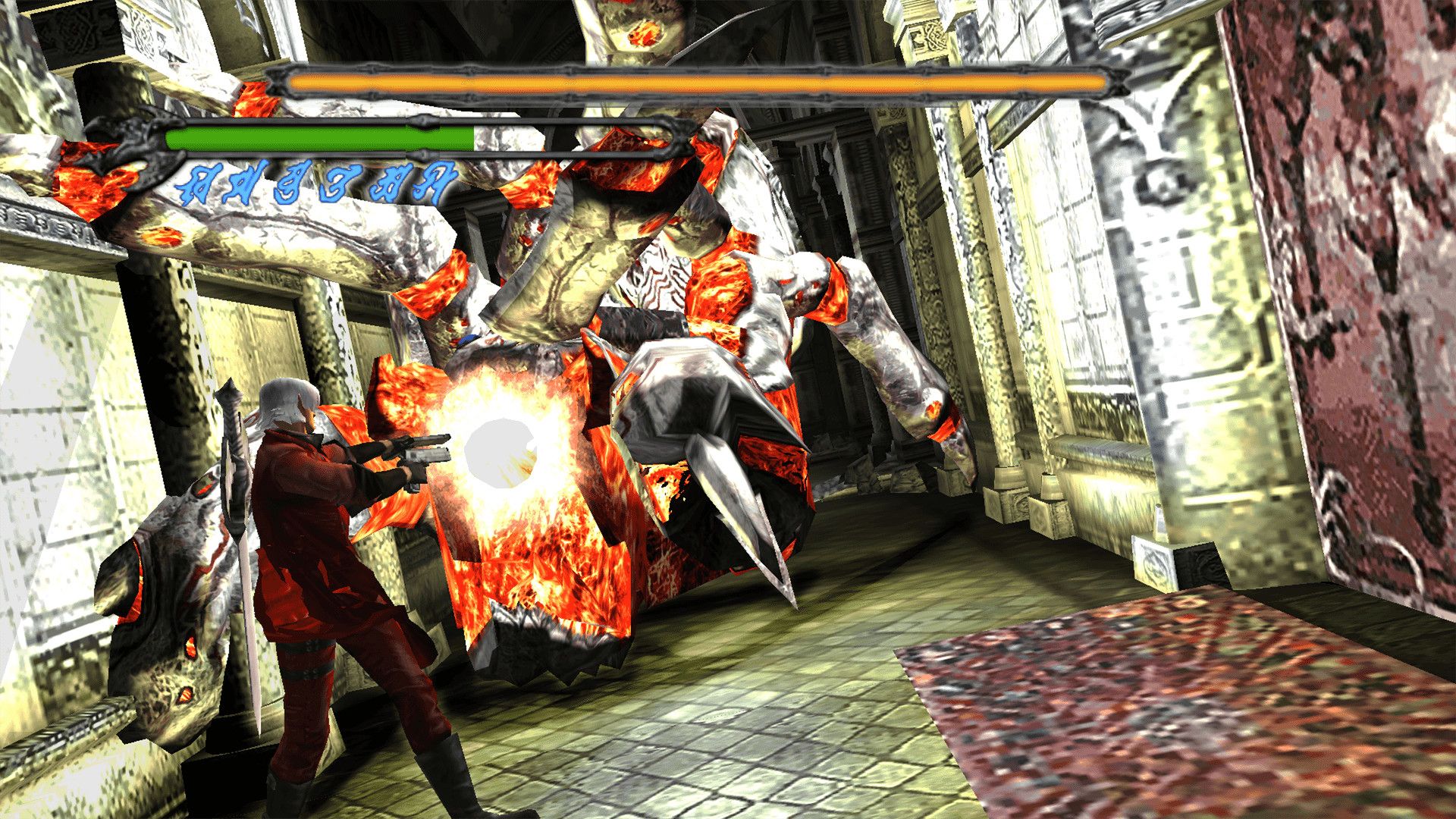
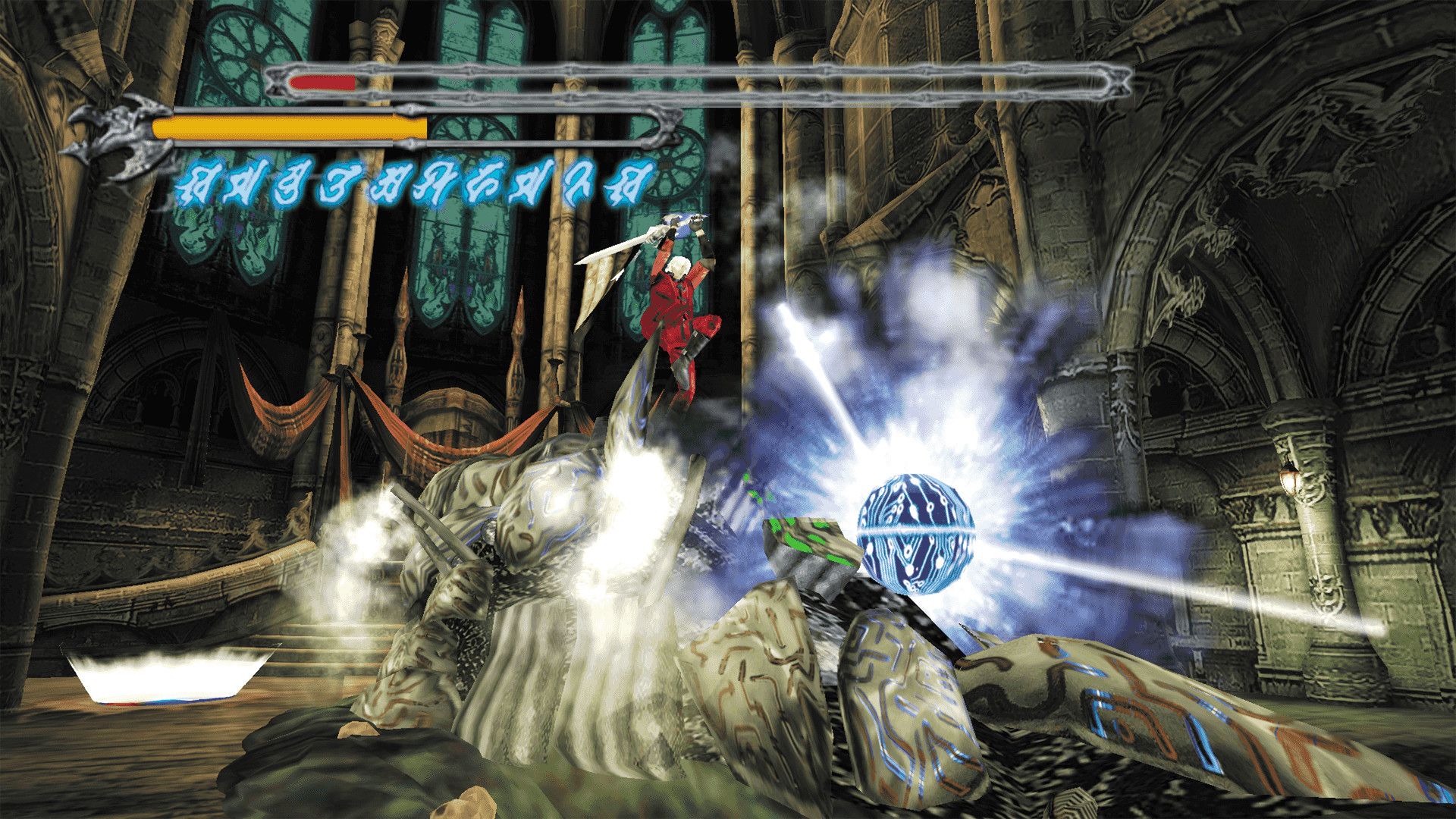
It’s interesting to consider that the “hack-and-slash” genre really emerged in the early 2000s, and it likely wouldn’t exist as we know it without the difficult development of Resident Evil 4. That process unintentionally led to the creation of the first Devil May Cry game. While fast-paced combat games existed before, Devil May Cry was unique in its emphasis on long, complex combo chains and its strong, distinctive style – which is why this type of game is also called “character action.”
While the original Devil May Cry might not look as polished as its sequels, it was a groundbreaking game that helped define the fast-paced action genre. Its quick combat, tough challenges, and memorable boss fights inspired many games that followed, like Kingdom Hearts 2, Ninja Gaiden, and God of War. You can still see its impact in modern titles such as Bayonetta, Metal Gear Rising: Revengeance, NieR: Automata, Hi-Fi Rush, and Stellar Blade.
Grand Theft Auto 3
Defined The Open-World Sandbox Game
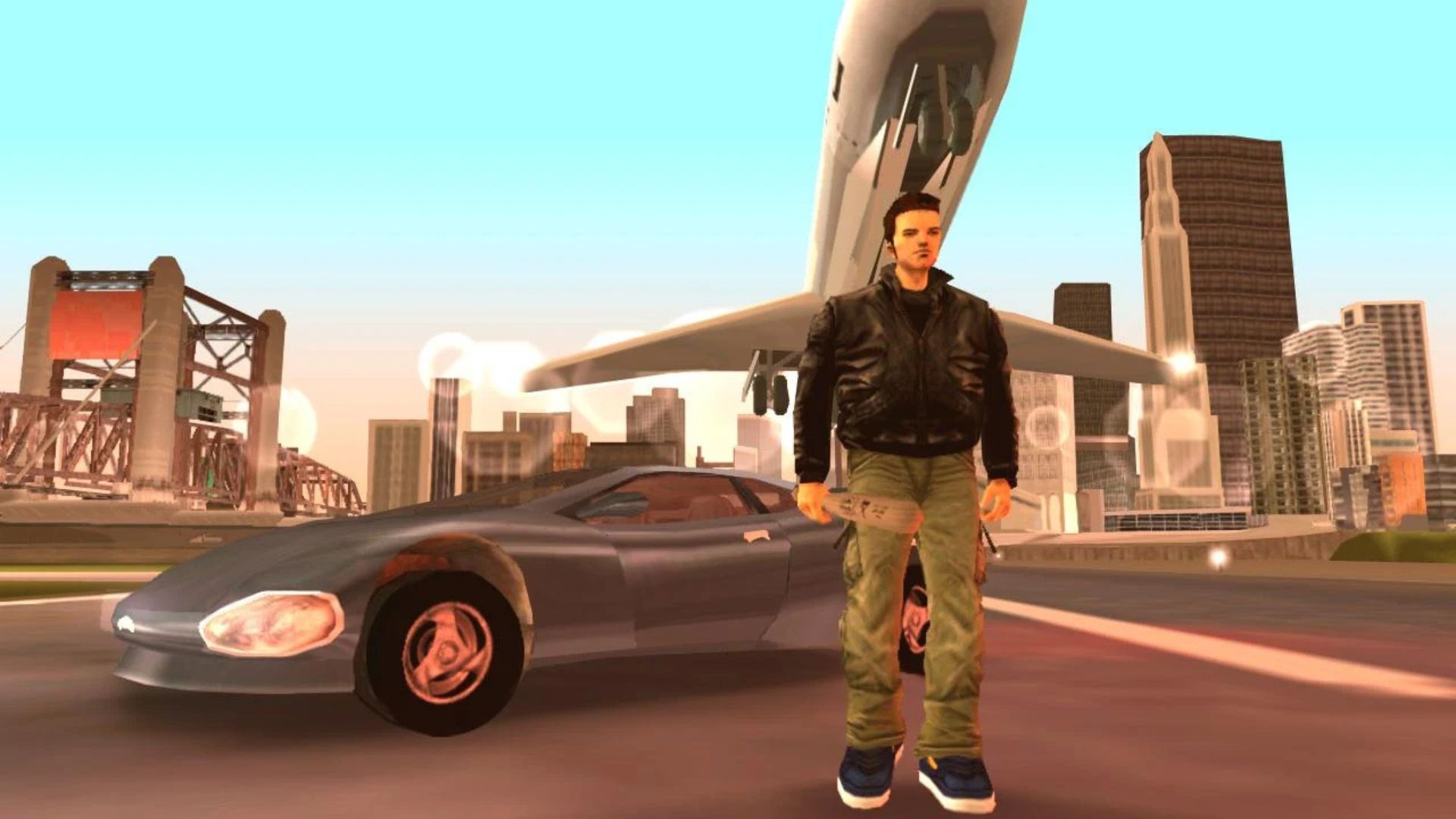
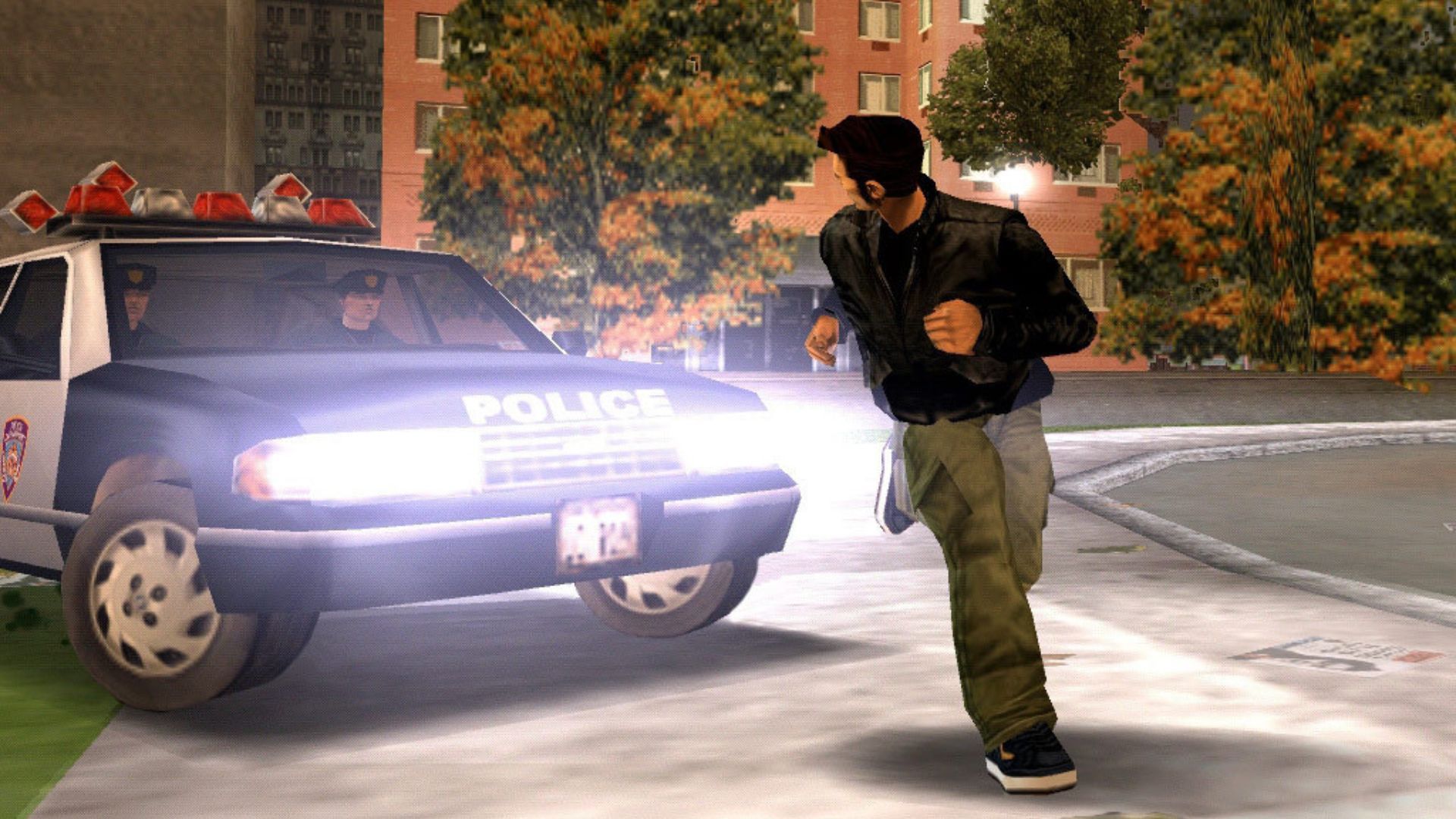
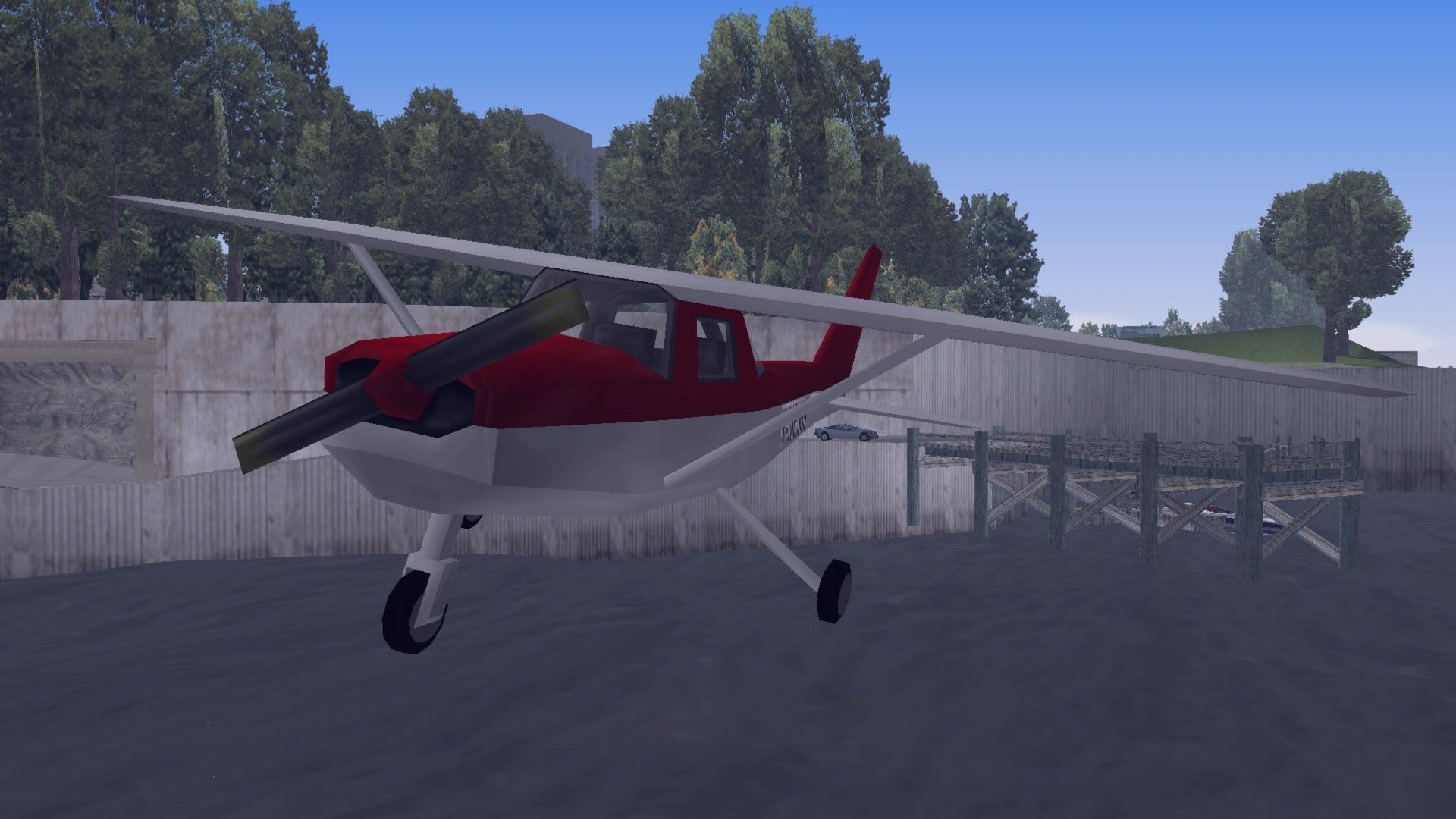
Open-world sandbox games became really popular in the 2000s, letting players freely explore large environments, often based on cities, and do almost anything they can imagine. While the Grand Theft Auto series is well-known for popularizing this style of game, many people overlook the fact that Grand Theft Auto 3, released in 2001, was the game that truly established the genre.
While not as expansive or fun as its PlayStation 2 follow-ups, Vice City and San Andreas, GTA 3 was incredibly innovative for its time. The freedom to roam a huge city and interact with its inhabitants – even to commit crimes – felt revolutionary and sparked some controversy. More importantly, GTA 3 essentially created the open-world game genre we know and love today. It laid the foundation for not only later GTA games like GTA 4 and GTA 5, but also for successful franchises like Red Dead Redemption, Saints Row, Sleeping Dogs, Watch Dogs, and even Cyberpunk 2077.
The Elder Scrolls 3: Morrowind
Defined The Western Open-World RPG
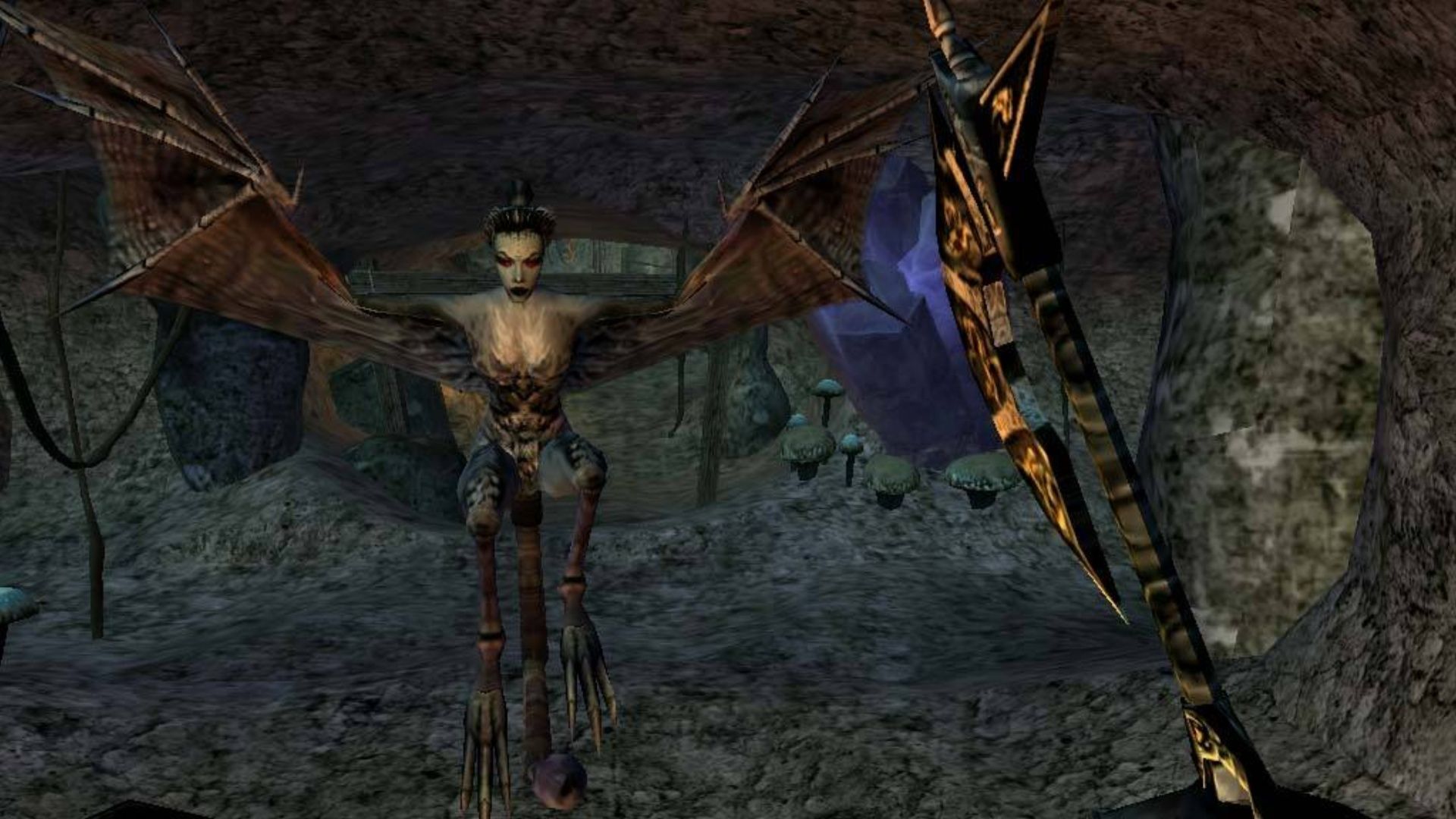
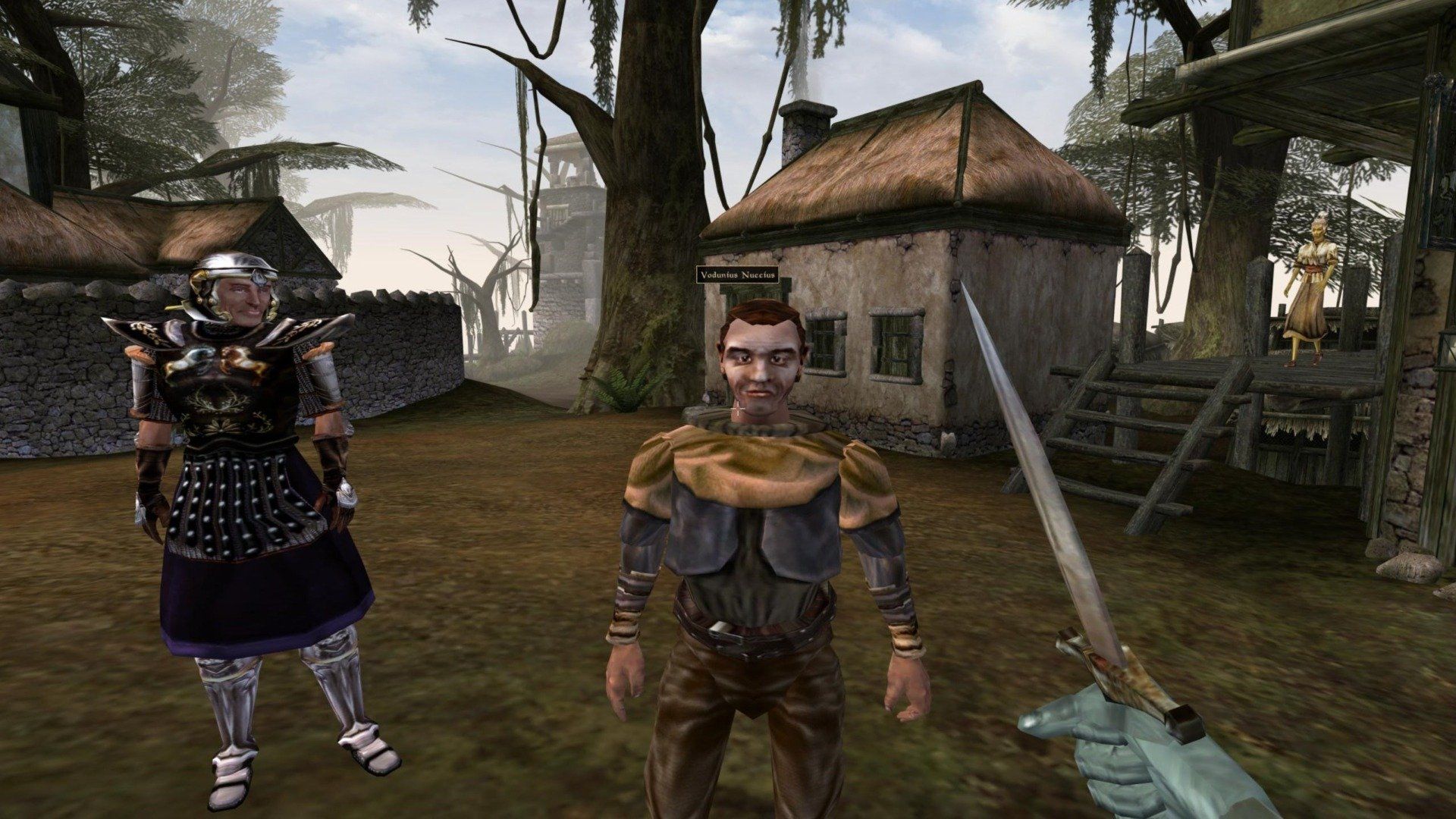
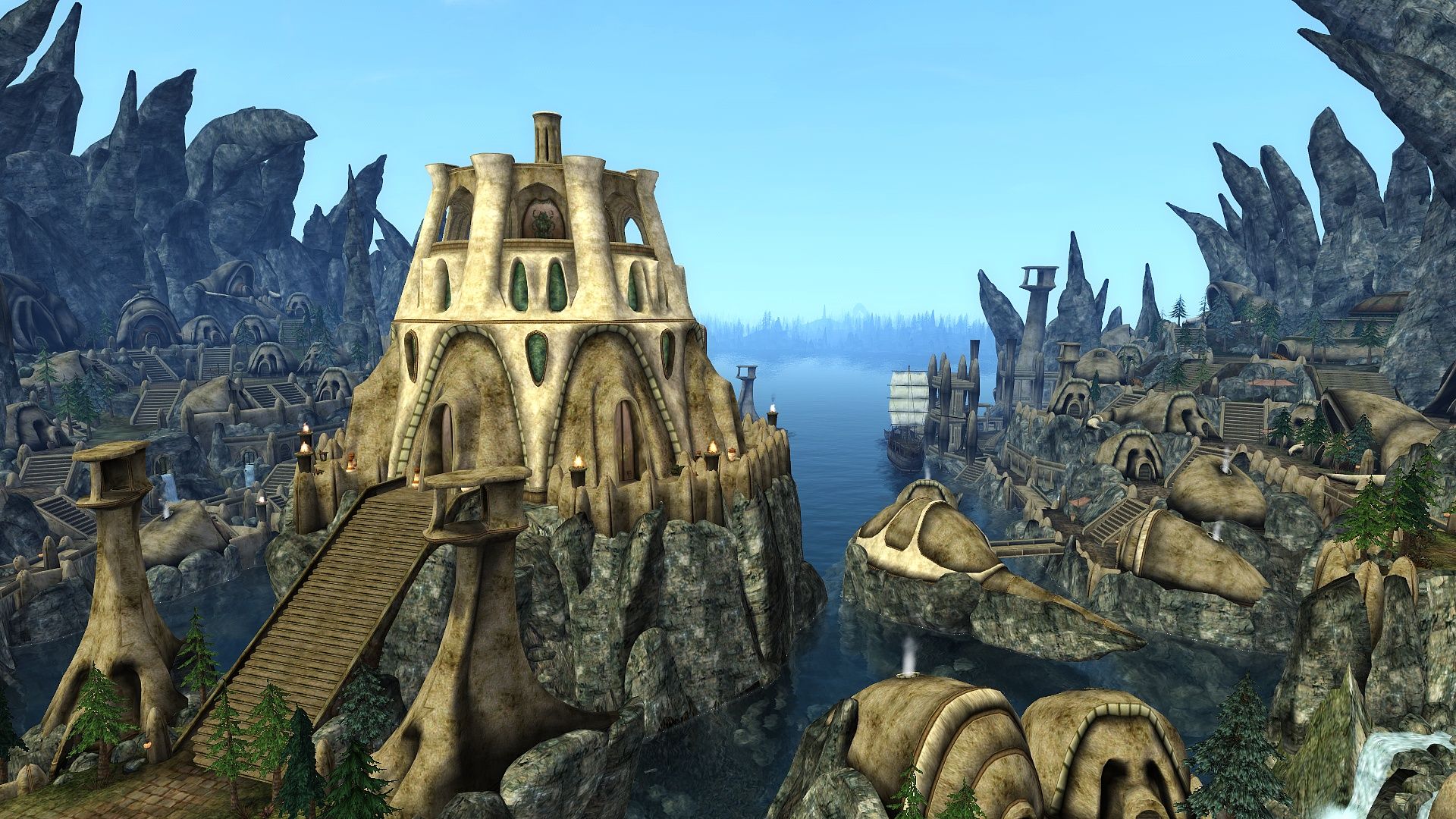
Gamers today love getting lost in expansive, open-world role-playing games. These games let players explore huge environments, interact with memorable characters, complete engaging quests, and battle powerful creatures. Popular titles like The Elder Scrolls 5: Skyrim, Fallout 3 and 4, The Witcher 3: Wild Hunt, Starfield, Dragon’s Dogma, and Kingdom Come: Deliverance 2 have all built incredibly dedicated fan communities, regardless of player age.
This wouldn’t have been possible without The Elder Scrolls 3: Morrowind. Like GTA 3, it was revolutionary for its time, offering a huge world, rich backstory, complex fantasy setting, quirky characters, and tons of things to do. Morrowind really paved the way for the open-world RPGs we enjoy today. While it might not look as modern as some other games, any serious fan of open-world RPGs should definitely give it a try.
Read More
- All Shadow Armor Locations in Crimson Desert
- Jujutsu Kaisen Season 3 Episode 12 Release Date
- Dark Marksman Armor Locations in Crimson Desert
- How to Get the Sunset Reed Armor Set and Hollow Visage Sword in Crimson Desert
- Best Bows in Crimson Desert
- Wings of Iron Walkthrough in Crimson Desert
- Keeping AI Agents on Track: A New Approach to Reliable Action
- How To Beat Ator Archon of Antumbra In Crimson Desert
- Top 5 Militaristic Civs in Civilization 7
- All Golden Greed Armor Locations in Crimson Desert
2026-03-30 01:41