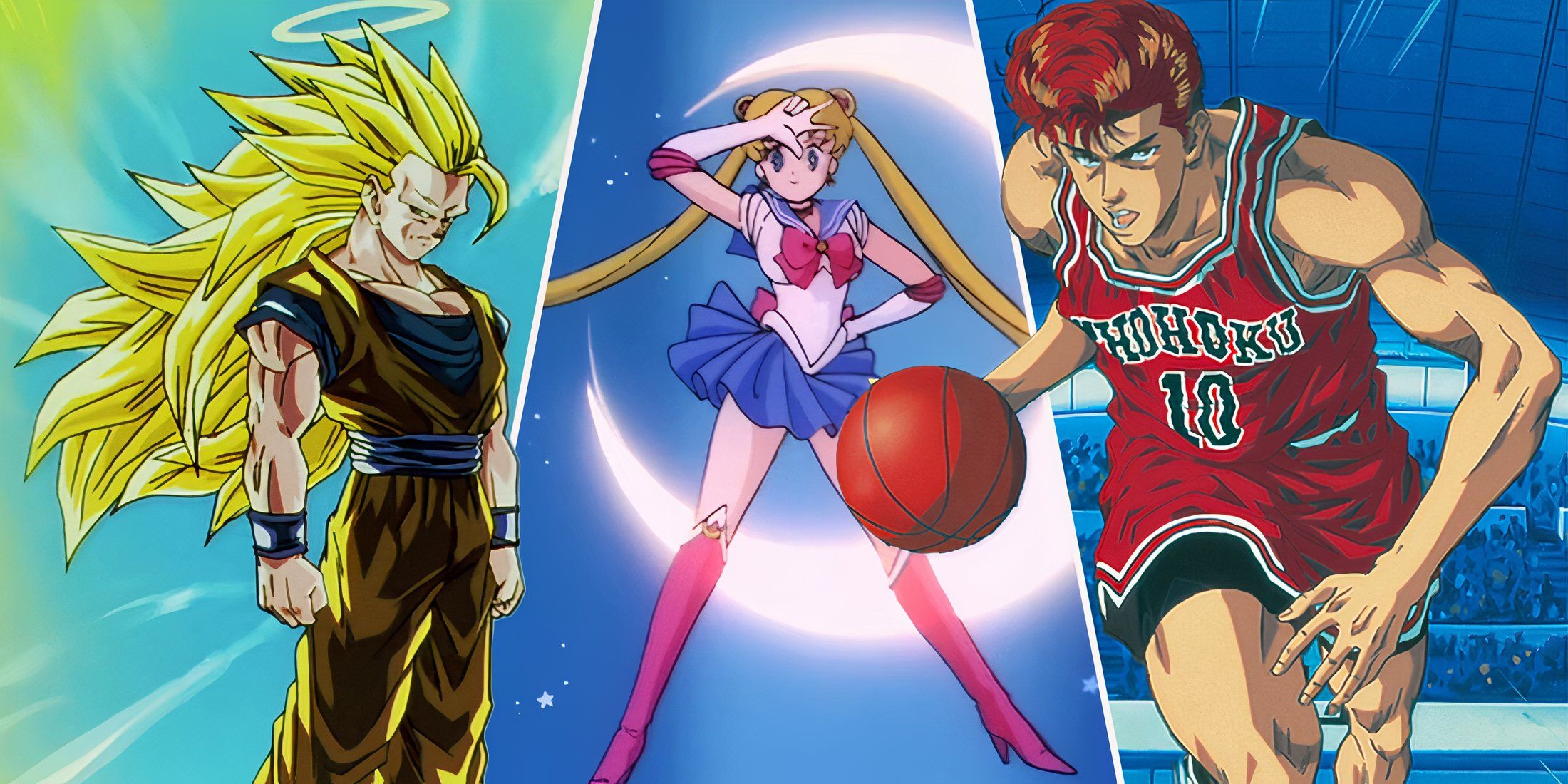
For anime fans discovering shows from the 90s, it wasn’t just entertainment—it was a world unbound by reality. Physics were ignored, and the limits of the human body were constantly pushed. It was a uniquely over-the-top era where a simple flirt might trigger an explosion of blood, and female characters always seemed to have impossibly powerful weapons hidden away. To viewers unfamiliar with the style, these shows could feel bizarre and dreamlike—filled with inexplicable events, like a child running from a piece of toast that could kill them, or villains whose eyes suddenly turned completely white.
Early anime fans shared inside jokes – exaggerated visual gags – that often seemed bizarre to outsiders. Nowadays, newer shows aim for a more serious and realistic feel, ditching the over-the-top laughter and dramatic crying. We’ve lost some of the playful silliness, like characters comically falling down after a joke. So, let’s remember the wonderfully over-the-top elements that defined anime in the 1990s!
The “Baka” Protagonist
Dumb Characters/Heroes
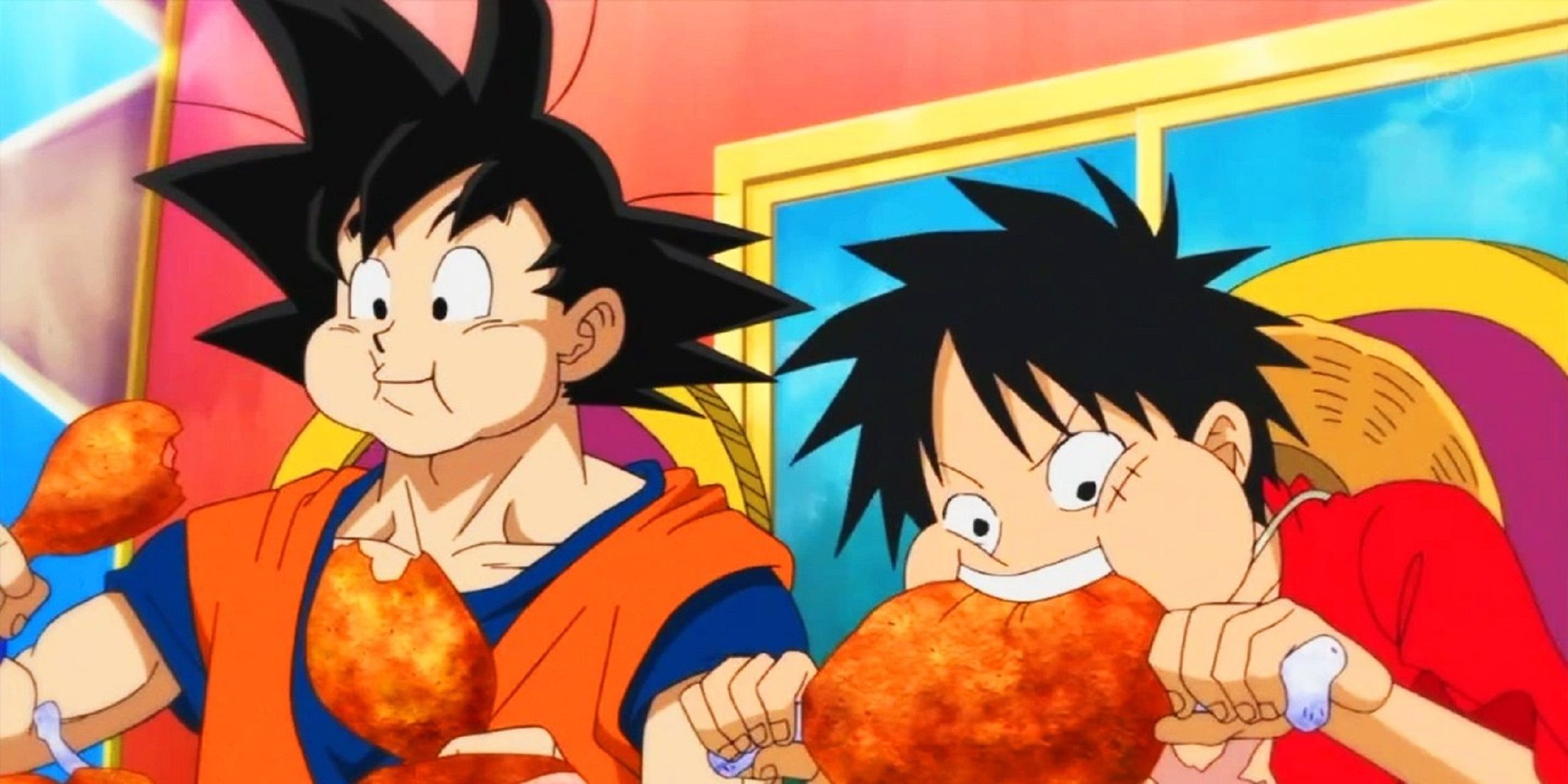
Many popular anime heroes from the 1990s and early 2000s, like Goku from Dragon Ball Z, Naruto, and Luffy from One Piece, were known for being strong but not very bright. This simple-mindedness wasn’t just a character trait—it was a clever storytelling device. Because these heroes were often clueless, other characters had to explain things to them, which conveniently also explained the story to the audience.
I’ve noticed a big shift in what people look for in heroes lately! We’re moving away from the classic, clumsy goofball and really gravitating towards characters who are clever, thoughtful, and strategic. Think someone like Sung Jin-woo from Solo Leveling or Frieren – they’re quiet powerhouses who really think their way through problems. Honestly, the clumsy hero feels a bit dated now, like something you’d see in a series deliberately trying to recapture an older, more nostalgic feel. It’s cool if it’s done on purpose, but it doesn’t feel as fresh as these more competent protagonists.
The Scarlet Fountain
Nose Bleeds
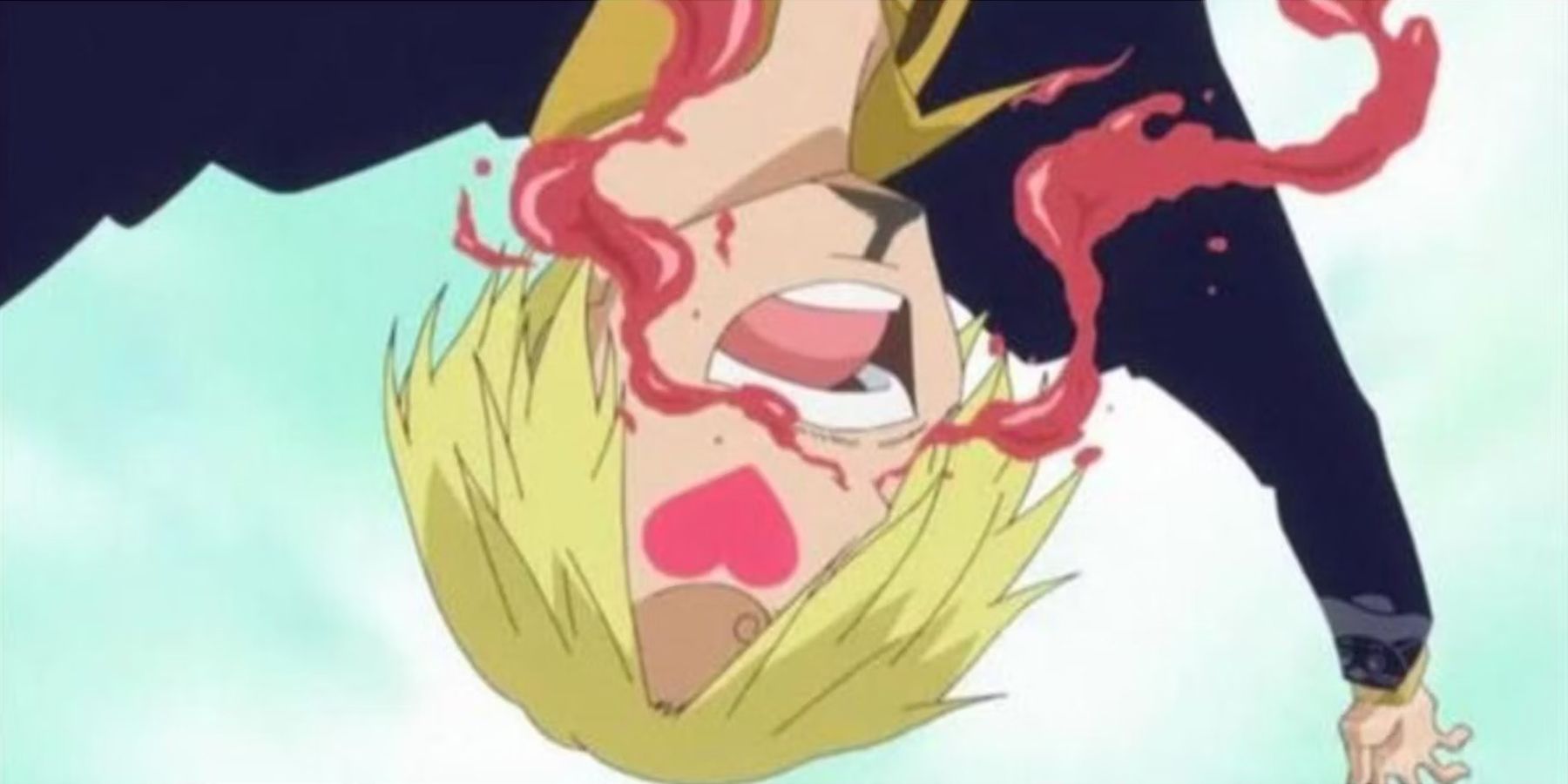
Western viewers were particularly surprised by the frequent use of sudden nosebleeds in anime. This visual cue typically signaled a character’s arousal or attraction to something, and was often used with characters known for being perverted, like Master Roshi from Dragon Ball, or those prone to strong reactions, like Sanji from One Piece.
Nosebleeds used to be a common way anime showed a character was flustered or experiencing strong emotions. However, as anime gains more respect internationally, creators are moving away from this overused trope. Now, they’re using more subtle cues like blushing, internal thoughts, or simply improving the character’s facial expressions to convey the same feelings without relying on such a visually obvious – and sometimes poorly drawn – shortcut.
Rivalry Tension
Electric Crackle Between Characters
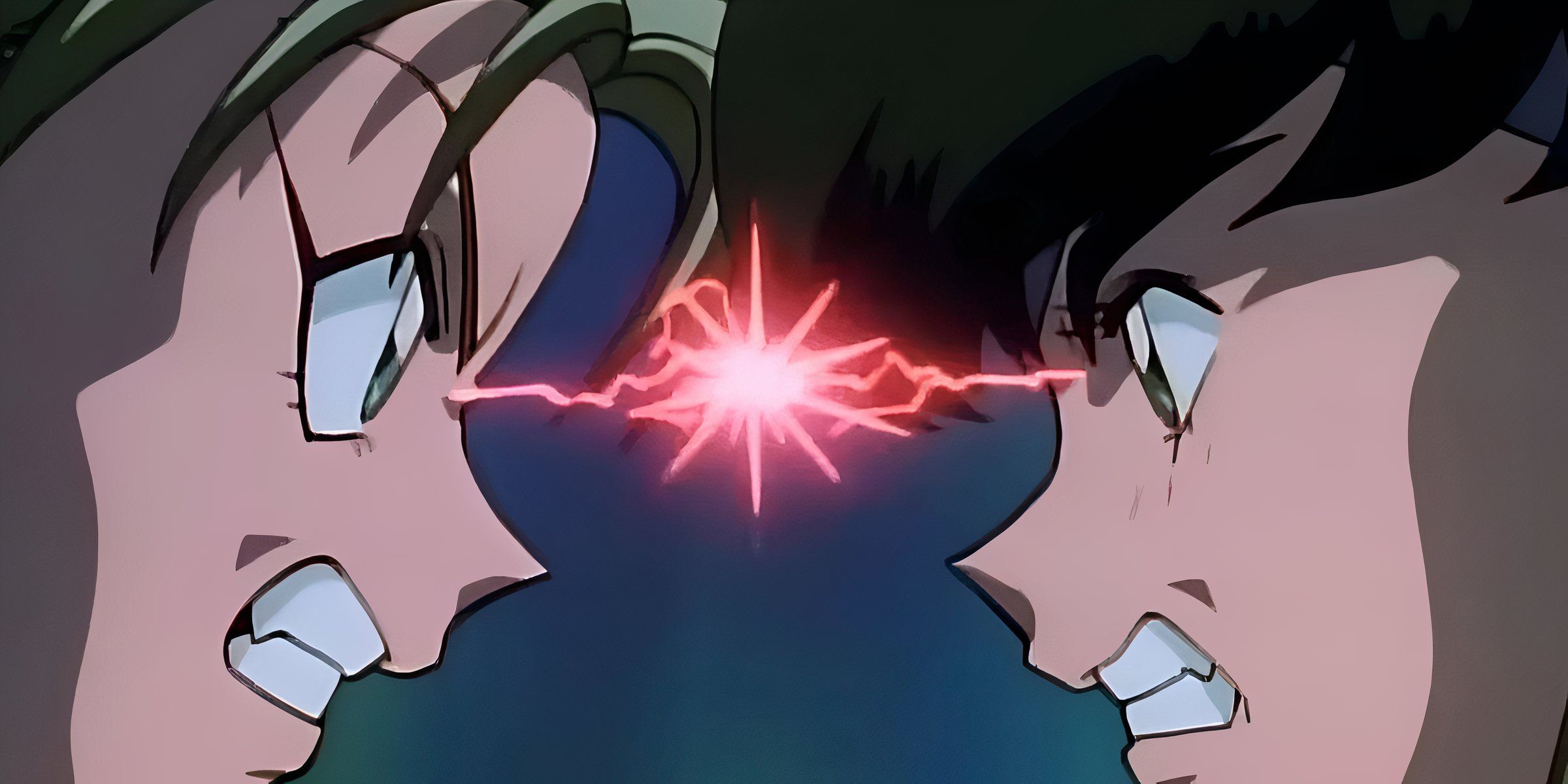
Whenever rivals like Vegeta and Goku, or Hiei and Yusuke, shared a scene, you could feel the intense energy between them. These visual cues – often shown as sparks between their eyes – were a quick way to show tension and suggest a battle was brewing, without needing to animate a full fight. It let the audience know a conflict was happening even if nothing was physically happening at that moment.
Instead of simply changing the brightness of a scene, modern manga artists and animation studios now use things like shifts in the atmosphere, sound effects, and visible displays of a character’s fighting spirit to show conflict and rivalry. This is especially noticeable in series like Jujutsu Kaisen, where tension is felt through the environment rather than relying on flashy, but static, visual effects.
The Mallet from Nowhere
Hammerspace Mallets
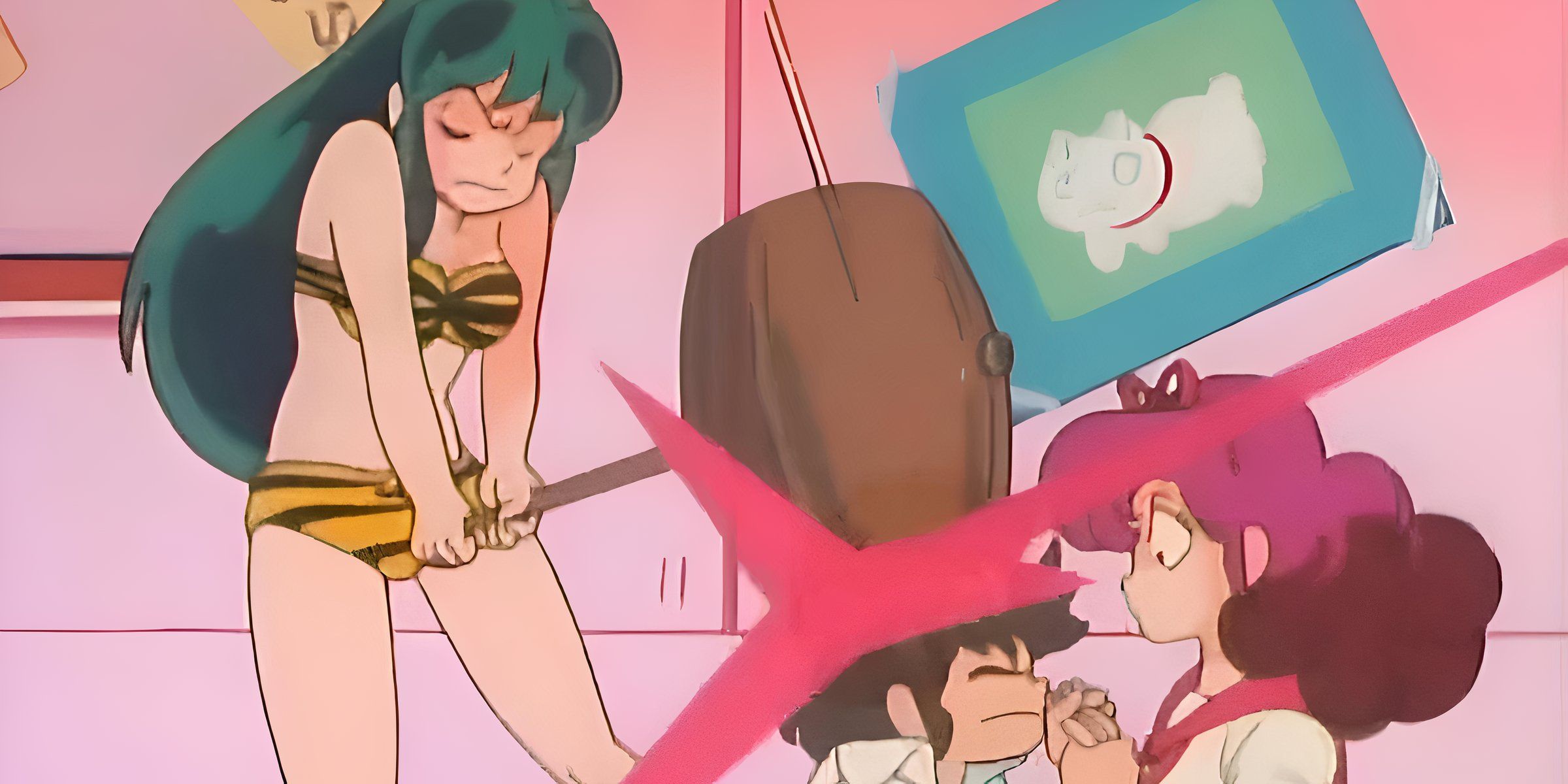
A common comedic trope in anime and manga, often called “hammerspace,” involved female characters like Akane from Ranma 1/2 or Kaori from City Hunter unexpectedly pulling incredibly large objects – like a massive wooden mallet – seemingly from nowhere to hit the main character, usually for a minor offense. This over-the-top gag was a punchline meant to end a scene with maximum physical comedy.
I’ve noticed a shift in how anime handles conflict. As shows started focusing more on detailed worlds and realistic character interactions, the old trope of characters pulling impossibly large weapons out of nowhere – what fans called ‘Hammerspace’ – just disappeared. Now, when characters, especially the ‘tsundere’ types or comedic heroes, get upset, they’re much more likely to react in ways that feel genuine, like with a sharp insult, a quick slap, or even just a really intense glare. That over-the-top, giant mallet gag just feels too silly for the way anime looks and feels these days.
The Running Late Trope
The “Toast in Mouth” Sprint
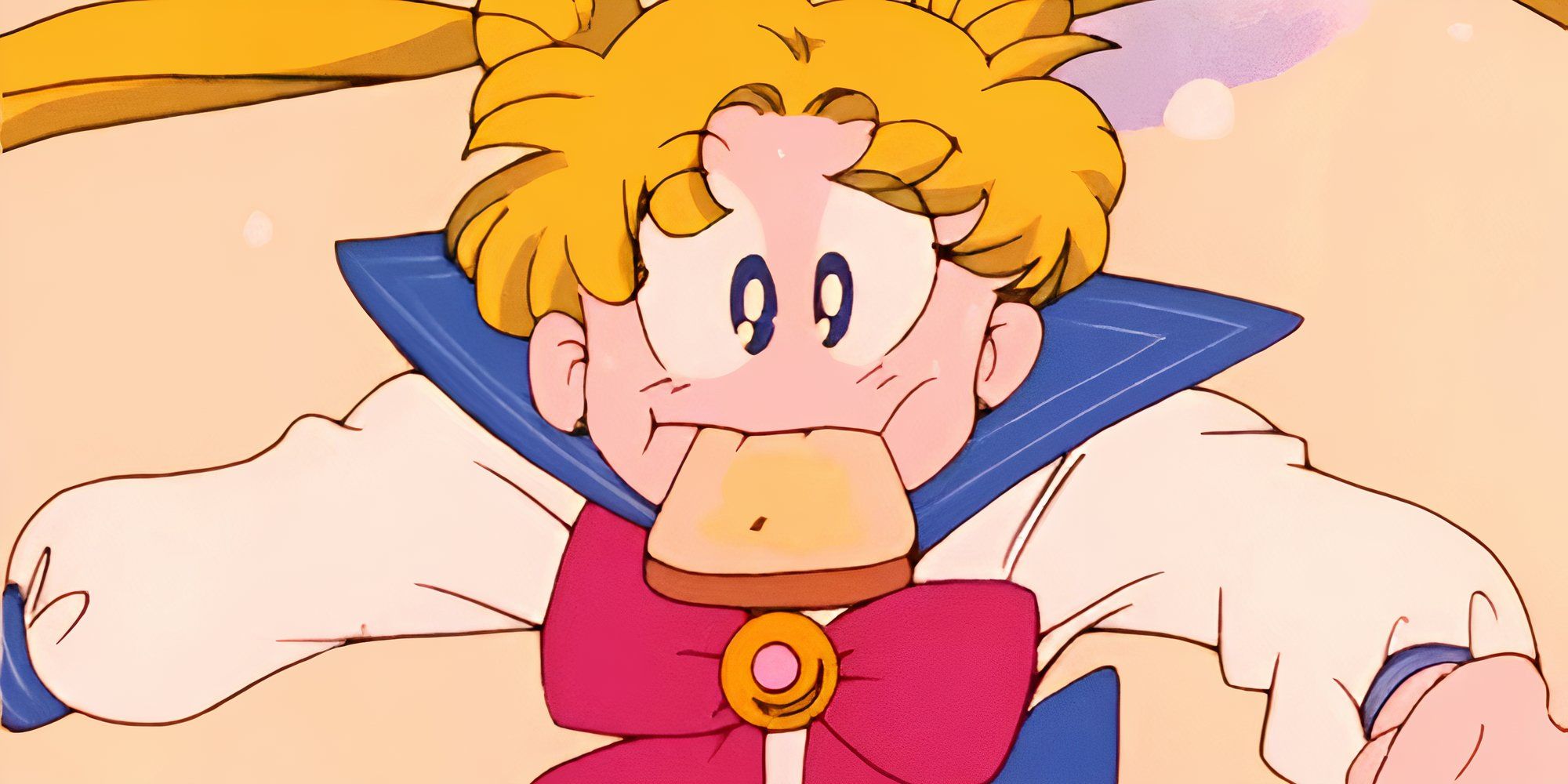
If you watched anime in the 90s, you probably saw this a lot: a character rushing to school, desperately trying to eat a piece of toast while running. From shows like Sailor Moon to Evangelion, this was a common way to show a character who was a bit clumsy and relatable. It became so iconic that it eventually turned into a huge anime meme.
These days, you rarely see anyone actually running to show they’re late. Checking phones or using other tech to signal tardiness is much more common. When you do see someone pretending to run like that, it’s usually as a joke or a playful nod to 1990s culture.
The Flood of Grief
Crying Fountains
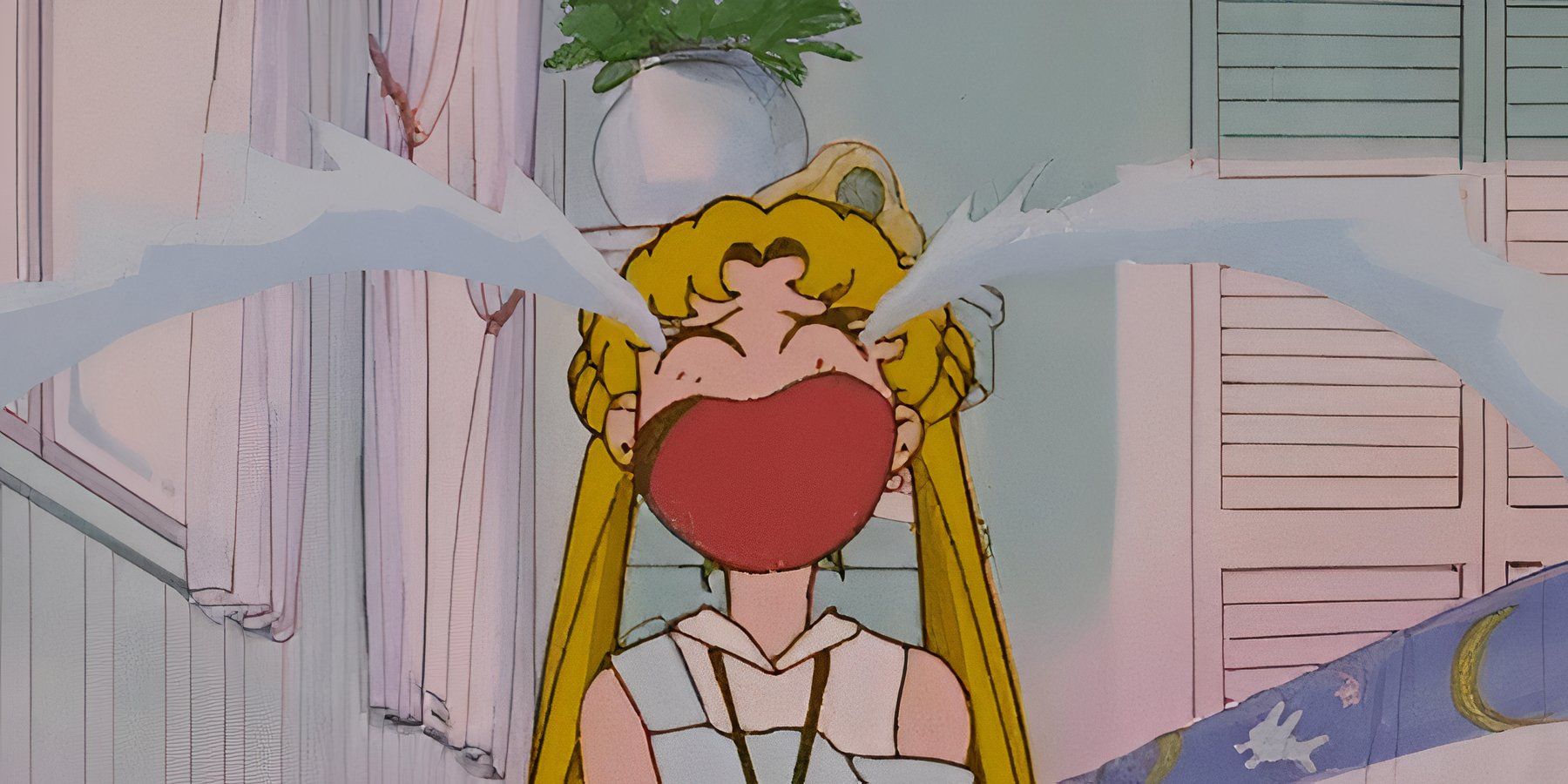
In 1990s comedies, displays of sadness were often incredibly over-the-top. Characters didn’t just cry – their tears were depicted as huge, dramatic bursts of water, sometimes even in bright colors. This was especially common in shows like Sailor Moon, Doraemon, and early episodes of One Piece, and it was used to emphasize intense emotions in young characters or moments of extreme grief.
Older anime used exaggerated, cartoonish crying scenes. Today’s shows, like Violet Evergarden and Oshi no Ko, feature much more realistic and emotional portrayals of grief. The goal is to make the audience feel the characters’ pain, rather than distance them with over-the-top visuals.
The Hidden Intent
The Menacing Glasses Glint
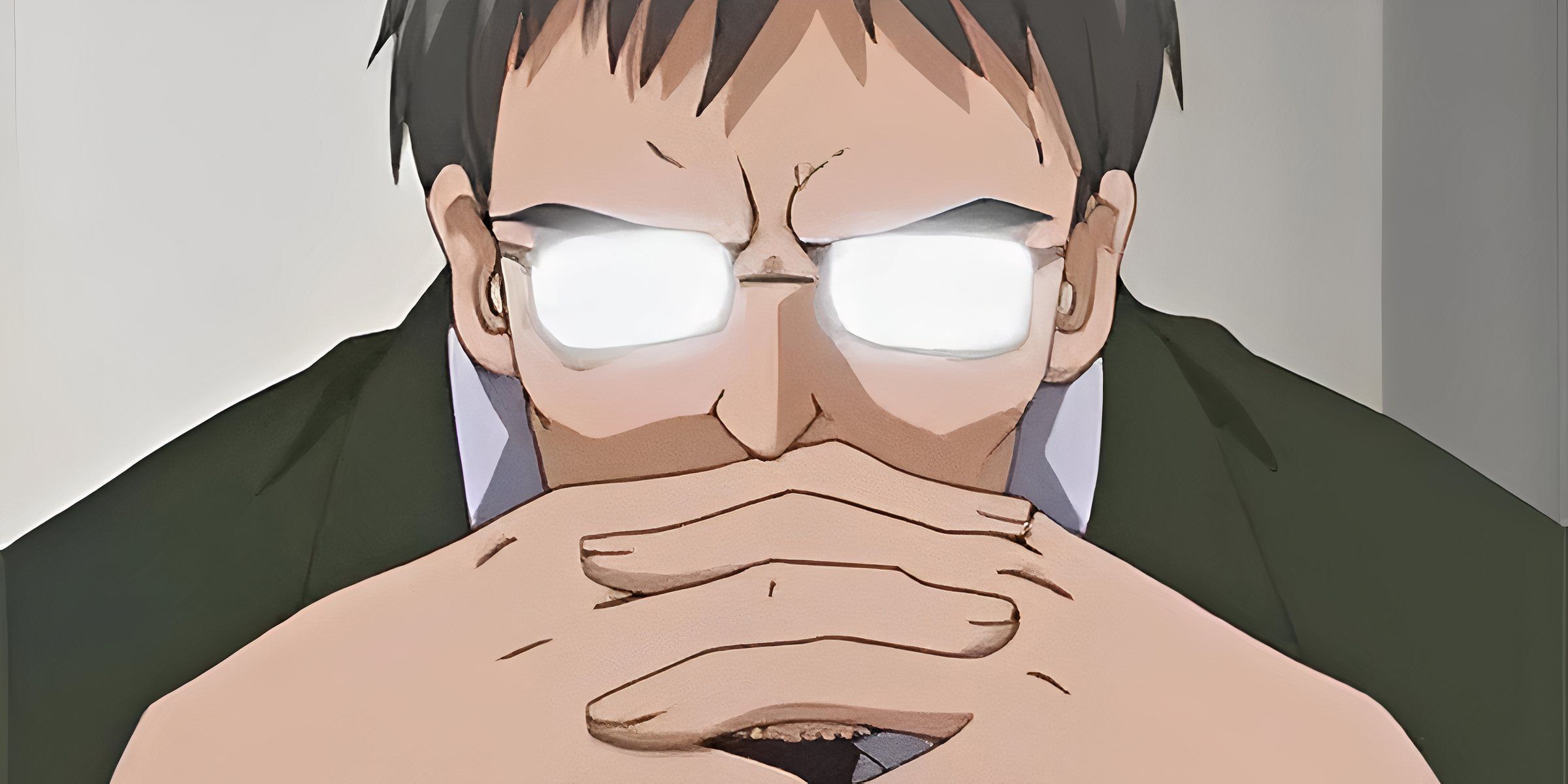
A character’s hidden intentions were often signaled by their obscured eyes, appearing as if looking through frosted glass. Whether it was the ruthless Gendo Ikari from Evangelion or a seemingly normal teacher preparing a surprise quiz, this visual cue suggested they were concealing their true thoughts and motivations.
While those old animation tricks still show up in updated ways, they’ve become much more sophisticated. Today’s animation often uses “reflective realism,” meaning you can see realistic details like reflections in glasses – like seeing a room or the computer screen itself. This makes it feel more like a movie and less like a cartoon.
The Mischievous “:3”
Cat-Mouth
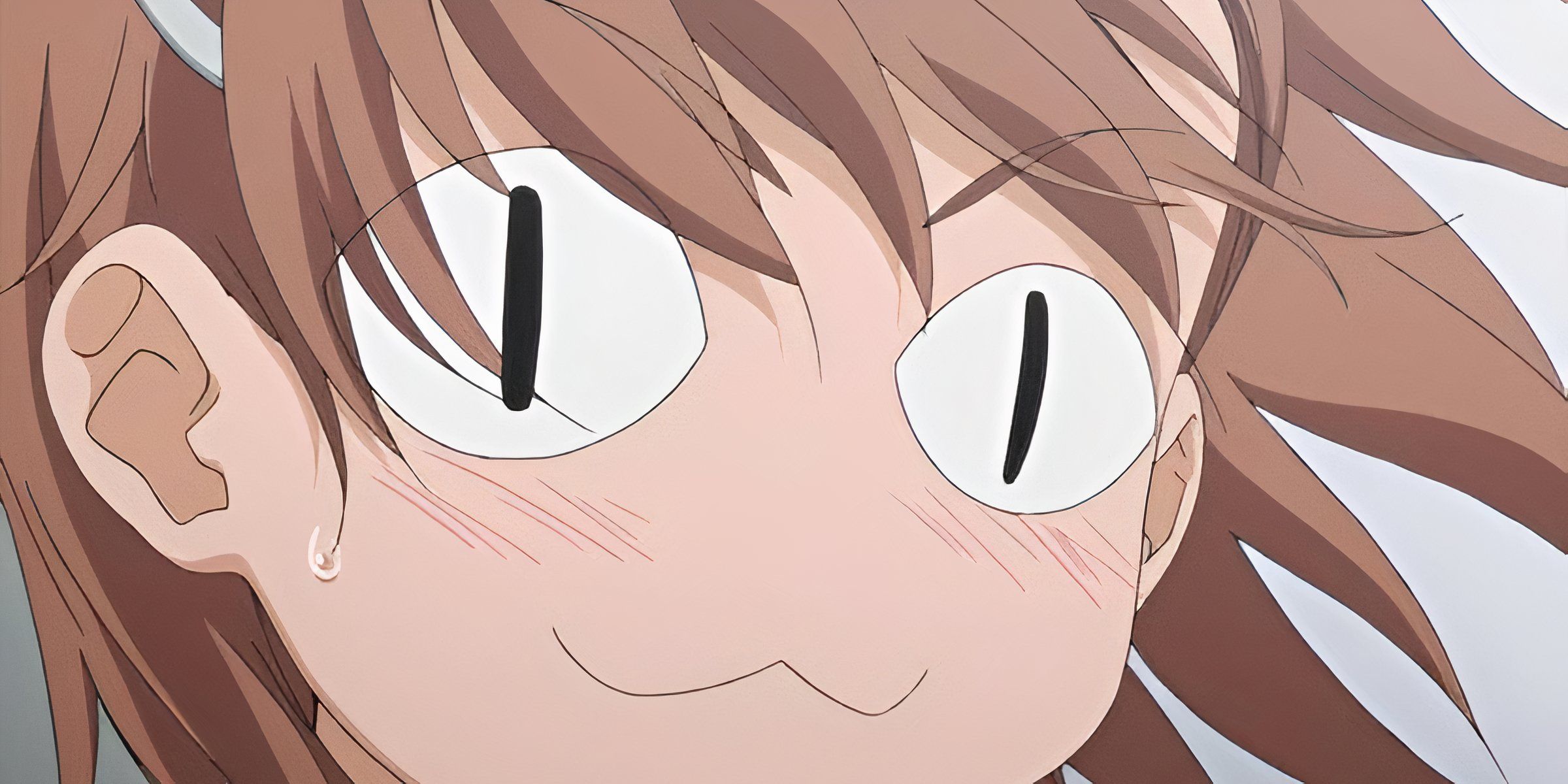
A character’s “cat-mouth” – often shaped like the number 3 – was a common way to show they were being mischievous or cunning. This involved physically changing the character’s mouth to visually indicate a shift in their attitude, and was frequently used for characters like Puck from Berserk or other comedic supporting roles.
The classic animation of characters forming a ‘3’ shape with their mouths to show cuteness has largely become a trend seen in emotes, memes, and online culture. While modern shows might feature characters acting like cats, they rarely show their mouths physically changing into that ‘3’ shape unless it’s a deliberately stylized show designed for comedy or featuring ‘chibi’ (super-deformed) characters.
Transformation Stock Footage
Padding the Runtime
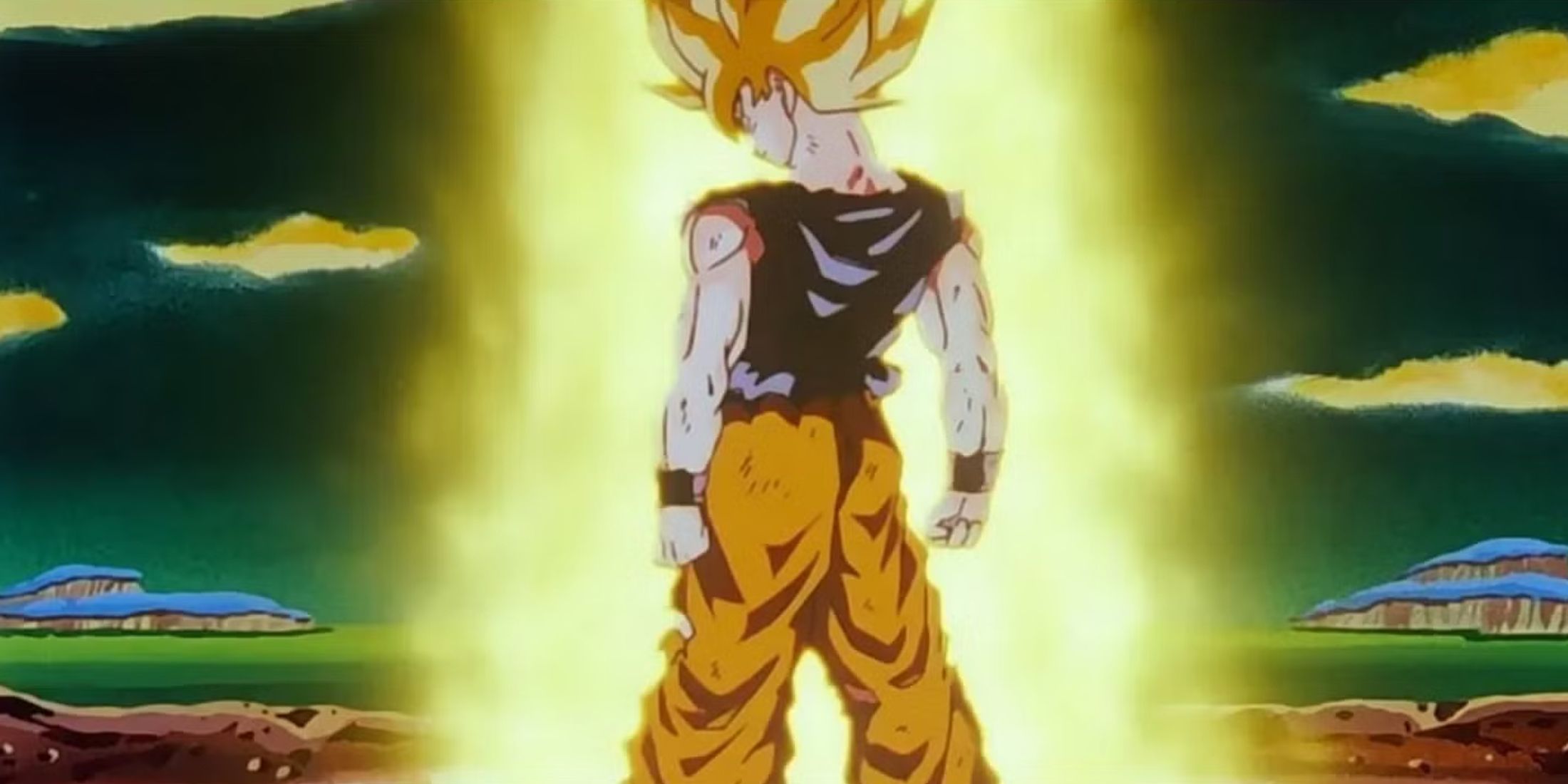
Back in the 1990s, many popular anime shows—especially magical girl and mecha series—featured the same 90-second transformation sequence in every episode. This was a clever way for animation studios to cut costs and ensure a consistent level of quality for a significant portion of the runtime. Shows like Digimon and Sailor Moon frequently used this technique, and lengthy transformations also appeared in some action anime like Dragon Ball, though not as consistently.
I’ve noticed a real shift in animation lately. Stock footage, those pre-made clips studios used to rely on, just aren’t as common anymore. Digital animation has gotten so good, and studios are better at planning, that they can create more dynamic movement on the fly. Shows like Demon Slayer or Jujutsu Kaisen are great examples – they favor animation that changes slightly each time, or happens in real-time. It feels like audiences now expect a faster pace and more original animation, and they’re right to! The days of reusing the same sequences over and over are definitely fading.
Posing for Justice
Sentai/Ginyu Team Posing
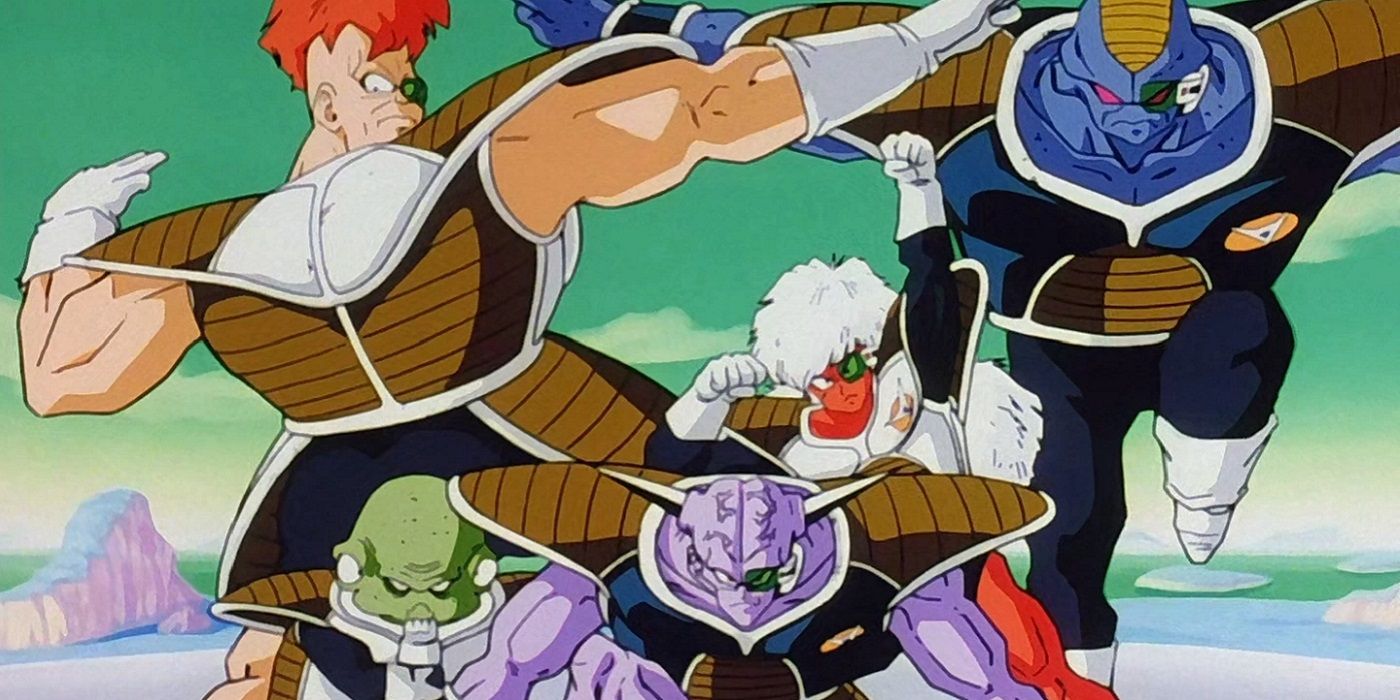
Many anime series from the 1990s featured team poses inspired by Power Rangers (known as Super Sentai in Japan). The most famous example is the Ginyu Force from Dragon Ball Z, where villains would dramatically strike unrealistic poses before a fight. This was a way to keep the showmanship and performance aspects of classic action series alive.
Most teams in action stories are either highly organized and efficient, like a military unit, or move with smooth, flowing coordination. Stopping a dangerous fight to strike a pose is usually seen as a mistake made by a villain, not a cool way to make an entrance.

Read More
- All Shadow Armor Locations in Crimson Desert
- Dark Marksman Armor Locations in Crimson Desert
- Jujutsu Kaisen Season 3 Episode 12 Release Date
- How to Get the Sunset Reed Armor Set and Hollow Visage Sword in Crimson Desert
- Keeping AI Agents on Track: A New Approach to Reliable Action
- Top 5 Militaristic Civs in Civilization 7
- How to Beat Antumbra’s Sword (Sanctum of Absolution) in Crimson Desert
- Best Bows in Crimson Desert
- Sakuga: The Hidden Art Driving Anime’s Stunning Visual Revolution!
- Sega Reveals Official Sonic Timeline: From Prehistoric to Modern Era
2026-03-29 16:08