With its popularity, Jujutsu Kaisen now stands alongside anime giants like Demon Slayer and Attack on Titan. While it’s easy to enjoy these shows for their creativity, it’s important to remember that even the biggest hits build on what came before. They didn’t appear in a vacuum; they were inspired by earlier works, and that’s a natural part of how the anime industry evolves.
Jujutsu Kaisen stands out with its unique world of sorcerers, curses, and dark, emotional storytelling. While completely original, it still draws inspiration from earlier anime. Several well-known shonen series likely influenced its creation, and fans of those shows will probably enjoy Jujutsu Kaisen. The author, Gege Akutami, pays homage to these predecessors while also bringing fresh ideas to the table.
Bleach is Honored With Jujutsu Kaisen’s Monsters and Half-Other Hero
Yuji is the New Ichigo
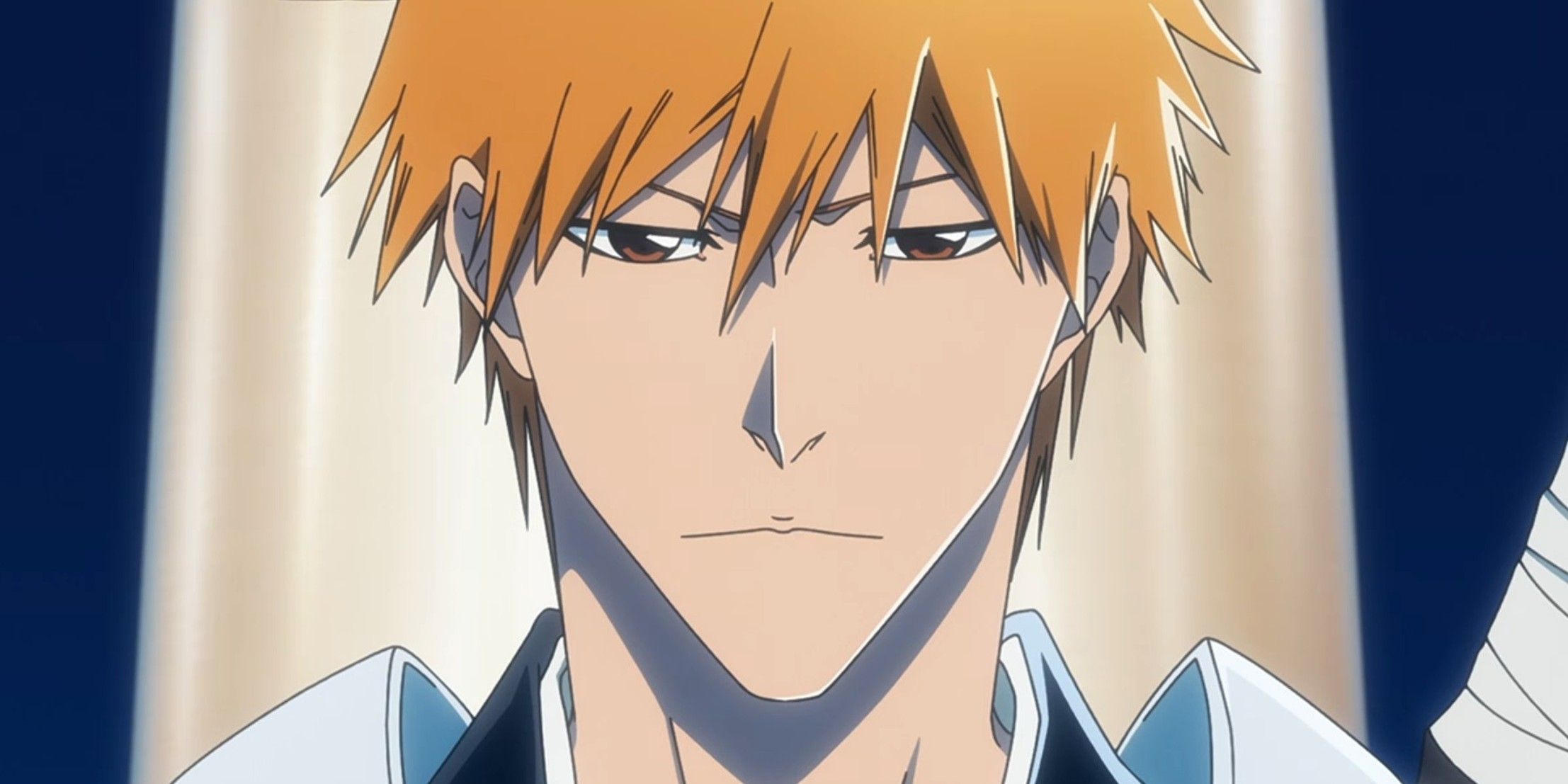
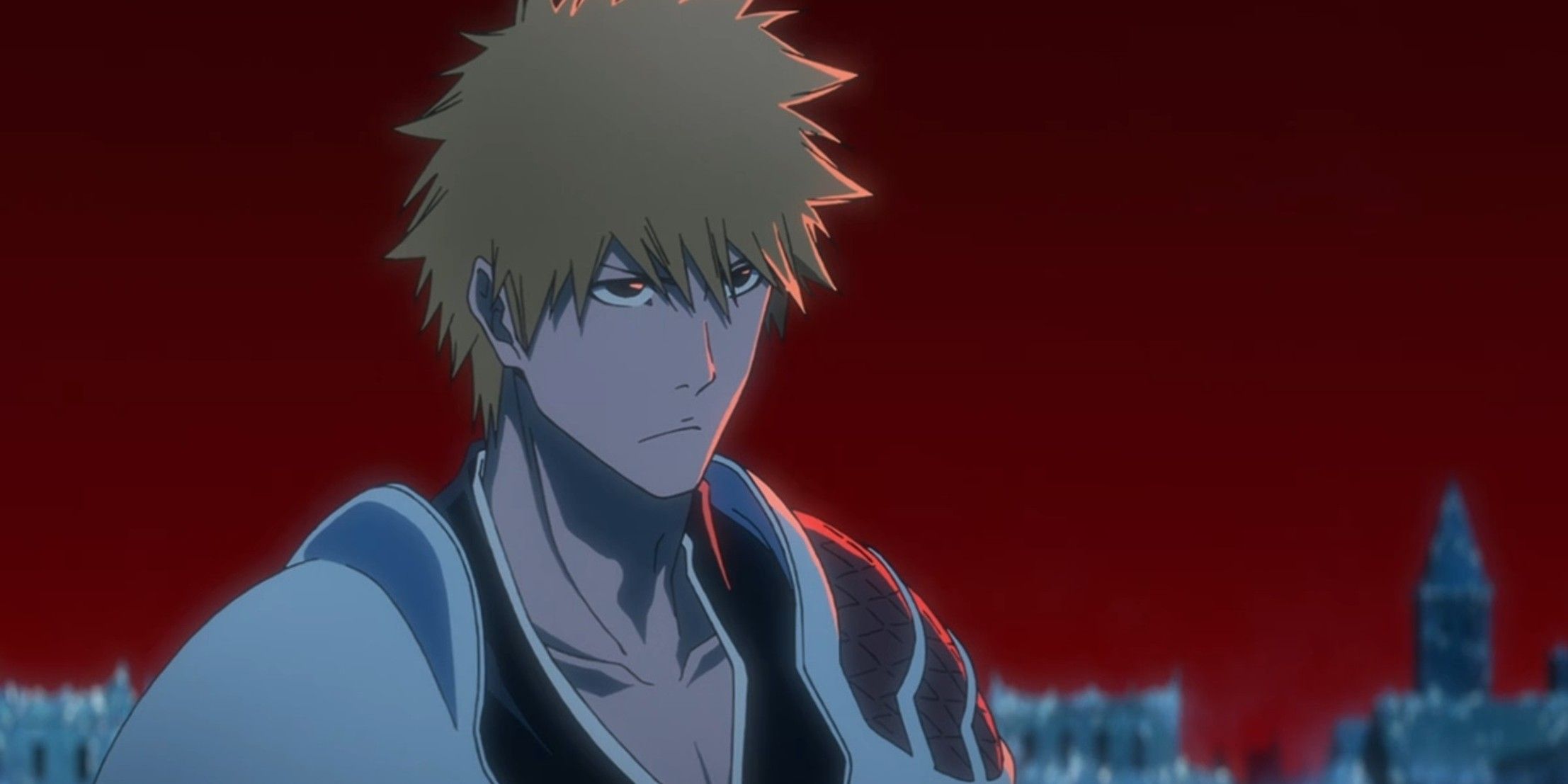
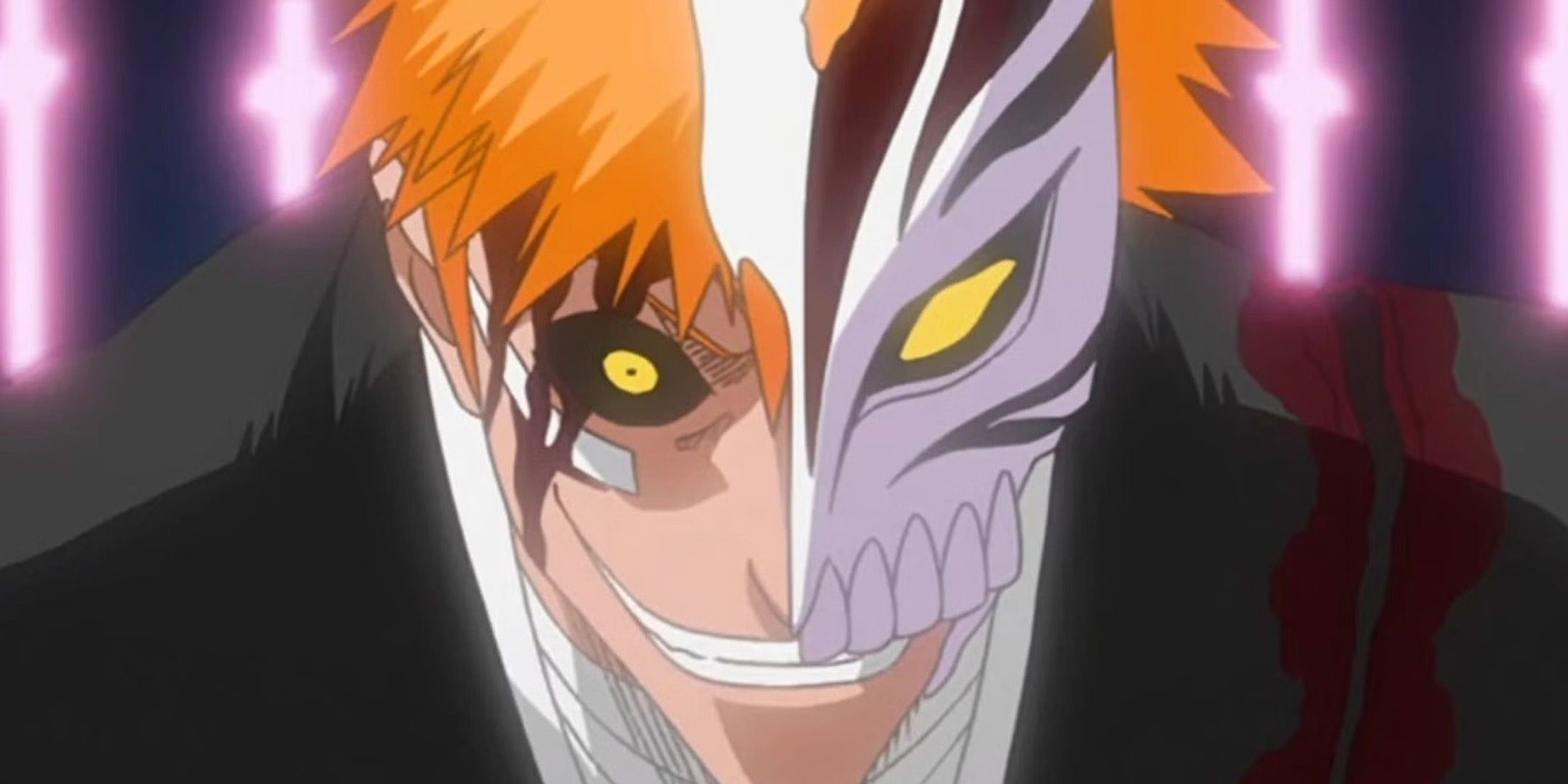
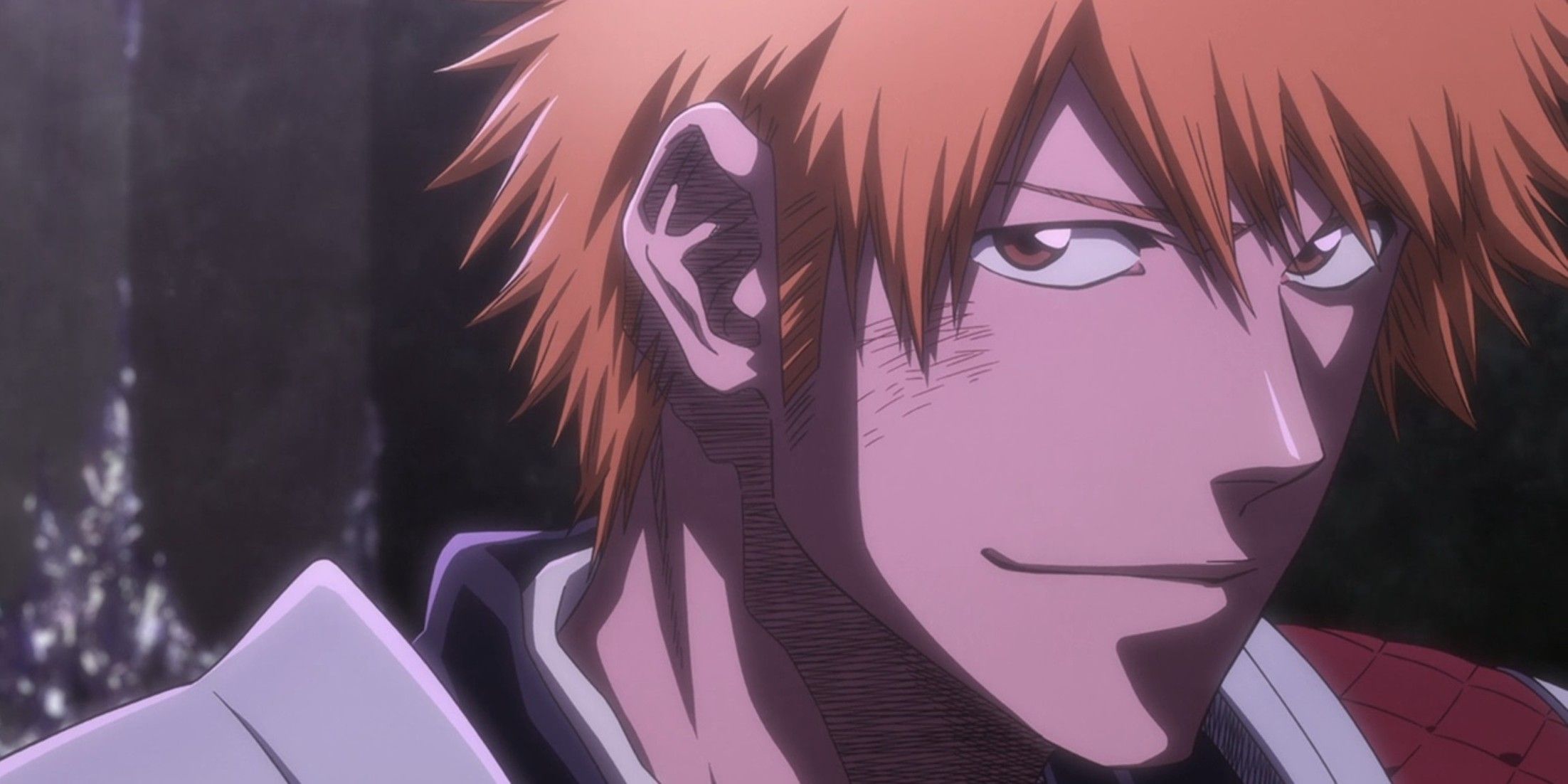
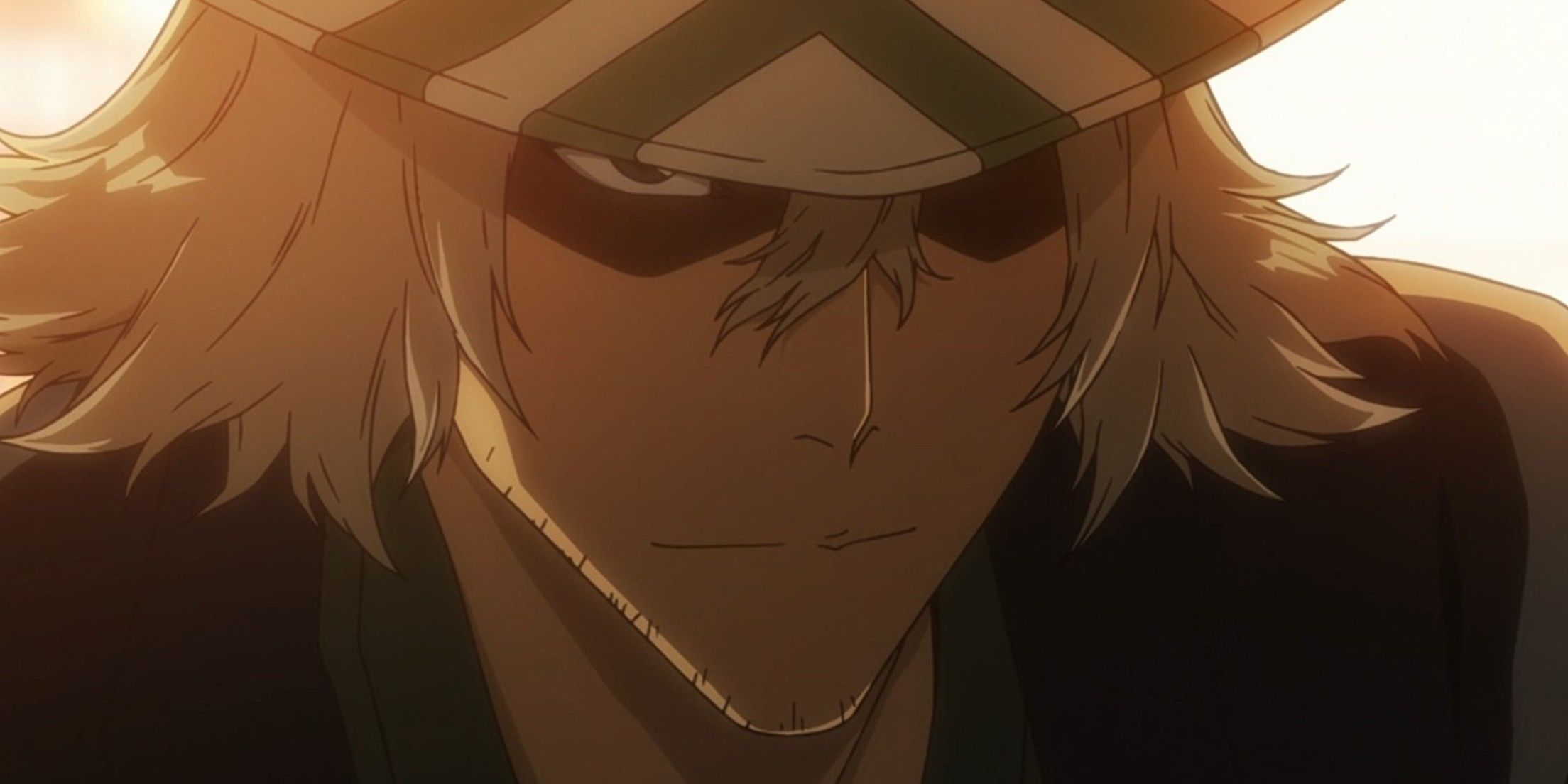
Many fans see Bleach as a major influence on the anime Jujutsu Kaisen. Bleach is considered one of the most important shonen anime of all time, following in the footsteps of Dragon Ball with its focus on spirits and sword fights. Several newer anime series have taken inspiration from the story of Ichigo Kurosaki, and Jujutsu Kaisen clearly draws from it. This is especially noticeable in the main characters – like Yuji Itadori, a strong high school student who suddenly gains powers to fight monsters.
Fans of Bleach will immediately recognize the similarities – especially with its main character – and there’s plenty more to compare. Both Jujutsu Kaisen and Bleach take place in modern-day Japan, blending everyday life with monsters and magic. They also share a similar dynamic with a comical mentor figure; Satoru Gojo feels a lot like Kisuke Urahara. While Gojo’s appearance might remind you of Kakashi from Naruto, his playful personality is definitely inspired by Kisuke.
Naruto Clearly Helped Inspire Jujutsu Kaisen’s Main Trio
Three Students and One Mentor is a Winning Formula
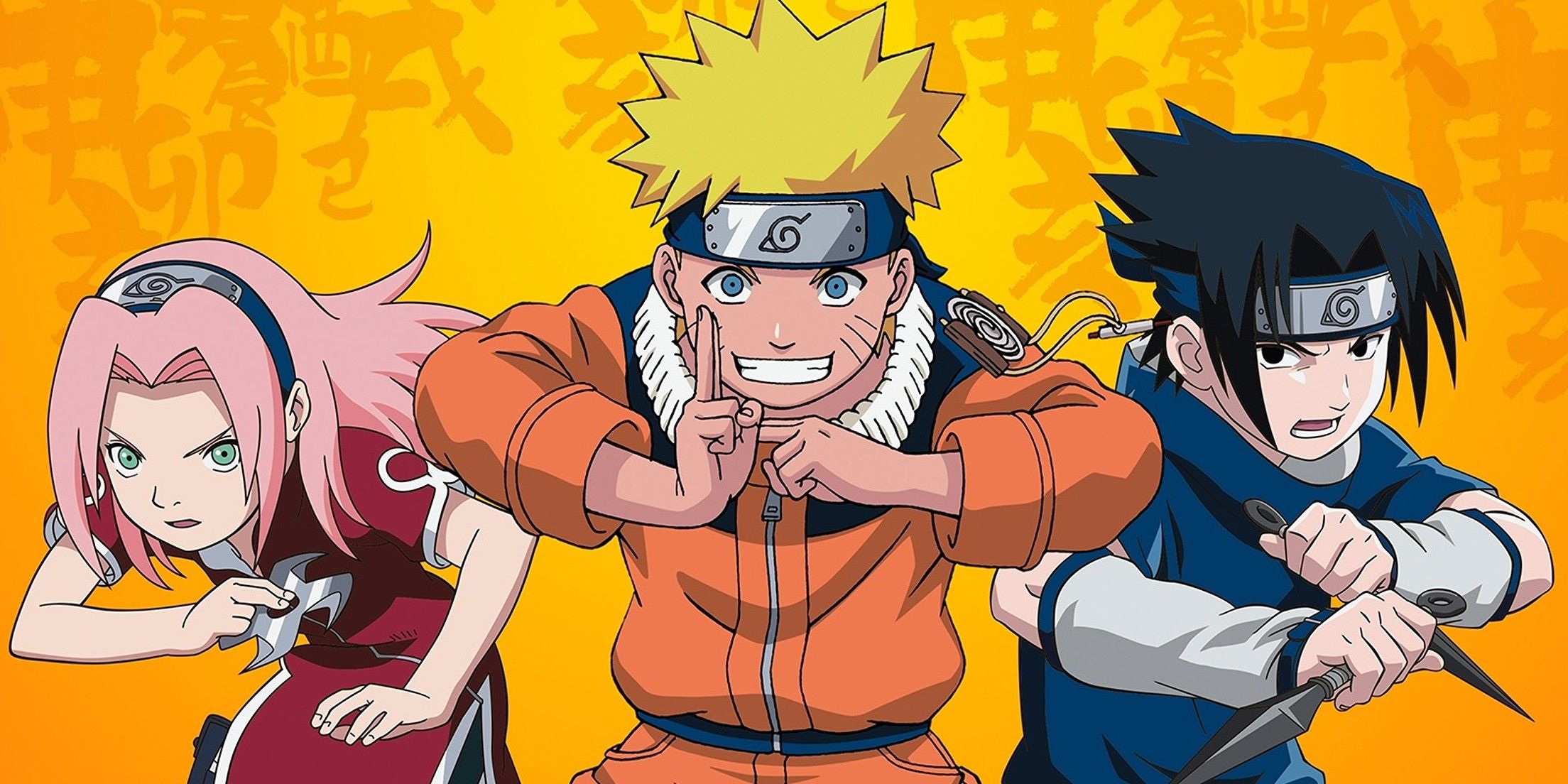 Image via Pierrot.
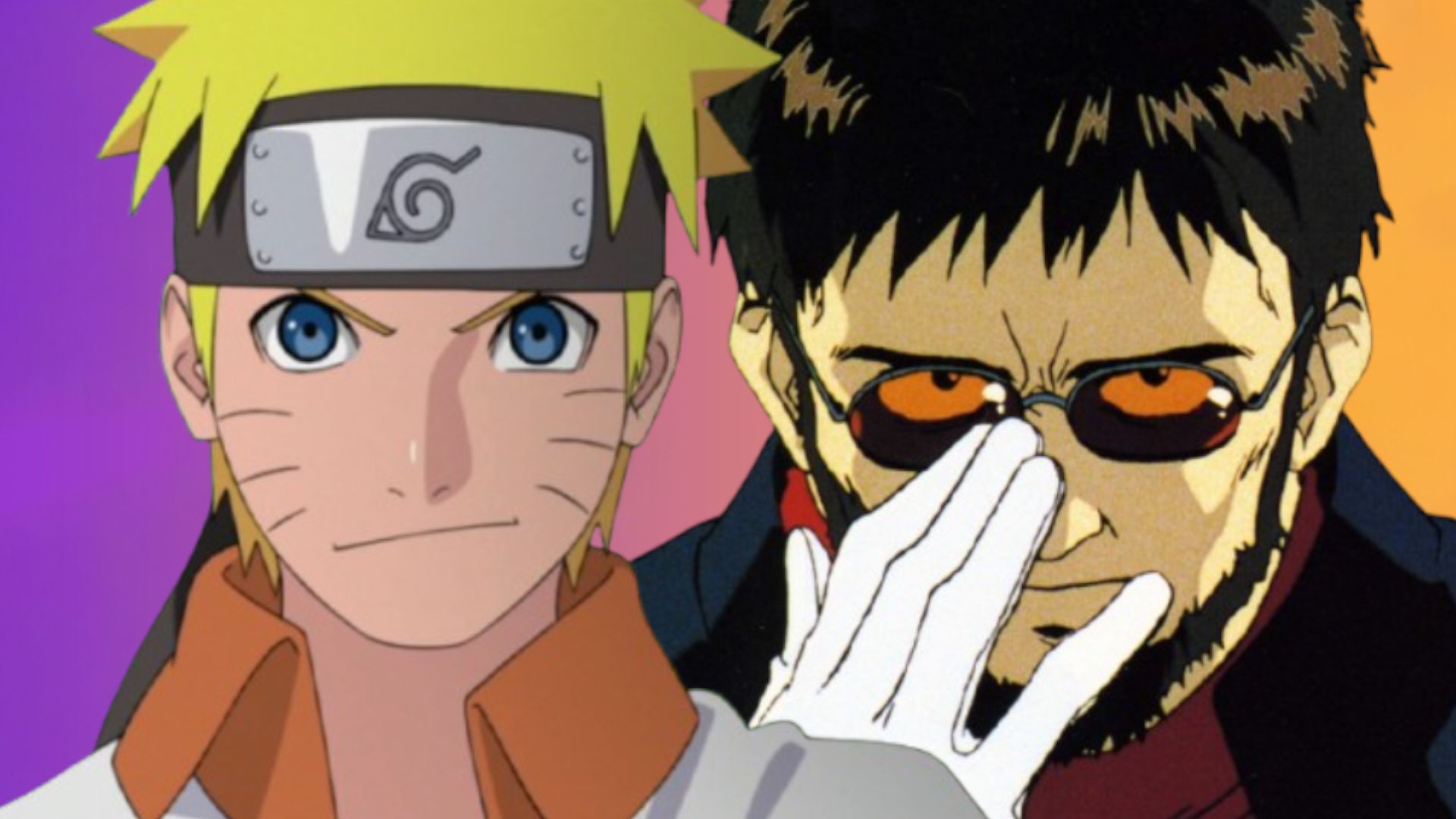
Masashi Kishimoto’s Naruto was highly influential in shaping the design of Jujutsu Kaisen. Gege Akutami, the creator of Jujutsu Kaisen, particularly liked the idea of anime heroes working in groups of three, led by a capable, older mentor. Naruto‘s Team 7 really popularized this dynamic, and Jujutsu Kaisen followed suit. This explains why Satoru is often compared to Kakashi Hatake, although Satoru’s initial design was actually inspired by a less well-known character from Naruto.
Yuji Itadori is taking on a similar role to Naruto Uzumaki – he’s a lively, energetic hero who’s burdened with a powerful, monstrous spirit within him. The spirit he contains, Ryomen Sukuna, is even more terrifying than Kurama, the nine-tailed fox from Naruto. As for his classmates, Megumi Fushiguro embodies a more subdued version of Sasuke Uchiha’s brooding personality, and Nobara Kugisaki is a welcome and more developed character compared to Sakura Haruno.
Hunter x Hunter’s DNA Can Be Found in Jujutsu Kaisen’s Creative Design
Sorcerers Don’t Need Nen to Be Cool
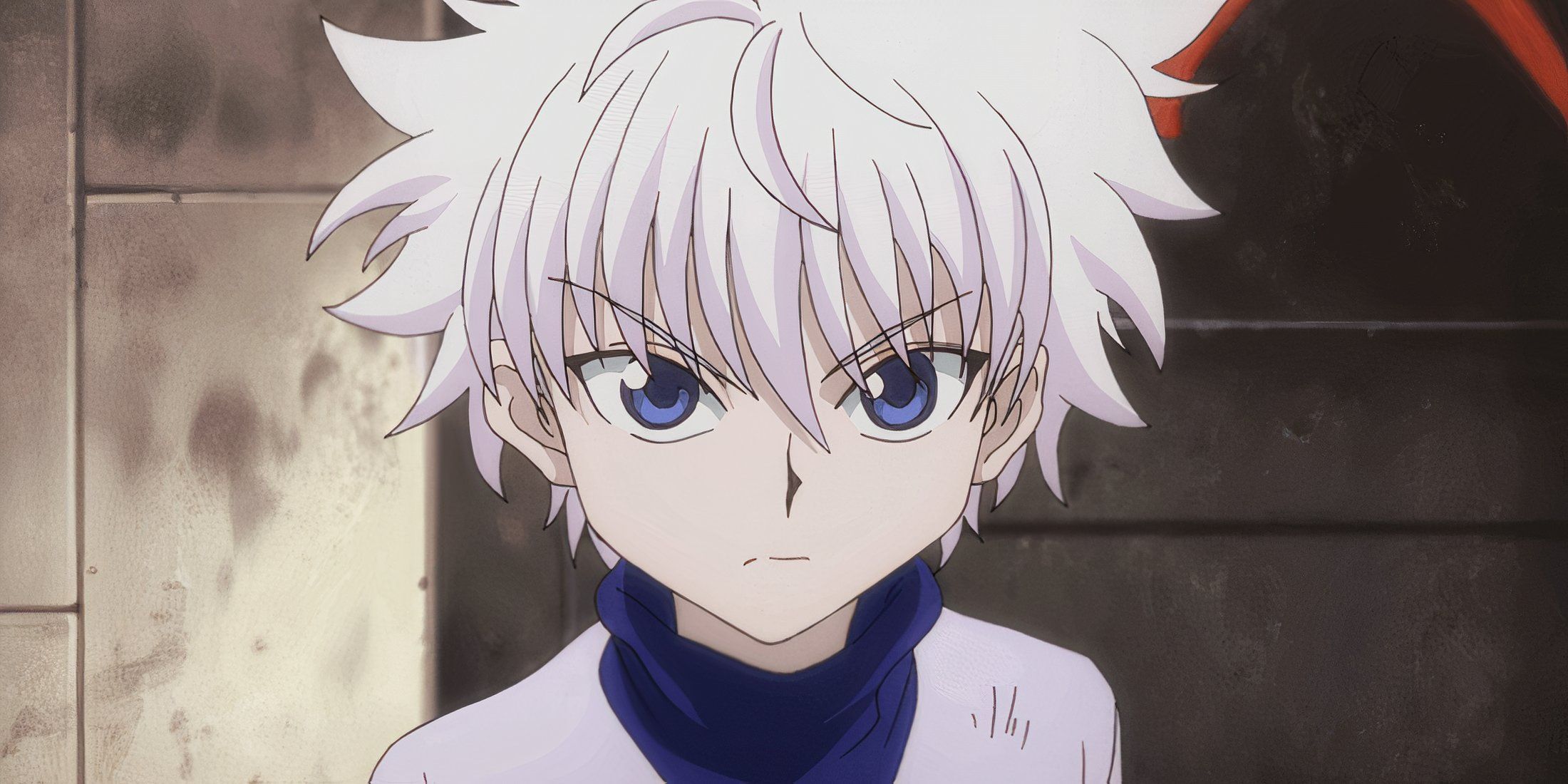 Image via Pierrot.
 The popular anime Hunter x Hunter remains unfinished, but it’s had a big impact on other creators. For example, Gege Akutami, the creator of Jujutsu Kaisen, based that anime’s fighting style on Hunter x Hunter. One specific idea borrowed was the use of agreements that make powers feel more structured and believable. This approach makes abilities seem more impressive and less like convenient plot devices.
The battle systems in Hunter x Hunter and Jujutsu Kaisen are quite similar. Both allow for a wide range of creative and surprising powers that keep the action unpredictable. In Hunter x Hunter, Nen users can seemingly do anything, and Jujutsu Kaisen‘s curse energy enables amazing techniques, like manipulating bodies, controlling blood, and even swapping locations with allies – often based on specific energy ratios.
Neon Genesis Evangelion Contributed its Love of Symbolism and Philosophy
Anime is More Fun When it Makes Viewers Think a Little
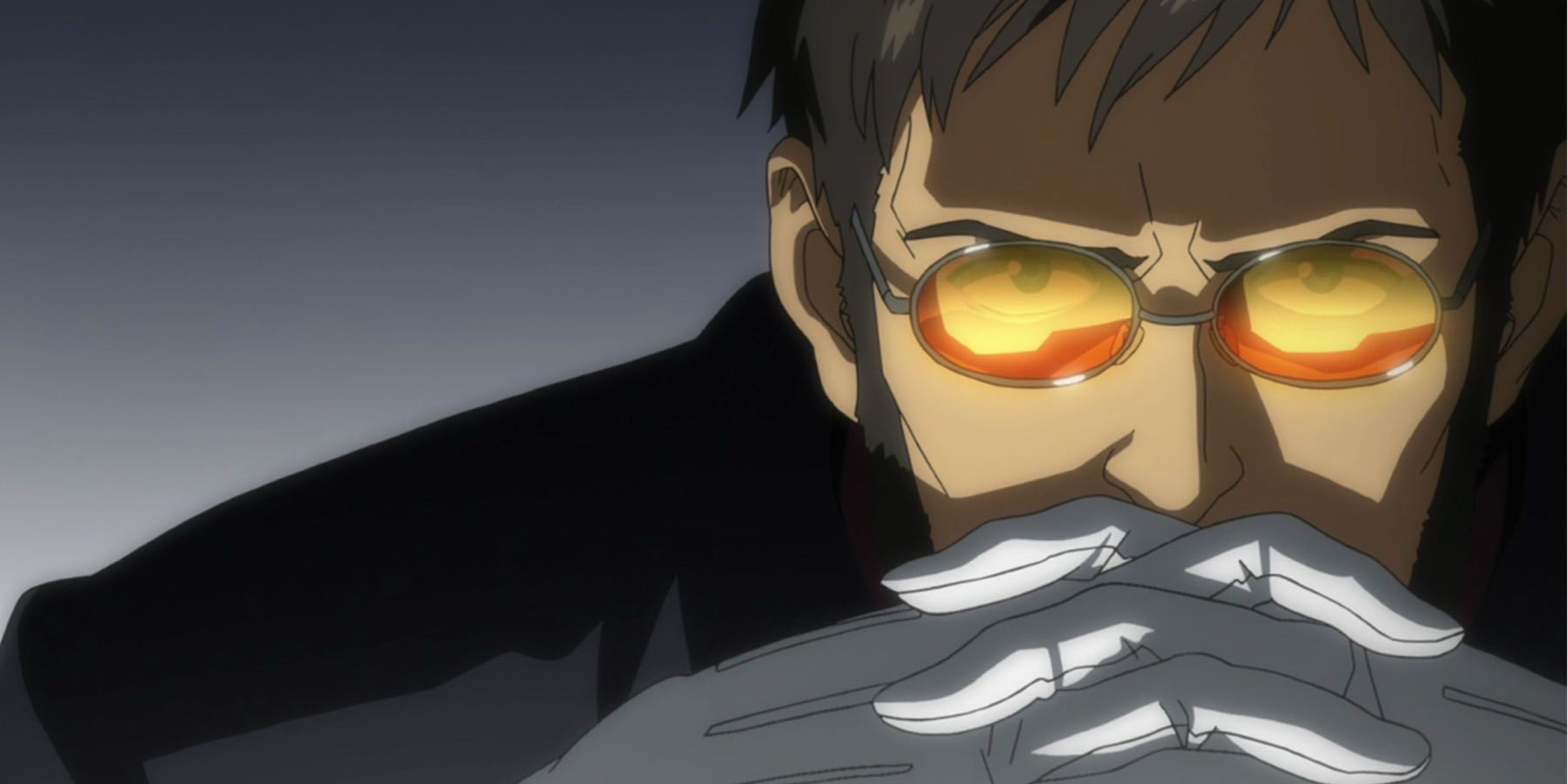 Image via studio Gainax.
 It might seem surprising, but Jujutsu Kaisen shares some similarities with the classic anime Neon Genesis Evangelion. While Evangelion is known for its complex story about giant robots and troubled teenage pilots, those themes – especially the focus on deeper meaning and symbolism – translate well into Jujutsu Kaisen, even though it doesn’t involve robots at all.
Both Neon Genesis Evangelion and Jujutsu Kaisen skillfully incorporate religious and spiritual themes. Evangelion uses Christian imagery, like the Spear of Longinus, and features enemies called Angels, while Jujutsu Kaisen blends Biblical and Buddhist concepts for both visual appeal and deeper meaning. Beyond the visuals, Jujutsu Kaisen also draws inspiration from Evangelion in its portrayal of characters struggling with the emotional and psychological toll of fighting, showing that battles leave lasting mental scars as well as physical ones.
My Hero Academia Ignited the Spark of Jujutsu Kaisen’s Creativity
Like Deku, Yuji is a Talented Fighter at a Special School
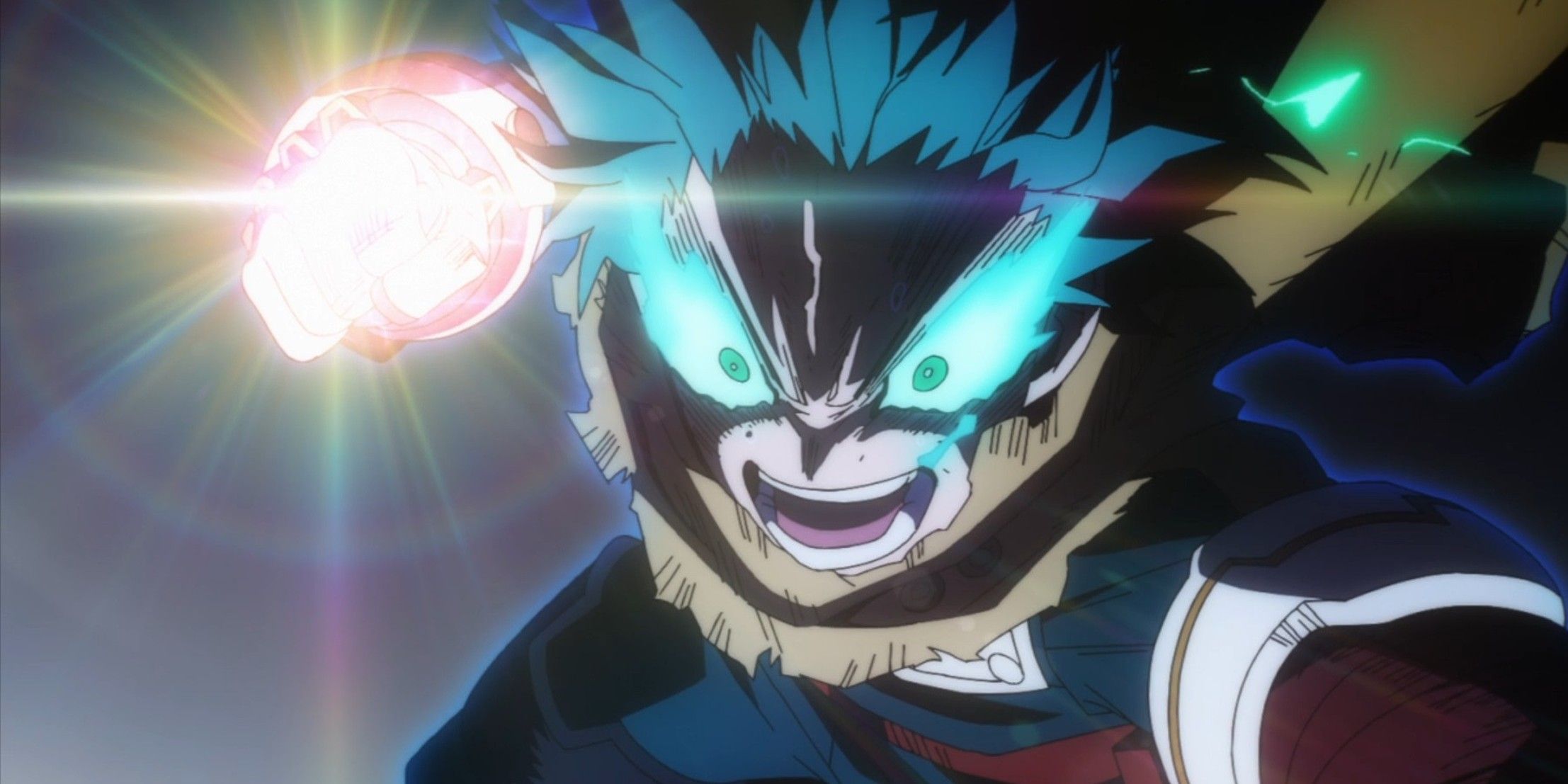 Image via studio Bones.
 Many recent anime series take ideas from shows that are a decade or two older, but sometimes newer anime also influence each other. For example, My Hero Academia, while newer than series like Bleach and Hunter x Hunter, played a part in the creation of Jujutsu Kaisen. In fact, My Hero Academia‘s success inspired Gege Akutami, the creator of Jujutsu Kaisen, to start developing his own action-packed, supernatural manga.
Besides inspiring Gege Akutami to make Jujutsu Kaisen, it’s hard to say exactly how My Hero Academia influenced the series, though fans have spotted some parallels. Both anime share a similar starting point: an average teenage boy gains superpowers after consuming something, and then attends a school for those with special abilities. In My Hero Academia, Deku receives One For All after inheriting a piece of All Might’s power. Similarly, in Jujutsu Kaisen, Yuji Itadori gains the power of Sukuna by swallowing one of his fingers while at school.
Read More
- All Shadow Armor Locations in Crimson Desert
- Sega Reveals Official Sonic Timeline: From Prehistoric to Modern Era
- Dark Marksman Armor Locations in Crimson Desert
- Genshin Impact Dev Teases New Open-World MMO With Realistic Graphics
- The Limits of Thought: Can We Compress Reasoning in AI?
- Where to Pack and Sell Trade Goods in Crimson Desert
- How to Beat Antumbra’s Sword (Sanctum of Absolution) in Crimson Desert
- Enshrouded: Giant Critter Scales Location
- Who Can You Romance In GreedFall 2: The Dying World?
- Keeping AI Agents on Track: A New Approach to Reliable Action
2026-01-22 00:05