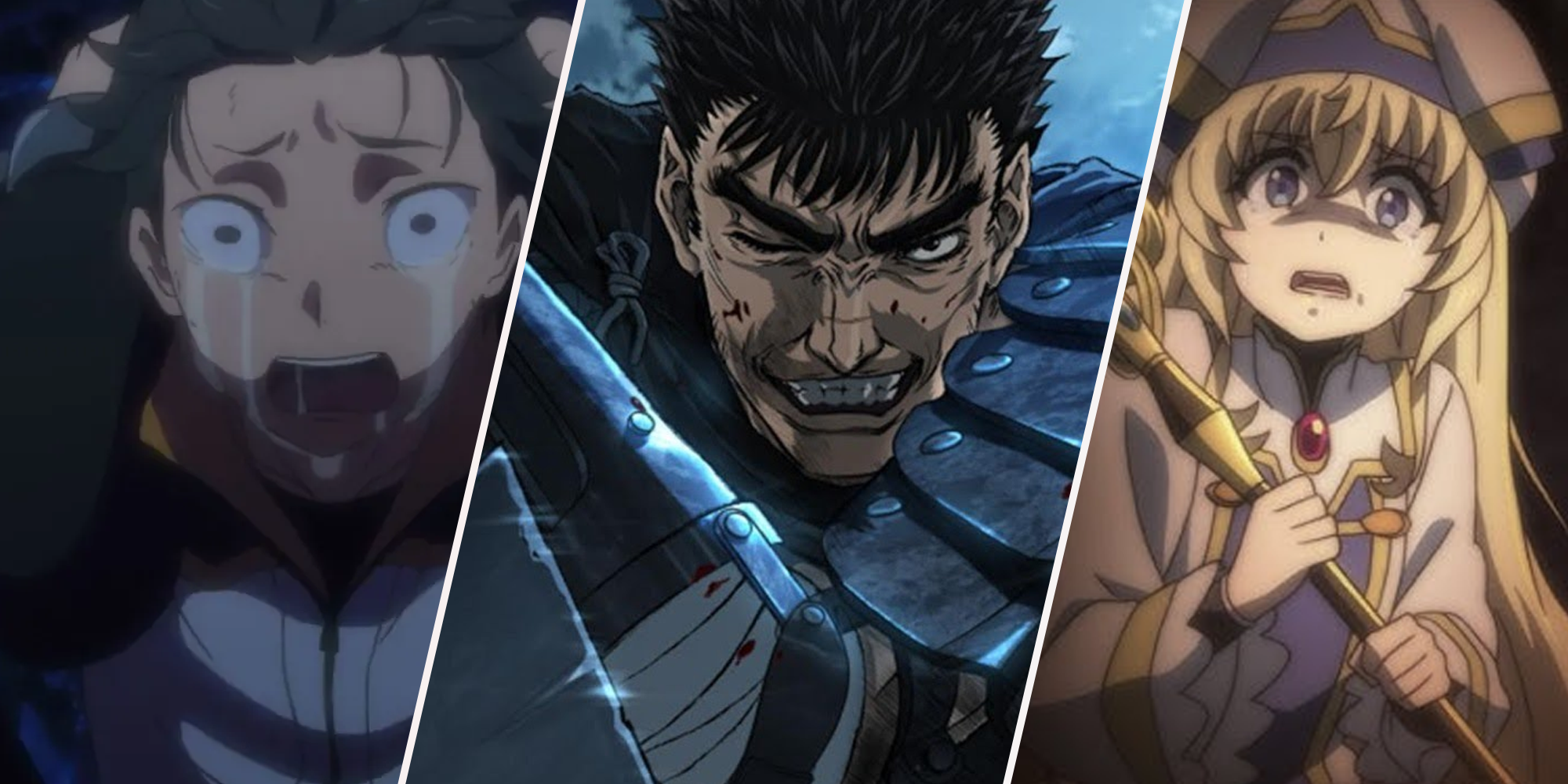
Being popular often means facing criticism, and anime is no exception. Many anime series push boundaries, sometimes including intense violence, culturally insensitive portrayals, and problems within the industry itself – like censorship, the use of AI, and issues with creators. These shows can also deal with difficult subjects or contain scenes that some viewers find inappropriate, and differences in culture can sometimes lead to misunderstandings.
As a longtime anime fan, I’ve seen a lot of debates rage online, and endings are often a major source of trouble! Some of the controversies are totally justified, like when Amazon started using AI for dubbing popular shows like Banana Fish and Vinland Saga – that really upset people, and rightfully so. Then you have shows like Devilman Crybaby (2018) which sparked discussion about its intense violence. But honestly, sometimes these arguments just split the fandom right down the middle, and it can get pretty heated!
6. Uzaki-chan Wants to Hang Out! (Poster/Design Controversy)
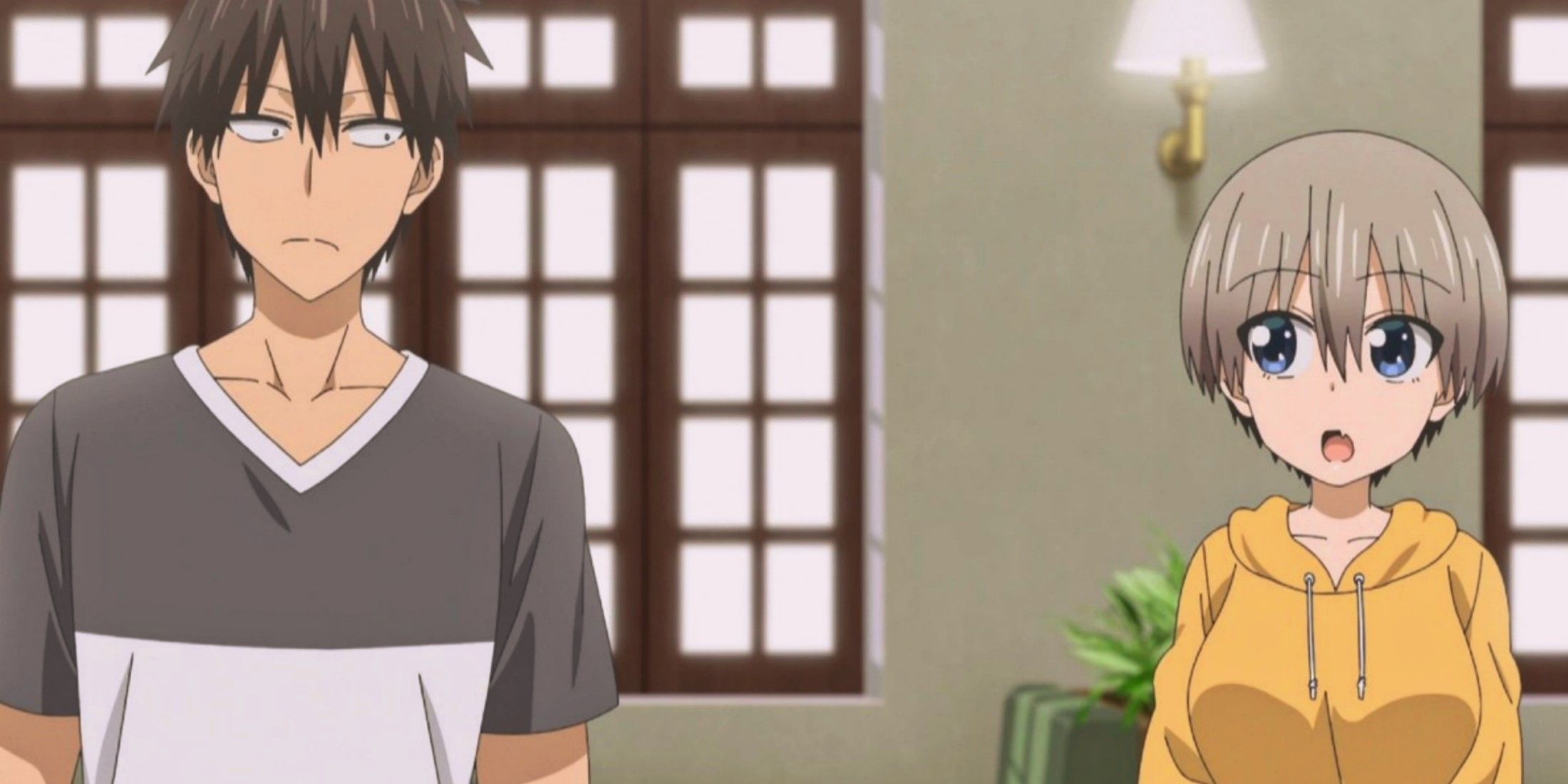
Uzaki-chan Wants to Hang Out! is a charming Japanese anime with two seasons that blends romantic comedy and everyday life. The story centers around Hana Uzaki, a college student who notices Shinichi Sakurai, a senior from her high school, at the same university. Seeing that he prefers to be alone, she decides to make it her goal to spend time with him. The anime gained some attention in 2019 when a promotional poster, created with the Japanese Red Cross to encourage blood donations, caused some discussion.
A promotional poster showed Hana Uzaki, a popular character, holding drinks and asking, “Senpai, haven’t you ever donated blood? Are you afraid of needles?” The poster quickly drew criticism, with many accusing the Japanese Red Cross Society of using Uzaki in an overly sexualized way. This sparked a large online debate, with people pointing out that Uzaki is a fictional character. The discussion continued as fans began creating their own altered versions of the poster and the character herself.
5. Goblin Slayer (Episode 1 Outrage)
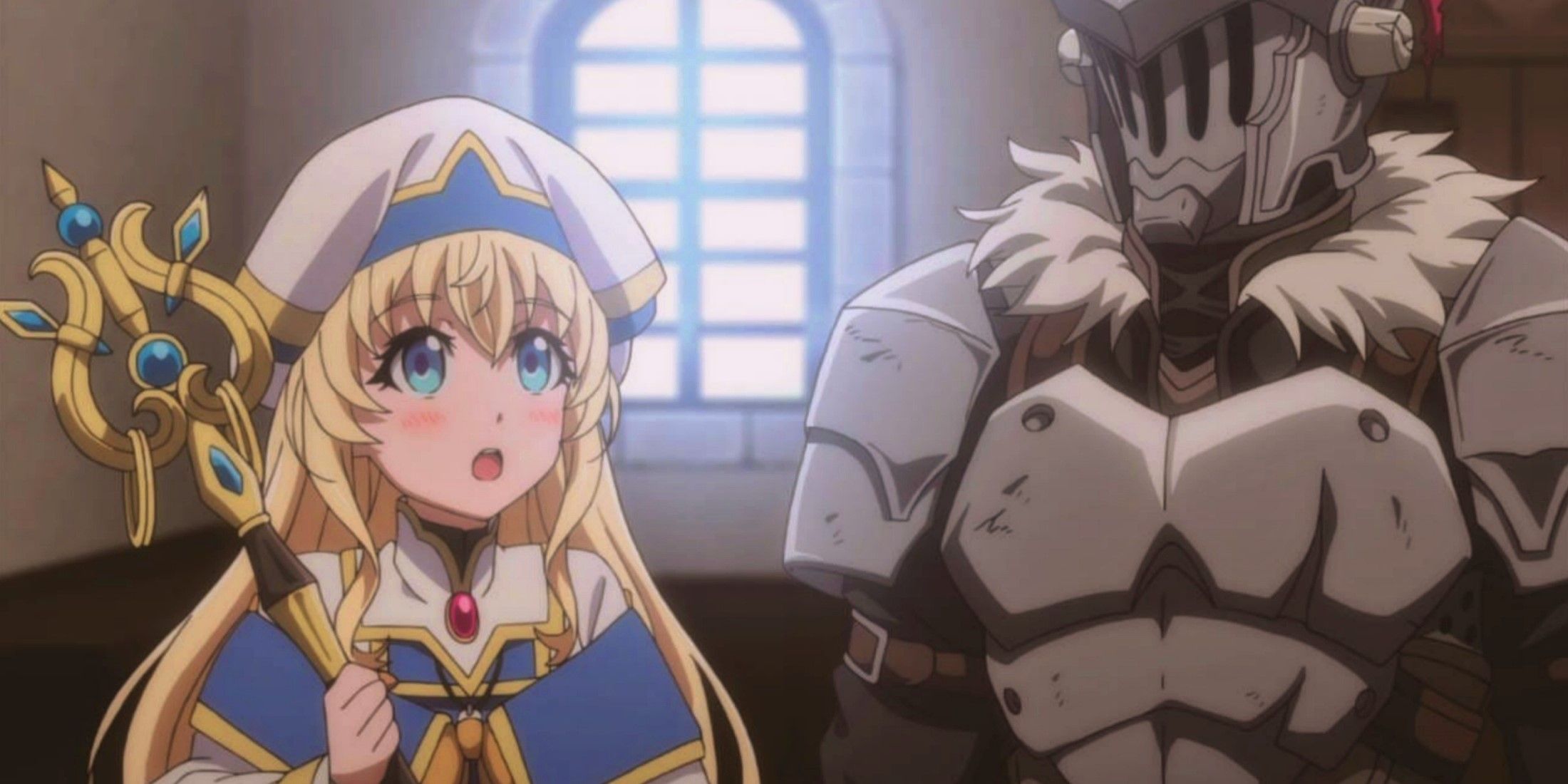
The anime series Goblin Slayer, which ran from 2018 to 2023, is a dark fantasy adventure. It takes place in a world plagued by goblins and follows a 15-year-old Priestess who joins a group of young adventurers. They’re investigating the disappearance of women when they fall into a goblin ambush. Just when things look dire, a mysterious warrior known as Goblin Slayer appears and quickly defeats all the goblins.
The first episode of Goblin Slayer caused a strong negative reaction from many viewers because of its graphic violence, including sexual assault. The episode depicted goblins attacking and harming both men and women, and some fans felt this level of brutality was too intense and didn’t need to happen so early in the series. Those who defended the episode argued that it was important for establishing the dangerous nature of the goblins and explaining the main character’s strong motivation to destroy them.
4. The Rising of the Shield Hero (Slavery/False Accusation Plot)
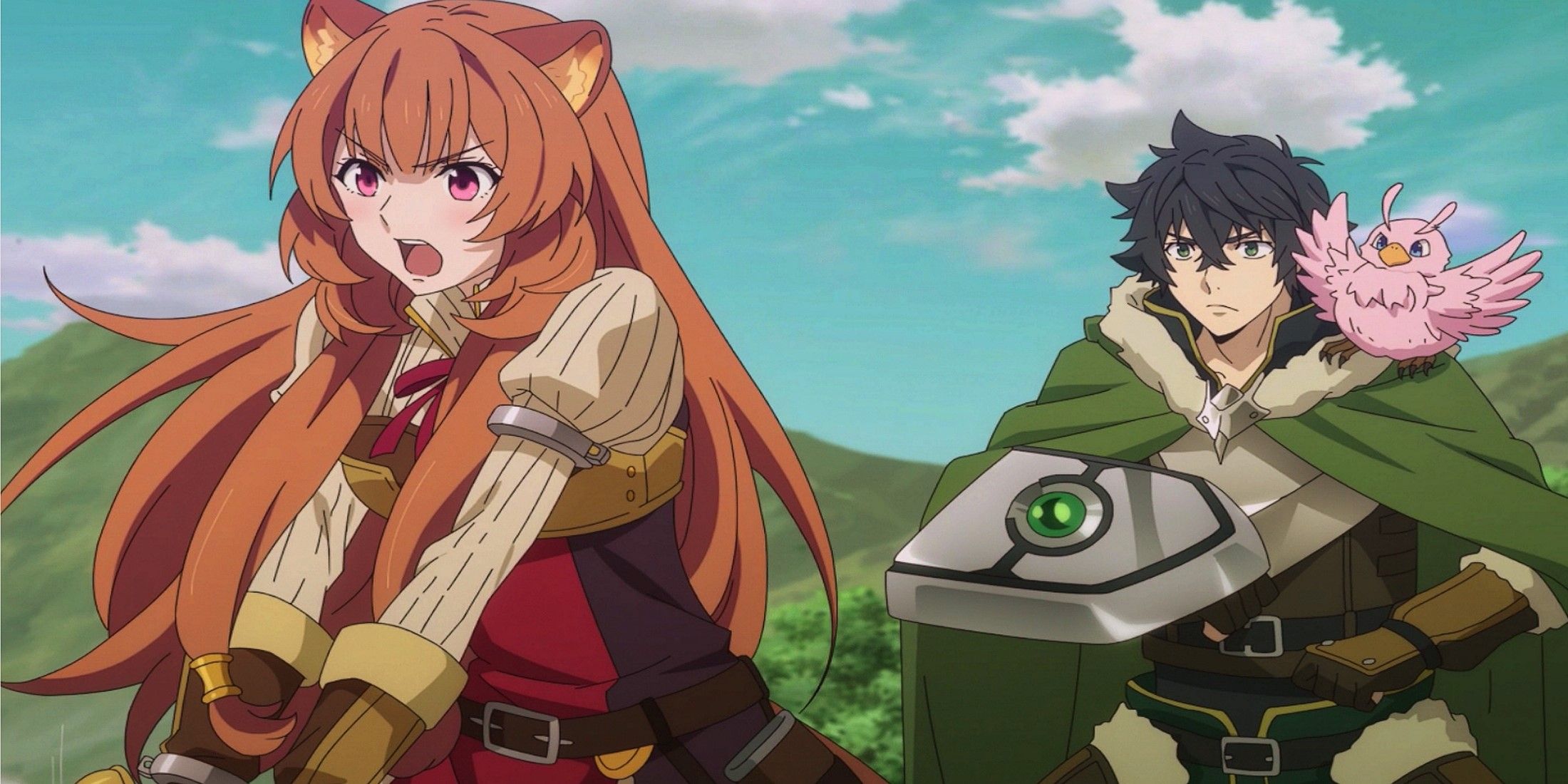
Similar to Goblin Slayer, The Rising of the Shield Hero quickly sparked debate, beginning with its very first episode. The story follows four gamers who are suddenly transported to a fantasy world called Melromarc, tasked with saving the kingdom as heroes. Each hero receives a unique weapon – a sword, spear, bow, or shield – to defend against constant waves of enemies. One of these heroes is Naofumi Iwatani, who wields the Shield.
Naofumi was unfairly considered the weakest hero because his shield was designed for defense, not offense. The other heroes quickly abandoned him, leaving only Malty by his side. However, Malty was secretly Princess Malty S. Melromarc and falsely accused Naofumi of assault, stealing all of his possessions. This betrayal ruined his reputation, turning him into an outcast. While struggling alone, Naofumi purchased Raphtalia, a demi-human slave, and later acquired an egg that hatched into a bird-like creature he named Filo.
The anime The Rising of the Shield Hero faced criticism for its story involving false accusations and slavery. Some critics felt these plot points relied on harmful stereotypes and even seemed to support misogyny and slavery. However, fans countered that these criticisms often came from people who only watched the beginning of the series. They argue the show is actually about overcoming betrayal, exposing corruption, and a character’s journey to grow in a difficult situation – not an endorsement of harmful real-world issues.
3. Berserk 2016 (CGI Issue)
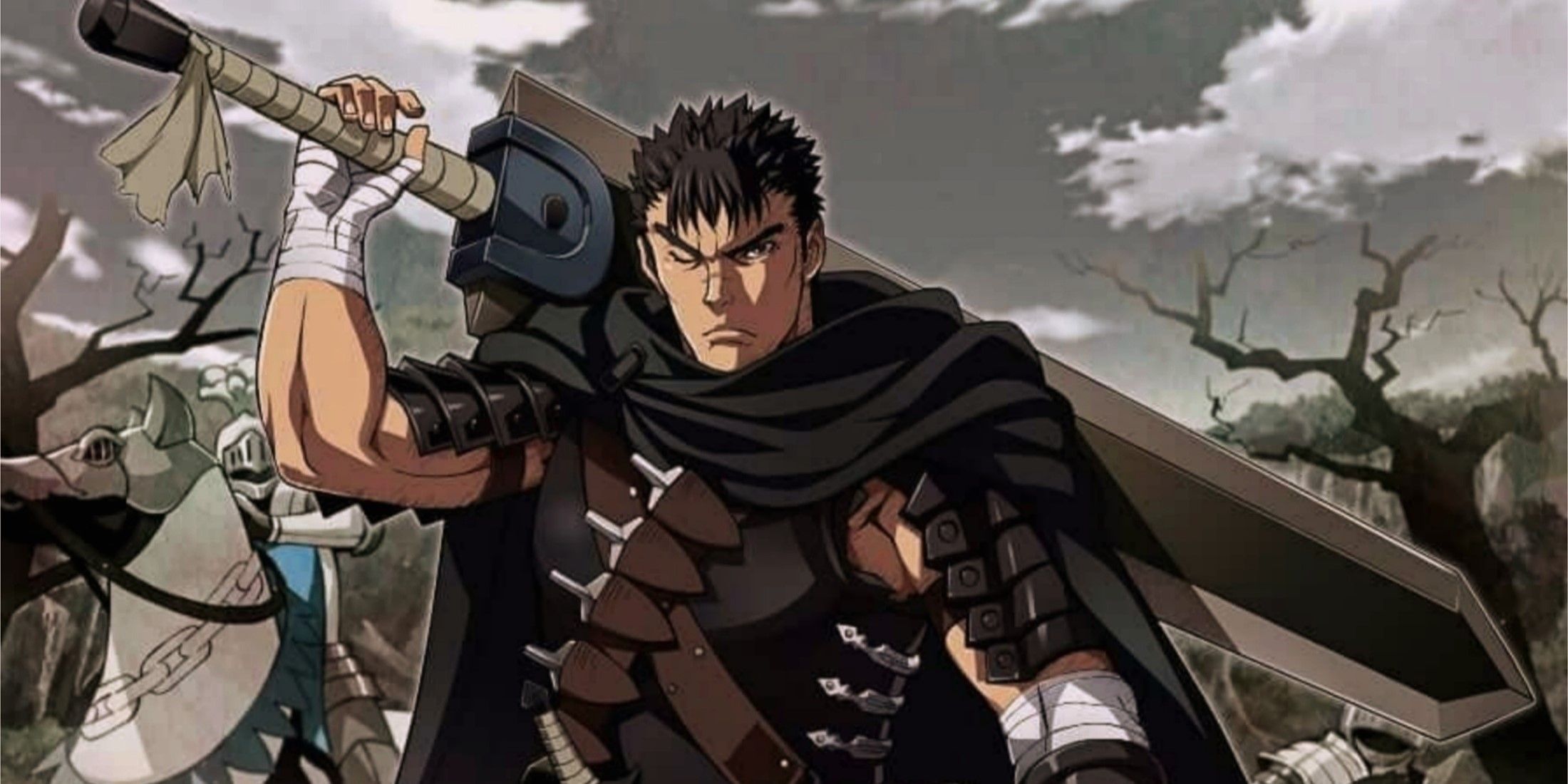
Berserk (2016) is a dark fantasy anime series adapted from Kentaro Miura’s popular manga. It’s the second TV adaptation of the manga, following a previous anime released in 1997. The story centers on Guts, a skilled swordsman haunted by demons because of a mysterious mark on his neck. Driven by a thirst for revenge, Guts seeks to confront his former friend, Griffith, who he blames for his cursed fate.
The main issue fans have with this series is the 3D computer-generated imagery, or CGI. While the visuals aren’t great – some say they look like an older video game rather than a current anime – the negative reactions went too far. Some people claimed the show was completely unwatchable, which isn’t true. The CGI isn’t good, but it doesn’t detract from the story, and the animation actually improves after the first few episodes.
2. Re: Zero (Subaru’s Behavior In Season 1)
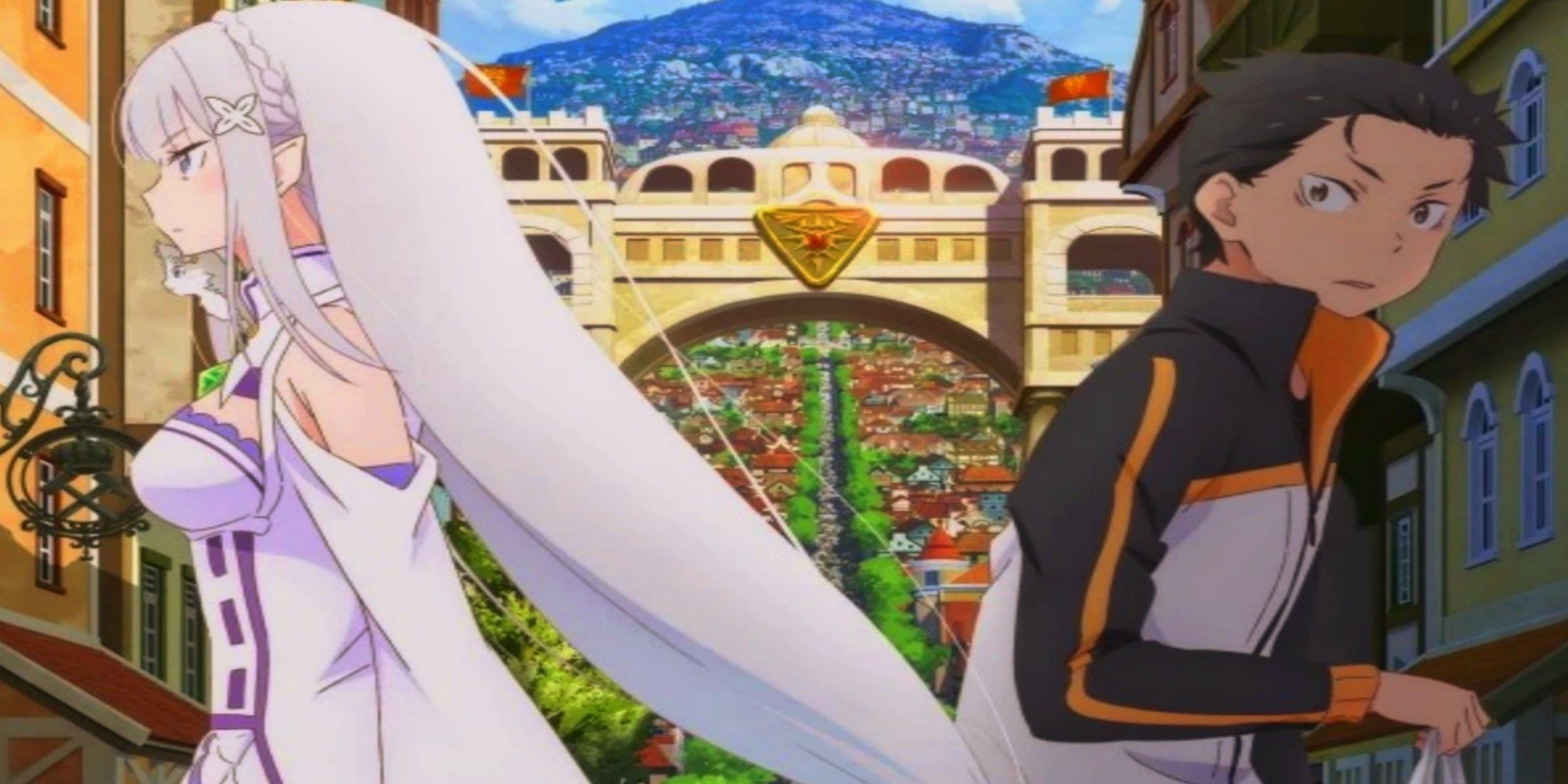
The first season of Re:Zero – Starting Life In Another World debuted in 2016 and caused significant debate during its third arc (episodes 13 through 18). The series follows Subaru Natsuki, a high school student who unexpectedly finds himself transported to another world. While trying to find the person who brought him there, he’s attacked but rescued by a girl with silver hair. Shortly after, Subaru is killed, only to revive at the place he first arrived, discovering he has the unique ability to return from death.
The recent controversy surrounding this anime series focused on the main character, Subaru. Many viewers and critics found him to be unlikeable, describing him as arrogant, demanding, controlling, irritating, and withdrawn, with some even calling for the character to be removed from the show. However, his supporters argued that Subaru’s unpleasant behavior was intentional, meant to emphasize the severe emotional trauma he experiences.
1. Mushoku Tensei: Jobless Reincarnation (Protagonist’s Morality)
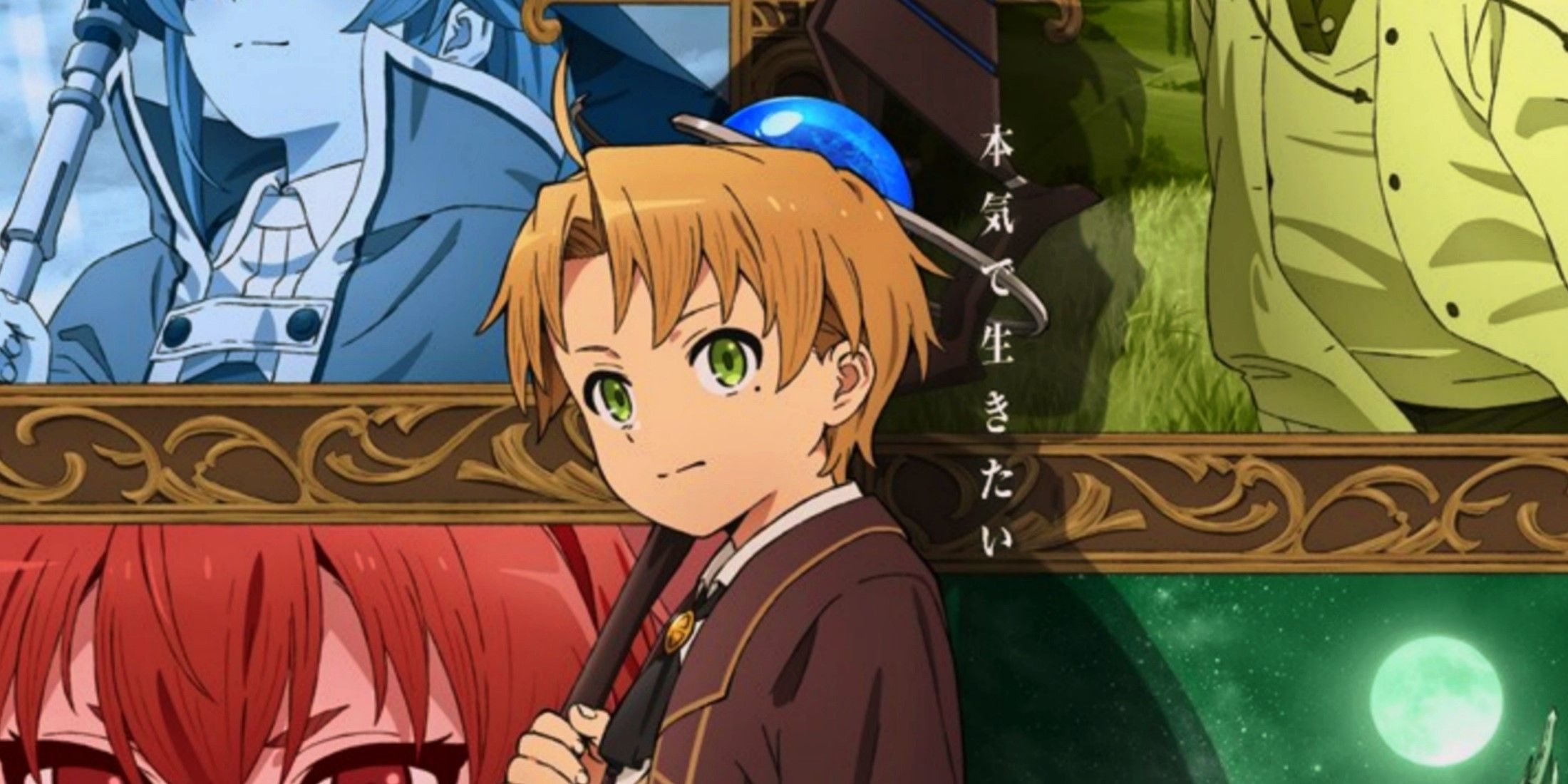
Mushoku Tensei: Jobless Reincarnation is a 2021 anime series that falls into the ‘isekai’ genre, meaning it features a character transported to another world. It’s based on a light novel series written by Rifujin na Magonote. The story centers on Rudeus Greyrat, a 34-year-old man who is reborn into a new life while retaining all of his memories. He wasn’t a particularly good person in his previous life. However, the series faced criticism due to scenes in early episodes where Rudeus, though mentally an adult, inappropriately touched his cousin while she was asleep.
Some viewers criticized the show for focusing on a flawed character instead of a traditional hero. Others defended it, explaining that while the main character, Rudeus, starts out unlikeable, the story shows him gradually changing his bad habits and selfish behavior. Some fans also pointed out that the criticism often came from people who hadn’t seen the entire series or were confusing elements from the original light novel with the anime adaptation.
Read More
- Forza Horizon 6: Find the Ohtani Treasure Chest Location
- NTE Drift Guide (& Best Car Mods for Drifting)
- Diablo 4 Best Loot Filter Codes
- Conduit Crystal Location In Subnautica 2
- Boruto: Ikemoto Has Already Hinted At Sasuke’s New Eye After Return
- Where to Find Prescription in Where Winds Meet (Raw Leaf Porridge Quest)
- USD RUB PREDICTION
- Deltarune Chapter 1 100% Walkthrough: Complete Guide to Secrets and Bosses
- Brent Oil Forecast
- GBP CNY PREDICTION
2026-05-24 22:36