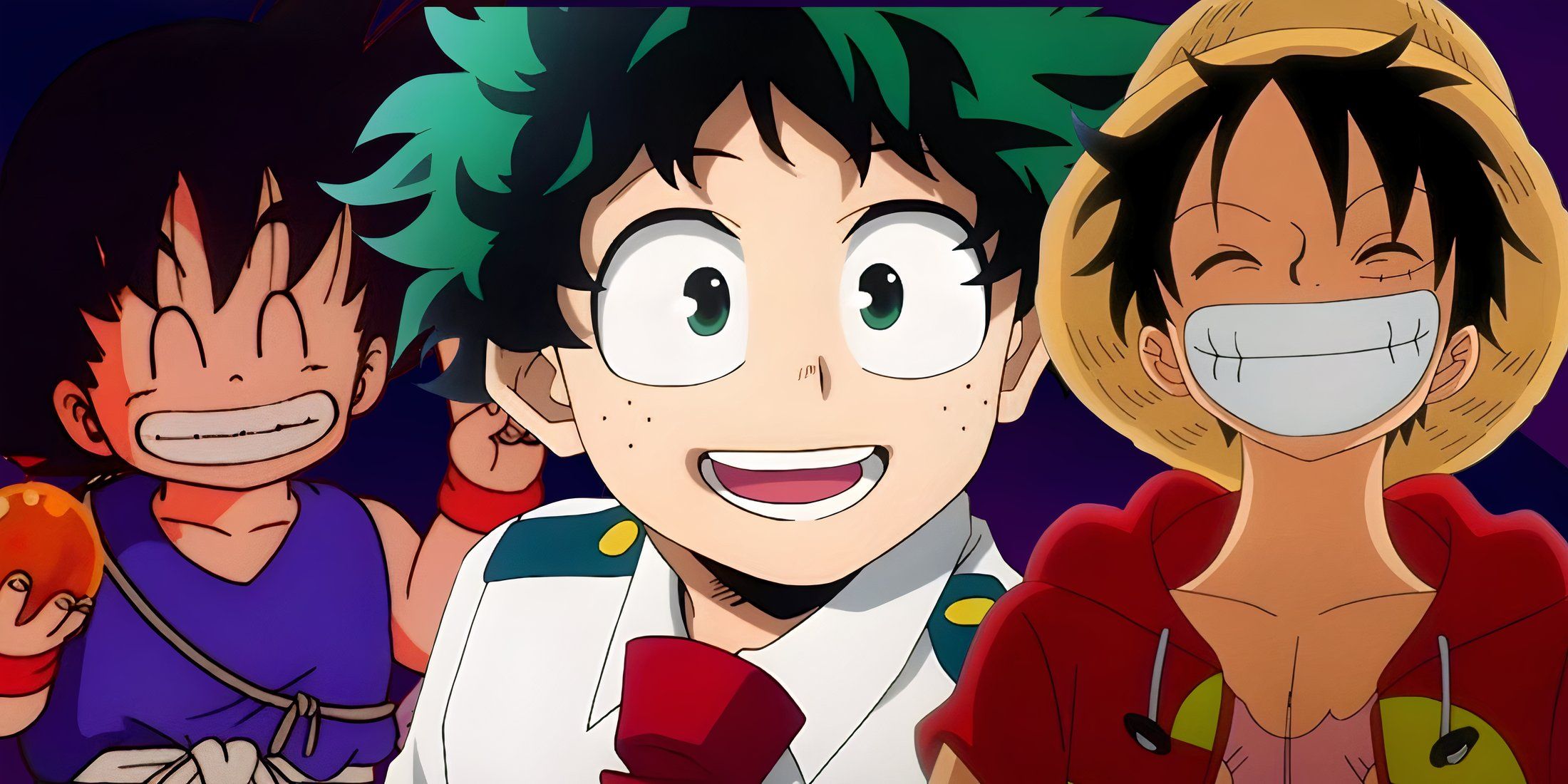
Though often seen as a tribute to Western comic books, My Hero Academia by Kohei Horikoshi actually draws heavily from classic Japanese anime. Before becoming a successful manga artist, Horikoshi spent his youth at Nagoya University of Arts constantly drawing robots and ninjas. His journey wasn’t just about learning to draw; he also worked as an assistant to Yasuki Tanaka, hoping to learn the storytelling techniques of the masters before him.
My Hero Academia isn’t just a standalone story; it’s a clever blend of creator Kohei Horikoshi’s childhood passions. The series draws on everything from 80s robot anime to the iconic heroes of 90s Shōnen, and it succeeds because it understands what truly resonates with audiences. By looking at the shows that inspired Horikoshi’s creativity – the same ones he’d dress up as as a child – we can see how he ultimately reimagined the superhero genre for a global audience.
Mashin Hero Wataru
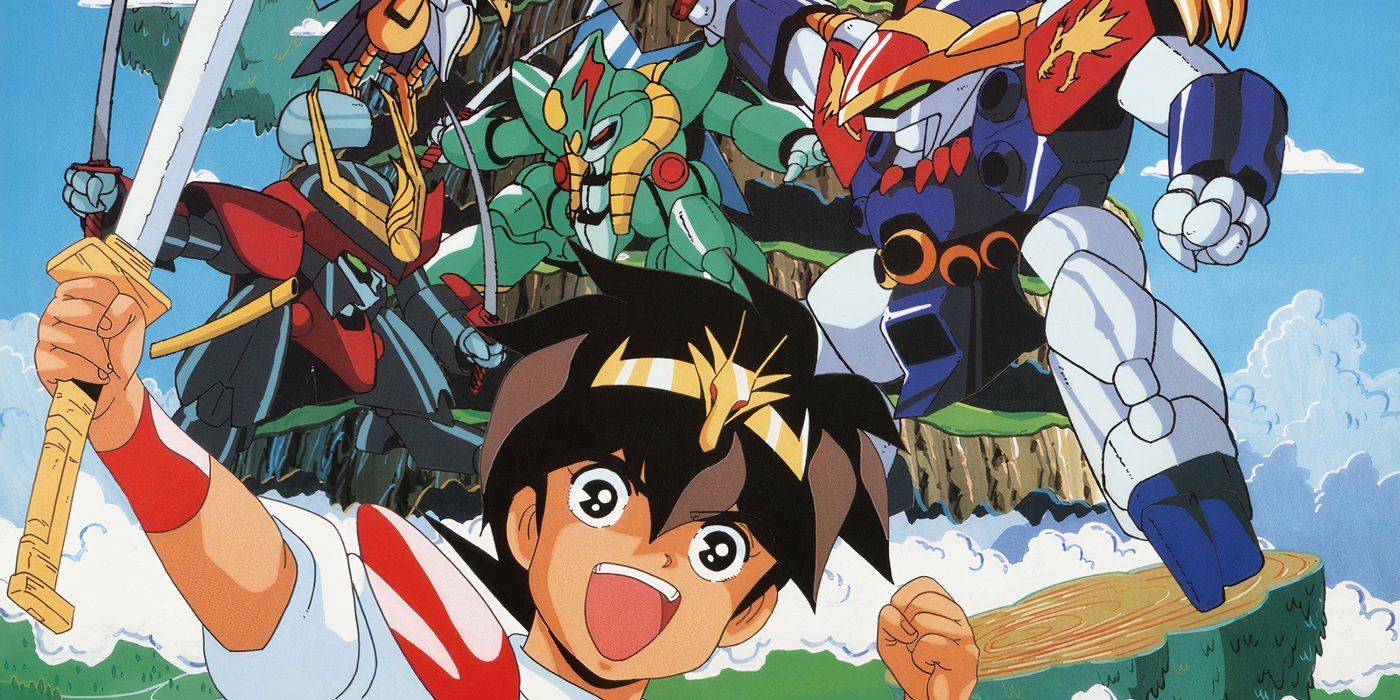
Even before becoming a professional artist, Horikoshi was fascinated by heroic characters, sparked by a classic robot anime he watched in kindergarten. He shared in an interview that he drew similar characters as a child, and this early passion resurfaced later in the series’ climax. The Armored All Might suit is a clear tribute to the blocky, mechanical designs of Mashin Hero Wataru, showing that Horikoshi always maintained a fondness for those early mecha aesthetics.
The influence goes deeper than just the visuals, connecting to the strong sense of heroism that creator Kohei Horikoshi brings to his work. While Western audiences might not recognize it, those familiar with classic Japanese heroes like Zurugibe Shibaraku and the characters from Wataru will see echoes of those designs in the support gear and costumes of My Hero Academia. Horikoshi successfully blends the traditions of classic shōnen manga with the mecha influences of his youth, creating a world that feels both familiar and futuristic.
Akira
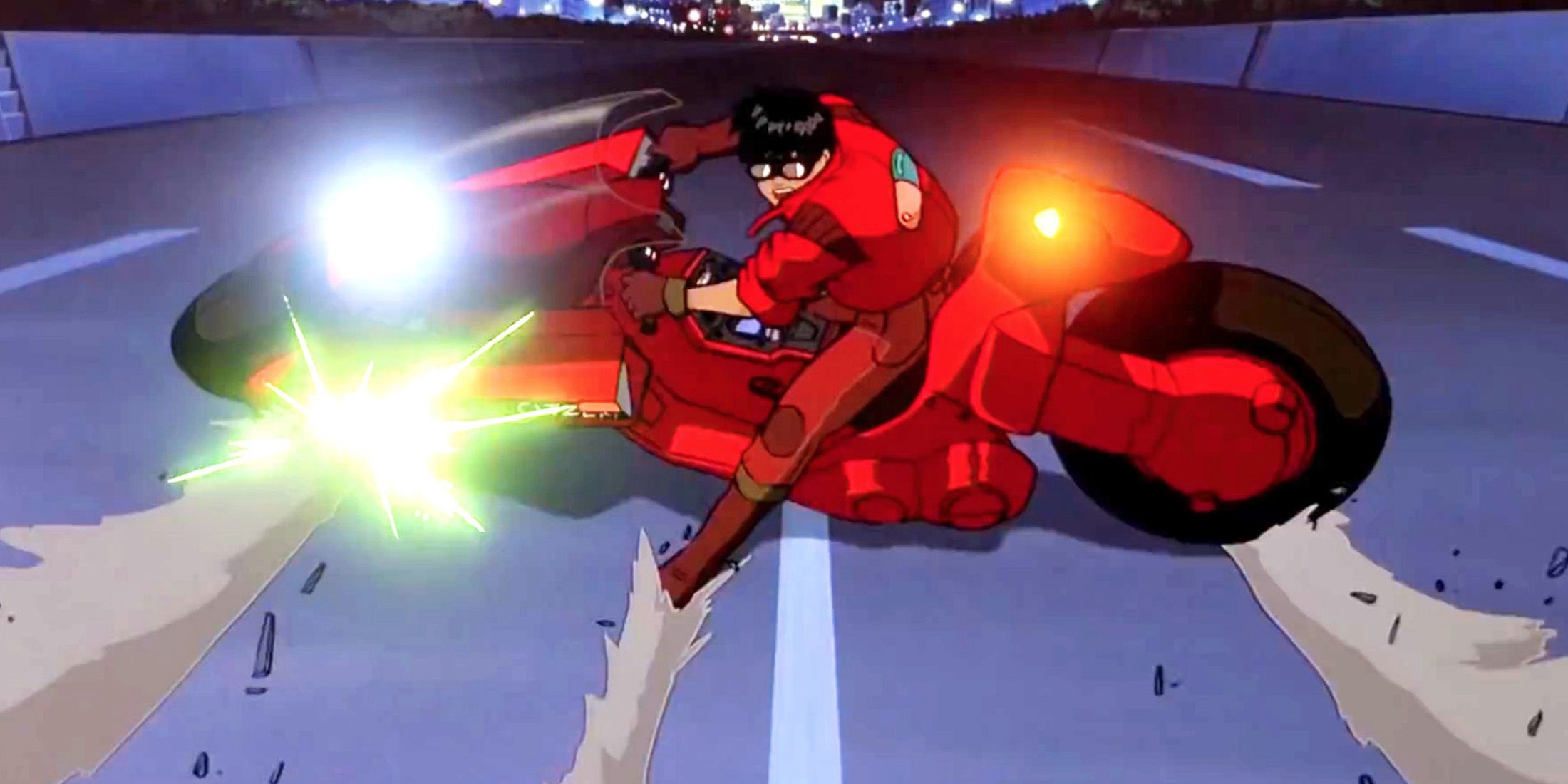
Despite being more hopeful than Akira, My Hero Academia shares a similar tone, grand scope, and focus on important themes. Horikoshi, the creator of My Hero Academia, has cited Akira as a favorite, and this influence is clear in how both series portray power – not just as something heroic, but as potentially unstable, damaging, and harmful to the mind.
The way society crumbles in the anime Akira is echoed later in My Hero Academia, where the world of heroes begins to fracture under the strain of uncontrolled superpowers. Kohei Horikoshi, the creator of My Hero Academia, honed his skill for blending exciting action with realistic consequences during his studies at Nagoya University of Arts and while assisting Yasuki Tanaka – a technique that Akira popularized in the 1960s. Like in Akira, My Hero Academia demonstrates that power always comes with a cost.
One Piece
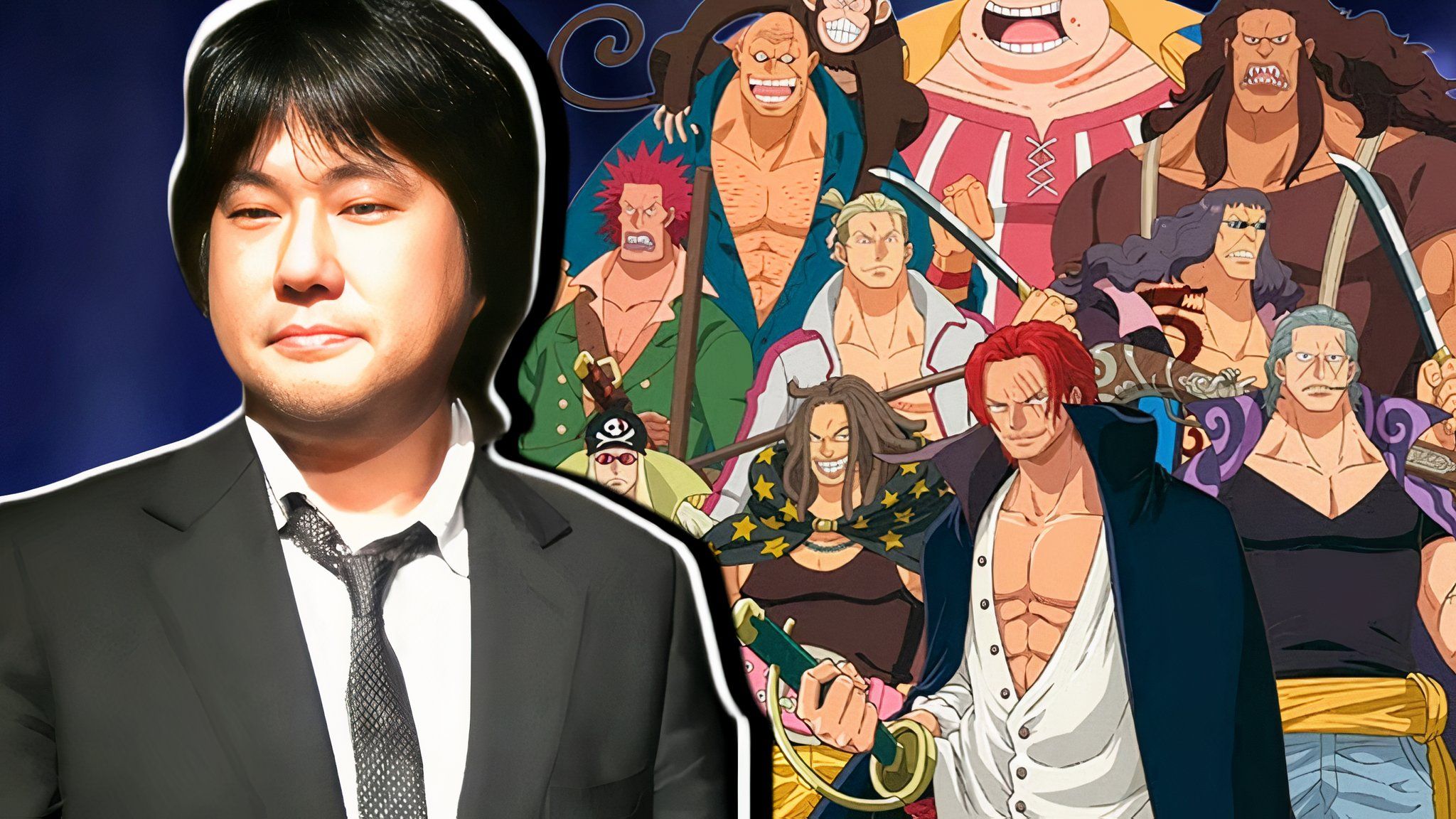 Image by Rei Penber/ Game Rant
 Kohei Horikoshi, the creator of the series, openly wants to create something as grand as One Piece. He deeply admires Eiichiro Oda’s incredible world-building and character development, and this influence is clear in how he handles the large cast of students in Class 1-A. Instead of relegating supporting characters to the background, Horikoshi strives to give each student a meaningful story arc, learning from Oda’s successful approach to balancing the Straw Hat crew over many years.
This impact stems from how large story arcs, like the Paranormal Liberation War, dramatically change the world within the series. Horikoshi studied how Oda raised the stakes in One Piece – not just with power levels, but also by building a rich history and emotional weight into the world itself. He aimed to create a similar sense of deep history and legacy, making his universe feel alive and populated by characters connected through generations, much like the One For All lineage.
You can lose your way as an individual, or as part of a group, but you can never lose your humanity. – Bon Clay
Bleach
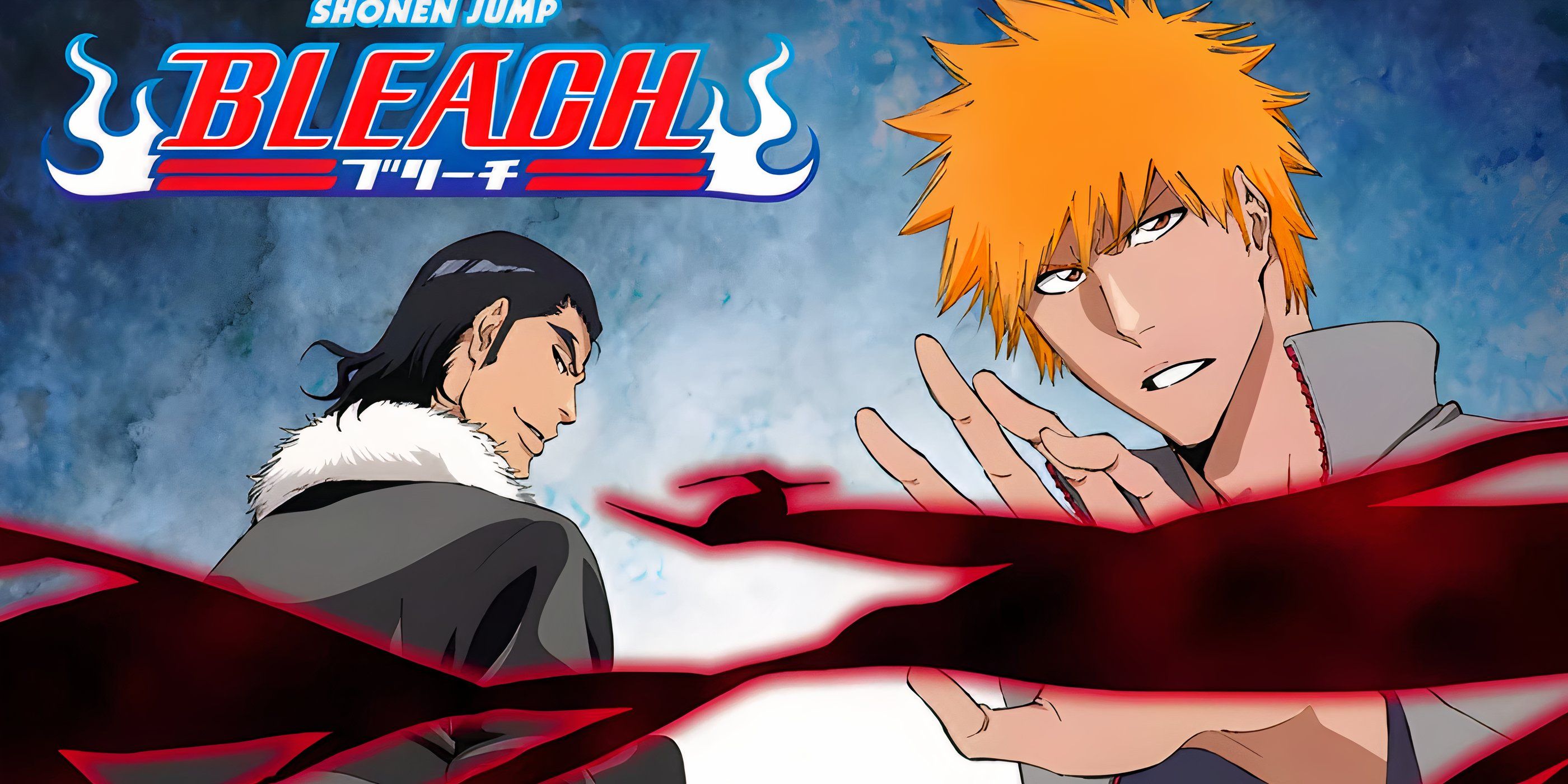
In My Hero Academia, the series’ main villain, All For One, shares striking similarities with Sosuke Aizen from Bleach. Both characters are master manipulators who coldly orchestrate events over long periods. Just as Aizen used the lives and conflicts within the Soul Society to achieve his goals, All For One has spent generations manipulating people to further his own ambitions and elevate his power.
Kubo’s impact is also felt in how the series explores its characters’ inner lives. The way Deku communicates with the past users of One For All inside his mind is very similar to the conversations Ichigo had with Zangetsu. Horikoshi took the concept of a power source having its own mind and backstory and adapted it into a multi-generational legacy that defines the entire story.
Dragon Ball
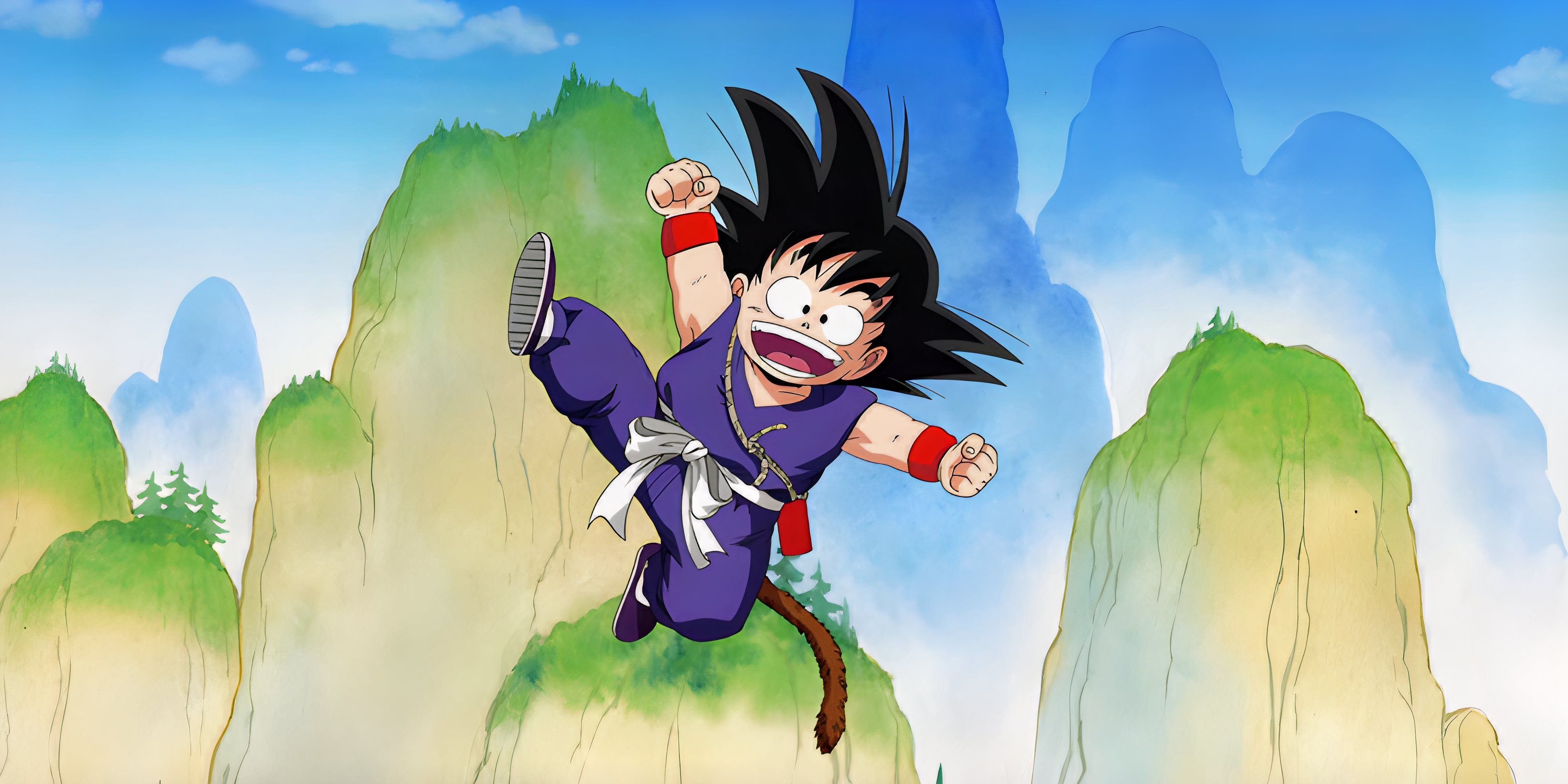
Nearly all modern action-packed anime and manga (known as Shōnen) owe a lot to Dragon Ball, and you can even see its influence in My Hero Academia‘s power system. All Might, with his role as a symbol of peace, clearly follows in the footsteps of Goku, creating a sense of security just by existing. The My Hero Academia motto, “Plus Ultra,” echoes the Saiyans’ relentless drive to push beyond their limits, even when facing impossible odds. Just like the characters in Dragon Ball, every battle makes the heroes of My Hero Academia stronger.
As a huge fan, I’ve always noticed how much the action in My Hero Academia reminds me of classic Dragon Ball fights! It’s not just the power levels, but the way everything feels – the sheer impact of the attacks and how the environment gets completely wrecked during a big showdown between Deku and Bakugo, for example. Horikoshi really nailed that over-the-top, explosive energy of 90s Shonen battles and brought it into his own amazing superhero world. He clearly honors that legacy, and it’s a big part of what makes the fights so exciting!
Naruto
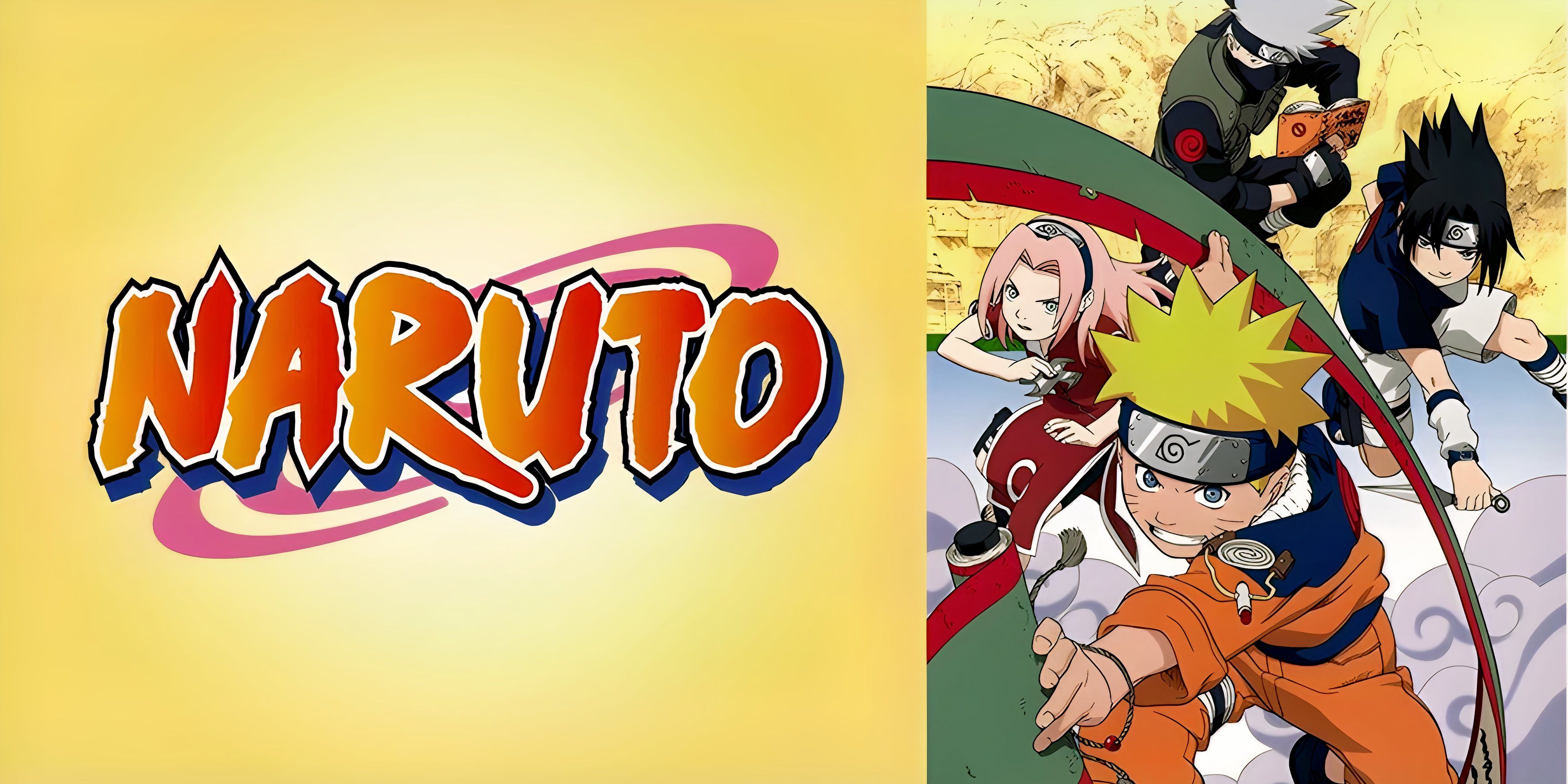
The creator of My Hero Academia, Horikoshi, has stated that Naruto is the best Shōnen manga ever made, and the similarities between the main characters, Midoriya and Naruto, are clear. Both started as underdogs – Midoriya was born without a Quirk, and Naruto was seen as a hopeless outcast – but each gained a unique power that eventually became their own. The way Deku develops his relationship with the One For All quirk mirrors the bond between Naruto and Kurama, showing that true power isn’t just inherited, but built through character and effort.
Both series share a core idea: nothing is achieved in isolation. In the final chapters of Naruto Shippuden, Naruto’s victory over Kaguya and Sasuke wasn’t due to his own strength, but the bonds he’d formed with friends and the ninja world. Similarly, Deku’s final fight against All For One and Shigaraki highlighted the unwavering support of his Class 1-A classmates. This emphasis on the strength of relationships, rather than individual power, serves as a fitting tribute to Kishimoto’s lasting impact.
Read More
- All Shadow Armor Locations in Crimson Desert
- Sega Reveals Official Sonic Timeline: From Prehistoric to Modern Era
- Dark Marksman Armor Locations in Crimson Desert
- Genshin Impact Dev Teases New Open-World MMO With Realistic Graphics
- The Limits of Thought: Can We Compress Reasoning in AI?
- Where to Pack and Sell Trade Goods in Crimson Desert
- How to Beat Antumbra’s Sword (Sanctum of Absolution) in Crimson Desert
- Enshrouded: Giant Critter Scales Location
- Who Can You Romance In GreedFall 2: The Dying World?
- Keeping AI Agents on Track: A New Approach to Reliable Action
2026-01-22 16:35