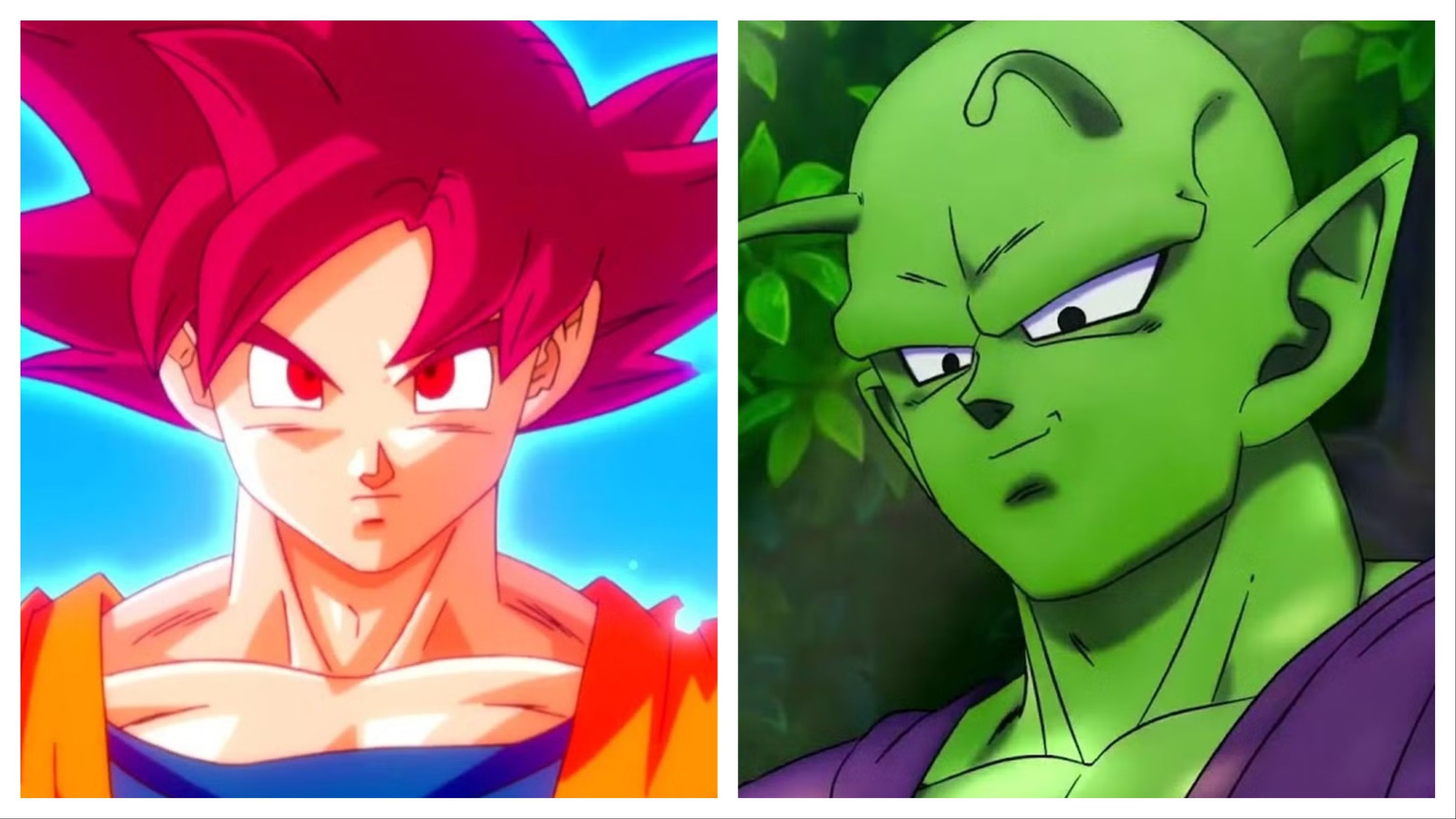
The Dragon Ball series occasionally feels dated – things like Master Roshi’s behavior and the fashion from the original anime definitely show its age. However, Akira Toriyama’s creativity remains strong, which is why Dragon Ball is still so popular today. The series introduced or refined many common anime and storytelling elements.
Shonen anime often relies on familiar themes and patterns, which can be very appealing to viewers. Dragon Ball is a prime example, successfully combining these well-established elements into something enjoyable for fans of the genre. It popularized many tropes that Dragon Ball and Dragon Ball Z mastered years ago, and it remains difficult for newer anime to replicate that success.
Dragon Ball’s Power-Ups Are Simple Yet Effective
Glow-Ups Are Literal in Goku’s World
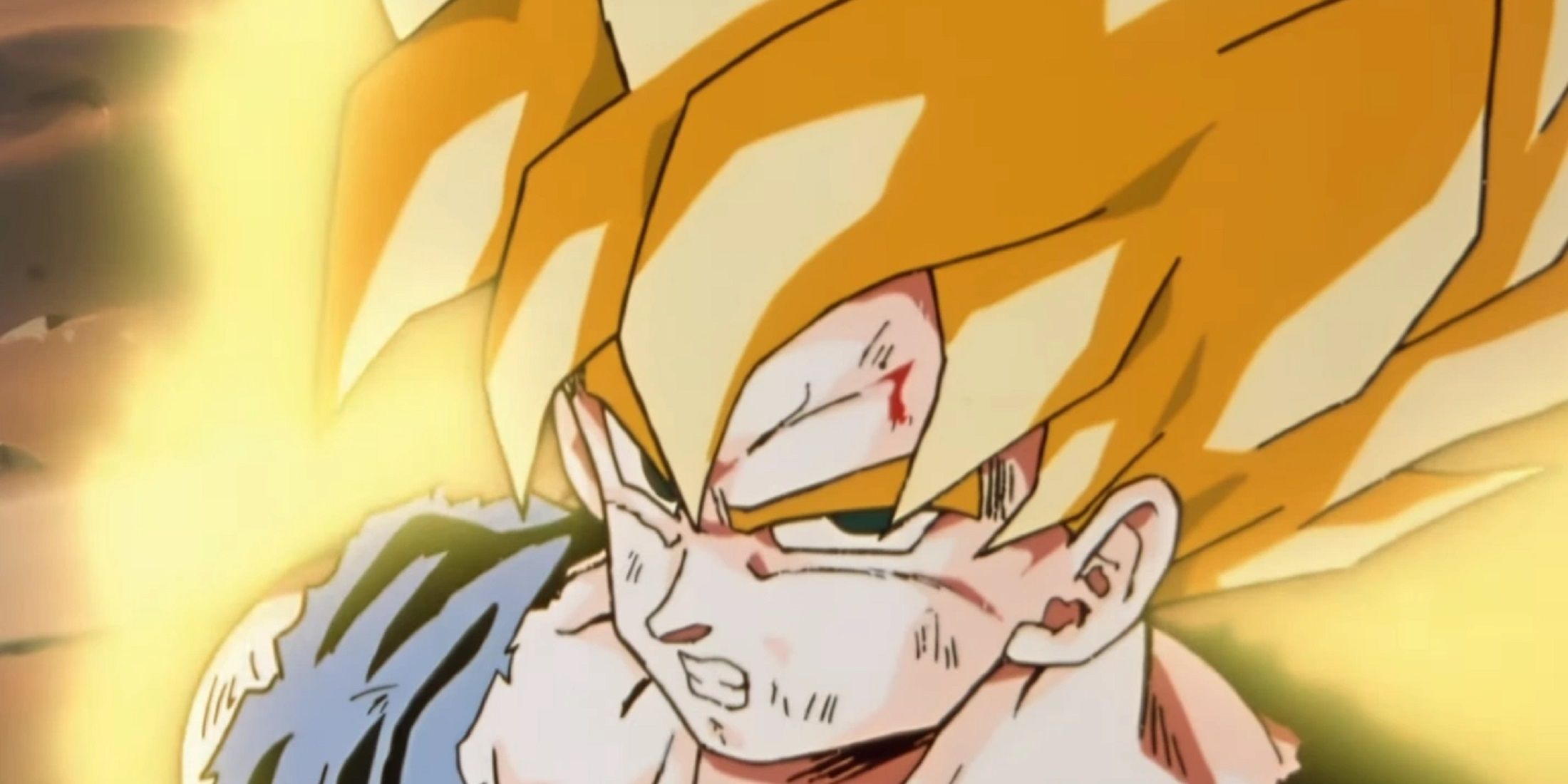
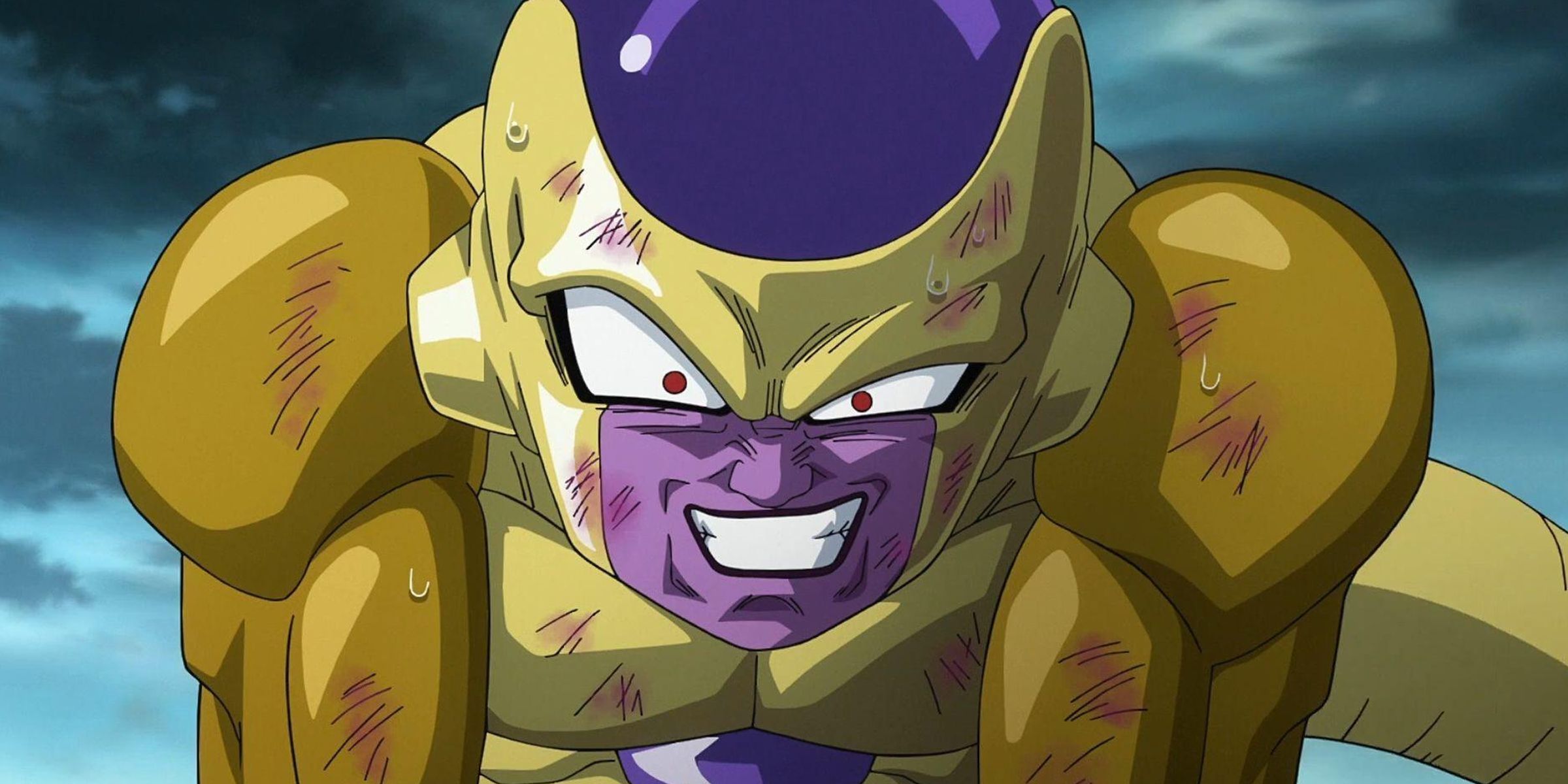
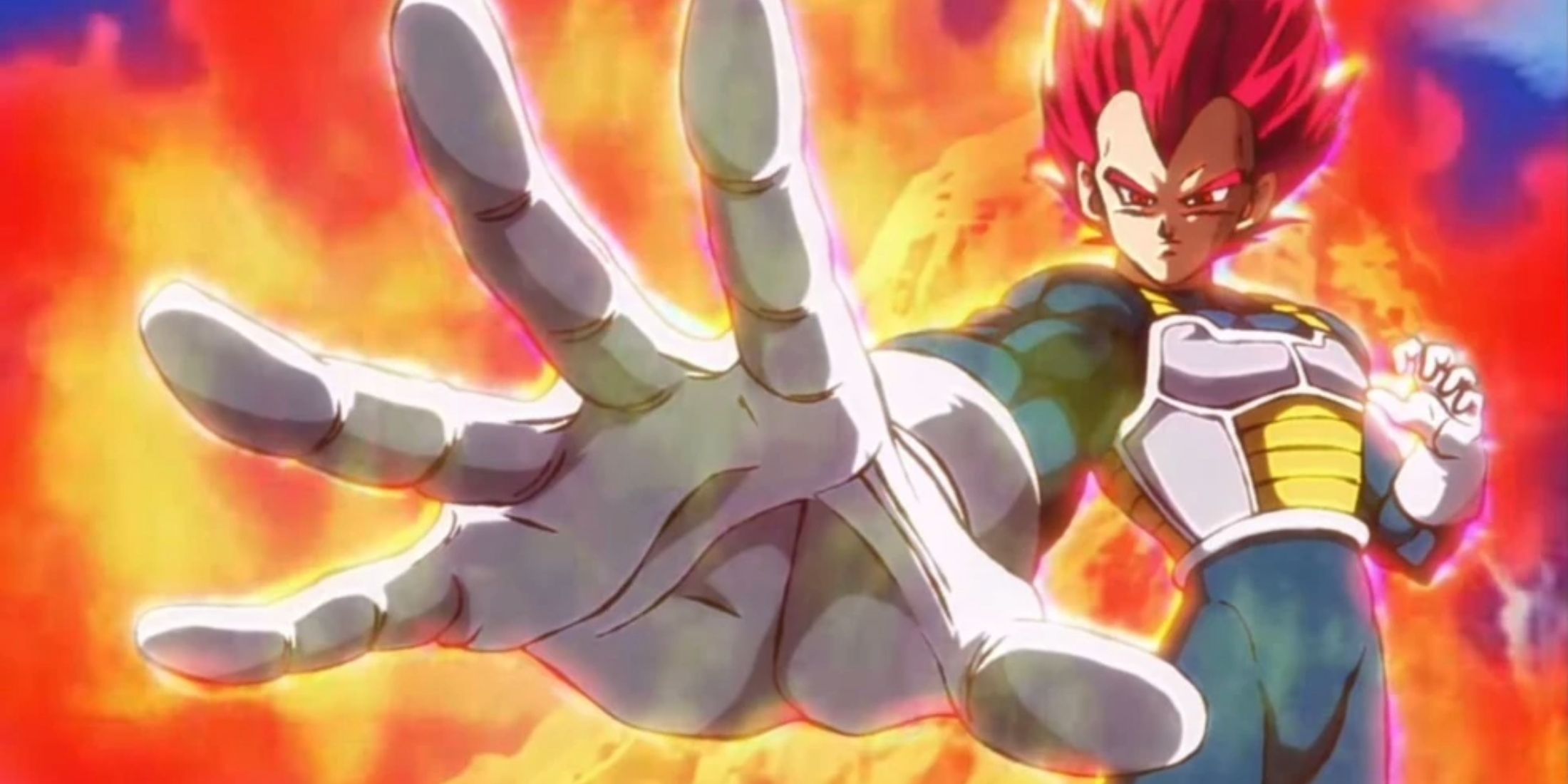
Transformations are central to the fighting in Dragon Ball, and becoming a Super Saiyan is arguably the most famous transformation in all shonen anime. While fans debate which series has the best transformations, many feel that One Piece, Attack on Titan, and even newer shows like Dandadan (with Okarun’s changes) and Bleach (with its zanpakuto) have built upon the foundation Dragon Ball originally laid.
Despite their straightforward nature, Dragon Ball‘s transformations are remarkably effective. While forms like Super Saiyan God are relatively complex, the series ultimately mastered this common trope by avoiding unnecessary complications. The idea of powerful warriors simply powering up into new forms is brilliantly simple, and even with that simplicity, these transformations remain some of the best in the shonen genre.
Dragon Ball’s Power Scaling is Smooth and Always Exciting to Watch
Getting Stronger is the Spirit of Dragon Ball
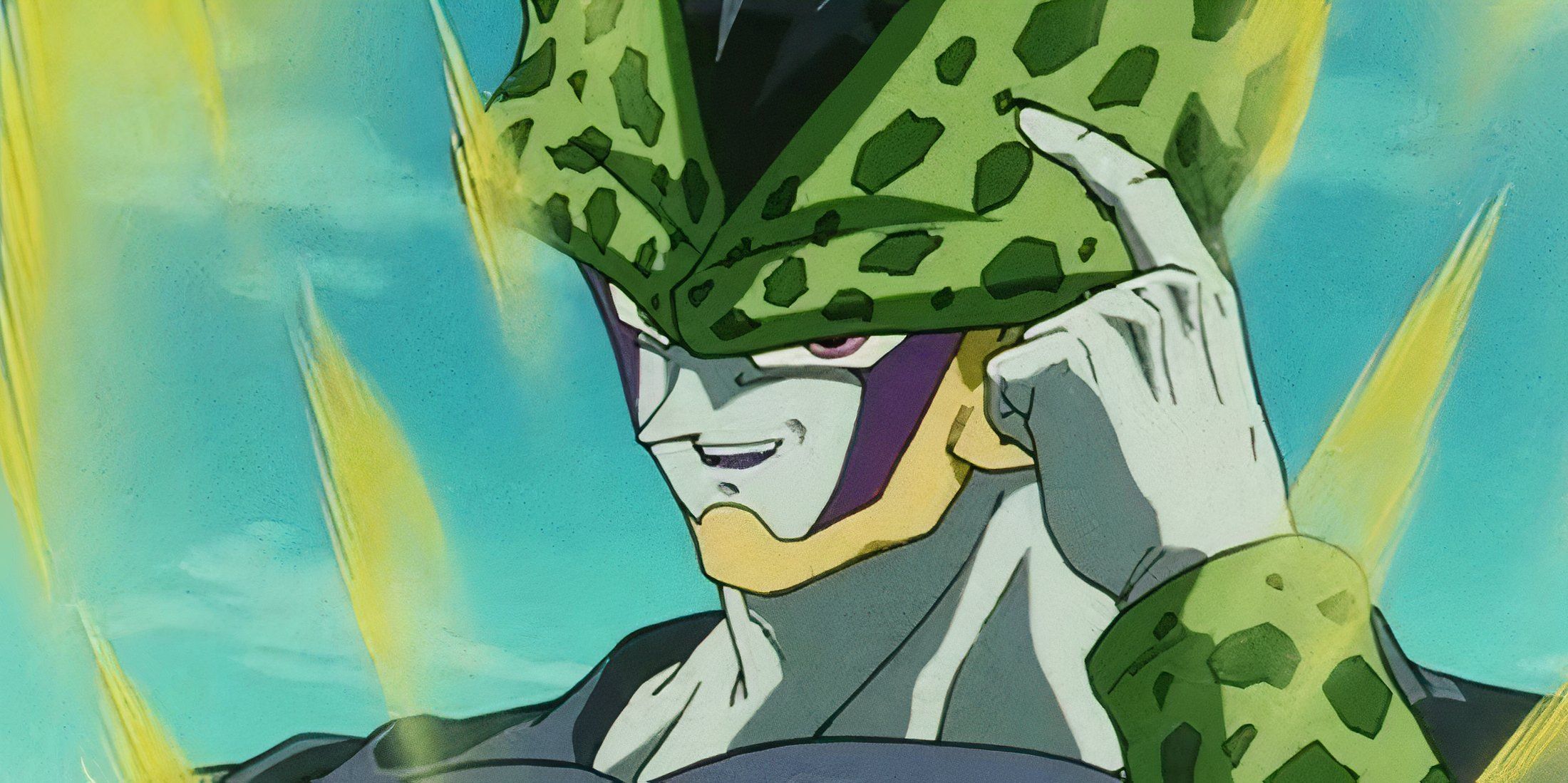
While not a strict storytelling rule, power scaling – the increasing strength of characters – is extremely common in shonen anime and feels like a familiar element. Most action anime, whether they involve superpowers or not, constantly raise the stakes by making their fighters more powerful and skilled. However, if not handled carefully, power scaling can become a problem, leading to rushed pacing or forced plot points. For example, the way power levels increased in Naruto ultimately undermined the series’ initial focus on subtle ninja techniques.
One of the reasons Dragon Ball has remained so popular for so long is its simplicity. Akira Toriyama understood exactly what was needed to create exciting fights with memorable characters – he didn’t overcomplicate things. This also applies to how power levels increase, which followed a clear and logical progression with strength, transformations, and energy attacks. Even in Dragon Ball Super, the power scaling stayed consistent because it was so easy to follow. While predictable, this straightforward approach makes it accessible and enjoyable for everyone.
Dragon Ball’s Himbo Trope Makes Goku Such a Lovable Doofus
Goku is a Meathead With a Big Heart
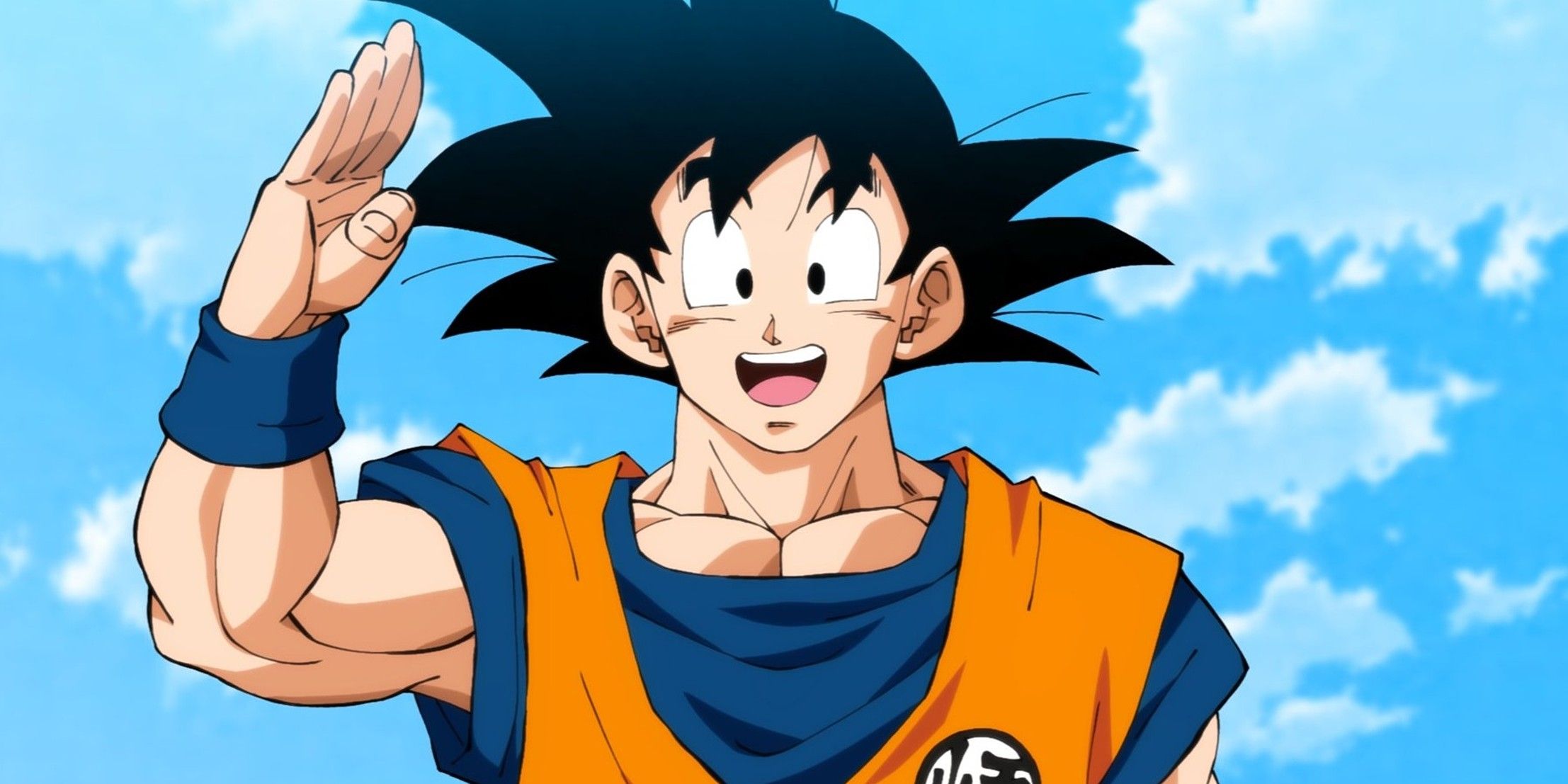
Okay, so the ‘himbo’ character type isn’t exactly known for being complex, and honestly, it’s pretty surface-level. But when an anime nails it with the right character, it’s incredibly endearing! I think Son Goku really set the standard – he was the original, and you can totally see his influence in characters like Naruto, Luffy, and even Natsu. It usually comes with a huge appetite and that sweet, slightly clueless personality – it’s just a really fun dynamic!
 Find all 10 pairs Results
Dragon Ball continues to succeed by sticking to what works and keeping things easy to understand, making it consistently appealing to a wide audience. It’s interesting how the series can be both creative and surprisingly traditional in its character designs – it even popularized the ‘himbo’ archetype and then stuck with it. Dragon Ball doesn’t try to reinvent the wheel, and that’s why Goku remains such a beloved and memorable character. He’s a straightforward, good-natured alien – a bit like Superman with a tail – who simply enjoys food, friends, and a good fight.
Dragon Ball’s Tsunderes Are Still Some of the Best in Anime
Piccolo and Vegeta Care More Than They’d Ever Admit
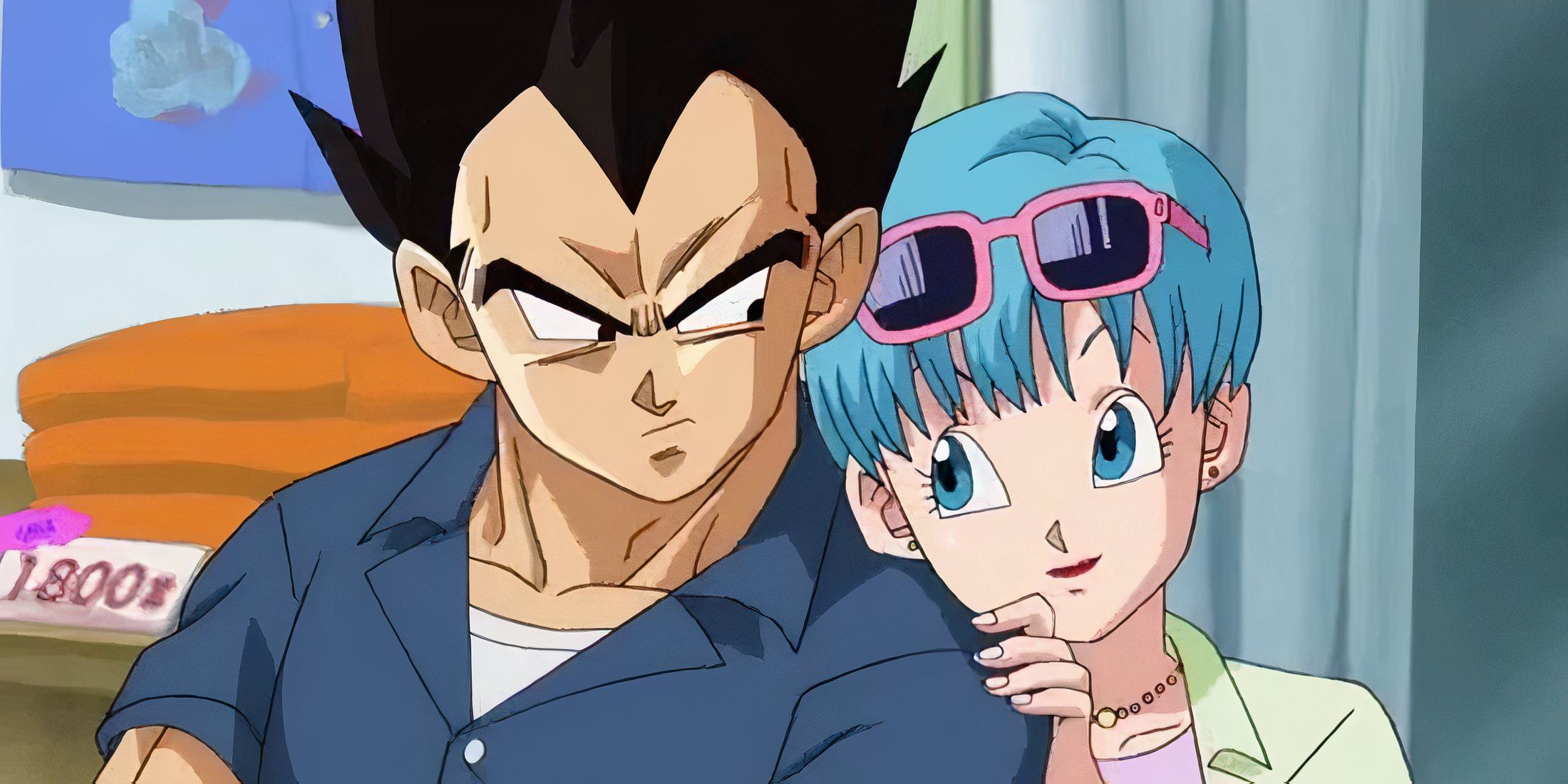
Tsundere characters are common in anime and often act tough or distant at first, eventually showing a softer, more caring side to those they trust. This can make them feel complex and believable, but sometimes, like with characters such as Taiga Aisaka, Akane Tendo, and Asuna Kagurazaka, it can come across as overly aggressive. The anime Dragon Ball actually featured some of the earliest examples of this character type.
While Prince Vegeta of the Saiyans certainly did some terrible things – like killing the Namekians and never truly apologizing – he’s become a fan favorite over time. After the events of the Namek Saga, he transitioned from a villain into a lovable antihero, offering his support to the Z Fighters in his own unique, tough way. He’s also evolved into a dedicated family man, fiercely protective of his wife and children and quick to defend them from any perceived slight.
Dragon Ball’s MacGuffins Are the Most Iconic in Shonen Anime
The Franchise Was Even Named After Them
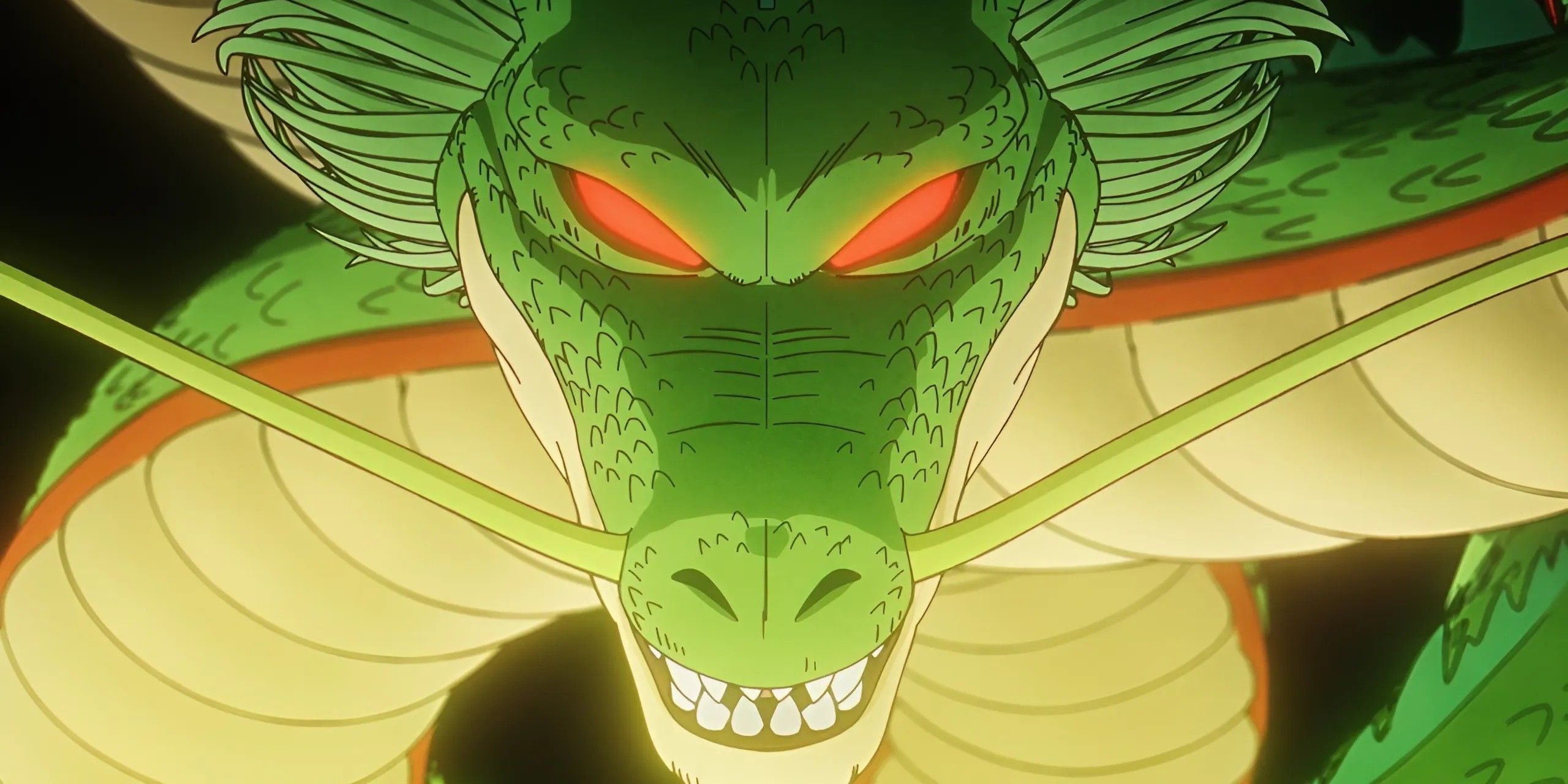
As a huge shonen anime fan, I’ve noticed something really interesting: these shows always have these crucial items or concepts that drive the plot forward. Think about it – in Jujutsu Kaisen, it’s Sukuna’s twenty fingers, Bleach revolves around the Hogyoku, and One Piece has things like the Poneglyphs and the ultimate treasure. Some of these plot devices are really over-the-top, but honestly, nothing beats the iconic Dragon Balls. They’re legendary, and the way they can be used in a story is just so versatile!
Most story elements serve a single purpose, but the Dragon Balls are different, which is a big part of what makes Dragon Ball so enjoyable. When all seven Dragon Balls are gathered and Shenron appears, almost any outcome is possible through a wish. This means both the heroes and villains in the series have good reason to search for them, and many storylines revolve around who finds the balls and what they decide to wish for. While the Dragon Balls weren’t used as often in Dragon Ball Super, they still played a crucial role – like when Zamasu used them to swap bodies with Goku and begin his plan for destruction.
Dragon Ball’s Redeemed Villains Have Become Incredible Heroes
It’s Strange to Think of Piccolo and Vegeta as Villains
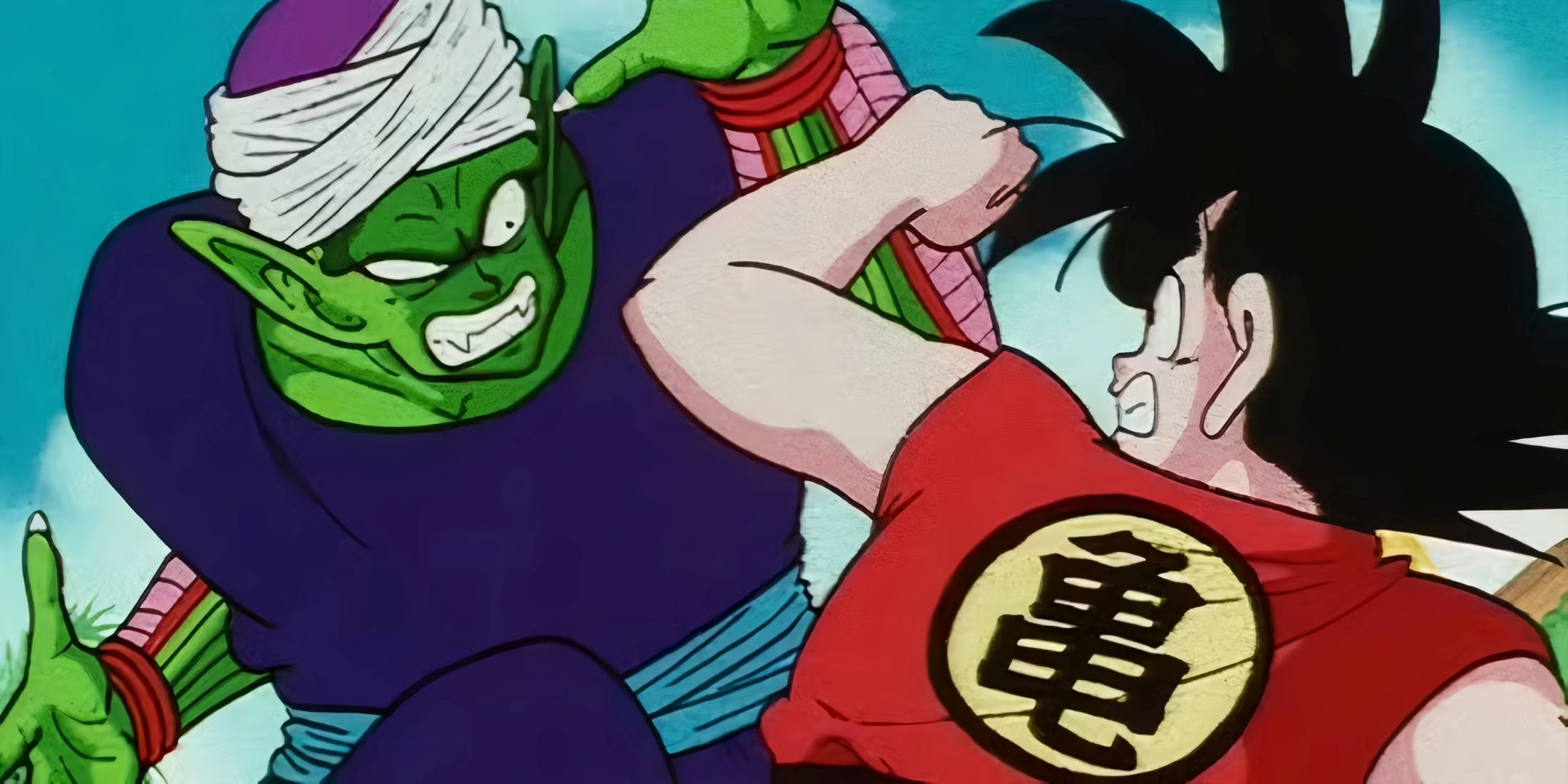
It’s always great to see villains turn good in anime, showing a kinder side and moving away from their evil ways. While characters like Grimmjow from Bleach or Scar from Fullmetal Alchemist: Brotherhood becoming helpful antiheroes is satisfying, Dragon Ball really pioneered this idea. The redeemed villains in Dragon Ball are among the earliest and most impactful examples of this trope in modern action anime.
The story pattern of enemies becoming allies is a huge success in Dragon Ball, most notably with Piccolo and Vegeta. The original King Piccolo was incredibly ruthless, similar to Frieza, but after being reborn, he showed potential for heroism, eventually becoming a mentor and father figure to Gohan, who even copied Piccolo’s style. Vegeta is an even stronger example – he gradually put aside his competitive nature to team up with Goku and protect the world.
Read More
- All Shadow Armor Locations in Crimson Desert
- How to Get the Sunset Reed Armor Set and Hollow Visage Sword in Crimson Desert
- All Skyblazer Armor Locations in Crimson Desert
- Best Bows in Crimson Desert
- Marni Laser Helm Location & Upgrade in Crimson Desert
- All Golden Greed Armor Locations in Crimson Desert
- All Helfryn Armor Locations in Crimson Desert
- Wings of Iron Walkthrough in Crimson Desert
- How to Craft the Elegant Carmine Armor in Crimson Desert
- Keeping Large AI Models Connected Through Network Chaos
2026-04-04 01:05