I’m a huge video game fan – I don’t just like them, I absolutely love them! And because I care so much, it really bothers me when games don’t reach their full potential. They’re such amazing, creative outlets that can offer unique fun or really make you think through interactive stories. But like any entertainment industry, sometimes it feels like too many people are chasing quick profits by following trends instead of focusing on truly original ideas.
I understand that making games is a business, and it’s true that even the most creative game won’t succeed if people don’t buy it. However, we’ve seen this year that truly original ideas can be successful on their own. That’s why it’s so disappointing to see so many current trends and pressures in the gaming industry that are crushing creativity in favor of profit and shortcuts.
7. Rushed, Broken Launches
Rush It Out, Fix It Later
Let’s be real, the gaming industry is super competitive. There are so many games fighting for our attention, and honestly, it feels like the big companies are always in a rush to get their new games out. I’ve noticed that rush often means they cut corners, and we, as gamers, definitely pick up on that. It’s frustrating when a game feels unfinished or buggy because they didn’t take the time to polish it.
As a gamer, it’s been super frustrating lately seeing big releases launch in such rough shape – full of bugs and just not running well. We don’t know exactly what went on behind the scenes during development, but it’s clear someone rushed things. They skipped important quality testing and bug fixes, just promising to patch it all up later. Honestly, I don’t want to buy a broken game and wait for it to be finished – I expect to be able to play a complete game right when I purchase it.
Even smaller, independent games have sometimes launched with issues, and it’s not just about games still being developed (like those in ‘Early Access’). I really love Hades 2, but its initial ending wasn’t well-received. The developers eventually changed it to something that fit the story better, which was great. However, I’d already finished the game by then, and I don’t really want to replay many hours just to see the updated details.
6. Unnecessary Remasters
An Eight-Year-Old Game Doesn’t Need A Remaster
While technically dating back to the late 1980s, video game remasters really took off in the late 2000s and early 2010s with releases like HD collections and trilogies. I don’t mind remasters at all – in fact, I think they’re a fantastic way to bring classic games to modern audiences by updating their visuals and gameplay for today’s hardware. However, there are simply too many remasters being released now.
Consider Tales of Berseria Remastered. It’s an updated version of a game you can still easily buy and play today, with slightly improved graphics and a few convenience features. However, it’s essentially the same game being sold again at full price – a tactic that feels like they’re asking players who already own it to pay for the same experience. This approach to releases is frustrating, particularly when other Tales games, like Tales of the Abyss, are in greater need of being remastered or preserved.
Spending so much time and money on this feels like a distraction from developing new games. It’s good to save classic games, but only if they’re truly at risk of being lost. I can still easily purchase Tales of Berseria, and it’s much more affordable.
5. Online-Only And Live-Service
Turning Games Into Jobs
I’ve never really enjoyed online games – I prefer playing when I want, not having to worry about what other people are doing. But lately, even games you play by yourself are requiring a constant internet connection, and sometimes even letting random players interrupt your experience.
The idea behind games that are always online seems to be to keep players hooked, but I personally find it more disruptive. Similarly, the continued trend of ‘live service’ games is frustrating – they constantly ask you to log in daily to collect rewards and complete repetitive tasks. These approaches make games feel less enjoyable and more like chores.
I get that gaming is a social hobby for many, and I definitely recognize the importance of online games. I even enjoy games with ongoing updates and events – I play Honkai: Star Rail myself. However, I don’t like feeling like I have to play at specific times, either dictated by the game or by other players. It starts to feel like work, and I already have a job!
4. Overpriced, Predatory DLC And Microtransactions
If It’s Not All Your Money, It’s Not Enough
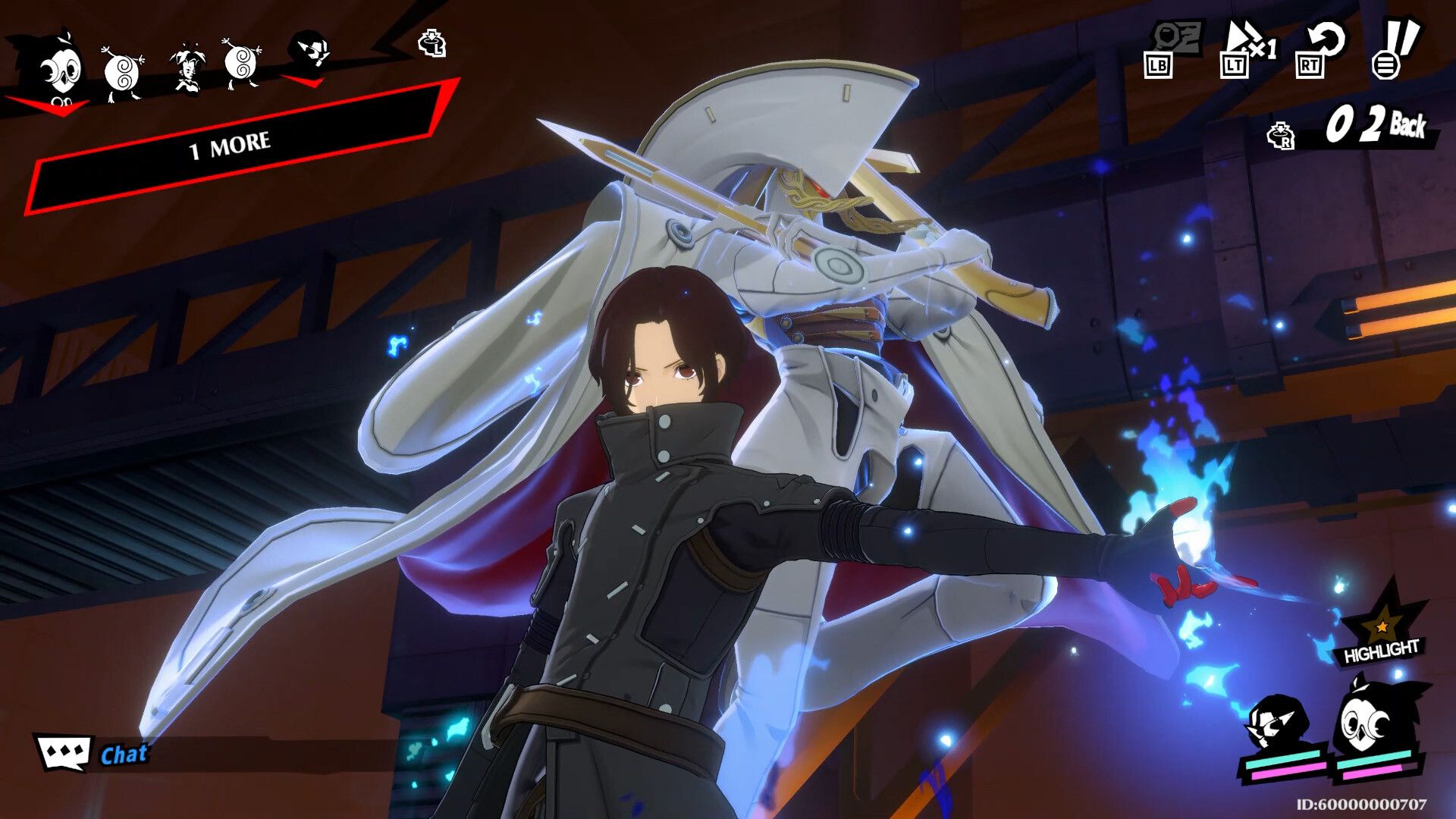
When it comes to frustrating ways games make money, downloadable content (DLC) and microtransactions are getting increasingly excessive. On top of already rising prices for everything else, these in-game purchases and expansions are becoming more expensive, but aren’t offering much extra value in return.
It feels a bit greedy that Nintendo announced downloadable content for Pokémon Legends Z-A before the game itself is even released. Even when companies don’t do that, they often release a ton of extra, often unnecessary, content right when a game launches. For example, one of my favorite games this year, Digimon Story Time Stranger, came with lots of costumes, music, and bonus dungeons, and they’re still planning more downloadable content. It’s all extra stuff, so if it’s not important enough to be included in the base game, why are they charging us extra for it?
Gacha elements, where you spend money for a chance at random rewards, continue to be a problem, especially in games originally made for phones that are now on PC, like Persona 5 X and Uma Musume. I personally don’t fall for the fear of missing out with these systems, but they can be really exploitative, and there are many online stories of people whose lives have been negatively impacted by them.
3. Graphical Realism Over Stylization
“Realism” Tends To Age Poorly
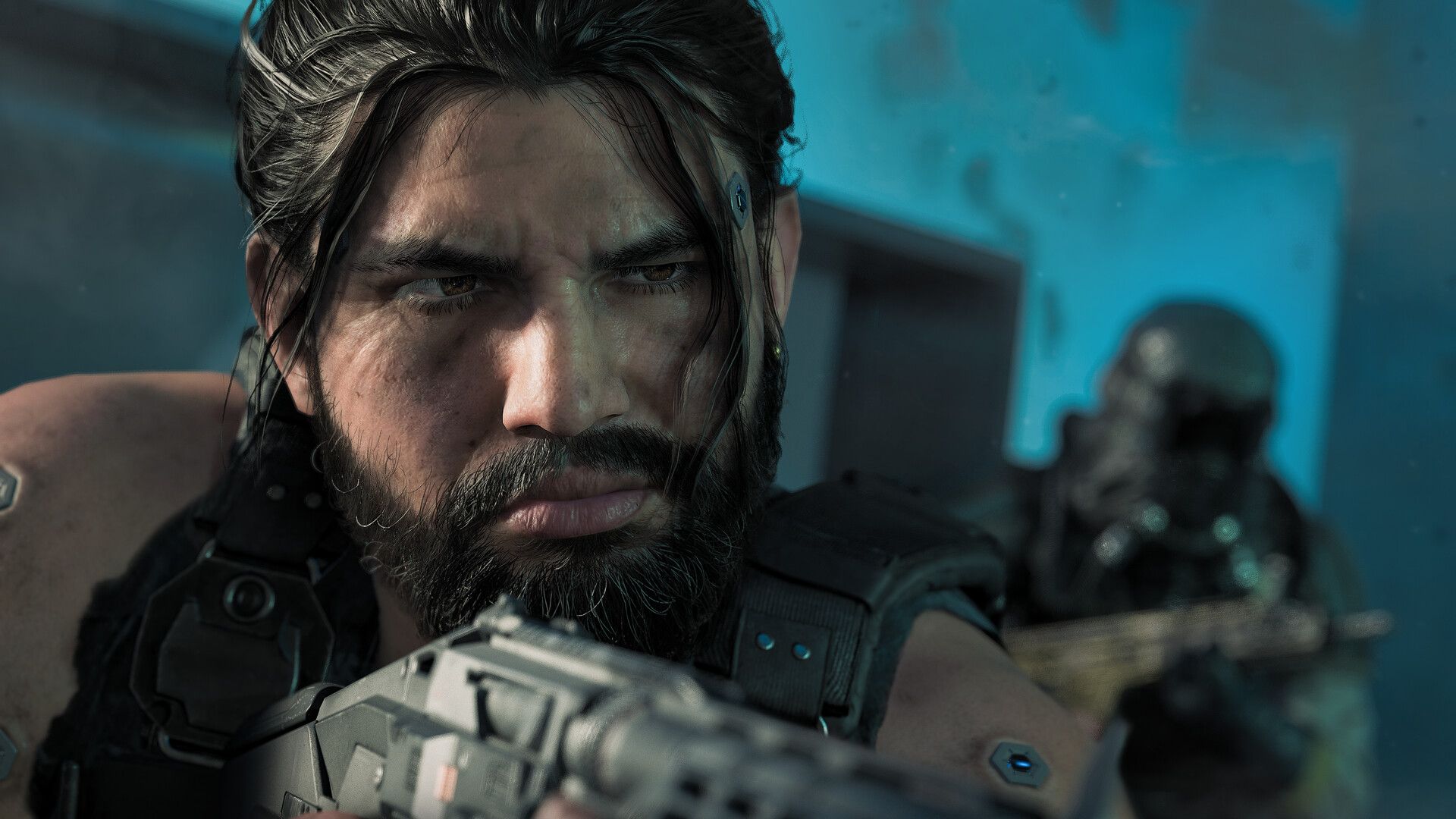
It’s funny how every few years, a new game or engine claims to have the most realistic graphics ever, but it’s quickly surpassed by something newer – and usually more expensive. Honestly, I don’t get why games focus so much on ‘realism.’ I personally like more imaginative game worlds, but even if I didn’t, realistic graphics don’t tend to hold up well over time.
As a gamer, I’ve noticed something really interesting: games with a unique art style – think bright colors, sharp angles, or just something different – tend to hold up way better over time. They don’t really date because the style isn’t trying to be perfectly realistic. But those games that go for super-realistic graphics? They can look pretty rough after just a few years, and sometimes even a bit creepy. It’s like they fall into this weird ‘uncanny valley’ where they don’t look good anymore. I’m sure big game companies would rather we just buy the newest titles, but I love revisiting older games, and it’s a shame when the graphics hold that back.
Striving for realism in games seems pointless when so many of the year’s best titles aren’t realistic at all. Plus, constantly chasing realism significantly increases development costs, and those costs ultimately get passed on to players.
2. Trend-Chasing
Stop Trying To Make “Fetch” Happen
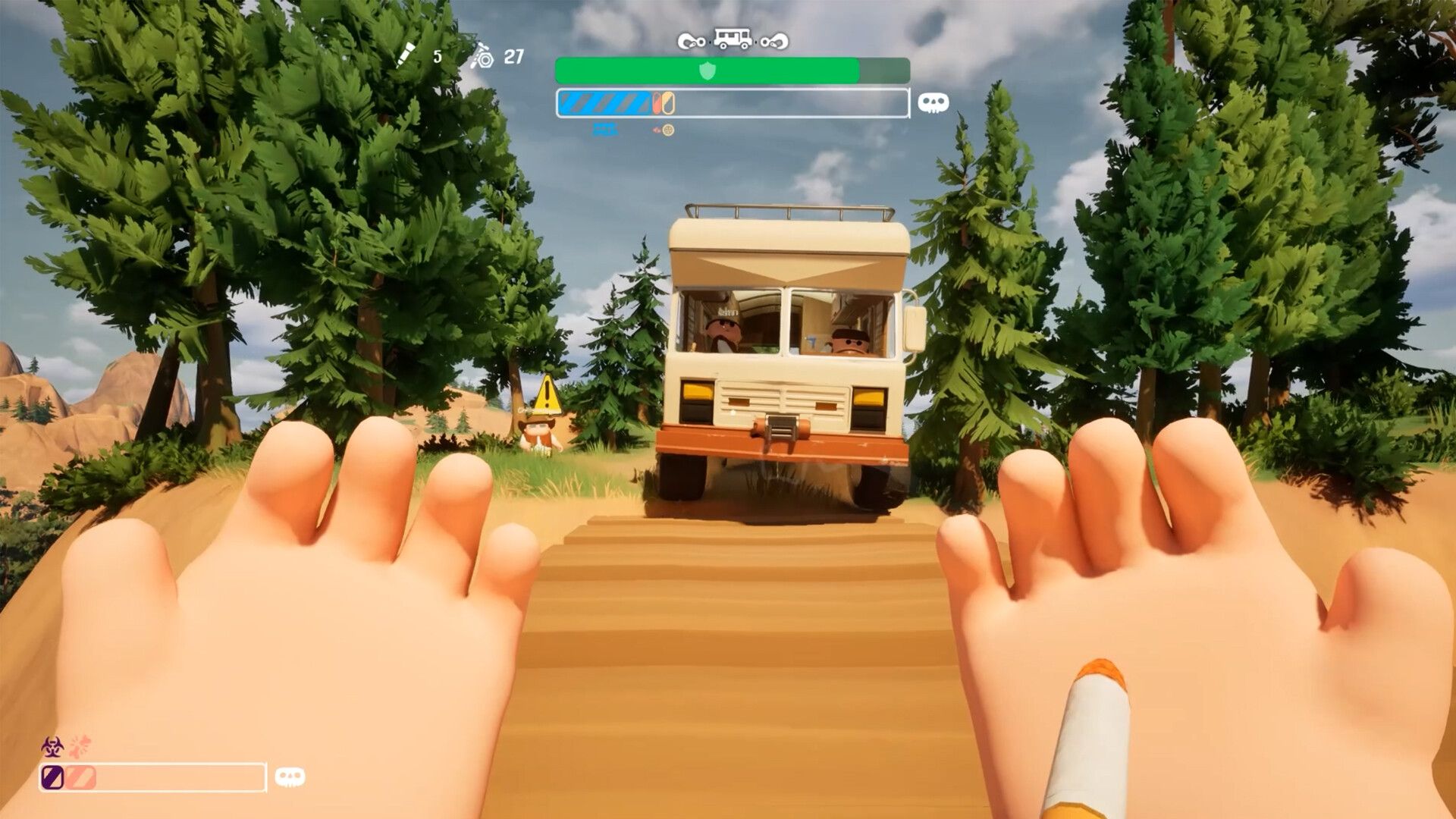
I clearly remember when Fortnite became incredibly popular – suddenly, a lot of similar third-person shooter battle royale games appeared. It was easy to understand why; Fortnite was making a huge amount of money, and other companies wanted to capitalize on its success. It’s a classic example of following a trend, and the impact is still felt in the gaming industry today.
When a popular and successful game is released, someone inevitably tries to copy it, hoping to make a quick profit with minimal effort. This often leads to a flood of uninspired clones that borrow the look and feel of the original without understanding why it was so good. Even if these copycat games are somewhat enjoyable, like Elden Ring Nightreign, they feel driven by profit rather than genuine creative passion.
It’s not just the huge game companies, either. I’ve noticed even smaller, independent developers jumping on the bandwagon, trying to copy what’s popular with games like Balatro and PowerWash Simulator. Honestly, it’s gotten to the point where there’s a whole wave of ‘Friendslop’ games clearly inspired by the success of titles like Phasmophobia. It feels like everyone’s chasing the next big trend!
1. The Dark Temptation Of AI
Clankers Can’t Make Games
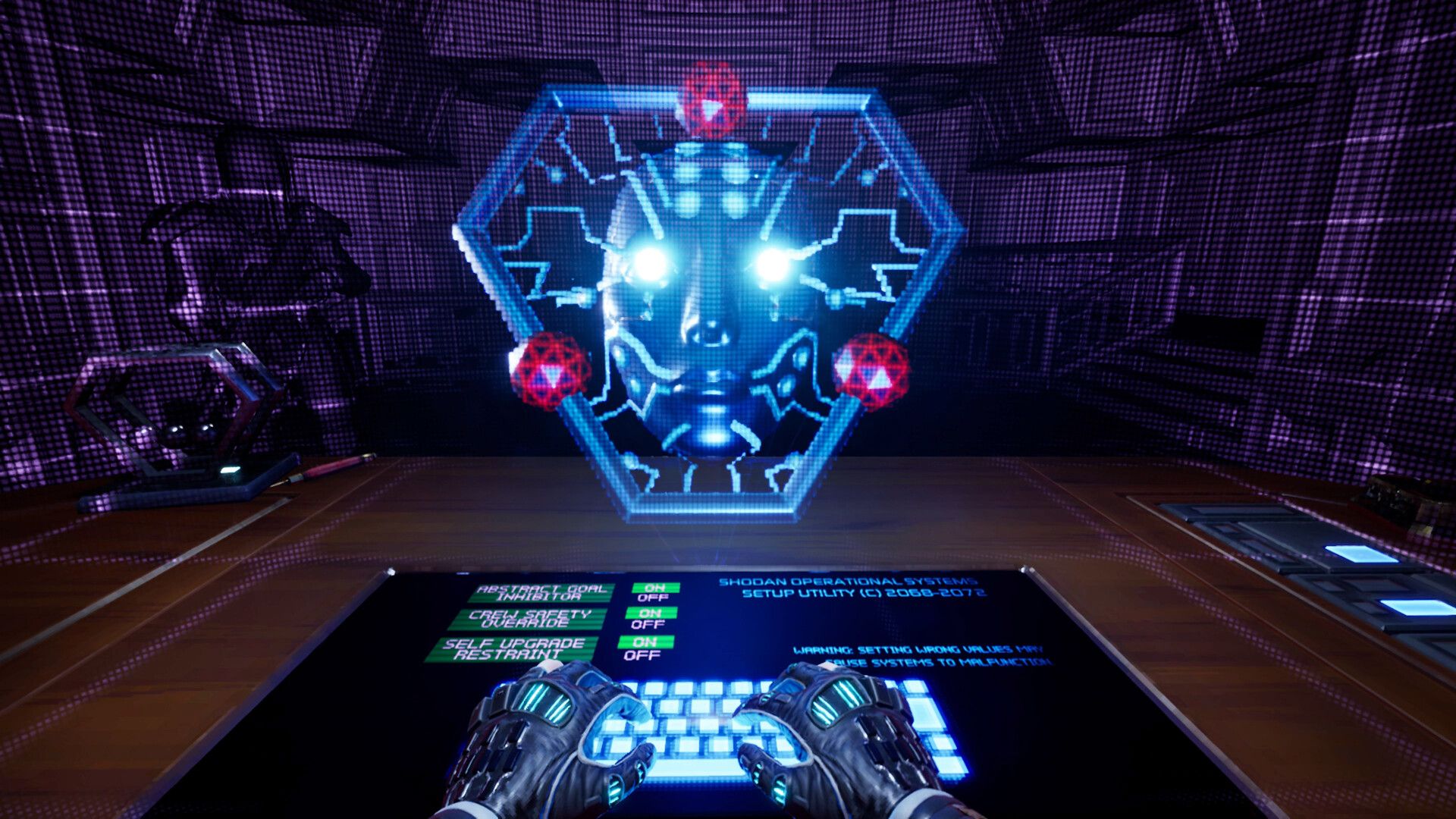
As someone who both creates and writes professionally, I believe GenAI has no place in creative work – it simply doesn’t add value. I understand game development is expensive and takes a lot of time, but it’s the human element – the act of creation by a person – that makes these experiences meaningful. When companies require developers to use GenAI, they’re essentially asking everyone to lower the quality of their work.
Beyond the technical issues, the use of generative AI in games over the past year has often been disappointing, even harmful. A prime example is the poorly made, Ghibli-inspired calling cards in the recent Call of Duty game. Generative AI struggles to create truly new content; it can only replicate existing work, and usually not very well. Trying to build something genuinely enjoyable and unique with this technology is like making a copy of a copy – the result is always inferior.
Let’s be clear: if you’re thinking of subtly using AI-generated art and hoping it’ll go unnoticed, you’re mistaken. Someone will detect it, and once that happens, everyone will. It’s not a viable strategy.
Read More
- All Skyblazer Armor Locations in Crimson Desert
- All Shadow Armor Locations in Crimson Desert
- How to Get the Sunset Reed Armor Set and Hollow Visage Sword in Crimson Desert
- Marni Laser Helm Location & Upgrade in Crimson Desert
- Best Bows in Crimson Desert
- All Helfryn Armor Locations in Crimson Desert
- All Golden Greed Armor Locations in Crimson Desert
- How to Craft the Elegant Carmine Armor in Crimson Desert
- Wings of Iron Walkthrough in Crimson Desert
- Keeping Large AI Models Connected Through Network Chaos
2025-12-01 22:41