The 1990s were a fantastic time for anime. Many shows that first aired in the early to mid-90s have become enduring classics. Titles like Dragon Ball, Ranma ½, Captain Tsubasa, and Dragon Quest: The Adventure of Dai defined the shonen genre for a generation. For many new anime fans, these shows were unforgettable, and their popularity spread far beyond Japan, appearing on TV screens worldwide.
Despite many popular and successful shonen anime, quite a few others didn’t do well and faded into obscurity. Some were outright failures, while others were simply forgotten over time. These anime struggled because of weak storylines, uninspired ideas, or an inability to capture the magic of their original manga versions on screen. We’ve chosen the most disappointing and difficult-to-watch shonen anime from the 1990s.
Ninku
- Year: 1995-1996
- Episodes: 55
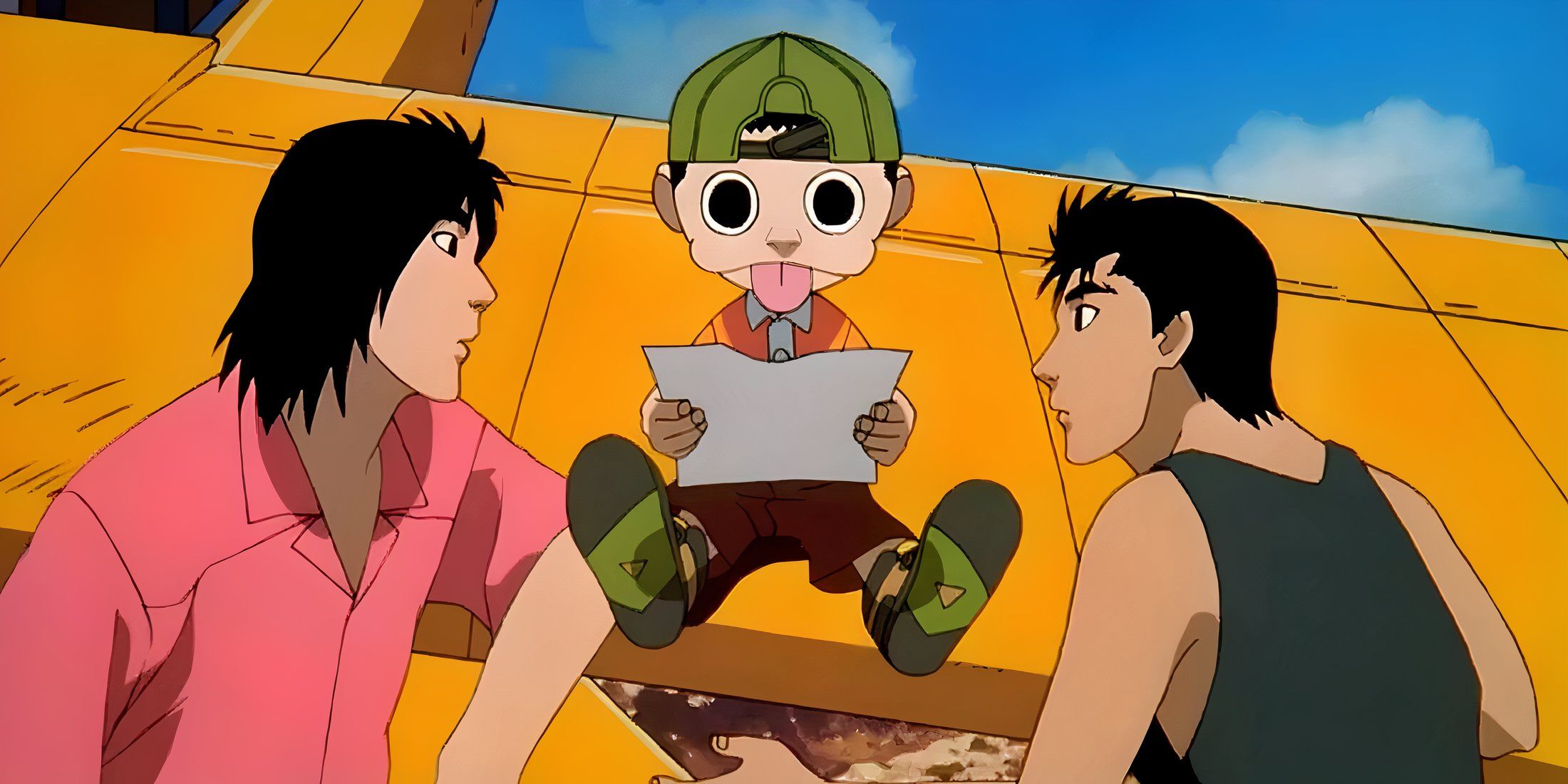
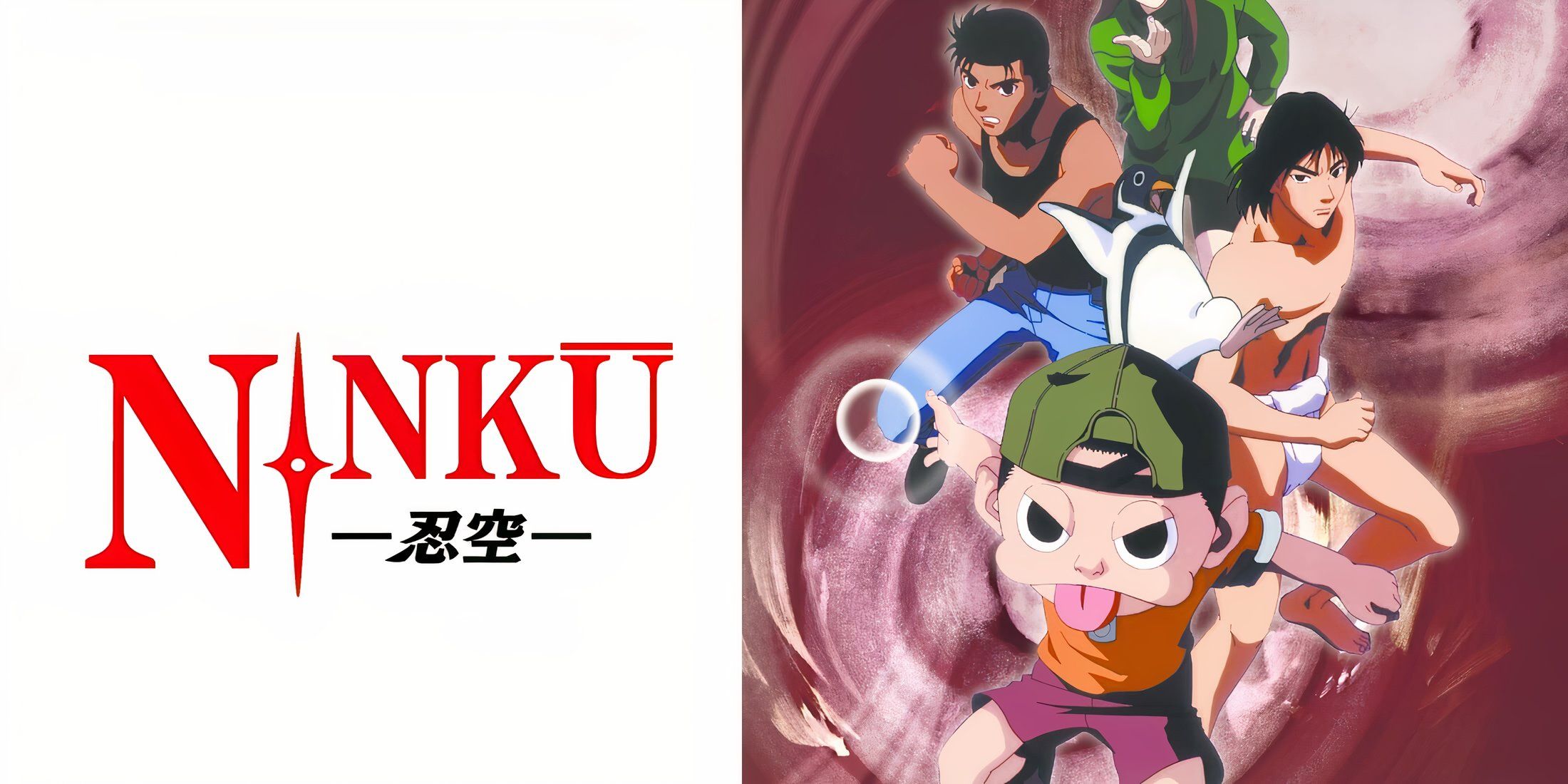
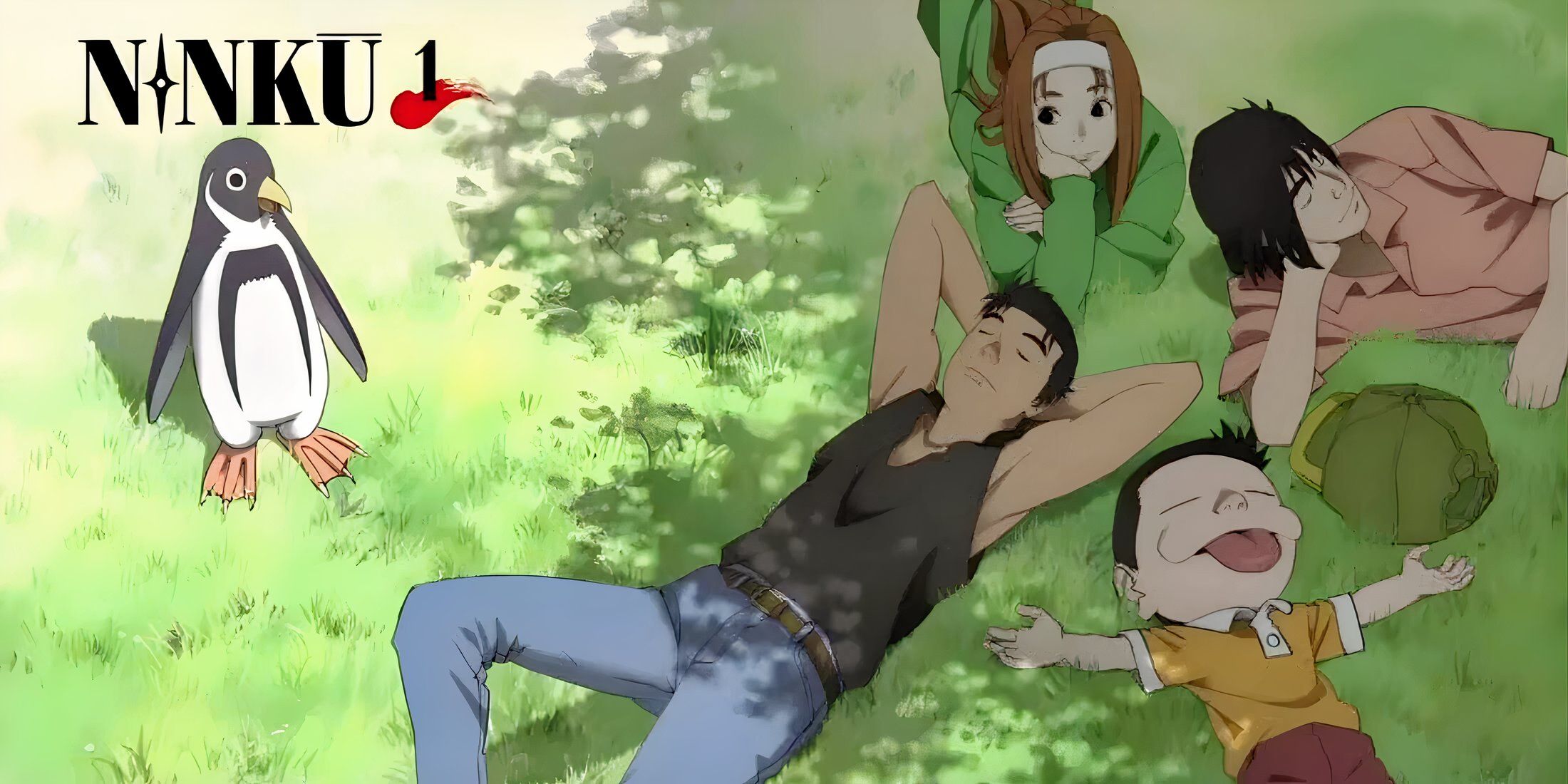
Despite having a promising start with Studio Pierrot and Fuji Television producing its 55 episodes, the 1990s anime Ninku didn’t live up to expectations. While many manga from Shonen Jump magazine became popular TV shows, Ninku failed to make a significant impression, especially when compared to the decade’s other successful shonen anime series.
The anime Ninku followed a young hero with wind powers who journeyed with friends to defeat a threatening group. While the show boasted other powerful allies and exciting fights, the main character wasn’t very compelling or popular. Although the character design looked good in the manga, it didn’t translate well to the screen. It did get a sequel and still has a dedicated fanbase, but watching it today reveals how much animation styles have evolved compared to other popular shonen anime from that era.
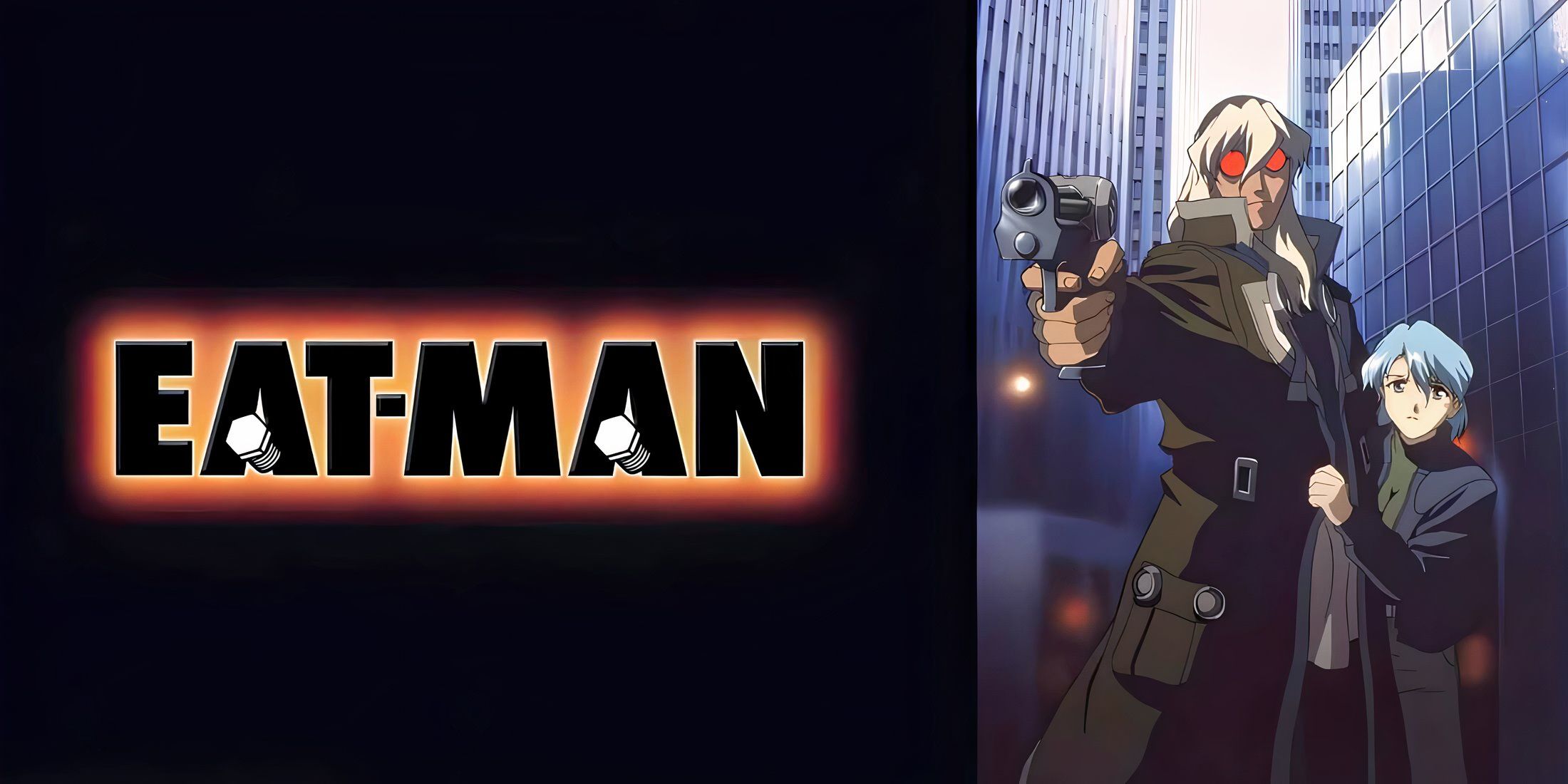
Eat-Man
- Year: 1997
- Episodes: 12
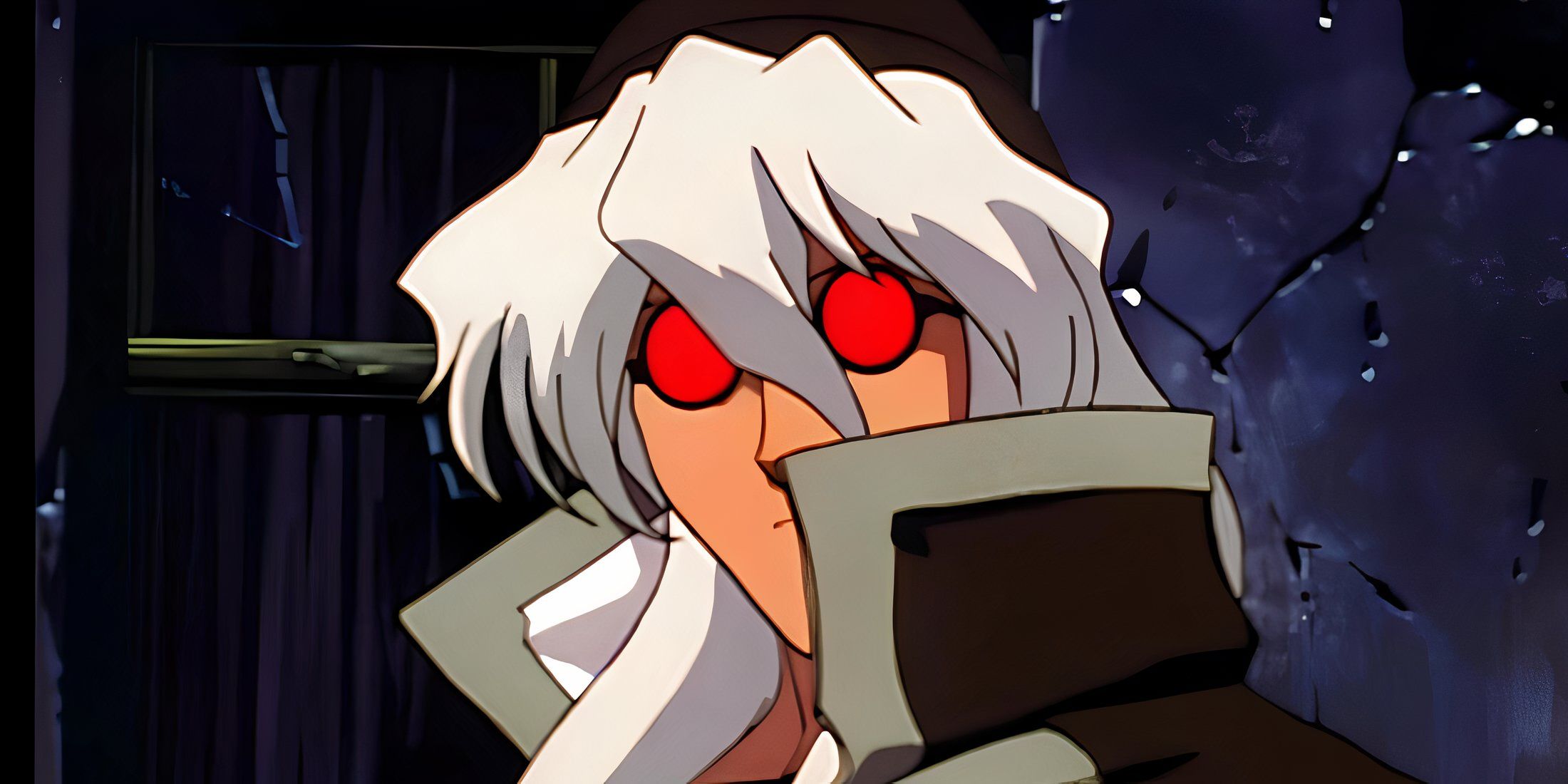
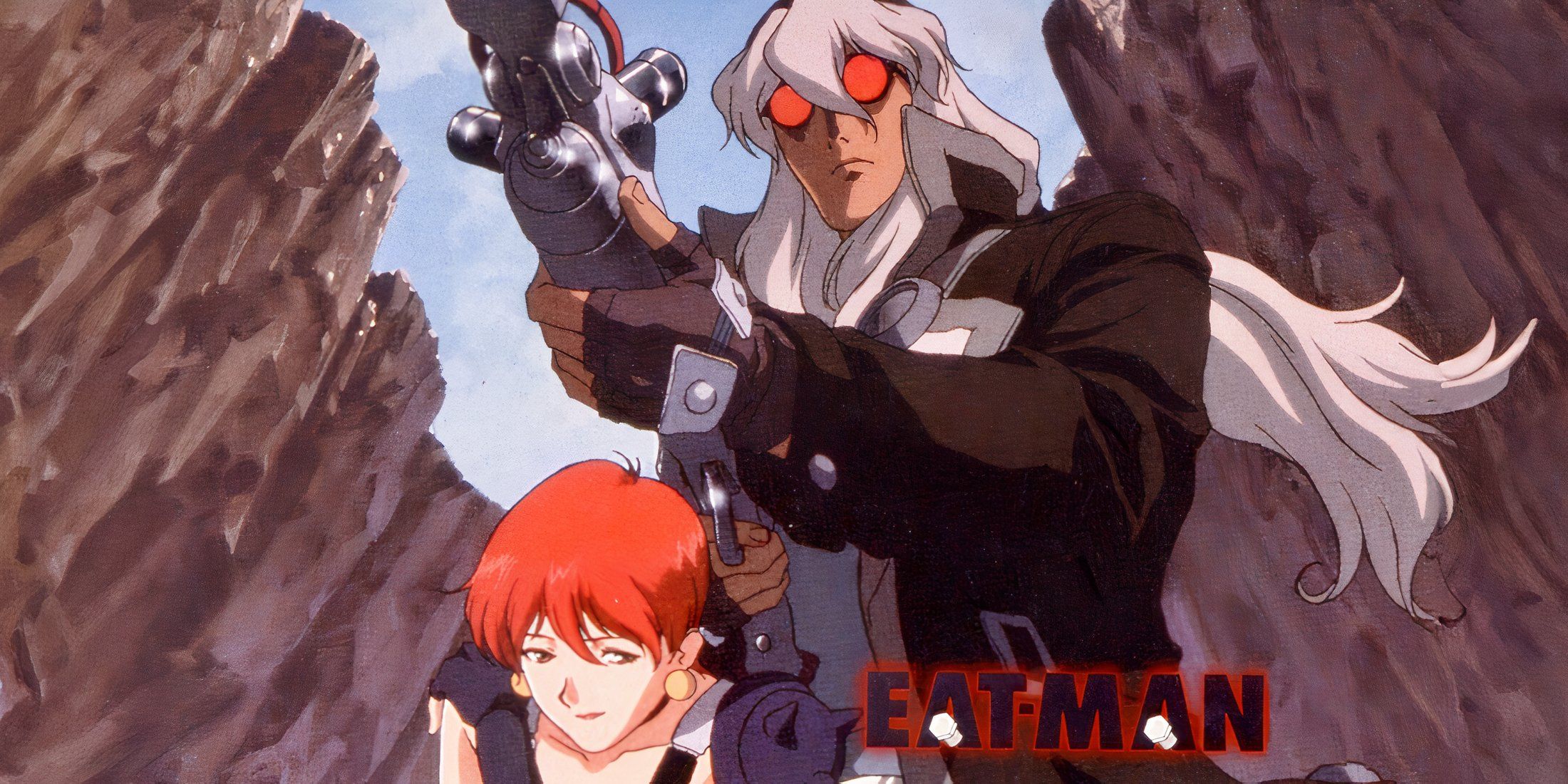
The late 1990s brought changes to the anime world, with networks like TV Tokyo seeking out more sophisticated action series aimed at young men (shonen). Studio DEEN was chosen to create an anime adaptation of Akihito Yoshitomi’s popular manga, Eat-Man, which was being serialized in Dengeki Comic Gao! magazine. Despite the initial excitement, the resulting anime proved to be a major disappointment.
The manga series spanned 27 volumes, but the anime adaptation only had 12 episodes to start. This was because fans didn’t react well to it. The anime tried too hard to be serious and ended up losing what made the original manga enjoyable. It lacked the fantasy elements of the source material, and the main character felt dull and uninteresting. Many fans were disappointed with how different—and worse—the anime turned out.
The anime Eat-Man centers around Bolt Crank, a world-traveling explorer who works various jobs. What sets him apart is his unique ability: he can consume anything and then recreate it using his own body. While the premise is interesting, the anime itself tends to be quite dull.
Sakon, the Ventriloquist
- Year: 1999-2000
- Episodes: 26
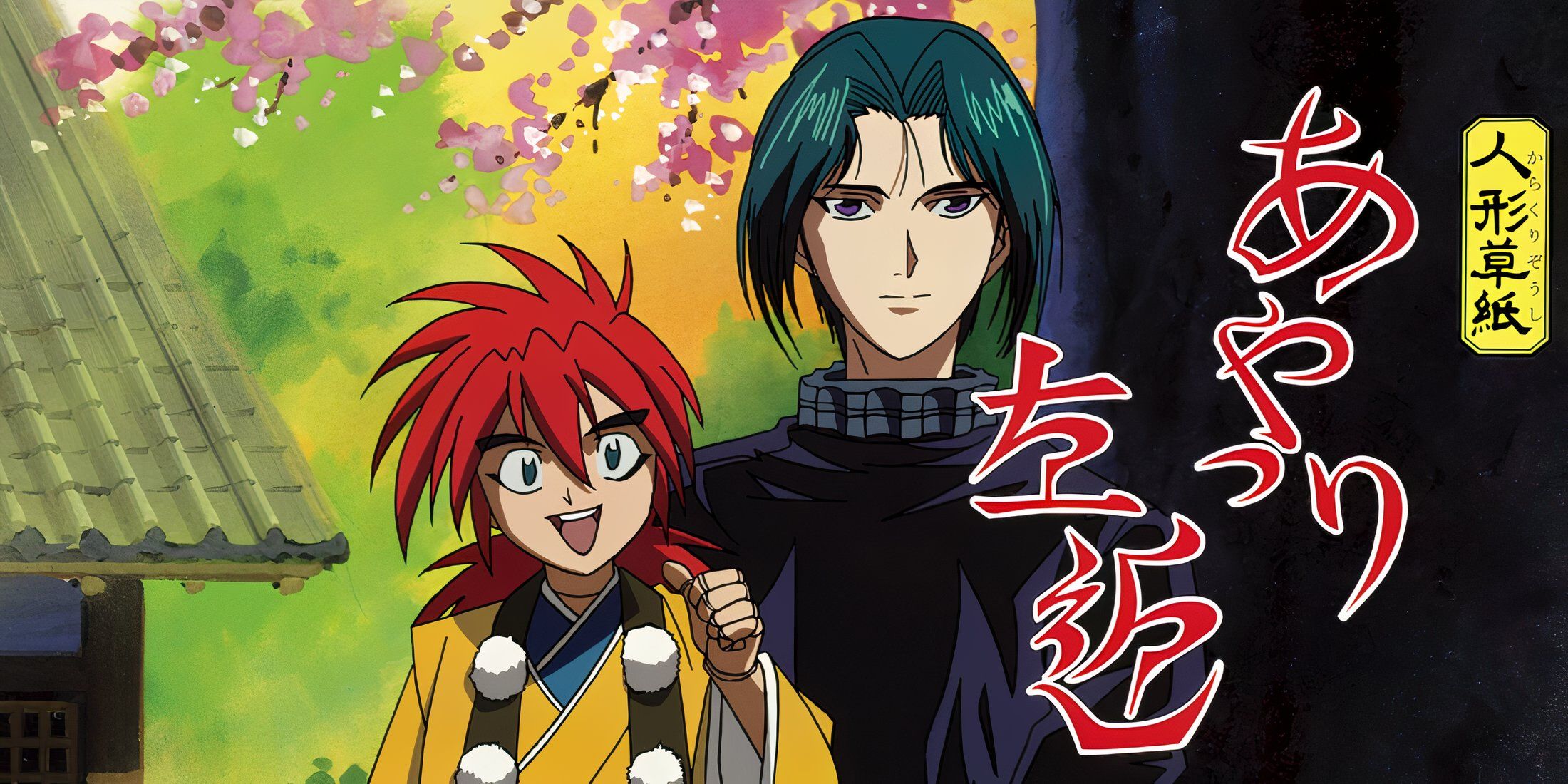
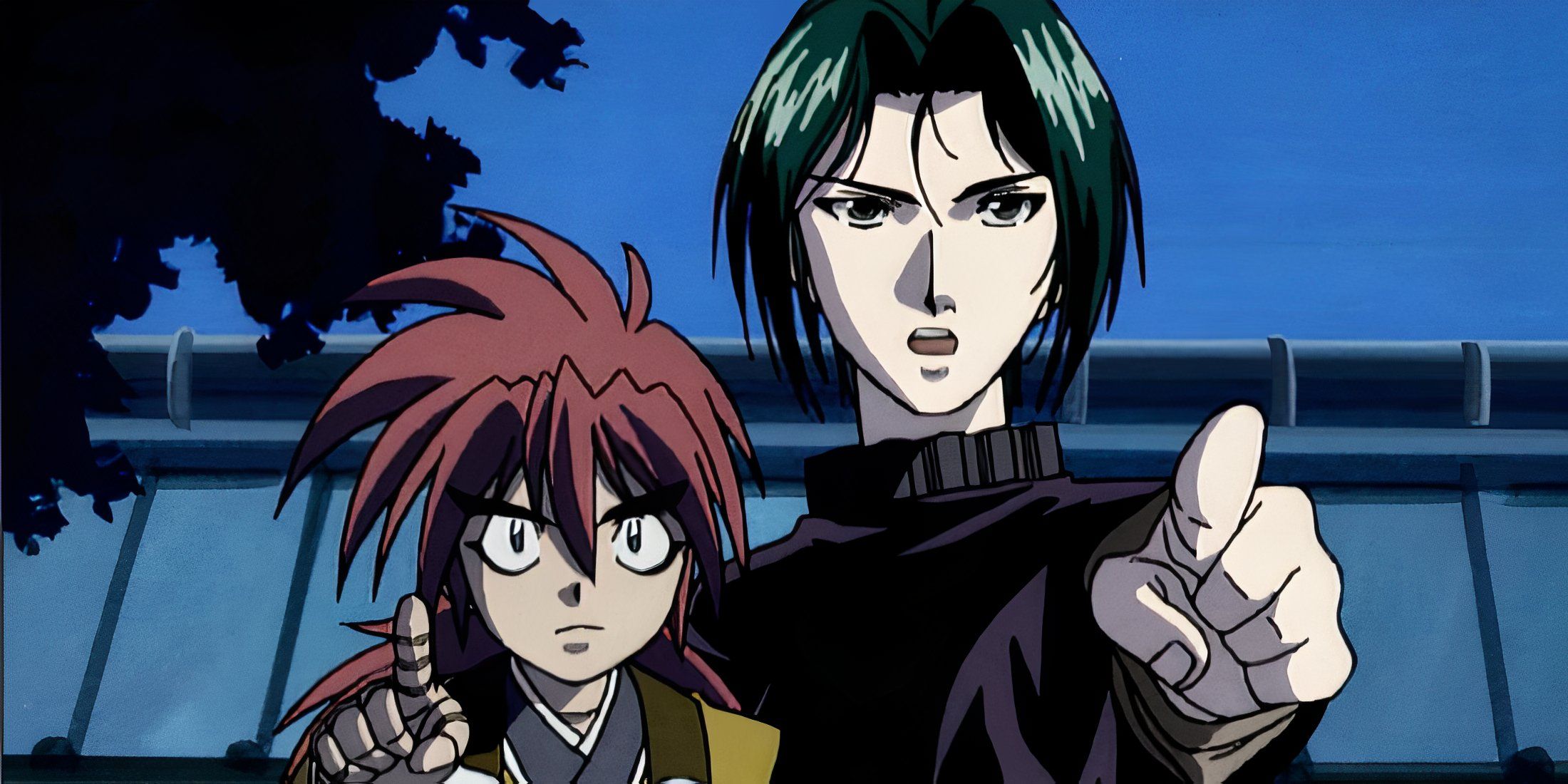
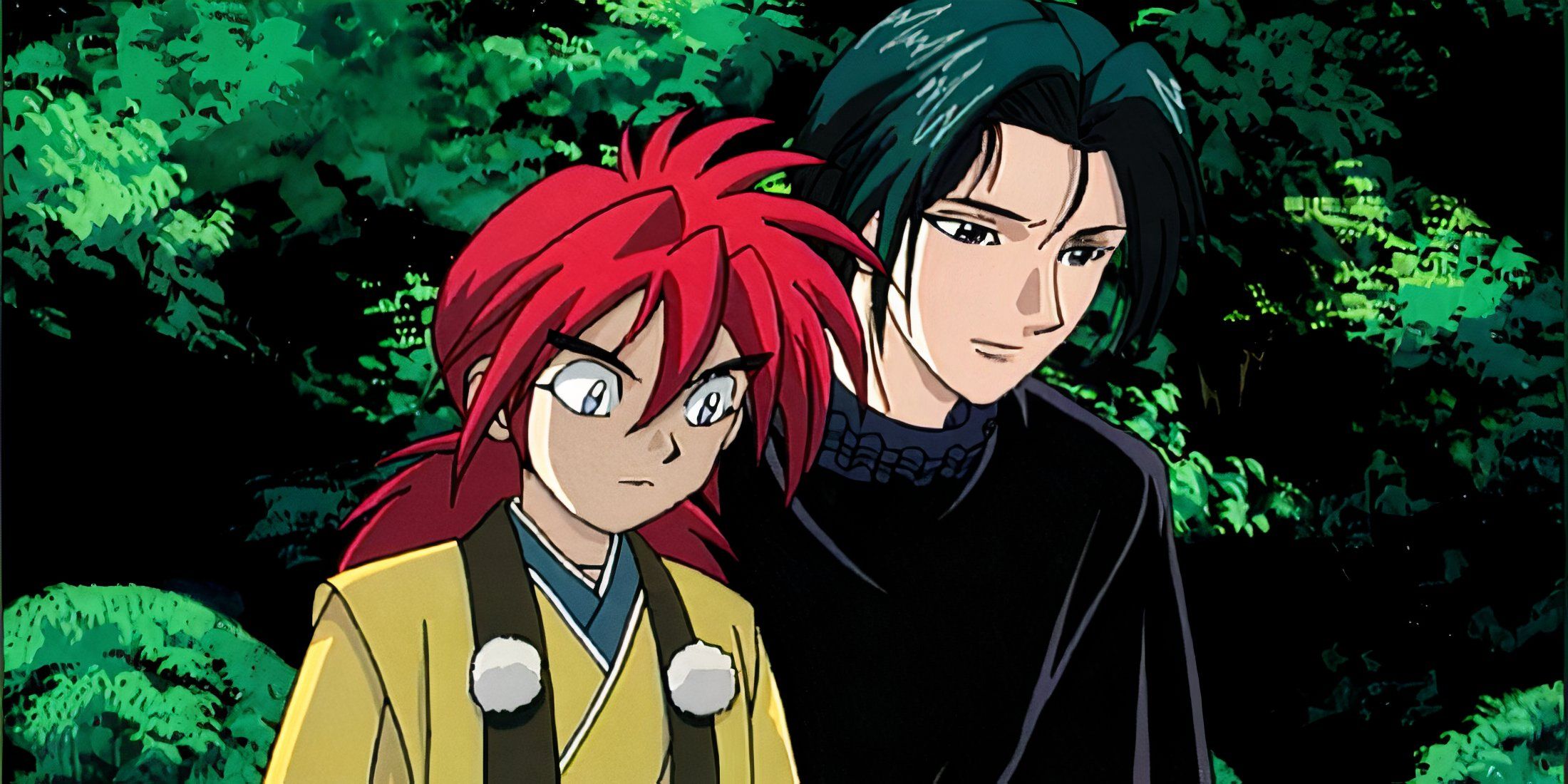
In late 1999, the anime series Sakon, the Ventriloquist debuted. Created by TMS Entertainment, it introduced a unique concept: a detective who used his puppet to solve mysteries. However, the manga version, which appeared in Shonen Jump magazine, didn’t gain much popularity, largely because readers weren’t drawn to the characters or the crime-solving methods.
 Guess the anime from the emojis.
animeji
Guess the anime from the emojis.
Title
Clues
Results
Title
— Clues
—
Sakon Tachibana, the main character, always works with Ukon, a puppet that’s over a century old. When Sakon controls Ukon, the puppet almost seems alive and has a personality of its own. However, the mysteries they solve unfold over many episodes, making it hard to get truly hooked. The way they solve these crimes isn’t very creative or exciting, and doesn’t compare well to popular detective series like Detective Conan (Case Closed). The anime only lasted 26 episodes, which is somewhat impressive given that the original manga was just four volumes long.
Jungle King Tar-chan
- Year: 1993-1994
- Episodes: 50
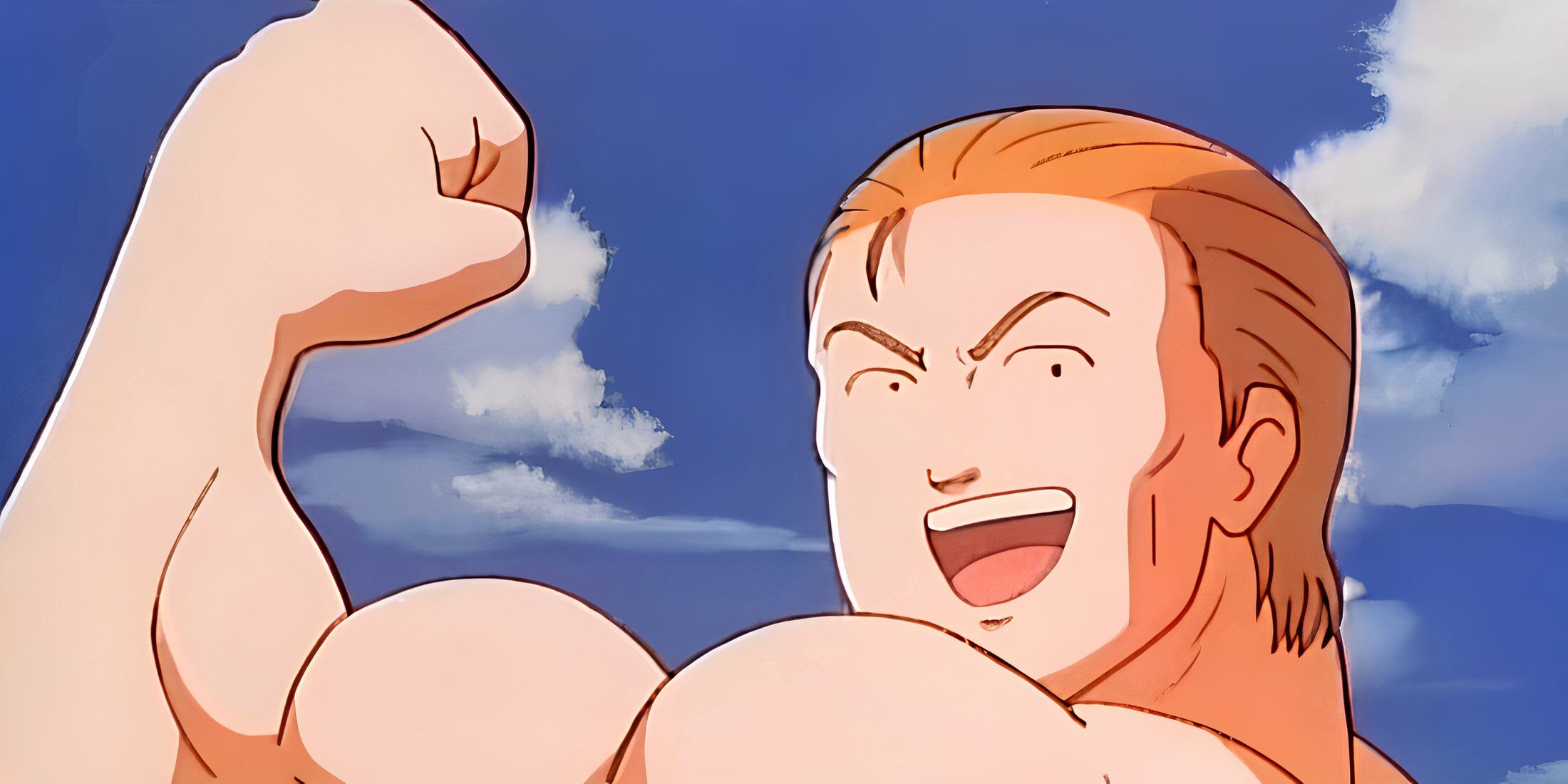
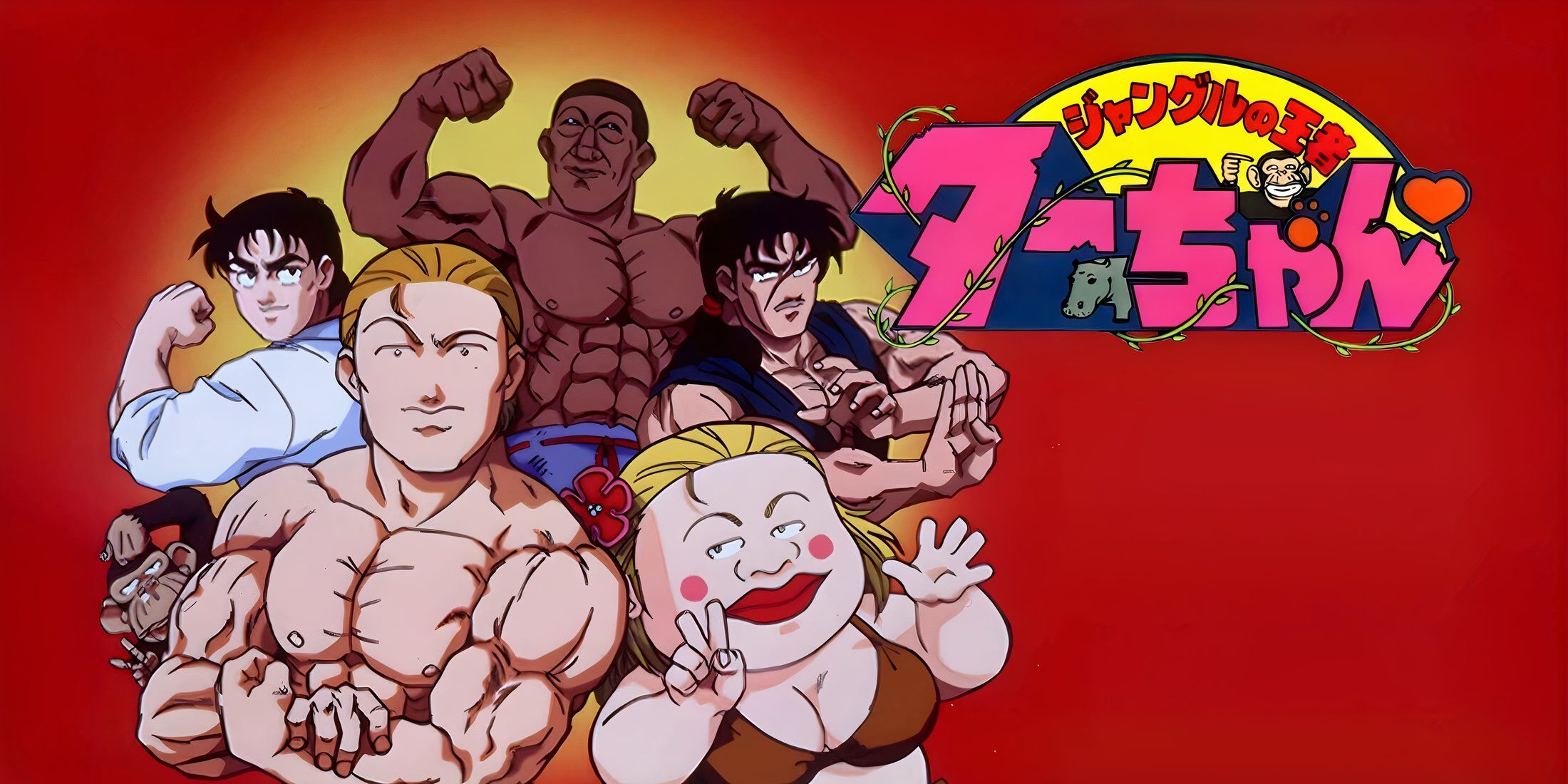
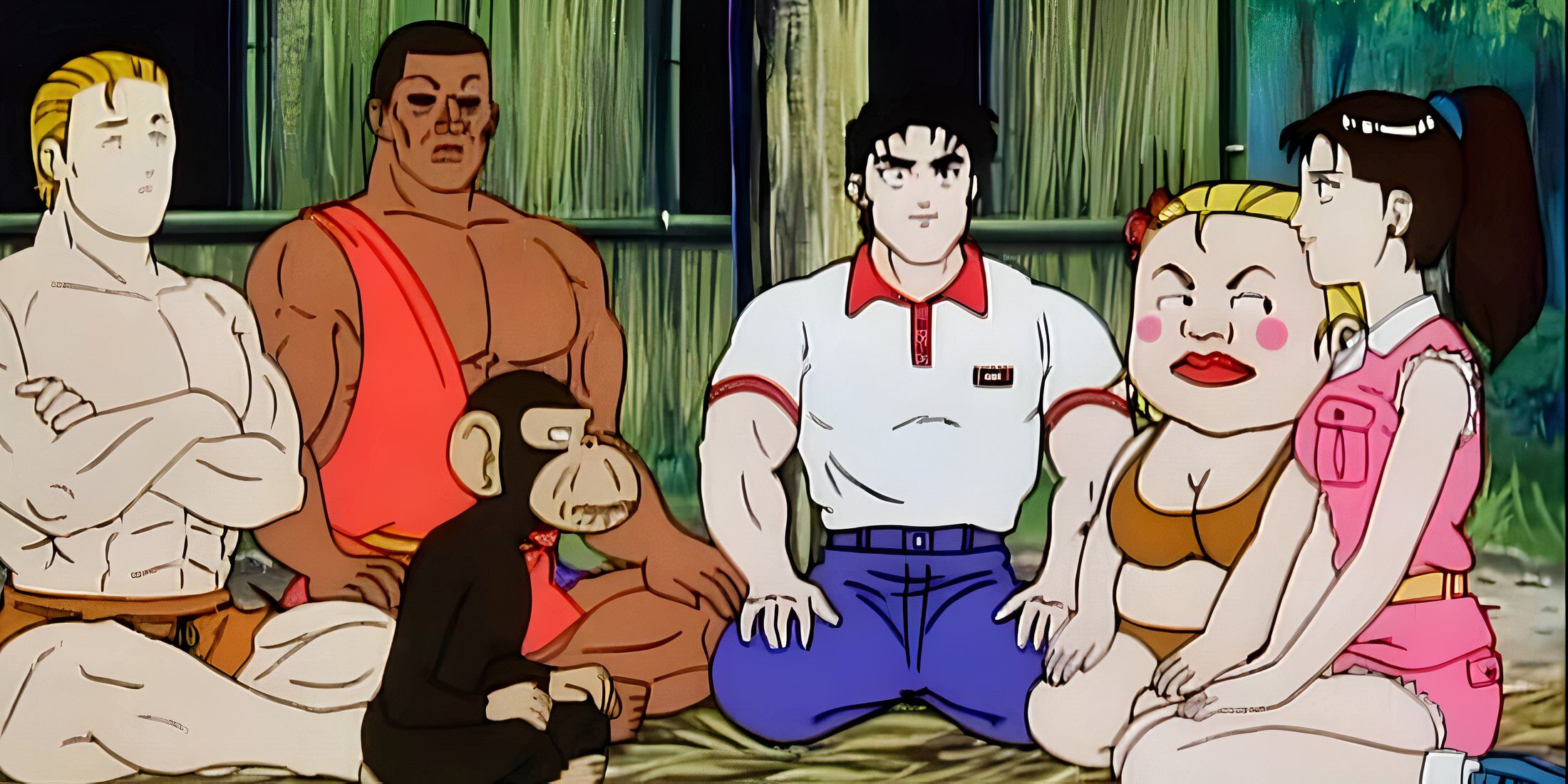
The show first aired in 1993 and lasted for a year, creating 50 episodes in total. It was based on a 27-volume manga by Masaya Tokuhiro, originally published in Weekly Shonen Jump, and was produced by Group TAC with direction from Hitoshi Nanba. Despite the source material’s popularity, the show’s comedic style didn’t translate as well to television.
Jungle King Tar-chan is a comedic take on the Tarzan story, featuring a super-strong hero with incredible reflexes and other special powers. He spends his days trying to keep the peace in the savanna, often resorting to fighting. Like the original Tarzan, he was raised by animals and shares his life with Jane and a variety of creatures. However, Tar-chan’s behavior towards women is often problematic and hasn’t aged well. Nowadays, the anime feels dated and doesn’t quite hit the mark – it lacks the energetic pacing of something like Bobobo-bo Bo-bobo, its jokes don’t land, and the animation isn’t very appealing. It’s definitely not a standout shonen comedy.
Wild Cardz
- Year: 1997
- Episodes: 2 (OVA)
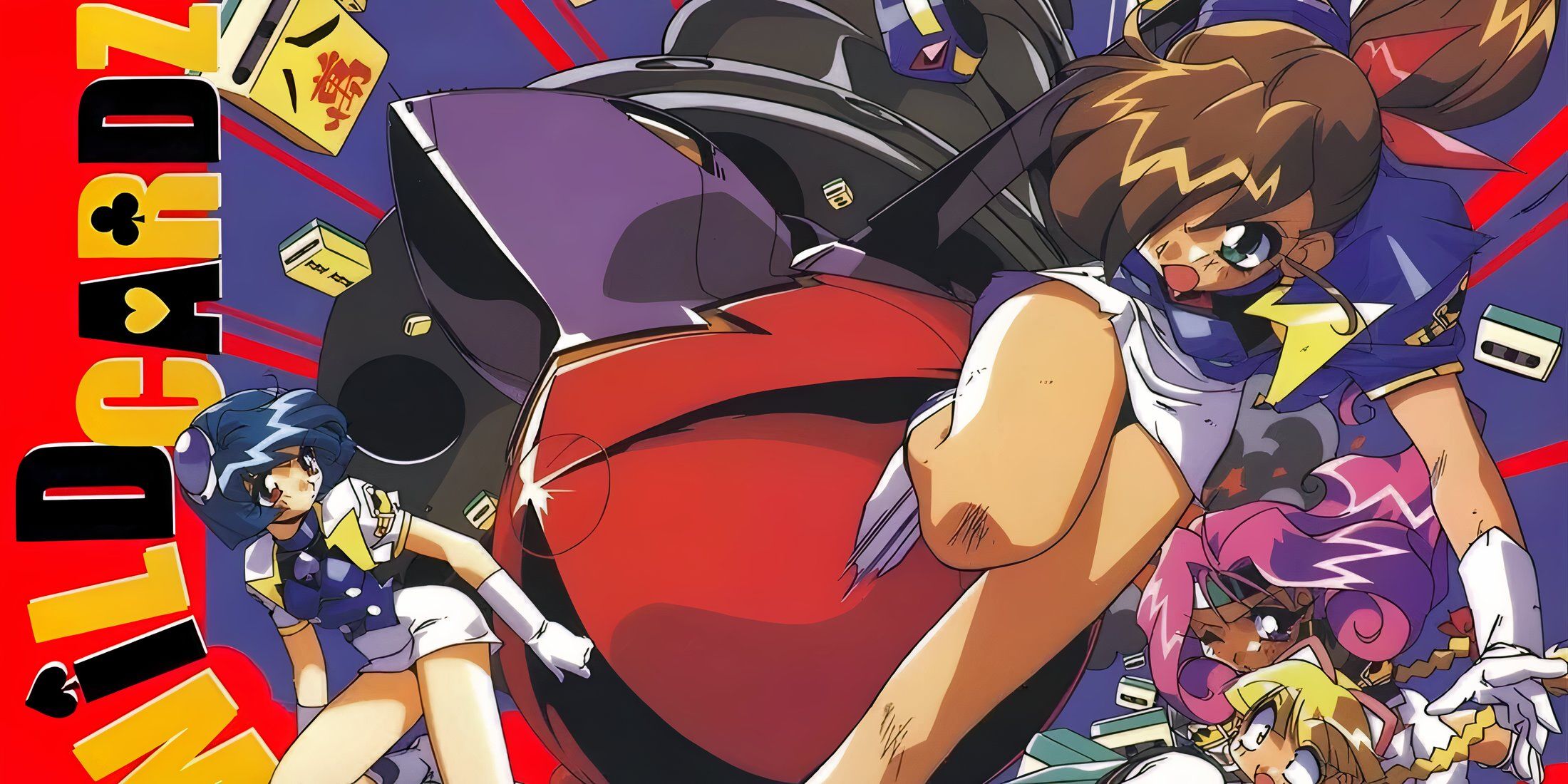
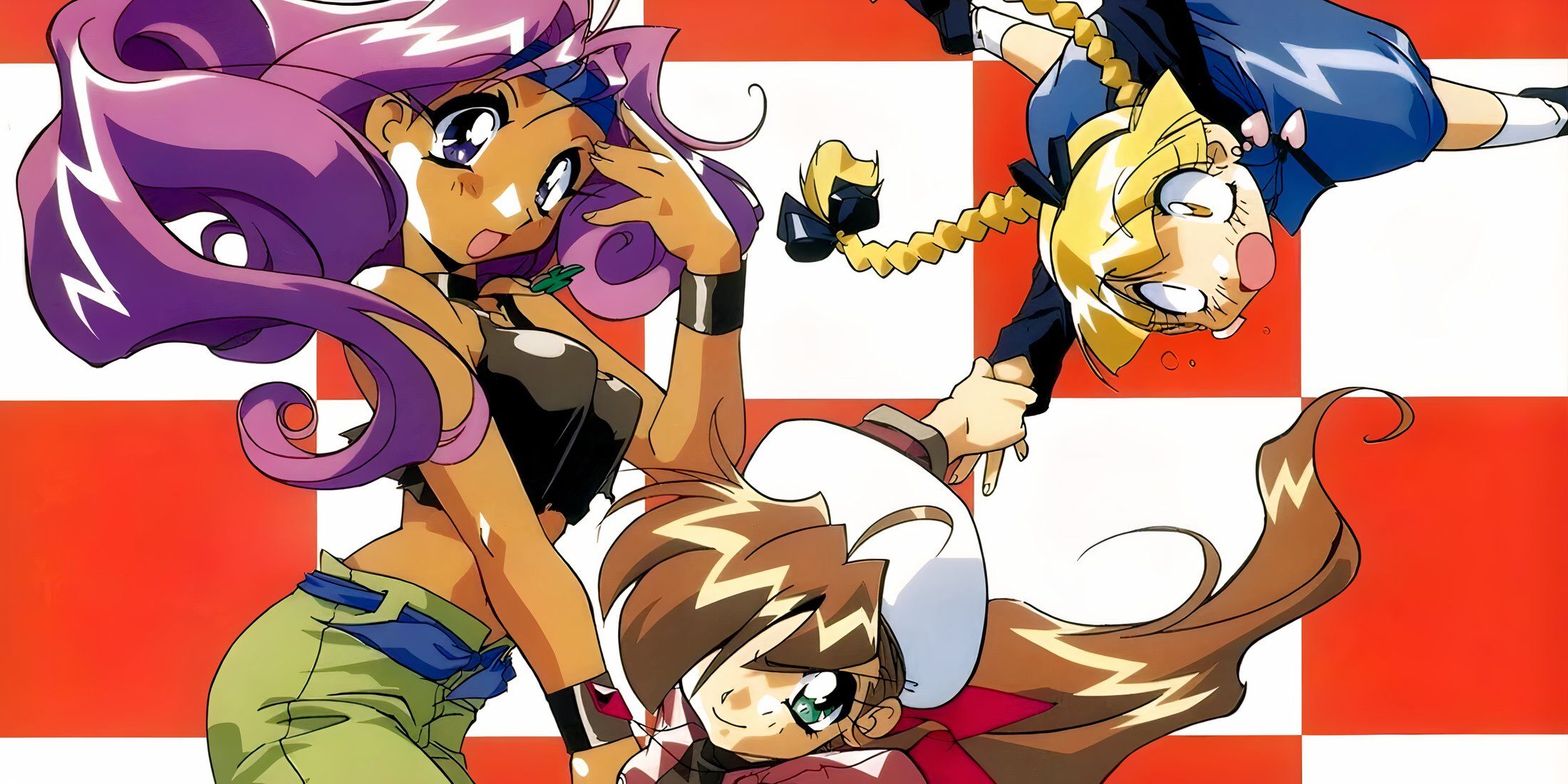
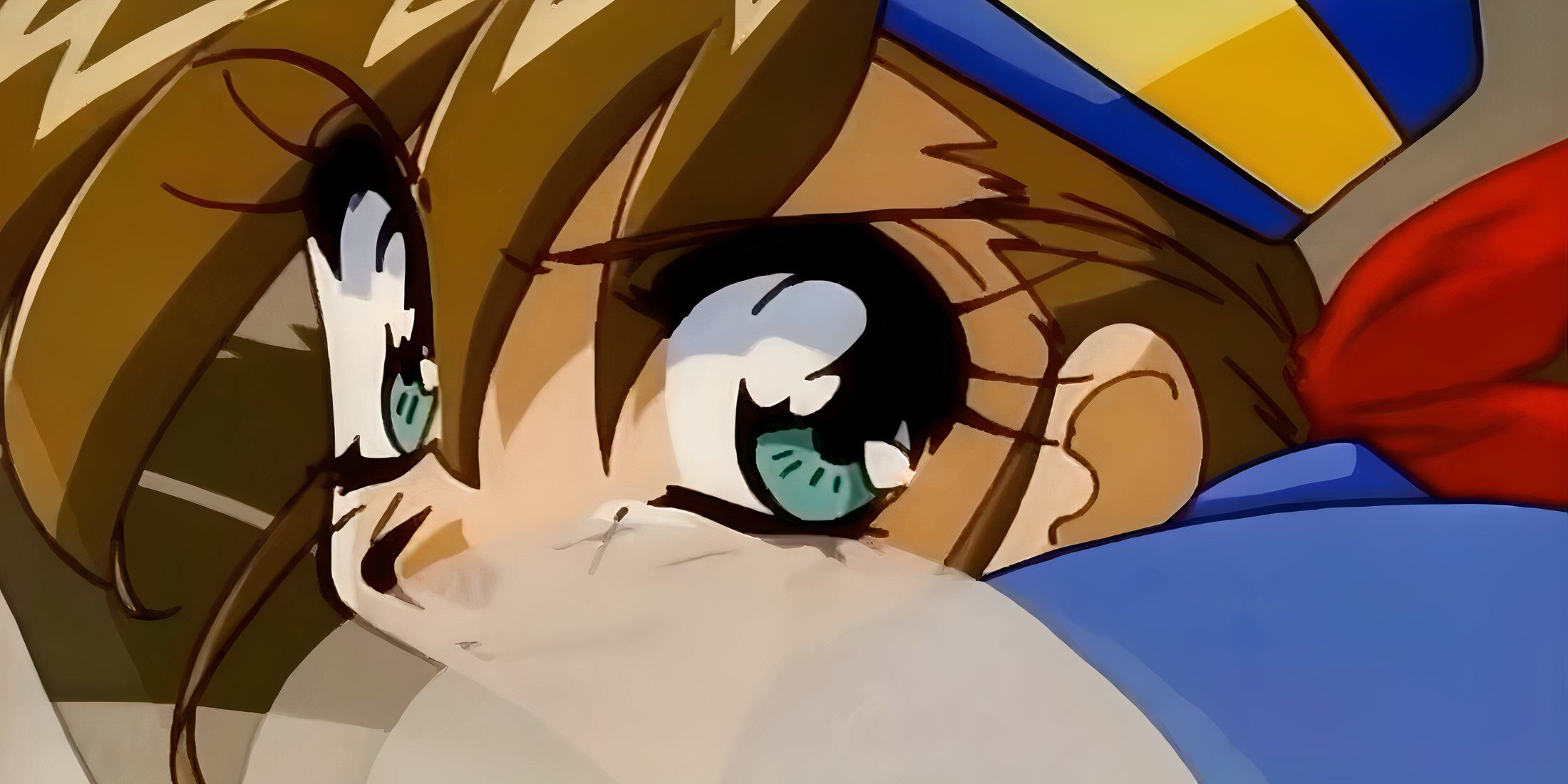
Wild Cardz, originally known as Jaja-uma Quartet in Japan, was a truly unusual anime from the 1990s. Produced by BMG Victor, the two-part series mixed the cute character designs common in magical girl anime with the action-packed storylines of shonen manga. Unfortunately, it didn’t appeal to fans of the source material or newcomers alike.
This anime, lasting just two episodes, didn’t resonate with viewers. It centers on the Crown Knights protecting the Card Kingdom, but the focus on constant action overshadows any meaningful story or character development. The plot feels rushed and underdeveloped, and Wild Cardz ultimately feels unoriginal and bland. It failed to gain traction when it aired in the 90s and has largely been forgotten since.
Super Yo-Yo
- Year: 1998-1999
- Episodes: 22
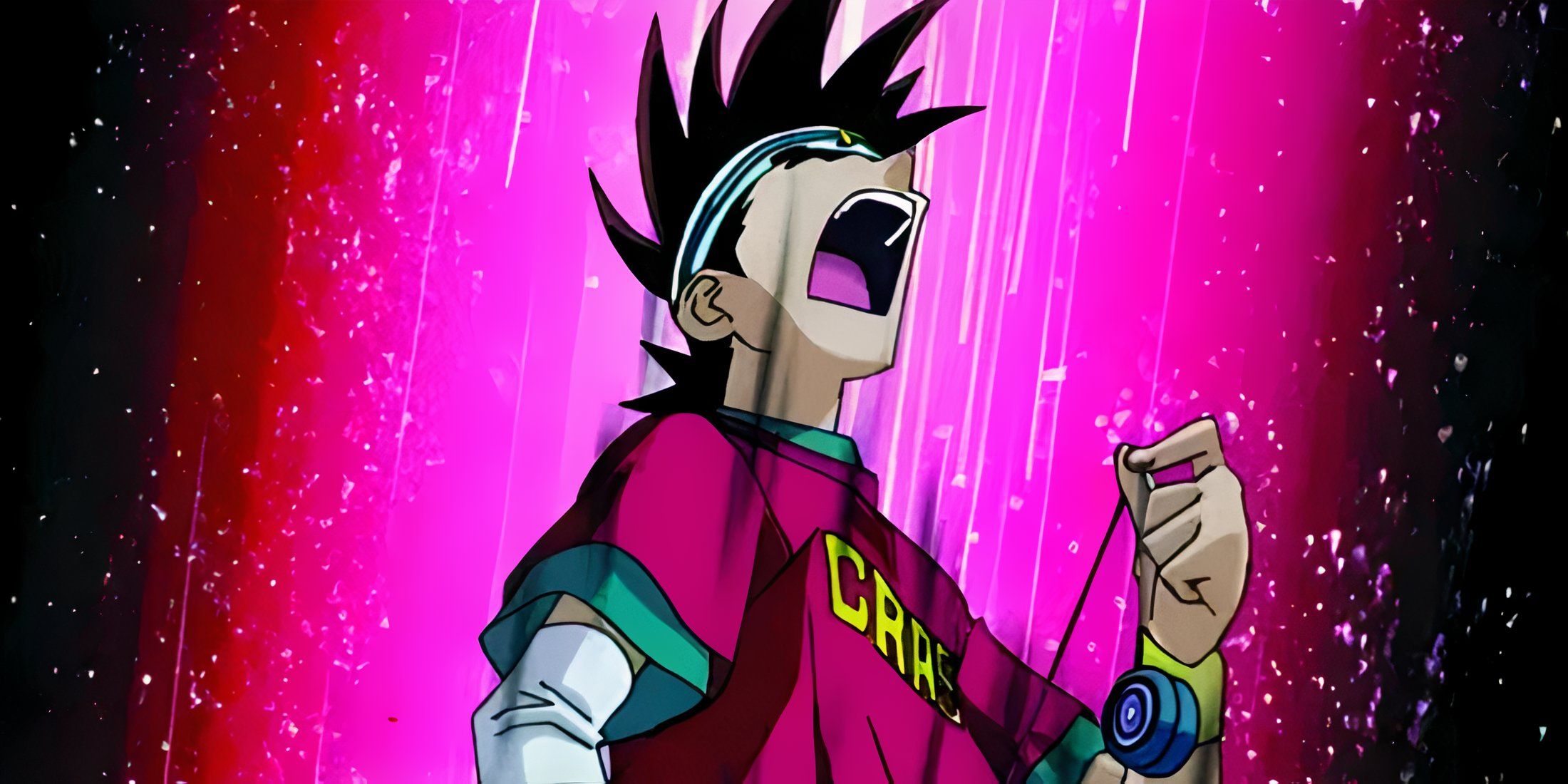
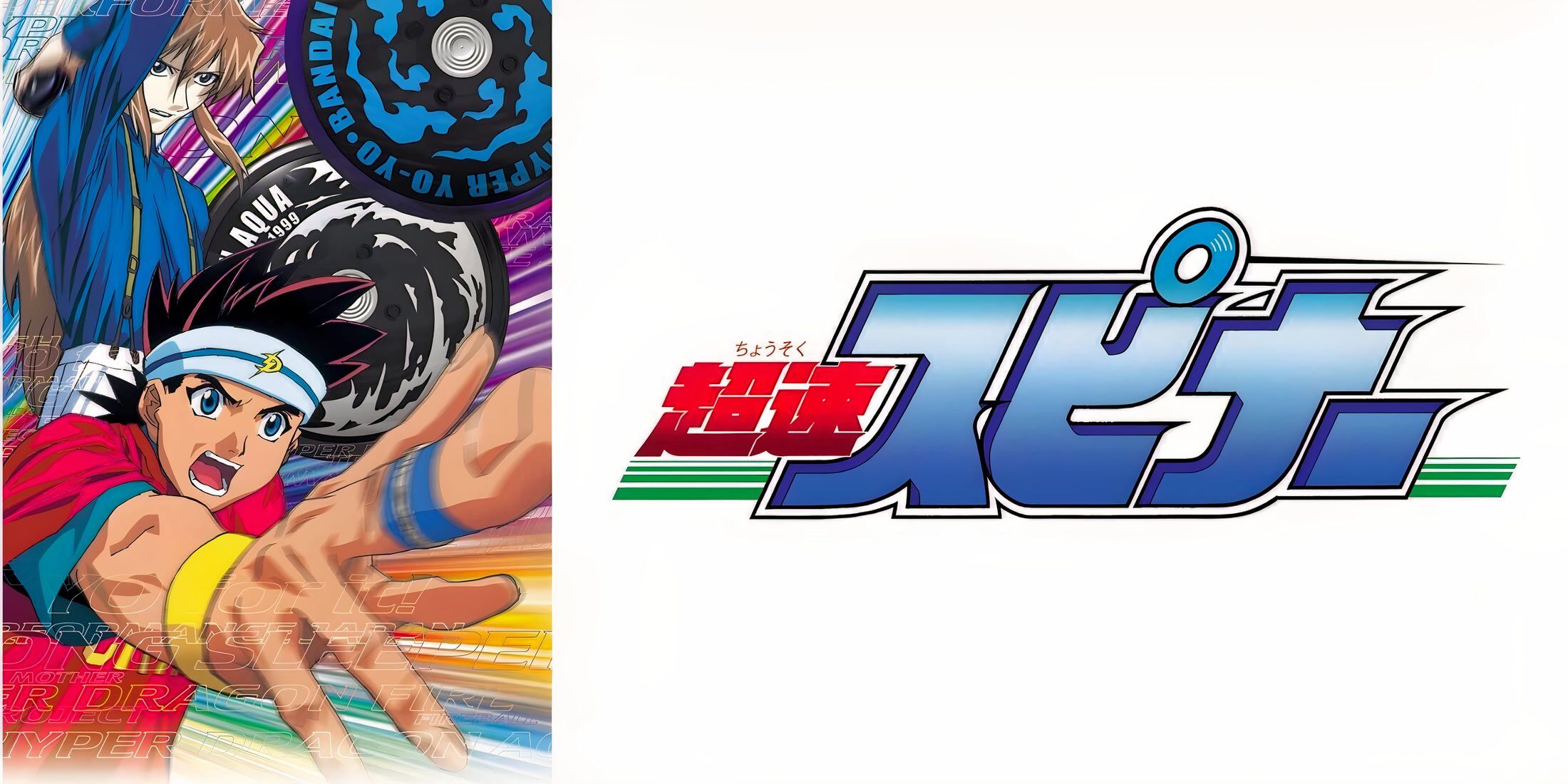
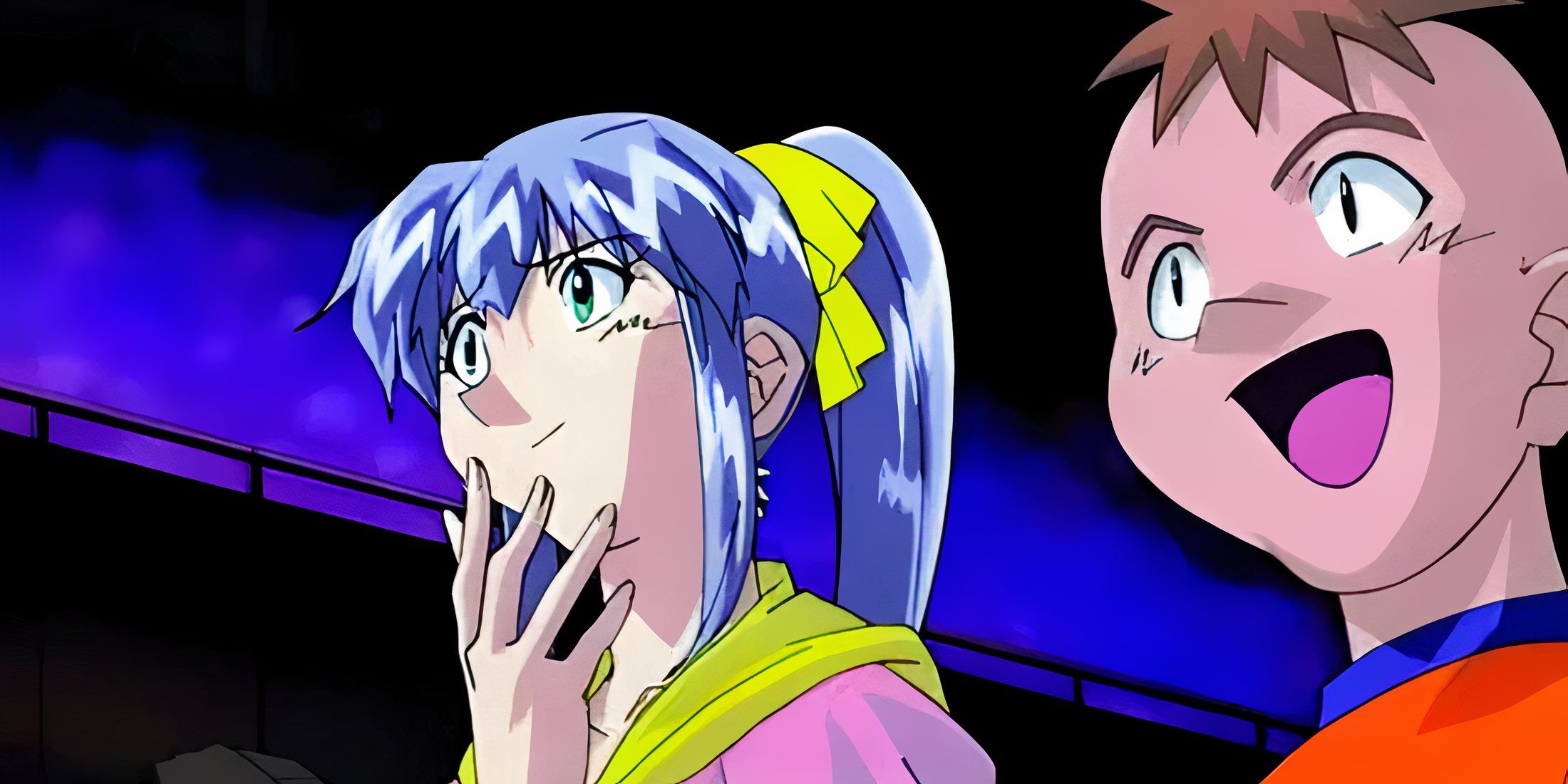
This anime, called Chosoku Spinner in Japan, is all about the world of yo-yos – one of the oldest toys ever invented! It started as a manga series by Takashi Hashiguchi, which ran in CoroCoro Comic magazine from 1997 to 2000. The anime adaptation premiered in 1998, but it only lasted for 22 episodes and was produced by Studio Xebec. Unfortunately, it wasn’t very popular, either in Japan or in the few other countries where it was shown, like Singapore.
This initial concept inspired other anime series based on classic toys. In 2001, Beyblade found significant success, something Super Yo-Yo failed to do. Super Yo-Yo‘s story simply didn’t capture enough attention, and its main character, Shun’ichi Domoto – a young athlete who starts yo-yoing to support a friend – lacked a compelling personality. While he enters a major tournament after a surprising loss, hoping to win, the series didn’t resonate with audiences, and yo-yo sales remained flat.
Apocalypse Zero
- Year: 1996
- Episodes: 2 (OVA)
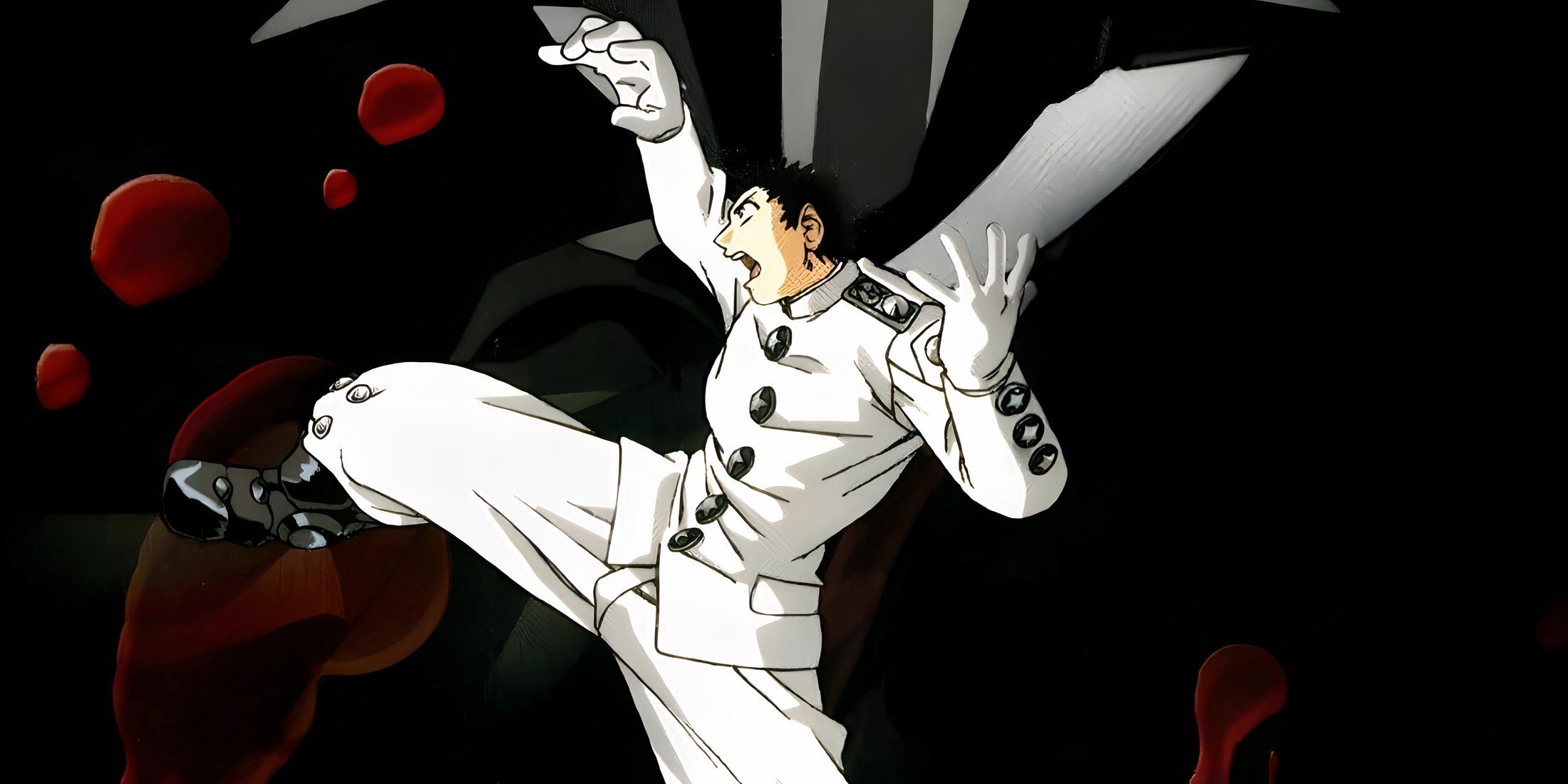
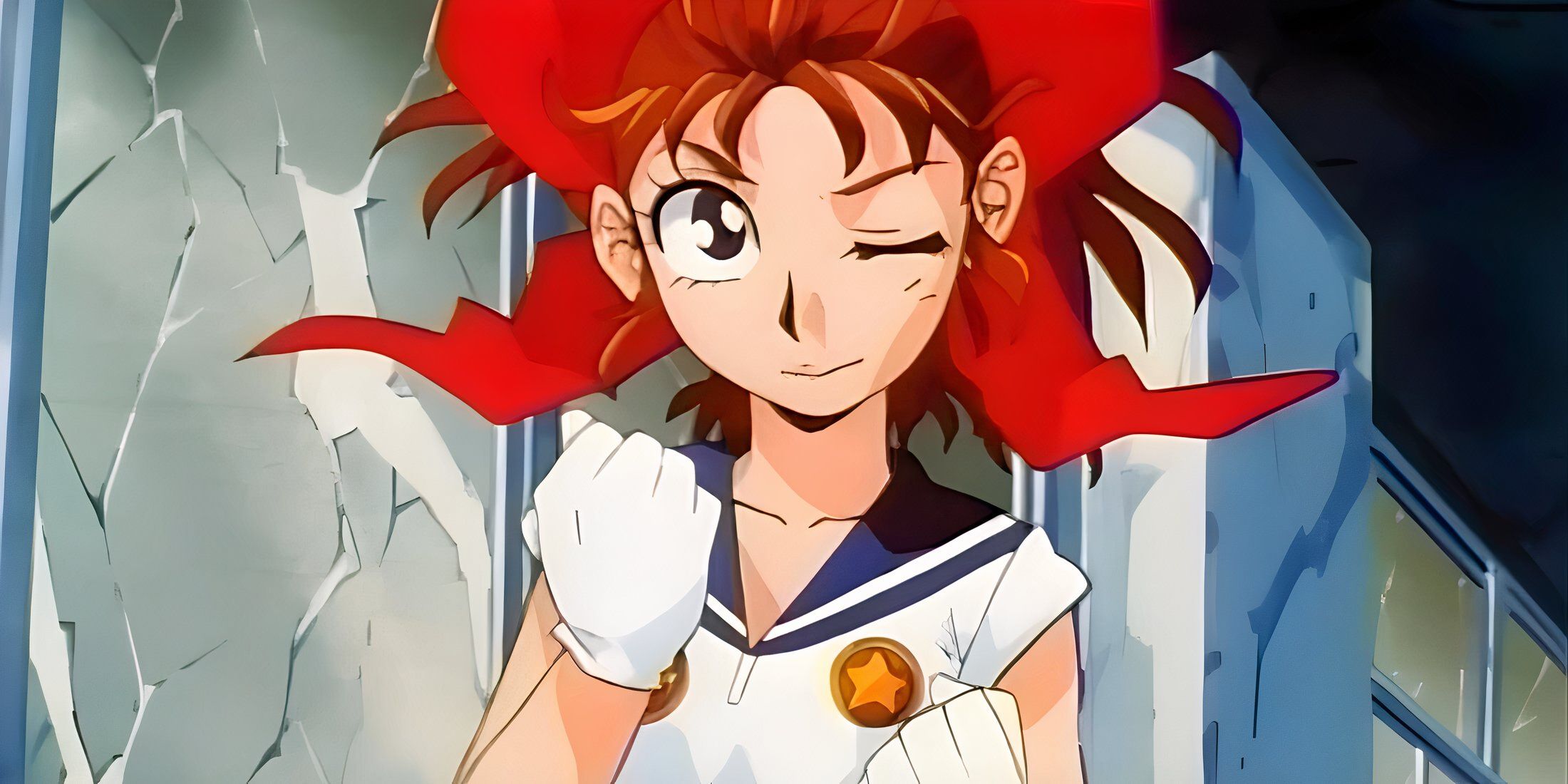
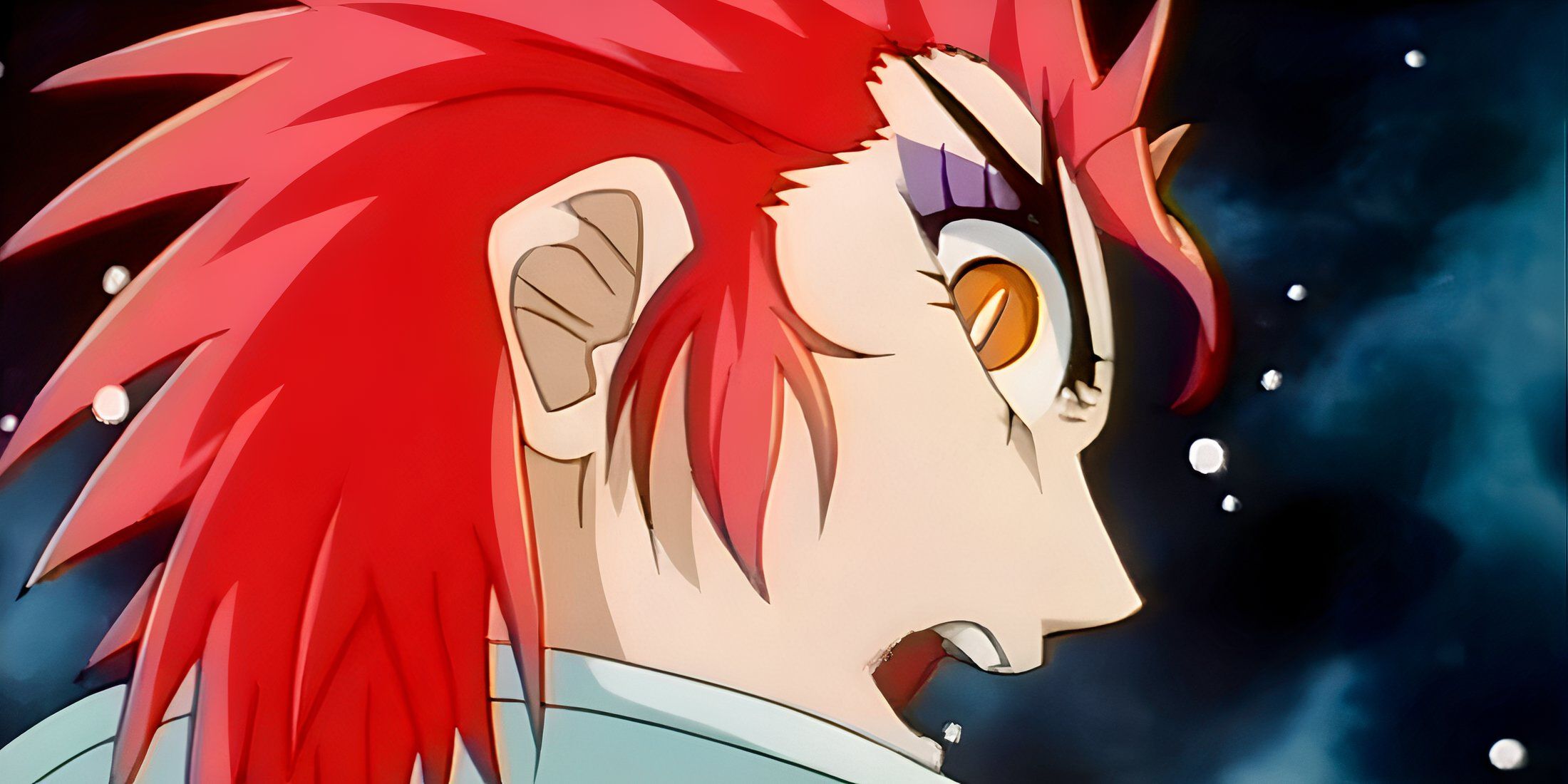
While often labeled as a shonen anime, Apocalypse Zero isn’t suitable for children or even teenagers. It relies heavily on graphic violence and features a disturbing visual style that now appears either silly or off-putting. Originally released as a two-episode OVA, the series performed so poorly that the planned eight remaining episodes were scrapped. The official reason for its cancellation remains a mystery, but viewers who saw it likely have a good idea why.
This manga originally appeared in Weekly Shonen Champion, and people still debate the strange choices made in its anime adaptation. The story follows a young man who trains to master his powers and a special suit of armor, battling monsters in a world devastated after an apocalypse. While the manga itself was intriguing enough to run for 11 volumes, the 1996 anime produced by Ashi Productions is widely considered a failure.
Read More
- All Shadow Armor Locations in Crimson Desert
- Jujutsu Kaisen Season 3 Episode 12 Release Date
- Dark Marksman Armor Locations in Crimson Desert
- Keeping AI Agents on Track: A New Approach to Reliable Action
- How to Beat Antumbra’s Sword (Sanctum of Absolution) in Crimson Desert
- Top 5 Militaristic Civs in Civilization 7
- Sega Reveals Official Sonic Timeline: From Prehistoric to Modern Era
- How to Get the Sunset Reed Armor Set and Hollow Visage Sword in Crimson Desert
- Sakuga: The Hidden Art Driving Anime’s Stunning Visual Revolution!
- How To Beat Ator Archon of Antumbra In Crimson Desert
2026-03-28 13:38