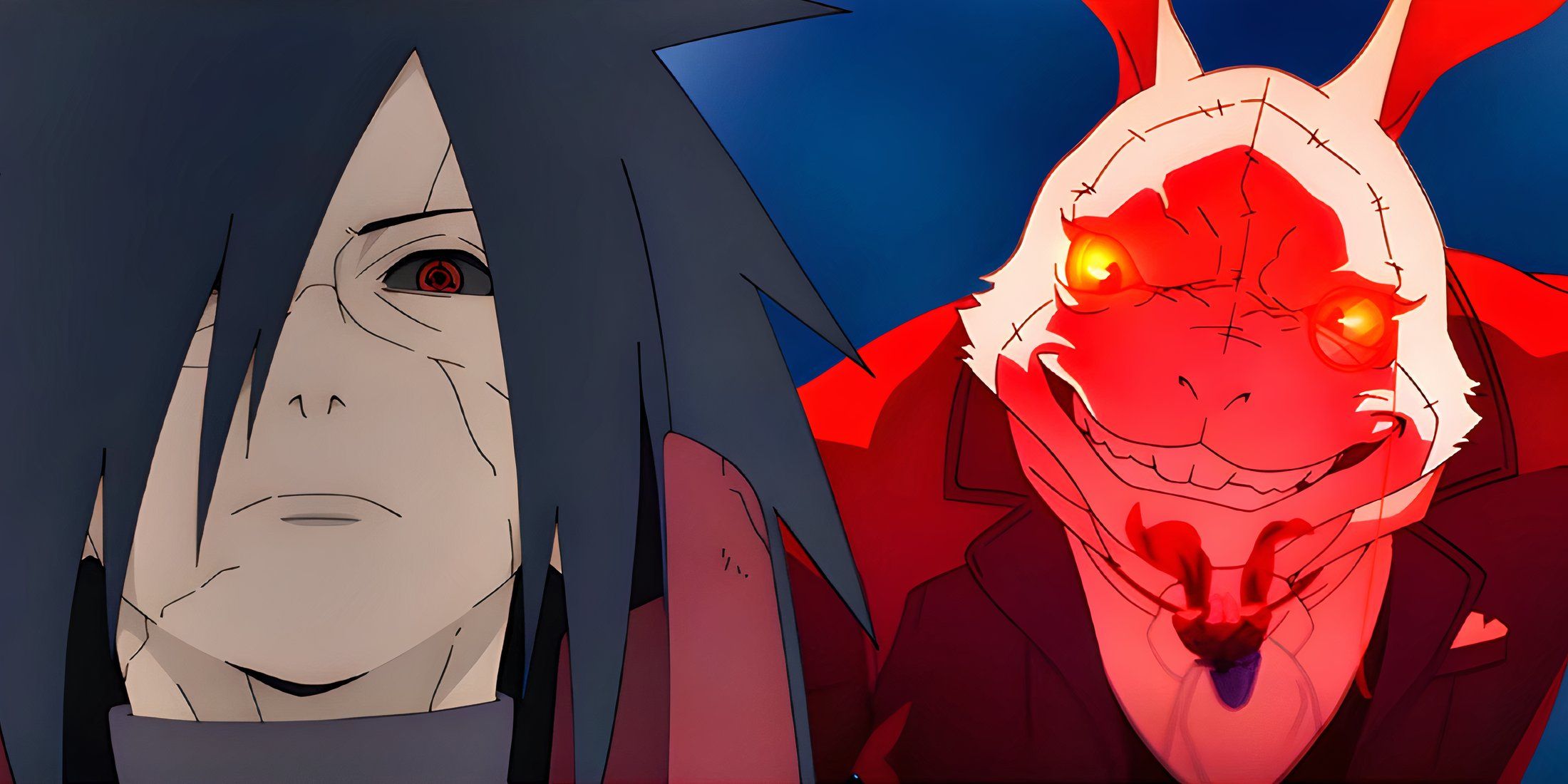
We often remember villains not for their cruelty, but for the good qualities they appeared to have, even while doing terrible things. Anime is particularly skilled at blurring the lines between right and wrong, creating antagonists whose pain, beliefs, or struggles resonate with audiences. This leads viewers to secretly root for them, not because their actions are justified, but because their motivations feel deeply, and disturbingly, human.
These characters sparked moral debates among viewers. They exposed the flaws, broken ideals, or harsh realities that the story couldn’t ignore. Driven by love, beliefs, the will to survive, or sheer desperation, each villain on this list made fans question who they should be rooting for. This collection highlights eight anime that didn’t just create memorable villains, but also made us understand – and sometimes even sympathize with – their motivations, even when it was difficult.
Hunter x Hunter
Meruem
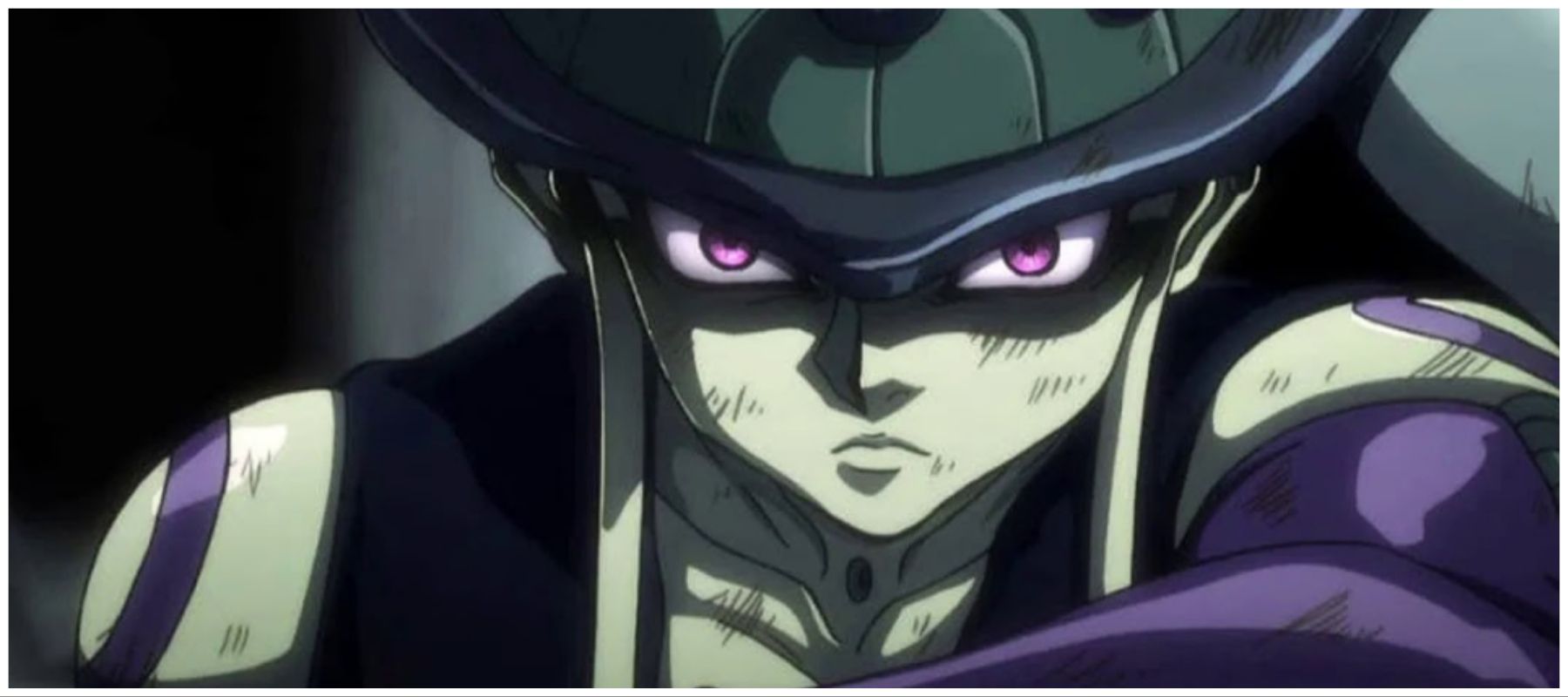
Initially, Meruem is a monstrous king, seeing humans simply as tools for his own power. He starts as a cruel and arrogant figure, offering no reason for sympathy. However, as the story unfolds, Meruem begins to change. This transformation isn’t marked by dramatic battles, but by subtle moments of connection and introspection, especially through his relationship with Komugi.
Fans didn’t cheer for Meruem because he was a hero, but because he grew as a character through self-discovery. He began to question his own existence, his role as a ruler, and what truly mattered. By the end of his story, his conflict wasn’t about power over others, but about finding his own meaning. His death was poignant, illustrating a being who could have evolved into something remarkable – not a hero in the traditional sense, but far from a monster.
Psycho-Pass
Shogo Makishima
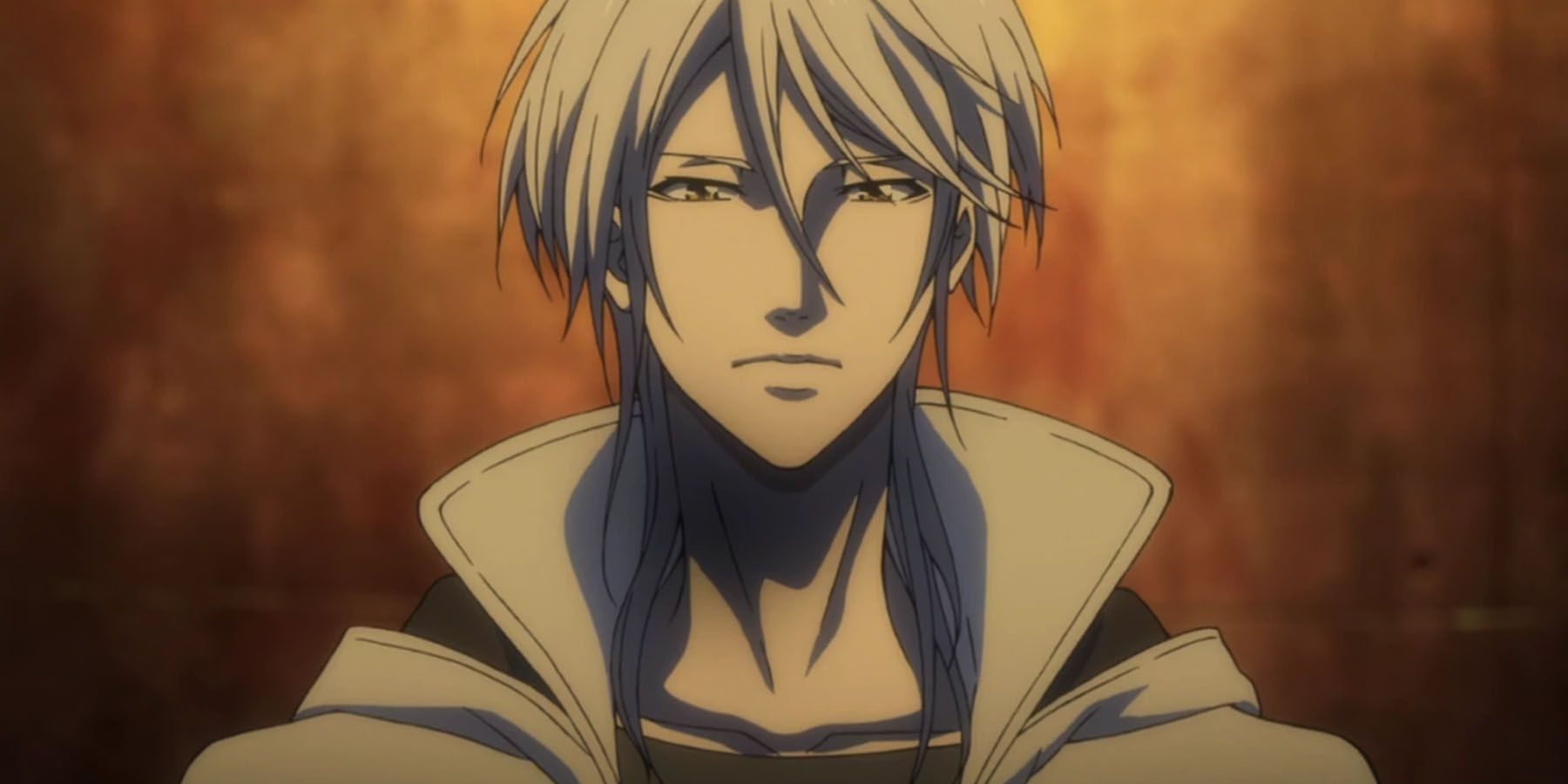
Makishima isn’t driven by a desire for world domination or power; his actions stem from his beliefs. He’s a disturbing figure in a society controlled by the Sibyl System, which constantly measures and monitors people’s morality and mental state. He doesn’t see this system as a safeguard, but as a prison that strips people of their humanity, free will, and individuality. His crimes aren’t random acts, but deliberate statements.
I have to admit, I really found myself understanding where Makishima was coming from. He asked questions nobody else dared to, and they were tough, but totally valid. It made you think – could a peaceful world really be worth it if it was built on control and forced compliance? He definitely did terrible things, no question. But his ideas exposed the cracks in this supposedly perfect society. A lot of us couldn’t help but see him as the only one brave enough to challenge a system that was clearly flawed, even if his methods were extreme.
Death Note
Light Yagami
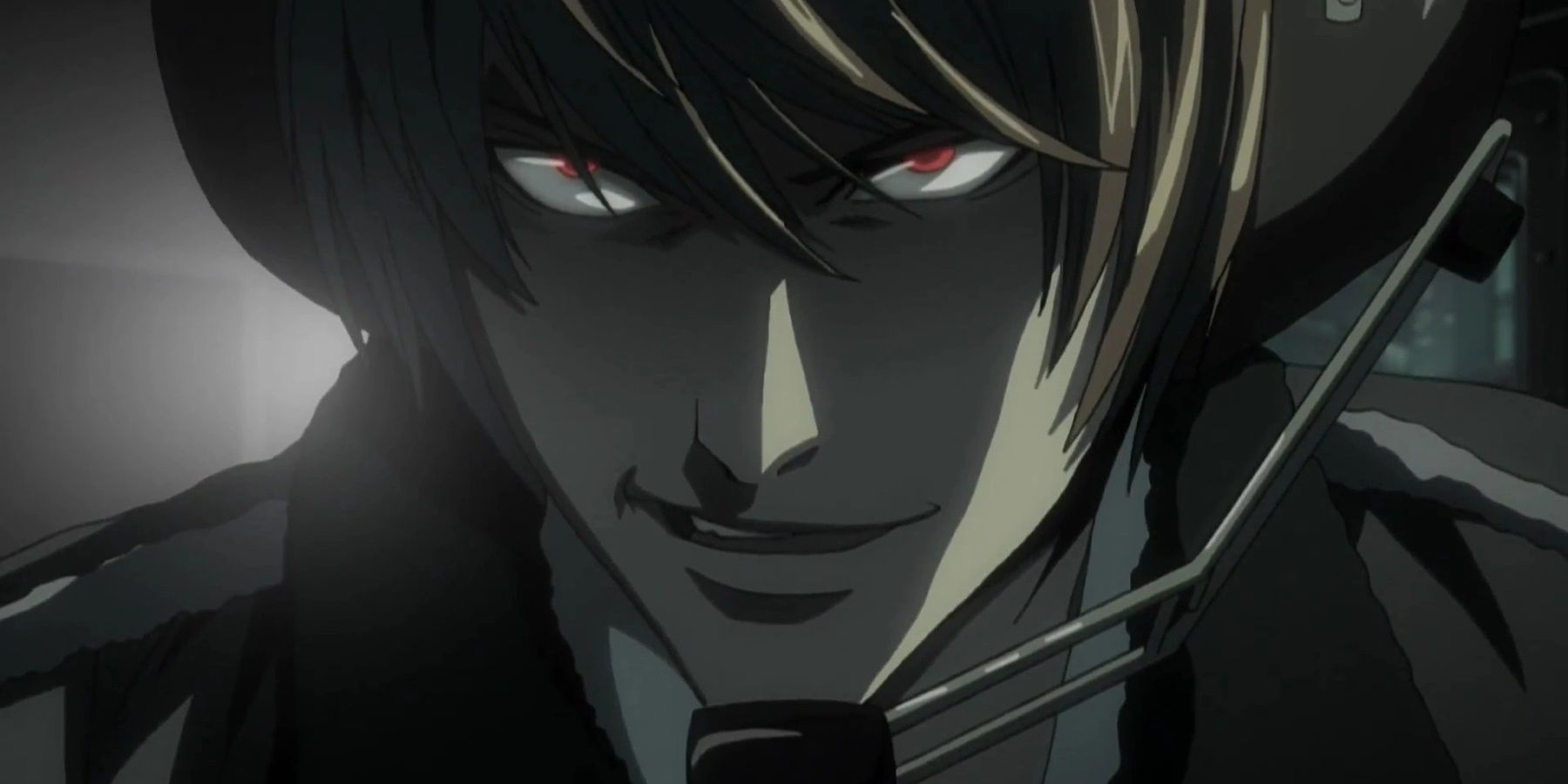
Light Yagami embodies the idea of someone with good intentions who ultimately makes terrible choices. While he isn’t a typical villain, his willingness to do anything – even harm others – to achieve his goals is what defines him as a ‘bad guy’ for most people. Initially, his desire to rid the world of crime feels understandable; a world without murderers and injustice sounds appealing. However, when he gains the power of the Death Note, he takes on the roles of judge, jury, and executioner, convinced that having absolute power is the only way to achieve true peace.
People weren’t drawn to Light because he was good, but because of his conviction. As he became increasingly ruthless and self-serving, his intelligence, resolve, and refusal to back down—especially to run away—made him strangely compelling to watch. Viewers understood he was the villain, yet they still wanted to see what he was capable of, and how far his inflated sense of power would ultimately take him before his downfall.
Chainsaw Man
Reze
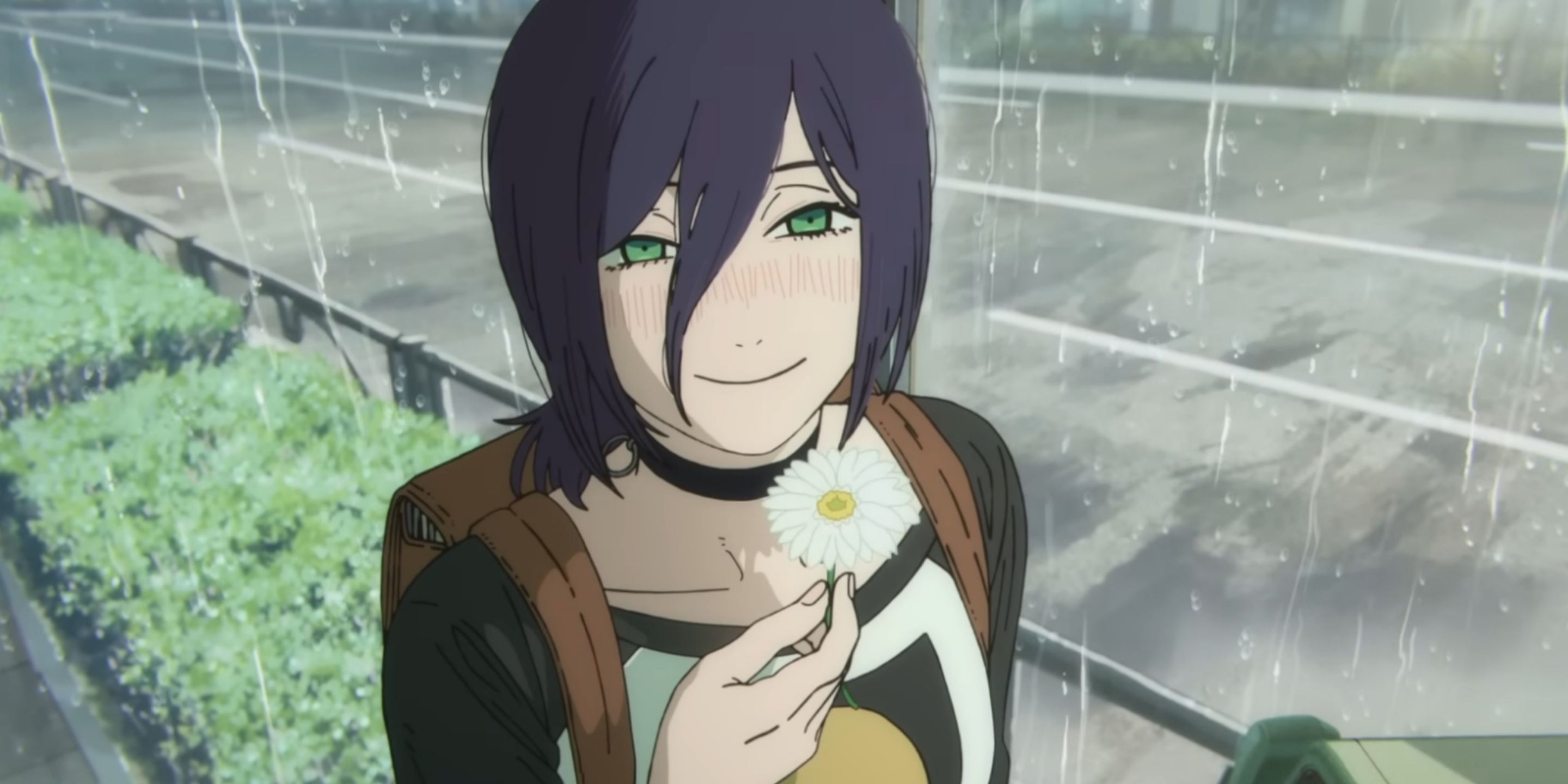
Seeing Reze enter Denji’s life felt like a real turning point for him – a chance at warmth, love, and maybe even a normal existence. But that hope was shattered when her true identity was revealed in a shockingly violent way: she was the Bomb Devil, responsible for terrible destruction and loss of life, all while trying to get close to Denji. What’s strange is, even after seeing the devastation she caused, many fans still feel sympathy for her. It’s hard not to, knowing she grew up an orphan and faced such a difficult life.
Reze represents the simple happiness Denji craves: freedom, genuine affection, and being treated with kindness. It’s hard not to feel for her, considering she’s both a dangerous assassin and someone who’s never experienced real emotion before. The fact that so many viewers still wanted her and Denji to end up together speaks volumes. While her actions haven’t been excused, people understood her difficult situation, and that’s why they hoped she’d survive.
My Hero Academia
Stain
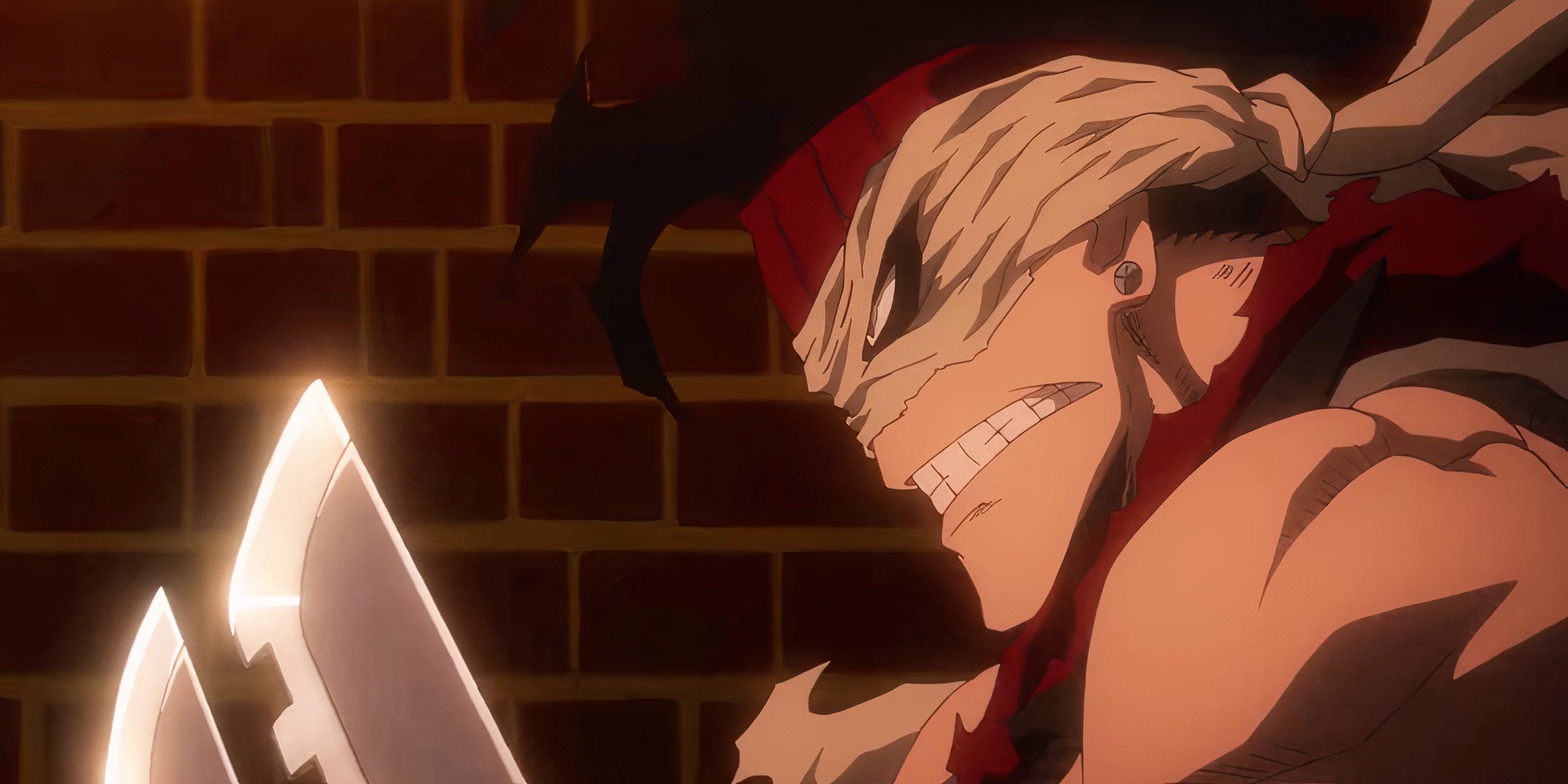
What’s truly unsettling isn’t his wickedness, but how much he exposes the dishonesty within the society that celebrates heroes. He doesn’t hate heroes themselves, but those who pretend to be heroic without actually living by strong principles. His response is extreme and violent, but he highlights a genuine problem: the prevalence of people chasing recognition and status while abandoning their values.
Stain inspired a devoted following who embraced his beliefs, which fundamentally questioned the foundations of the hero world. He didn’t just battle opponents; he forced everyone, even established heroes, to examine their own reasons for fighting. His impact extended far beyond his defeat, as his ideas continued to resonate. Ultimately, Stain simply wanted heroes to live up to their true potential, and he even reignited All Might’s determination when he was losing faith.
Devil May Cry
White Rabbit
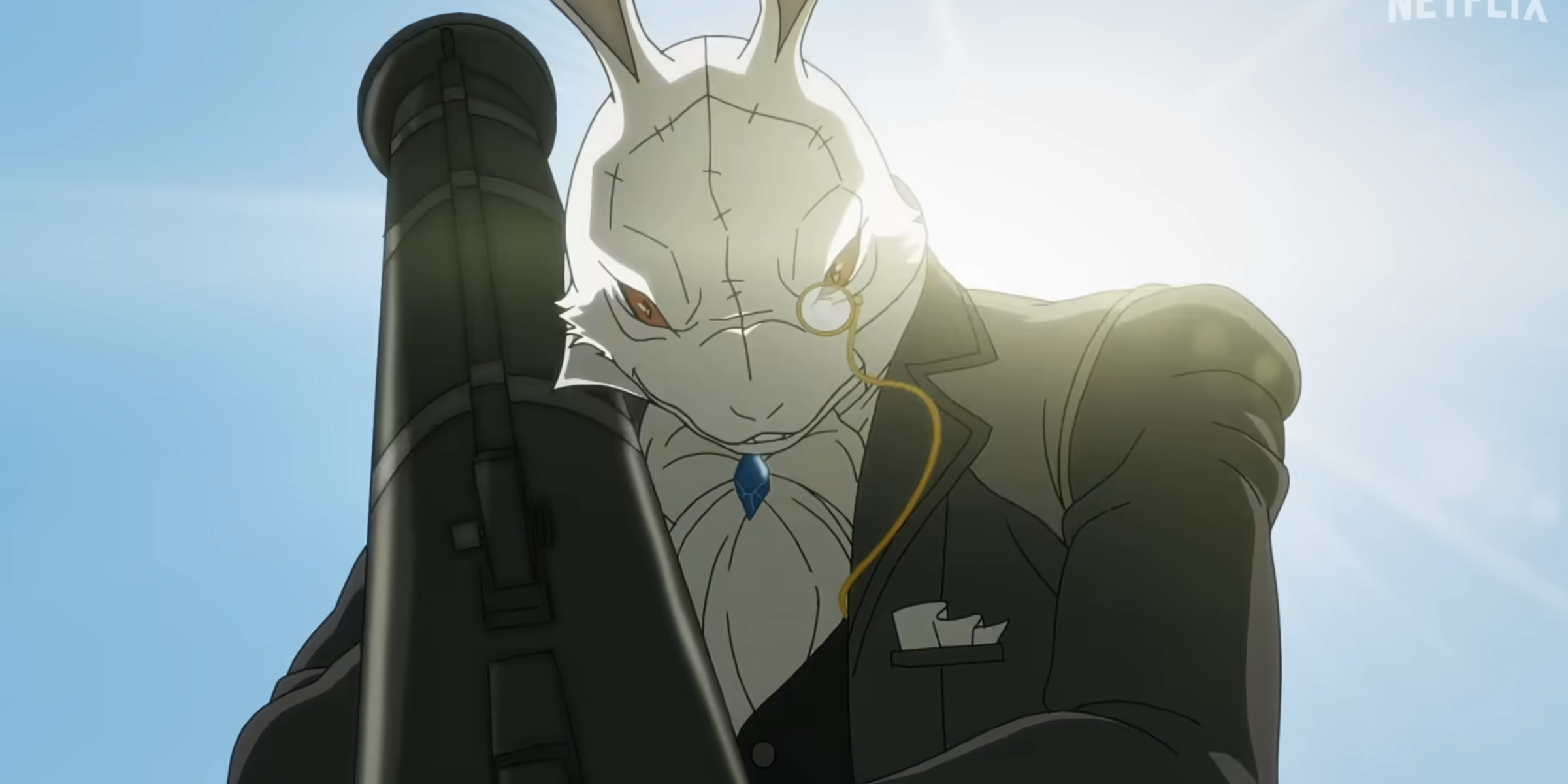
White Rabbit is a tragic villain, not motivated by a desire for power, but by deep pain. While his actions are cruel and destructive, they stem from a feeling of rejection. He doesn’t seek domination; he wants his suffering to mean something. His confession to Lady – that she was responsible for who he became – resonated with viewers and made him a fan favorite.
Unlike typical villains, his motivations were deeply personal and relatable. Every encounter felt charged with emotion, making it hard to see him as simply an enemy. In a world of monsters and demons, White Rabbit felt painfully human, and viewers found themselves hoping for his happiness, even if a happy ending wasn’t possible.
Attack on TItan
Eren Yeager
 Eren Yeager
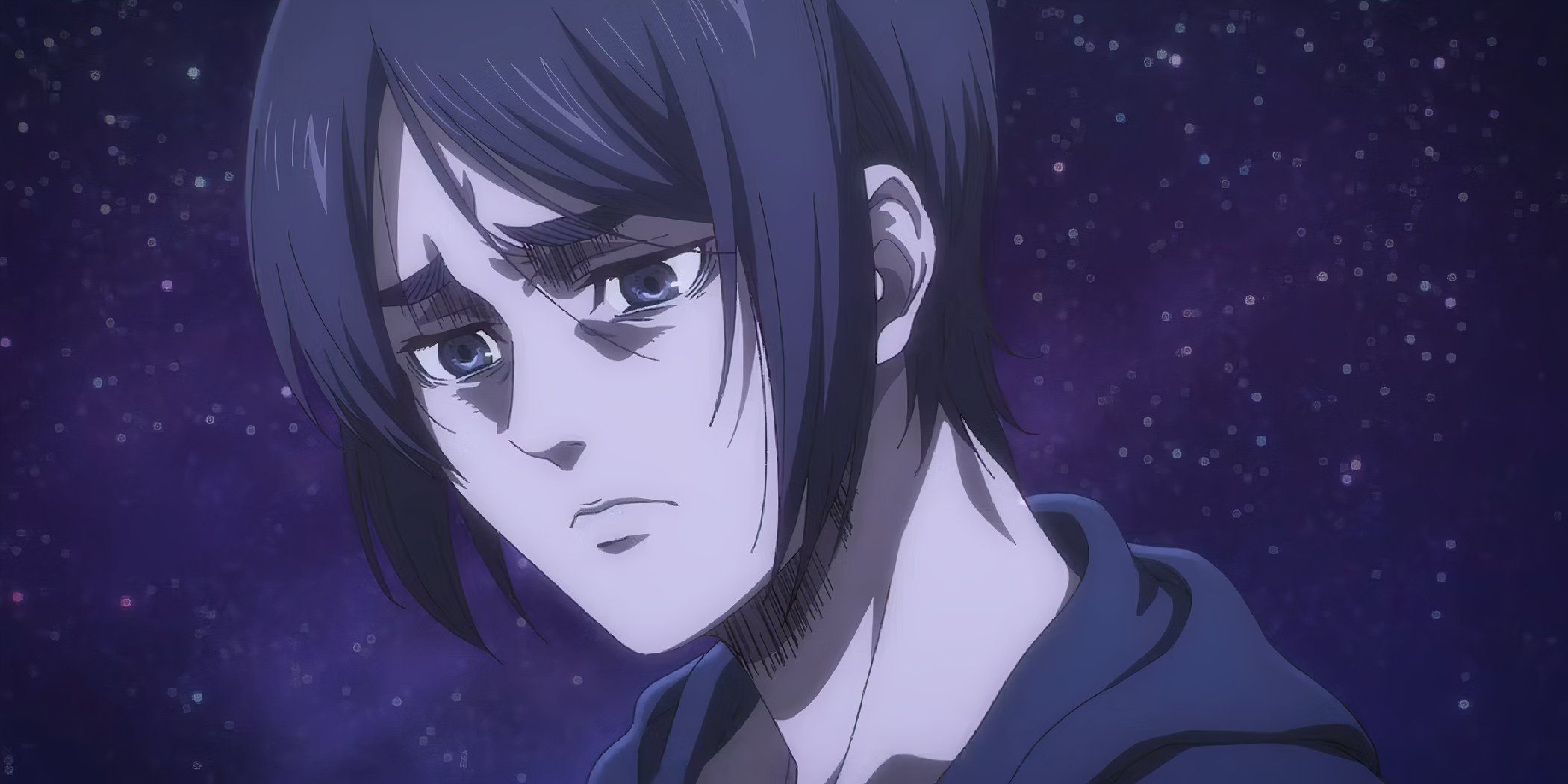
 Eren’s journey is one of the most heartbreaking in recent storytelling, as he goes from a boy dreaming of freedom to becoming the very thing he once fought against. While he’s not simply a villain, the harsh realities of his world forced him to make terrible choices. In the final season, Eren transforms into a global threat, becoming a hero to some and a villain to most. He becomes a force of destruction poised to wipe out the world, yet despite the horror of his actions, he maintains a large and devoted fanbase.
Eren wasn’t motivated by malice, but by a desperate need to protect his friends and homeland. Though his actions ultimately made him appear as a villain, viewers understood the impossible weight he carried. His actions weren’t a failure, but a tragic sacrifice, which made his story so captivating and heartbreaking.
Naruto: Shippuden
Madara Uchiha
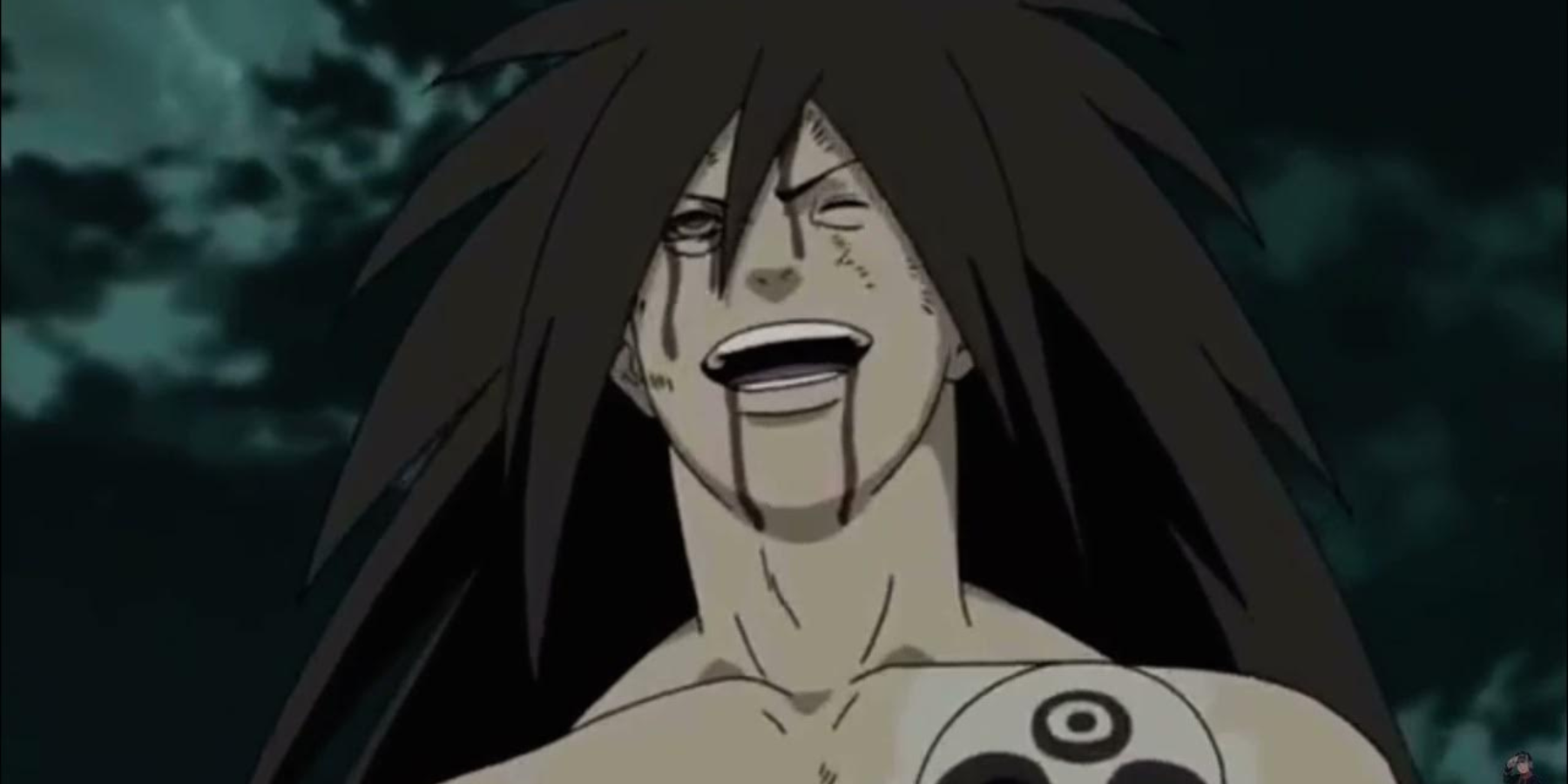
Madara Uchiha was a remarkably powerful, yet deeply tragic figure. Having experienced endless war, betrayal, and loss, he genuinely believed the world was beyond saving. His plan, the Infinite Tsukuyomi, wasn’t born from malice, but from a desire to create lasting freedom – a world without suffering, even if it meant taking away people’s ability to choose for themselves.
Madara was a popular character because he embodied the tragedy of losing hope. Viewers were drawn to his strong personality, incredible power, and beliefs that, while extreme, were understandable. He’s also remembered for delivering one of the most iconic lines in anime. Had things gone differently, Madara could have been a hero – even a protector of the entire ninja world. Instead, he became its greatest enemy, a heartbreaking twist that made him particularly compelling to fans.
Read More
- All Shadow Armor Locations in Crimson Desert
- How to Get the Sunset Reed Armor Set and Hollow Visage Sword in Crimson Desert
- Best Bows in Crimson Desert
- All Golden Greed Armor Locations in Crimson Desert
- Wings of Iron Walkthrough in Crimson Desert
- How to Craft the Elegant Carmine Armor in Crimson Desert
- All Helfryn Armor Locations in Crimson Desert
- How To Beat Ator Archon of Antumbra In Crimson Desert
- Keeping Large AI Models Connected Through Network Chaos
- Sakuga: The Hidden Art Driving Anime’s Stunning Visual Revolution!
2026-01-08 22:05