Summary
- Change in horror elements: Film explores varied folklore threats unlike game’s rising suspense.
- Absence of interaction: Film lacks player agency and interactive elements game offers.
- Different protagonists: Film focuses on new character Clover, diverging from game’s ensemble cast.
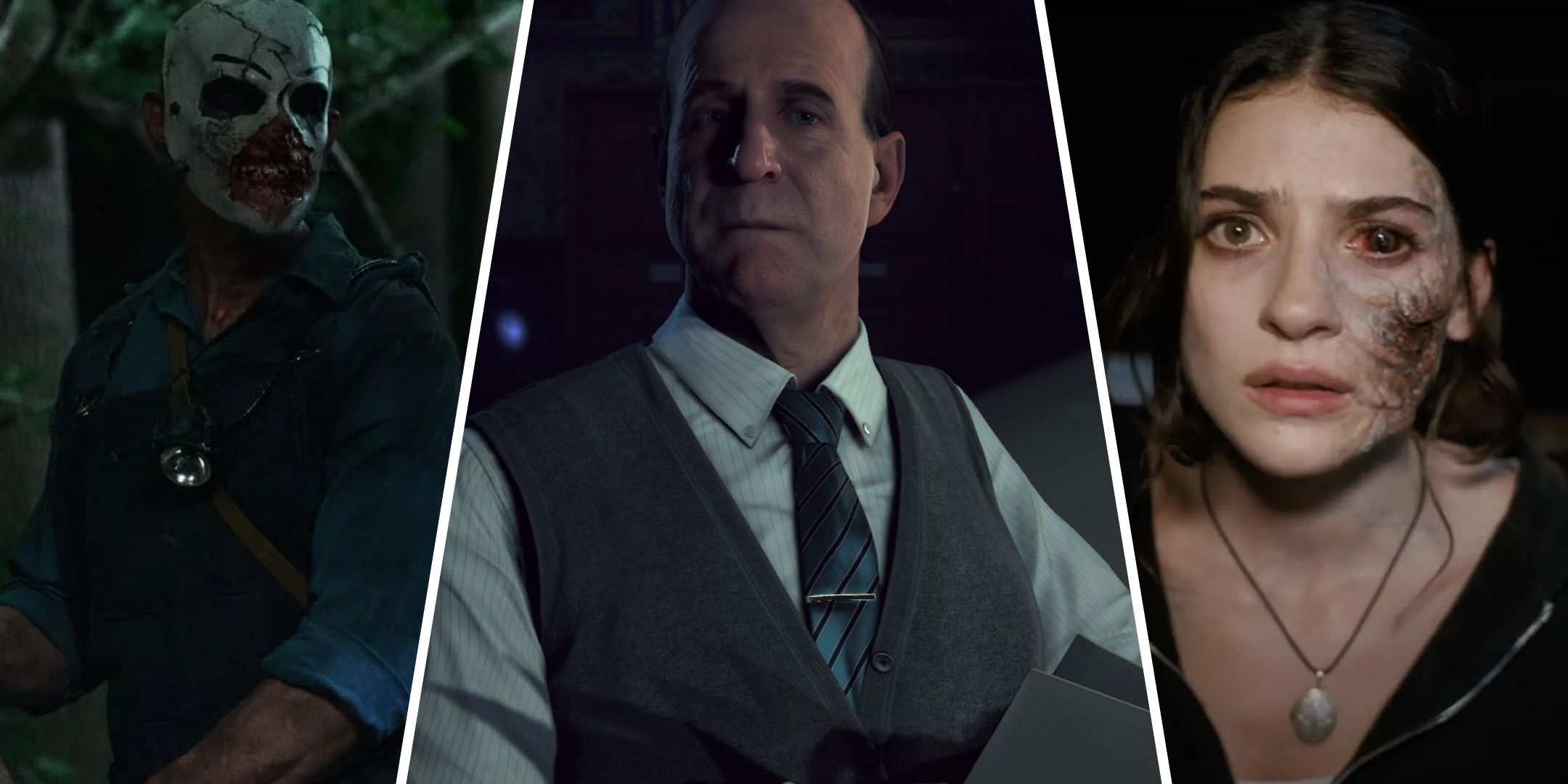
In a nod to one of the most popular interactive games based on choices, Until Dawn, the movie version is crafted, retaining much of the original’s essence despite lacking its unique mechanics. This includes bringing back familiar characters and recreating threats from the narrative, albeit with a revised plot and fresh protagonists that offer a new perspective on the original work.
In contrast to the game, the Until Dawn movie varies primarily in the presentation of choices for the audience and the characters, while maintaining its core theme by delving into a plot heavily influenced by teen horror and slasher genres. Despite these adaptational changes, it retains the essence of Until Dawn by preserving the elements that make it distinctive.
8. Change Of Tone
One Of The Most Tangible Differences Between The Movie And The Game Of Until Dawn
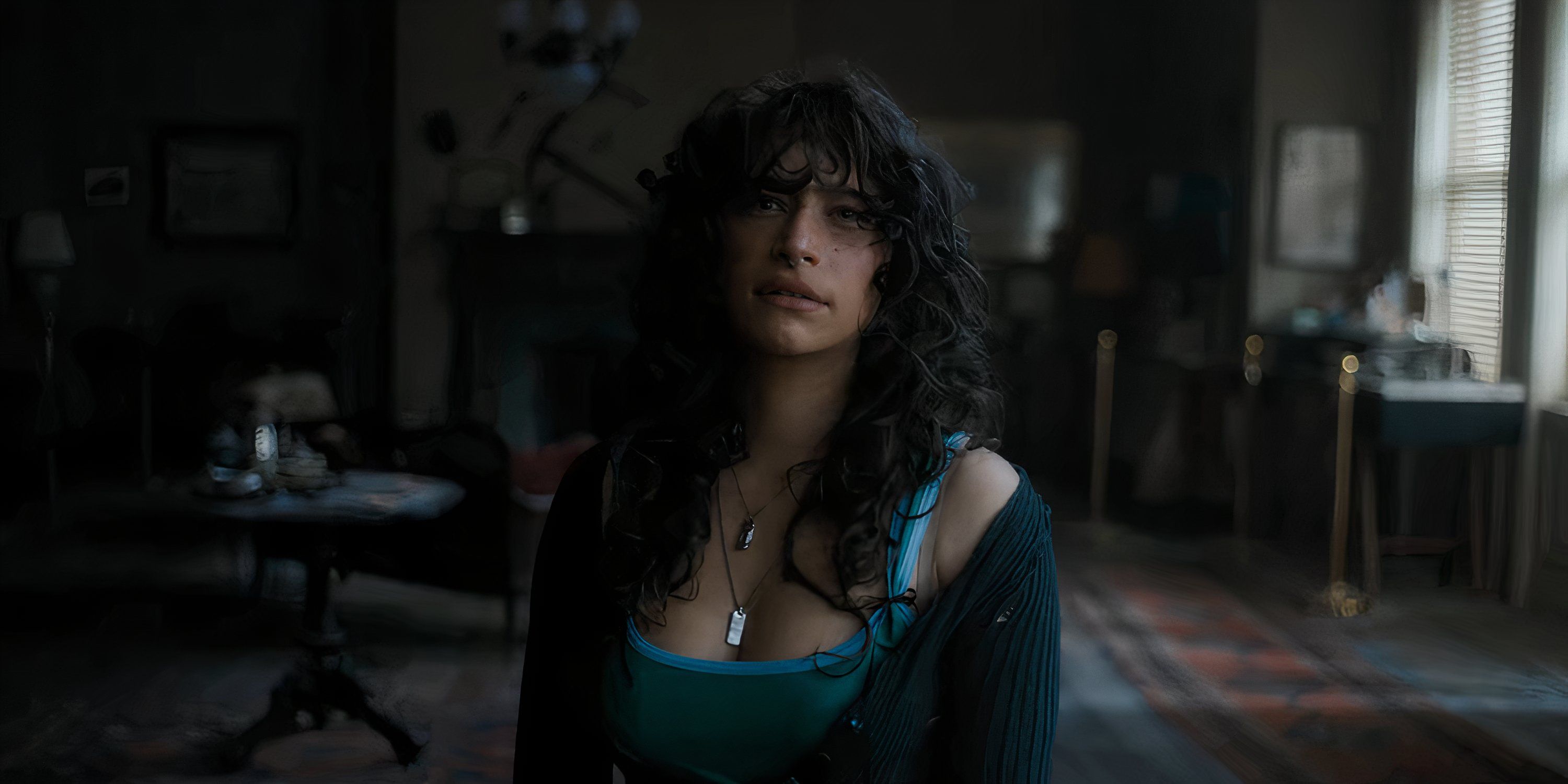
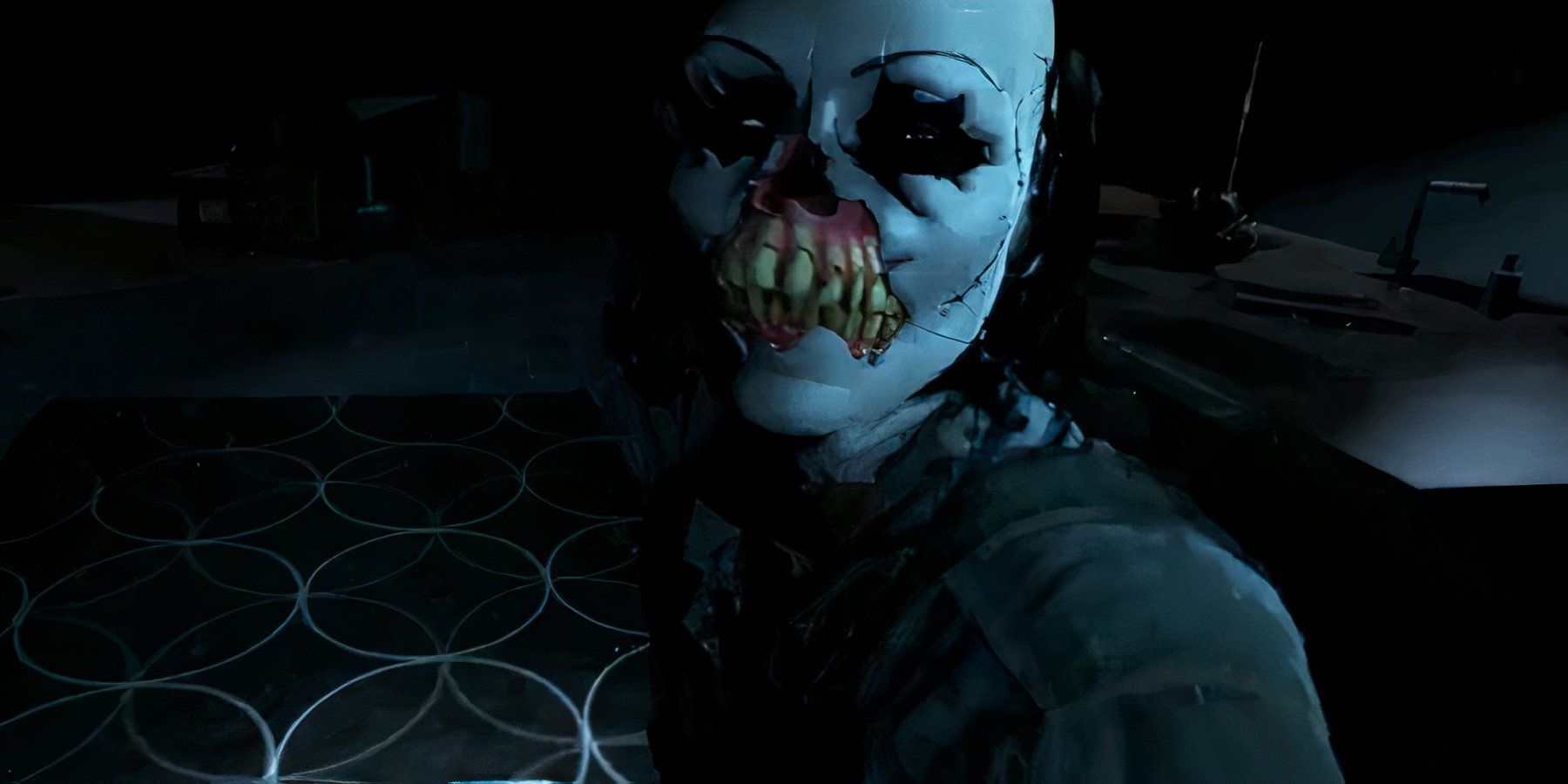
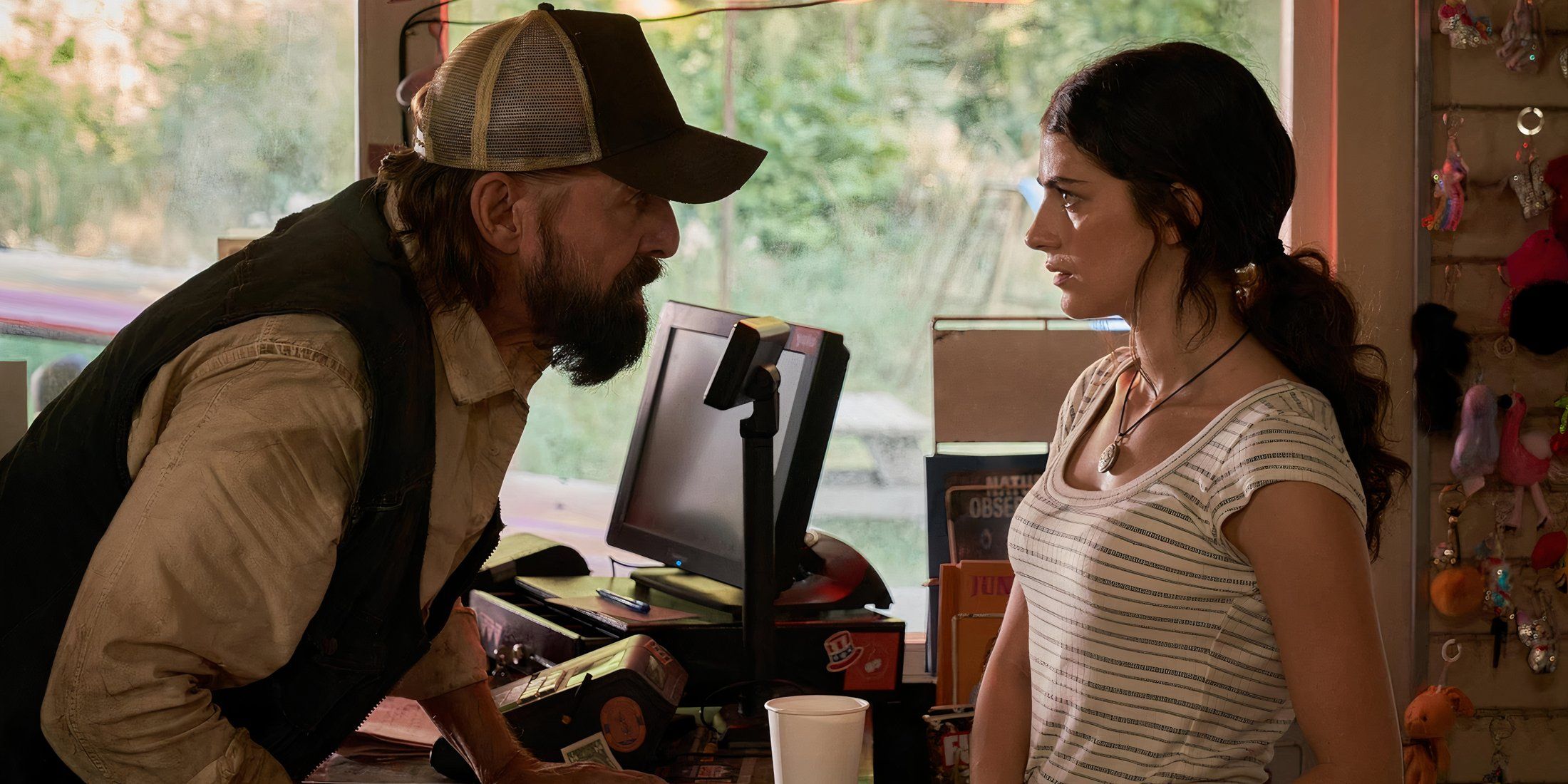
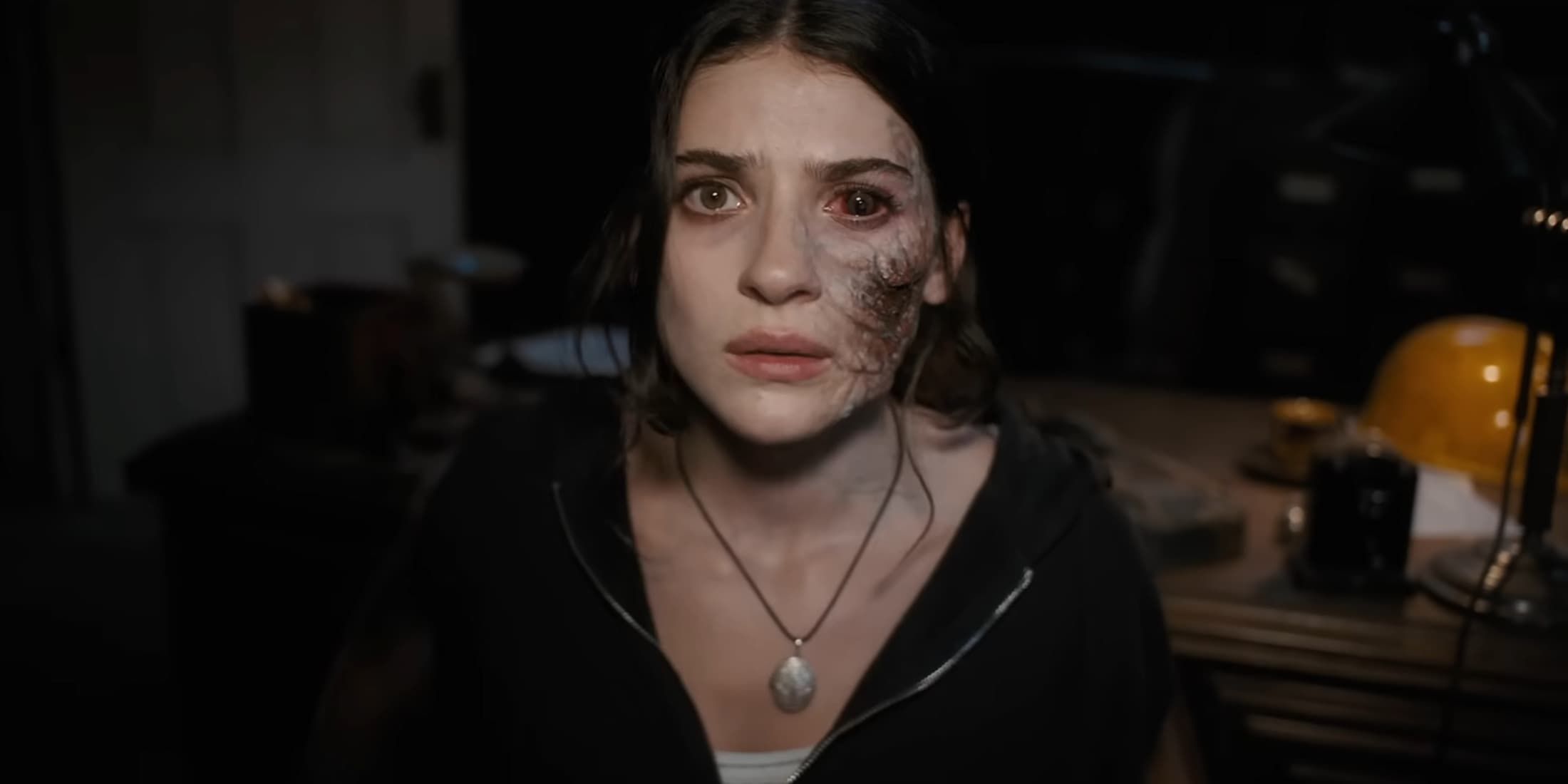
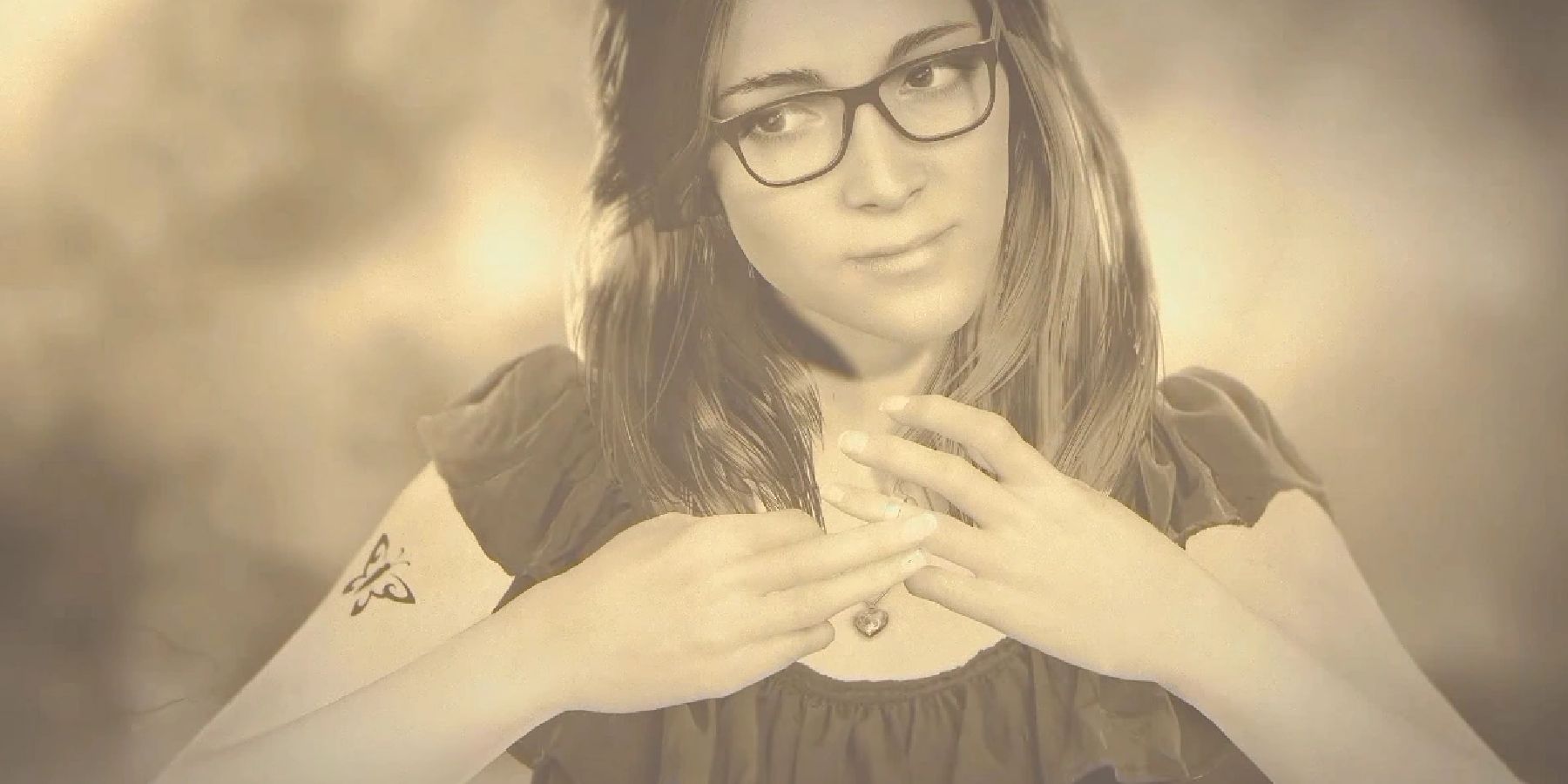
In my perspective, one significant variation I noticed between the game and the “Until Dawn” movie lies in the shift of tone. While the game skillfully interweaves nail-biting moments, such as delving into eerie locations or encountering the terrifying creatures, it also injects humor through engaging character interactions, particularly between friends like Chris and Josh, who have a casual, jovial camaraderie. The game also cleverly pays homage to horror genre stereotypes.
The movie version of “Until Dawn” adopts a grittier, more solemn style, concentrating on the intense emotional states of its characters, the suspense of discovering unfamiliar locations, the harrowing predicament they find themselves in, and Clover’s deep mourning over her sister’s vanishing. This resonates with the sorrowful narrative of Beth and Hannah in the game, although the events within the mines seem particularly intense and immediate.
7. Focus On Character Growth
The Characters Gain Deeper Development In The Game Thanks To The Extra Hours

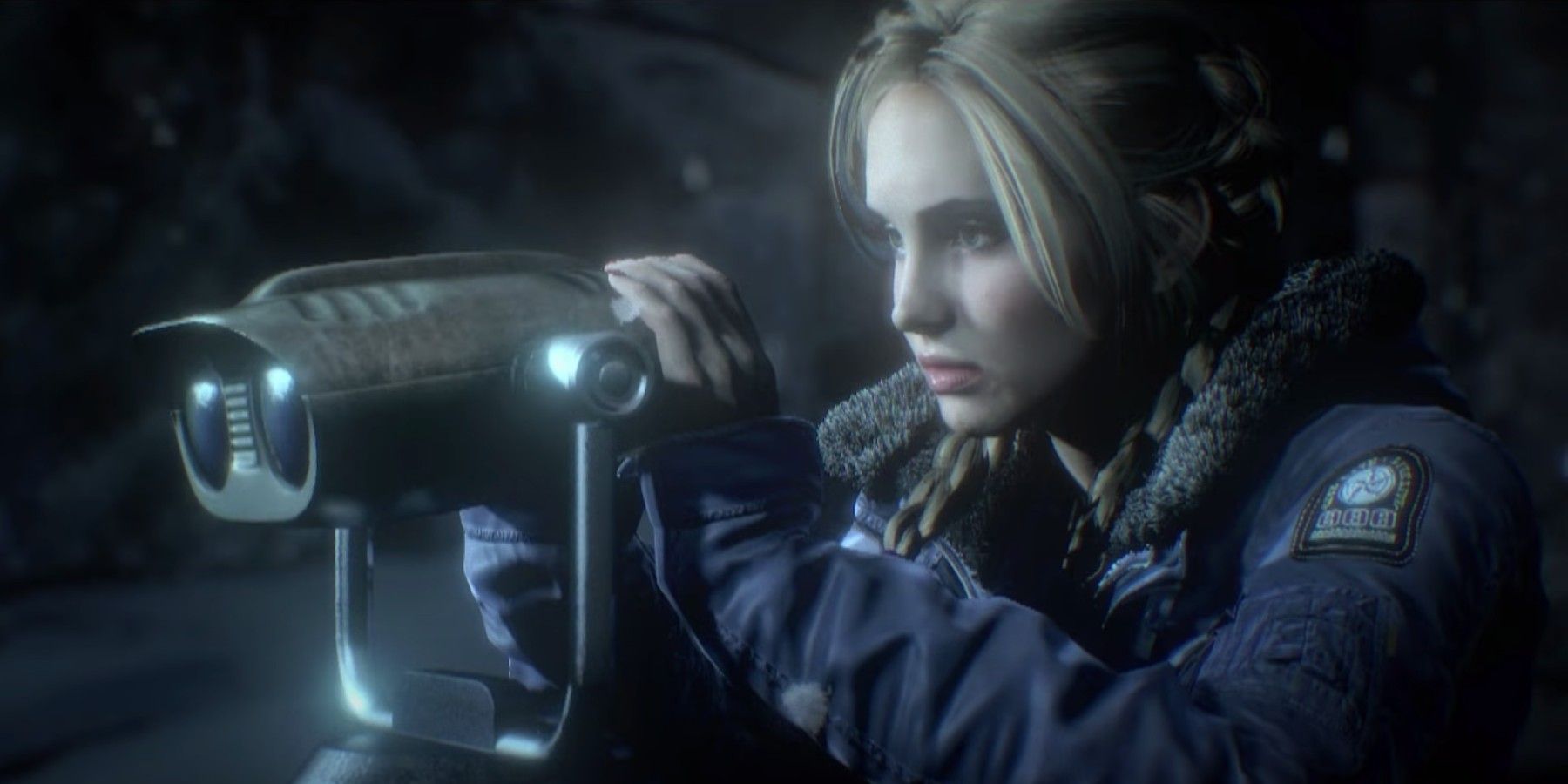
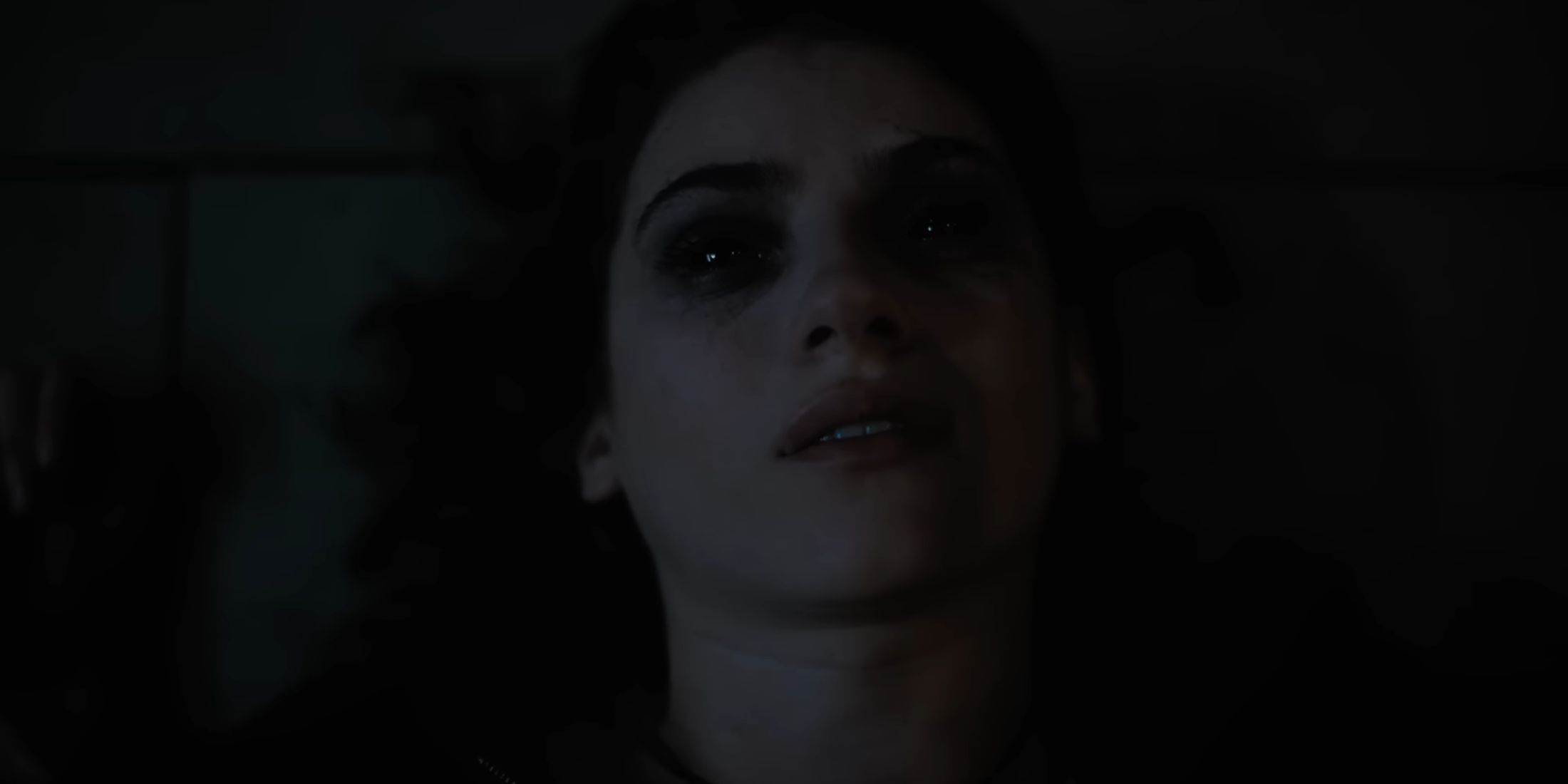
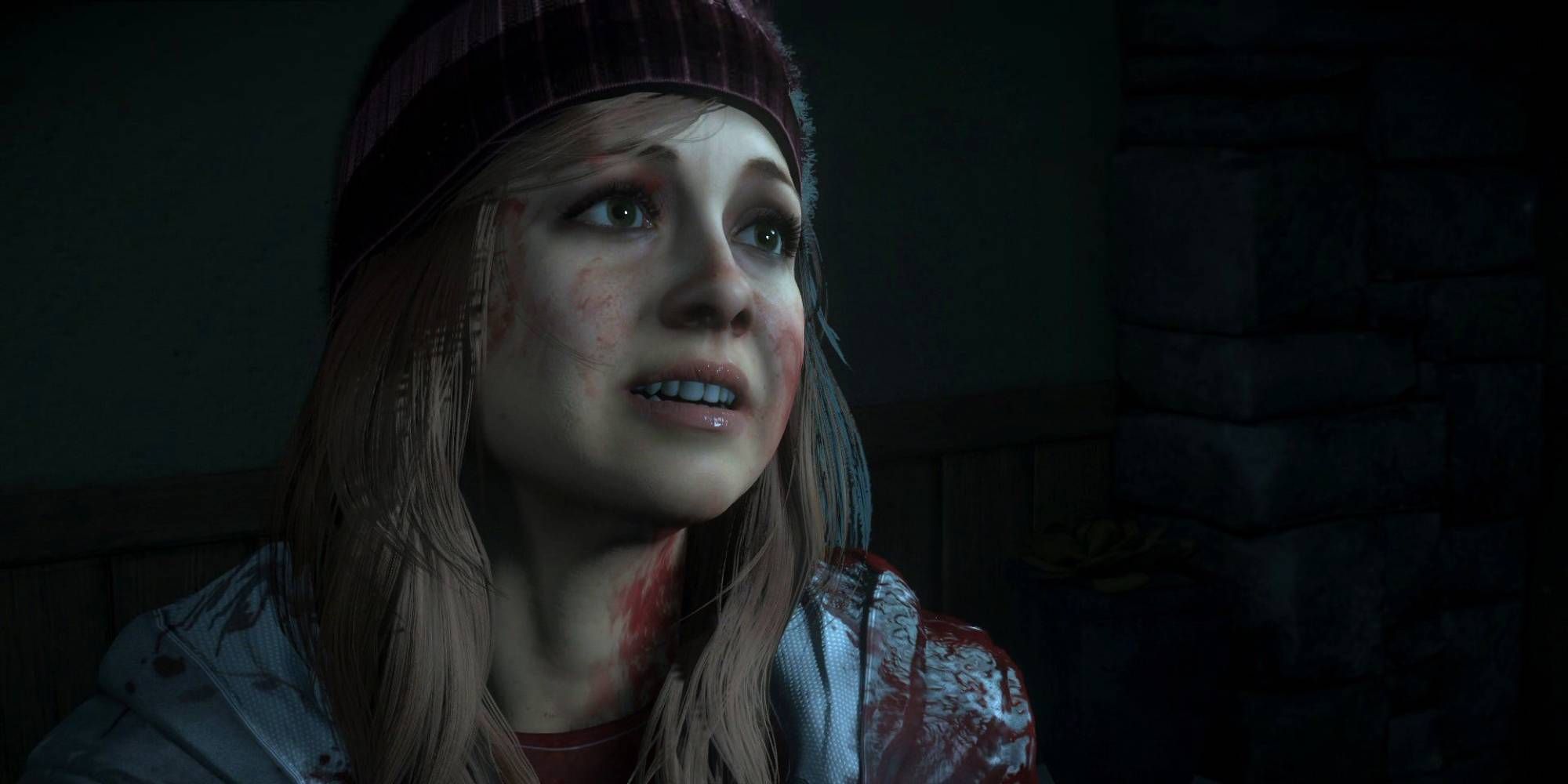
The movie primarily focuses on Clover’s struggle after her sister Melanie vanishes, providing one of the main storylines with rich depth. Despairing and seemingly without purpose, she encounters Melanie once more amidst fresh dangers. In contrast, other characters don’t get fully fleshed-out narratives or significant on-screen presence.
In contrast to the movie version, the game “Until Dawn” avoids the problem of rushed narratives since its extended length allows for individual character development, a personal arc for each character, and player input impacting both their progression and survival until dawn. This is one of the most significant distinctions between the film and the game “Until Dawn.
6. Renewed Cast
New Faces Can Shine In The Film Adaptation Of The Game Until dawn
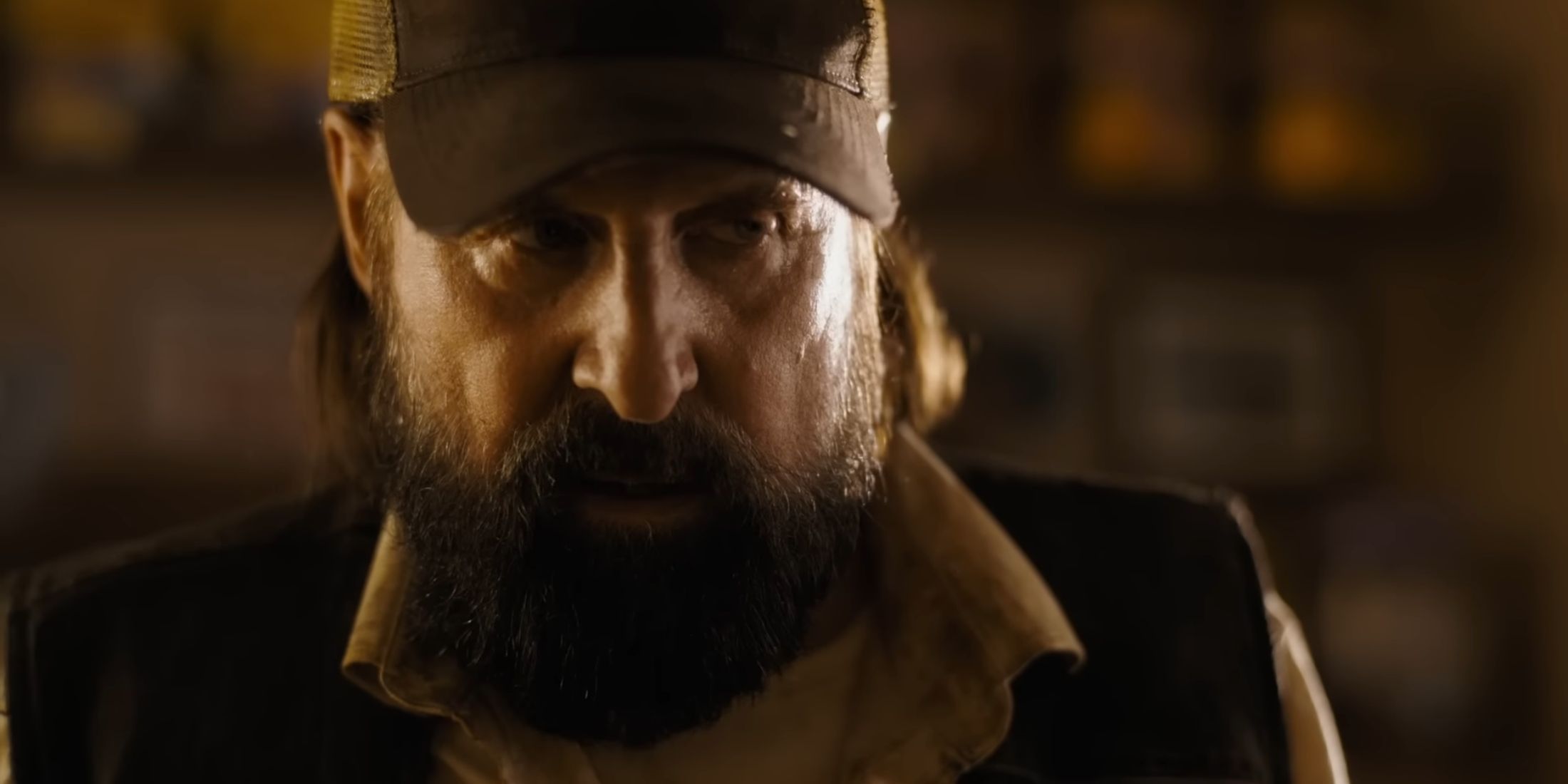
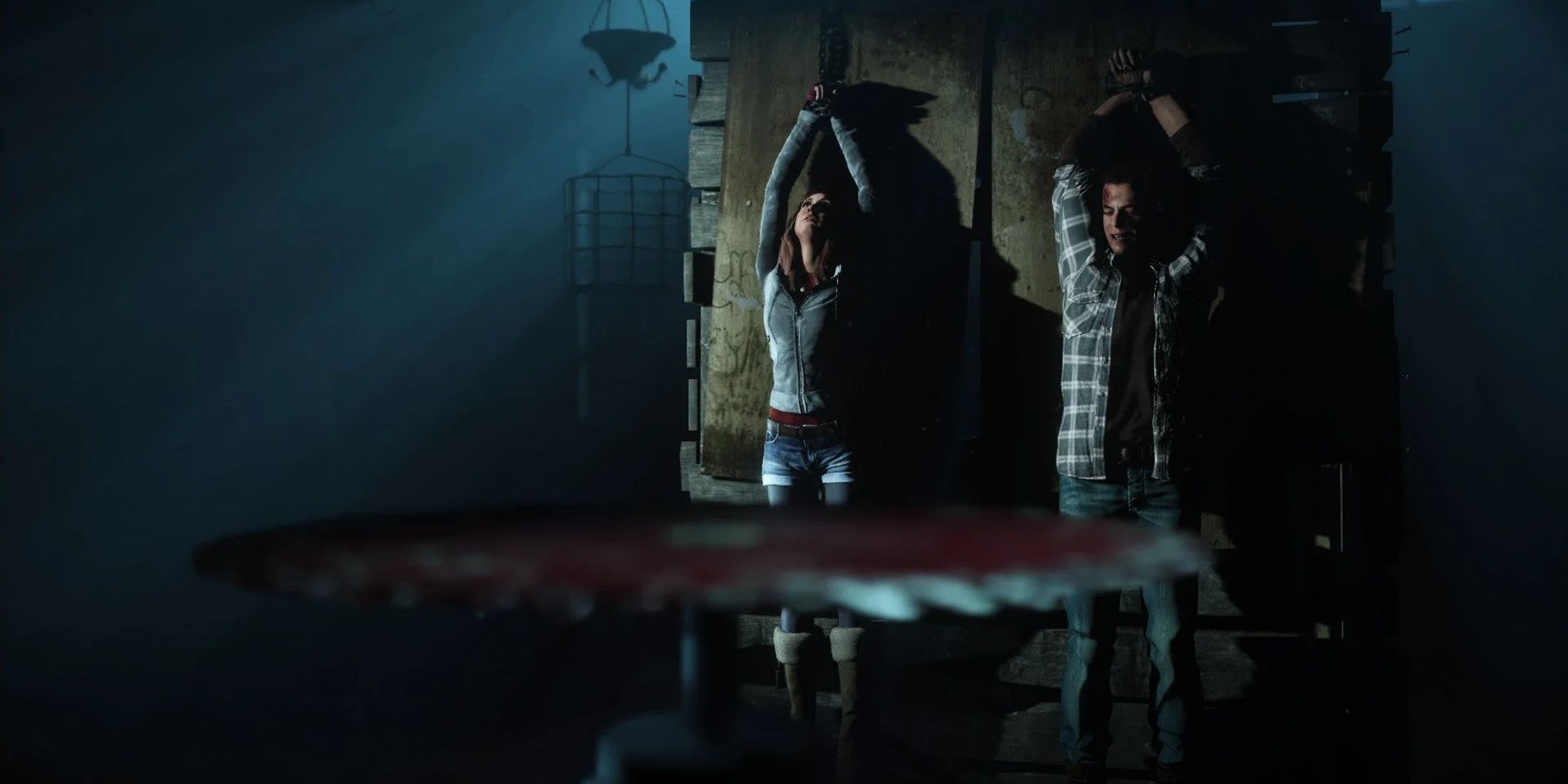
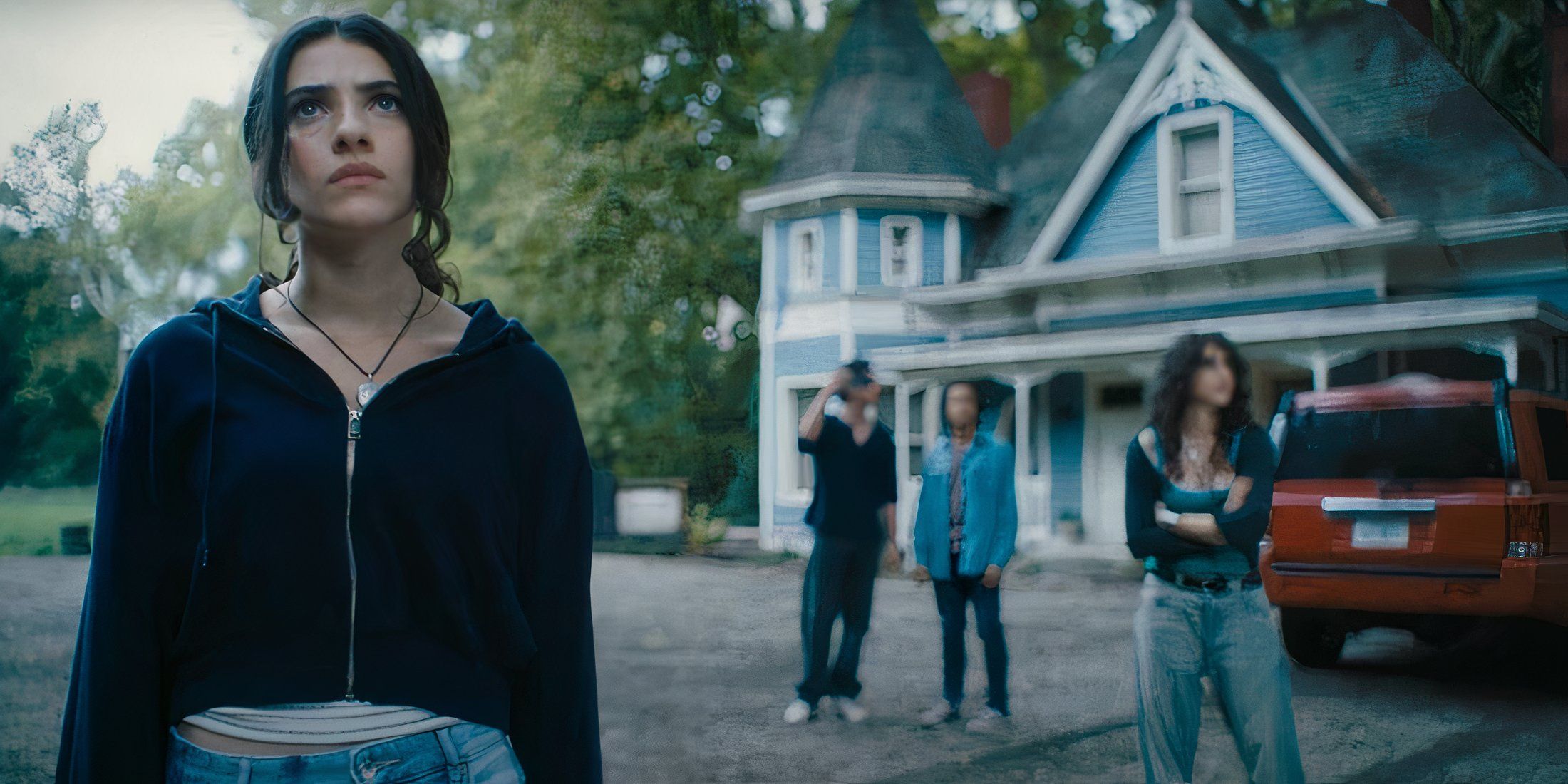
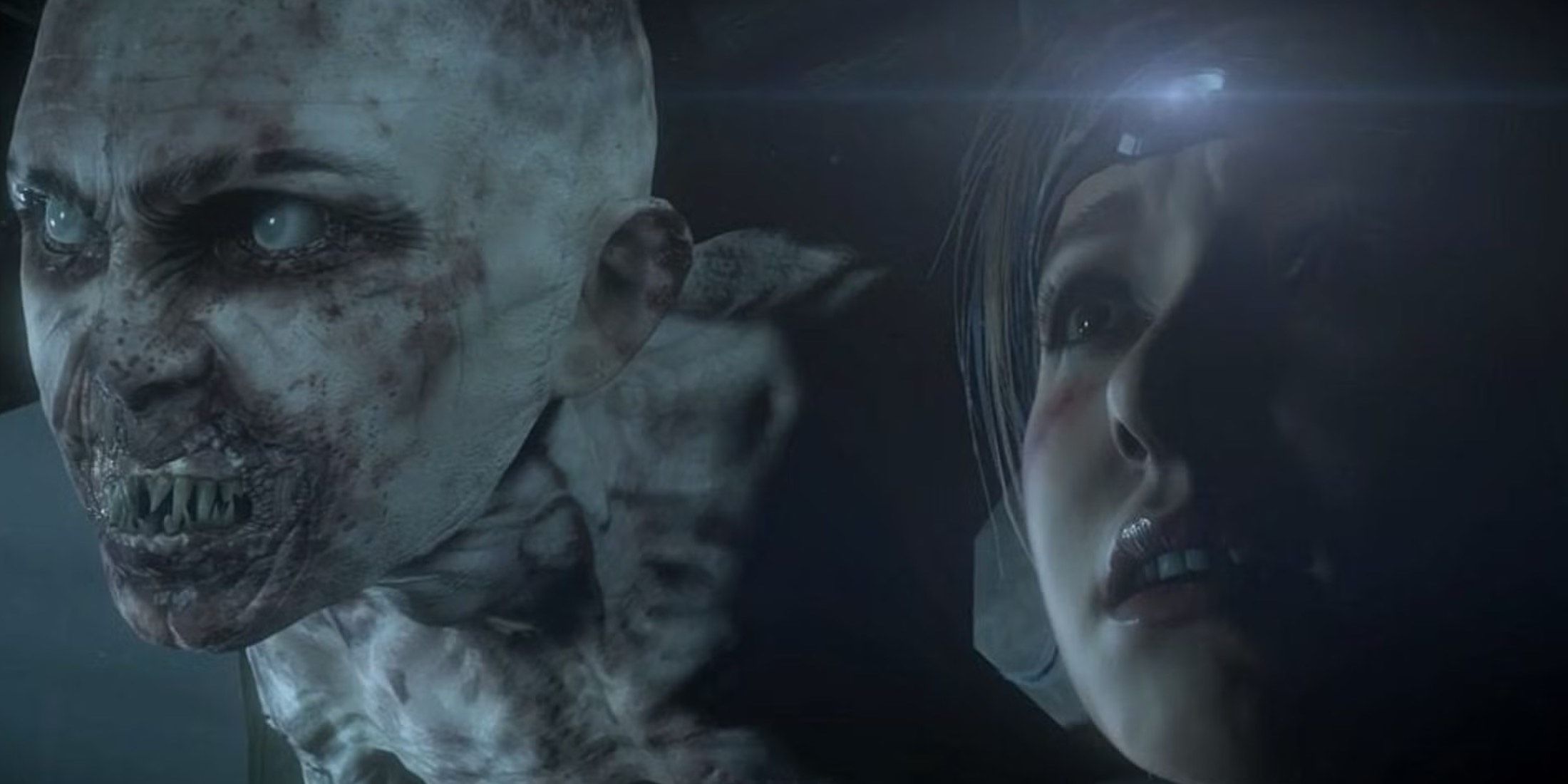
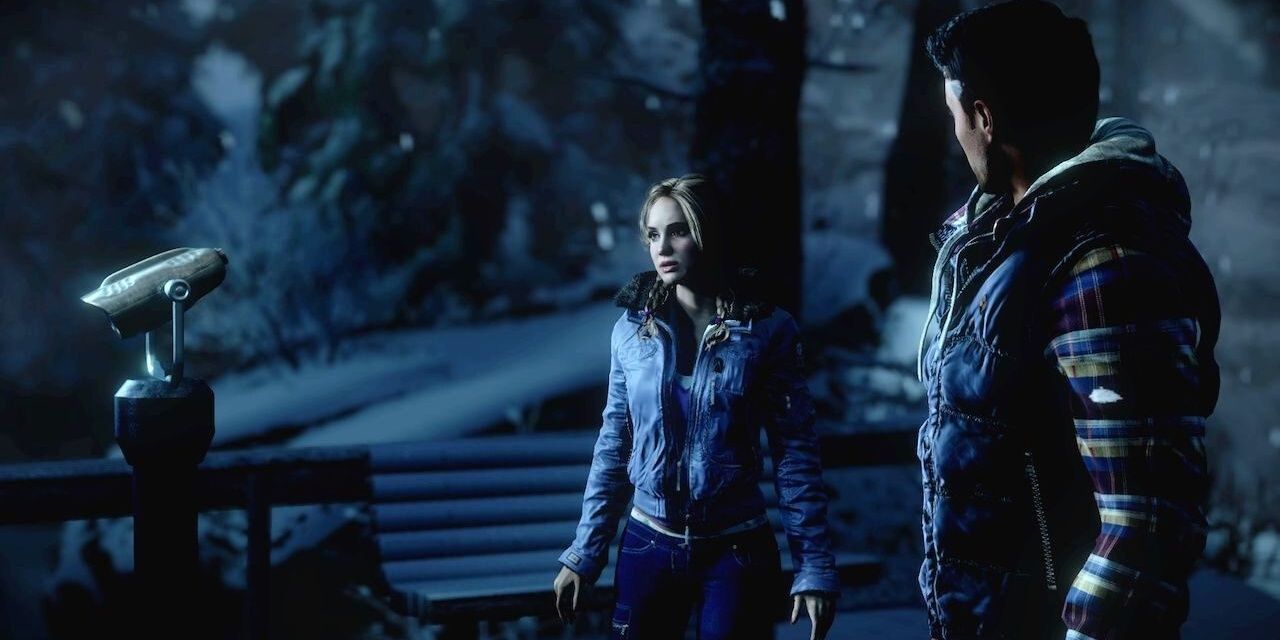
Over a decade has passed since I first encountered the captivating game “Until Dawn”. Back then, its impressive ensemble of actors made it challenging to reunite them for the movie due to age discrepancies and conflicting schedules. Consequently, the film introduces an entirely fresh cast, save for Peter Stormare who graciously reprises his role as Dr. Hill, delving even deeper into his original character.
Refreshing the cast of “Until Dawn” brings a novel perspective, enabling characters to be portrayed in distinct manners tailored to both gaming and cinematic requirements. The movie adaptation not solely seeks a fresh vision but also provides an opportunity for emerging actors like Odessa A’zion and Michael Cimino to excel with a new screenplay for the narrative, showcasing their talents.
5. Change in Horror Elements
The Game And The Film Of Until dawn Differ In Their Approach To Horror
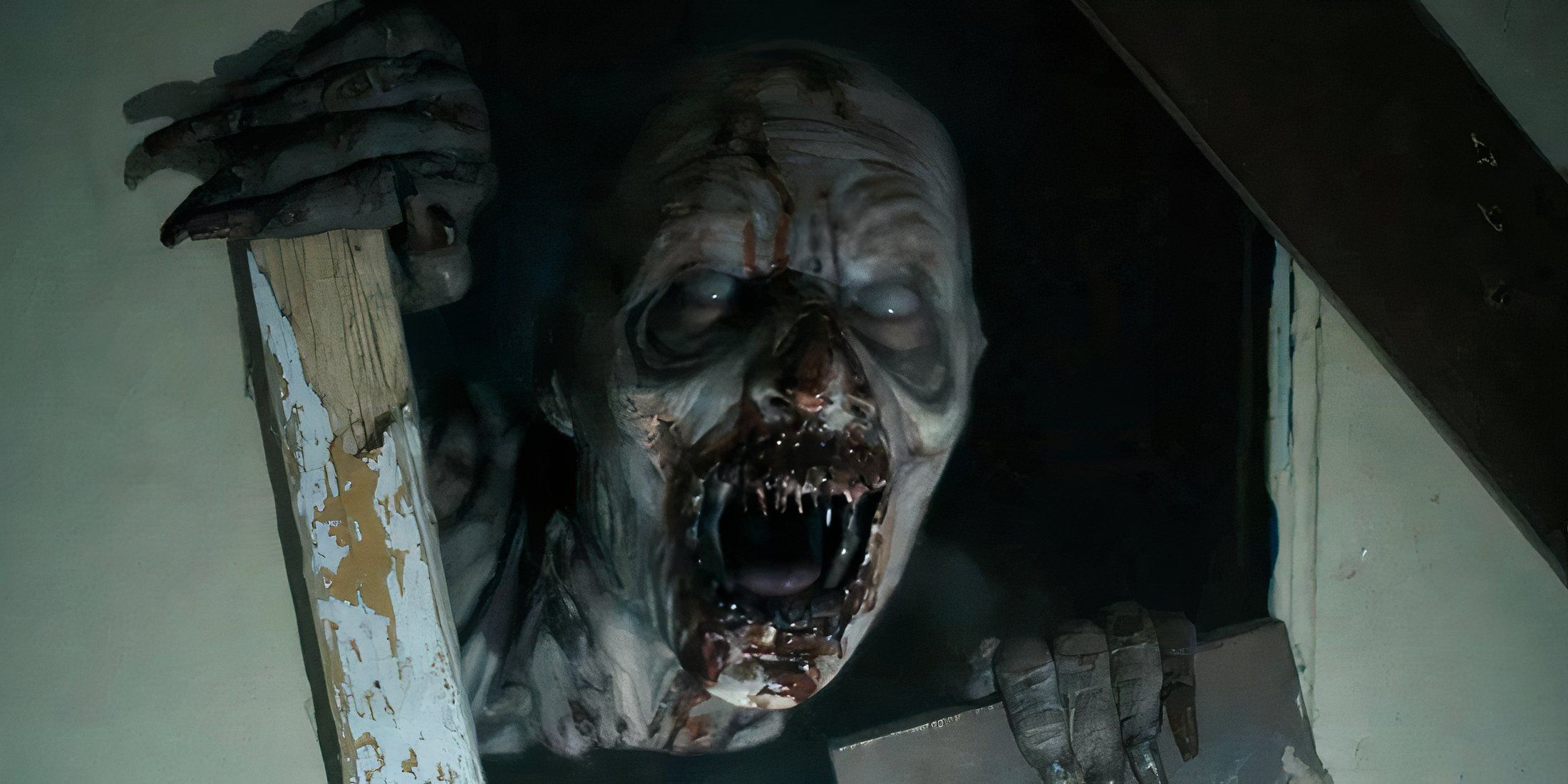
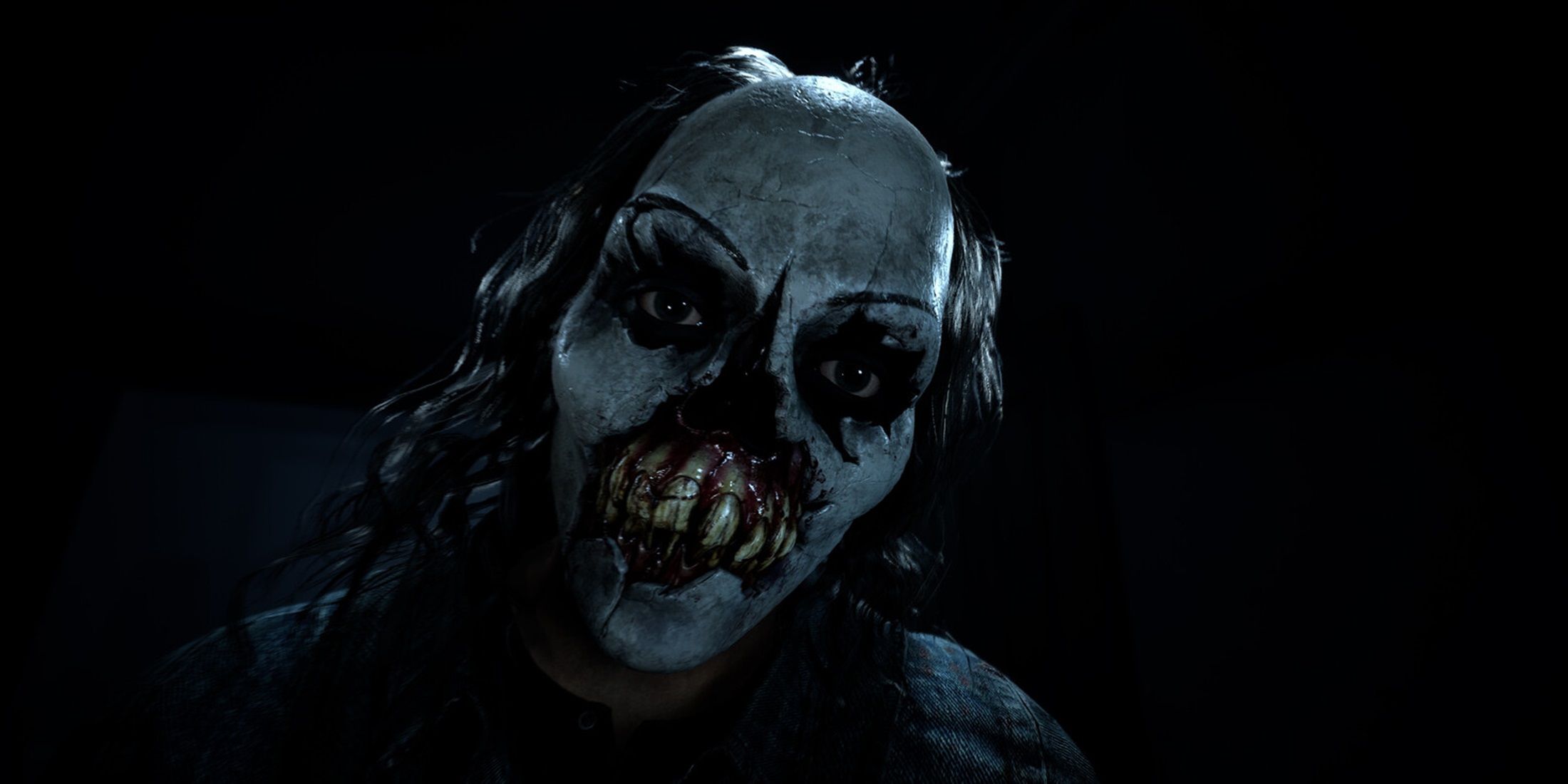
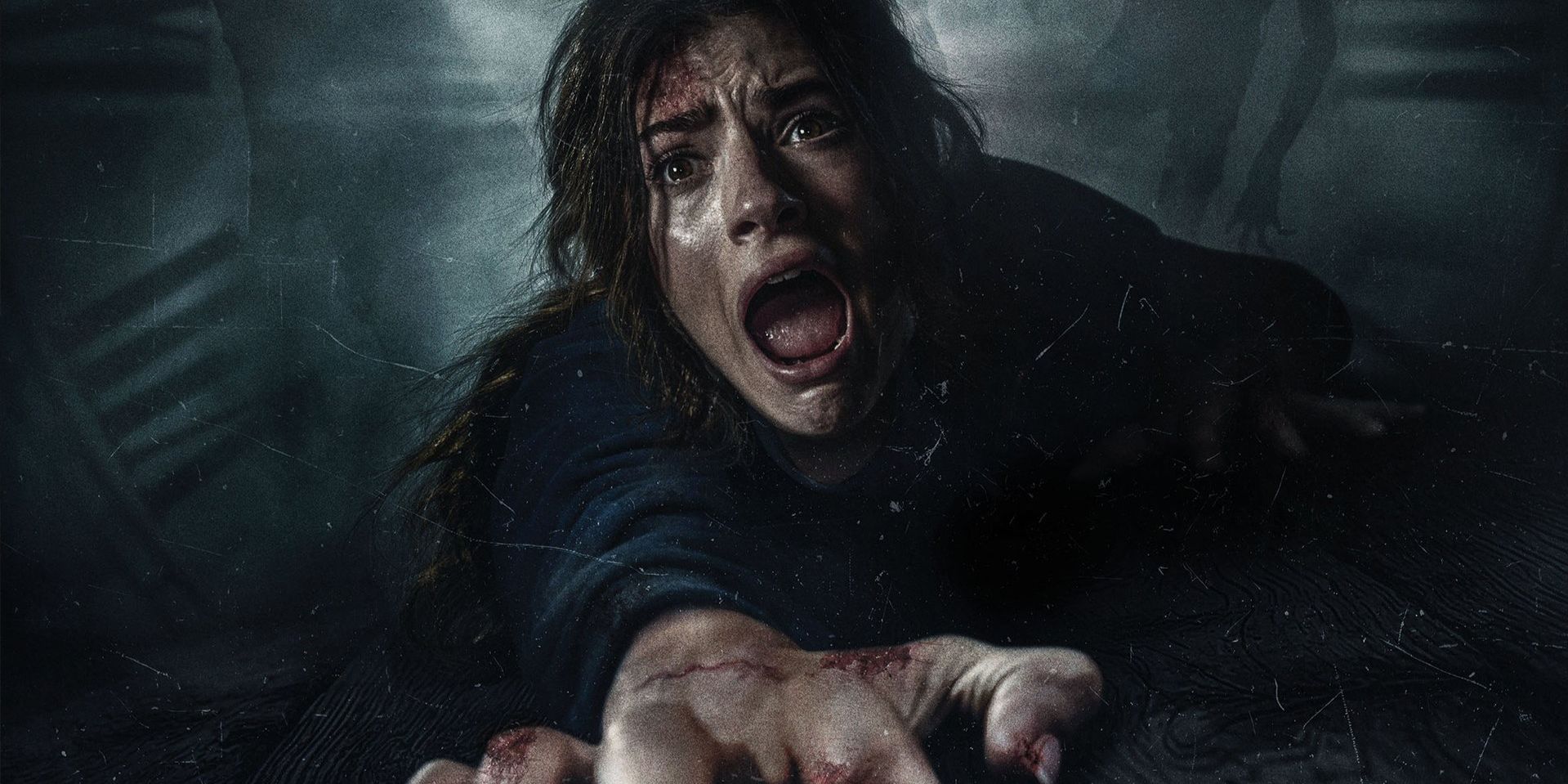
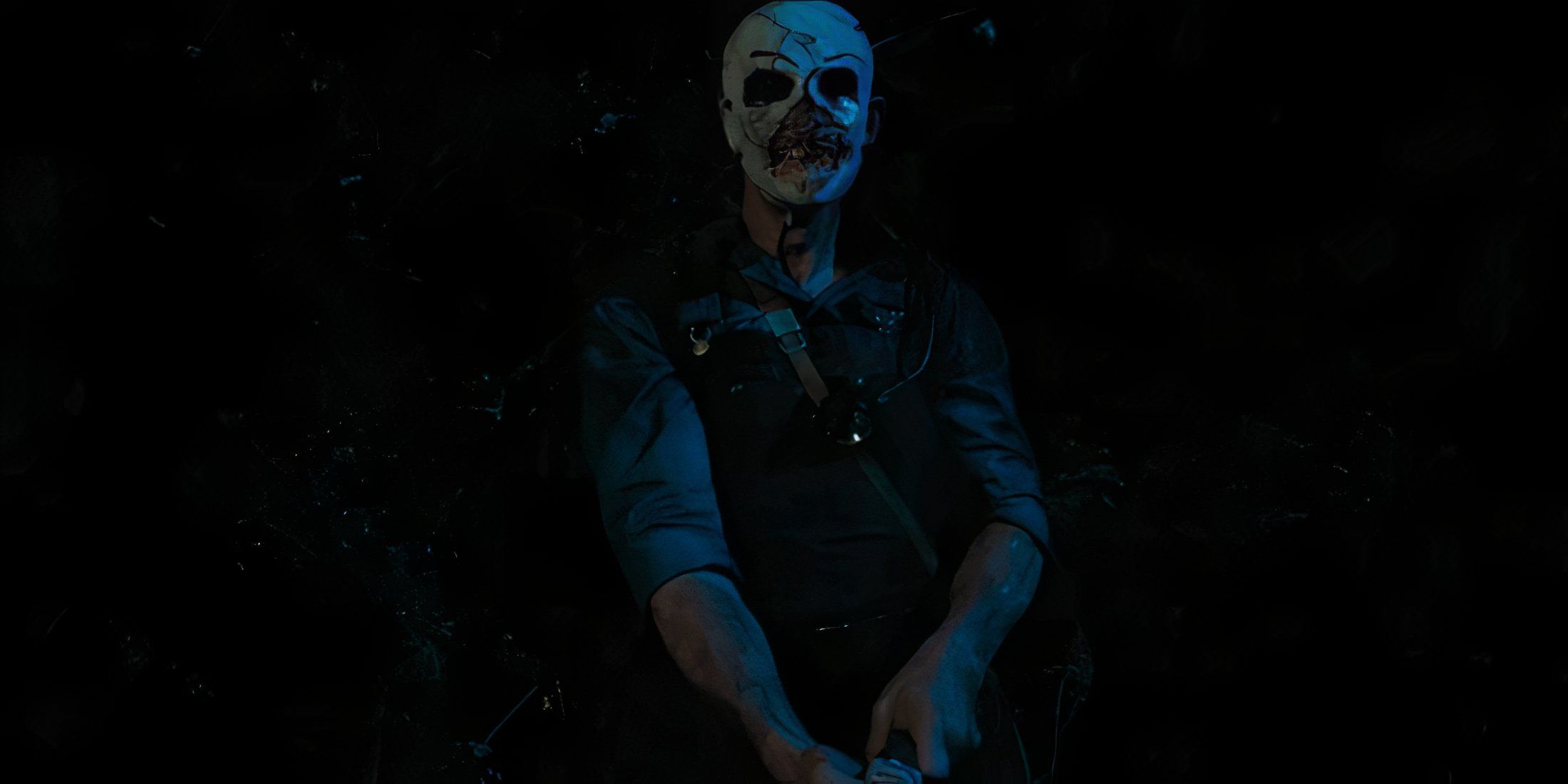
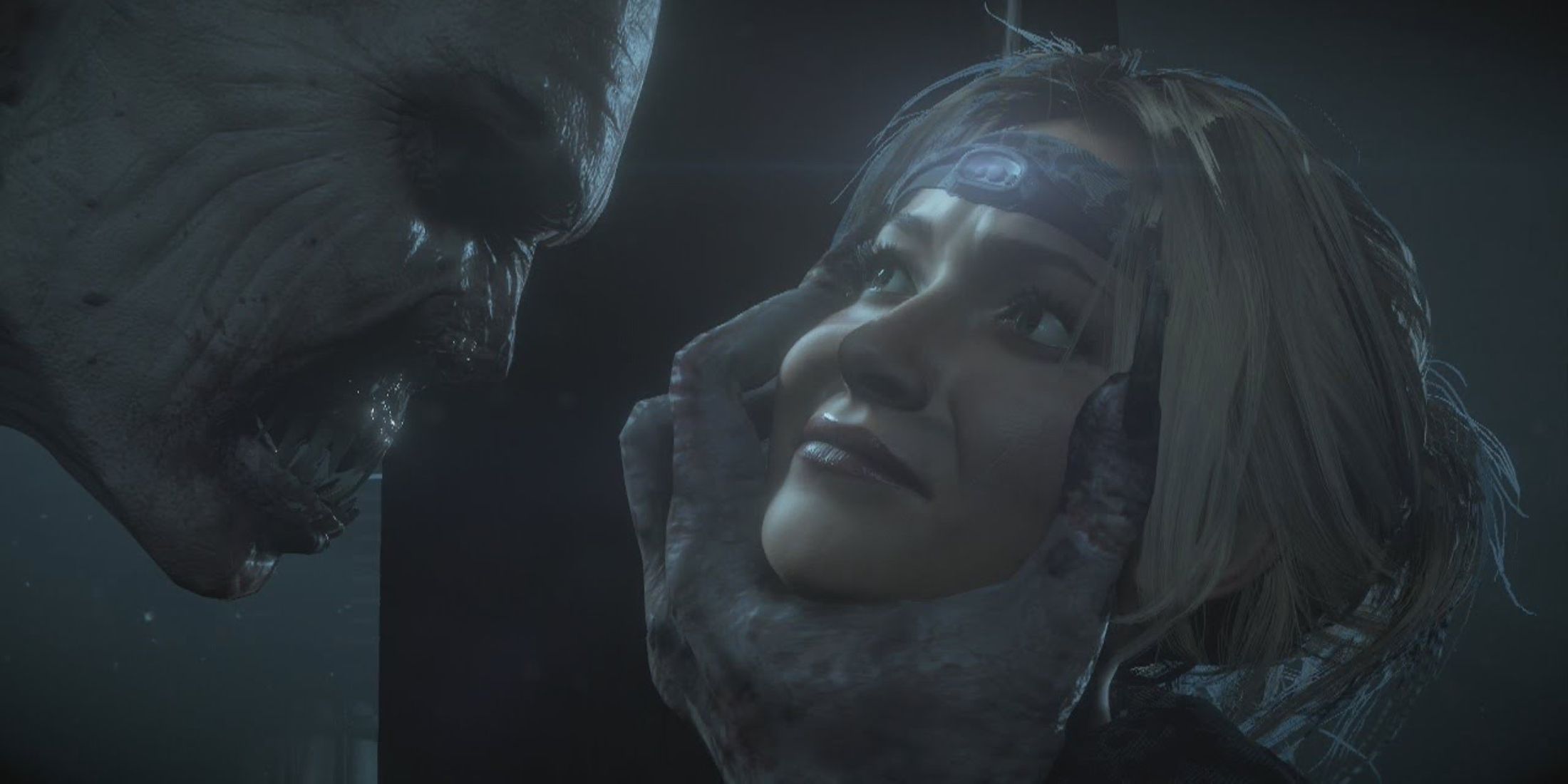
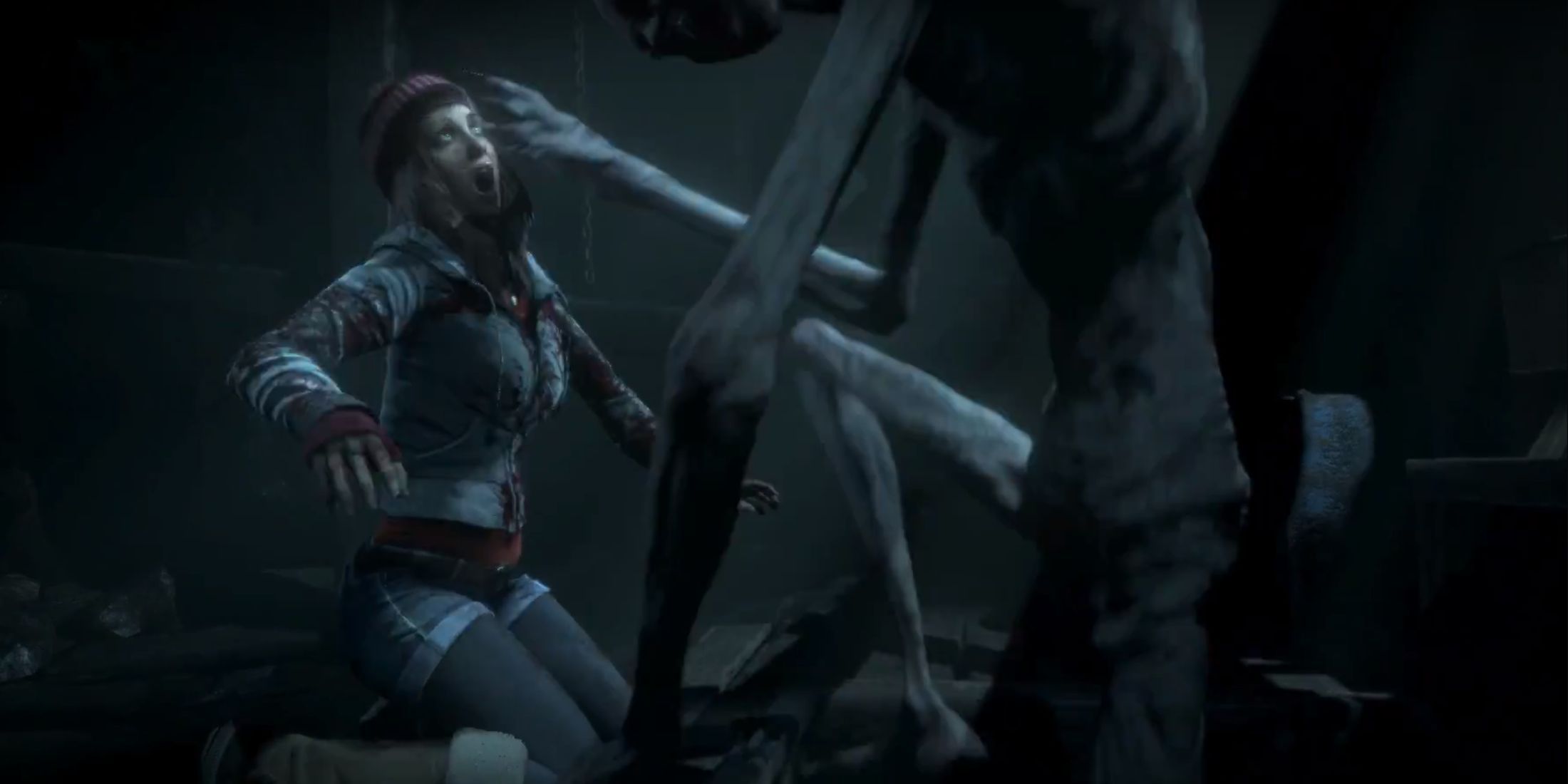
In the movie titled “Until Dawn“, the narrative explores various horror genres because each night in the story unfolds uniquely and compels the characters to confront a new danger rooted in folklore. It combines realistic creature effects with diverse mythologies, ranging from the wendigo to a vindictive witch, thereby expanding the roster of monsters, amplifying the sense of foreboding, and heightening fear for the viewers.
The game gradually unfolds an atmosphere of dread as players venture into deserted cabins, decaying mines, and snow-capped forests. Hints of hidden perils subtly suggest themselves as the story progresses, with a design that slowly creeps up on you. The characters interact frequently, and the Butterfly Effect system subtly influences events, unveiling secrets gradually, escalating tension, and fostering a strong emotional bond with each survivor in an intense, interconnected narrative.
4. Absence of Interaction
One Of The Biggest Differences Between The Film And The Game Of Until dawn Lies In Interaction
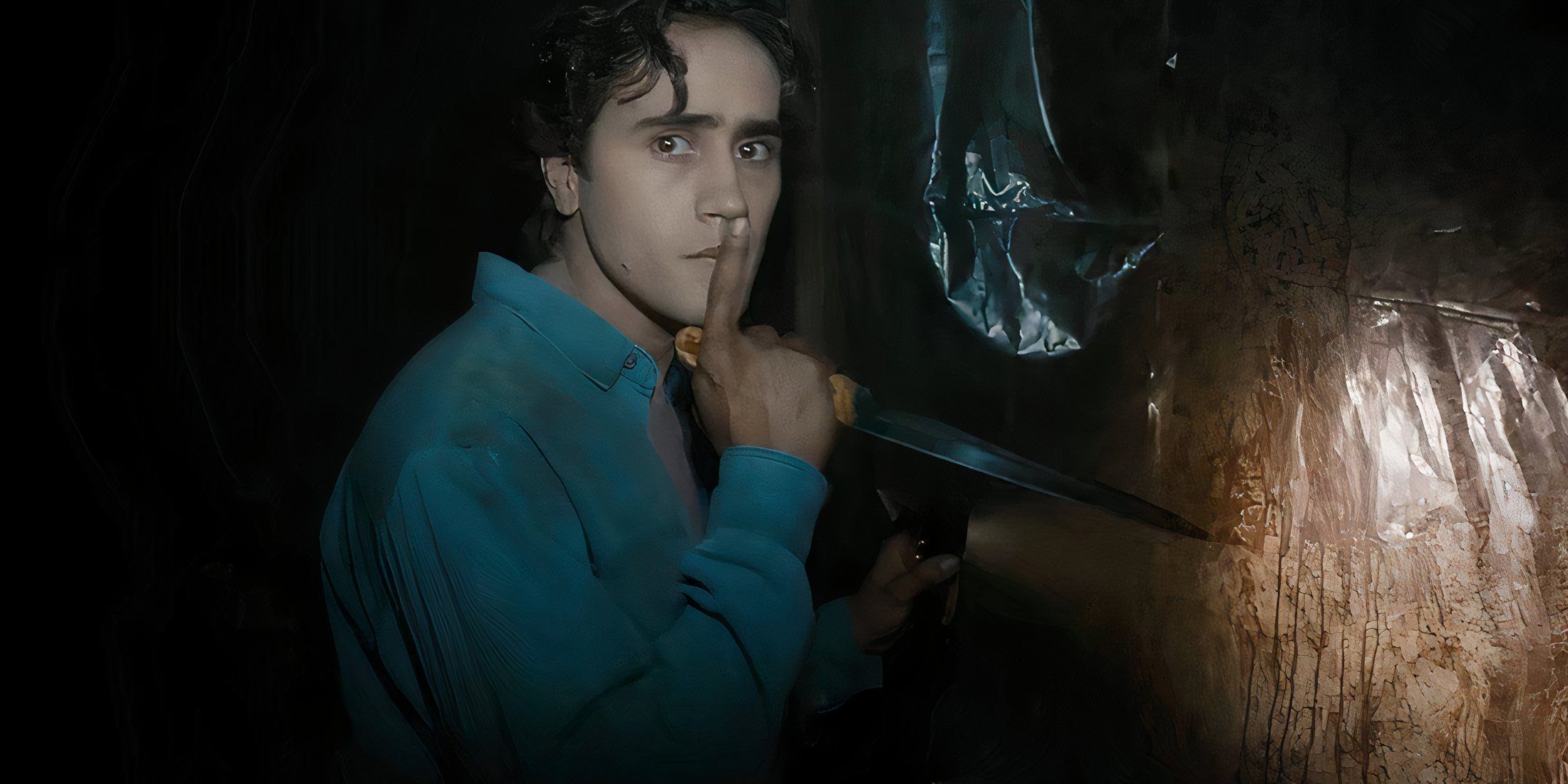
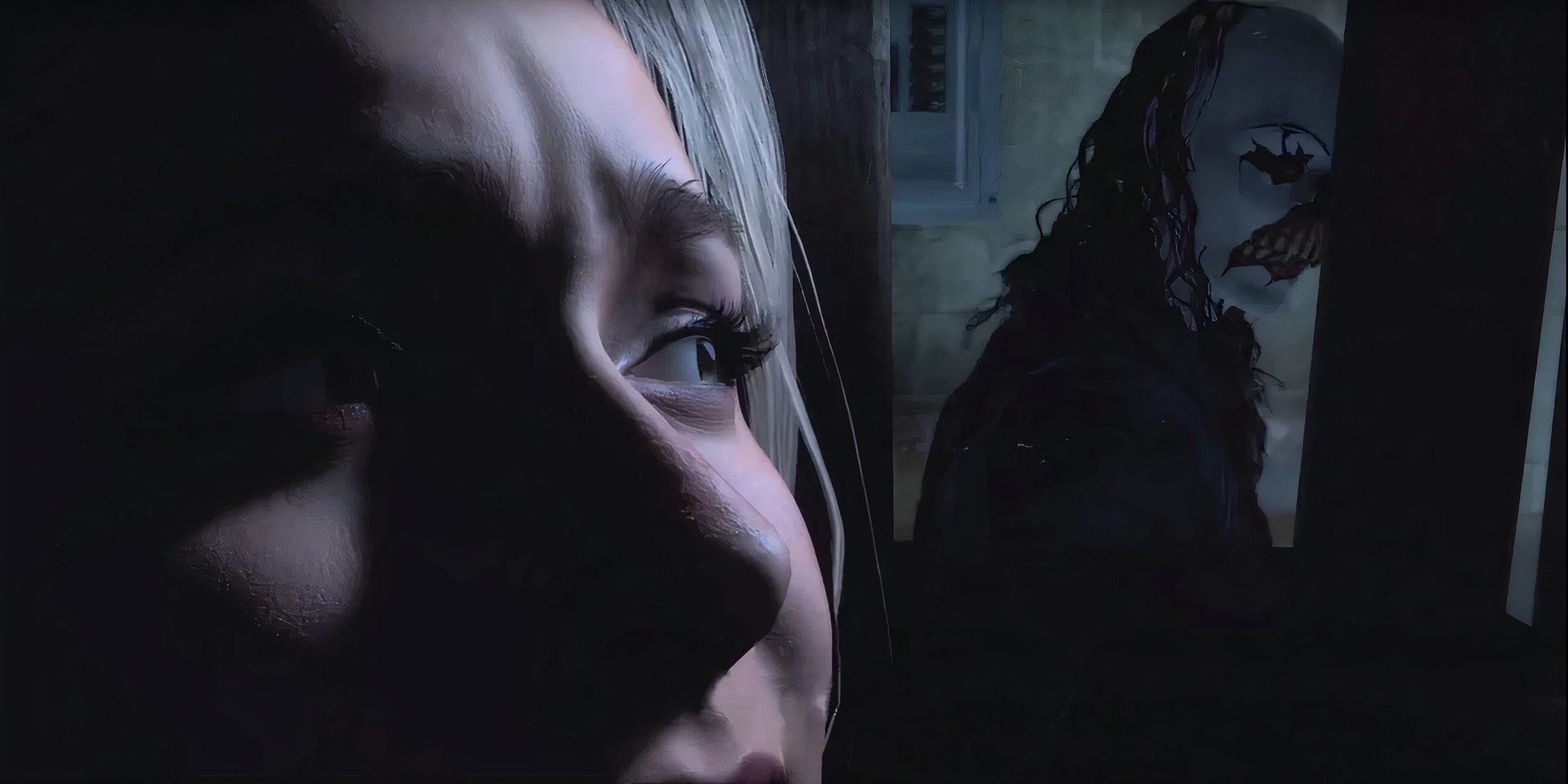
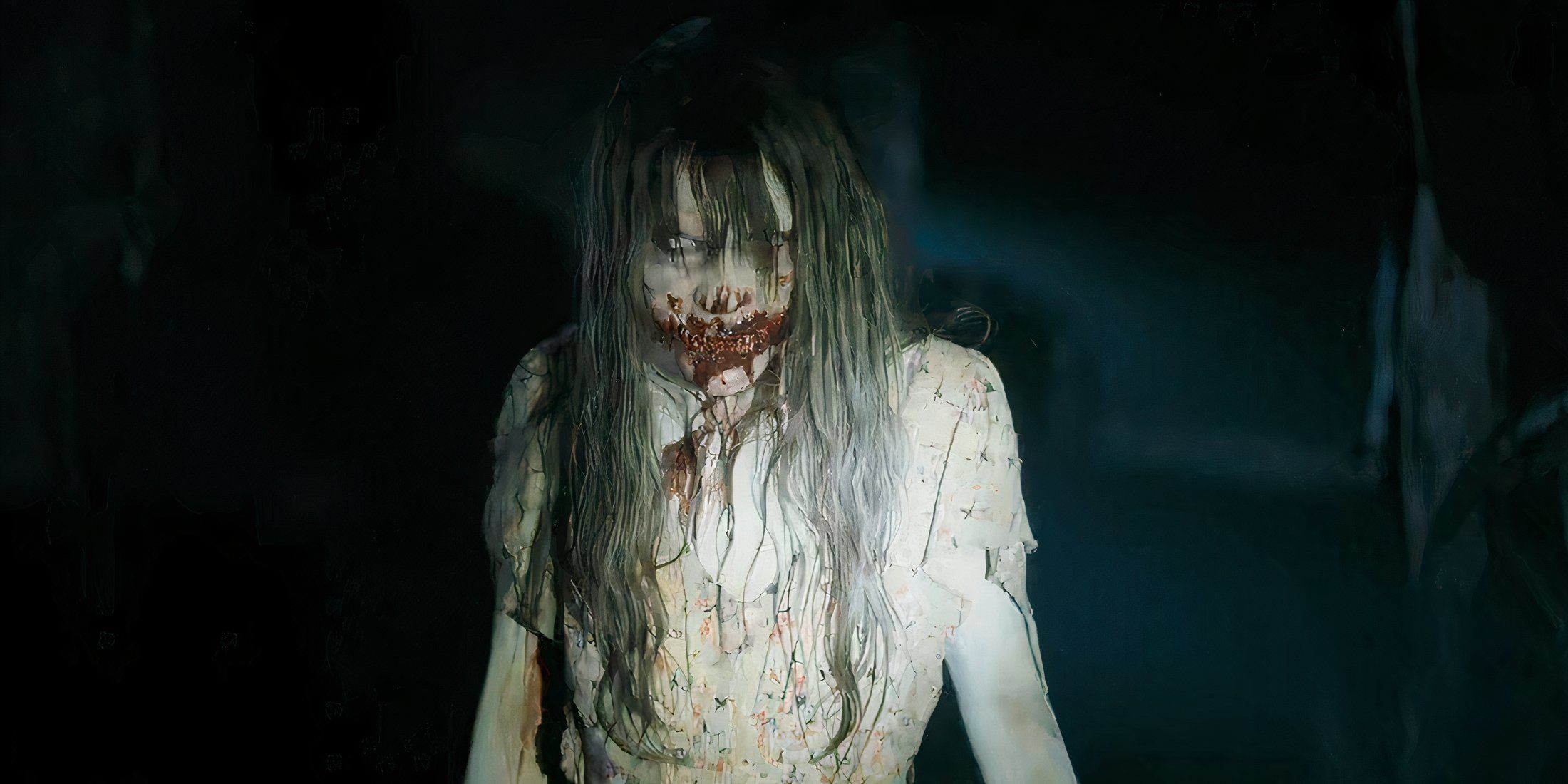
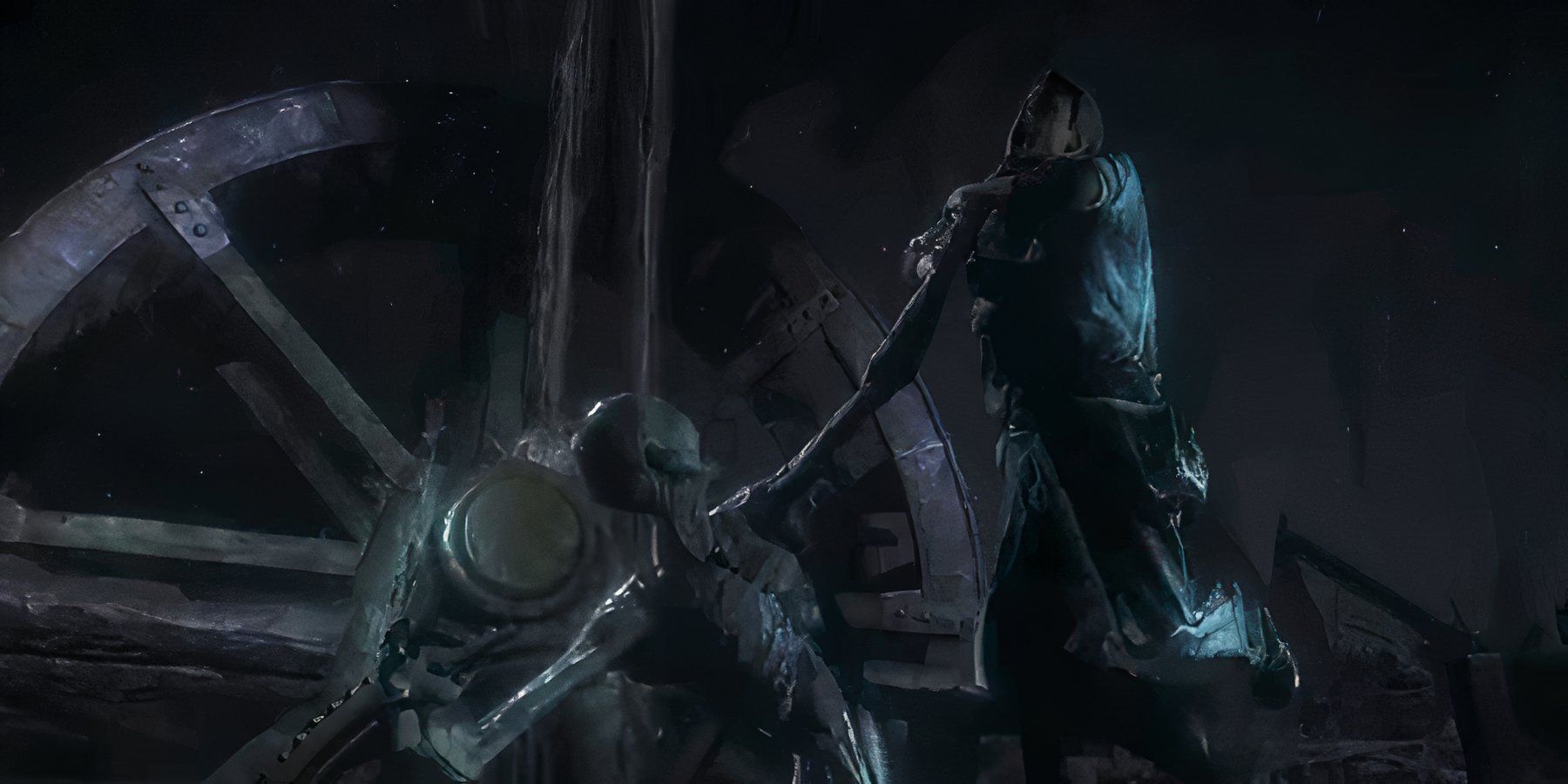
In the original game, players have complete control over their experience, as every choice they make significantly impacts the storyline and decides who survives the harrowing night until morning. On the other hand, the movie adheres to a traditional narrative, eliminating the interactive element and presenting predetermined character arcs that develop according to the director’s plan, without any external influence, divergent outcomes, or multiple endings.
In the game, participants join Dr. Hill’s therapy sessions where their responses determine both the upcoming scares and Josh’s complex psychological makeup. The film follows Clover in a straightforward manner, depicting her struggle with trauma through real dangers and symbolic visions, but eliminating the interactive therapeutic element that previously allowed viewers to delve deeper into the character’s psyche and influence the story’s progression.
3. TimeâLoop Addition
The Time Loop Is One Of The Biggest Additions The Until dawn Film Makes To The Original Material
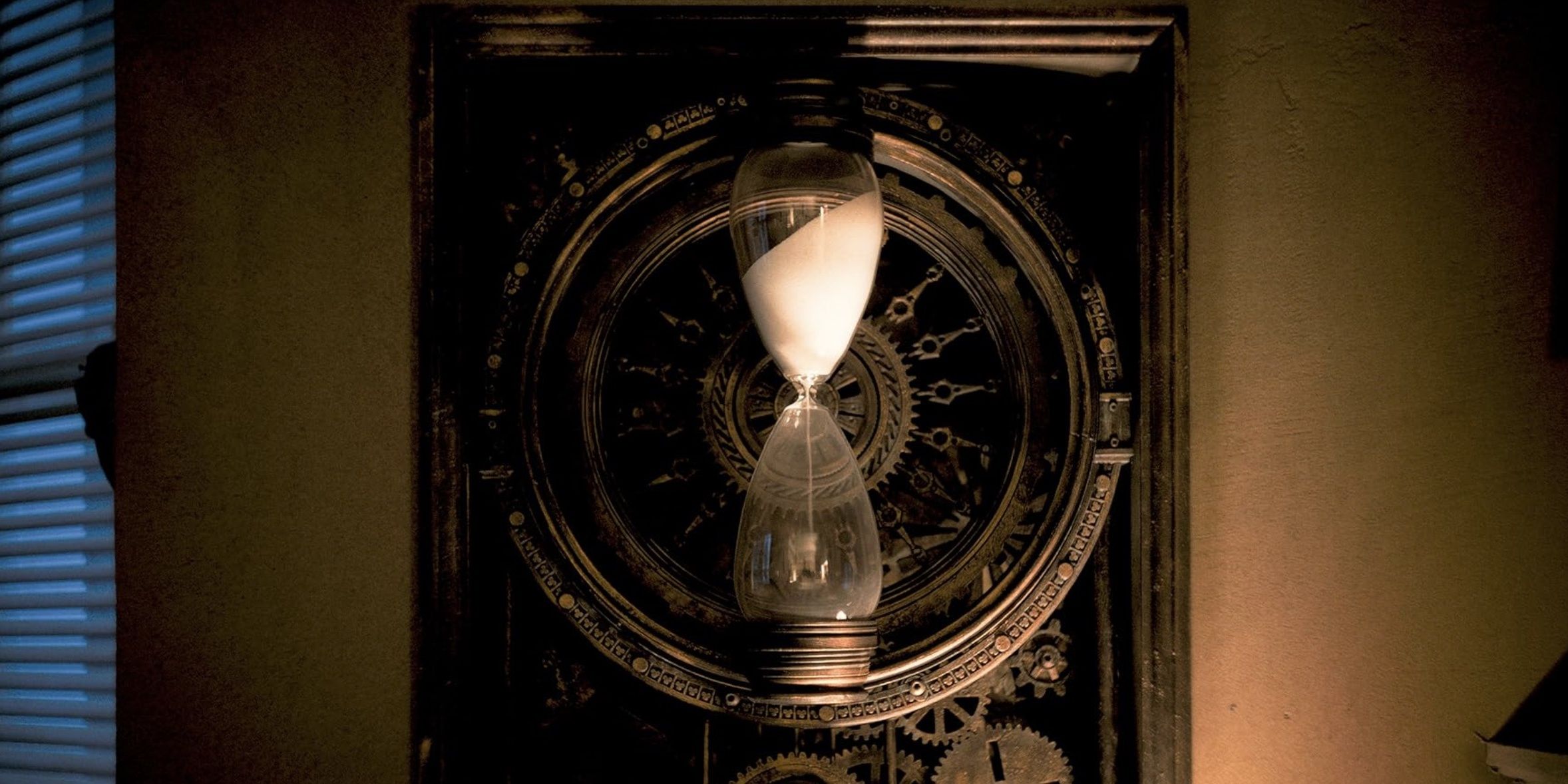
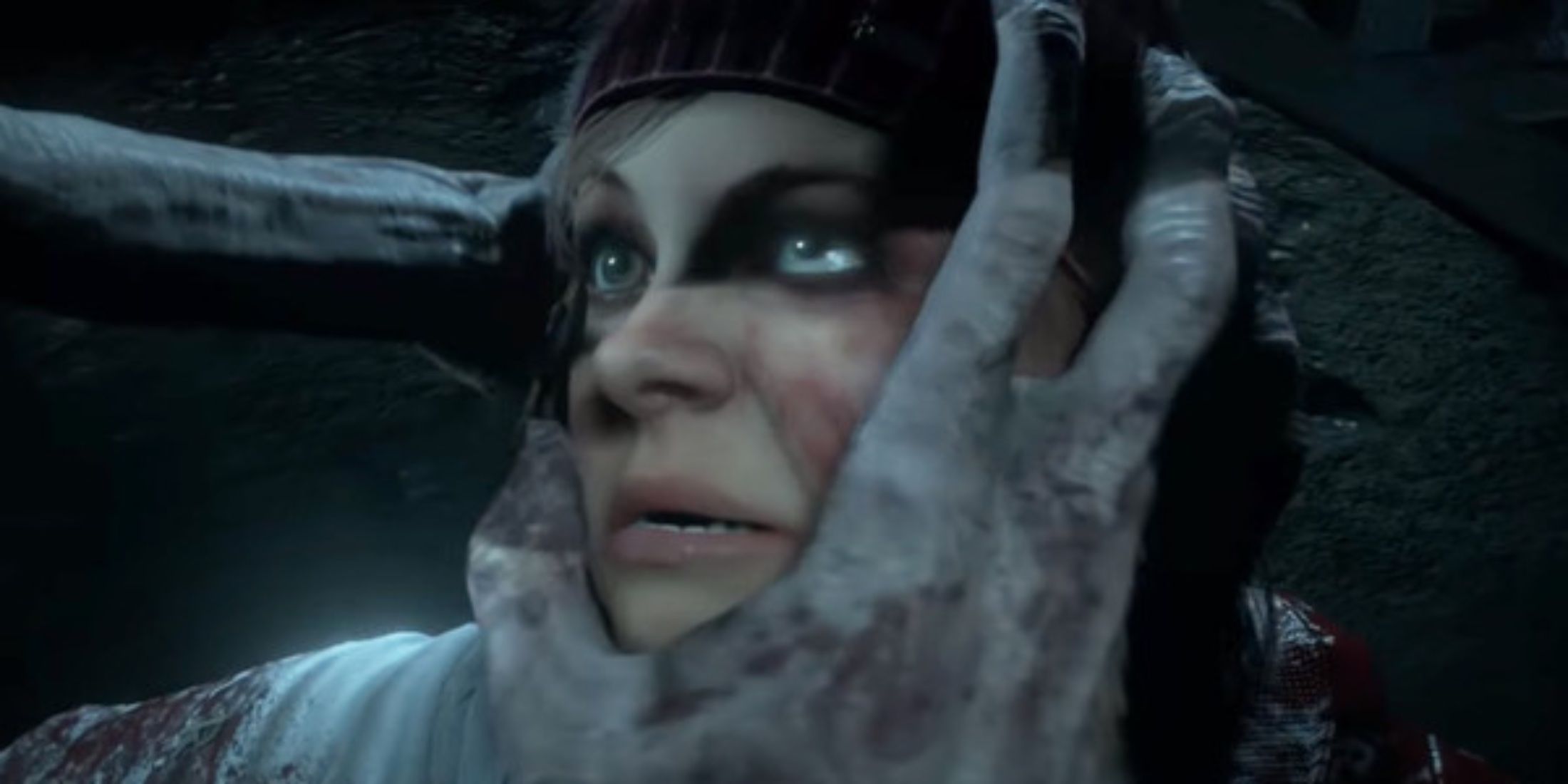
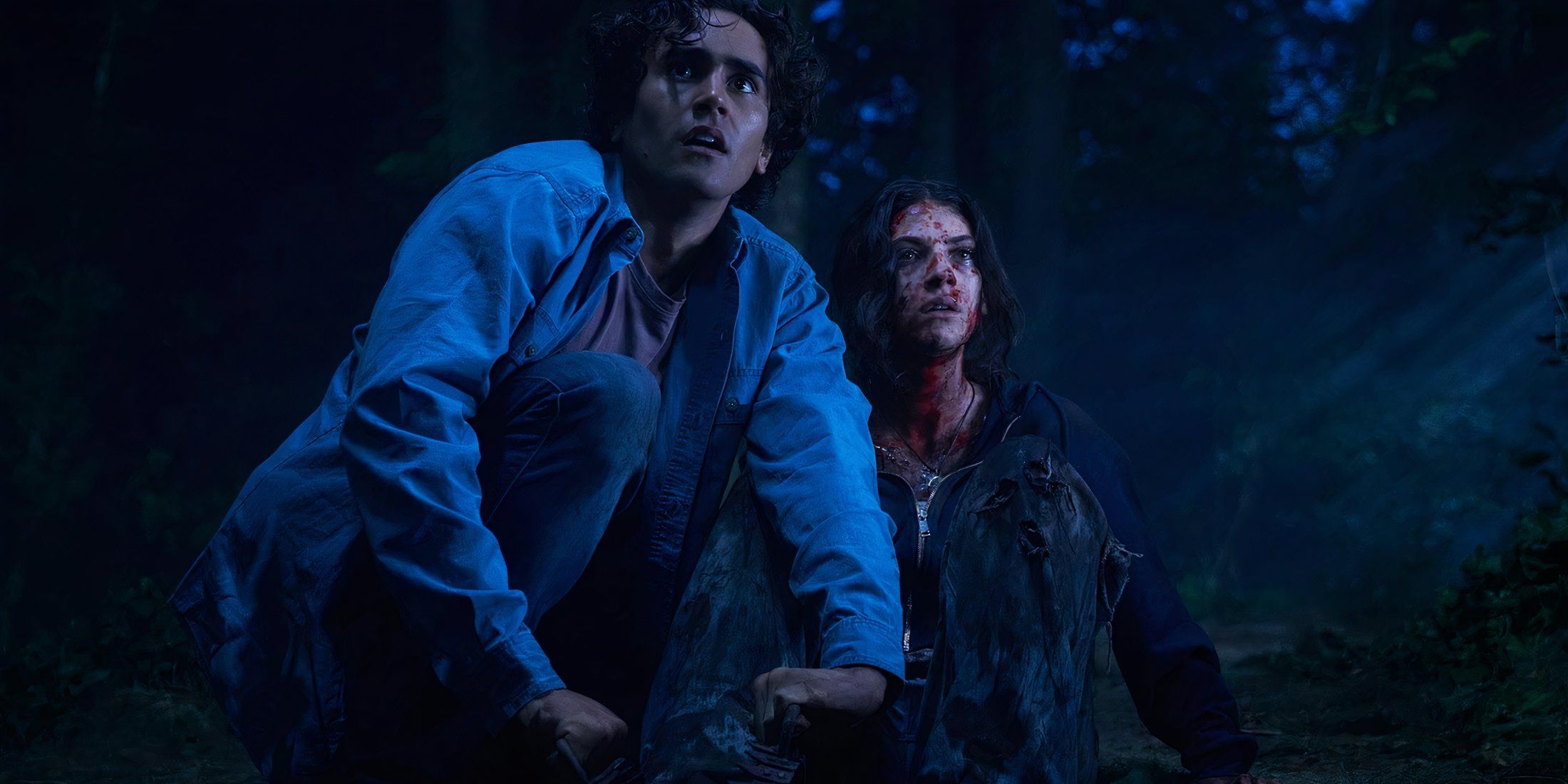
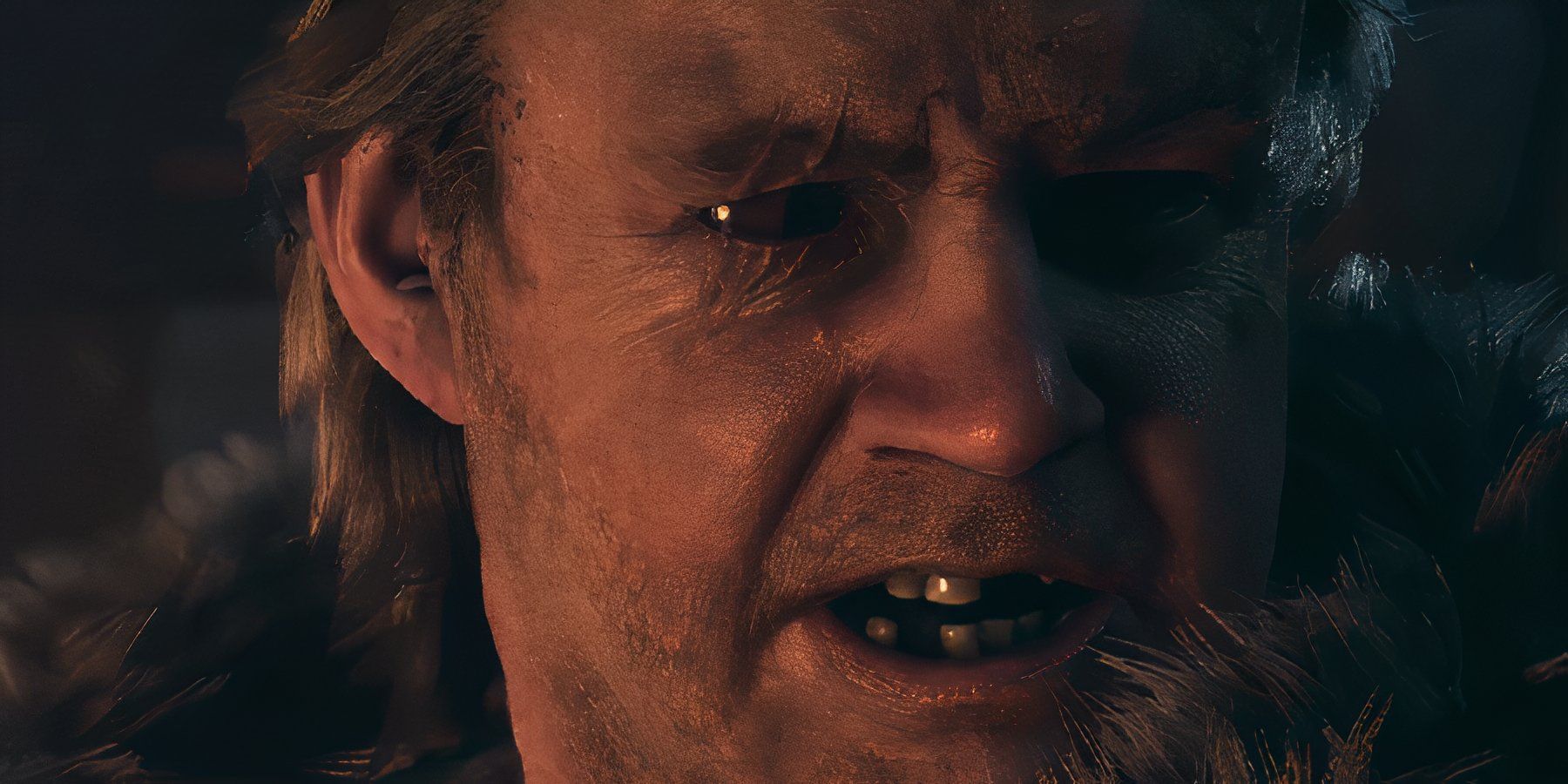
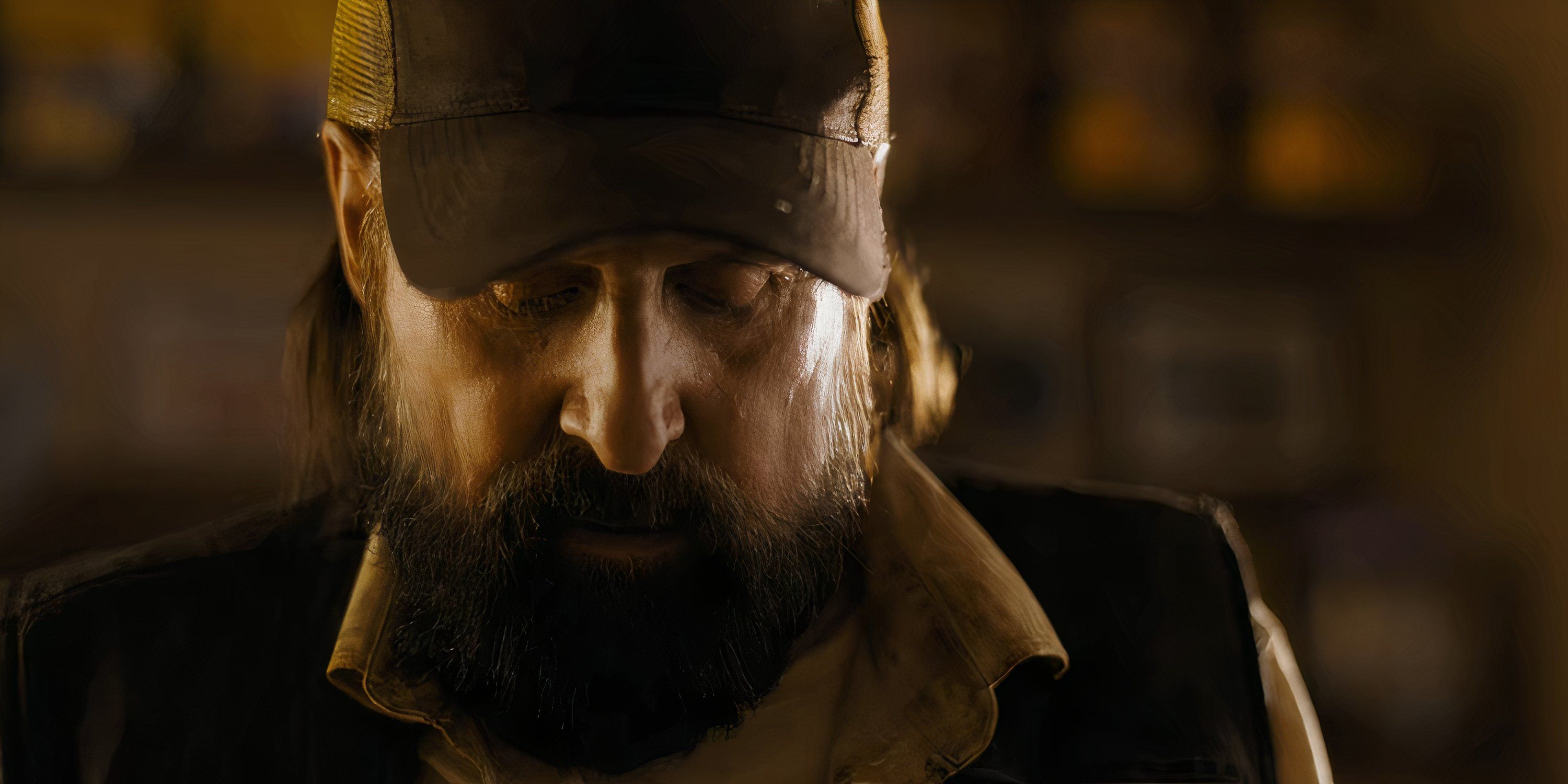
A crucial enigma in this movie revolves around a recurring nightly event where time resets, causing situations to repeat and characters to face fresh dangers as they strive for an exit. The ever-changing sequence makes survival difficult, pushes the characters to learn from errors, and echoes the retry mechanism of video games, introducing an aspect not present in the initial narrative.
In this rephrased version: Instead of having a branching plot based on player choices affecting character outcomes (Butterfly Effect system), the movie follows a straightforward narrative for easier theater presentation. It captivates audiences through its mood and emotional intensity rather than interactive gameplay, but maintains the tension by depicting the consequences of each error within the story’s loop, mirroring the original game’s suspense.
2. Different Protagonists
One Of The Biggest Differences Between The Until dawn Game And Film Is Their Iconic Protagonists
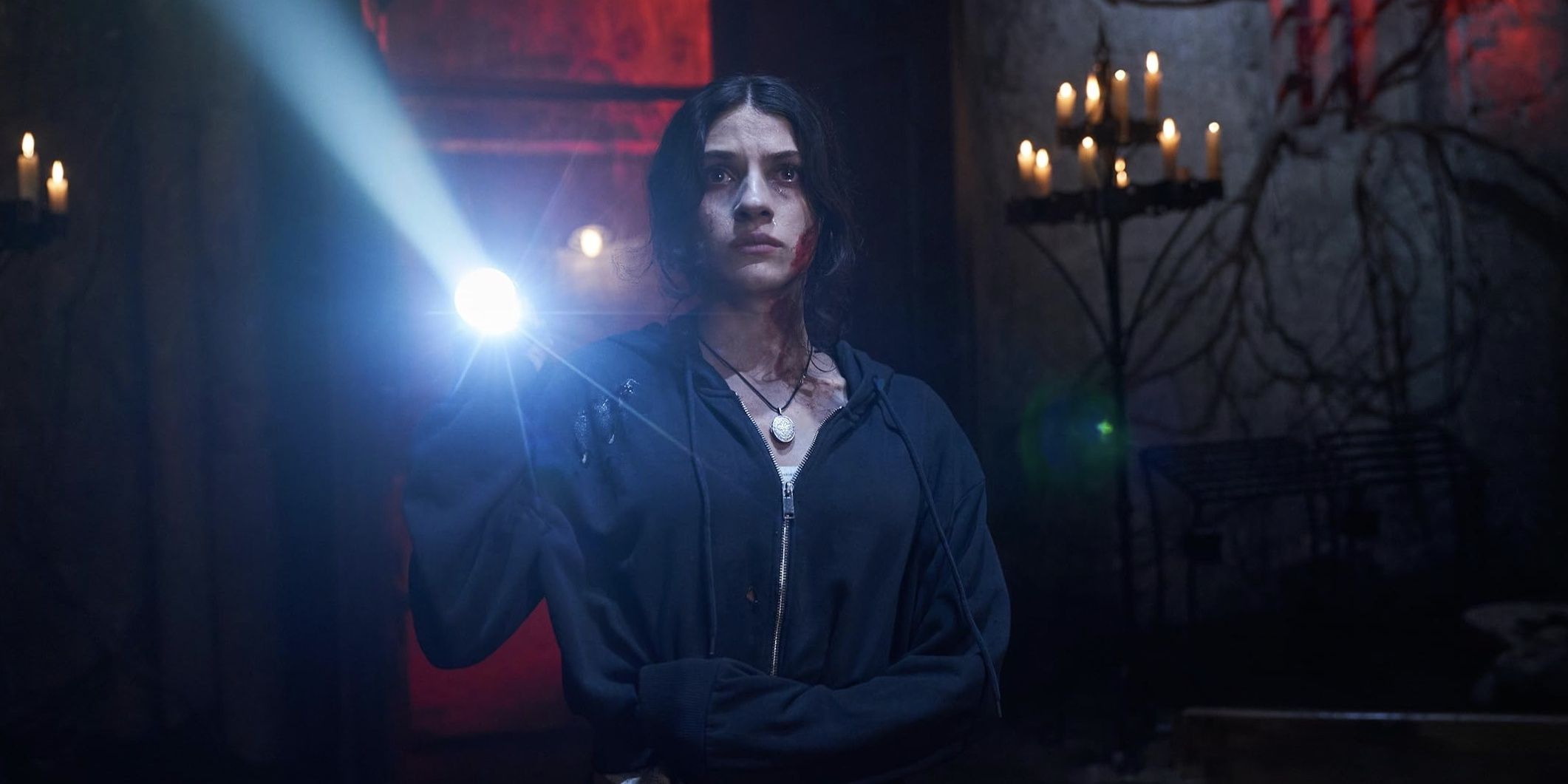
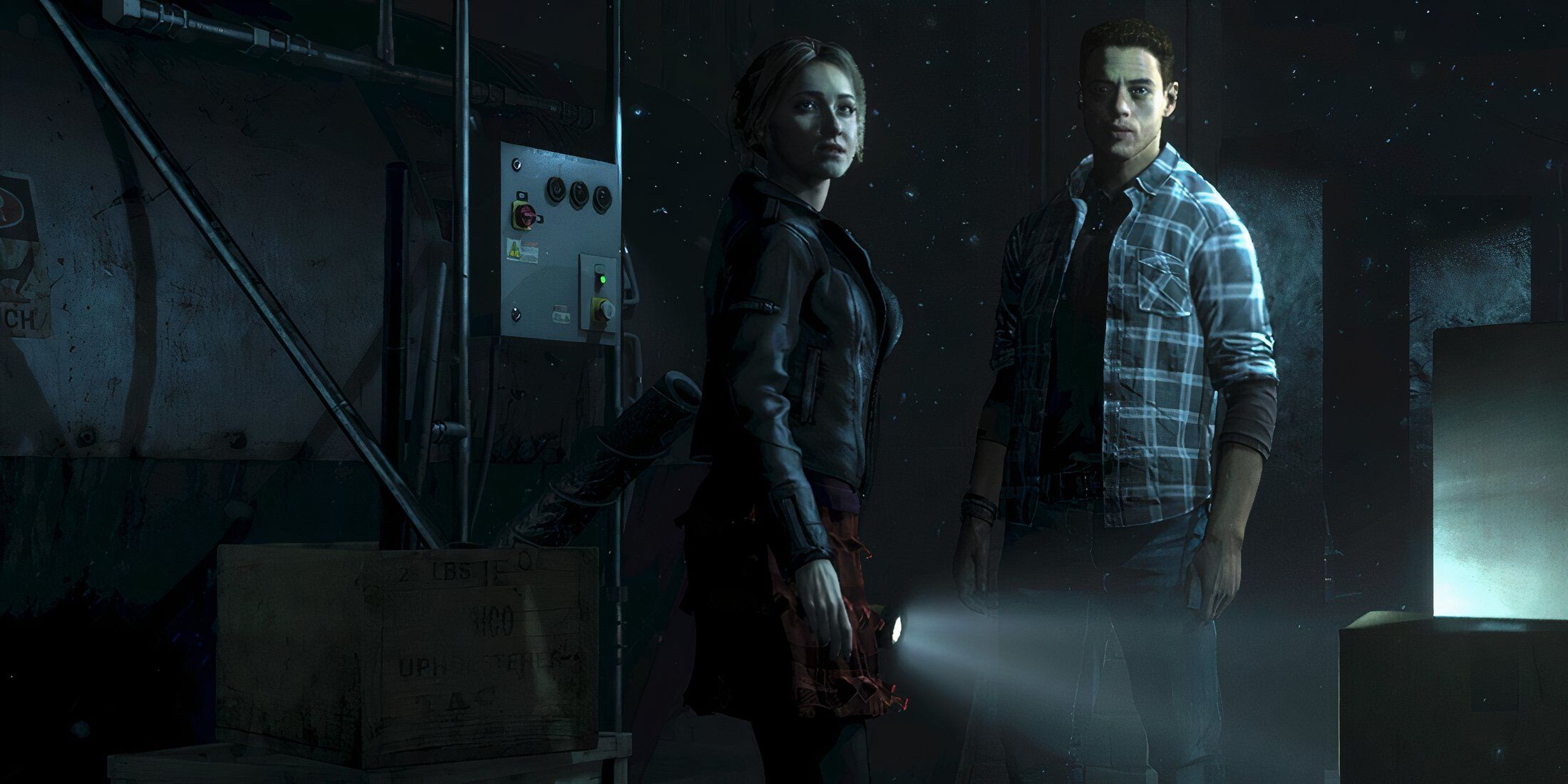
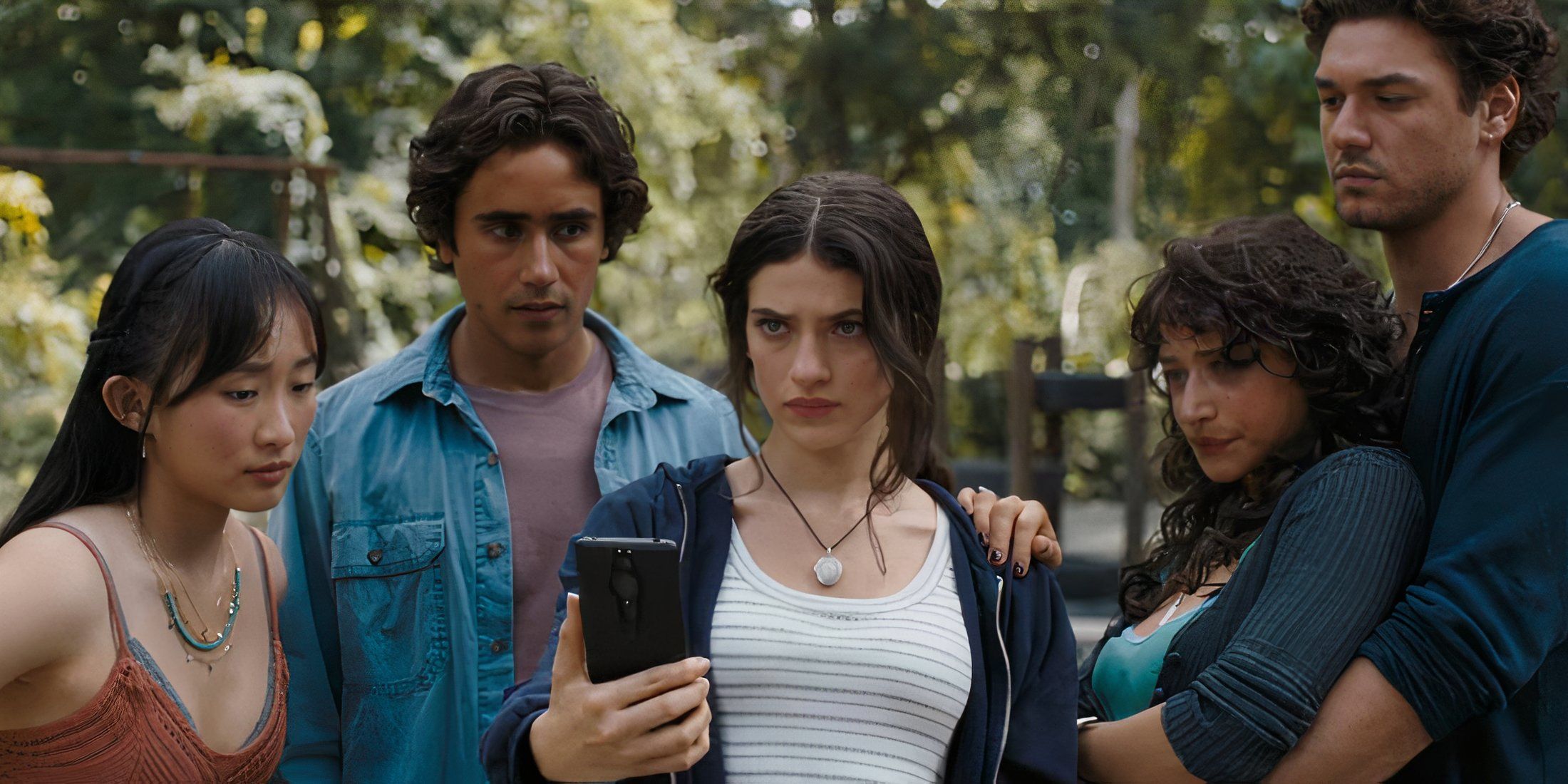
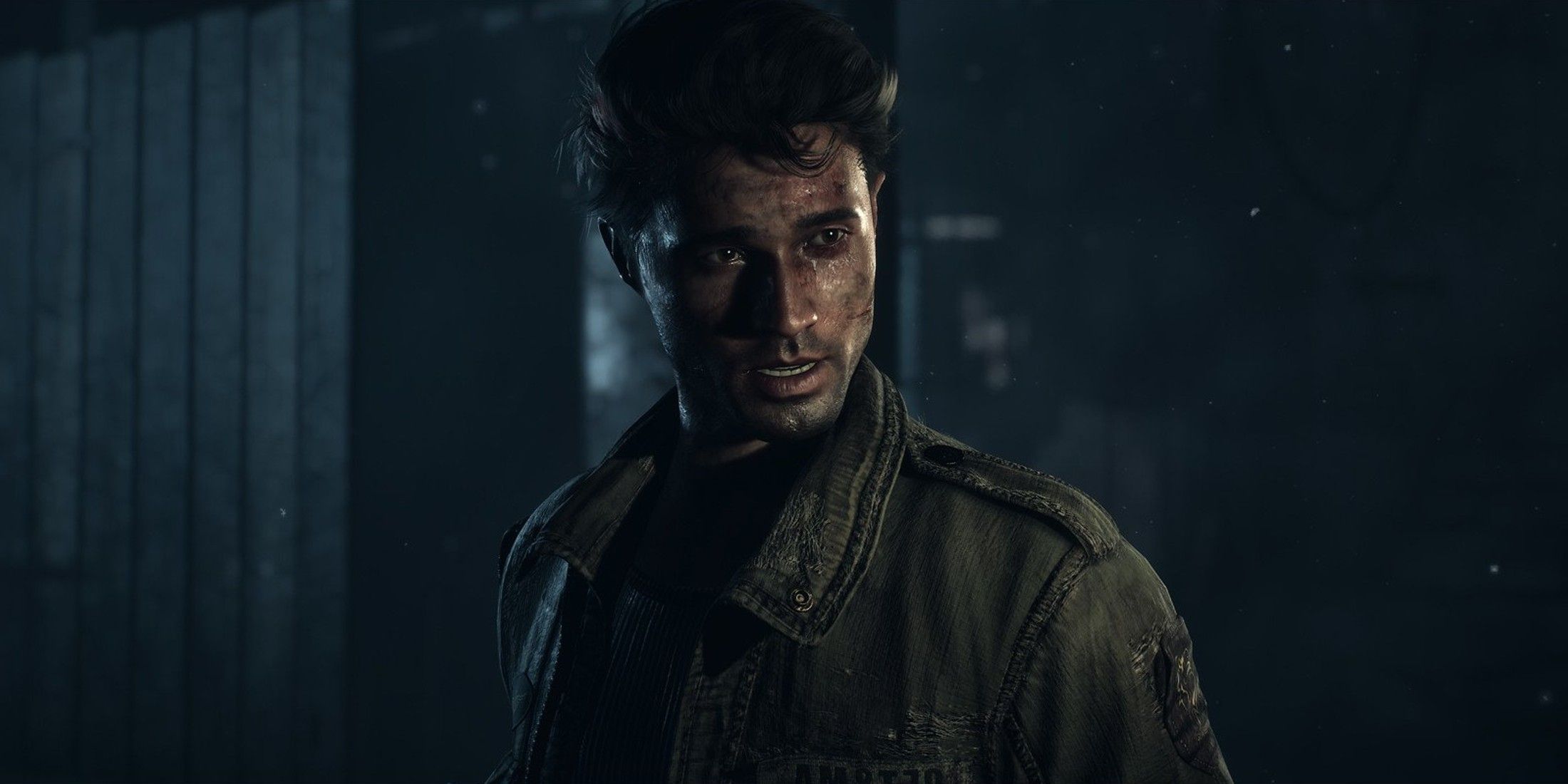
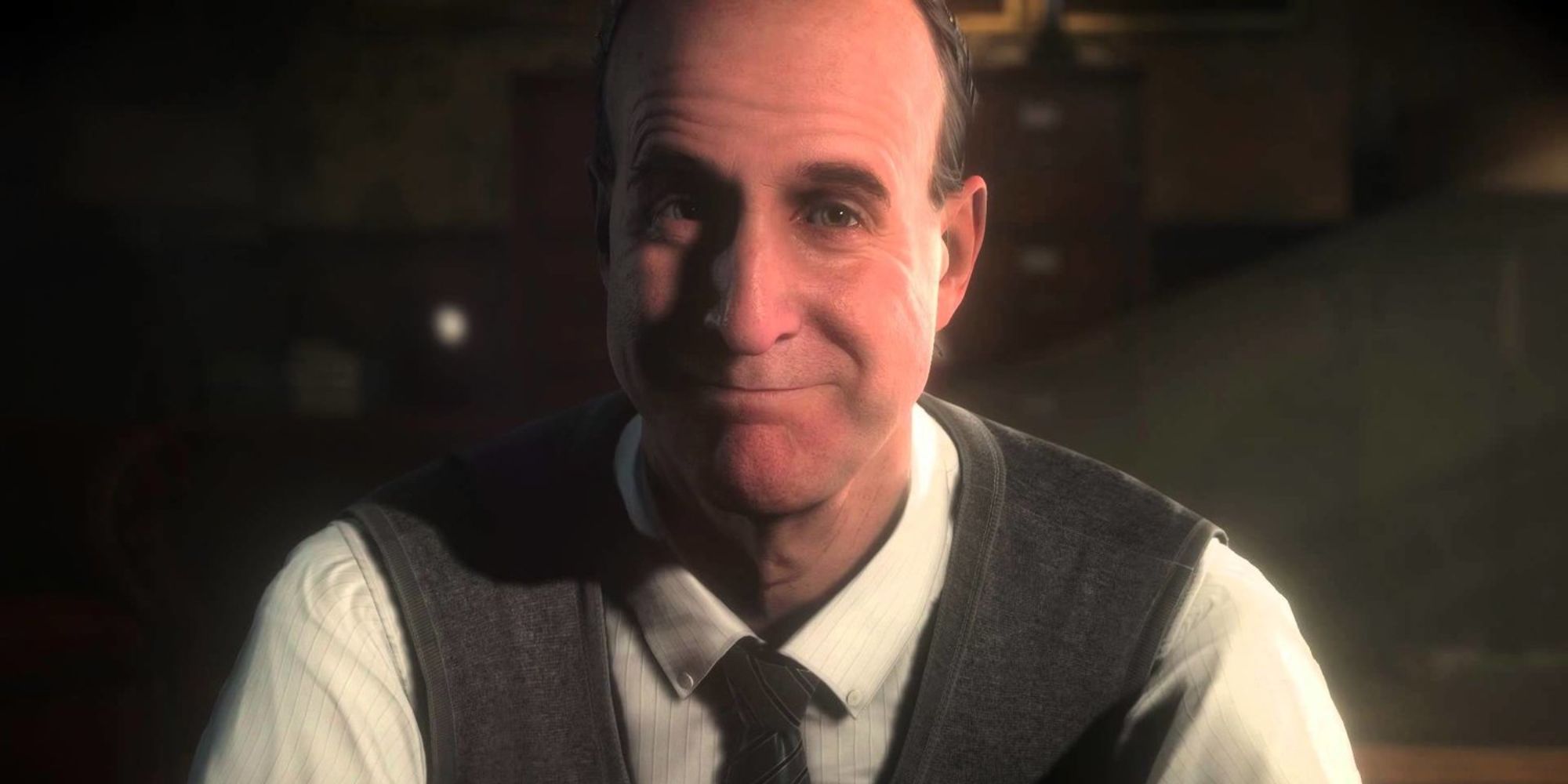
This game offers a diverse cast of playable characters, including well-loved figures like Josh, Sam, and the eerie Dr. Hill, who takes on a supporting role in the movie version. The storyline, however, revolves around Clover, a new character dealing with the loss of her sister Melanie. When the group arrives at the cabin, Clover’s enigmatic connection to the plot unfolds, significantly altering the narrative focus.
1) Mike, one of the main characters who plays an integral role in the game, reveals significant parts of the mine backstory and the origins of wendigos, which are only hinted at in the film and distributed among a variety of supernatural entities for scares. In contrast to most characters in the movie who share limited individual storylines, Clover is the sole character given substantial emotional growth throughout the duration of the film.
1. A New Story
The Biggest Difference Between The Until Dawn Game And Film Lies In Their Story
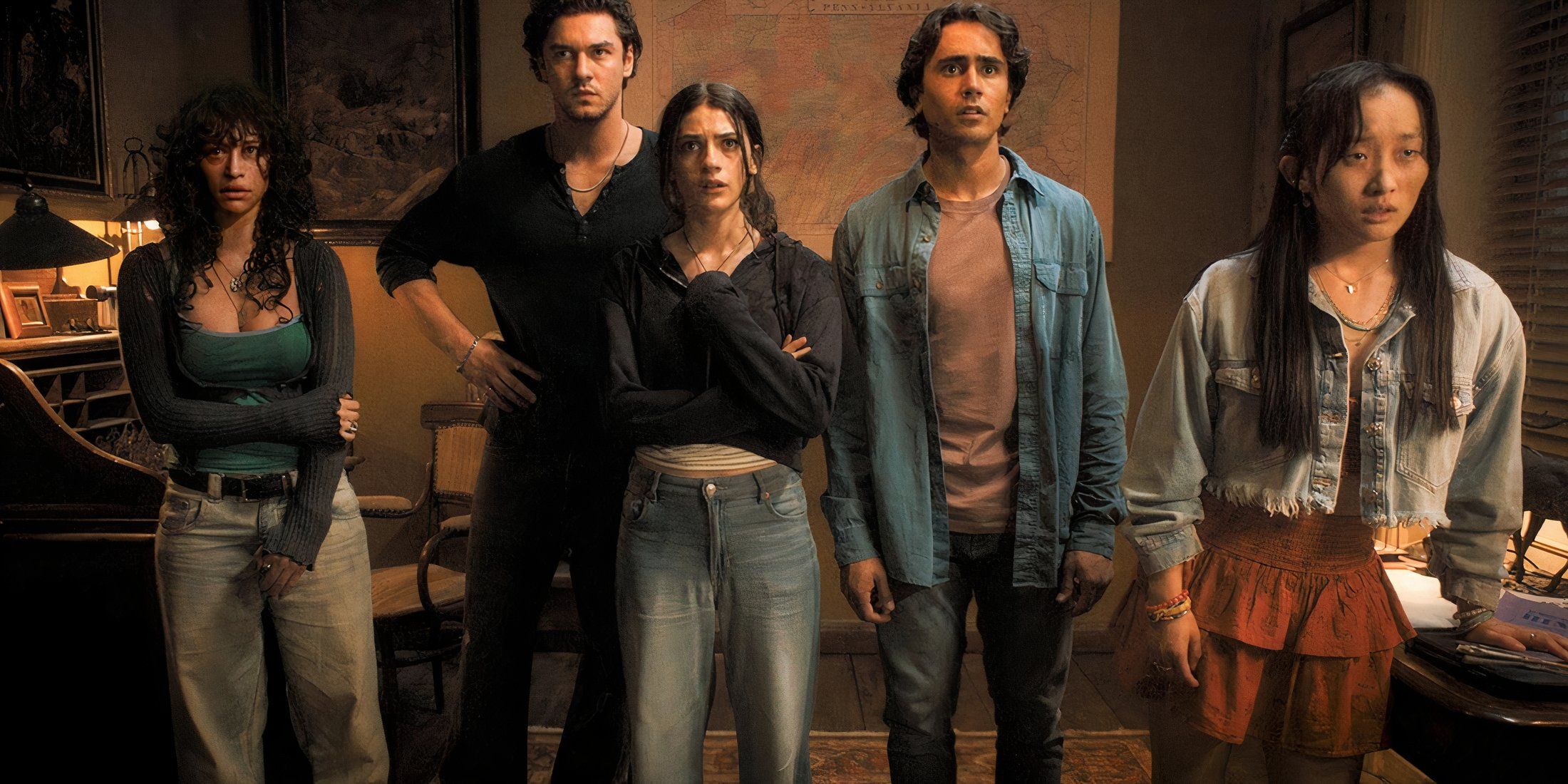
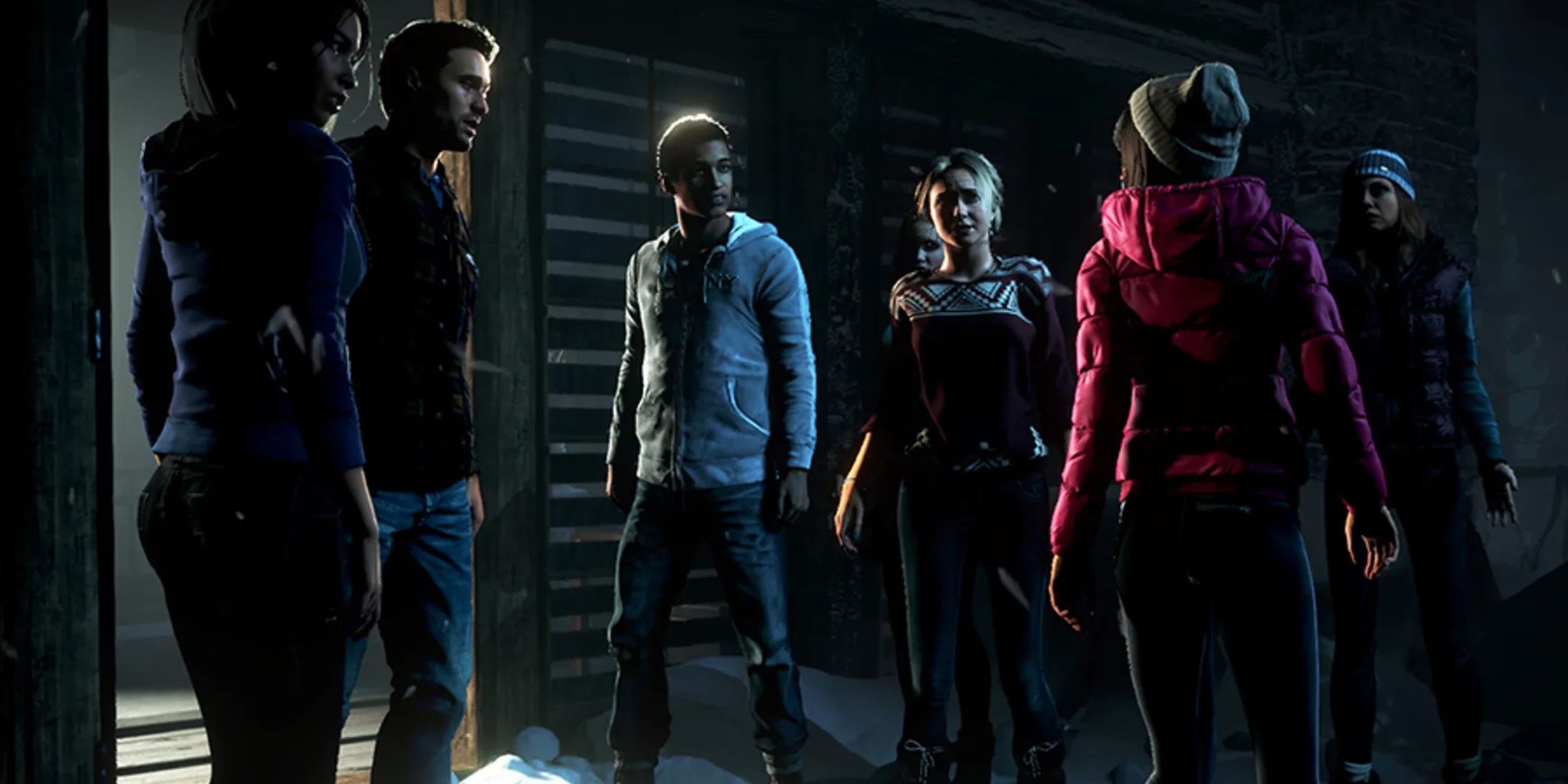
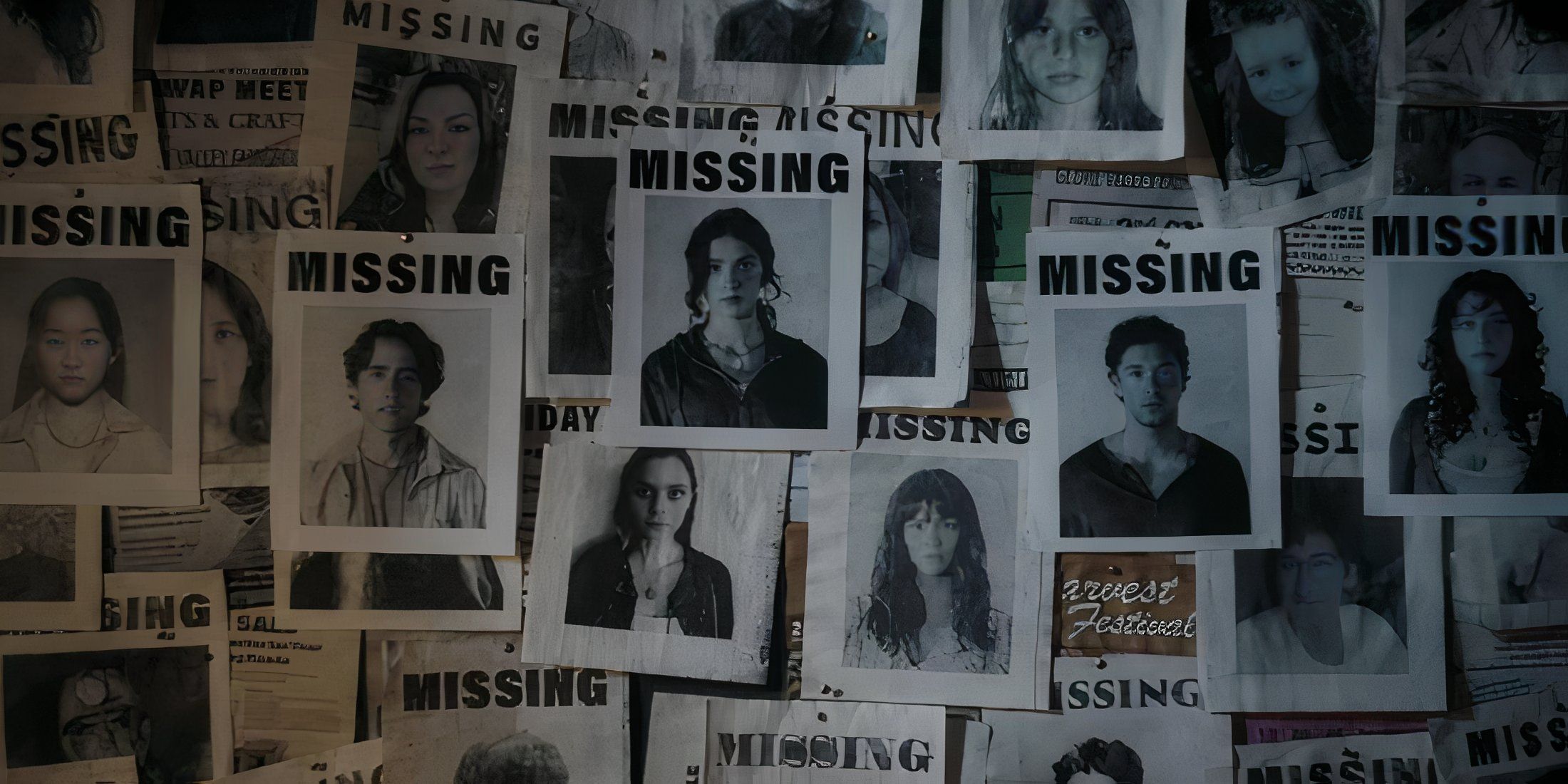
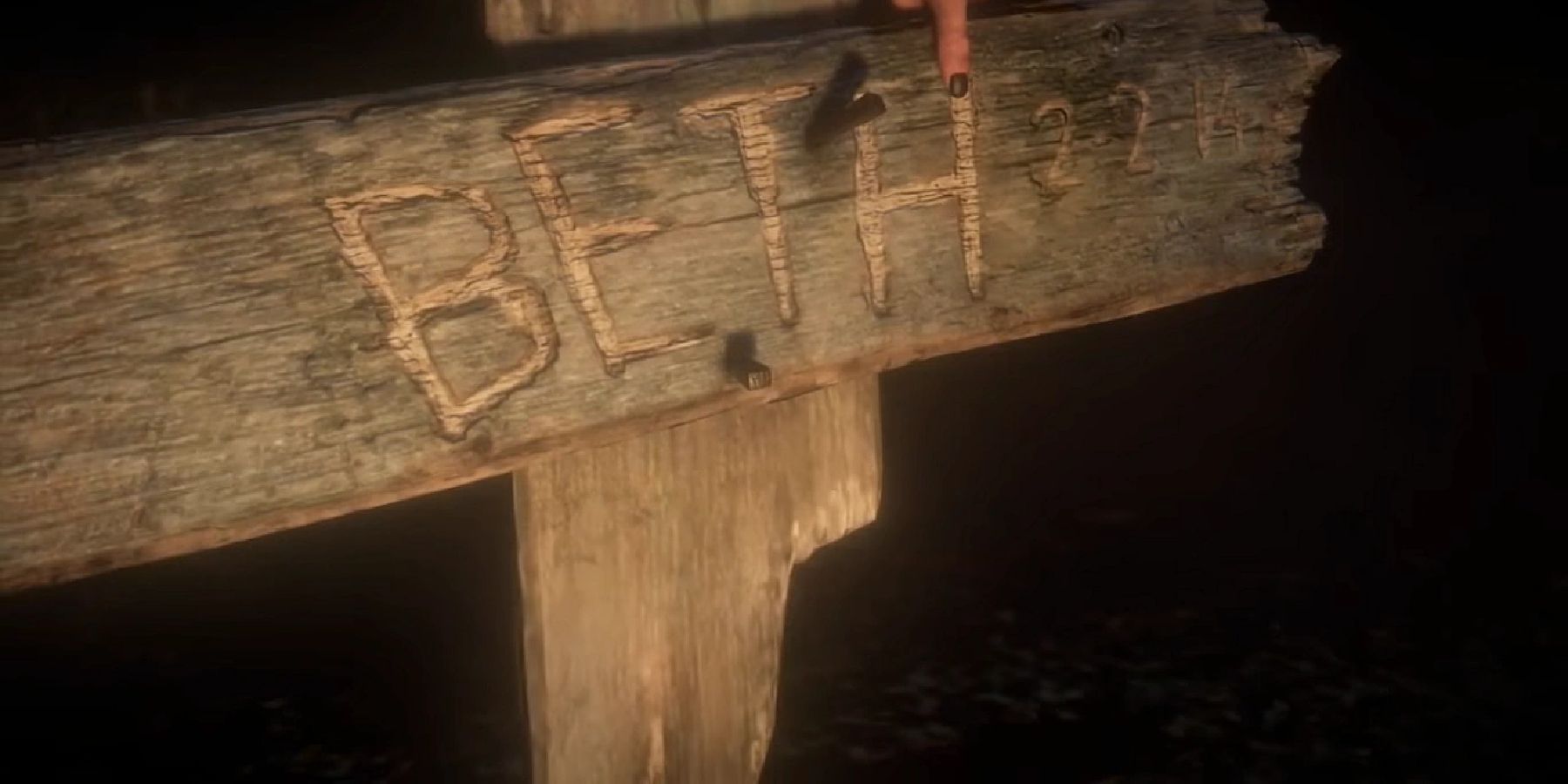
The storyline of the game and movie differ significantly, particularly in their approaches to supernatural dangers set against a snowy mountain backdrop. In the interactive version, a group of eight friends visit a remote lodge one year after a tragic accident involving Hannah and Beth, while the film adaption reinvents the events with a new cast and cinematic style that intentionally deviates from the original to tell an independent, standalone story.
As a film enthusiast, I’d say the movie abandons complex narrative structures like branching choices and multiple endings. Instead, it relies heavily on atmosphere and a raw, uncomplicated form of fear to keep you on edge. The wendigo is no longer the sole, monstrous antagonist as seen in the game; instead, it’s one of many sinister threats lurking in the shadows. This change emphasizes human drama over interactive action, but it doesn’t forget its roots – it maintains ties to the source material by reintroducing unsettling characters like Dr. Hill.
Read More
- Forza Horizon 6: Find the Ohtani Treasure Chest Location
- NTE Drift Guide (& Best Car Mods for Drifting)
- Diablo 4 Best Loot Filter Codes
- Boruto: Ikemoto Has Already Hinted At Sasuke’s New Eye After Return
- USD RUB PREDICTION
- LEGO Batman Legacy of the Dark Knight Batcave Minikits & WayneTech Caches
- Where to Find Prescription in Where Winds Meet (Raw Leaf Porridge Quest)
- Top 10 Must-Watch Isekai Anime on Crunchyroll Revealed!
- Conduit Crystal Location In Subnautica 2
- GBP CNY PREDICTION
2025-05-07 05:38