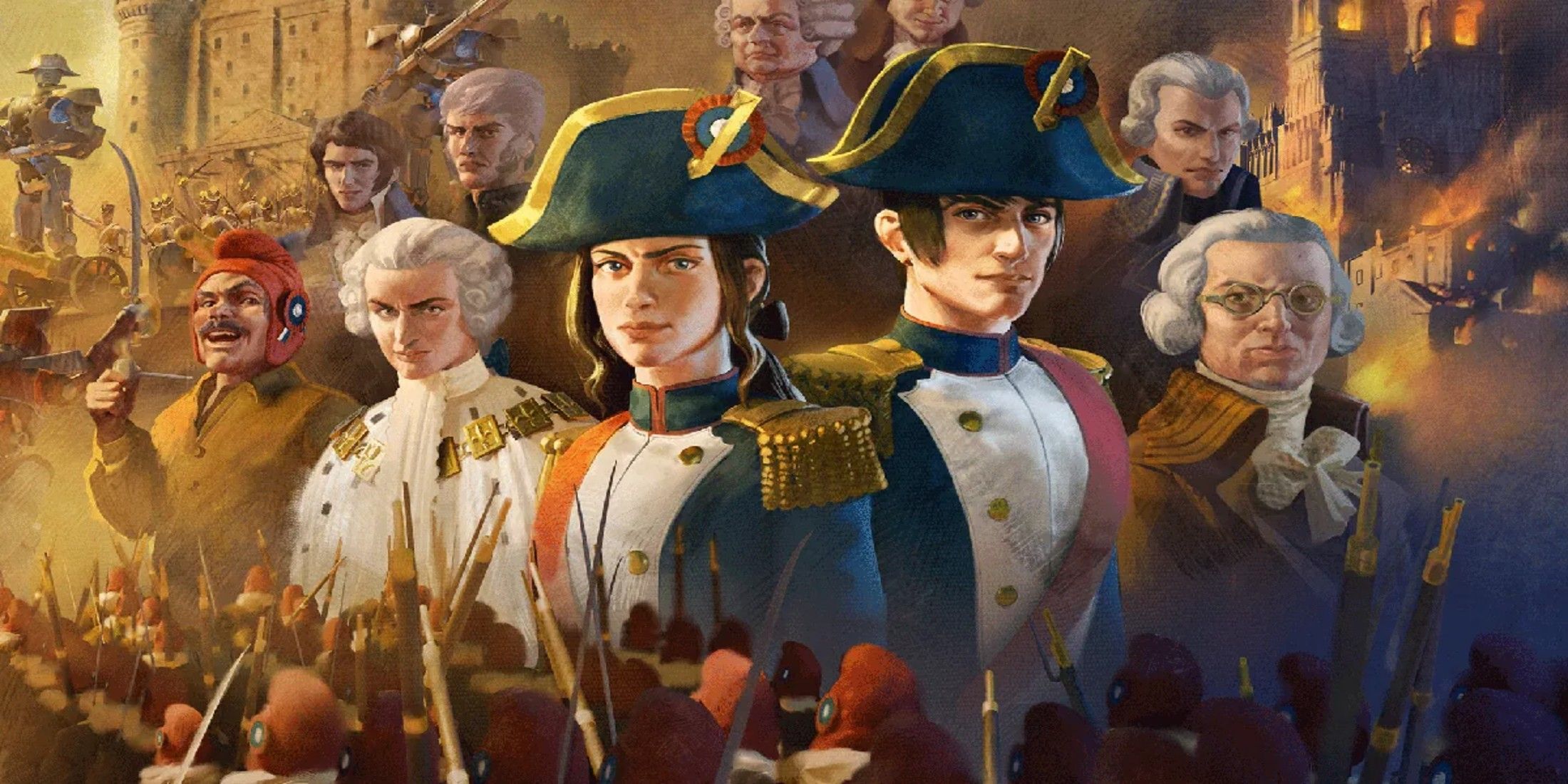
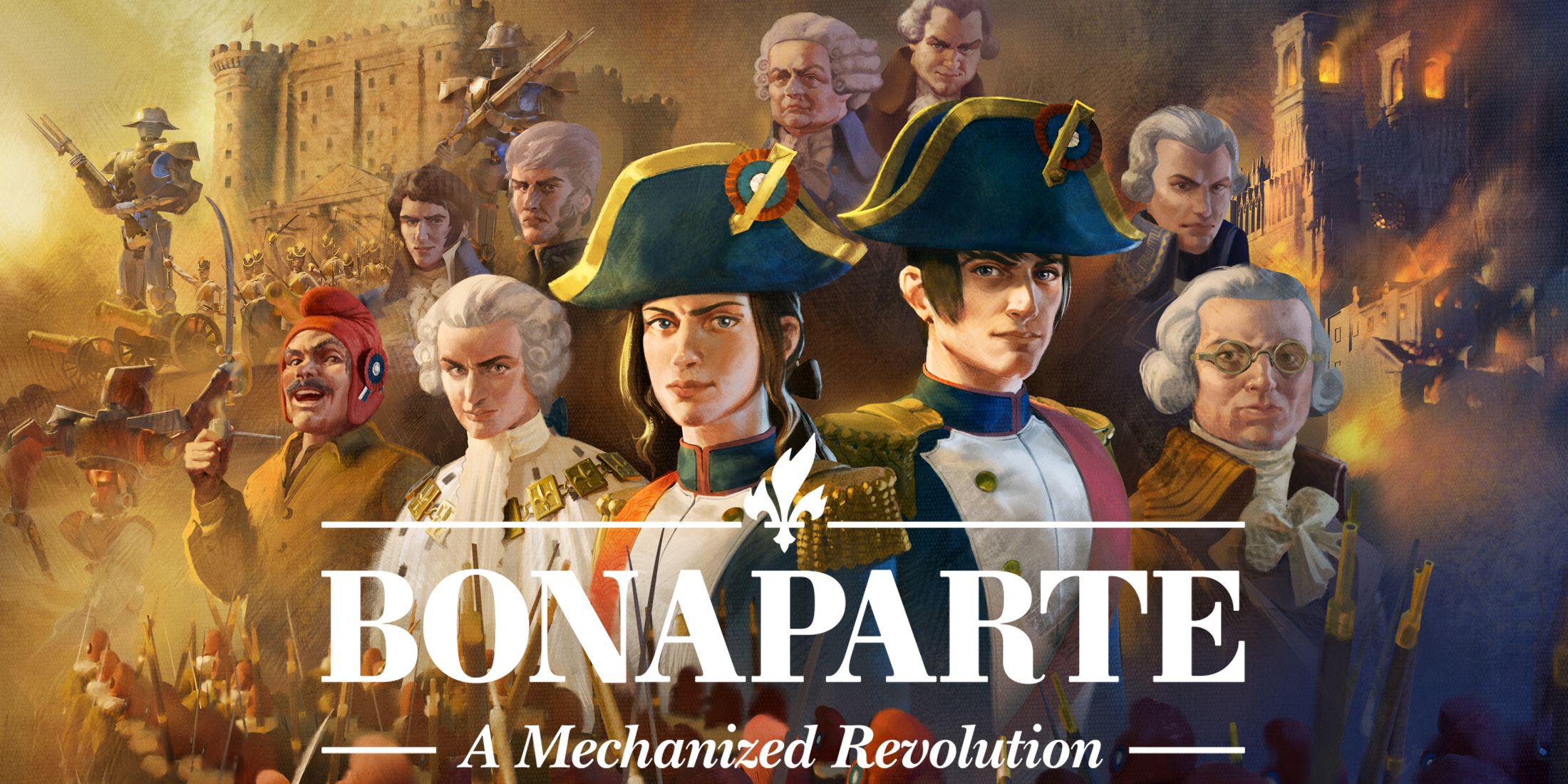
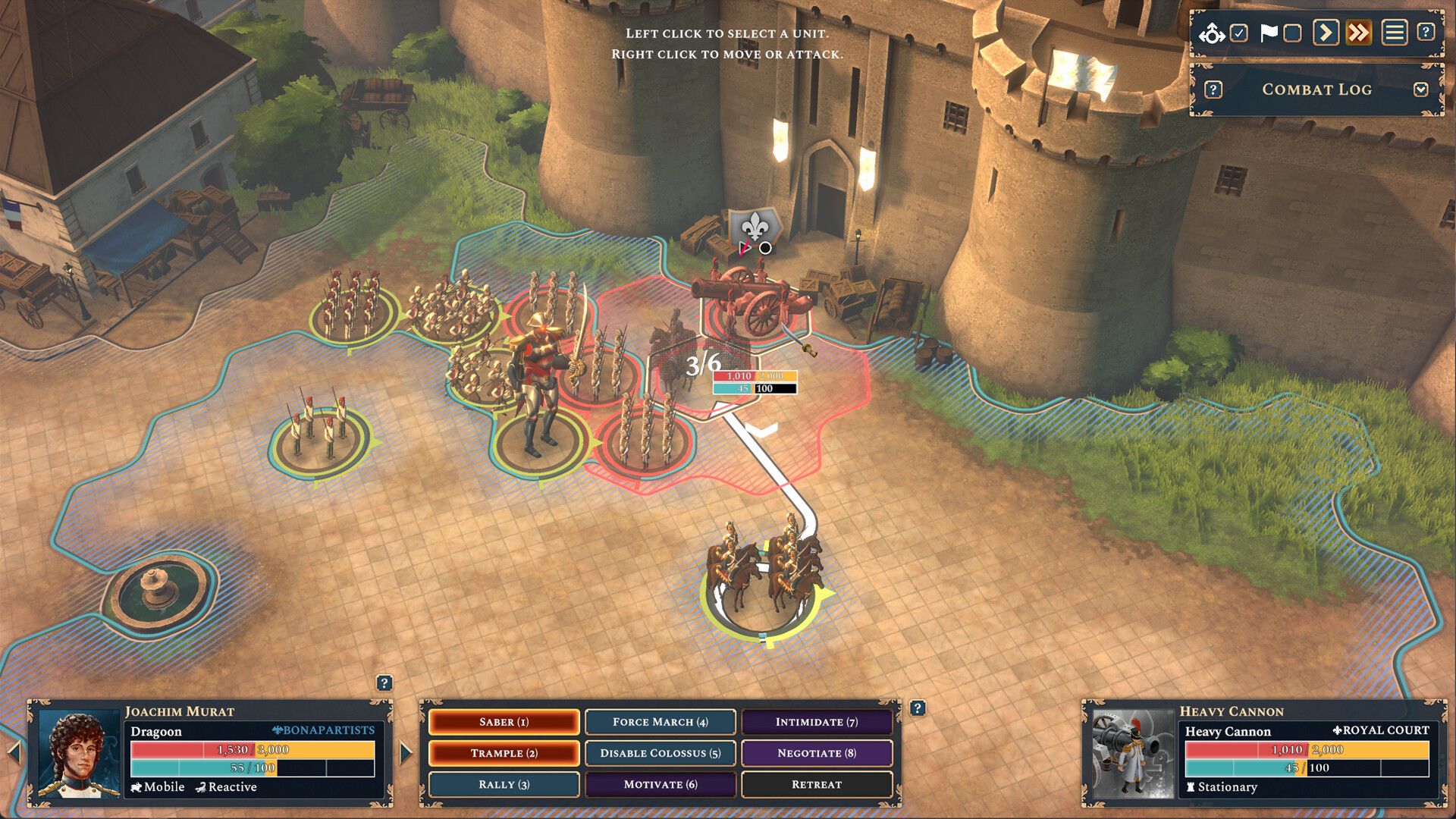
The up-and-coming strategy game, titled “Bonaparte: A Mechanized Revolution“, offers a distinctive take on alternate history. In this game, the backdrop is a futuristic portrayal of revolutionary France, promising a truly extraordinary environment for gameplay.
For strategy game enthusiasts fond of Paradox Interactive titles, the upcoming game “Bonaparte” promises an engaging blend of political and military strategies. This innovative game is scheduled for release in early access later this month by Studio Imugi. The steampunk-inspired mecha-filled depiction of revolutionary France offers a refreshing twist to players. Game Rant recently had a chat with creative director Jongwoo Kim, who shared insights about the game’s distinctive world design.
Bonaparte: A Mechanized Revolution Will Bring Mecha to Revolutionary France

Bonaparte’s Alternate History
In the upcoming game “Bonaparte: A Mechanized Revolution”, the science fiction elements are built around a single, intriguing change in history. Instead of the Phlogiston Theory being discredited as it was in our world, it remains a valid scientific truth in this game’s timeline. This theory serves as an emblem for this alternate reality, allowing us to visually communicate to the player that they are exploring a timeline where different paths can be taken. Kim explained this by saying that the Phlogiston Theory and the resulting Colossi serve as symbols for this alternative history, providing a visual cue that new possibilities are available in this alternate world.
The Phlogiston Theory serves dual purposes: it offers an explanation for the existence of Evangelion-style mecha during a time period that is just about 38 years after the start of the Industrial Revolution, and it functions as a representation or symbol for the altered timeline. Furthermore, Kim elaborated on how these science fiction elements, which the team refers to as “authentic alternate history,” will be integrated into the gameplay.
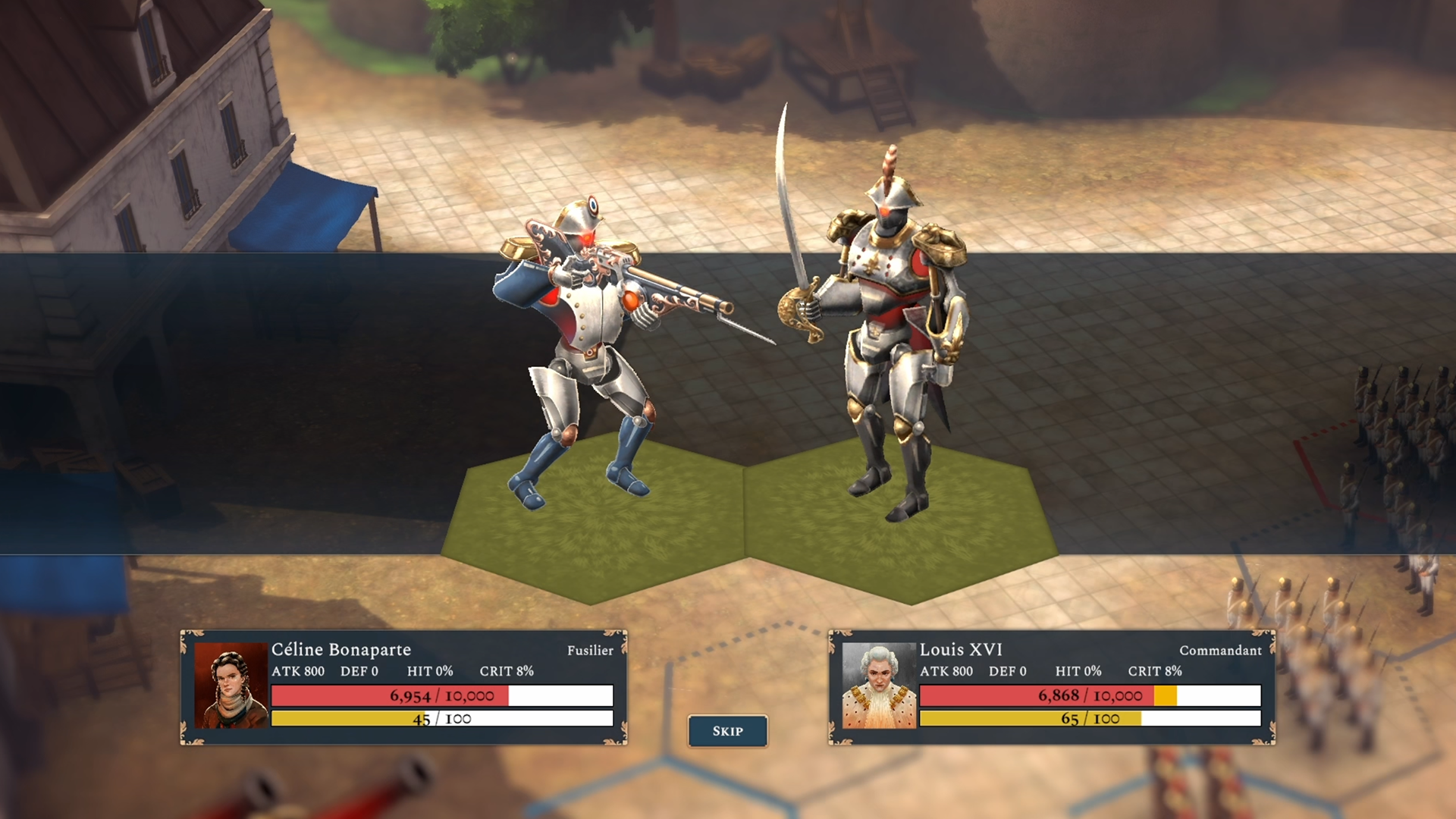
In our designs, we meticulously studied the aesthetics of late 1700s and early 1800s to evoke the essence of that period. Our aim was to portray an alternate timeline, but maintain the likeness of revolutionary France in 1789. To achieve this, we steered clear of the common steampunk “tin can” style or dieselpunk’s “tank” look, and instead sought inspiration from historical officer uniforms and the ideologies of each faction. The Royalist colossi are embellished with silver and gold accents, including the Fleur-de-lys, a symbol of the French Monarchy. On the other hand, the Jacobins exhibit a worn, rusty appearance, reflecting the rowdy spirit of the sans-culotte street fighters from that era.
Bonaparte and French History

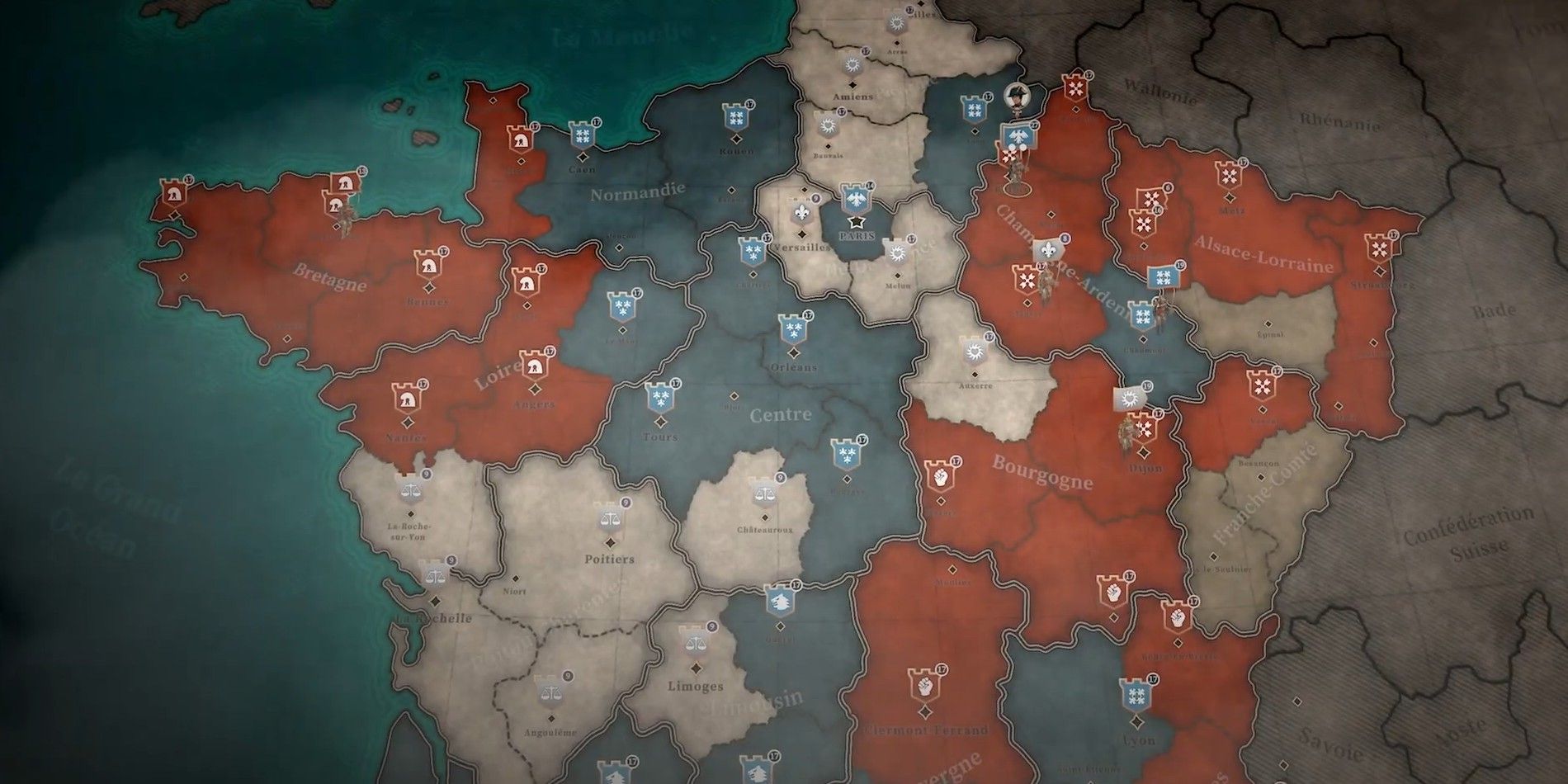
As a gamer eagerly anticipating the release of Bonaparte, I can’t help but be intrigued by the complex factions it portrays. Behind the scenes, Studio Imugi has been meticulously crafting the political landscape of this game, ensuring that it accurately reflects the historical realities of the era. Kim, one of the developers, has been instrumental in shaping the more realistic aspects of the setting, carefully weaving historical political ideas into the narrative.
Lafayette’s liberalism, as we know it in contemporary Western democracies, is founded on fundamental rights. However, this form of government became a reality only after the French Revolution succeeded. On the other hand, Comte d’Artois, who eventually became king, advocated for France to revert to a medieval-style absolute monarchy governed by a divine king, with the church playing a dominant role. It’s important to note that many French people at the time would have supported this idea. This passage aims to help you understand the various ideologies vying for power in France during that time and how the final outcome could have been different.
Additionally, Kim detailed the particular characters that the game would showcase, with Bonaparte being portrayed as historical figures akin to the Civilization series. As per Kim’s account, the team took a special interest in creating Jacques Hebert, Robespierre, and Danton, yet they had to omit figures like Jean-Paul Marat, Charlotte Corday, and Louis-Nicolas Davout.
Read More
- Robinhood’s $75M OpenAI Bet: Retail Access or Legal Minefield?
- Lonely Player Anomaly Commission Guide In NTE (Wandering Puppet Locations)
- All Nameless Hospital Endings Full Guide In NTE
- All Skyblazer Armor Locations in Crimson Desert
- Change Your Perspective Anomaly Commission Guide In NTE (Neverness to Everness)
- How to Complete Funny Blocks Game in Infinity Nikki
- All Hauntingham’s Letters & Hidden Page in New Super Lucky’s Tale
- Riven Tides Classified Records Keycard Door Location in ARC Raiders
- Midas Tower ReroRero Phone Booth Location in NTE
- Jujutsu Kaisen Modulo Gets An Official Anime Trailer By Studio MAPPA
2025-05-21 15:45