
Summary
- Dragon’s Dogma 2 AI companions learn from the world and adapt to player style.
- Sons of the Forest features Kelvin, a silent but crucial companion for survival.
- Far Cry Primal’s wild companions act based on instinct, not player commands.
It’s wonderful to have an entire world at your disposal, but what truly fulfills us as humans is the ability to connect with others within those same spaces. Video games capture this essence by incorporating companions in their open environments. These companions don’t just simplify combat or quests, but also introduce a unique spin on the common power fantasy, moving away from extreme individualism.
Achieving realistic AI companions can be challenging because most humans naturally possess an innate system in their minds that alerts them when they interact with something that resembles a human, but falls just short. However, these digital games often provide an experience that closely approximates genuine camaraderie within the expansive virtual realm.
6. Dragon’s Dogma 2
Pawns That Think, Learn, and Occasionally Go Rogue
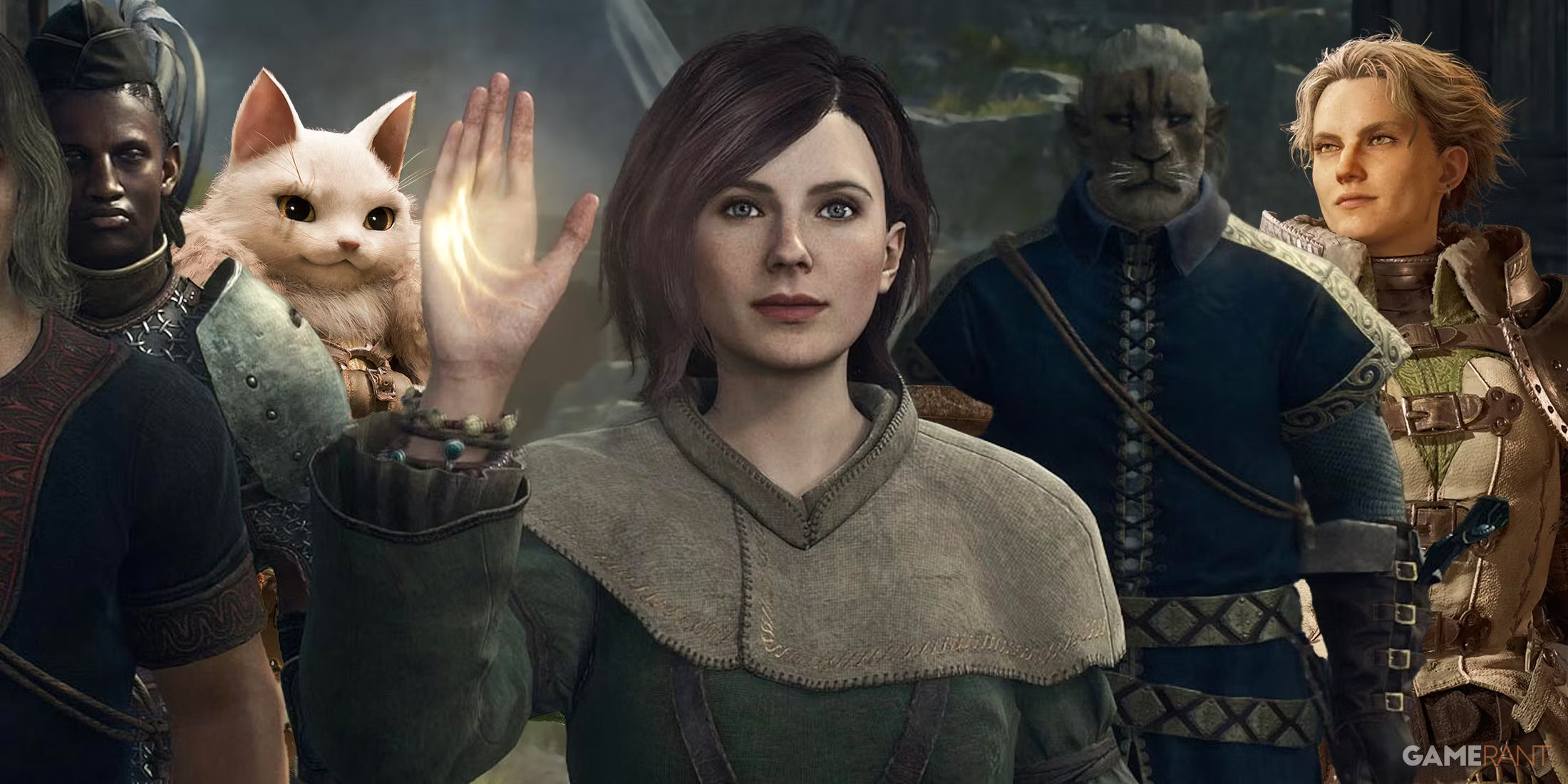
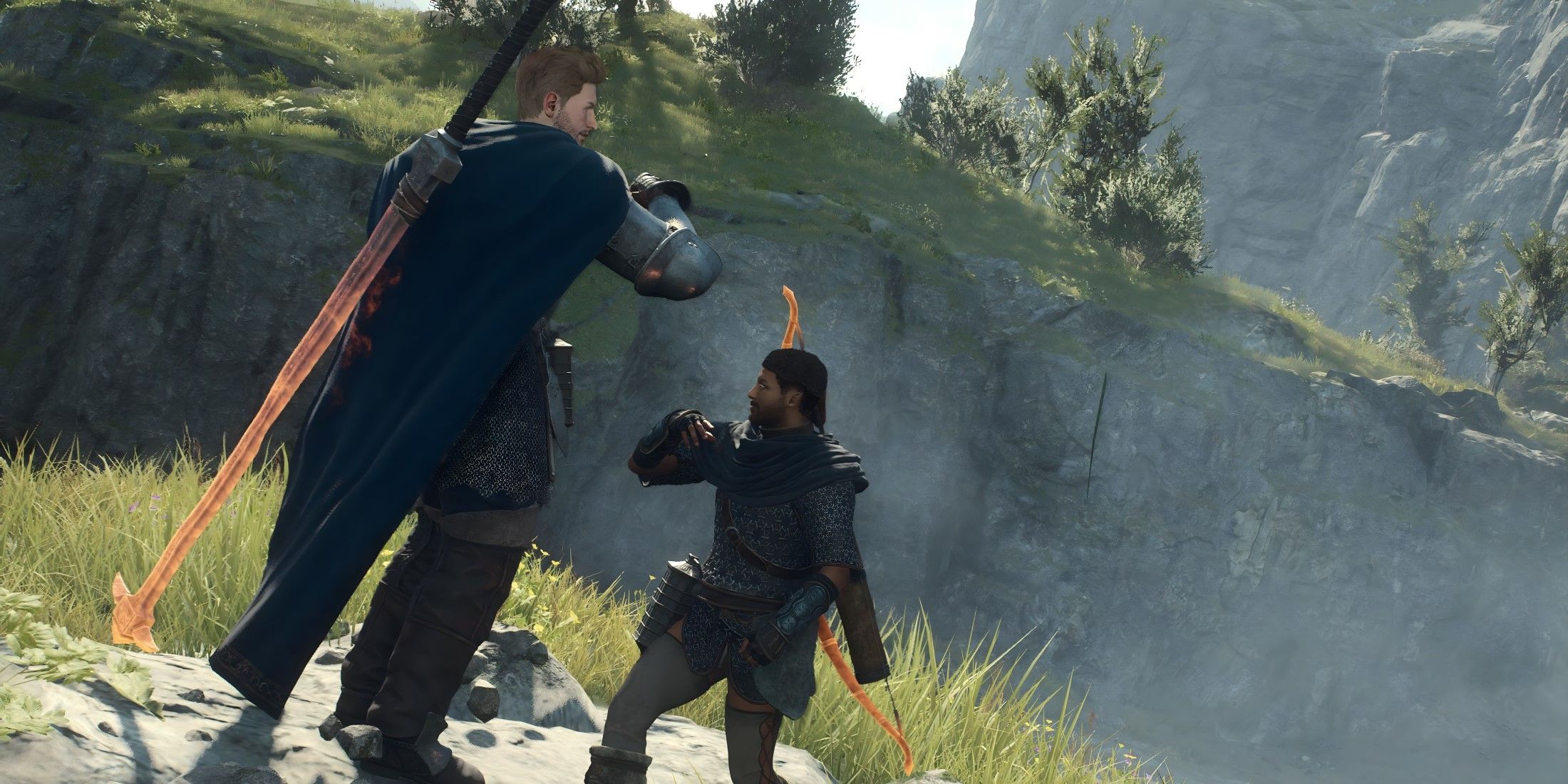
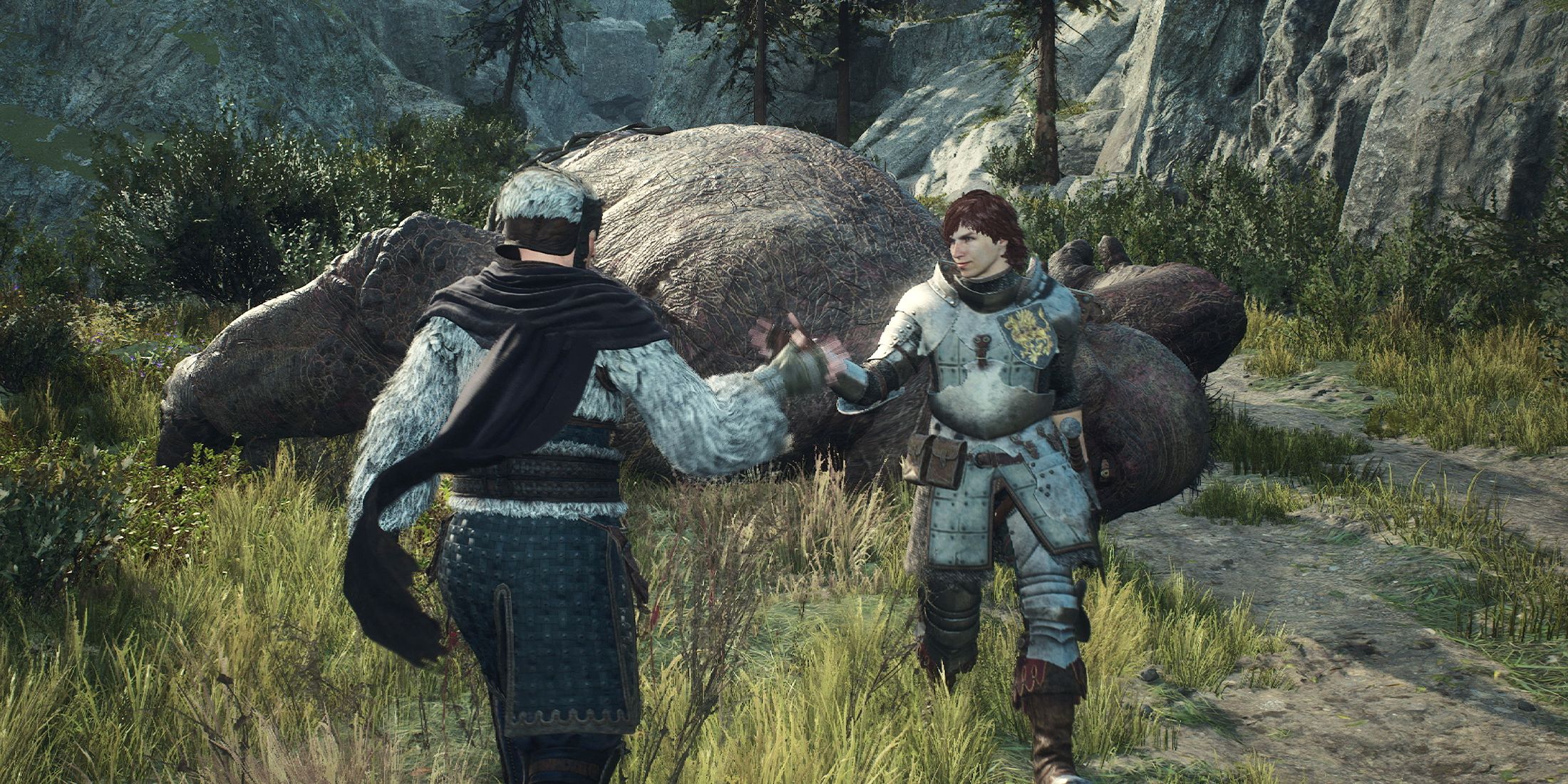


In Dragon’s Dogma 2, the return of the Pawn system is highlighted. These aren’t ordinary AI-controlled companions that merely follow commands; they adapt and learn from their environment. Instead of being generic followers with a sword, these entities are molded, shaped, and perfected to mirror the player’s playstyle, preferences, and even quirks over time.
Pawns will point out an opponent’s vulnerabilities, lead attacks, and move through different terrains with varying levels of assurance based on their past encounters. If employed by others online, they can mimic the player’s choices in quests, enabling the AI to develop a kind of indirect memory. This occasionally results in amusing and intriguing scenarios, such as a Pawn directing itself towards a cave not indicated by the player, because it has “been there before.” The element of surprise in their actions contributes to the illusion that they are real, if not intelligent, then at least lively.
5. Sons of the Forest
A Quiet Companion That More Than Pulls His Weight
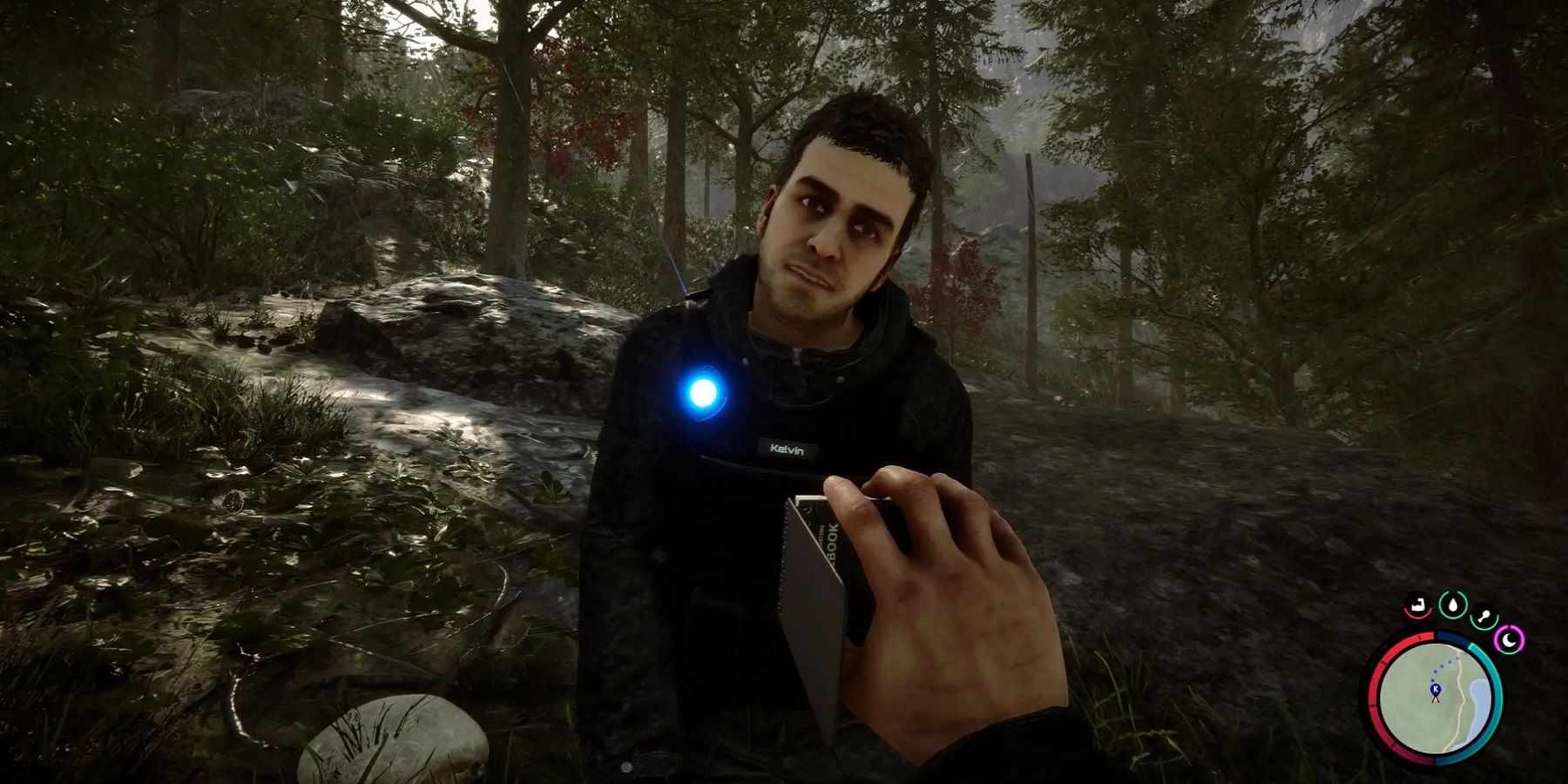
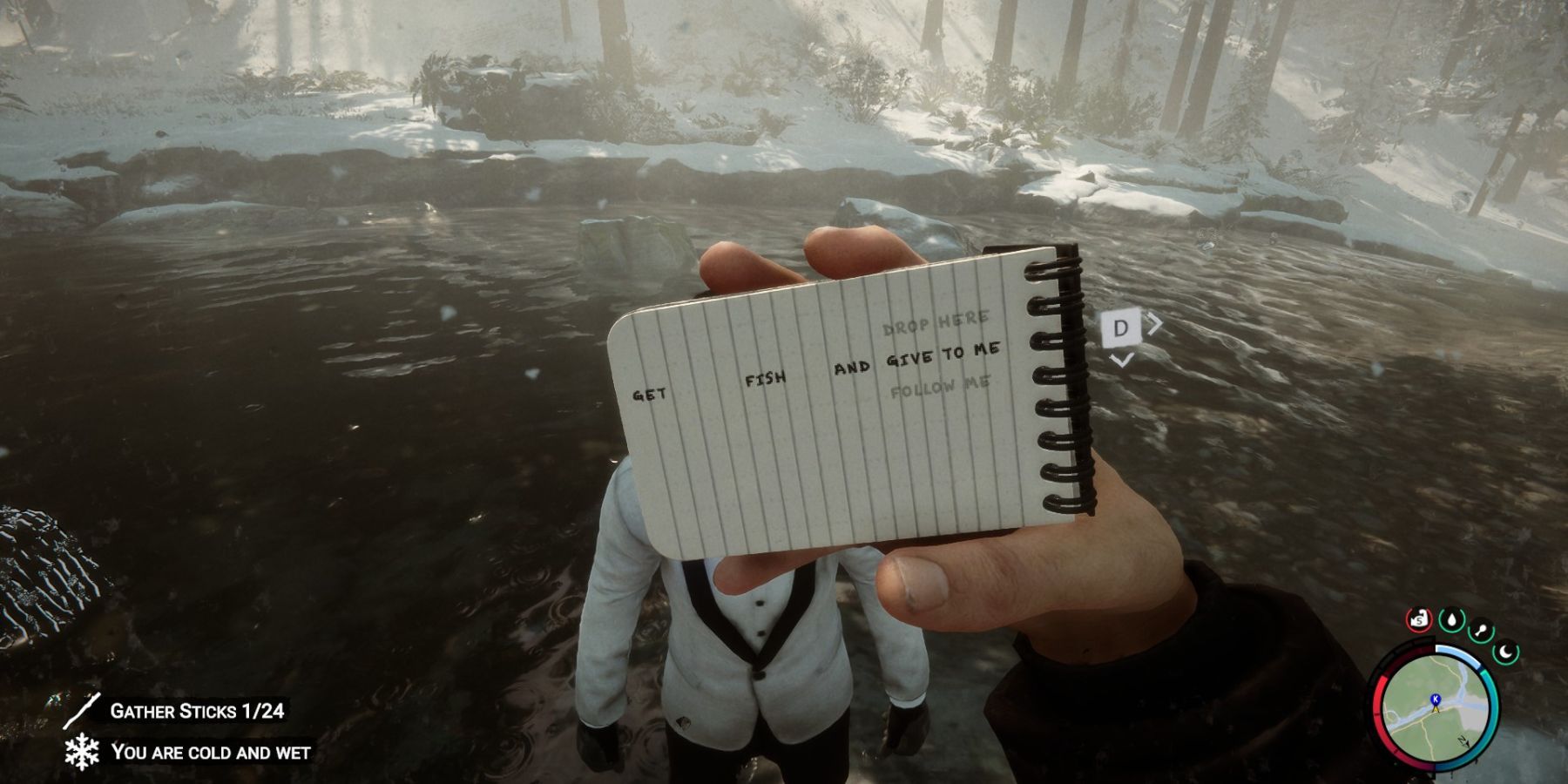

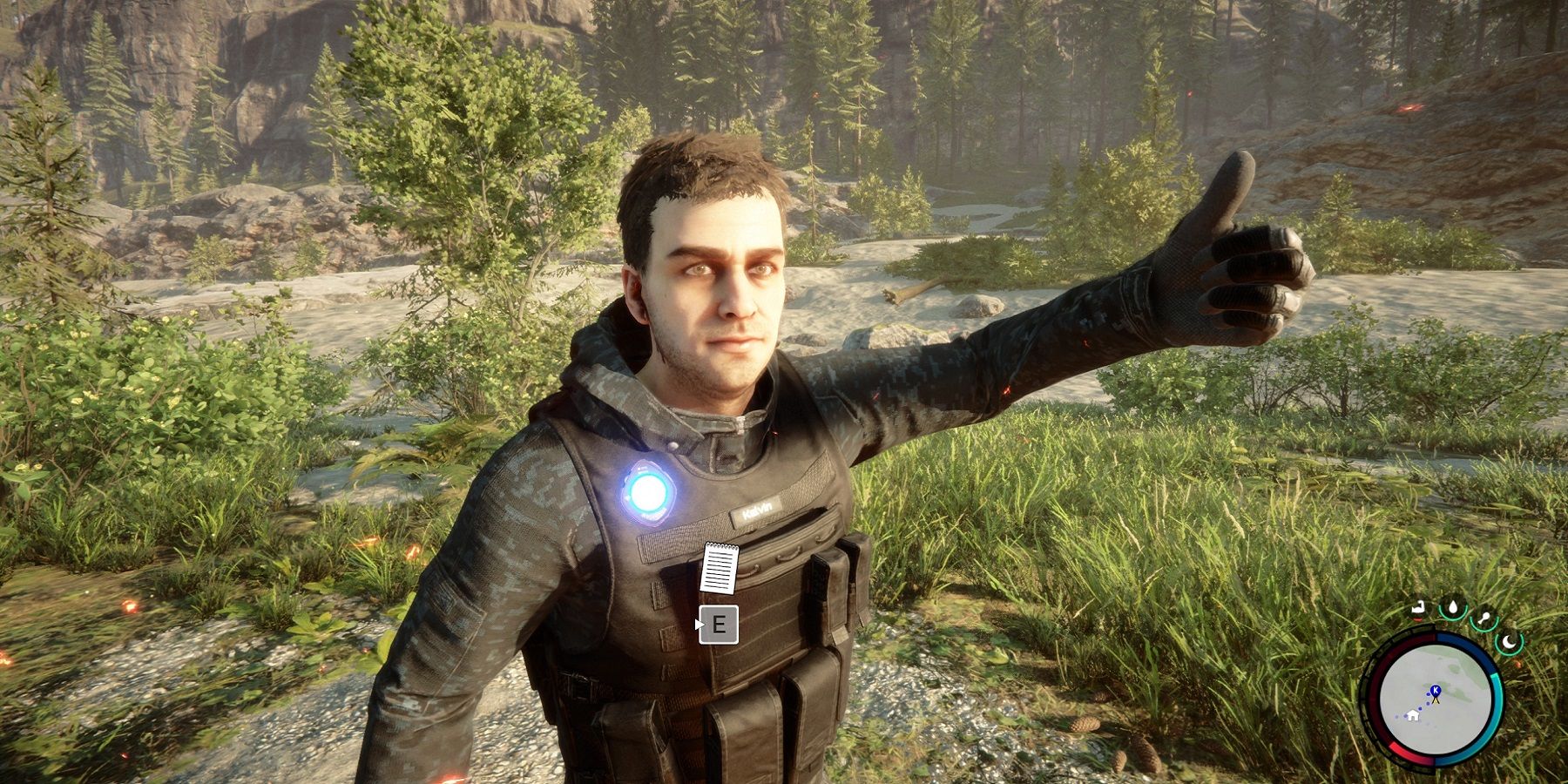

1. In the eerie forest teeming with lethal cannibals, the player doesn’t have to face the terror on their own.
2. At the outset of “Sons of the Forest”, Kelvin is a skilled and battle-hardened soldier; however, a tragic accident renders him deaf and speechless, significantly impacting his abilities.
Regardless of his injuries, Kelvin remains crucial to the team. He can interact with others through written messages, guiding them on tasks like clearing an area, gathering supplies, or creating items while they venture away from camp. Although he’s no longer combat-ready and instead avoids confrontation with the forest’s terrifying cannibal residents, Kelvin is skilled at survival. He manages to find his own food and stay safe from danger on his own.
4. Far Cry Primal
Wild Companions With Instincts That Can’t Always Be Controlled





In the game Far Cry Primal, companions possess claws and fangs rather than catchphrases. These creatures can be tamed to serve as allies, yet they are not programmed to follow detailed instructions. Instead, they instinctively respond to danger, confront threats autonomously, and withdraw when injured. It feels as if they abide by a set of rules that only they fully comprehend.
Observing a creature tear through an enemy group is quite fulfilling, yet it’s the unintentional mishaps, such as ambushing a deer while trying to sneak, that truly highlight the animal AI in the game Primal. It serves as a powerful reminder that these aren’t trained pets but survival companions driven primarily by instinct, with the player’s wishes coming second – much like how wild animals would behave in reality.
3. Red Dead Redemption 2
Being Remembered By A Tight-Knit Community Of Outlaws





It’s not surprising that the companions in Red Dead Redemption 2, given its exceptionally detailed and lifelike environment, are equally realistic. Each member of the gang appears as a fully-fledged character, with emotions that span an entire calendar. They harbor grudges, share meals, sing, brood, and adjust their behavior based on the unfolding story or Arthur’s treatment towards them.
Spending even minimal actions near them, such as tailing them or pointing a weapon too closely, elicits significant responses. As Arthur interacts with them over time, their character unfolds gradually, much like natural bonding that occurs subtly and fluidly, without the use of dialogue trees or obvious relationship indicators.
2. Fallout: New Vegas
A Reactive And Well-Written Cast

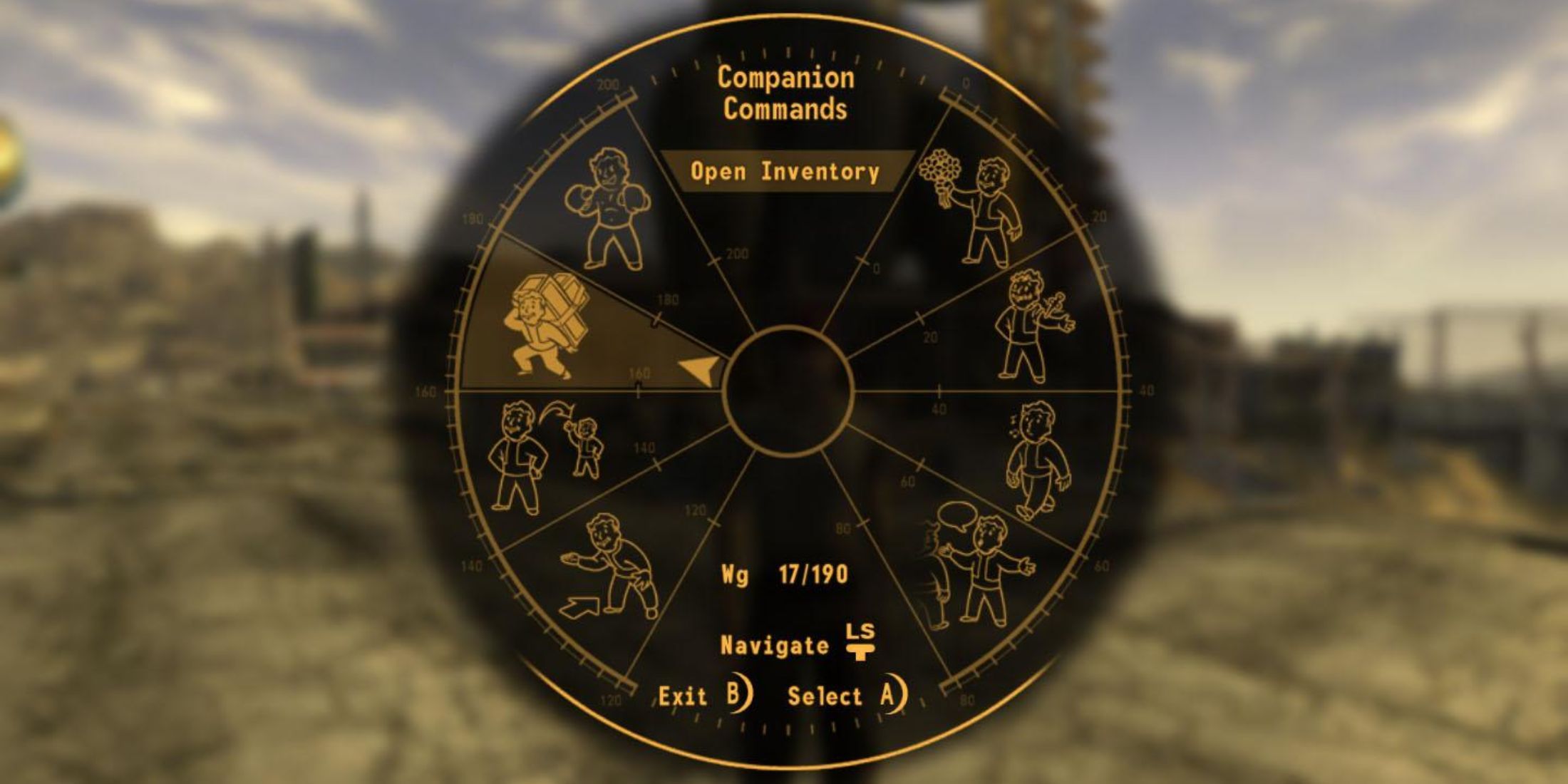
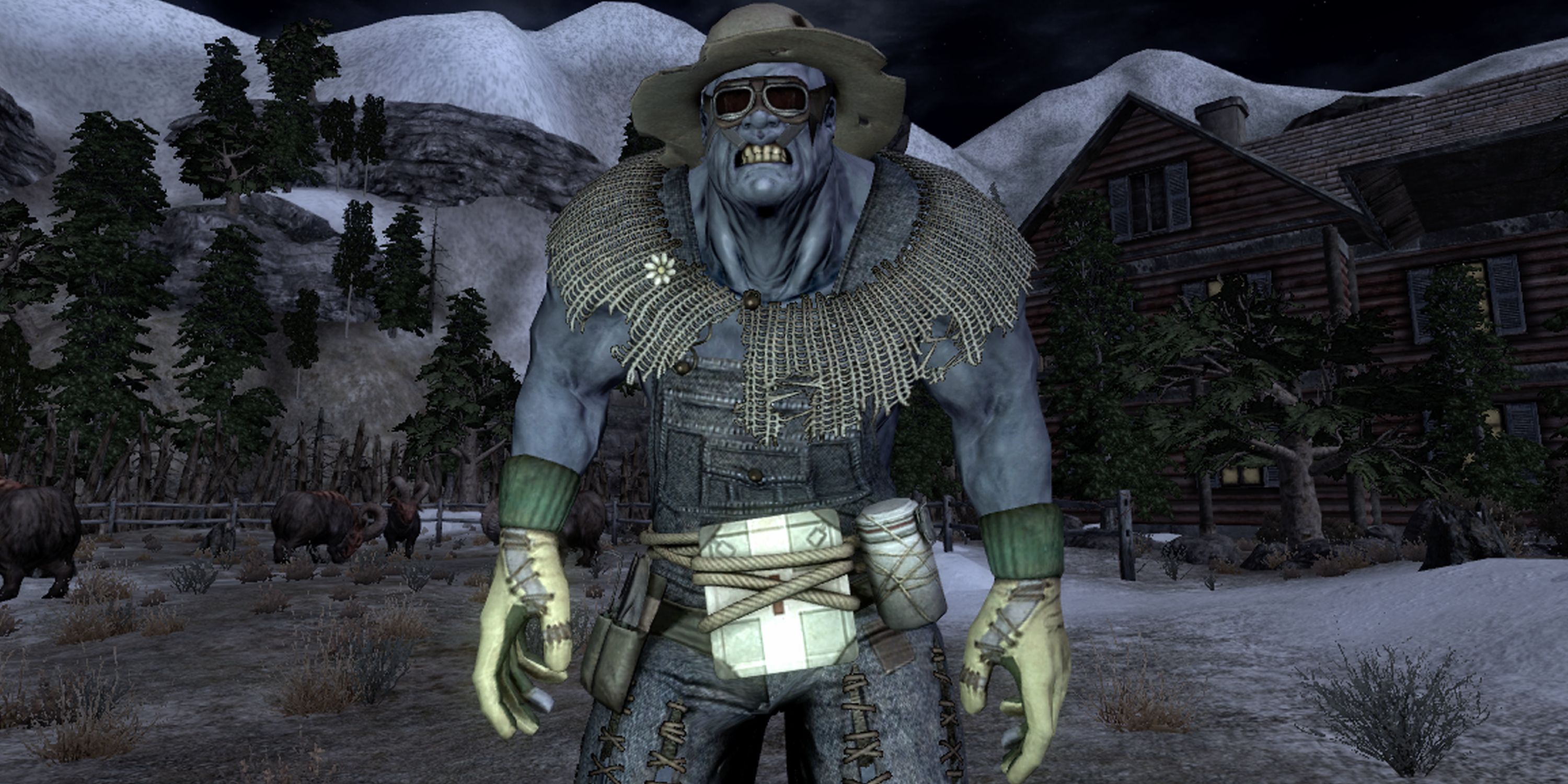
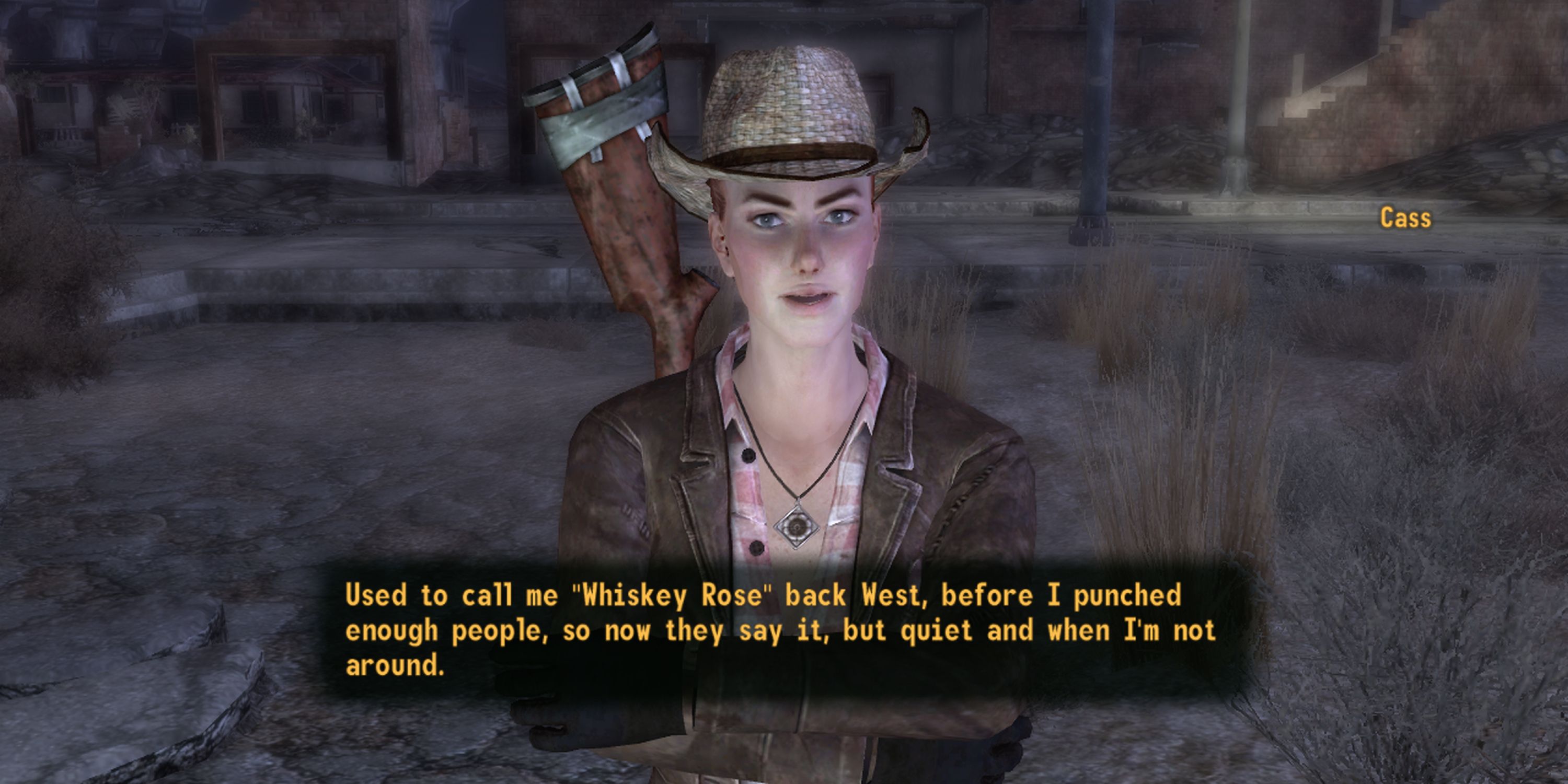
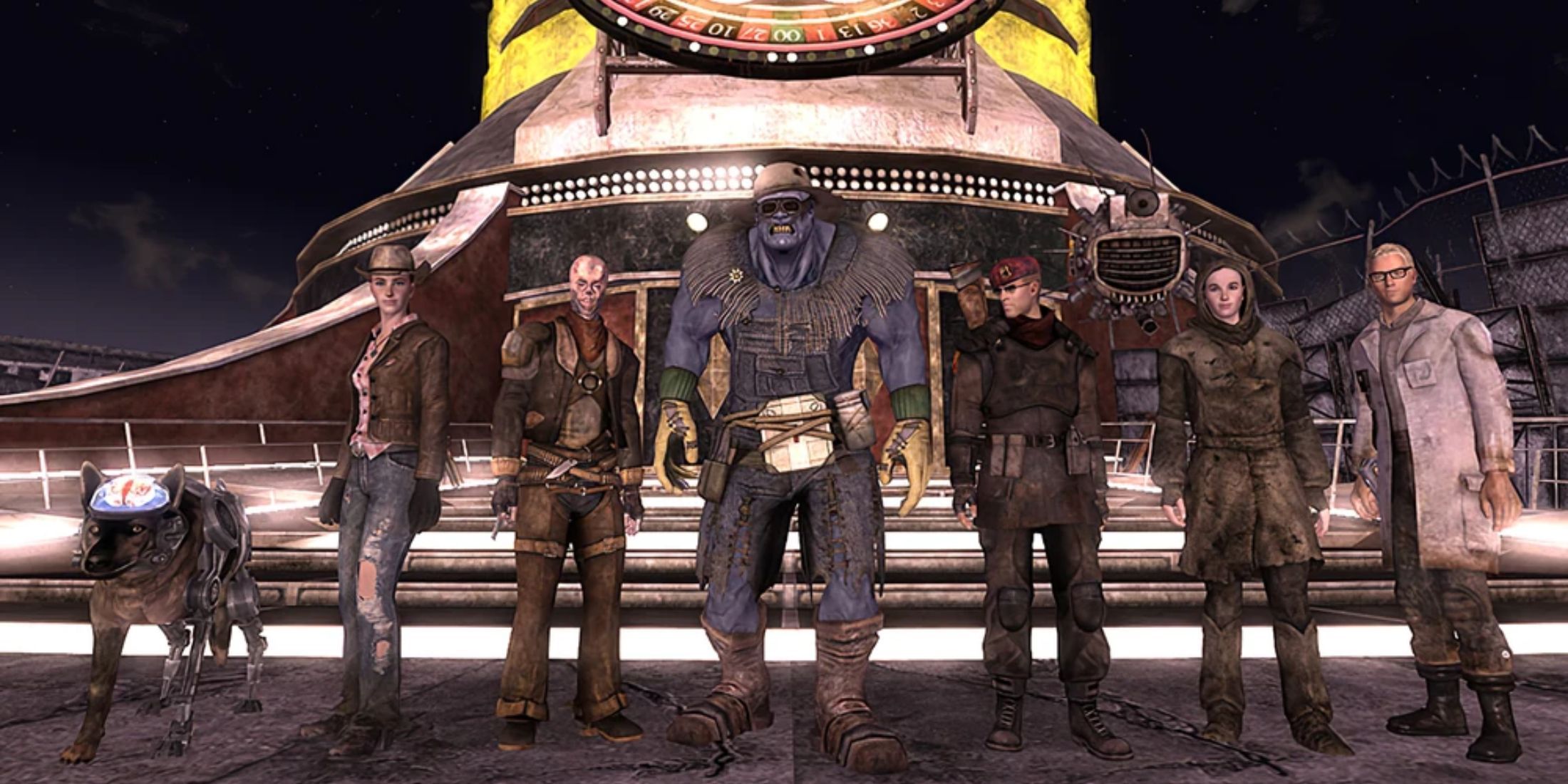
In many video games, sidekicks will stick by the player no matter where the journey takes them, even if it means venturing as far as Earth’s ends or descending into Hell, without questioning the player’s moral choices or actions. Yet, the exceptional reactivity of companions in Fallout: New Vegas puts the players to a test not only for their loyalty towards their companions but also challenges them on how well they uphold that loyalty.
Should a player perform actions that displease their in-game ally, such as eliminating an adopted family or siding with the enemy they vowed to annihilate, the companion will choose to depart from them. They’ll issue a warning beforehand, but ultimately, this separation will occur. Moreover, these companions are skillfully crafted by Obsidian’s renowned writing team and voiced by talented (and sometimes well-known) actors.
1. The Sims 3
A Whole World Of Autonomous Individuals And Groups

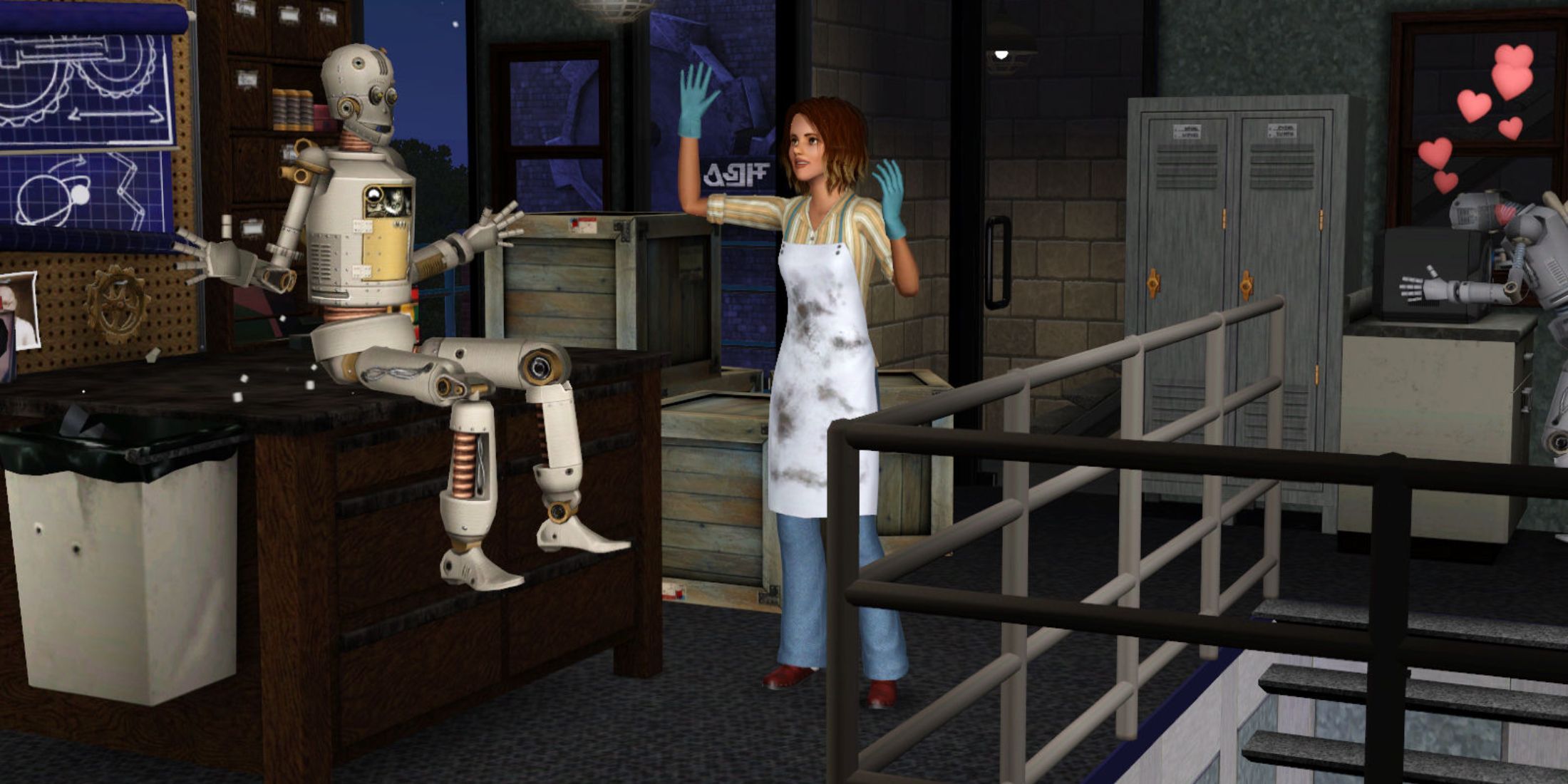



Instead of being a conventional open-world game involving tower climbing and large-scale violence (although there are numerous collectibles to discover), The Sims 3 is notable for featuring one of the most realistic AI companions yet developed. The simulated characters can travel in groups, whether it’s exploring their own neighborhood or venturing elsewhere.
They’ll independently navigate their world according to their individual characteristics, routines, and aspirations, fulfilling their requirements in unique ways. However, due to this intricate complexity, their social exchanges are simplified, often conveyed through a fictitious language similar to “Simlish” and represented by floating speech bubbles, as seen in video games.
Read More
- Forza Horizon 6: Find the Ohtani Treasure Chest Location
- NTE Drift Guide (& Best Car Mods for Drifting)
- Diablo 4 Best Loot Filter Codes
- Boruto: Ikemoto Has Already Hinted At Sasuke’s New Eye After Return
- USD RUB PREDICTION
- Where to Find Prescription in Where Winds Meet (Raw Leaf Porridge Quest)
- GBP CNY PREDICTION
- Conduit Crystal Location In Subnautica 2
- LEGO Batman Legacy of the Dark Knight Batcave Minikits & WayneTech Caches
- Top 10 Must-Watch Isekai Anime on Crunchyroll Revealed!
2025-05-31 07:35