It’s often good to shake things up. Established video game series usually follow a familiar pattern, both to make development easier and to satisfy fans. However, that pattern can eventually become predictable. When that happens, developers have a few choices: they can completely revamp the series, start something new, or risk becoming obsolete.
When a franchise successfully reinvents itself, it usually means the old version is gone for good. Whether it’s through new genres, different storylines, or updated gameplay, these series took big risks with their core design and it paid off. Because of these changes, they’re unlikely to return to their original form.
God Of War
From Testosterone-Fueled Chaos To Heartfelt Character Drama
- The Greek trilogy (and its three spin-offs) are hack-and-slash icons.
- The shift to a narrative focus is jarring, but was ultimately just what the series needed.
The first three God of War games were incredibly popular right away. PlayStation 2 fans quickly discovered a fast-paced action game with epic scope and a uniquely rewarding combat style. God of War 2 was a stunning finale for the PS2, showcasing everything the console could do, and God of War 3 was once considered the most visually impressive game ever created. After that, aside from a couple of games on the PSP and a prequel called God of War: Ascension, the series took a five-year break.
The return of God of War is now considered legendary. The game’s reveal trailer at E3 2016 – introducing a more subdued Kratos and his son, Atreus – is still remembered as one of the best game announcements ever. And the game itself actually exceeded all the hype. While many still enjoy the older, action-packed God of War games, the series is likely to continue focusing on story and characters like it does now, for the foreseeable future.
The Legend Of Zelda
From Refined Dungeon-Crawling To An Open-World Icon
- This series defined open-world dungeon crawling, 3D gaming, and gradually expanding worlds.
- The shift to a true open-world sandbox was so successful that it virtually redefined the open-world genre.
For a really long time, the Zelda games stuck with a formula that just worked. Basically, you’d explore a big world, but you’d hit roadblocks you couldn’t get past yet. Then you’d dive into a dungeon, find a cool new item inside, beat the boss, and that item would let you access new areas on the overworld. It was a cycle that kept things moving. This core way of playing stayed pretty consistent from A Link to the Past way back in ’91 all the way up to A Link Between Worlds in 2013.
The release of the Nintendo Switch brought with it a game-changer: The Legend of Zelda: Breath of the Wild. Previous Zelda games used open worlds simply as pathways between dungeons, but Breath of the Wild made the world itself the core of the experience. Unlike earlier titles, there were no restrictions tied to how far you’d progressed, and dungeons weren’t built around specific items. Players received all the essential items at the beginning, allowing them to freely explore and creatively solve challenges in the game’s expansive world. It was a complete departure from the series’ traditional, guided approach. While The Legend of Zelda sometimes revisits its older style, this new, innovative approach—which redefined the possibilities of open-world games—is likely to have a lasting impact on the genre.
Final Fantasy
From Turn-Based Grinds To MMOs And Active Combat Epics
- This classic series was turn-based JRPG royalty.
- The move to active combat doesn’t appeal to everyone, but it’s hard to imagine going back.
Similar to The Legend of Zelda, the Final Fantasy series has a long history and also followed a familiar pattern for many years. Core elements like memorable characters, a flexible job system, powerful summons, creative worlds, and turn-based battles were consistently featured in the main games, and this formula worked well for Square Enix. However, after some weaker installments like Final Fantasy 13 and the initial struggles of Final Fantasy 14, the studio realized it needed to evolve.
The shift towards faster, action-oriented battles really took hold with Final Fantasy 15, the first major game in the series to move away from traditional turn-based combat. Importantly, it still felt like a Final Fantasy game, but the quicker pace likely attracted a new audience. Square Enix continued this approach with Final Fantasy 16, Stranger of Paradise: Final Fantasy Origin, and the Final Fantasy 7 Remake and Rebirth. While Final Fantasy will probably never completely abandon its turn-based history, it’s clear that action combat is now a permanent feature and will remain popular for a long time.
While Dirge of Cerberus and Crisis Core experimented with action-based combat instead of the traditional turn-based system, those changes weren’t popular enough to convince Square Enix to make the switch permanent for the entire Final Fantasy series in 2006 and 2007.
Fallout
From Isometric RPGs To First-Person Shooters
- The world and retro-future style were perfect for an isometric RPG.
- Bethesda took the reins and tried something new, and it fit like a glove.
The original two Fallout games feel very different from modern Fallout titles, making direct comparisons unhelpful. While they share core elements like the retro-futuristic world, RPG gameplay, and the blend of humor, serious themes, and horror, almost everything else is distinct. Unlike the first-person perspective of recent games, the originals used an overhead, isometric view similar to Diablo. Combat wasn’t about reflexes; it was turn-based and relied on character stats. A character’s ‘sequence’ stat determined who acted first in each turn, with everyone else following after.
Later Fallout games, starting with Fallout 3, are very different from the originals. Bethesda, the company that took over the series, made them open-world RPGs focused on exploration, played from a first-person perspective. While you can still customize your character, make choices in conversations, and level up, the gameplay is much more action-oriented. You can slow down combat using the VATS system, but generally, these games feel like first-person shooters with unique weapons and a strong emphasis on gaining experience. It’s hard to imagine Bethesda ever returning to the old, top-down style of Fallout, and given how popular the current games are, it’s unlikely they will.
Warcraft
From Iconic Real-Time Strategy To A Legendary MMO
- Maybe the biggest shift on this list, Warcraft is almost unrecognizable today.
- The series’ success as an RTS didn’t stop it from becoming a household name as an MMO.
Long ago, Warcraft was one of Blizzard’s most important games, alongside the hugely popular Starcraft. These two series were incredibly influential in the strategy game genre during the 1990s and early 2000s, and until Warcraft 3, it seemed like they would always be leaders in the field. The Warcraft name was so strongly associated with strategy games that any significant shift in direction would have been a major surprise to gamers.
It’s funny to think back on how big Warcraft seemed at the time, compared to its current popularity. While the original strategy games were great, they don’t compare to the massive success of World of Warcraft. WoW is such a dominant MMO that other games don’t even try to beat it – they just compete for second place. Even after over 20 years, WoW still has a fiercely loyal fanbase and remains Blizzard’s most successful game, which is impressive considering all their other popular franchises. With WoW and Hearthstone – a hugely popular free-to-play card game – both doing so well, it seems Blizzard would only revisit Warcraft’s roots in real-time strategy if they simply wanted a change of pace. There’s no real need to go back to the past when the present is so successful.
Resident Evil
From Fixed Cameras And Tank Controls To Creating The Modern Third-Person Shooter
- The original survival horror set the gaming world on fire.
- The series somehow reinvented the genre it invented, paving the way for third-person horror in the process.
Capcom appears to be establishing a pattern with its Resident Evil games. Remakes of older titles will use the over-the-shoulder, third-person shooting style seen in Resident Evil 4, while new games in the main series will combine first-person and third-person viewpoints. It’s currently unclear where the upcoming Requiem will fit into this, but considering Resident Evil 7 and Village, it seems first-person gameplay will be a key feature in future installments.
It’s hard to revisit the older Resident Evil games now that gaming has evolved. The classic tank controls and fixed camera angles feel outdated by today’s standards, though they’re seeing a bit of a revival in indie horror games. Back then, though, they were really effective at building suspense. Resident Evil 4 was the game that truly changed things, placing the camera directly behind the character to create a more immersive and terrifying experience. This wasn’t just a big deal for the Resident Evil series—it changed gaming as a whole. After that shift, fixed camera angles quickly became obsolete. Capcom seems happy to let indie developers explore that older style of gameplay while they continue to innovate and move the series forward.
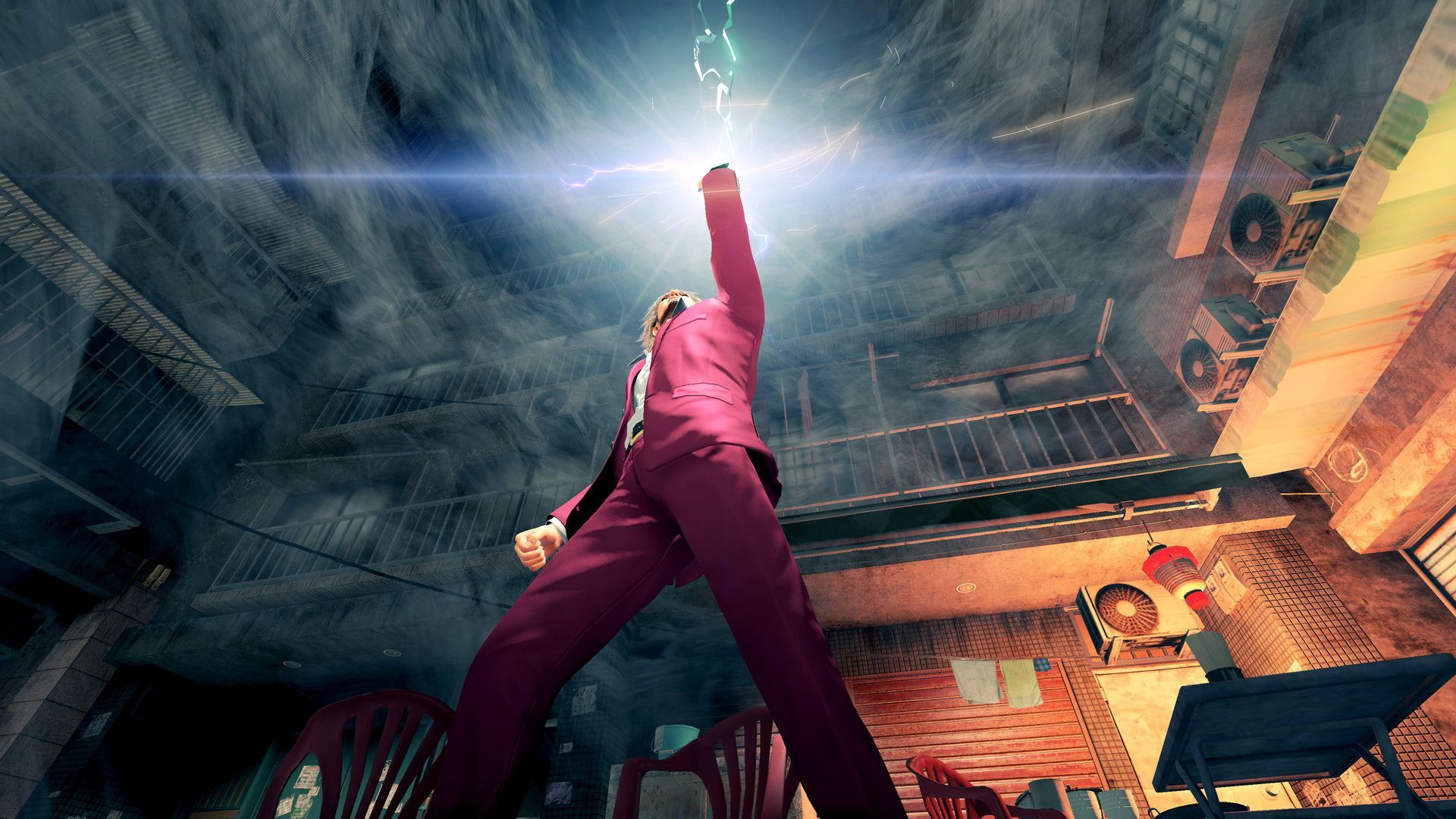
Yakuza/Like A Dragon
From Third-Person Brawler To Turn-Based Mayhem
- The series’ iconic beat-em-up combat remains beloved and still appears in spin-offs.
- After the success of the turn-based combat and a new protagonist, the mainline games are going to ride that wave for a bit.
It’s probably an overstatement to say the Yakuza/Like a Dragon series is fundamentally changing. Ryo Ga Gotoku Studio releases games frequently, which means they can explore a wide range of gameplay options. The Yakuza Kiwami remakes will naturally maintain the classic beat-’em-up style of the original games. Similarly, spin-offs like Like a Dragon: Isshin!, Pirate Yakuza in Hawaii, and The Man Who Erased His Name also appear to be sticking with that familiar action-focused approach.
As a longtime fan, I was definitely surprised by the changes in the recent Like a Dragon games! They decided to move away from Kiryu as the main character, and brought in Ichiban Kasuga – he’s a lot more goofy and lighthearted, but still fits the series’ wild sense of humor. But the biggest shock was switching to turn-based combat! I was skeptical at first, but honestly, it’s been a fantastic change. It really lets the over-the-top action shine, and it’s cool to see other characters get more involved in fights. Honestly, with this series, anything could happen, but it looks like turn-based battles are here to stay for the main Like a Dragon games, and I’m totally okay with that!
Rainbow Six
From Squad-Based Single-Player To Intense Tactical PvP
- Intense, squad-based shooting was always at the forefront, but the series used to be primarily single-player.
- Now that Siege is a major hit, there’s little reason to go back to the old ways.
The Rainbow Six games have always appealed to a specific kind of player in the first-person shooter genre. For a long time, they were known as challenging, team-focused games where you had to carefully plan and lead a group of agents through risky missions to eliminate targets. But those targets were equally dangerous, and the games emphasized smart teamwork and strategy over quick reflexes, though good aim still mattered.
After Rainbow Six Vegas 2, the series went on a long hiatus and changed dramatically upon its return. Rainbow Six Siege remains a team-based shooter, but it focuses entirely on player-versus-player combat. Taking cues from Counter-Strike, players either attack or defend, with the defenders trying to hold their ground and the attackers trying to eliminate them. The game features significant environmental destruction, and on its smaller maps, breaching walls can be a key tactic – but also a risky one. Siege has been a success for over a decade, not only bringing the Rainbow Six franchise back to life but also fundamentally changing it. Given Siege’s continued popularity, there might not be another Rainbow Six game at all, and if there is, it probably won’t prioritize a single-player experience.
Read More
- All Skyblazer Armor Locations in Crimson Desert
- How to Get the Sunset Reed Armor Set and Hollow Visage Sword in Crimson Desert
- All Shadow Armor Locations in Crimson Desert
- Marni Laser Helm Location & Upgrade in Crimson Desert
- All Helfryn Armor Locations in Crimson Desert
- All Golden Greed Armor Locations in Crimson Desert
- Best Bows in Crimson Desert
- All Icewing Armor Locations in Crimson Desert
- How to Beat Stonewalker Antiquum at the Gate of Truth in Crimson Desert
- Legendary White Lion Necklace Location in Crimson Desert
2025-12-04 11:37