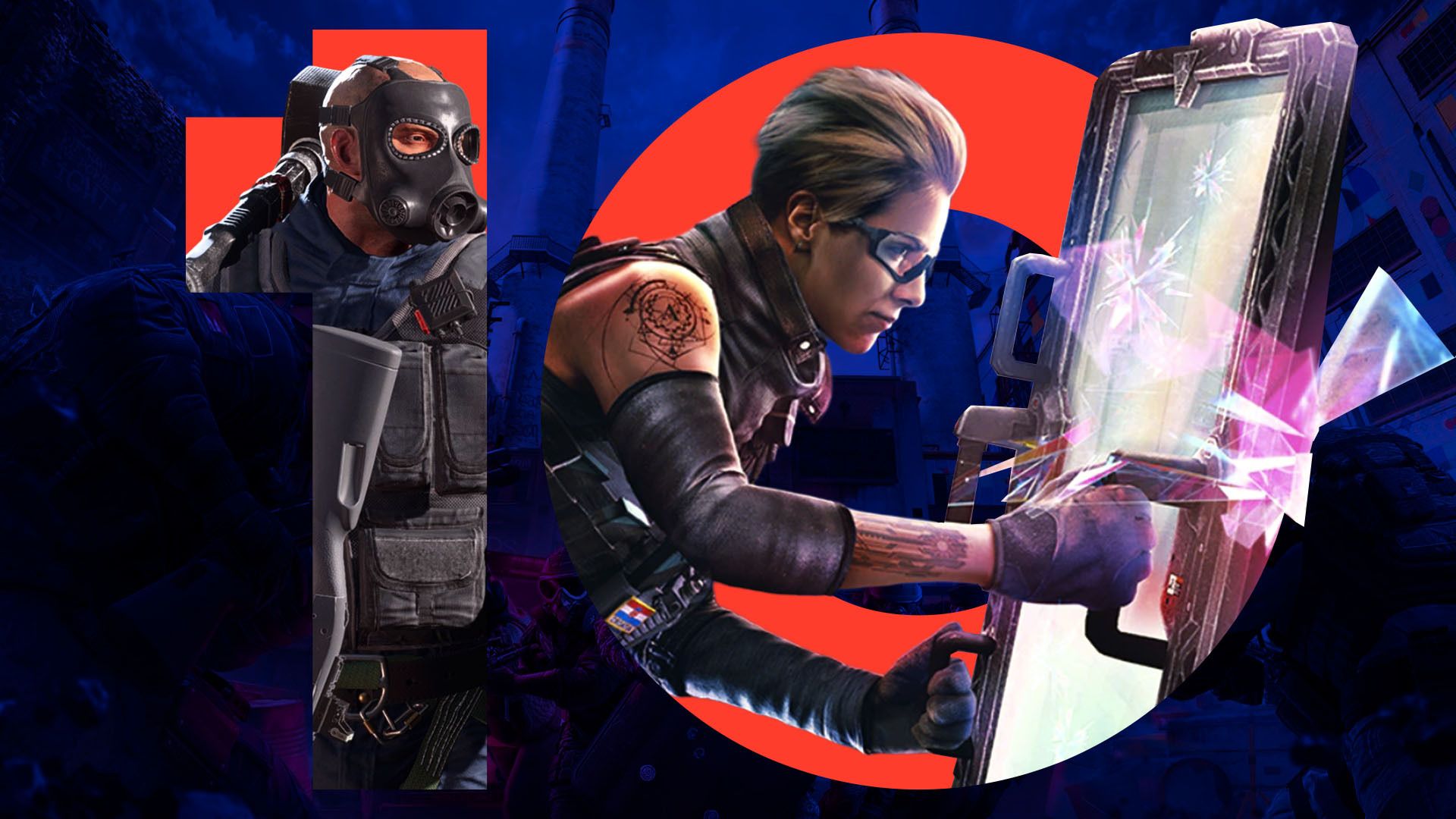
Rainbow Six Siege will celebrate its 10-year anniversary in December 2025, and it remains a popular live-service first-person shooter. The game didn’t always enjoy this success, though. It faced challenges, particularly during its first year, but the dedicated developers persevered, pouring their passion into improving the game and ultimately building a title that has lasted a decade.
I was lucky enough to attend Ubisoft Montreal’s celebration for Rainbow Six Siege‘s 10th anniversary! I got to chat with both the creative director, Alexander Karpazis, and the game director, Joshua Mills, about how far the game has come and what they have planned for its future. It was really interesting to hear their thoughts on the game’s history and what’s next!
The following transcript has been edited for clarity and brevity.
Wow, Rainbow Six Siege just hit its 10-year anniversary! That’s amazing for a game that’s constantly being updated. Seeing so many live service games come and go, I’ve always wondered what Siege has done differently to stick around for so long. What’s the secret to its success?
I believe a combination of good timing and unwavering commitment were key to our success. When the game launched in 2015, the ‘games as a service’ model was just beginning, meaning we faced less competition than games launching today. However, it wasn’t an instant hit. The game needed improvement, and the team really focused on making it better. That dedication, ultimately, is what made us who we are today.
We’re really focused on getting closer to our player community. Many of us on the development team are active players ourselves, at all skill levels, which is a huge benefit when we’re creating new things. We can test them with a wide range of players in mind. Plus, we have direct community feedback within the team, allowing us to use that input as we move forward. Building relationships with pro players also helps us ensure we’re meeting the community’s needs and delivering the best possible experience. I believe this connection is a major reason for our success. The game itself is incredibly complex and offers players a lot of freedom to be creative, and they really take advantage of that, bringing something unique to every match. That creativity is what truly stands out to people.
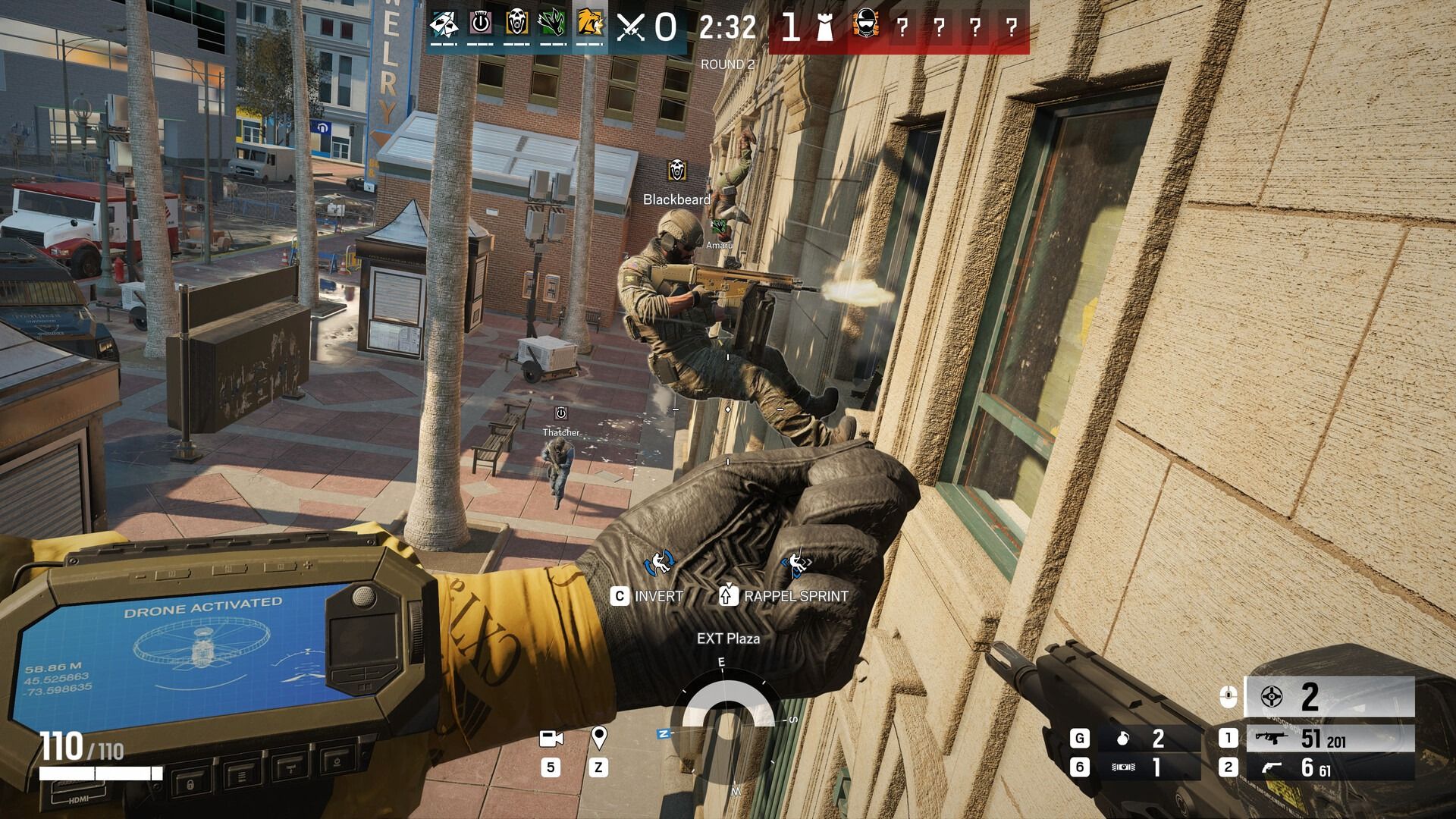 Image via Ubisoft
 I recently heard you discuss your vision for the next ten years of Rainbow Six Siege, Alex. Could you elaborate on what long-term planning looks like for a game like this? And how do you adapt to the constantly evolving gaming industry, especially considering potential changes like new console releases in the near future?
The key is thinking ahead – that’s what’s great about game development today. We’re so connected to technology, and it opens up exciting new possibilities for our team and the game itself. We absolutely have to consider things like new consoles or improved hardware. But it’s not just about technology; creativity is equally important. We never run out of ideas for this game, so the challenge is figuring out how to best use the incredible tactical freedom it offers. Those two things – anticipating technological advancements and fostering creativity – make it easier to plan both short-term goals and a long-term vision, from one to ten years out.
The document is a detailed spreadsheet used for forecasting future development. It helps us identify industry trends and, more importantly, plan for upcoming technology and features – even those still in early development. The goal is to align all our systems so we can unlock new possibilities. Because Rainbow Six Siege has been around for a decade, we’re shifting our focus to long-term planning. We’re investing in research and development now to lay the groundwork for features we’ll release next year. This allows us to build on that work, make it available to players, and continue the cycle of innovation.
I’d like to follow up on something you mentioned, Joshua. I saw you discuss how your team constantly generates ideas – for everything from the technical side to how operators work. You called it the ‘fridge.’ Could you explain where that name came from? Also, what things do you consider when planning for the upcoming seasons?
Regarding the ‘fridge’ concept, it’s about temporarily pausing development on ambitious ideas that are technically challenging for the moment. We ‘put them on ice’ and revisit them later. A great example is the operator, Skopós, which took over two years to build because the idea – essentially teleportation within the game – was so innovative. The technical hurdles were significant, mainly involving the resources needed to support an additional operator on the field. It took a long time to solve these problems and re-introduce the concept, but once we did, it was a success. It’s like defrosting something – bringing it back to life when the time is right.
Let’s talk about how we handle complexity and new ideas in the game. We aim to build things systemically, which means we break down problems into smaller, manageable parts. Simply adding something new can disrupt everything, so we prefer a more organized approach. This often involves detailed spreadsheets and interaction charts for each new character, outlining how they’ll work with all the game’s systems. Sometimes, we introduce truly unique elements, like Brava, who can switch enemy gadgets to your side – something we hadn’t done before. We also explore things like alliances, which require careful development. These challenges help us identify core issues within our systems and rebuild them as needed. While much of this work happens behind the scenes, it ultimately makes it easier to design and implement new features.
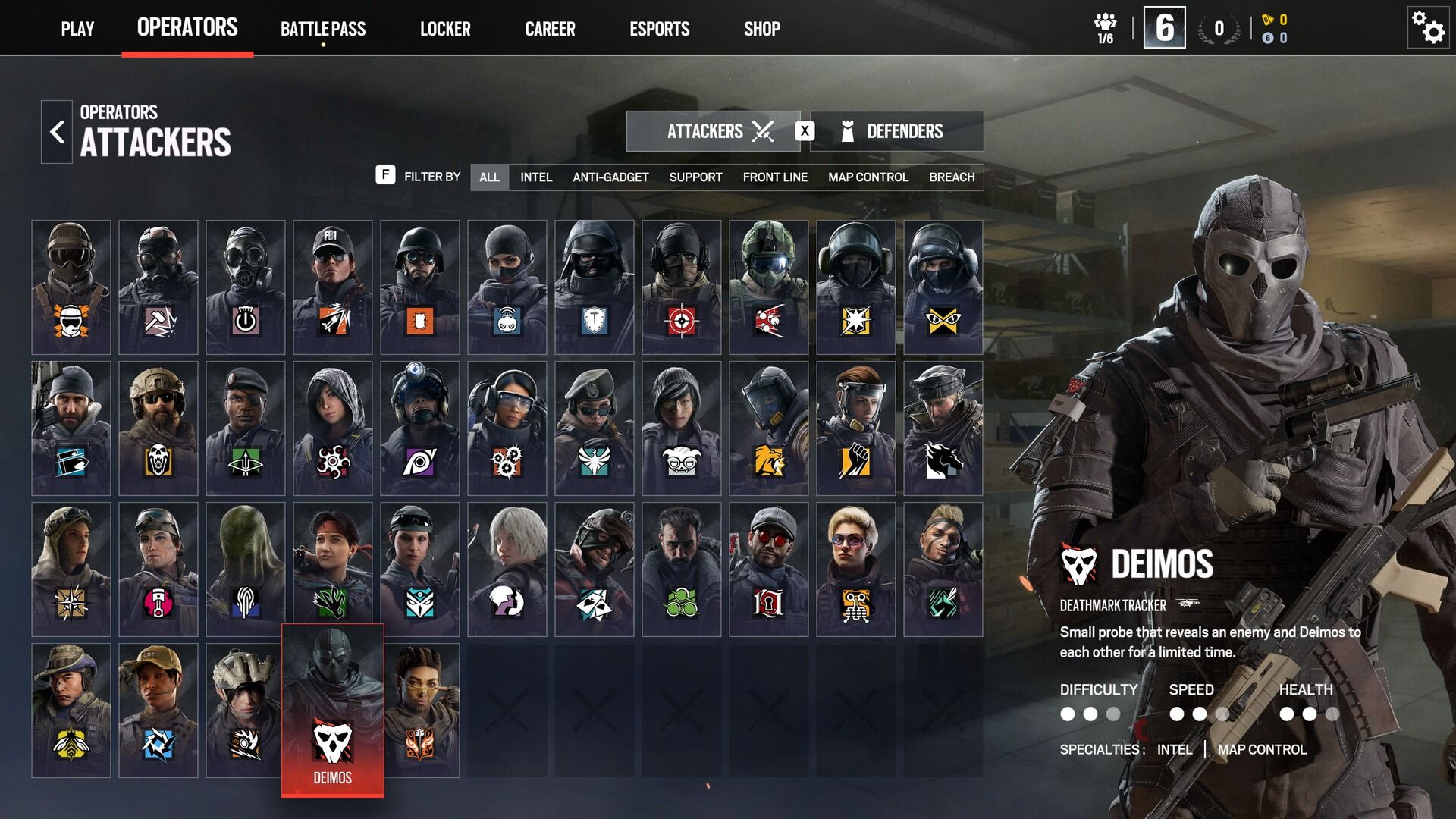 Image via Ubisoft
 Let’s discuss both of your experiences in the gaming industry. Alex, you’ve been with the Rainbow Six Siege team since 2017, starting as a presentation art director, then art director, and now creative director. Looking back at your time with the game, have you ever thought about how its evolution over the past 10 years mirrors your own career growth?
I’ve noticed a real growth in maturity within both our design and artistic approaches, and that’s true for everyone, not just me. For example, focusing on presentation details was relatively straightforward because it’s a smaller part of the game. However, when we shifted towards art and creative direction, things became more complex. It required a lot more communication and careful coordination to ensure everything stayed on track. Over the years, Rainbow Six Siege has really come into its own. We’re constantly working to improve our communication, both internally and with the community, and we’re seeing progress every year. This isn’t down to any single person – absolutely not just me! – but because the whole team is growing, learning, and developing a level of intuition that only comes with a decade of experience running a live game.
Joshua, you’ve been working in game development for almost twenty years. Looking back, how much of what you learned early in your career do you still use today? Are there lessons from a game like Dungeon & Dragons: Daggerdale that you still find helpful when working on a first-person shooter like Siege? And Alex, since you both worked together at Bedlam Games, feel free to share your thoughts as well.
Honestly, one of the biggest challenges is dealing with this guy! (laughs, gesturing towards Alex). We actually met way back at Bedlam, which is crazy. But when I’m working on anything – a big shooter, Assassin’s Creed, you name it – I always have to remind myself what games are for. There’s a lot of stuff that can distract from that core feeling, you know? Ultimately, games are about escaping into a fantasy and just having a really immersive experience. With Rainbow Six Siege, especially since it’s been around for ten years, it’s about remembering what made it special in the first place. It’s about being an elite operator, a ghost in the dark. That’s who you are when you’re playing, and you should feel that. You need to be fully immersed. If we lose sight of that, the game stops being fun and starts feeling like work, and nobody wants that. That’s not why we play games!
Looking back at my roots in independent game development, I’ve always believed that emotional impact is the most important thing – it’s what you build upon. I even had a motto: ‘Forget about fun.’ Not because fun isn’t important, but because it’s too personal. I wanted to focus on what genuinely makes people feel something, and then develop the game from that core. We’re all human, and that humanity needs to be reflected in how we create, design, and stay connected to what matters. That connection is what draws players into a game. That’s been true since the beginning, and it still holds true even now with this large-scale, competitive shooter. Despite its size and global popularity, it all comes down to that emotional core. You see it in the cinematic trailers and the interactions between characters – that’s where everything really clicks.
As someone who understands players always look for ways to improve their gameplay – like changing screen resolutions or stretching the image to gain an advantage – I realized something interesting. When we added breakable objects to the game, a professional player immediately told us not to include gas pipes on the ‘Bank’ map. When we asked why, they explained that banks don’t usually have gas pipes, though maybe a basement could. This player, who typically exploits every little detail of the game, actually cared about the realism of the environment. He wanted things to make sense. That moment showed me there’s a desire for authenticity in every gamer, a little spark that wants the game world to feel real.
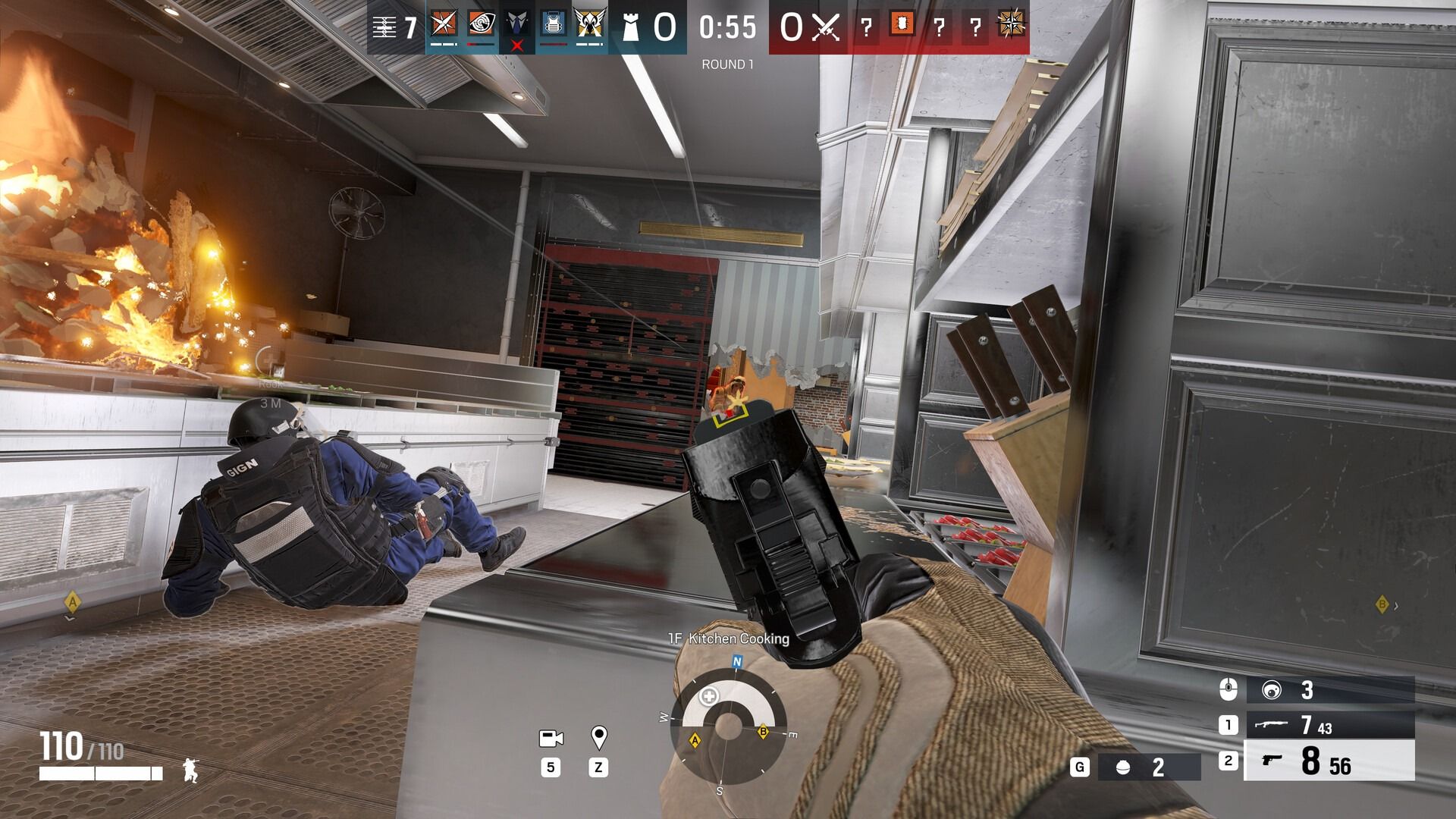 Image via Ubisoft
 As a long-time Rainbow Six fan – I mean, the series has been a huge part of the FPS world for ages! – I’ve been wondering… with Siege being around for ten years now, do the developers ever think about bringing back a dedicated single-player campaign? It would be amazing to see that happen one day, wouldn’t it?
We’re aware players are interested in seeing these characters expand beyond Rainbow Six Siege, and as former players ourselves, we want the game’s universe to grow. It would be a missed opportunity if these characters were limited to Siege after all this time, especially considering the potential for long-term development. I’ve learned not to rule anything out, and if there’s enough player interest, we’ll likely explore these possibilities in the future.
Absolutely. Rainbow Six has a lasting legacy, and I’m excited to see it evolve and grow in new ways. Siege is a significant chapter in that story, and it’s built on a very solid foundation – a foundation that continues to be strong.
Honestly, I’m wondering how much longer Rainbow Six Siege will stay popular. Maybe we’ll even get a proper sequel one day, or another single-player game in the Rainbow Six universe. But whatever Ubisoft decides to do, it feels like the team behind the game is prepped and ready for the future, which is cool to see.
Read More
- All Skyblazer Armor Locations in Crimson Desert
- One Piece Chapter 1180 Release Date And Where To Read
- New Avatar: The Last Airbender Movie Leaked Online
- All Shadow Armor Locations in Crimson Desert
- How to Get the Sunset Reed Armor Set and Hollow Visage Sword in Crimson Desert
- Cassius Morten Armor Set Locations in Crimson Desert
- Red Dead Redemption 3 Lead Protagonists Who Would Fulfill Every Gamer’s Wish List
- Grime 2 Map Unlock Guide: Find Seals & Fast Travel
- Euphoria Season 3 Release Date, Episode 1 Time, & Weekly Schedule
- All Golden Greed Armor Locations in Crimson Desert
2025-12-11 23:09