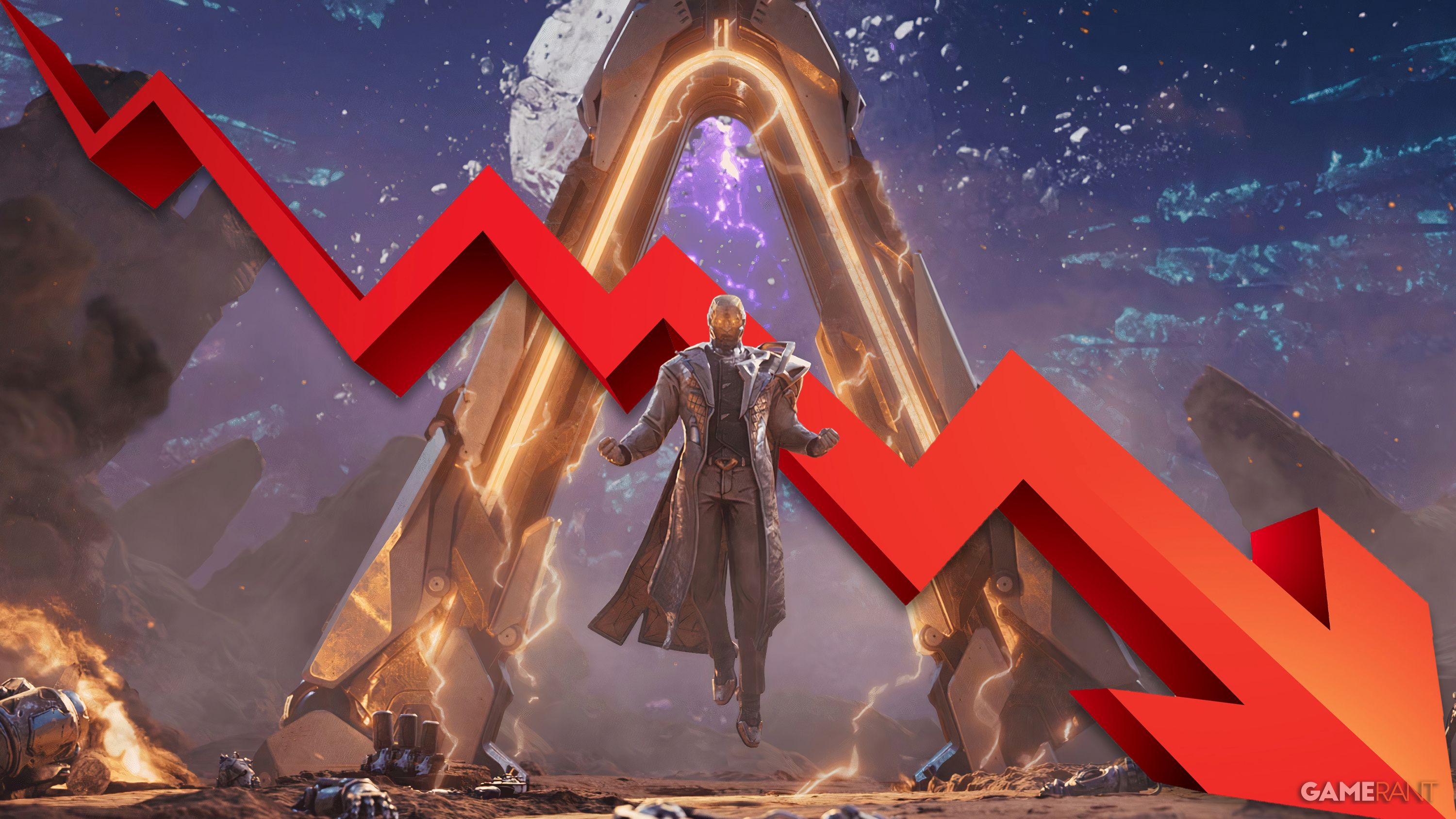
After a strong launch, player numbers for Borderlands 4 have dropped significantly over the past three months. The game initially peaked at over 300,000 players on Steam, suggesting a potential resurgence for the Borderlands franchise. Developers had promised a robust endgame and a content roadmap extending into 2026 to keep players engaged long-term. Unfortunately, the game has lost approximately 96% of its Steam player base since release, indicating that those promises weren’t fully realized.
While Steam player numbers aren’t a perfect measure of a game’s success, they’re often the easiest data to find, making them useful for tracking how well a game holds players’ attention. However, it’s worth considering if a game like Borderlands 4 should even be judged by these numbers, given the series’ history. Are we evaluating Borderlands 4 for what it actually is, or are we expecting it to be something it never intended to be?
Borderlands 4 Masquerades as a Live-Service Game
Borderlands 4 isn’t designed as a live-service game, but it includes many features commonly found in those types of games, creating that impression. While previous Borderlands games have had some live-service aspects, this installment leans into that model more significantly than ever before.
- Post-launch roadmap with extended content into 2026
- Seasonal mini events with unique rewards and cosmetics
- Paid Bounty Packs and story expansions
- Weekly activities and rotations
- Black Market vending machine rotations
- Ultimate Vault Hunter Mode & endgame progression loops
- Cosmetics and gear updates tied to events/content drops
It’s now typical for games like Borderlands 4 to continue receiving new content for months, even a year, after they launch. These post-launch plans are becoming standard, particularly for games aiming to keep players engaged for the long term. What’s unique with Borderlands 4 is how much its ongoing updates resemble those of games specifically designed to constantly attract and retain players – even though Borderlands 4 isn’t a ‘live service’ game. This leads to unusual scrutiny of its player numbers, as it unintentionally invites comparisons to those always-online titles.
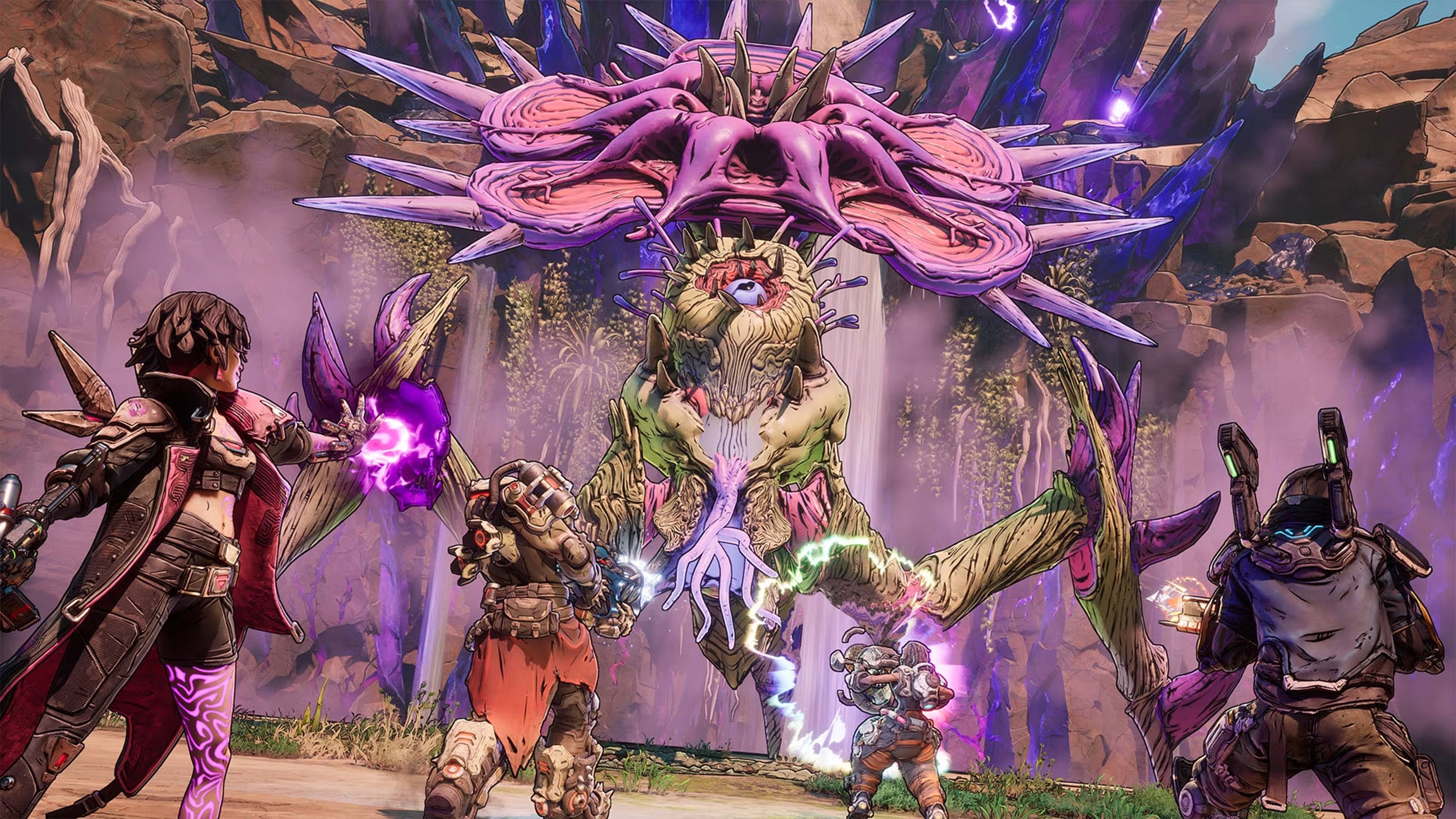
Honestly, the way Borderlands 4 is going feels a little strange to me as a longtime fan. It’s starting to feel less like a traditional Borderlands game and more like something you’d expect from Destiny 2 – lots of seasonal events, weekly challenges, and constantly changing shops. It seems Gearbox is really trying to keep us playing for the long haul. After launch, the big updates slowed down, and they started relying more on those weekly things to get us to come back. Now, it’s even slower – we’re getting small updates every week, but major content drops are only happening once a month.
Borderlands 3 Marked the Series’ First Big Move Toward Live-Service Trappings
While many are noticing live-service elements in Borderlands 4, the groundwork was actually laid with Borderlands 3. That earlier game began introducing features common to ongoing, live-service games, and Borderlands 4 has built upon and solidified those trends, even though Borderlands 3 itself wasn’t fully a long-term service game.
- Post-launch roadmap with extended content
- Free timed seasonal events
- Mayhem Mode updates
- Weekly Black Market rotations and SHiFT Codes
- Campaign DLC expansions
- Community events
Borderlands 4 continues the live-service model of the previous game, but with a significant change: a huge, open world with very few loading screens. This makes it feel more like a large online game than past Borderlands titles. This increased scale will likely lead players to expect ongoing content and engagement, even though the series has historically been strongest when it didn’t focus on long-term play. Looking at Borderlands 2, often considered the best in the series, highlights this – it succeeded because it didn’t feel like a game demanding constant attention and play over a long period.
 Image via Gearbox Software
 Borderlands 2’s Popularity Could Be Partially Owed to Its Pre-Live-Service Model
Many fans consider Borderlands 2 the strongest entry in the series because Gearbox prioritized a polished, complete game at release rather than constantly trying to keep players hooked for months. While it offered plenty of post-game content, it wasn’t designed to require constant play or chase engagement numbers. The game felt satisfying and complete on its own, so players returned because they wanted to, not because they felt obligated. It was a rewarding experience even without any additional content or scheduled updates.
The design philosophy in Borderlands 4 feels like a complete shift from previous games. Instead of focusing on delivering a complete and satisfying experience right after release, it seems geared towards extending player engagement over a long period, even if the content isn’t quite there yet. While Borderlands 2 immediately offered a rich and fulfilling experience, Borderlands 4 feels like it’s offering small, unsatisfying portions instead. This might explain why every game since Borderlands 2 has been measured against it, and it highlights the need for the franchise to decide on a clear direction before it’s too late.
The Next Borderlands Needs to Pick a Lane
The Borderlands series has faced challenges in recent years, and this seems to coincide with its shift towards a “games as a service” model after Borderlands 2. It’s not that Borderlands can’t work as a live-service game, but the third and fourth installments haven’t fully embraced that approach, leaving them stuck between traditional game design and ongoing service updates. The next Borderlands game could be successful as a live-service title if the developers fully commit to that model instead of trying to balance both approaches.
The Borderlands series is stuck in a cycle because it’s trying to mimic the live-service game model without fully committing. This approach prioritizes keeping players engaged for a long time over providing a great initial experience, and the game’s success is measured by player numbers. Borderlands 2 didn’t have this problem, and it’s likely a key reason why the series is currently struggling. Ultimately, Borderlands needs to decide if it wants to be a live-service game or a game like Borderlands 2 – it can’t successfully be both.
Read More
- All Shadow Armor Locations in Crimson Desert
- How to Get the Sunset Reed Armor Set and Hollow Visage Sword in Crimson Desert
- Best Bows in Crimson Desert
- All Golden Greed Armor Locations in Crimson Desert
- Wings of Iron Walkthrough in Crimson Desert
- How to Craft the Elegant Carmine Armor in Crimson Desert
- All Helfryn Armor Locations in Crimson Desert
- How To Beat Ator Archon of Antumbra In Crimson Desert
- Keeping Large AI Models Connected Through Network Chaos
- Sakuga: The Hidden Art Driving Anime’s Stunning Visual Revolution!
2025-12-16 00:05