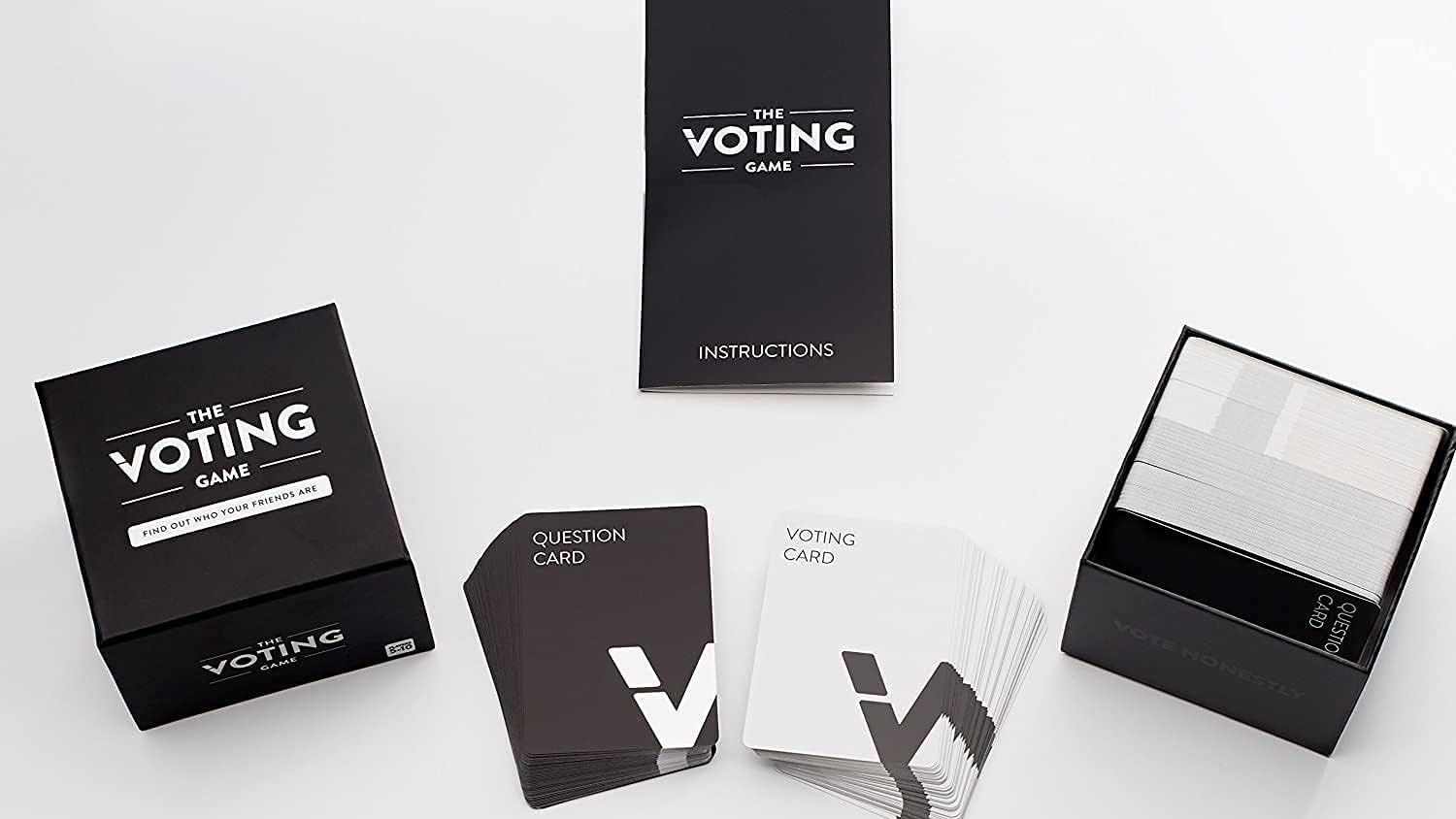
Party games that rely on friendships can be risky. They often start fun and lighthearted, but can quickly uncover hidden feelings, personal secrets, and uncomfortable truths between friends – potentially damaging relationships in the process.
The potential for real-world consequences is what makes these games so captivating, but also surprisingly insightful – and sometimes a little unsettling.
Bad People
An Argument in a Box

- Player Count: 3–10
The box for this party game promises to reveal what your friends honestly think of you – a hint of what to expect when you start playing!
The game Bad People is based on anonymously voting for who in the group best matches a question read from a card. However, the questions are designed to reveal what players truly think about one another, often leading to surprisingly honest – and potentially awkward – results.
This game includes questions like “Whose parents are most disappointed in them?” and “Who’s most likely to lie about their age?” – designed to reveal everything about your friends, possibly leading to some emotional moments by the end. Even the rule book isn’t afraid to poke fun, playfully suggesting that anyone who doesn’t understand the game pass the instructions to someone more intelligent.
One Night Ultimate Werewolf
Or Any Social Deduction Game With Bare-Faced Lying
- Player Count: 3–10
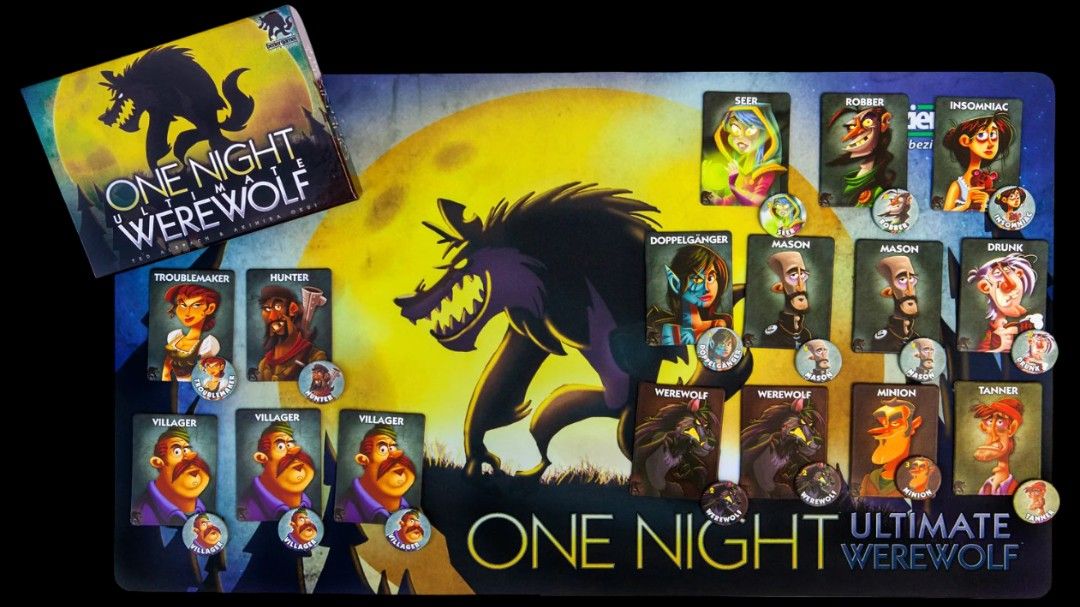
One Night Ultimate Werewolf is a fun social deduction game, like many others. These kinds of party games often surprisingly show just how naturally some people can lie, and how skilled others are at deception.
One Night Ultimate Werewolf is a fast-paced game inspired by the social deduction game Mafia (also known as Werewolf). In traditional Werewolf, most players are secretly Villagers, while a small number are Werewolves. The Villagers must use deduction and social skills to identify the Werewolves, who try to blend in and eliminate the Villagers each round.
Unlike traditional Mafia or Werewolf games that can last a long time, One Night Ultimate Werewolf is played in a single, quick round—typically around ten minutes. A key difference is that every player receives a role, meaning everyone actively participates and has a job to do throughout the game.
Wavelength
This Popular Game Contains Some Surprisingly Political Questions
- Player Count: 2–12
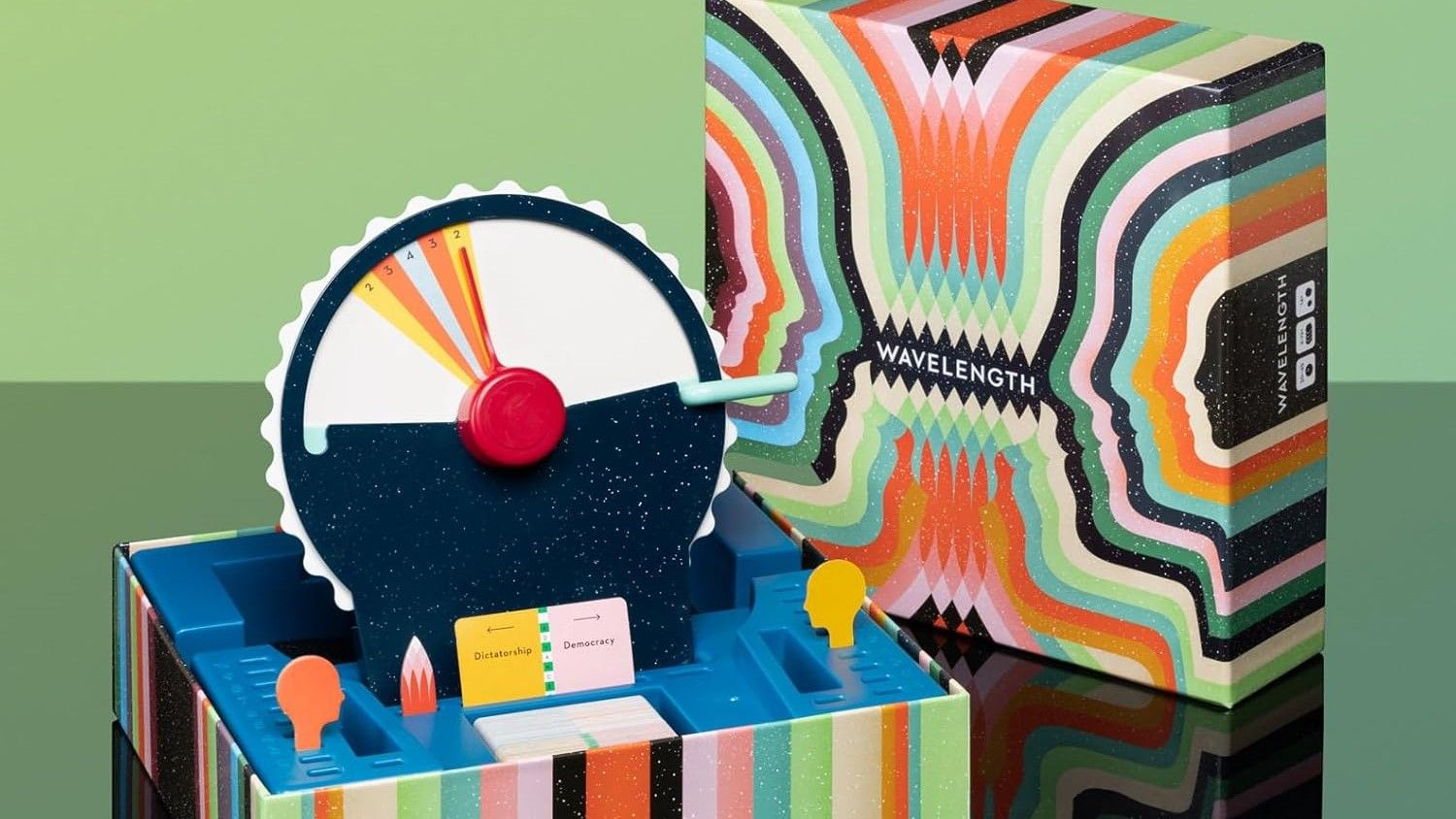
Wavelength is a highly popular party game because it’s fantastic at sparking conversation. It works well with close friends and is also a great way to get people talking at any kind of event. One player knows the precise location of a hidden point on a spectrum – like ‘Cold to Hot’ – and gives clues to help their team guess where it is. For example, if the target is very ‘Hot,’ they might say ‘Lava!’
As a total movie and pop culture fanatic, I love a good debate, and these card games are usually a blast – things like pitting messy food against clean, or wondering which Godzilla flicks he’d make better or worse. But honestly, sometimes the questions get…weirdly intense. I’ve seen work events get super awkward because someone pulls a card asking you to pick the ‘least evil’ versus the ‘most evil’ company, or forces you to choose between ‘liberal’ and ‘conservative,’ and even – seriously?! – ‘freedom fighter’ versus ‘terrorist.’ It can definitely kill the vibe.
The Voting Game
Dyce Games Strikes Again
- Player Count: 5-10
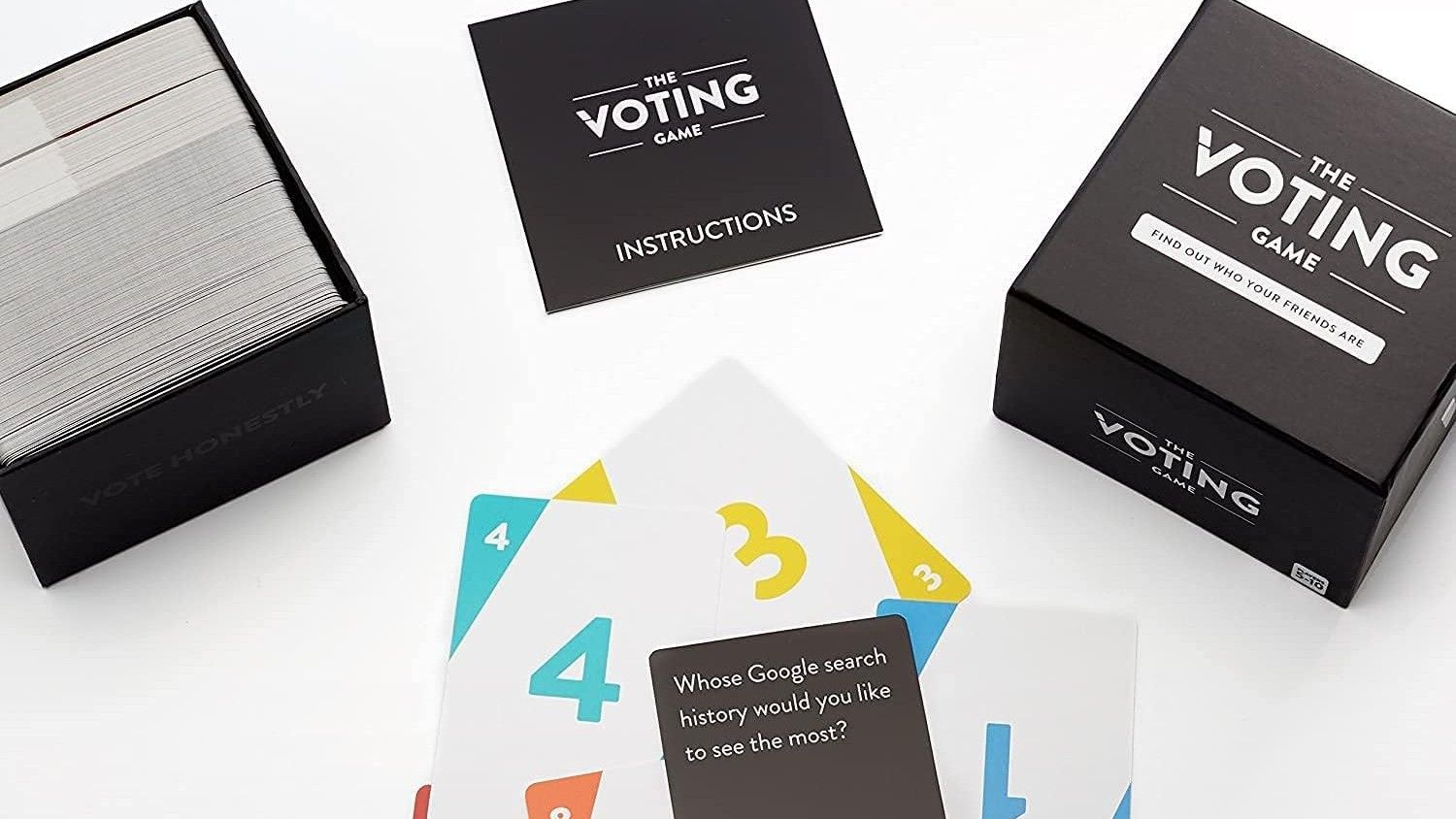
Dyce Games, the creator of The Voting Game, also made the game Bad People. It seems they specialize in games that test friendships – maybe they should include boxing gloves with every purchase!
Similar to the game Bad People, The Voting Game asks provocative and sometimes awkward questions, like “Who is friends with someone they’d rather date?” and “Who would lose an election due to something they did in high school?”
The questions in this game can be uncomfortable, but the conversations they start are often even tougher. If you’re looking for a more intense experience, there’s also an ‘After Dark’ version of the game.
Social Ladder
Rank Your Friends To Their Faces
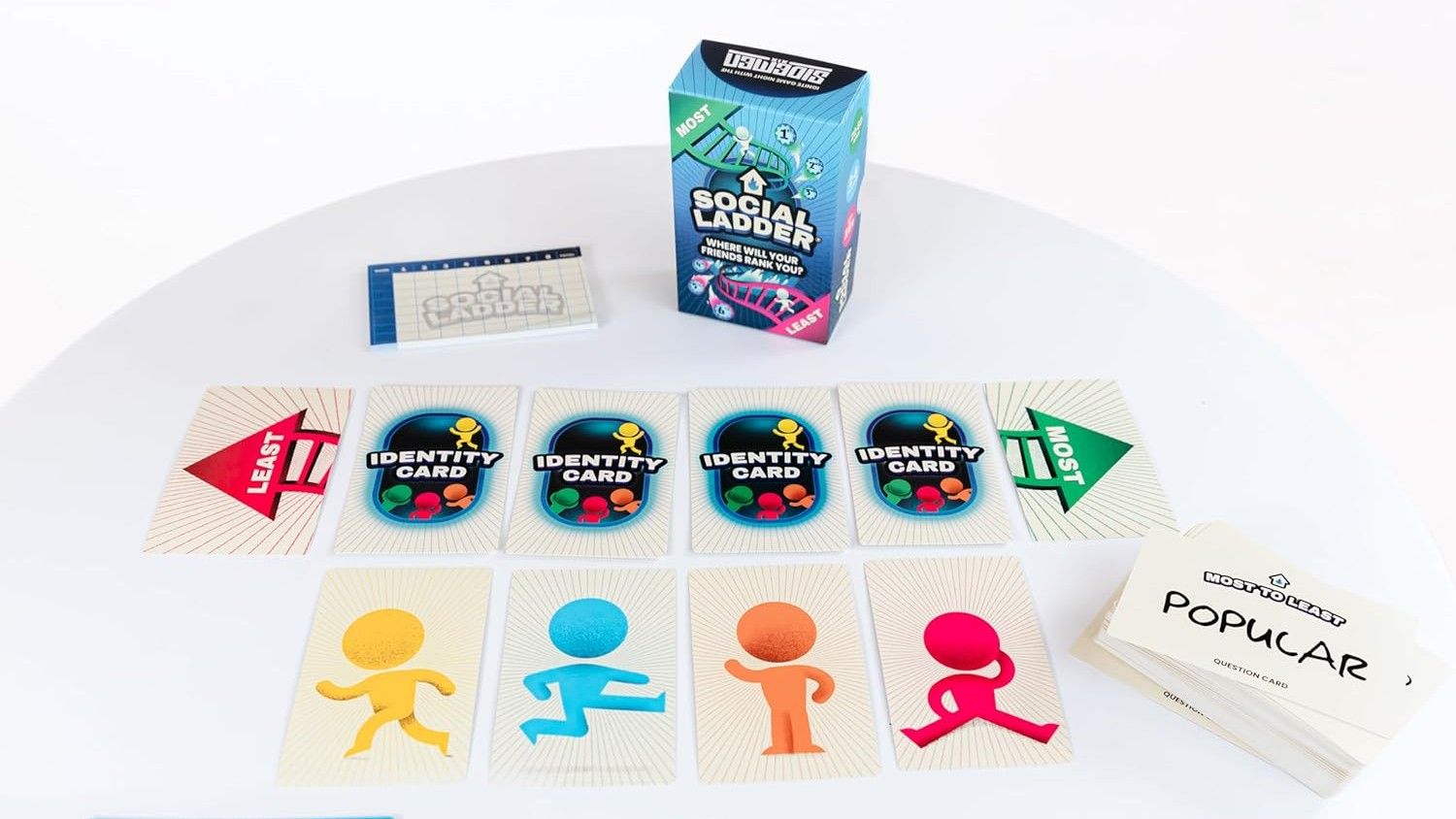
- Player Count: 2-8
Social Ladder is a card game created by The Sidemen, a popular British YouTube group that includes KSI. The game is simple: players rank their friends from best to worst based on the prompt on each card. Like other games of its kind, it asks potentially awkward questions that are bound to spark some honest and interesting conversations.
Watching The Sidemen play Social Ladder is hilarious – they’re used to being open and honest with each other. However, it could be awkward for a regular board game group who expect to play something like Catan and suddenly find out what their friends really think of their looks. Social Ladder is fun if everyone’s ready for some potentially blunt honesty, but it’s not for the easily embarrassed.
Read More
- Quantum Agents: Scaling Reinforcement Learning with Distributed Quantum Computing
- All Skyblazer Armor Locations in Crimson Desert
- Every Melee and Ranged Weapon in Windrose
- How to Get the Sunset Reed Armor Set and Hollow Visage Sword in Crimson Desert
- Zhuang Fangyi Build In Arknights Endfield
- Windrose Glorious Hunters Quest Guide (Broken Musket)
- Black Sun Shield Location In Crimson Desert (Buried Treasure Quest)
- Jojo’s Bizarre Adventure Ties Frieren As MyAnimeList’s New #1 Anime
- Best Dual-Wield Swords Build in Crimson Desert
- Invincible: 10 Strongest Viltrumites in Season 4, Ranked
2025-12-16 06:09