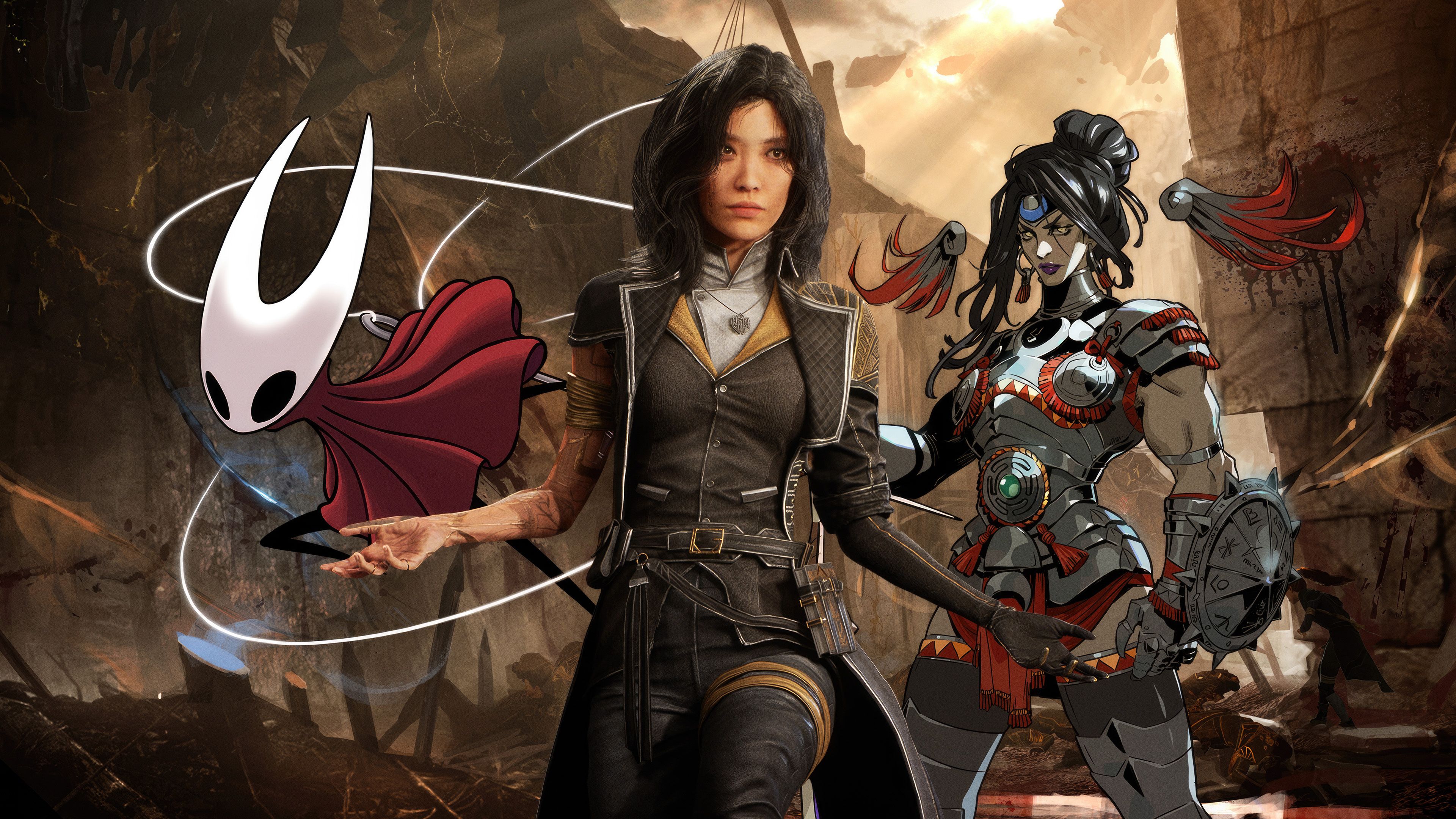
This year’s Game Awards were significant because three out of the six games nominated for Game of the Year were independent titles – a fact organizers highlighted with enthusiasm. Indie games are consistently known for their originality and pushing boundaries, offering a refreshing alternative to the often predictable and cautious world of big-budget AAA games. Several of the most acclaimed games of 2025 came from indie developers, earning praise for their clever ideas, artistic vision, and overall quality. For example, Expedition 33 boasts a stronger narrative than Call of Duty, and Hades 2 features more engaging combat than Assassin’s Creed Shadows.
Watching The Game Awards made me, like a lot of people, wonder: what actually defines an indie game? If you look at the word itself – independent – it’s tricky. Shouldn’t a truly indie game be completely self-funded and published? Consider Clair Obscur: Expedition 33. It won Best Independent Game and Game of the Year, but it was published by Kepler Interactive, a sizable company that’s partly owned by NetEase – a name not usually linked with indie development. Still, there’s a noticeable difference between a game like Expedition 33 and huge franchises like Call of Duty or God of War. The real question is, what is that difference?
Defining Indie Gaming: Money Matters
It’s hard to give a precise definition of ‘indie games,’ but a common understanding is that they usually cost less to develop than big-budget ‘AAA’ games. Looking at examples of both, the numbers seem to back this up.
| Indie Game | Approximate Budget (USD) |
|---|---|
| Clair Obscur: Expedition 33 | ~$10,000,000 |
| Hollow Knight | ~$40,000 |
| Undertale | ~$50,000 |
| Blasphemous | ~300,000 |
| Outlast | ~$1,000,000 |
While these costs can add up, they’re still relatively small compared to the budgets of modern, high-profile video games.
| AAA Game | Approximate Budget (USD) |
|---|---|
| Horizon Forbidden West | ~$212,000,000 |
| The Callisto Protocol | ~$163,000,000 |
| Battlefield 6 | ~$400,000,000 |
| Marvel’s Spider-Man 2 | ~$300,000,000 |
| God of War Ragnarok | ~$200,000,000 |
These numbers come from what developers and publishers have publicly said, along with information from people familiar with the industry and crowdfunding campaigns. Because of this, they’re best seen as approximations rather than precise financial figures.
However, this is just one part of the larger conversation about indie games. A key difference between indie titles and big-budget games is simply the scale of their production. For example, Hollow Knight cost much less to make than Marvel’s Spider-Man 2. Hollow Knight is a 2D game created by a small team with limited voice acting, while Spider-Man 2 involved hundreds of developers, advanced graphics, complex physics, and motion capture – all of which add significant cost. This difference in scope exists regardless of how enjoyable or well-made either game is.
Indie Games Are Small, AAA Games Are Big, Right?
Generally, big-budget AAA games are larger in scale and ambition than indie games, but that’s not always the case. Prince of Persia: The Lost Crown feels like an indie game, and its graphics and overall quality are comparable to—or even better than—Hellblade: Senua’s Sacrifice, a game that looks and feels more like a traditional AAA title. However, The Lost Crown isn’t considered an indie game because it’s made and published by Ubisoft, a major company in the gaming industry.
The “Indie” Look and Dave the Diver
It’s impossible to talk about what defines an ‘indie’ game in 2025 without bringing up the controversy surrounding Dave the Diver. This pixel-art game, where you dive for ingredients to run a sushi restaurant, was nominated for Best Independent Game at both The Golden Joystick Awards and The Game Awards in 2023. Many people thought this nomination was well-deserved. Dave the Diver received fantastic reviews and gained a good amount of popularity, and at first glance, it seemed like just another successful indie game rising above the big-budget titles, similar to nominees like Sea of Stars.
Calling Dave the Diver an independent game is misleading. While developed by Mintrocket, the studio is actually owned by Nexon, a large South Korean gaming company famous for titles like MapleStory and The First Descendent. Nexon didn’t just provide funding; they completely owned Mintrocket throughout the development of Dave the Diver. In fact, Mintrocket themselves acknowledged they aren’t an indie studio, stating they didn’t even apply for indie game awards.
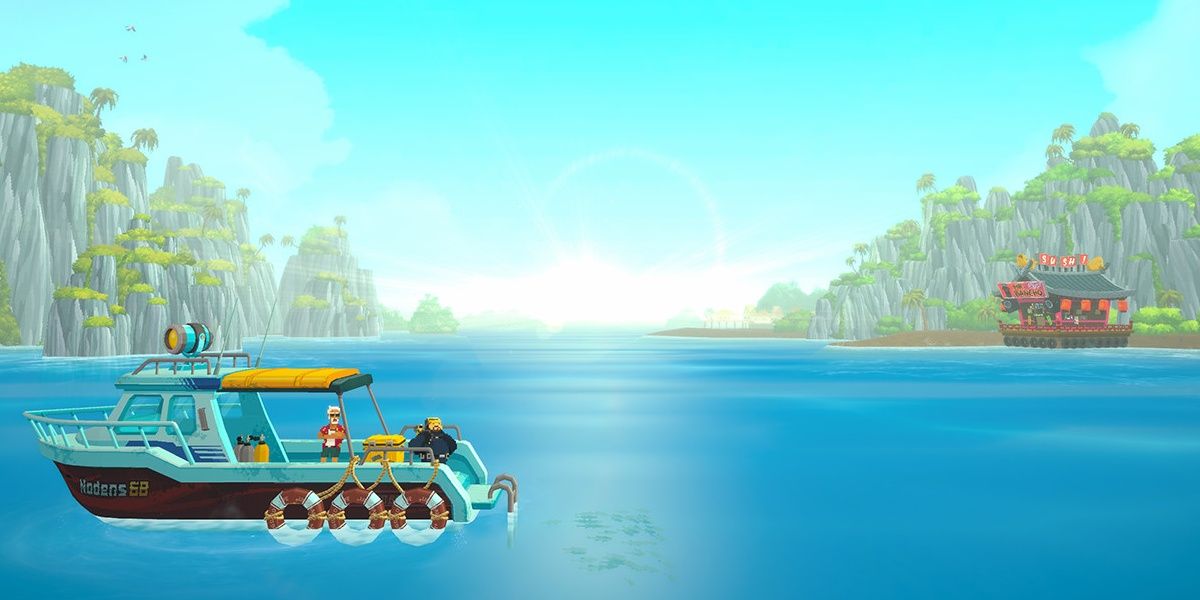
I was so thrilled to see Dave the Diver nominated for Best Independent Game at both The Game Awards and the other big show! A lot of people assumed it was because of the cool, old-school pixel art style, or maybe because it’s not a huge, sprawling game like the big AAA titles. But honestly, that doesn’t really have anything to do with it being an indie game. Geoff Keighley even explained before The Game Awards 2023 why they chose Dave the Diver, and it was really interesting…
When we talk about an ‘indie game,’ what exactly does that mean? Are we referring to how much money it cost to make? Where the funding came from? The size of the development team? Or does it simply describe a game’s unique and creative approach – a smaller, more original title?
Keighley seems to be saying that there isn’t one simple thing that makes a game “indie.” While I personally question whether Dave the Diver should have been nominated as the Best Independent Game, I do agree with Keighley’s overall point.
Indie and AAA Is No Longer a Dichotomy
The term “indie games” no longer simply means games made and published by independent creators. These days, many big-budget (AAA) games are also made and published by the same company. And when a smaller studio is fully owned by a larger one – like Mintrocket being owned by Nexon – it blurs the line, doesn’t it? This challenges the way many of us gamers – including myself – traditionally think about it. We often see a contrast between traditional, business-focused publishers and the creative, innovative developers, but that distinction isn’t always clear anymore.
It’s understandable why we feel this way—we often see game design decisions driven by profit instead of artistic vision. However, the conflict between making money and making great games isn’t simply about large companies stifling creative artists. It’s a broader struggle between commercial realities and artistic expression, which can happen with developers of any size. Even without direct orders from above, developers may still be influenced by financial pressures, and this can impact their work in both positive and negative ways.
Some independent games, like Hollow Knight Silksong and Hades 2, can be funded by the success of their developers’ previous games. However, most new studios don’t have that luxury. Even if a studio has made a profitable game before, they’ll probably need to find investors for their next project. That’s because creating video games is costly, and development doesn’t generate income until the game is released.
Developers don’t always receive direct instructions on how to design a game, but they can still be influenced by financial factors, and this can have both positive and negative results.
It’s possible we’ll see big game studios partner with smaller, independent publishers – a bit of a contradiction in terms, like Devolver Digital. But that raises the question: how does that differ from a major developer like FromSoftware, which manages things on its own? Studios might also offer a share of future profits to those who invest or lend them money. Alternatively, an investment firm could fund a studio in exchange for a stake in the company.
Let’s be real, answering ‘yes’ or ‘no’ to any of these questions shouldn’t automatically label a game as indie or AAA. That’s kind of the whole point – there’s no single, easy way to define these categories! As a film buff, I think of it like genre – things get blurry. When we’re talking about AAA, AA, or indie, we need to consider all these factors, even if the answers surprise us or challenge what we initially thought. It’s a more nuanced discussion than just checking boxes.
The term “indie,” like any label, is only helpful if it actually communicates something useful. Often, we use “indie game” to emphasize that a game was made by a small team with limited funding. It’s convenient to use the term when describing a game or acknowledging a studio’s achievements, but it’s not essential – the label simply stands in for those qualities. Perhaps we should focus more on directly explaining what makes a game unique instead of relying on labels.
Read More
- Quantum Agents: Scaling Reinforcement Learning with Distributed Quantum Computing
- All Skyblazer Armor Locations in Crimson Desert
- Every Melee and Ranged Weapon in Windrose
- How to Get the Sunset Reed Armor Set and Hollow Visage Sword in Crimson Desert
- Zhuang Fangyi Build In Arknights Endfield
- Windrose Glorious Hunters Quest Guide (Broken Musket)
- Best Dual-Wield Swords Build in Crimson Desert
- Black Sun Shield Location In Crimson Desert (Buried Treasure Quest)
- Jojo’s Bizarre Adventure Ties Frieren As MyAnimeList’s New #1 Anime
- Boruto: Two Blue Vortex Chapter 33 Preview — The Final Battle Vs Mamushi Begins
2025-12-18 12:08