Board games aren’t what they used to be – they’ve moved beyond simple luck-based games. Many modern games feature beautiful artwork, relaxing themes, and satisfying pieces that create a peaceful atmosphere. However, don’t let that fool you! Often, this calming appearance hides surprisingly cutthroat gameplay. These games might seem cozy and inviting, but they’re secretly designed to bring out your competitive side.
These five board games seem sweet and innocent, but don’t be fooled! They have surprisingly competitive elements that can really test your friendships – even more so than many complex strategy games.
Wingspan
“A Peaceful Bird Sanctuary Builder,” They Said.
- Player Count: 1-5
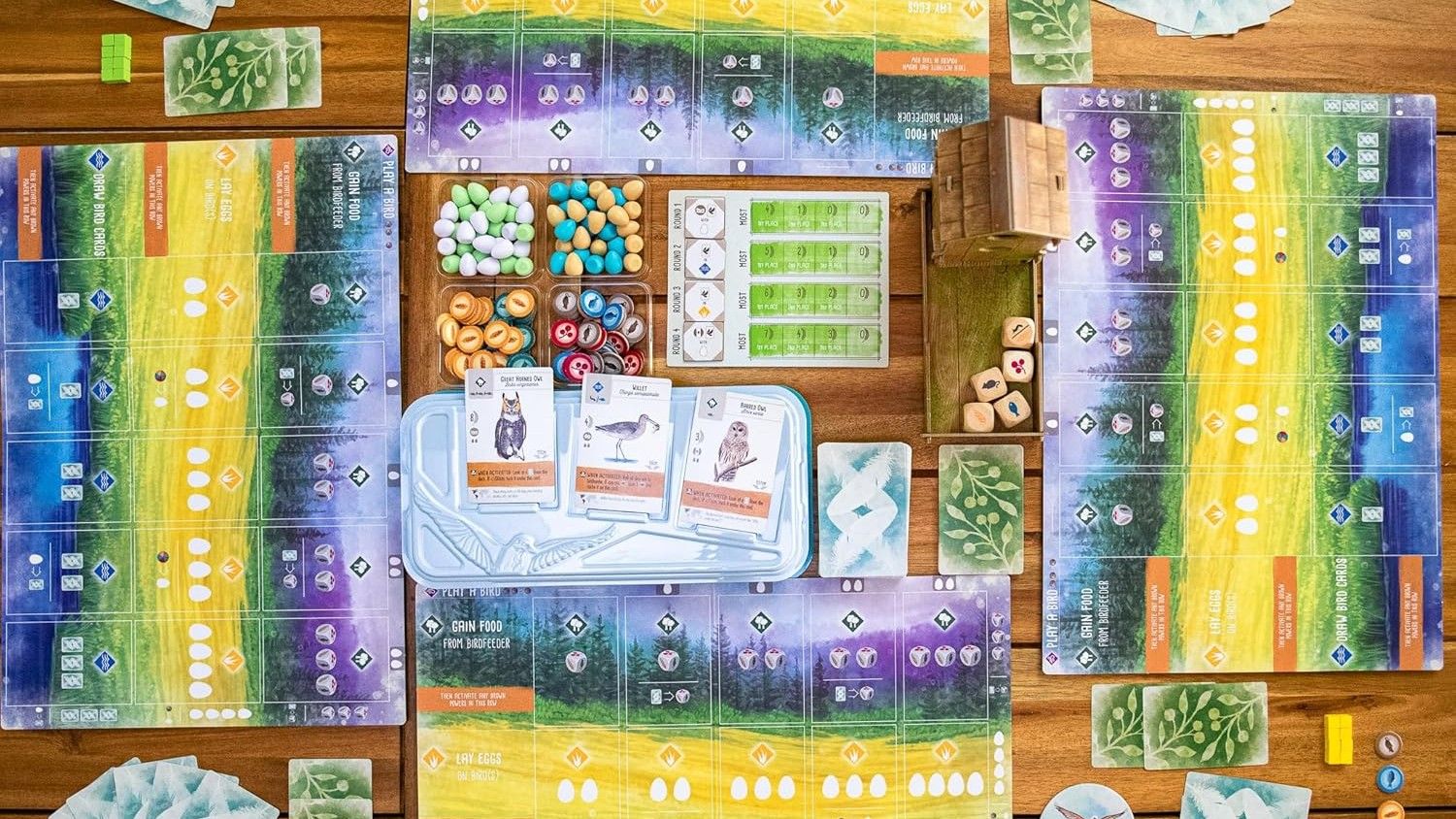
The beautiful, soft colors and lovely bird illustrations in Wingspan are so charming that players might almost feel bad about focusing on winning.
Once the game starts, players quickly discover that despite its peaceful nature theme, it’s actually a surprisingly intense and strategic game about building an efficient engine.
The game primarily revolves around creating your own wildlife haven, but you can also hinder your rivals. This includes stealing essential food from their bird feeders or strategically taking birds from the draw pile that would actually help their plans – even if you just plan to use them as food for your own birds of prey.
In Wingspan, each round has fewer turns, creating a thrilling final round where players focus on carefully placing birds, laying eggs, and blocking their opponents – particularly if they know what bonus cards those opponents are aiming for.
Patchwork
Quilts, Buttons, and Knives Behind Backs
- Player Count: 2
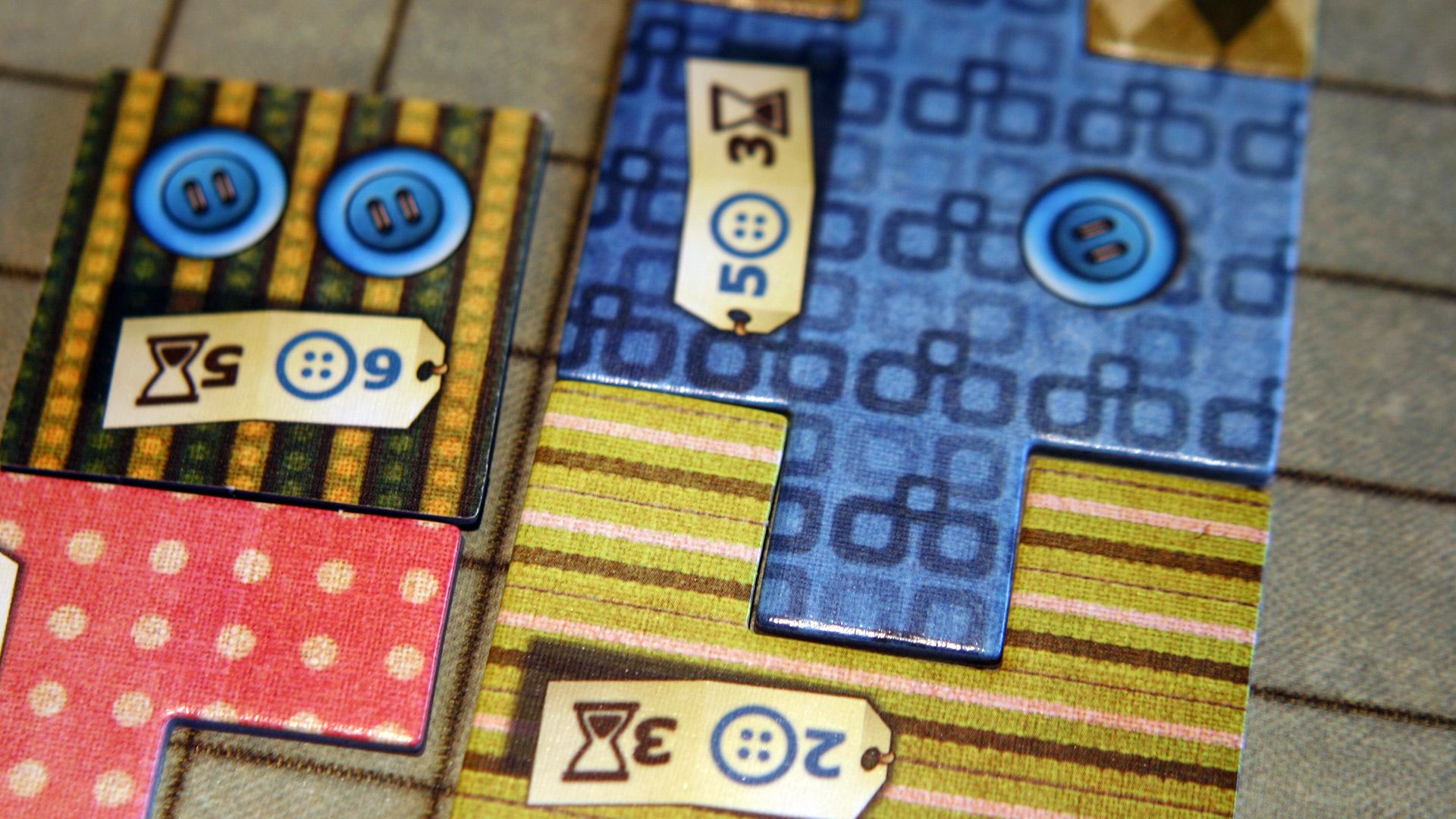
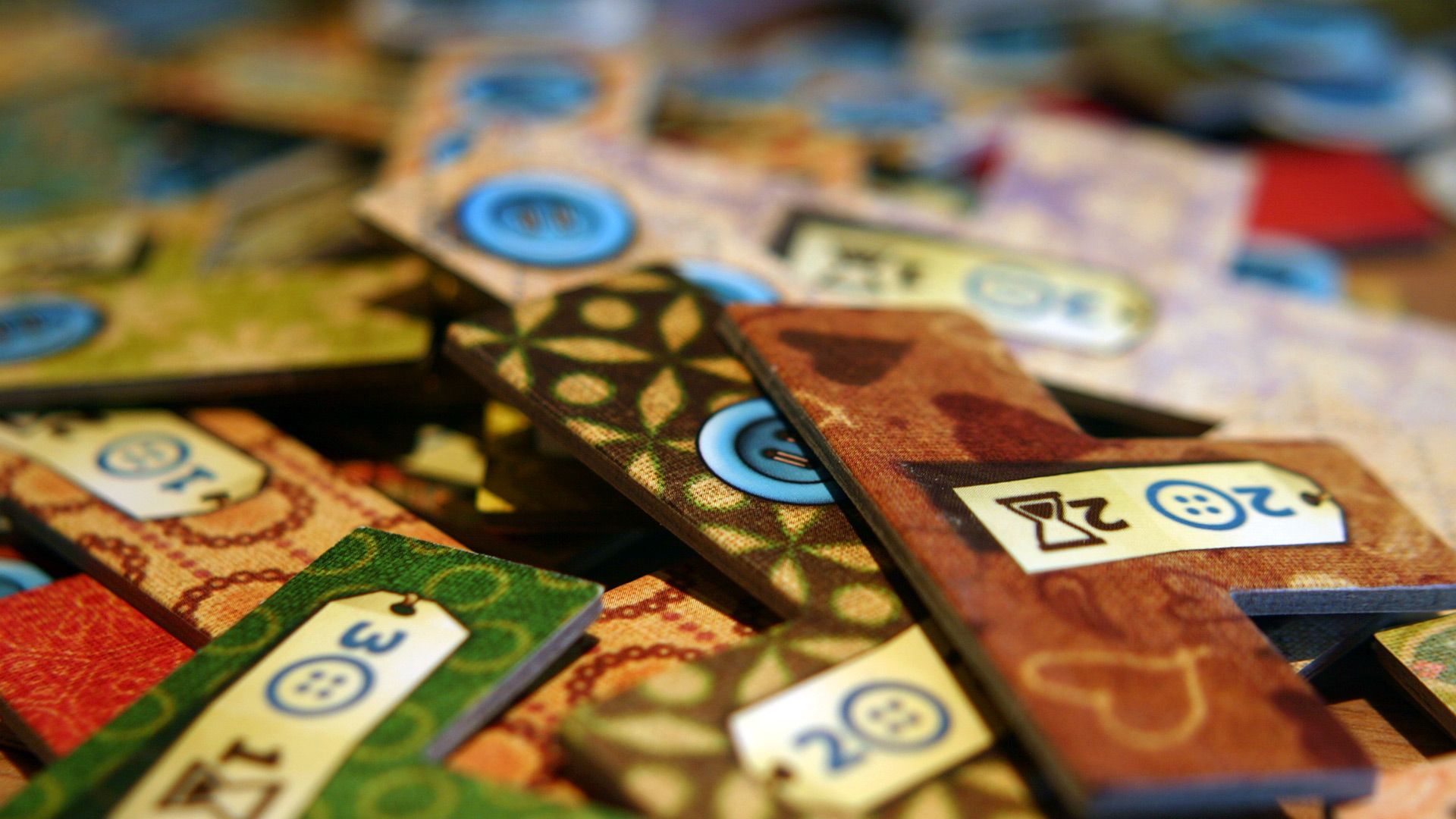
In the game Patchwork, two players compete to create the most visually appealing quilt. Players use buttons as currency to purchase quilt patches, which are similar in shape to Tetris pieces. The goal is to strategically fit these patches onto their individual quilt boards, maximizing the filled space by the game’s end.
Similar to Wingspan, there are several ways to disrupt your opponent’s plans. You can do this by grabbing quilt patches they need from the central pile, quickly claiming bonus patches before they do, or competing for the single, high-value tile awarded to the first player to complete a 7×7 section of their quilt.
Takenoko
A Zen Garden to Cause Strategic Destruction with a Cute Panda
- Player Count: 2-4
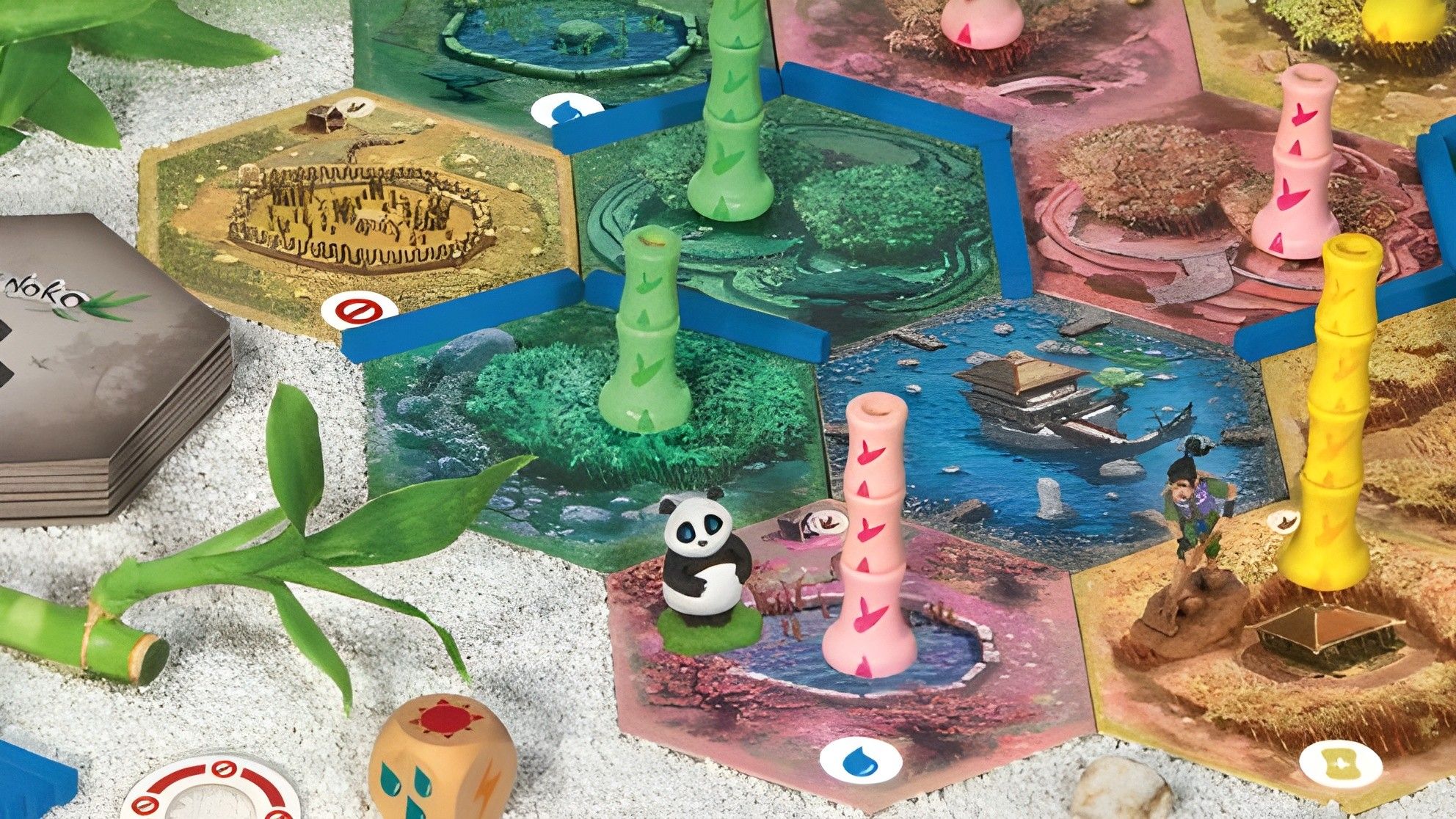
What immediately grabs your attention with Takenoko is its vibrant and charming artwork, followed by the adorable Bamboo, Gardener, and Panda game pieces. Players become members of a Japanese Imperial Court, working to develop land, bring in water, and grow bamboo. But it’s not always easy – this game for 2-4 players is full of opportunities to playfully hinder your rivals.
Players compete to arrange Improvement tiles as they like while blocking their opponents. They can also use the Panda to eat Bamboo, which directly hinders an opponent’s advancement, and might earn a few annoyed looks from fellow players!
Carcassonne
Passive Countryside Building or Aggressive Tile Warfare?
- Player Count: 2-5
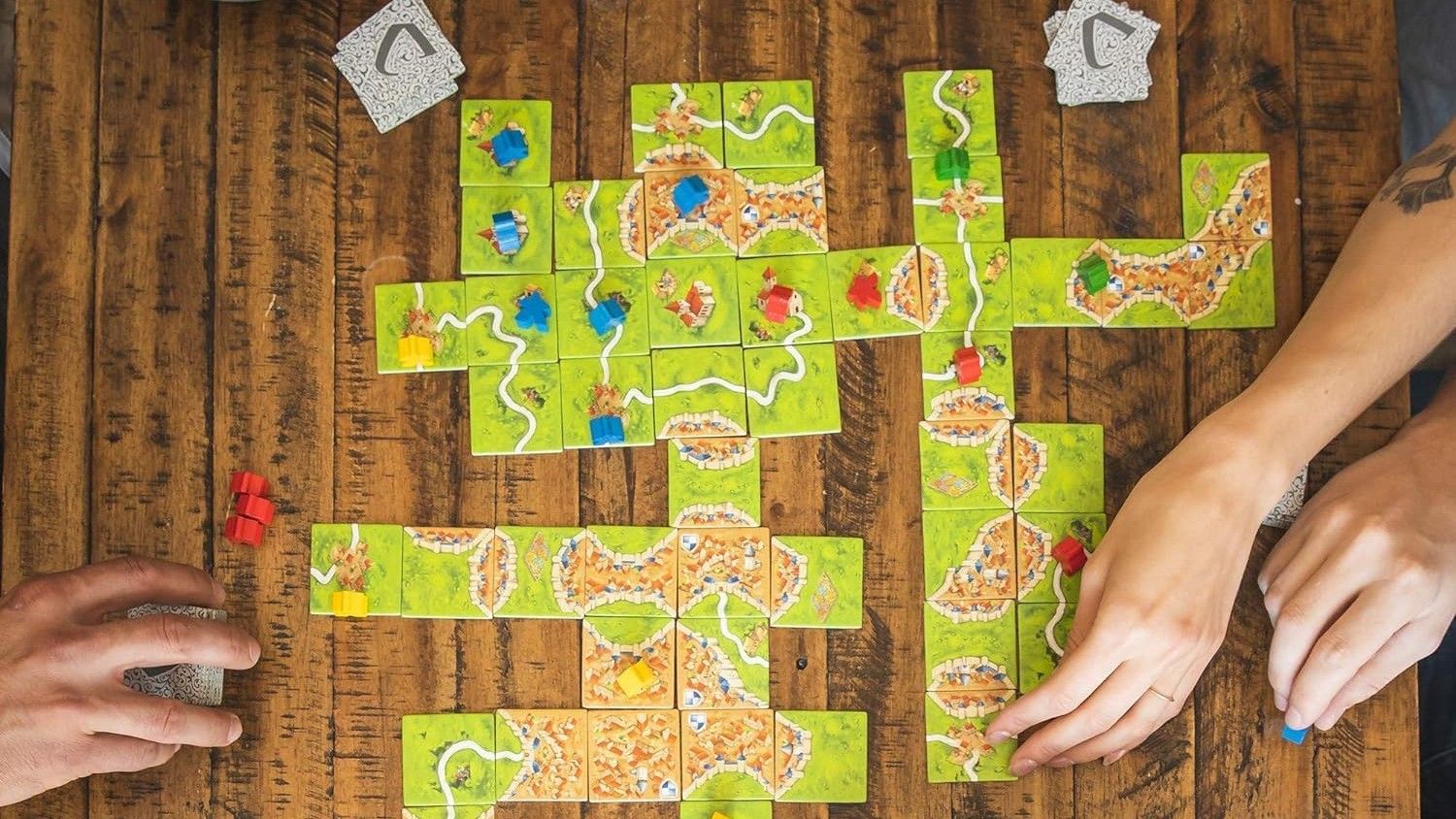
Carcassonne is a tile-laying game inspired by the medieval city of Carcassonne in France, famous for its impressive fortress and surrounding countryside.
In this board game, players take turns drawing tiles and building a landscape of roads, fields, and towns – with expansions adding even more options. They then place their game pieces on these features to claim them. As the game progresses, a charming world of hills and colorful medieval cities gradually takes shape.
Simply placing a piece on a space doesn’t permanently secure the entire area being developed. Although opponents can’t add pieces to your developing area, they can build up their own and then connect it to yours, creating a larger, combined area that they now control. This can let them steal points from you and significantly boost their own score if they maintain control until the game ends.
Arboretum
A Botanical Bloodbath
- Player Count: 2-4
A game about creating spectacular garden paths can’t possibly be cutthroat, right?…
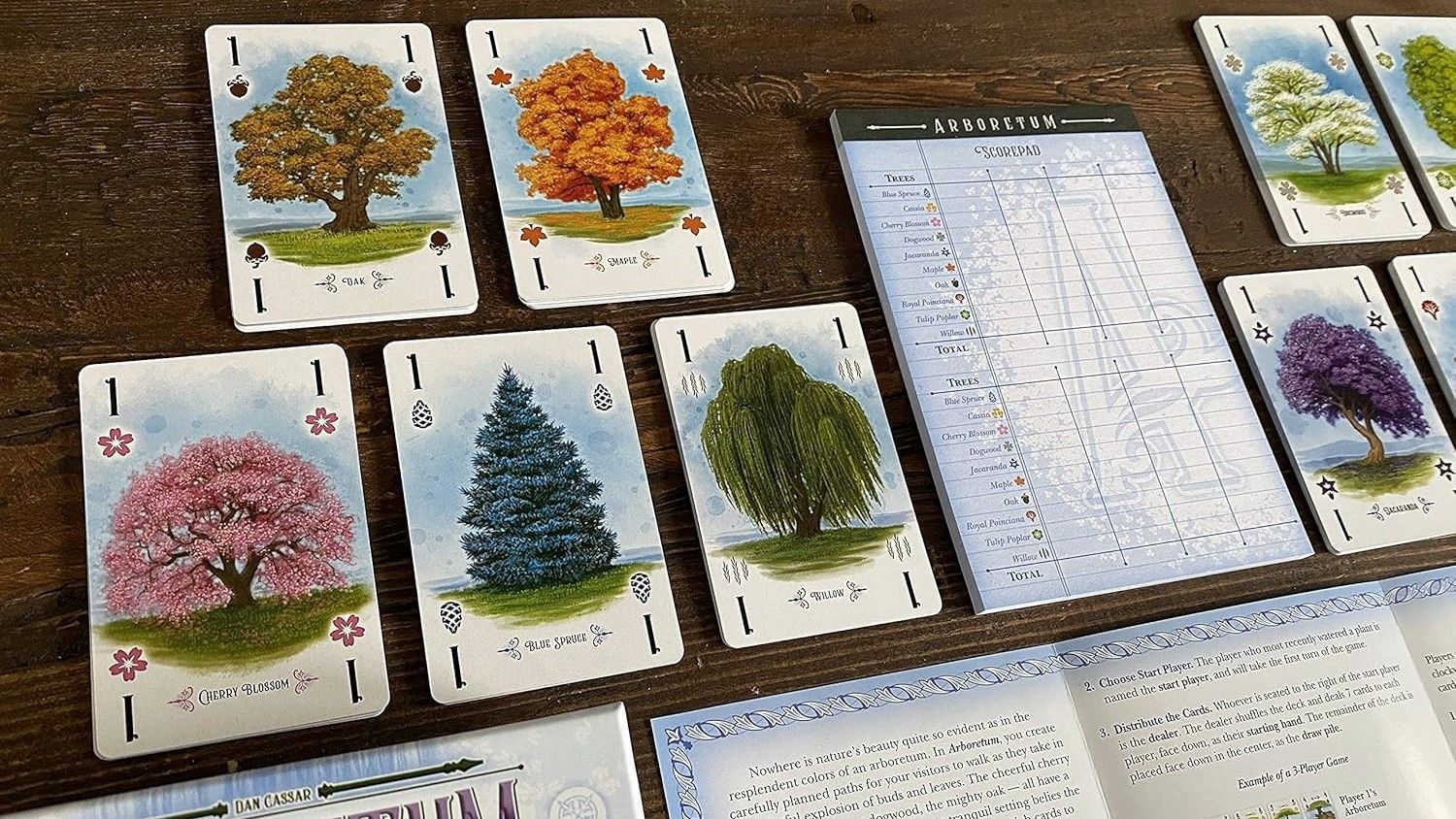
In Dan Cassar’s card game, Arboretum, players build their own personal arboretum using a deck of 80 cards. Each of the ten tree species is represented by a different color, and players score points by creating ascending sequences of cards. However, a sequence only counts if you also hold the highest-value card of that tree species in your hand at the game’s end. This means players need to strategically manage their cards – deciding what to play, what to hold onto, and what to get rid of – to score the most points and block their opponents from building valuable sequences.
Each turn in Arboretum, players pick up two cards – either from the draw pile or from the discard pile – and then play one card into their personal garden (the arboretum) while discarding another. It’s important to think carefully about which cards to play and discard, as everyone can see the discarded cards and might take them to help themselves or hinder others. Arboretum is a game of planning and making the most of your cards, but it quickly becomes about figuring out who is working against you and how!
Read More
- Quantum Agents: Scaling Reinforcement Learning with Distributed Quantum Computing
- All Skyblazer Armor Locations in Crimson Desert
- Every Melee and Ranged Weapon in Windrose
- Boruto: Two Blue Vortex Chapter 33 Preview — The Final Battle Vs Mamushi Begins
- How to Get the Sunset Reed Armor Set and Hollow Visage Sword in Crimson Desert
- Zhuang Fangyi Build In Arknights Endfield
- Windrose Glorious Hunters Quest Guide (Broken Musket)
- One Piece Chapter 1180 Release Date And Where To Read
- Black Sun Shield Location In Crimson Desert (Buried Treasure Quest)
- Top 10 Must-Watch Isekai Anime on Crunchyroll Revealed!
2025-12-18 14:35