The video game console market is known for huge hits like the Nintendo Switch, PlayStation 2, and Xbox 360. While these consoles are instantly recognizable, many others were never actually released. These ‘ghost consoles’ were projects that were either too complex, too costly, or launched at the wrong time.
These canceled projects weren’t just ideas; many were fully built and tested prototypes. They featured custom controllers, specialized hardware, and ambitious game plans. Years of effort and significant investment went into developing them, but they never launched. Common reasons included high manufacturing costs, competing products, or the company simply running out of funding.
Infinium Labs Phantom
The Vaporware That Couldn’t Launch
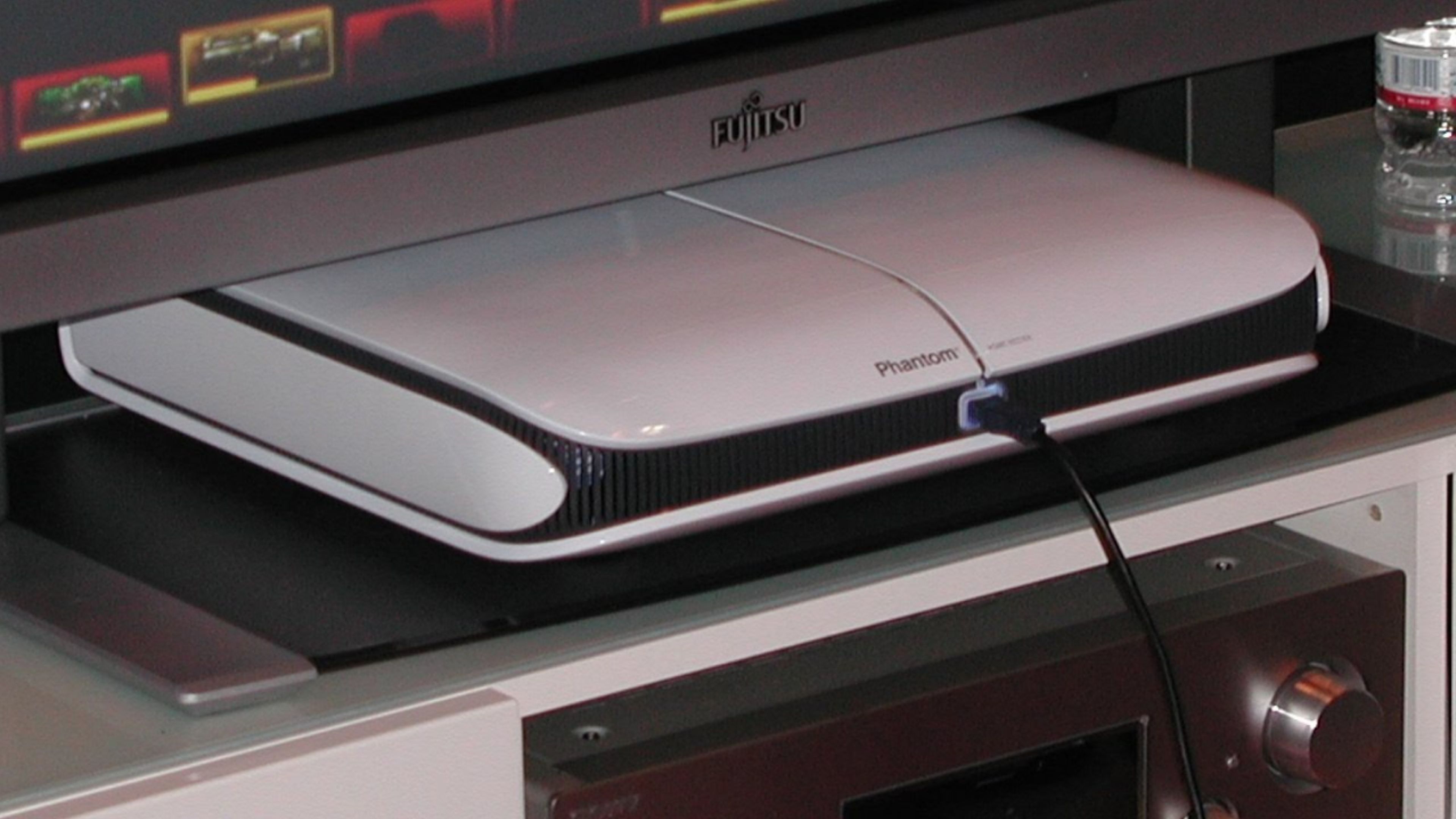
- This console was meant to be the first major system to deliver games through an on-demand subscription service, streaming directly to the box.
- It became famous for its long delays, huge promises, and the company’s financial and legal problems, leading to its collapse before release.
In 2003, Infinium Labs unveiled the Phantom, a groundbreaking concept for a small device that would let users download and play PC games instantly, eliminating the need for discs or cartridges. The idea – offering a vast game library through pay-per-play or subscription, with wireless controllers and a console-like experience on TVs – generated significant buzz. Unfortunately, despite the initial excitement, the Phantom never became a commercially available product.
The company initially announced promising timelines, but ran into financial problems and couldn’t meet them. This led to internal issues with leadership and legal challenges. Eventually, they abandoned the console project, sold off their resources, and focused on a smaller product – a lapboard keyboard – while the console remained unfinished and never launched.
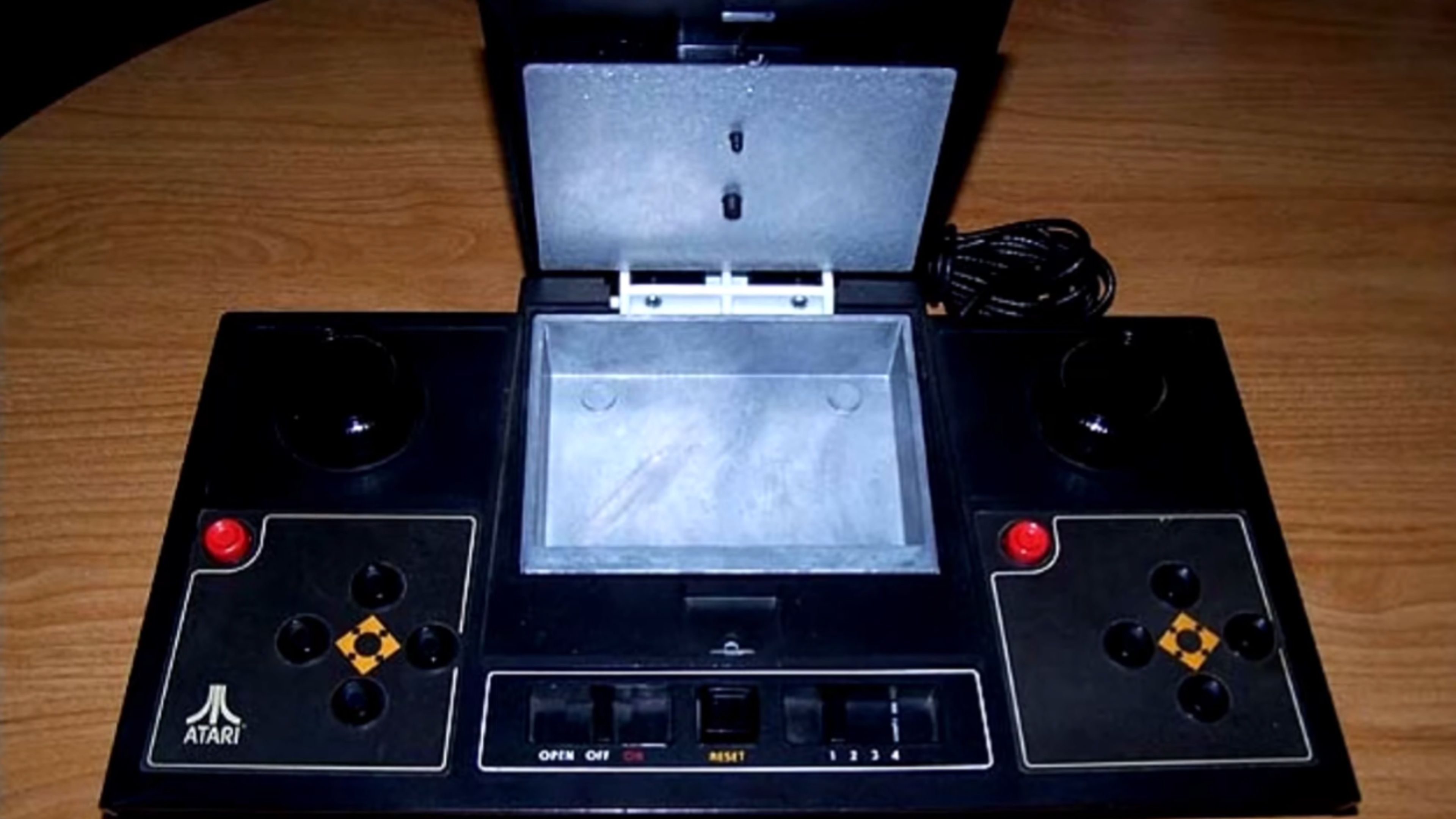
Atari Game Brain
Atari’s Cartridge-Based Do-Over
- Planned as a simple console to sell out CPUs from unsold dedicated consoles.
- It was canceled quickly, and focus shifted to the Atari 2600.
In the late 1970s, Atari developed the “Game Brain” as a way to get rid of leftover console parts. The idea was to sell a simple, affordable machine pre-loaded with a handful of games – around 10, like Pong and Stunt Cycle – and expand its library with plug-in game cartridges. It was designed to be a budget-friendly option for players who didn’t want a more complex system, by simply repurposing existing game software and processors.
Unfortunately for Atari, the video game industry was evolving rapidly. Consoles like the Atari 2600, which used interchangeable game cartridges, were becoming more popular because they could play a wide variety of games without being limited by built-in hardware. By the time Atari’s Game Brain console was finished, consumers were shifting away from consoles that only played one game or had a limited selection. As a result, Atari discreetly cancelled the Game Brain and focused its efforts on the more versatile Atari 2600.
Sega Pluto
The Saturn’s Secret Upgrade
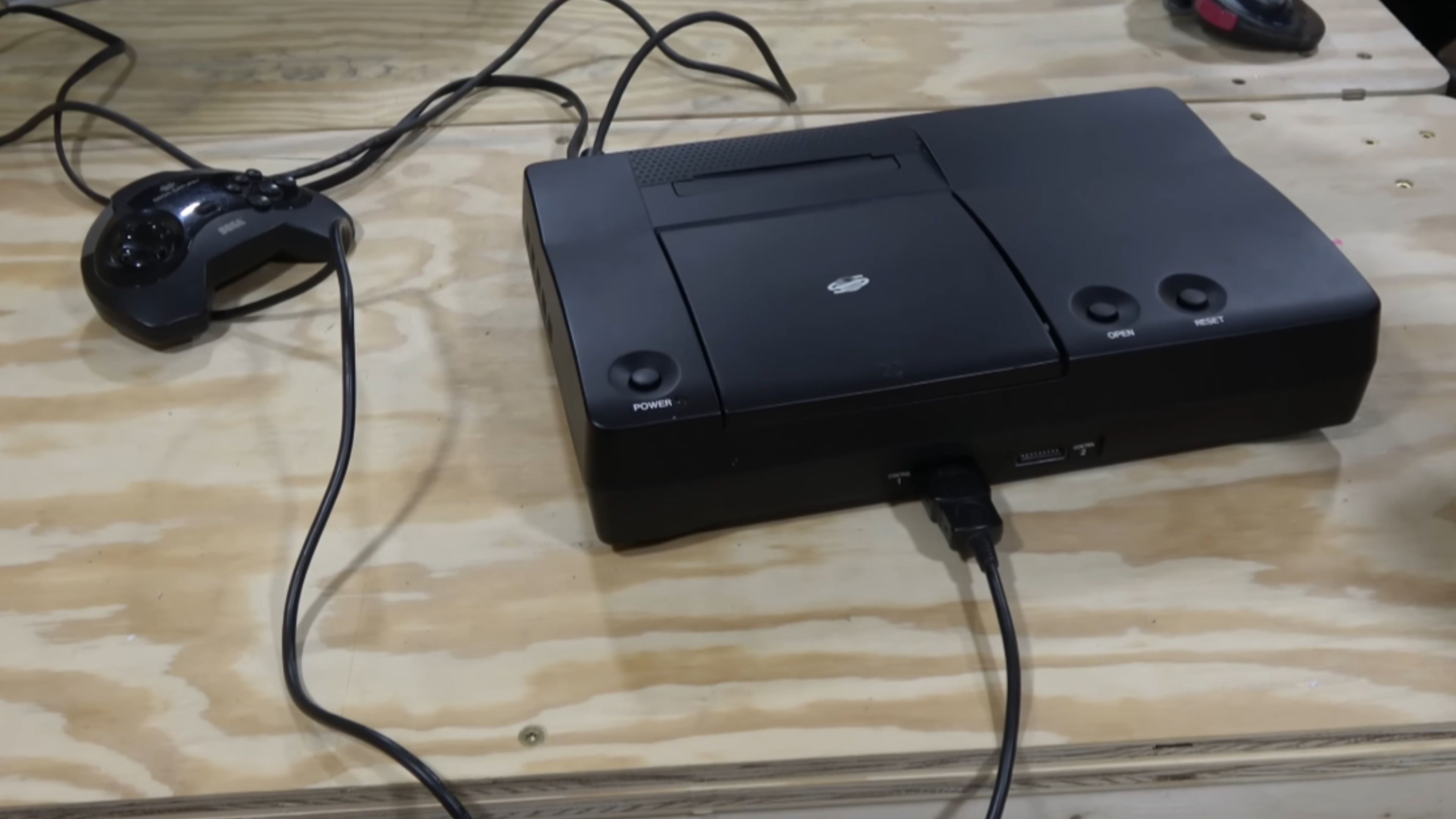
- This was an internal prototype that was essentially a Sega Saturn console with a built-in Netlink modem for online play.
- Only about two prototypes were made before the project was shelved.
As a long-time Sega fan, I was fascinated to learn about the ‘Pluto’ – a planned upgrade to the Saturn console that almost happened! Basically, Sega was thinking about building internet connectivity right into the Saturn hardware. They had this accessory called the NetLink for online play, and Pluto would have made that built-in, and also lowered the console’s costs to make it more appealing. It was all very hush-hush internally, though – Sega never actually announced it. In fact, we wouldn’t have known anything about it if a former employee hadn’t leaked details back in 2013. It’s a cool ‘what if’ in console history!
Pluto wasn’t meant to be a completely new gaming system. Instead, it aimed to reduce the cost of making Saturn consoles and include online capabilities from the start. However, it never went into production, and only two working models were ever created – both of which were eventually sold at auction.
Sega Neptune
The Unified Genesis Powerhouse
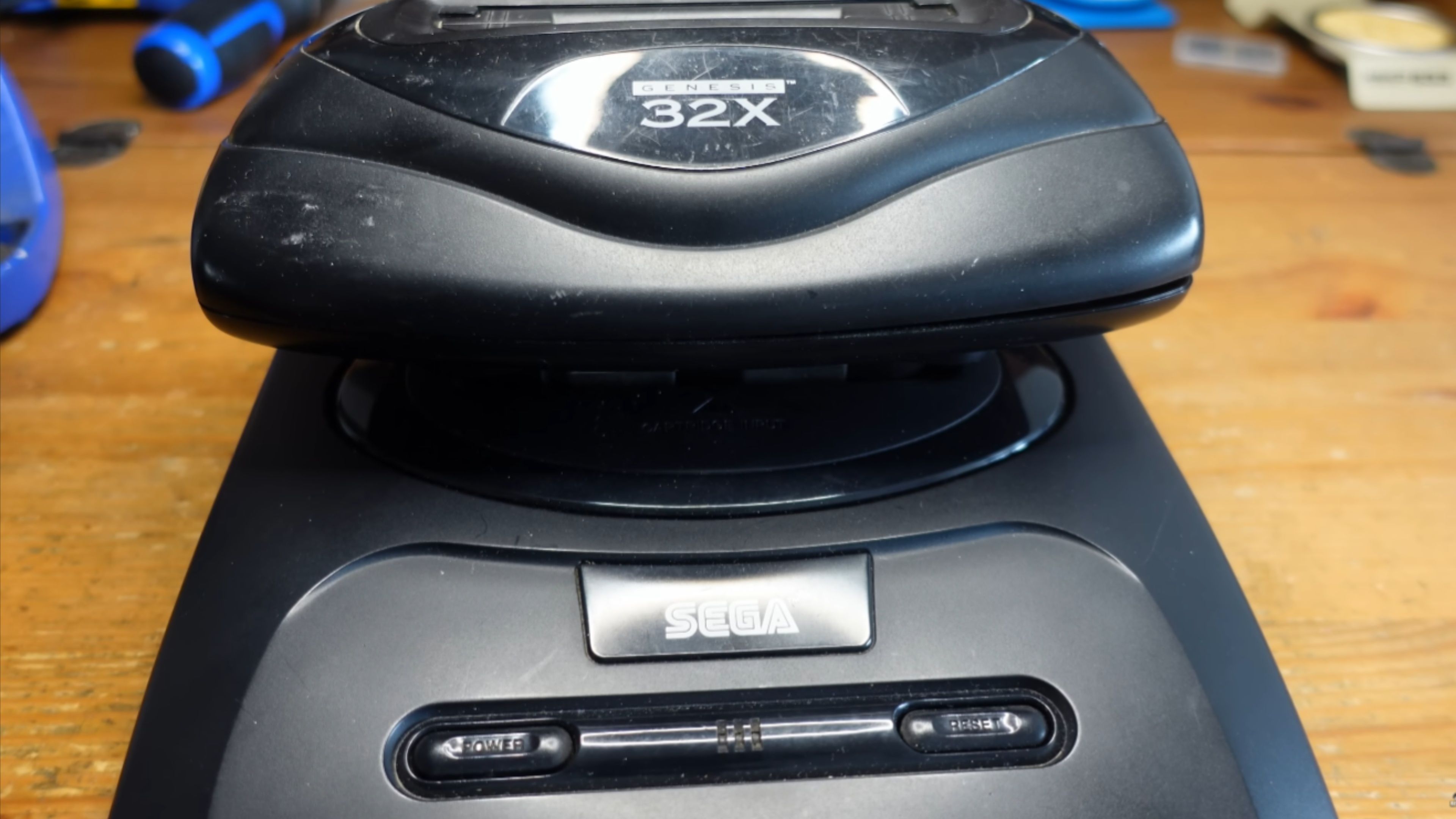
- Designed to be a single machine that combined the Sega Mega Drive and the expensive 32X add-on into one package.
- Canceled because the 32-bit era had already begun, and Sega chose to focus all resources on the upcoming Sega Saturn instead.
Looking back, the Sega Neptune is a really good example of how important timing is in the console world. It was a smart idea – basically combining the Genesis and the 32X into one affordable system. The thing is, the 32X was meant to be a temporary upgrade to get Genesis owners closer to 32-bit gaming, but Sega already had the Saturn, their real next-generation console, in development. It just felt like the Neptune got caught in the middle of Sega’s plans, and unfortunately, that meant it never actually came to be.
Originally planned for release around 1995, the Neptune console was ultimately cancelled because Sega worried it would confuse customers and negatively impact sales of the Saturn. The company decided to concentrate its efforts on the Saturn instead of launching another console so close to its release. No working Neptune consoles were ever made available to the public; only prototype models remain as evidence of its existence.
Konix Multisystem
The UK’s Multi-Talented Challenger
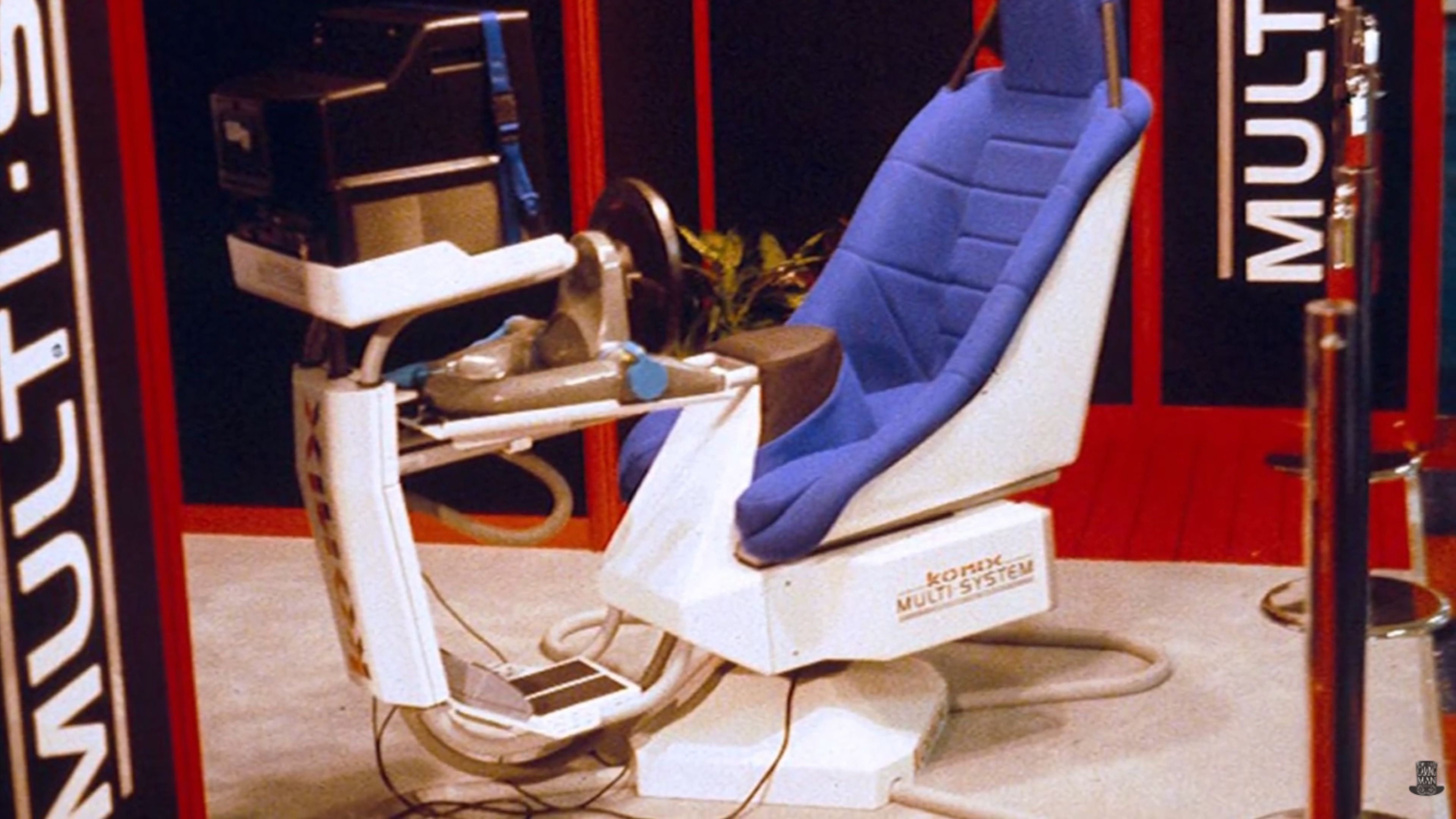
- Planned to feature a unique steering wheel and flight yoke controller setup.
- The project ran into severe funding issues.
The Konix Multisystem was a uniquely ambitious gaming console that never made it to market. Starting in Britain in the late 1980s as a high-quality joystick, it evolved into plans for a complete console system. What set it apart was the idea of changeable controls – the main unit could connect to different shells resembling a car dashboard with a steering wheel, an airplane flight control, or even motorcycle handlebars. It also boasted features ahead of its time, like force feedback, custom graphics processing, and both cartridge and floppy disk support. The Multisystem aimed to outperform most home computers and consoles available then, offering significantly improved sound and graphics.
Konix then ran into trouble with manufacturing, experiencing both hardware problems and financial difficulties. They lacked the funds to produce the Multisystem on a large scale, and news reports became increasingly doubtful as the release date kept getting delayed. Despite never being released, the Multisystem was designed to be quite different from existing game consoles.
Atari Jaguar 2
Was Supposed To Be The Original Jaguar Console Upgrade
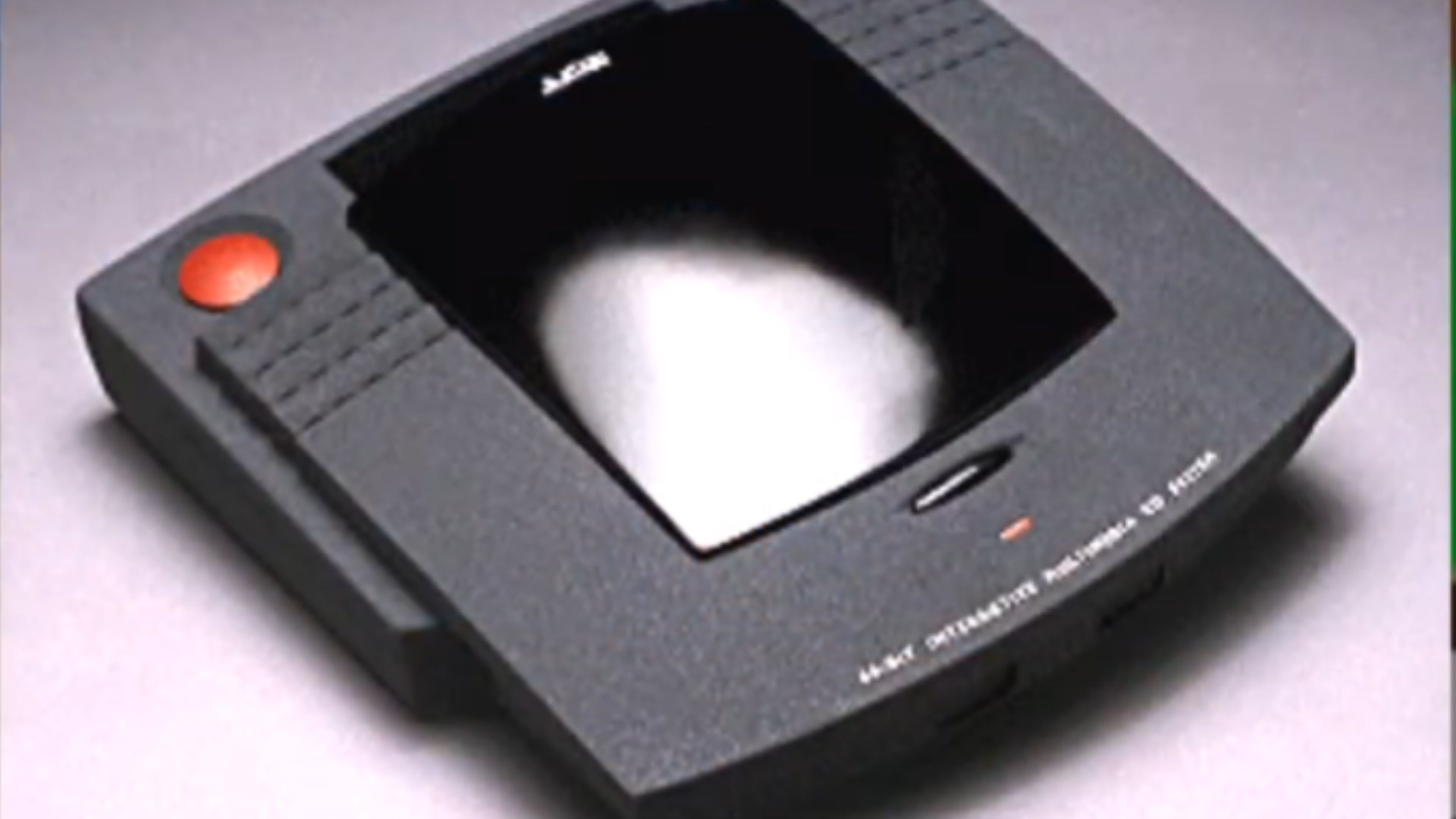
- This was Atari’s attempt to refine and upgrade the original Jaguar console with improved 3D graphics and faster performance.
- The cancellation happened due to Jaguar’s poor sales.
Following the disappointing performance of the original Jaguar, Atari began developing a follow-up system, frequently referred to as the Jaguar 2 (or internally, “Midsummer”). Designers created plans for a new processor with better graphics and audio, a quicker CPU, and added features like a built-in CD drive. Early versions of the system needed enhanced cooling and a special power supply. The goal was to create hardware that was simpler for developers to work with and could better compete with 32- and 64-bit consoles of the mid-1990s.
Because Jaguar sales were disappointing, the company decided it couldn’t afford to invest further in its existing technology. As a result, plans for the Jaguar 2 were cancelled in 1995, shortly before Atari partnered with JTS Corporation, a company that made low-cost hard drives for computers.
Widescreen Gizmondo
The Luxury Handheld’s Second Chance
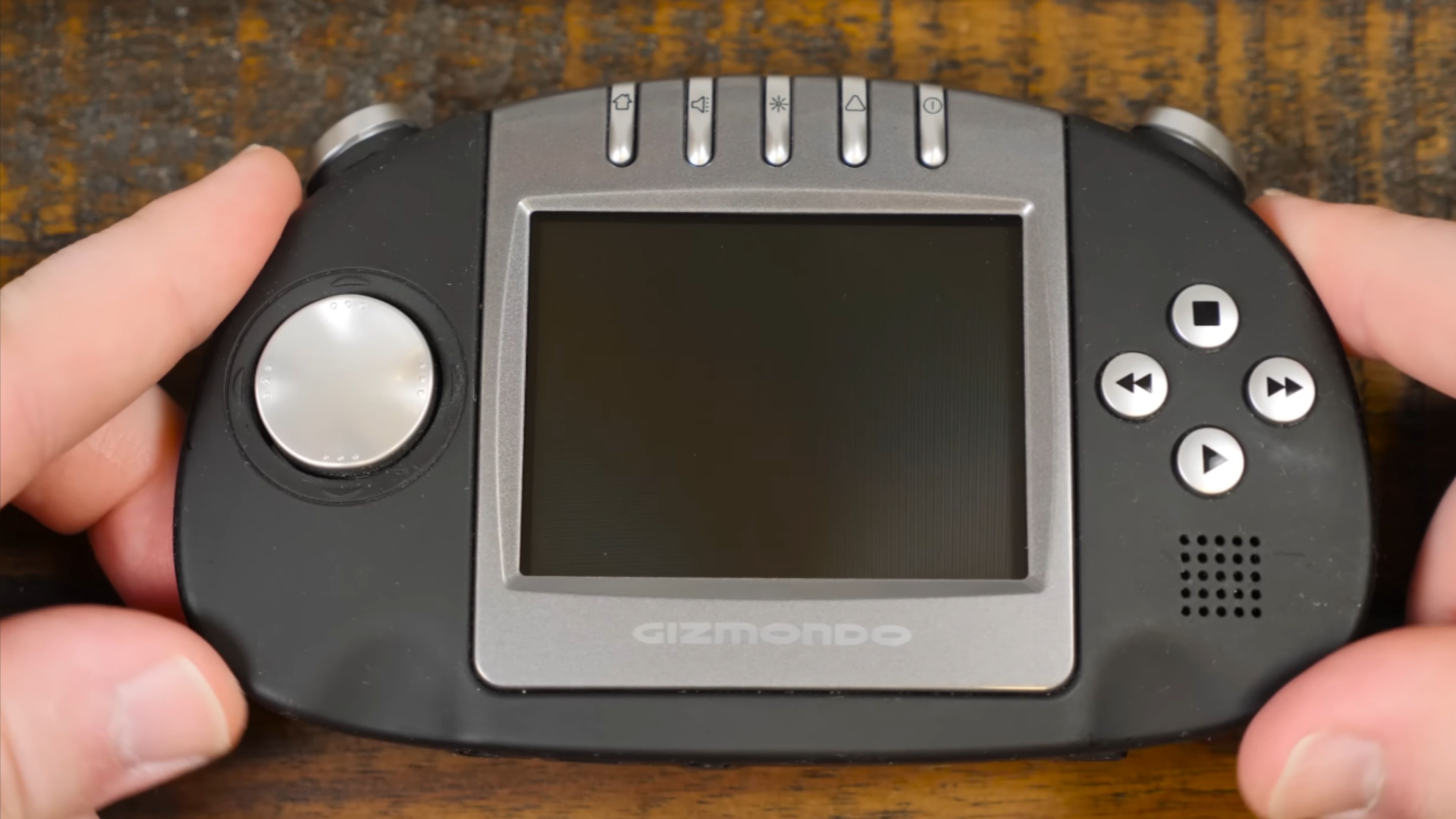
- A planned second version of the ill-fated Gizmondo handheld, intended to fix the original’s flaws and feature a new widescreen display.
- The project was abandoned after the company’s first launch ended poorly.
The Gizmondo, a handheld gaming device released in 2005, is widely considered a major flop. It suffered from poor sales, unclear advertising, and financial issues at its parent company, Tiger Telematics. Before the company collapsed, they were already working on an improved version called the Widescreen Gizmondo.
The updated Gizmondo was designed to address issues with the first version. It featured improvements like a bigger, sharper screen, a faster processor, and Wi-Fi connectivity. The company planned to add TV output and enhanced media capabilities, aiming to make it a versatile handheld gaming and entertainment system. Unfortunately, Tiger Telematics went bankrupt before the upgraded Gizmondo could be fully manufactured. Large debts and leadership scandals caused investors to pull out, leading to the cancellation of all Gizmondo projects after the bankruptcy filing.
Atari Panther
The Pre-Jaguar 32-Bit
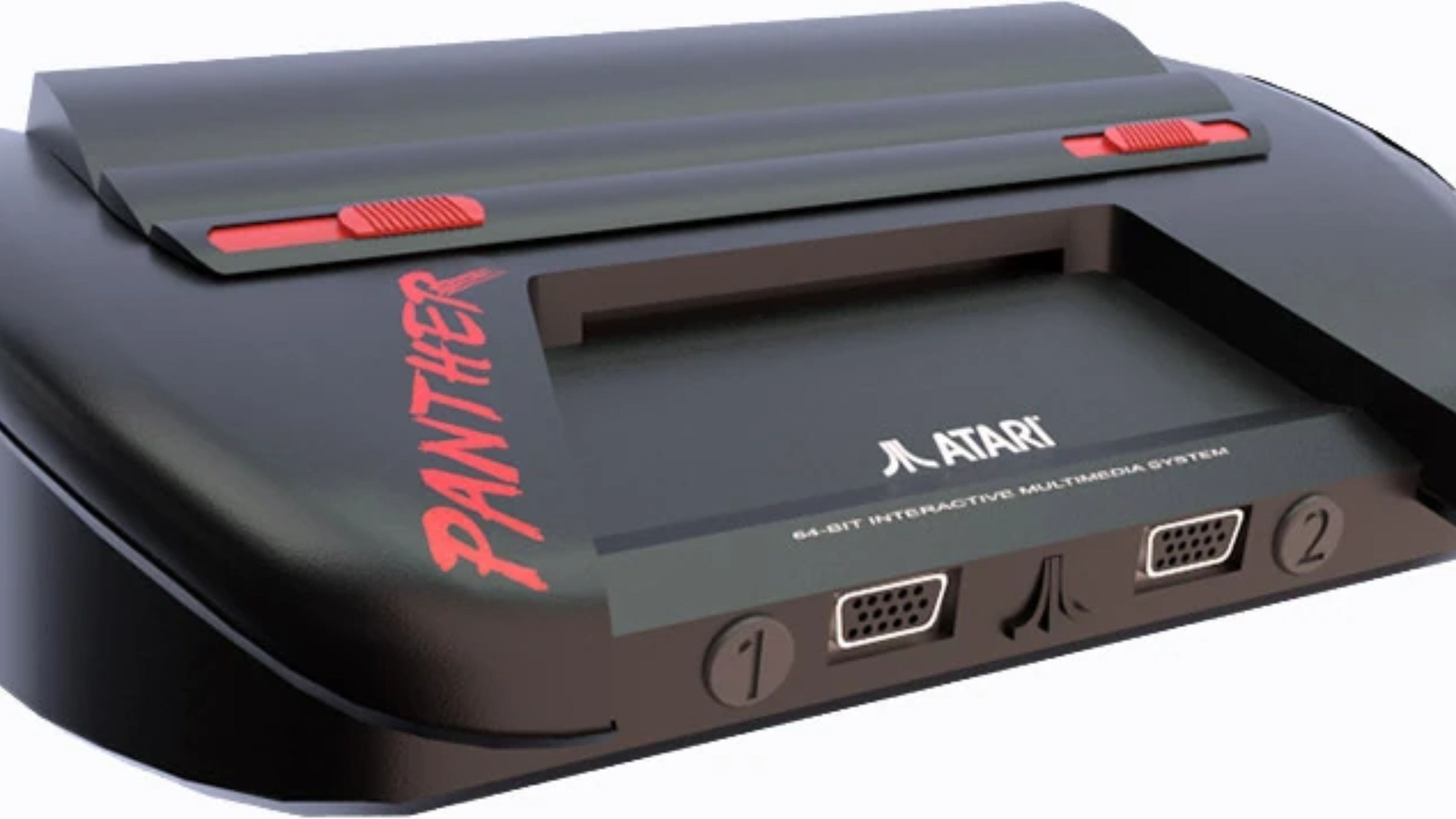
- An earlier 32-bit console project intended to compete against the Sega Genesis and Super Nintendo, featuring a less complex design than the machine that followed it.
- Atari quickly decided to scrap this system and instead focus all efforts on the more powerful, and ultimately released, Atari Jaguar.
The Atari Panther was originally planned as a more powerful successor to the Atari 7800, and was intended to launch before the Atari Jaguar. Atari hoped to release it around 1991 to compete with popular consoles like the Sega Genesis and Super Nintendo. It featured a Motorola 68000 processor, along with custom chips for improved graphics and sound – including an audio chip from the respected company Ensoniq. The Panther was designed to offer significantly better graphics and sound quality than the older 8-bit consoles that were still common at the time.
Despite initial optimism, Atari faced several challenges with the Panther. Completing the hardware proved difficult, and the company felt the pressure of competition from established players like Sega and Nintendo. Because the Panther was going to be released late, Atari’s management decided to pivot and develop a more powerful system instead – which ultimately became the Atari Jaguar.
Panasonic M2
The Expensive CD-ROM Powerhouse
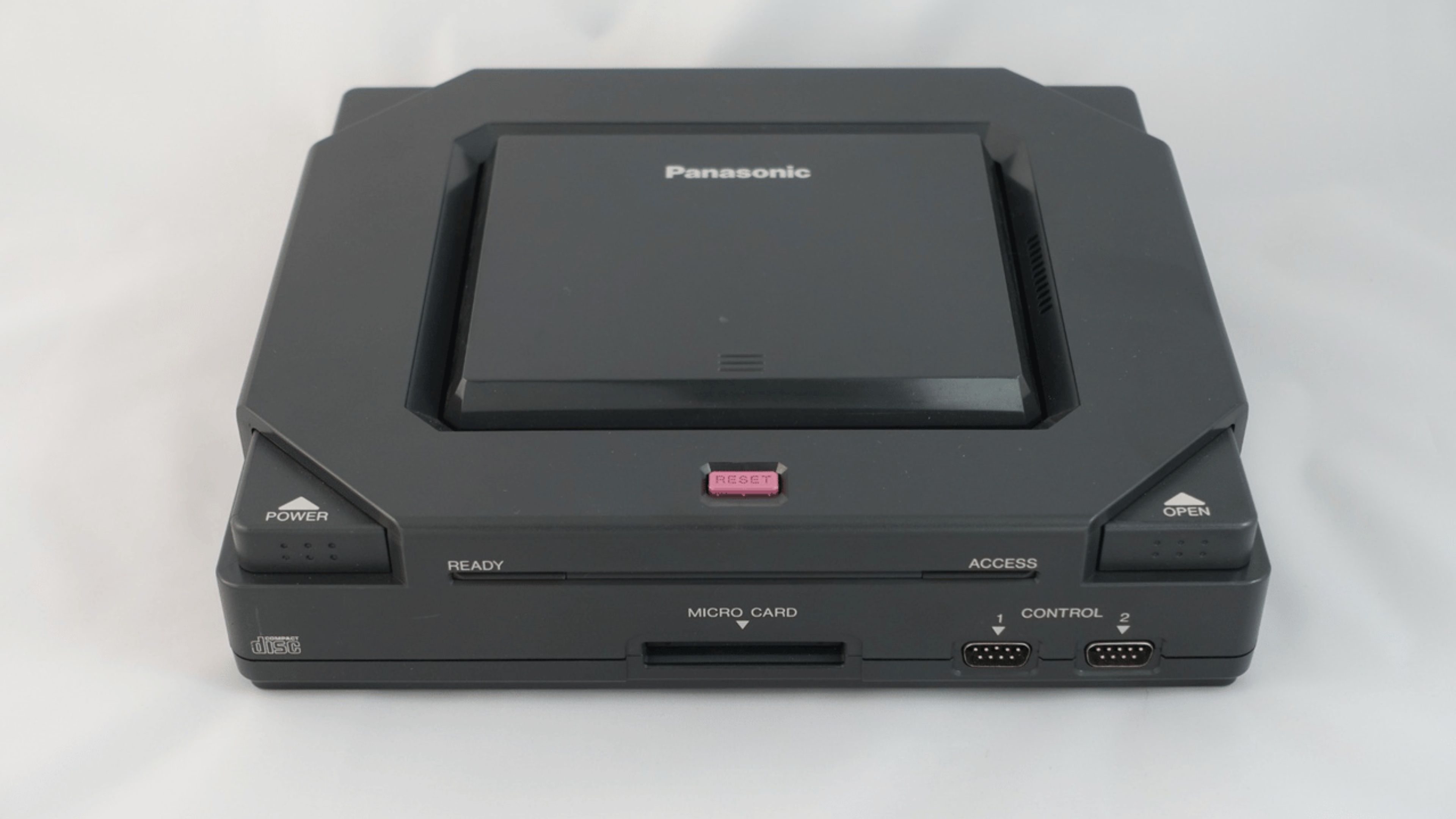
- This was a very powerful 64-bit console based on technology originally planned for the 3DO system, designed to handle fast CD-ROM access.
- Canceled because the projected manufacturing costs were too high, which would have made the console too expensive to compete with the Sony PlayStation and Nintendo 64.
The Panasonic M2 was a remarkably advanced game console planned in the 1990s, but it was ultimately never released – and many gamers aren’t even aware it existed. Originally intended as the successor to the 3DO, the M2 used custom processors that were ahead of their time. Reports suggested it would have been capable of impressive 3D graphics, with smoother textures and lighting effects than most consoles available then.
The project unfortunately faced setbacks, with costs increasing and the gaming market rapidly evolving. The PlayStation and Nintendo 64 were becoming increasingly popular, leading Panasonic to doubt whether releasing a new console would be profitable given the competition. Ultimately, instead of launching the M2 as a home gaming system, Panasonic discreetly cancelled its plans and repurposed the technology for other applications.
Red Jade
The Ericsson Handheld That Never Was
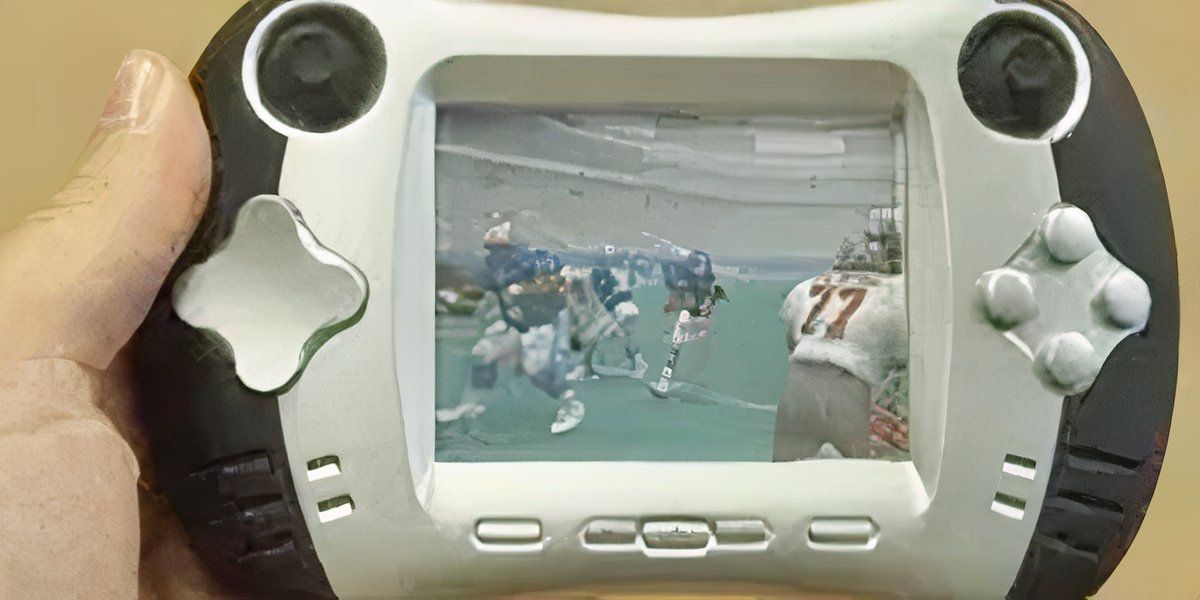
- Was supposed to support 3D graphics, Bluetooth game sharing, and digital downloads.
- Axed due to poor timing and financial issues.
Red Jade was a promising handheld gaming system created around 2000-2001 by Ericsson. It wasn’t a failure due to technical problems, but because Ericsson stopped supporting the project. The creators aimed for a true gaming console experience, unlike the simpler mobile devices of the time. It was ahead of its time, planning features like 3D graphics, Bluetooth game sharing, and digital downloads – even though many handhelds still relied on cartridges.
Although the technology seemed promising, the timing couldn’t have been worse. Ericsson, a key player in the mobile phone industry, was facing financial difficulties in the early 2000s as the telecom market declined. Sales plummeted, forcing the company to make significant cuts. As part of these cuts, funding for the Red Jade project was eliminated. Without Ericsson’s financial support, the project was unable to continue.
Read More
- Robinhood’s $75M OpenAI Bet: Retail Access or Legal Minefield?
- All Skyblazer Armor Locations in Crimson Desert
- All Hauntingham’s Letters & Hidden Page in New Super Lucky’s Tale
- How to Get the Sunset Reed Armor Set and Hollow Visage Sword in Crimson Desert
- Speedsters Sandbox Roblox Codes
- How to Catch All Itzaland Bugs in Infinity Nikki
- Who Can You Romance In GreedFall 2: The Dying World?
- USD RUB PREDICTION
- Madden NFL 26 Cover Star Revealed
- Invincible: 10 Strongest Viltrumites in Season 4, Ranked
2025-12-27 14:39