Please be aware that some images may contain spoilers. I’ve tried to avoid revealing major plot points, but if you’re worried about a particular game, feel free to skip ahead to the next section.
Open-world games offer players amazing freedom to explore vast worlds, go on incredible adventures, and interact with other characters. However, creating these games is a real challenge for developers, who need to find creative ways to build compelling stories within such a wide-open format.
Developers and writers frequently add deeply sad moments to their games, creating a powerful emotional experience for players. These aren’t simple surprises meant to shock; they’re often tragic endings to storylines, usually involving the death of a beloved character. Especially in open-world games, these choices highlight the strength of storytelling in gaming and motivate players to continue exploring, even when those experiences are tinged with sadness.
Honorable Mentions
These open-world games also have powerful and sad endings.
- Days Gone
- Death Stranding 2 – Only missed out as the ending is bittersweet rather than 100% sad.
- Fallout: New Vegas
- Nier Automata
7. Ghost of Tsushima
Heroism At A Cost
Ghost of Tsushima is a samurai tale exploring themes of honor, tradition, and sacrifice. After Mongol invaders seize his home, Jin Sakai adopts the persona of a terrifying ‘ghost’ to drive them off Tsushima Island and reclaim it for Japan. The game presents a conflict: while Jin begins as a noble warrior, he’s forced to question the strict samurai code. Players are often rewarded for using sneaky and unconventional tactics, even though the story suggests these methods come at a cost – potentially eroding Jin’s sense of self and his cultural identity, depending on the choices you make.
Whether you follow the path of a noble samurai or become a wandering, stealthy ronin, the ending of Ghost of Tsushima will be heartbreaking, as someone will have to make a difficult sacrifice. Both choices lead to the Shogun seeing Jin as a danger, forcing Shimura to confront him. This final battle gives you, as the player, a chance to fully embrace or reject the samurai way, but neither option feels truly satisfying.
6. Firewatch
A Solitary Reflection
Firewatch is a captivating game focused on storytelling, immersing players in the stunning landscapes of the Wyoming wilderness. You play as Henry, a fire lookout who becomes entangled in a puzzling mystery. He works with his supervisor, Delilah, to uncover the truth. The game’s world is visually beautiful, though sparsely populated, and features a striking orange and red color palette.
As I played, Henry kept running into these really strange things happening, and I honestly thought it was building up to some big, evil plot. But then, it turned out to be something way more heartbreaking. It was all connected to a terrible climbing accident where a young boy died. When Henry finally finds the boy’s body in that cave, the music just hits you – it’s so sad and haunting. The game makes you actually step over the body to keep going, and it’s incredibly powerful. I genuinely felt Henry’s horror and sadness in that moment; it was impossible not to.
The ending of Firewatch beautifully captures feelings of loneliness and regret, while also showing how much people need each other. It’s a moving story that highlights the power of human connection, especially during difficult times.
5. Shadow of the Colossus
A Lonely Journey’s End
Shadow of the Colossus, the beloved game from Team Ico, tells a powerfully moving story about love and letting go. You play as Wander, a young man determined to bring back Mono, a woman tragically sacrificed due to a supposed curse. He finds himself in a lonely, empty world where he must battle massive, imposing creatures called colossi to fulfill his goal and save her.
As you progress through the game and Wander defeats each colossus, you begin to question whether killing them is truly right. While some colossi are hostile and immediately attack, others are peaceful and only become aggressive when disturbed. They simply exist within their own territories until Wander, driven by his quest, interrupts their tranquility.
As Wander defeats each beast, an ancient evil gradually corrupts him, ultimately taking complete control. The other warriors intervene just as he’s about to reach Mono, mortally wounding him with a stab to the heart. Even while corrupted and injured, Wander continues to struggle towards Mono before finally collapsing and dying, hinting that a part of his true self remained. This final battle emphasizes the sacrifices people make for love and the damaging effects of obsession.
4. Cyberpunk 2077
No Such Thing As A Great Ending, But There Are Two Particularly Bad Ones
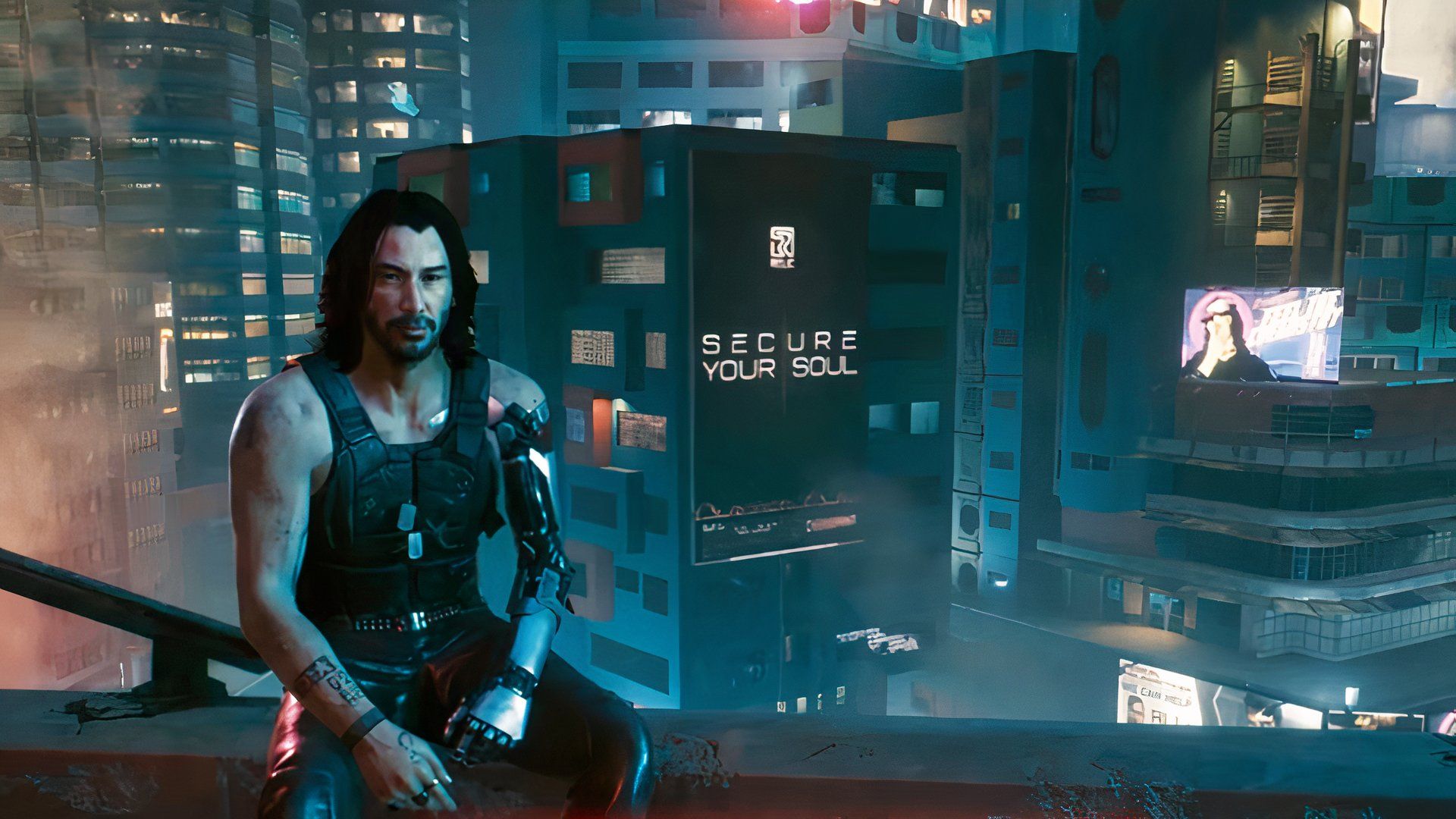
Like The Witcher 3, Cyberpunk 2077 doesn’t have simple “good” or “bad” endings. While The Witcher 3 allows Geralt and Ciri to find some hope, V’s fate is much more somber. Even the most optimistic outcome only gives the player character a few months to live, though they do get to spend that time with loved ones. There are other somewhat positive endings, but none offer a clear victory without significant sacrifice. Crucially, many of these endings force players to confront the choices V made and how they shaped their journey.
When it comes to the most heartbreaking endings in the game, there are two main contenders. The first is when V chooses to end their own life, a deeply unsatisfying conclusion that makes all their previous efforts feel meaningless. The second, and perhaps even more tragic, is the Devil ending. In this scenario, V becomes a broken version of themself, sacrificing their principles and betraying their friends by aligning with the ruthless Arasaka corporation, just to survive. In a cyberpunk world, that’s arguably the worst possible outcome.
3. Red Dead Redemption 2
The Price of Redemption
Following the emotional ending of Red Dead Redemption, fans had high hopes for Rockstar’s 2018 sequel, which introduced a new main character, Arthur Morgan. Most players agree the second game delivered, offering a story filled with sad and poignant moments.
Red Dead Redemption 2 is a massive and captivating story set in the final years of the Wild West. The main character, Arthur, struggles with his past mistakes and tries to find a better path in a world that’s quickly modernizing. It’s often heartbreaking to watch Arthur try to reason with Dutch, the leader of their gang, about the right way to operate. Throughout much of the game, Arthur is unsure how to handle Dutch, but when he learns he has tuberculosis, he faces his own death and begins to question Dutch’s leadership, even defying him.
Arthur understands his fate is approaching, and his goodbyes to Abigail, Sadie, and John are incredibly moving – some fans consider them the most emotional scenes in the entire series. This builds intense anticipation for the game’s final confrontation, even though players likely know the outcome. Regardless of Arthur’s choices, he ultimately dies in every ending, leaving a lasting feeling of sadness that stays with you long after the game is over.
2. Fallout
Post-Nuclear Tragedy
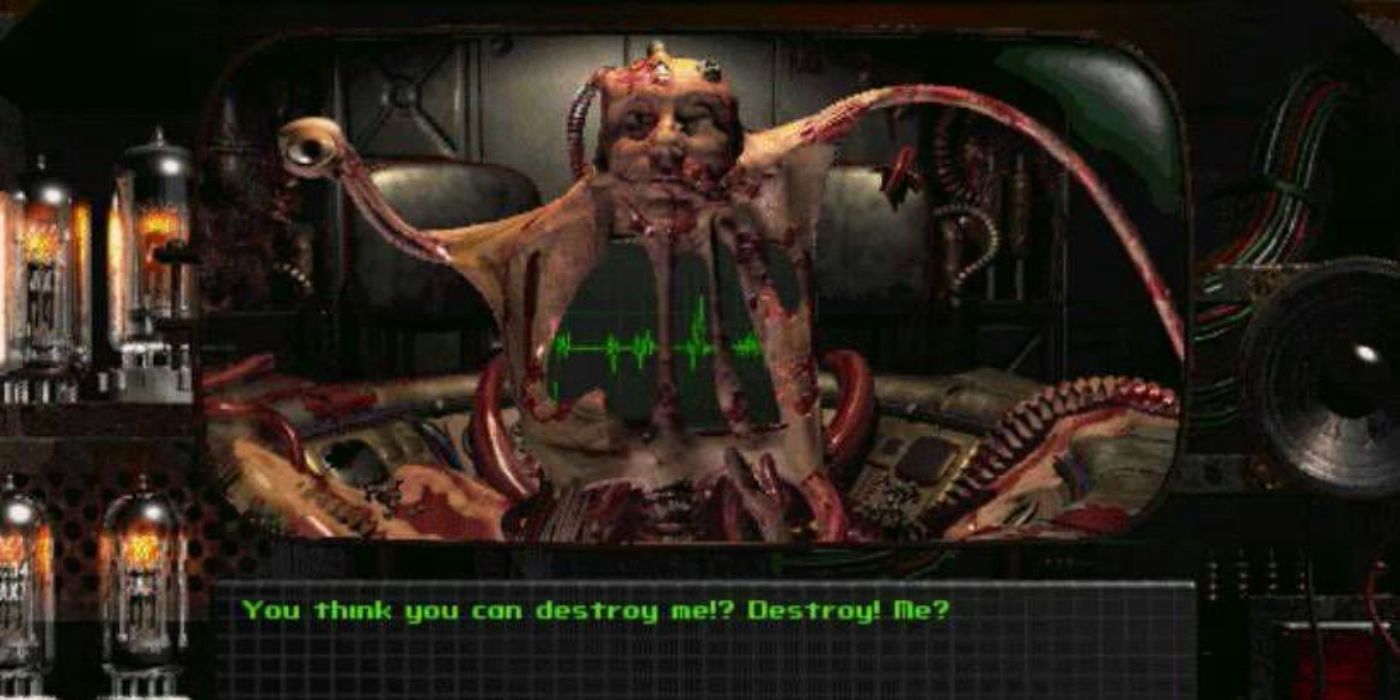
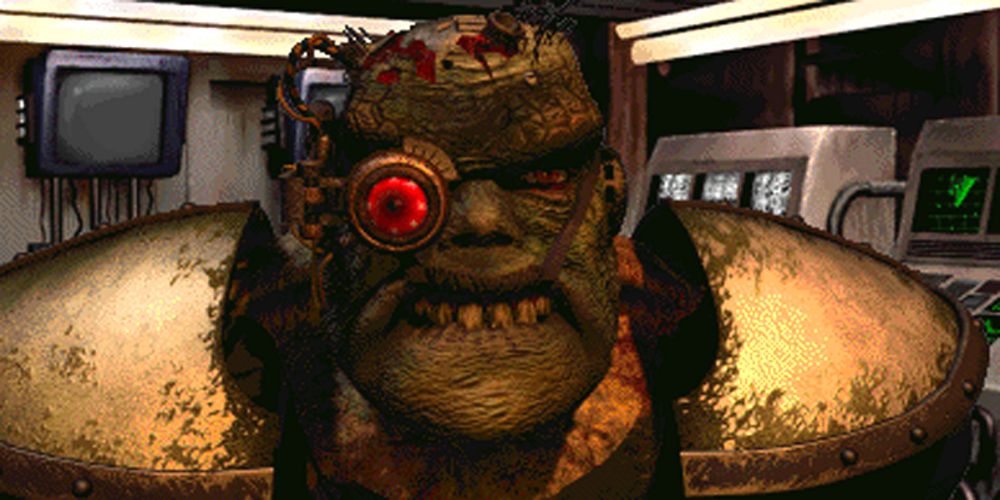
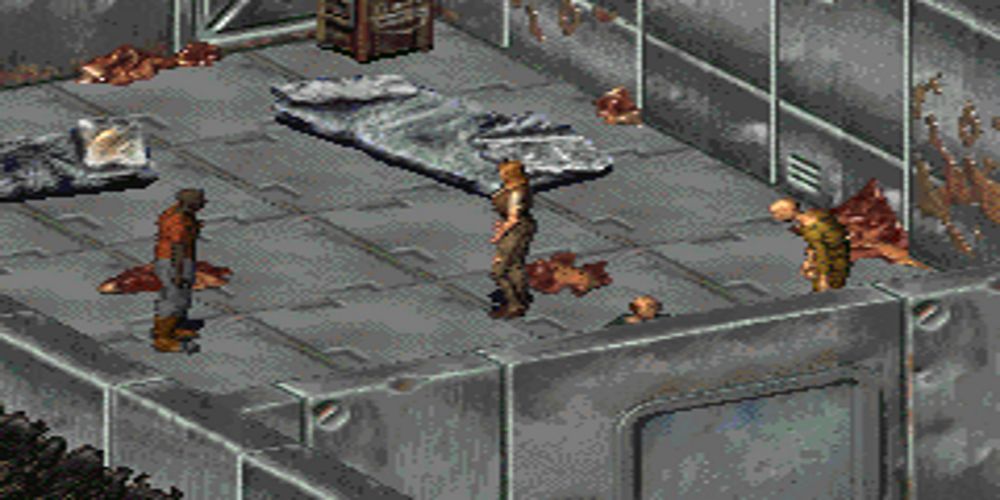
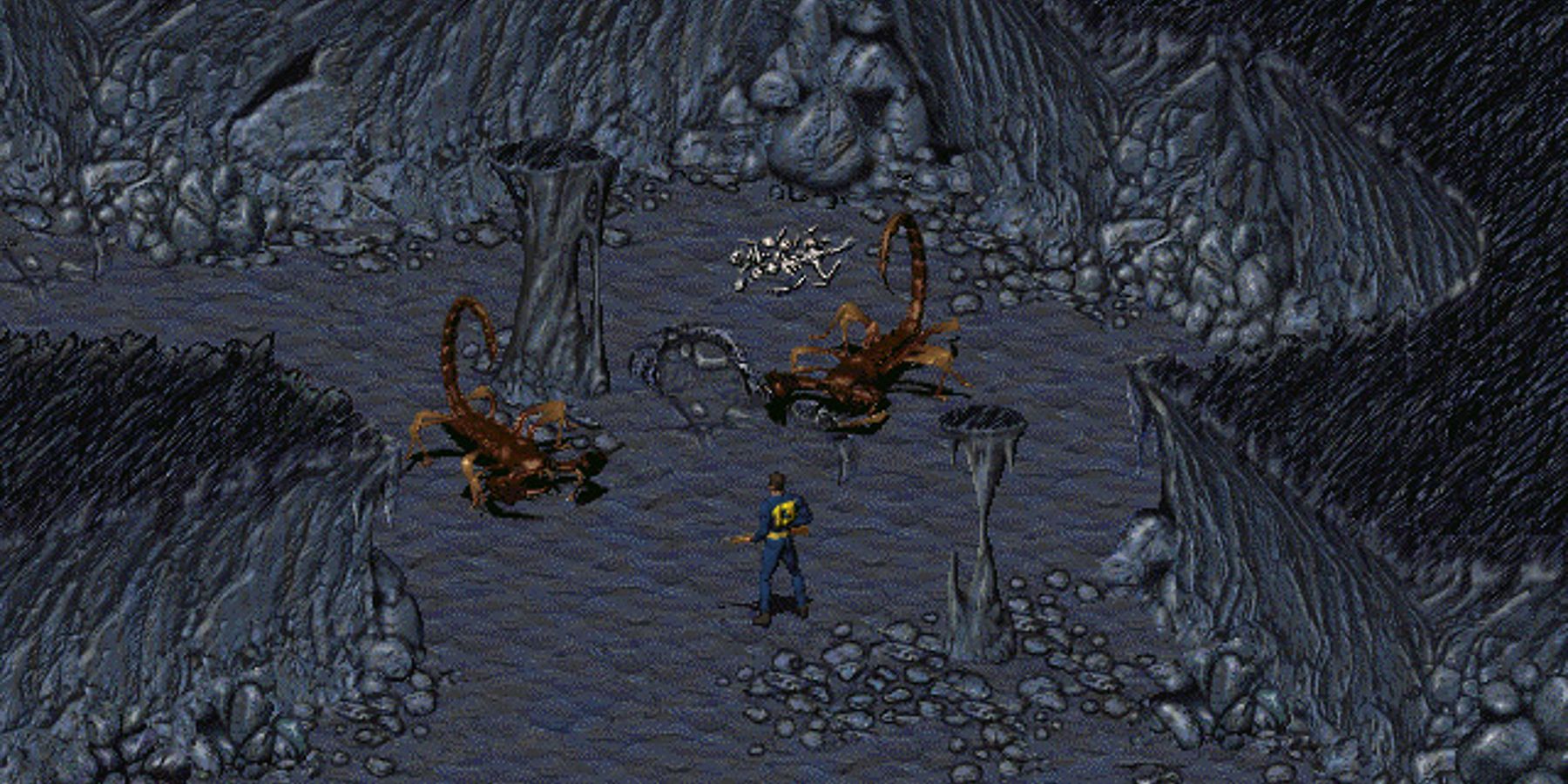
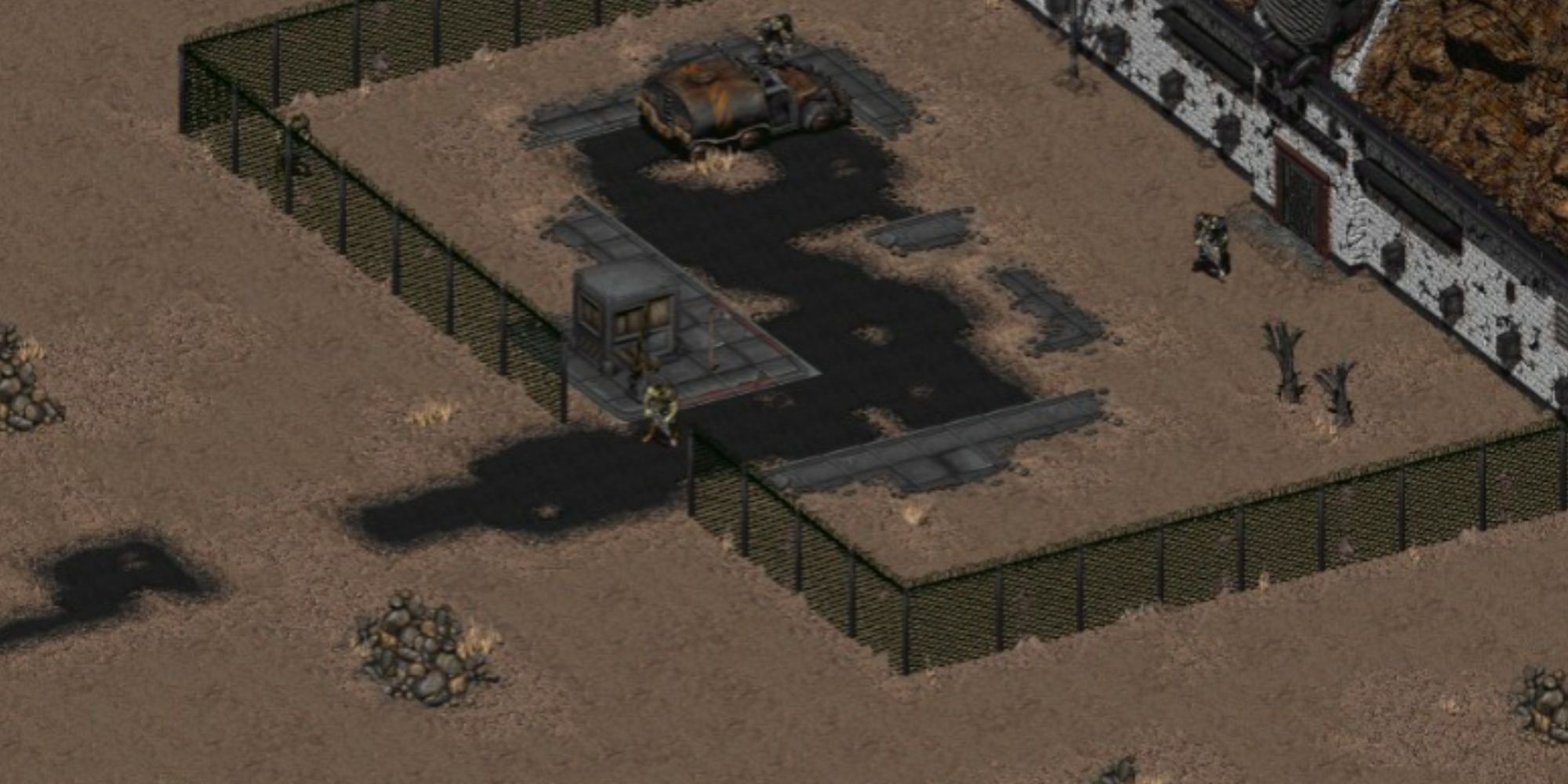
The Fallout games are well-known for their compelling characters and stories, and the first Fallout is no exception. The game’s ending is particularly poignant because, even in the best possible outcome, the player character, the Vault Dweller, must permanently abandon their home in Vault 13.
Despite saving Vault 13 by restoring its water supply and stopping the Master’s mutant army, the Vault Dweller faces a heartbreaking return home. The Overseer, who previously sent him on his quest, now fears that stories of his success will inspire others to leave the Vault and risk their lives in the dangerous wasteland. As a result, the Vault Dweller is banished, leaving players to question if the Overseer made the correct decision. This ending is particularly somber for a Fallout game, achieving a powerful emotional impact without resorting to the deaths of beloved characters.
1. Red Dead Redemption
The Last Stand
Rockstar’s Red Dead Redemption is a remarkably tragic game, a departure for the company known for over-the-top humor and violence. The story follows John Marston, an ex-outlaw trying to make amends for his past and build a peaceful life with his family in the fading Wild West. However, just as he seems to be achieving his goal, tragedy strikes. In a powerfully emotional and famous ending, Marston gives his life to protect his family, facing a hail of bullets in a final, desperate act of courage.
John Marston’s death feels more powerful than Arthur Morgan’s because he was killed while trying to protect his family. It’s especially heartbreaking considering all the sacrifices people made for John and his loved ones, only for him to be brutally murdered anyway. The fact that his son, Jack, is then set on a path of revenge makes the whole situation even more tragic, suggesting that everyone’s efforts were ultimately meaningless. John’s death is a stark portrayal of the harsh realities of the Old West, where violence often leads to senseless tragedy.
Read More
- Re:Zero Season 4, Episode 6 Release Date & Time
- NTE Drift Guide (& Best Car Mods for Drifting)
- How to Get the Wunderbarrage in Totenreich (BO7 Zombies)
- How to Beat Turbines in ARC Raiders
- Diablo 4 Best Loot Filter Codes
- Change Your Perspective Anomaly Commission Guide In NTE (Neverness to Everness)
- Top 8 UFC 5 Perks Every Fighter Should Use
- Brent Oil Forecast
- EUR CNY PREDICTION
- Danganronpa 2: A Complete Guide To Gifts
2026-01-10 21:06