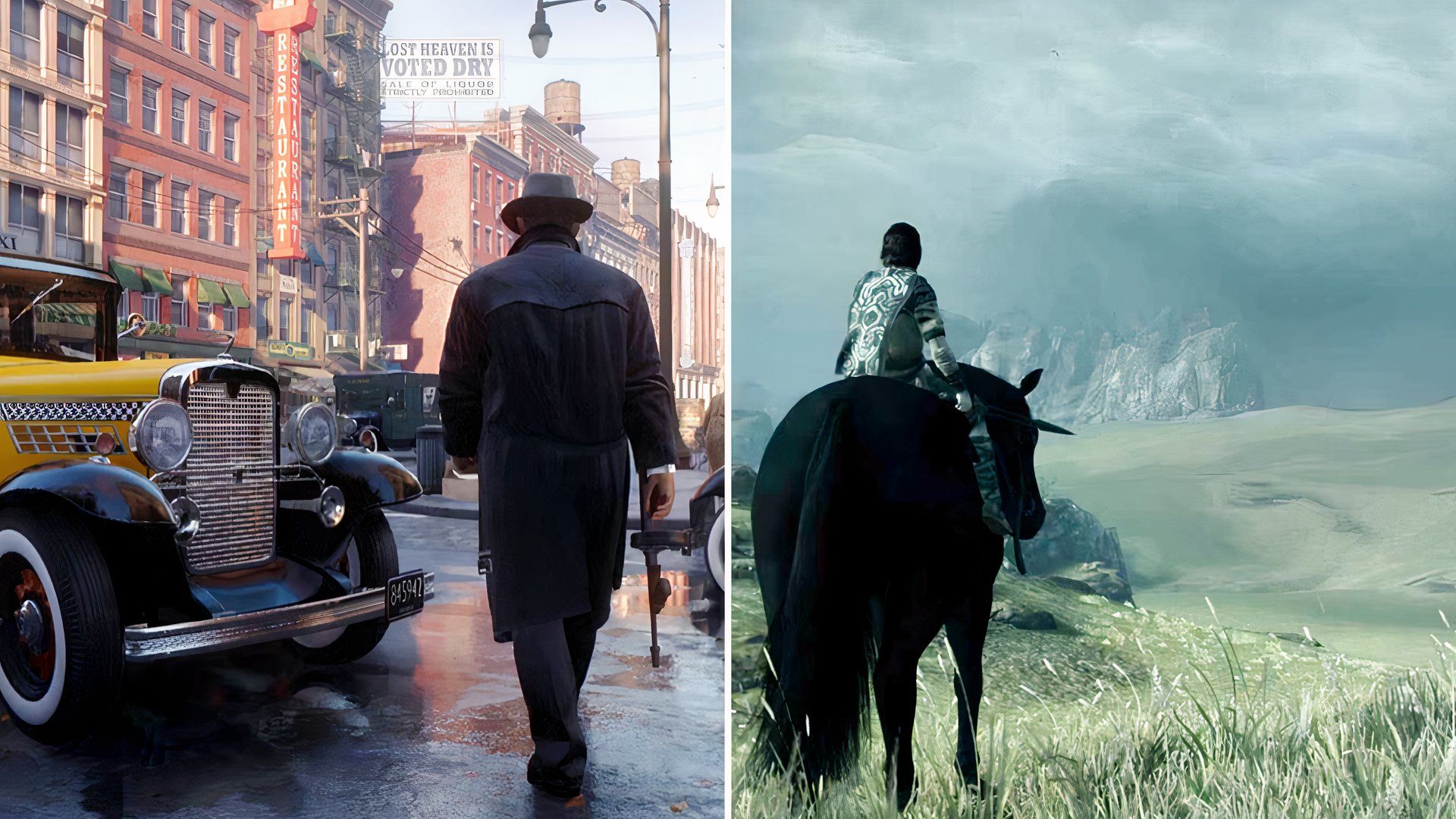
Open-world games are constantly striving to become larger and more expansive. While this is often positive, offering months of gameplay, it’s reached a point where some games overload their worlds with too much optional content. This can actually detract from the main experience, especially if you’re someone who likes to complete everything a game has to offer.
Many open-world games don’t include a lot of optional things to do. Some completely cut out side content, while others only add a little. This isn’t necessarily good or bad. If it’s done badly, the game world can feel lifeless, but if it’s done well, it can create a tighter, better-paced story. Here are a few games that don’t have many side quests.
Honorable Mentions
These games were close to being included, but didn’t quite make the list. Either they have a lot of side content that isn’t essential, or they don’t fully fit the definition of an open-world game.
- Red Dead Redemption – Very little optional content compared to most other Rockstar open-world games.
- Death Stranding – As the side deliveries revolve around the same mechanics as the main quests, they do not feel like filler. Still, you can skip them.
- Firewatch – Very little optional content, but not as open as other games.
- Sable – Very little optional content, but not devoid of them either.
- Far Cry 2 – Way fewer optional content than any of its sequels.
5. Assassin’s Creed
The Inaugural AC Game Requires Repetitive Busywork To Reach Altair’s Targets
Recent Assassin’s Creed games are full of extra things to do, but the very first game is much more streamlined. It takes place in several cities in the Middle East during the Crusades, and lets you explore them in a unique way using the series’ famous parkour moves. You’ll find plenty of covert missions in each city – things like listening in on conversations, following people, and stealing from them. These might seem like optional side activities, but they’re actually required. While they can feel repetitive, they’re a core part of the game.
Players need to complete a series of similar tasks to gather information about their primary targets. Altair, the main character, can’t eliminate these targets until he’s finished a specific number of these information-gathering missions. However, these aren’t the only things he has to do.
Okay, so there are tons of flags to collect scattered all over the maps, which is cool at first. But honestly, some of the side missions actually require you to grab a bunch within a time limit, and it gets pretty tedious. Besides finding a few more enemies, there isn’t much incentive to actually explore the cities, which is a bummer. They put so much work into making the historical buildings look amazing, you’d think there’d be more to discover!
4. Ultimate Spider-Man
This Open-World NYC Is Empty Except For Random Crimes, Which Spidey Must Solve
Similar to other Spider-Man games, Ultimate Spider-Man lets you swing through an open-world New York City as the hero. However, even though you can explore freely, the game follows a set path. You’ll only encounter the villains tied to the main story. While stopping crimes like robberies and car chases helps break things up, these aren’t optional activities. Each chapter requires you to complete a specific number of side missions, called City Goals, before you can continue with the main storyline. This creates a gameplay loop that’s similar to Assassin’s Creed, but arguably more engaging.
There aren’t many side activities to do in this game. You can collect comic tokens and participate in web-swinging races, but that’s about it. Unlike previous Spider-Man games, like the 2004 title Spider-Man 2, there are no extra challenges or fun diversions like pizza delivery missions. These optional activities feel like standard additions that most players skip, making the game feel a bit simple compared to modern Spider-Man titles.
3. Mafia Definitive Edition
This Mafia Game Wastes Its Immaculate Setting On Stale Races And Collectibles
It’s common for Mafia games to be light on side activities, but this latest installment really feels empty. While the remake beautifully recreates Prohibition-era New York and makes it look alive, there’s very little to do beyond the main story. The only true side missions are twelve simple racing challenges called Phone Booth Jobs, and completing them only unlocks more cars for collection.
Collecting is the only real side activity in the game. You can find masks, magazines, cards, and toy cars scattered throughout the city. While some players might enjoy finding these items, the process is mostly repetitive and doesn’t add much to the overall experience. Given the game’s potential, the developers could really enhance the sense of immersion with more engaging activities.
2. Outer Wilds
Everything Ties Into The Main Mystery, Even if You Don’t Need To Explore Every Single Part
Outer Wilds is a truly exceptional indie game, ranking among the best open-world titles of the last ten years. You play as a space explorer caught in a 22-minute time loop, which always ends with a star exploding. To break the cycle and prevent this disaster, you must explore different planets, uncover the secrets of a vanished alien race, and piece together clues with each repetition.
Outer Wilds is a game all about discovering its secrets. It gives you complete freedom to explore at your own pace, and there’s no pressure to rush. Instead of giving you specific tasks, the game encourages you to piece together a central mystery by exploring a world where everything feels connected. You don’t even need to find everything to finish the game – it’s simply a fantastic experience.
1. Shadow Of The Colossus
The Barren World Enhances The Atmosphere As Players Hunt Their Colossal Prey
A great example of this design choice is the game Shadow of the Colossus. It’s beautiful because it focuses on simple elements. The story centers around a hero who needs to defeat sixteen giant creatures, called Colossi, to bring back a loved one. These massive beings are scattered throughout a vast, open world filled with diverse landscapes like mountains, forests, and deserts. Interestingly, despite all this space, the world feels strangely empty.
Besides plants and a few animals, this area feels completely lifeless. This emptiness actually strengthens the sense of loneliness and makes each Colossus encounter feel incredibly important. The entire game seems to build towards these epic battles.
This covers any extra items you might find, or not find at all. Besides giants, players can also hunt lizards; collecting their tails gives you more stamina. Eating fruit from certain trees restores health, but these helpful items are rare. They aren’t major parts of the story, but they do help prepare you for the main challenges. You’ll likely need them to beat the tougher enemies later on, though even then, they aren’t strictly required. Most players will likely focus on hunting the larger creatures instead.
Both versions of Shadow of the Colossus qualify.
Read More
- Re:Zero Season 4, Episode 6 Release Date & Time
- NTE Drift Guide (& Best Car Mods for Drifting)
- How to Get the Wunderbarrage in Totenreich (BO7 Zombies)
- How to Beat Turbines in ARC Raiders
- Diablo 4 Best Loot Filter Codes
- Change Your Perspective Anomaly Commission Guide In NTE (Neverness to Everness)
- Top 8 UFC 5 Perks Every Fighter Should Use
- Brent Oil Forecast
- EUR CNY PREDICTION
- Danganronpa 2: A Complete Guide To Gifts
2026-01-12 04:09