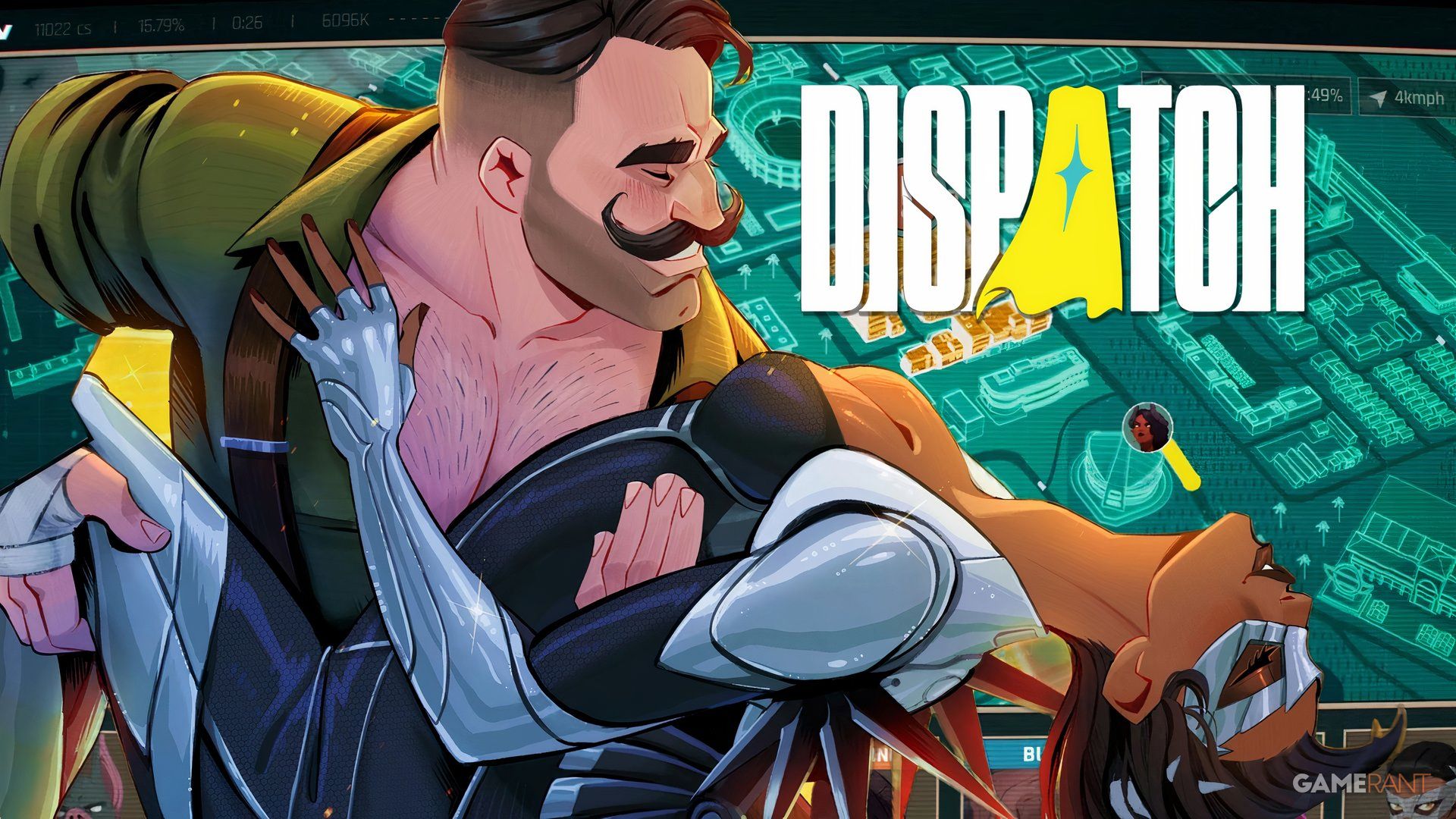
As a big fan, I’m used to the long wait between installments in my favorite series, especially with games that are constantly changing and improving. I get that making games takes a long time, and studios usually try not to promise a release date until they’re really sure. Logically, I know this. But honestly, even the most patient fans like me start to get a little frustrated when we don’t hear anything for a while. Silence can really change things, even for those of us who are willing to wait!
The wait for Season 2 of Dispatch is especially annoying. It’s not simply the lack of updates, but the fact that the show is perfectly suited to keep fans engaged even between seasons. With a stellar cast, a compelling take on superheroes, and a focus on character development, Dispatch already has everything needed for continued interest. AdHoc Studios proved this by successfully providing extra content between episodes of Season 1. Instead of relying on trailers or promises, they should repeat that successful strategy. The best approach isn’t more teasers, but expanding the story through comics—something Dispatch has already shown can work wonderfully.
Dispatch’s Digital Comics Were More Than Bonus Content
The digital comics included with the deluxe edition weren’t just bonus items; they were an integral part of the story, building on the unique way Dispatch tells its tale with over 45 pages of content.
- Issue #1: Splash & The Last Bender
- Issue #2: Pas De Deux
- Issue #3: Get Up
- Issue #4: The Death of Mecha Man
The comic’s format offered a clue to its approach. The first two parts were shorter stories, while the final two were longer and more developed. Though the comics had contrasting moods, they still captured the serious and emotionally impactful tone of the game, blending humor with moments of great loss.
The comics served as a way to explore how much extra story could be added without interfering with the main series. Crucially, they knew their purpose wasn’t to advance the central plot or cover for missing content, but to deepen the emotional connections for fans.
Character Work That Actually Changes How the Game Reads
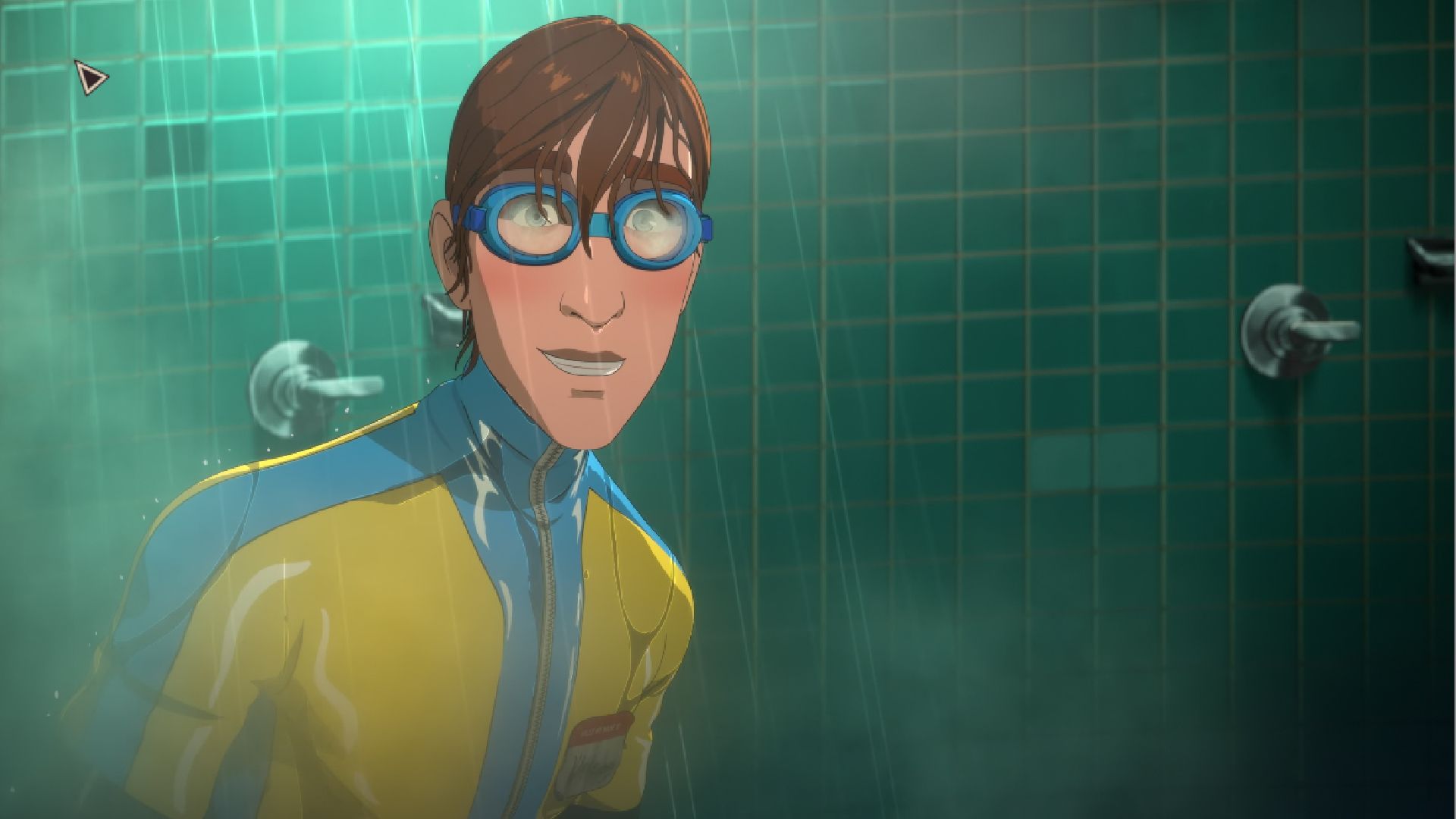
What really made the comics stand out was how much they focused on developing interesting characters, instead of just relying on big action scenes. A great illustration of this is the story of Waterboy in the first issue.
A significant portion of the comic focuses on a simple, relatable bad day for the character – a series of minor annoyances caused by his ability to control water. This leads directly into the scene where he’s first introduced in Episode 2 of Dispatch. It’s not an action-packed story; it’s charming and features heartwarming moments with kittens and his grandmother. However, it’s incredibly important because it establishes him as someone a little unlucky, but consistently kind and hopeful – a true underdog. By the time the main story begins, this background makes his positive attitude feel genuine and well-deserved, influencing how viewers see him. This kind of character development is what keeps fans engaged even when there are long breaks between episodes.
The Death of Mecha Man Shows What This Format Can Do at Its Best
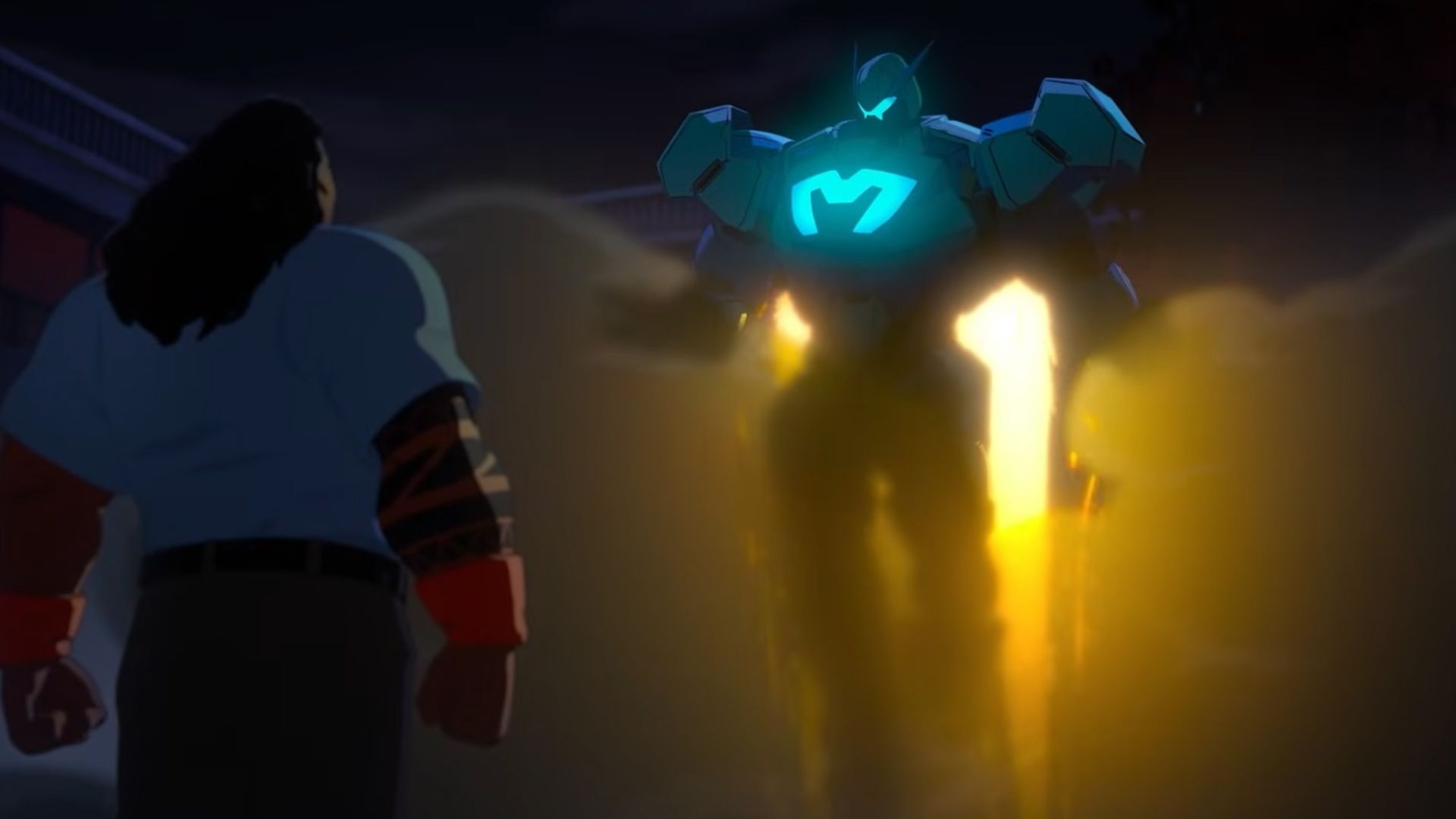
Issue #4 of the AdHoc comic, ‘The Death of Mecha Man,’ perfectly demonstrates why this format still works. It expands on Robert’s father in a way the game only hints at. While most see Mecha Man as a hero, the comic reveals his harsh treatment of the villain Shroud. This is important because it adds complexity to both characters – it doesn’t make them simple, but clarifies their motivations and gives Robert’s inner struggles more depth when looking back at the game.
These comics offer a new way to experience the challenges in Dispatch. They make important moments more impactful, relationships feel more real, and revisiting past events more rewarding. This is exactly what great transmedia storytelling should achieve, and Dispatch has proven it can deliver.
There’s Still So Much of Dispatch’s World and Characters That We Haven’t Seen Yet
Even with the comics that exist, Dispatch feels intentionally incomplete in the best way.
- Blonde Blazer’s origin story, which feels foundational but conspicuously absent
- Pre-Dispatch dynamics between other Z-Team members
- Early failures that shaped the group’s culture, including how they scared other dispatchers away
- Relationships that existed before the game’s central conflict
Players are already wondering about these things, and they’d work really well as quick, self-contained stories – even if a second season of Dispatch does eventually explore them. They don’t need a whole season to feel complete.
If Season 2 Is Coming, This Is How You Keep People Ready
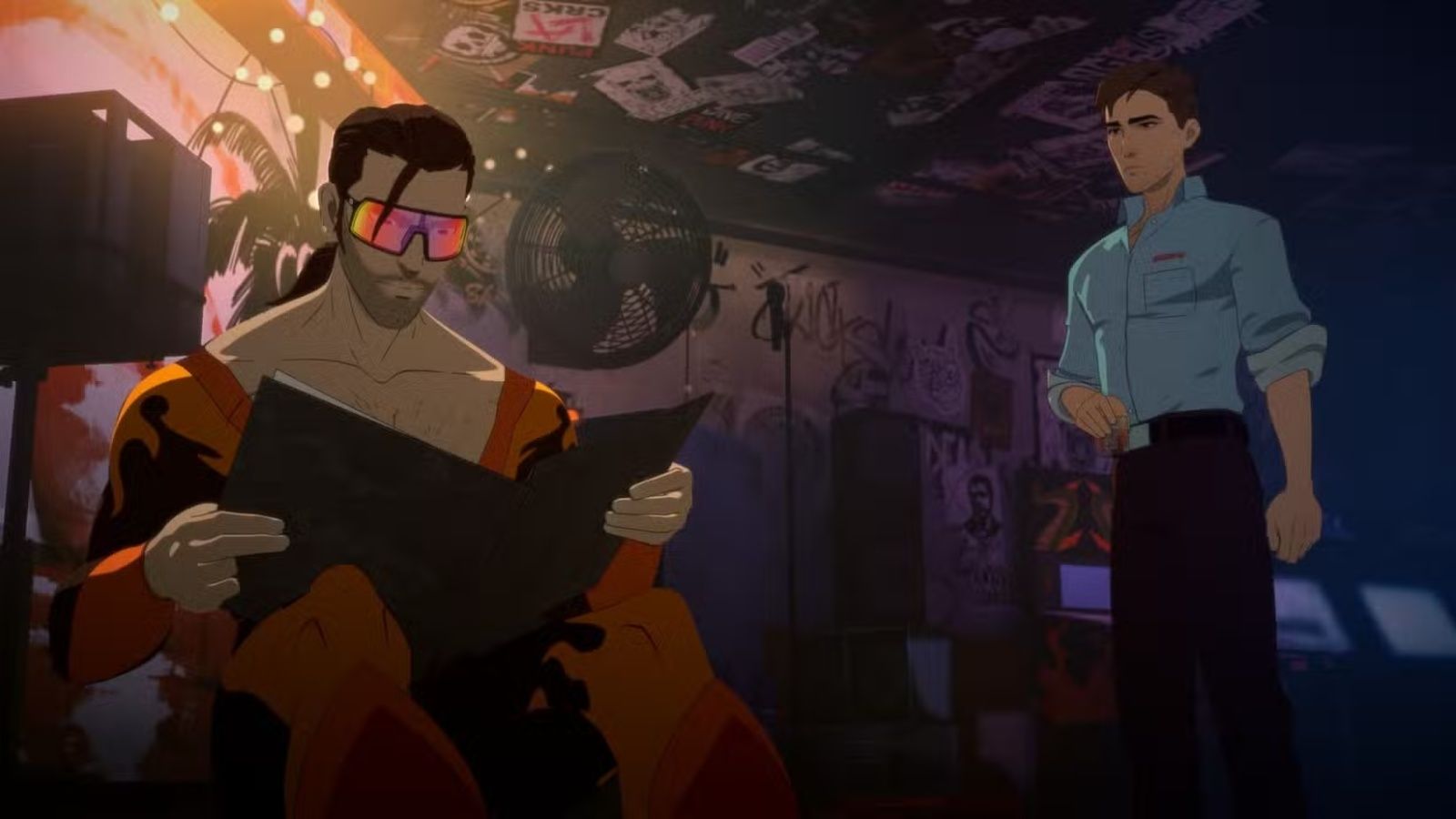 Image via AdHoc Studio
 The game Dispatch initially stood out due to its originality and connection to the popular show Critical Role and its studio, AdHoc. It continued to attract players with its compelling story, memorable characters, and engaging gameplay. With news of the franchise potentially pausing, there’s a way to keep fans invested – not to create unrealistic expectations, but to offer one last taste of what made them love the game in the first place.
If Dispatch Season 2 is released, it would feel like a seamless continuation of the story, not a fresh start.
Read More
- Forza Horizon 6: Find the Ohtani Treasure Chest Location
- LEGO Batman Legacy of the Dark Knight Batcave Minikits & WayneTech Caches
- NTE Drift Guide (& Best Car Mods for Drifting)
- Skyblivion Gets Encouraging Development Update
- Sega’s “Super Game” is Said to Release Next Month, But Nothing is Known About It
- How to Open Locked Door in Tenryu River in Nioh 3 (Dirty Key)
- New Steam Game is Like Pokemon If It Were a Sci-fi Shooter
- Dead as Disco Best Songs (Clear Beats & Stable BPMs)
- GameRant Daily Crossword (February 10, 2026)
- God of War Shadow Drops New Game and Confirms Greek Trilogy Remake
2026-01-18 16:04