 Battle shōnen has dominated the industry for decades, creating a culture of expectations regarding power systems, powering up fights, and characters who need to grow endlessly. Although some of these series are, by all means, entertaining, the formula has grown very repetitive. Tournament structures, training arcs, rivalries that are repeated across the generations, and villains that exist just to be overcome have begun to meld together. Despite the animation becoming more impressive and the stakes getting higher, the emotional beats sometimes fall in the same predictable ways.
Anime isn’t limited to one kind of story. Over the past few decades, many shows have proven that problems can be solved in ways other than fighting. Some explore complex themes like identity, memory, and loss, while others focus on conversations, quiet moments, or moral dilemmas. These series show that compelling stories don’t need huge battles—just strong writing, thoughtful direction, and relatable characters. They offer a refreshing alternative for viewers who are looking for something different from the usual action-packed anime.
Odd Taxi
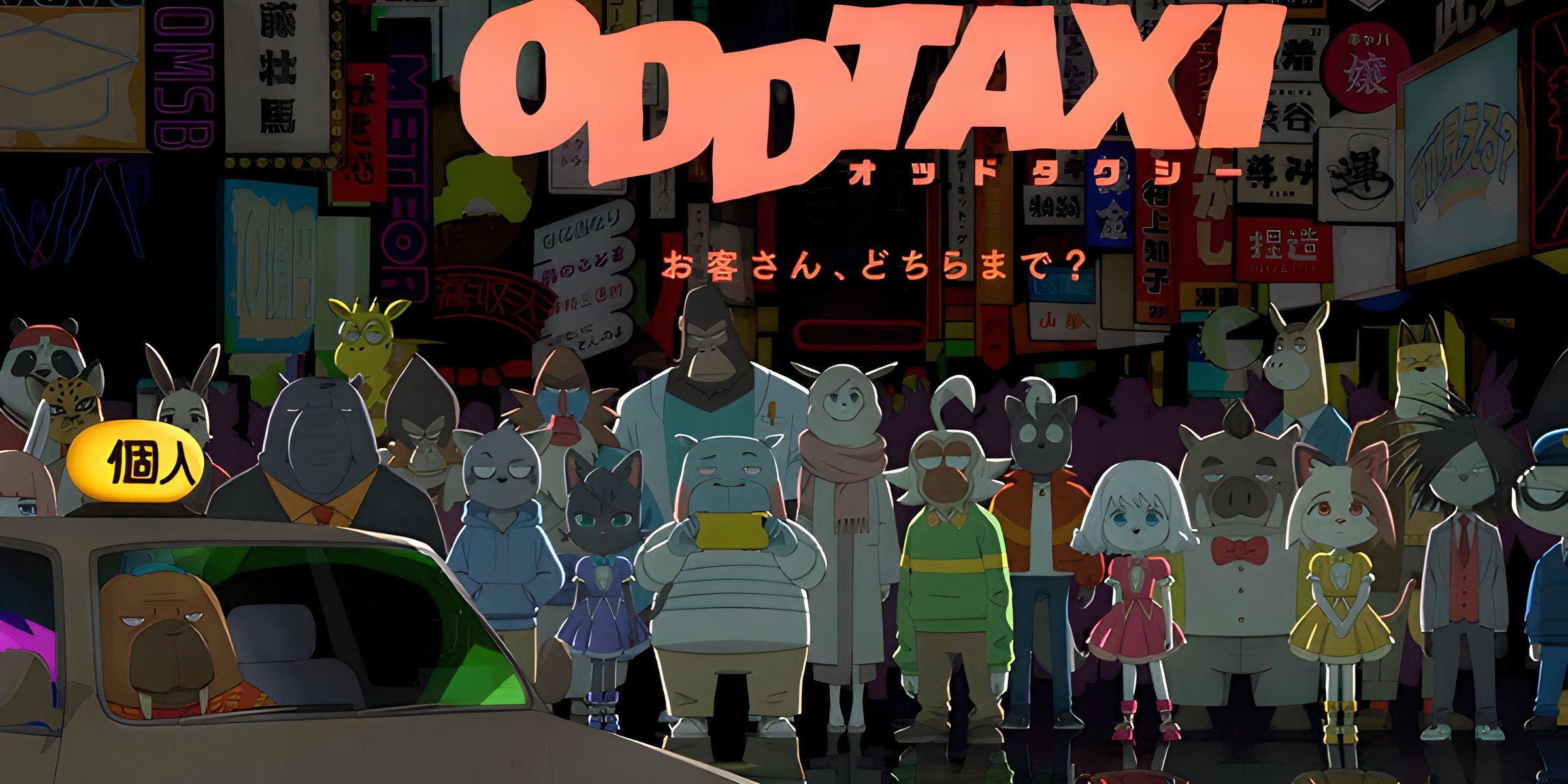
At first glance, Odd Taxi appears to be a charming anime about animals living everyday life in a quiet city. However, it quickly reveals itself as one of the most cleverly written mystery dramas in recent anime history. The story centers on Odokawa, a reserved taxi driver whose seemingly mundane conversations gradually connect to disappearances, potential murders, and long-held secrets. Every line of dialogue is meaningful, and each character plays a crucial role in unfolding the narrative.
What makes Odd Taxi unique is its subtlety. It avoids big, dramatic speeches or over-the-top conflicts, building tension through hints, chance encounters, and what isn’t said. The show trusts its audience to pay attention, and that trust pays off as past events are revealed in a new light. Rather than relying on action, Odd Taxi proves that suspense can be far more powerful when created through clever writing and believable characters.
Serial Experiments Lain
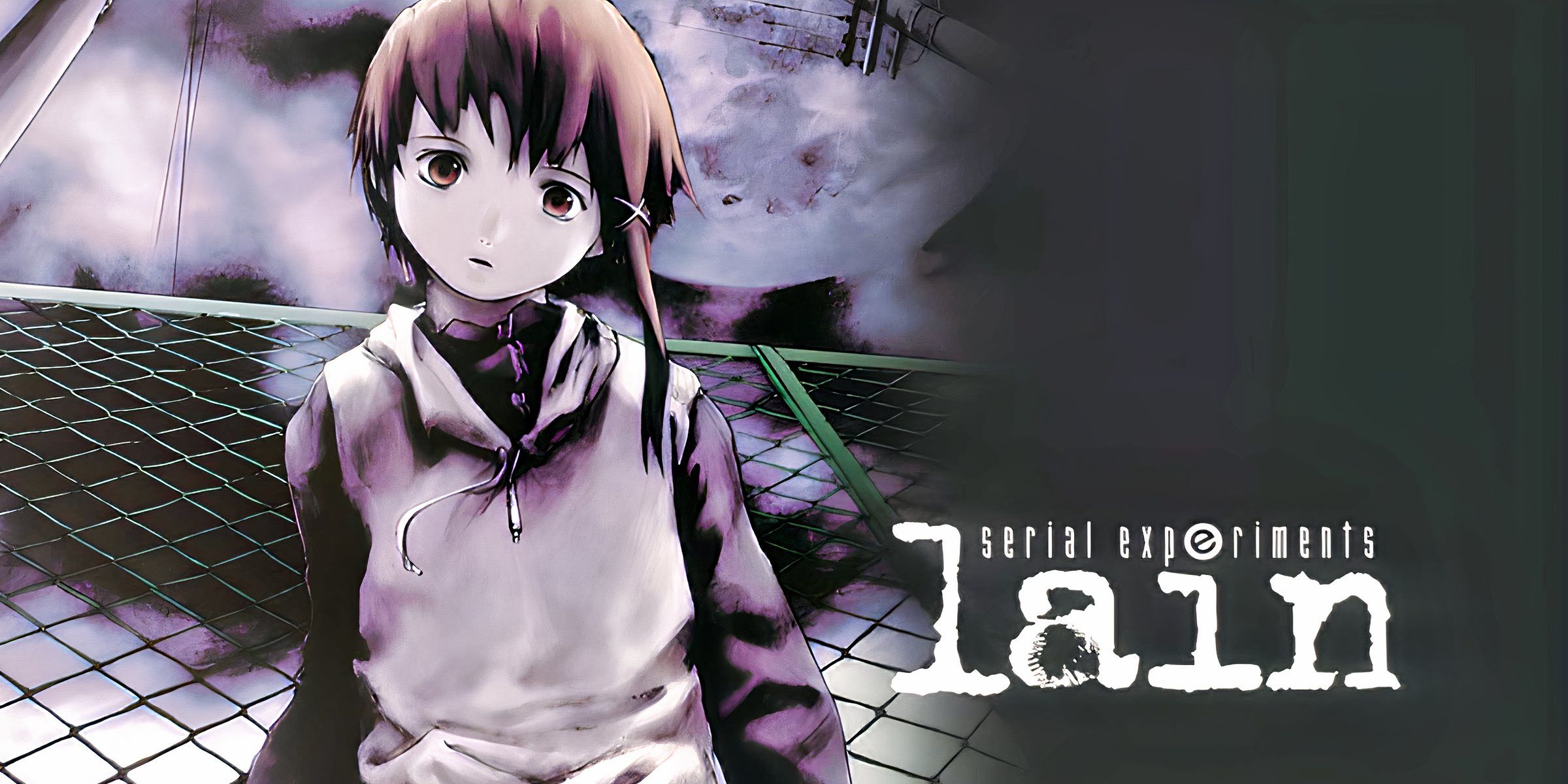
Watching Serial Experiments Lain isn’t like watching a typical anime – it’s more like stepping into something else entirely. It intentionally leaves you feeling disoriented, and that’s part of the point. The story centers around Lain Iwakura, a quiet schoolgirl who gets pulled into the Wired, a huge digital network that starts to blur the lines between what’s real, who people are, and even what consciousness means. Instead of a straightforward story, it’s told in a fragmented way, which actually mirrors the show’s confusing and thought-provoking themes.
What sets ‘Serial Experiments Lain’ apart is its foresight. Long before social media and online disconnection became widespread concerns, the anime explored how technology alters human relationships. Unlike typical stories, it doesn’t have villains to defeat or goals to achieve; instead, it focuses on thought-provoking questions it deliberately leaves unanswered. It’s an anime designed to challenge viewers, making them feel uneasy and prompting self-reflection rather than offering easy comfort.
Mashle: Magic and Muscles
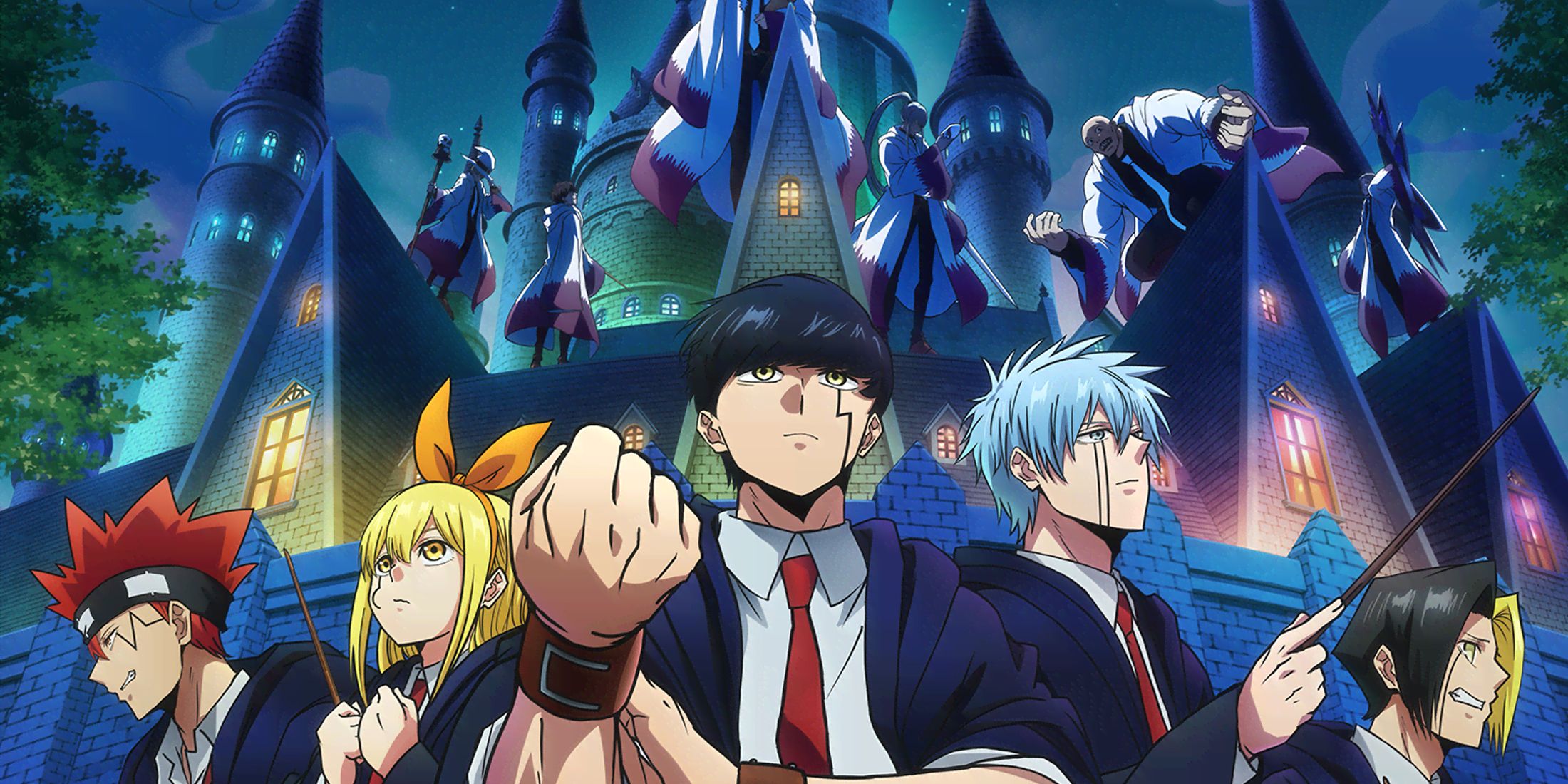
Initially, Mashle appears to be a playful take on typical shōnen tropes. However, it stands out due to its commitment to over-the-top silliness. Set in a world where magic defines social standing, the story follows Mash Burnedead, a boy born without any magical ability. He overcomes this by relying entirely on incredible physical strength. Instead of focusing on powerful transformations or dramatic revelations, conflicts are resolved through ridiculously strong displays of force.
Unlike many action-packed anime, Mashle uses comedy to stand out. It playfully pokes fun at common anime tropes like powerful elites, destined heroes, and rigid social structures, offering lighthearted humor through clever timing and visuals. Instead of criticizing these conventions, the show highlights how silly they are when you consider them directly, making it a uniquely funny take on the genre.
Psycho-Pass
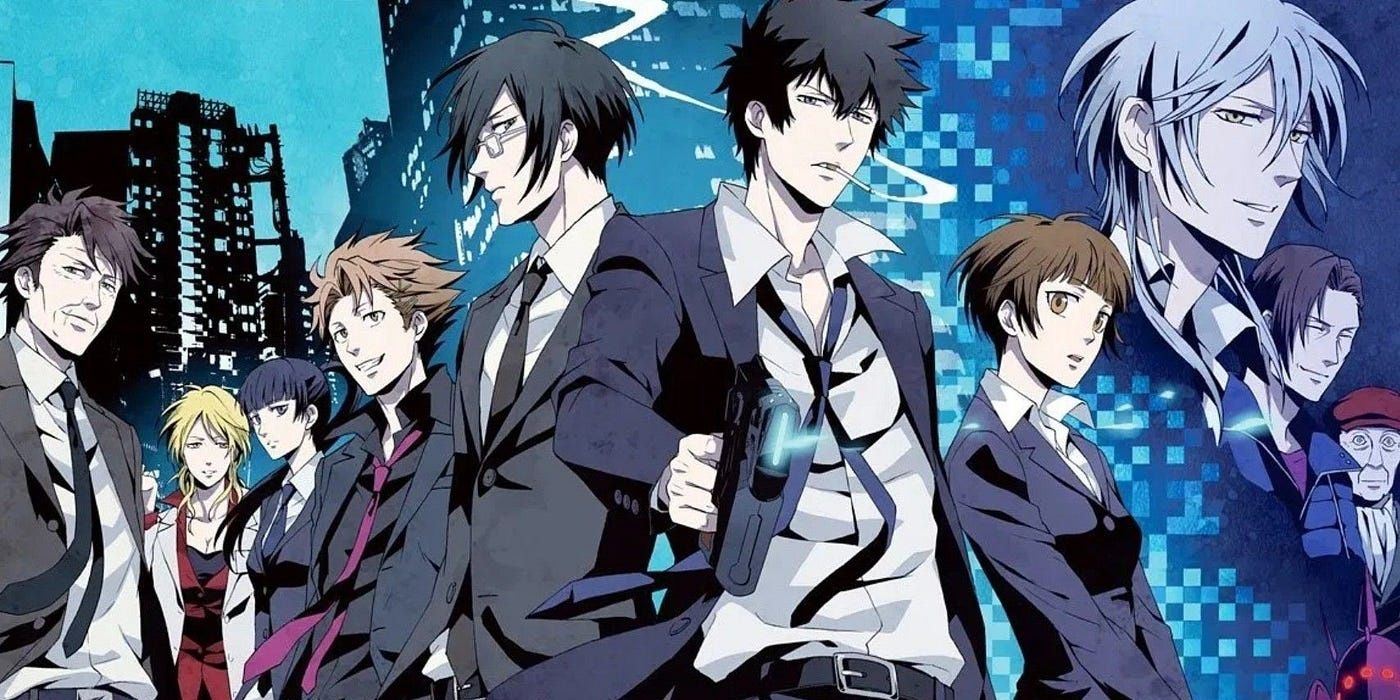
Psycho-Pass explores conflict not through physical fighting, but through philosophical debate. The series shows that while constant surveillance by an AI system designed to maintain social order might be costly, it raises the question of whether that cost is worth sacrificing free will. Instead of fighting to win, the Inspectors and Enforcers simply enforce a system that is likely imperfect.
Psycho-Pass stands out because it doesn’t offer easy moral answers; whether the system it portrays is good or bad is up to the viewer. The characters constantly struggle between what they feel is right as individuals and what’s best for society, and there are no simple solutions. While the show has action, its main focus is the complex ideas it explores. It’s notable for raising difficult questions about justice, power, and what it means to be human, rather than offering comforting, heroic outcomes.
Frieren: Beyond Journey’s End
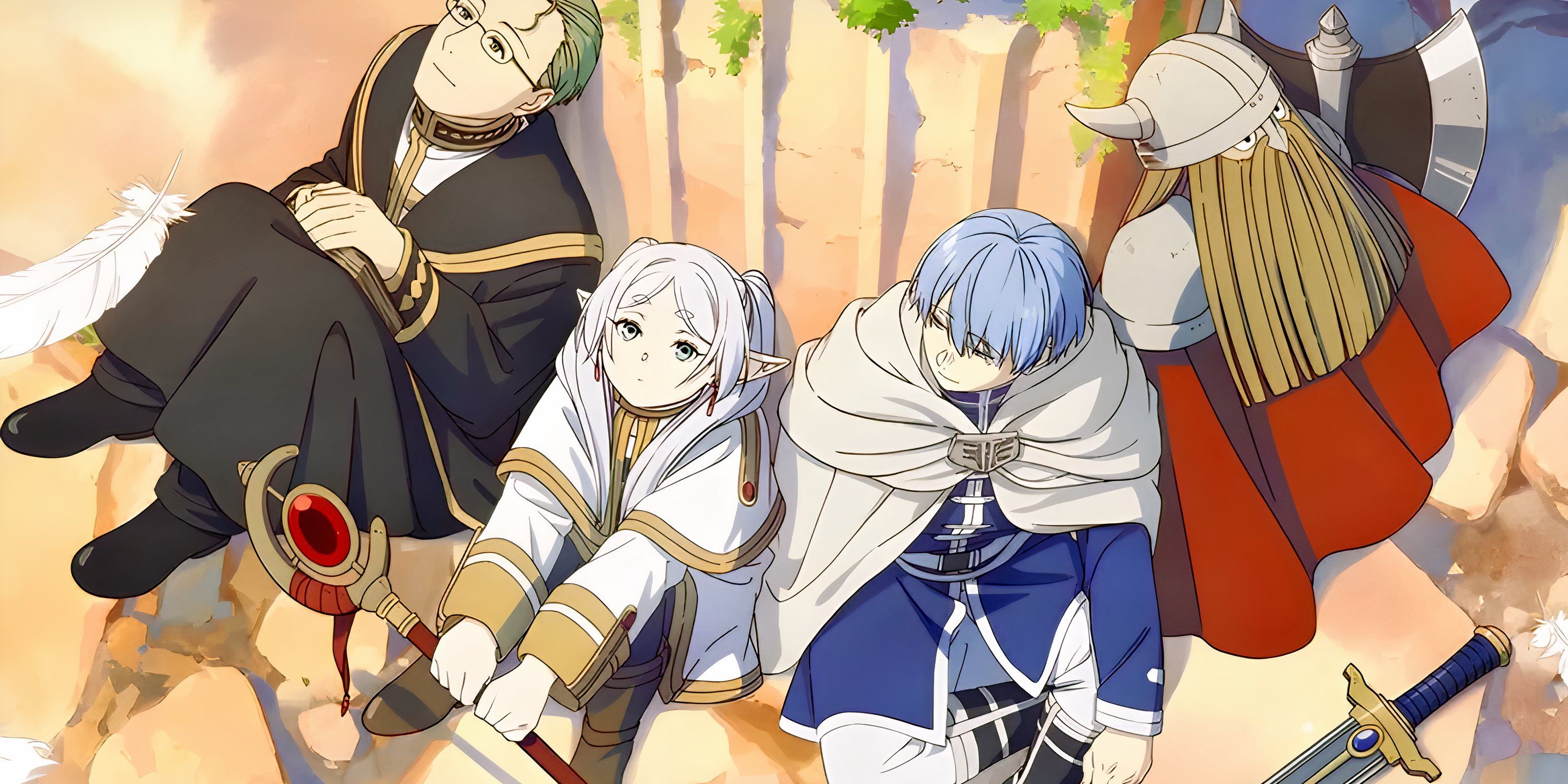
Unlike most stories that begin at the peak of a hero’s journey, Frieren starts after the adventure is over. It follows an ancient elf mage as she deals with the fact that her once-powerful companions are aging and passing away. The story isn’t about winning a fight, but about the feelings and memories that linger afterward.
This series unfolds slowly, building emotional impact through subtle actions and quiet moments rather than dramatic pronouncements. It focuses on everyday details – shared meals, short conversations, and hidden disappointments. While there is conflict, it doesn’t overshadow the emotional core of the story. The series offers a fresh take on fantasy by exploring what remains after heroes have had their moment, and it’s this exploration – this reflection – that truly drives the narrative.
Death Parade
-opening.jpg)
The anime Death Parade presents a chilling concept: after death, souls are met by arbiters who use games to uncover their true selves and hidden darkness. These games aren’t about winning or losing, but about revealing a person’s regrets, kindness, and inner fears within a strange bar setting. Each match ultimately becomes a deep look into the player’s psychology, rather than a simple game.
What makes this show stand out is its lack of clear-cut good and evil. Instead of heroes and villains, we see flawed characters shaped by their experiences. Death Parade is a unique anime because it focuses on emotions and the human condition – what it means to live, feel, and ultimately face death with either satisfaction or regret. It powerfully illustrates that the judgment of one’s life can be far more terrifying than any physical harm.
Erased

I found Erased to be a really compelling show. It blends the fascinating idea of time travel with a surprisingly emotional and realistic story. It’s about a man who can go back in time to prevent terrible accidents, but the focus isn’t on flashy effects. What really struck me was the feeling of helplessness – watching an adult mind trapped in a child’s body, unable to act freely and constantly facing the limitations that come with being young and powerless. It’s a suspenseful show, but in a very different way than most; it really gets under your skin.
The story’s conflict isn’t about fighting bad guys; it’s about trying to alter a predetermined fate. The main character knows the past and present, and now has a chance to create a different future. The series explores the lasting effects of trauma, abandonment, and abuse, focusing on emotional impact rather than action. Success isn’t measured by defeating enemies, but by preventing loss and saving lives.
91 Days
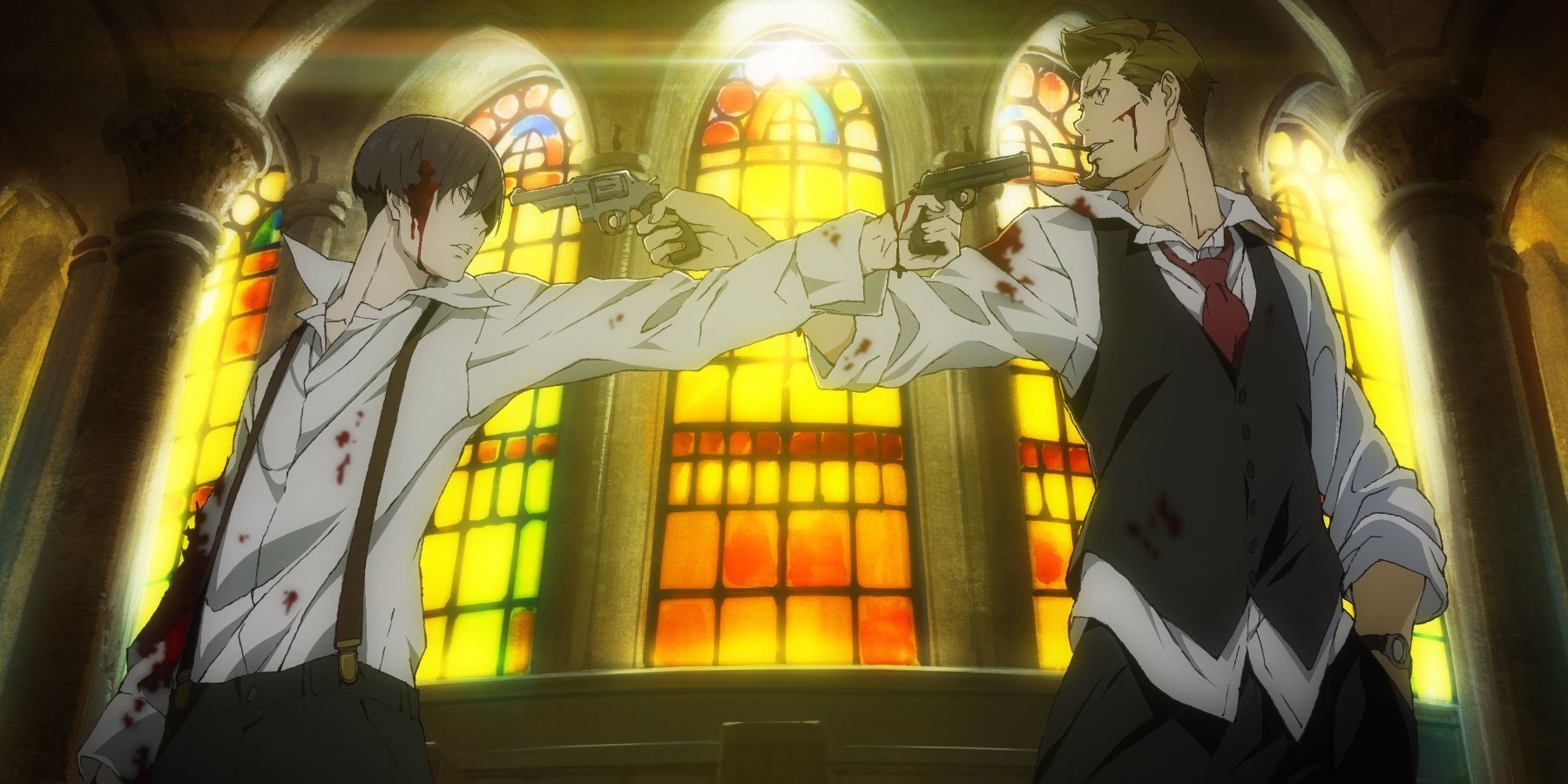
Set during the Prohibition era, 91 Days is a gritty revenge story with no room for love or laughs. The series follows Angelo Lagusa, a man driven by a desire to avenge the mafia family that destroyed his youth. It’s a realistic tale of guns, deceit, and the consequences that follow, without any fantastical elements or heroic transformations.
What sets this series apart is its realistic portrayal of revenge and its main character. Angelo understands his path leads to destruction, with no chance of redemption, but he sees it as his only route to inner peace. As he continues his quest, his options become increasingly limited, and each act of revenge ultimately harms himself. The series avoids glorifying violence, instead presenting it as hollow and focusing on the tragic consequences of human flaws and consuming obsessions. It’s less about the fight itself, and more about the underlying sadness and desperation.
Made in Abyss
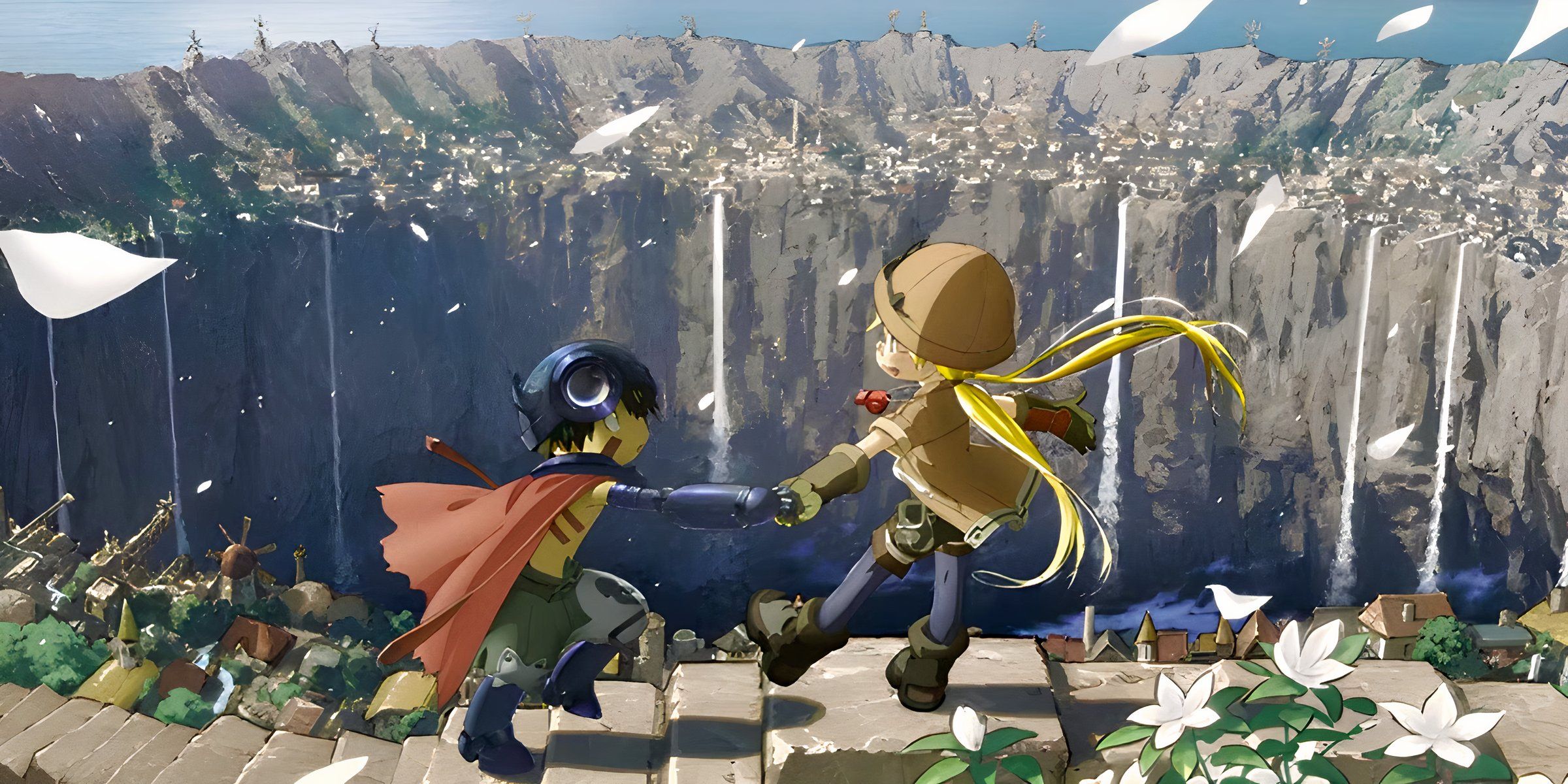
Despite its charming characters and beautiful visuals, Made in Abyss depicts a remarkably harsh and unforgiving world. The story follows children exploring a massive, mysterious pit filled with ancient artifacts, dangerous creatures, and strange, lasting consequences. Descending further into the Abyss demands increasingly terrible sacrifices.
What sets Made in Abyss apart from many other action-adventure anime is its willingness to let characters face real consequences. Unlike stories where strength always saves the day, this show emphasizes that curiosity can be dangerous and lead to lasting harm. It explores the price of exploration and obsession, creating a sense of dread instead of relying on typical villains.
Steins;Gate
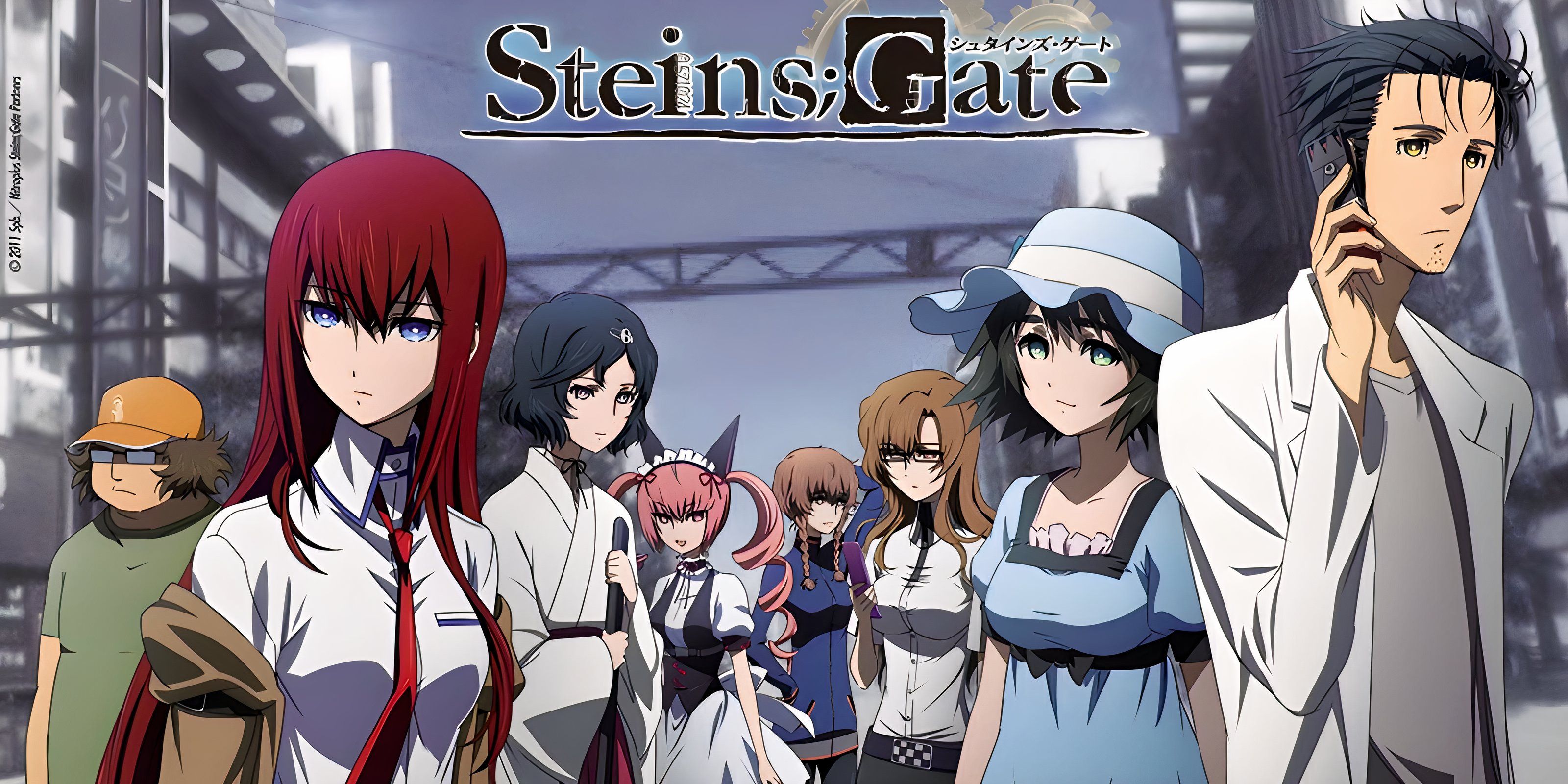
I started watching Steins;Gate expecting a fun, light sci-fi comedy, and it definitely began that way. But it gradually shifted into something much more powerful – a really moving story about regret, the pain of failure, and the consequences of your actions. Instead of action and fighting, the show builds tension by focusing on the crushing weight of things going wrong.
From the start, viewers become deeply invested in the characters of Steins;Gate, making the difficult events that follow truly heartbreaking. The series doesn’t use time travel for personal gain; instead, it portrays time loops as mental and emotional burdens. Steins;Gate is a science fiction story that focuses on emotional resilience, proving that a clever, well-told narrative can be just as captivating as any action-packed fight.
Read More
- Forza Horizon 6: Find the Ohtani Treasure Chest Location
- LEGO Batman Legacy of the Dark Knight Batcave Minikits & WayneTech Caches
- Diablo 4 Best Loot Filter Codes
- NTE Drift Guide (& Best Car Mods for Drifting)
- USD RUB PREDICTION
- USD CNY PREDICTION
- Cookie Run Kingdom Timeline of Fate Update Guide
- Top 10 Must-Watch Isekai Anime on Crunchyroll Revealed!
- PS Plus Monthly Games for June 2026 Wish List
- Batman Telltale Episode 5 – All Choices
2026-01-21 18:40