Games don’t last forever, and it’s becoming increasingly common for promising titles to become unplayable within just a few years. This is especially true for online, open-world games like MMOs, which players expect to enjoy for a long time. Usually, the reason a game shuts down is simply a lack of funds – the game isn’t making enough money to justify continuing its operation. Even popular, well-made games can fail if they don’t generate enough revenue, falling victim to the challenges of the ‘live-service’ model that has sadly led to the end of many beloved titles.
It’s frustrating when online games shut down, and while some dedicated fans have managed to revive a few, like with The Crew Unlimited, most end up abandoned. It feels especially unfair when players who paid for a game can no longer access it. This is just the reality of online games that require constant server maintenance, which can become expensive. Even great games can fail if they don’t have ongoing support, sometimes just a few months after release.
5. Anthem
Abandoned Before It Could Truly Fly
Details:
- Fluid movement and engaging world
- Support cancellation and eventual sever takedown
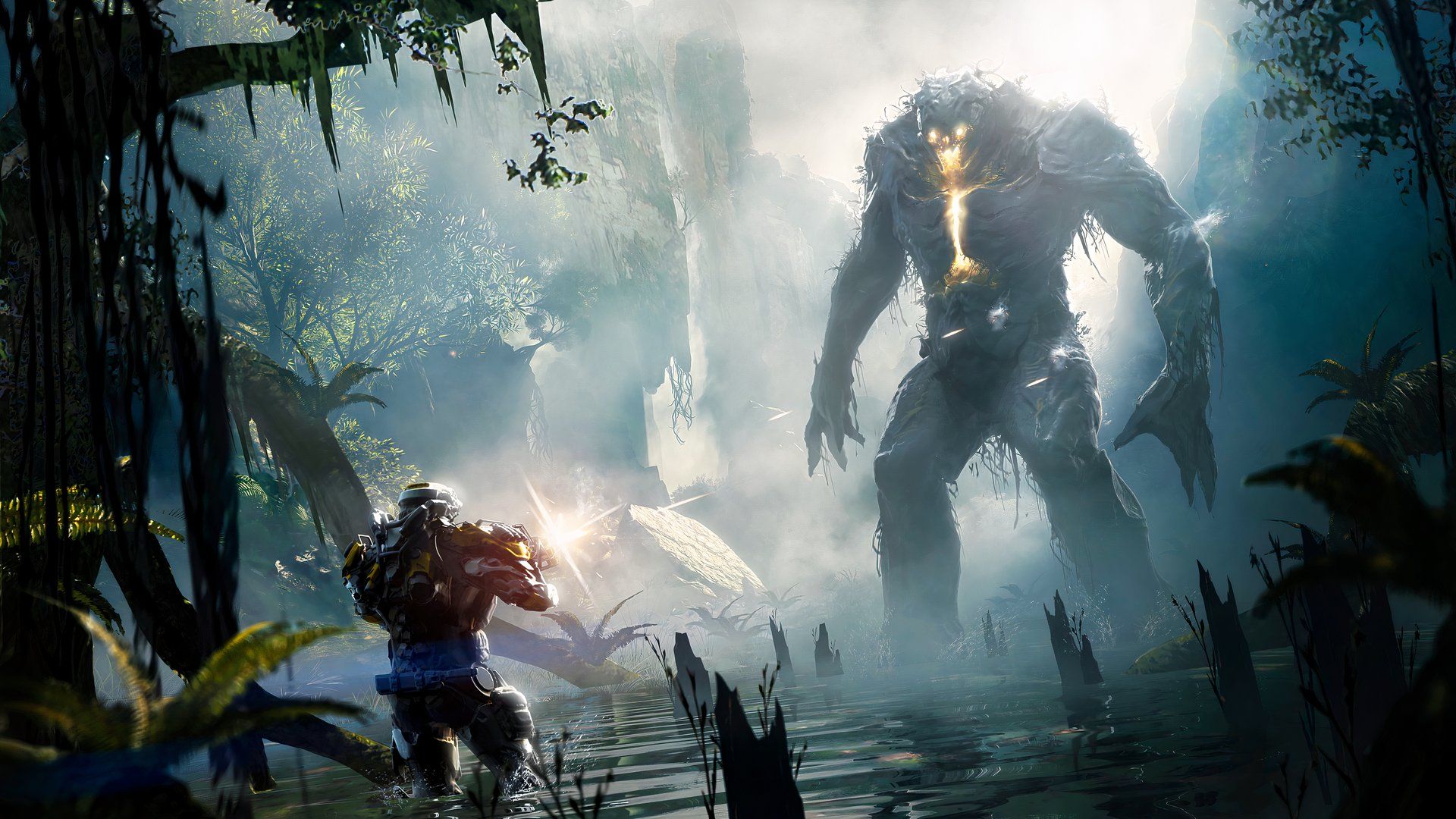
Anthem initially generated a lot of excitement with its shared open world, focusing on the ability to fly, team up with others in combat, and its unique sci-fi and fantasy environment. The game’s main appeal was the feeling of freedom you got from flying through dangerous weather in powerful suits and fighting huge monsters – something few open-world games delivered so well. Players were especially eager to explore the visually stunning world and simply enjoy the scenery, rather than getting bogged down in completing tasks and side missions.
Although the game had some good qualities, it suffered from repetitive content, technical problems, and a lack of clear future plans. BioWare initially planned a large update called Anthem NEXT to address these issues, but the project was canceled in early 2021, leaving the game’s fate unknown. While the servers stayed active for a while, support gradually decreased until it stopped altogether. Many players still hoped the game could become something special with more development, but that never happened. Now, it serves as a cautionary tale about the challenges of ongoing, live-service games.
4. WildStar
Style, Speed, But A Premature Goodbye
Details:
- Mechanical MMO with a lot of late-game depth
- No official offline or legacy versions
WildStar stood out from other online games with its unique, cartoonish style, quick and exciting battles, and colorful science fiction world. Players were encouraged to explore everywhere, discovering hidden secrets and participating in events beyond typical quests. The combat system was particularly engaging, requiring players to move and strategically attack, making each battle feel satisfying even after playing for a long time.
The game initially received positive reviews for its unique gameplay and charming style, but it couldn’t maintain a large enough player community to stay profitable. As online gaming evolved, its subscription-based system became outdated, and player numbers slowly declined. NCSoft ultimately closed the game down in November 2018. This was particularly disappointing to fans because the game had a very distinct personality – it successfully combined lighthearted humor with challenging gameplay, a combination that remains uncommon in the MMO genre.
3. Landmark/EverQuest Next
Promising A Future That Never Arrived
Details:
- Intended as a player content creation tool for EverQuest Next
- Unrealized potential and eventual shutdown
EverQuest Next was planned as a groundbreaking new MMO, aiming to create a living, changing world with intelligent AI and terrain players could completely alter. A game called Landmark was designed to go with it, letting players build and experiment in a block-based world – both as a creative outlet and to test features for EverQuest Next. Players had incredible freedom to shape the world when Landmark launched in early access, but as development became increasingly difficult and EverQuest Next was cancelled in 2016, it became clear that Landmark wouldn’t last much longer either.
The cancellation of EverQuest Next is especially disappointing because it showed so much promise – it wasn’t a bad game that failed, but a potentially groundbreaking one that never came to fruition. Players got a taste of innovative features that could have changed open-world games forever, but the project was abandoned before it could be finished. The shutdown of Landmark felt even worse, like a loss of creative effort. Players had invested countless hours building within the game, and all of that work was simply erased after a relatively short time.
2. Marvel Heroes
Bringing Comic Books To Life
Details:
- Insane potential down the line
- License loss made preservation impossible
Marvel Heroes was a huge online game where players teamed up to explore the Marvel universe. It let you play as a wide range of heroes and villains, including some never before seen in movies or TV shows. The game was constantly updated with new events and characters, and it had a lot of potential for future content with minimal effort. It really should have lasted for many more years.
Despite being popular and having a loyal following, Marvel Heroes was unexpectedly shut down in November 2017 due to problems with its licensing and issues with the game’s development team. The closure happened quickly, immediately preventing players from accessing the game and all its features, and removing a potentially great MMO from the gaming landscape. It was disappointing, because with so many stories and characters to draw from, the game had the potential for many years of continued updates and expansions, keeping its community engaged. Unfortunately, the servers were permanently turned off, and all that potential was lost.
1. Warhammer Online: Age of Reckoning
Cinematic Presentation Without Longevity
Details:
- Core systems dictated by player population
- Struggled to compete with genre giants
Warhammer Online: Age of Reckoning focused on large-scale, open-world player-versus-player combat, with a major emphasis on battles between different realms. The game’s zones were created to naturally guide players into huge, ongoing conflicts, making the game world feel like a dynamic battlefield shaped by player actions. Because the Warhammer universe already had a dedicated following, the game attracted both longtime fans and new players who were impressed by the exciting trailers. The game delivered on its promise of intense action and allowed players to fight for their chosen faction and progress through the game’s world.
Despite a passionate community and innovative ideas, the game ultimately couldn’t survive in the competitive world of online multiplayer games. As player numbers dropped, servers were combined, and support dwindled until Electronic Arts officially closed it down in December 2013. Being an online-only game meant it completely disappeared when the servers went offline, ending the conflicts and wars players had invested so much in. Though its launch and closure were disappointing, the game’s core features still influenced later titles, showing that even in failure, there can be a lasting positive impact.
Read More
- All Shadow Armor Locations in Crimson Desert
- Jujutsu Kaisen Season 3 Episode 12 Release Date
- Dark Marksman Armor Locations in Crimson Desert
- Keeping AI Agents on Track: A New Approach to Reliable Action
- How to Beat Antumbra’s Sword (Sanctum of Absolution) in Crimson Desert
- Top 5 Militaristic Civs in Civilization 7
- Sega Reveals Official Sonic Timeline: From Prehistoric to Modern Era
- How to Get the Sunset Reed Armor Set and Hollow Visage Sword in Crimson Desert
- Sakuga: The Hidden Art Driving Anime’s Stunning Visual Revolution!
- How To Beat Ator Archon of Antumbra In Crimson Desert
2026-01-24 20:11