Open-world games are known for their lengthy stories, with main quests often taking 30 hours or more to finish. But many of these games discourage players from speeding through the story. You might find yourself underpowered later on, or miss crucial details that are hidden in optional side quests and activities.
Some games let players rush through the story, and a few even push them to do so. However, other games actually punish players for speeding through. This is usually done to encourage exploration, rewarding players with upgrades and extra content for taking the time to see everything the game world has to offer. These games often include additional quests to make the experience even more engaging.
Elden Ring
Underleveled Before You Know It
- Damage and difficulty spikes at multiple points.
- Missable upgrade options early on.
Elden Ring is a prime example of a game that prioritizes exploration over simply completing the main story. It doesn’t guide you with obvious quest markers, and instead fills the world with interesting places to discover, each offering valuable rewards for any type of player.
If players rush through the main story and skip optional dungeons and quests, they’ll likely find later bosses incredibly difficult to defeat. Even early bosses can be tough if you’re not leveled up enough. However, the game is designed so well that exploring and doing side content doesn’t feel like a grind – it feels rewarding and showcases the game’s quality.
The Witcher 3: Wild Hunt
Walking Past The Most Interesting Stories
- Punished in the sense of missing out on great content.
- Powerful weapons sit just outside the main path.
In The Witcher 3: Wild Hunt, taking your time and exploring carefully is much more beneficial than rushing through the game. The game actively encourages detailed investigation and can penalize players who try to speed through. Often, the main story assumes you understand things like crafting potions and knowing the strengths and weaknesses of monsters – knowledge you typically gain by completing optional side quests and contracts.
If players skip the tutorial and early learning stages, battles become much harder and can feel unfair as the game progresses. More importantly, rushing through the story weakens the narrative, diminishing important quests that explain the world and its lore. This ultimately turns what could be a truly exceptional RPG into a fairly standard fantasy game.
Kingdom Come: Deliverance
Slow And Steady Wins The Race
- Skills are tied to longer-term practice.
- Forced progression never works.
Okay, so in Kingdom Come: Deliverance, you really can’t just jump into being a knight. The game makes you learn everything from scratch, and I mean everything. You have to practice skills over and over. Honestly, if you skip learning the basics and try to rush through the early quests as a total newbie, you’re gonna have a really tough time. It’s like, you actually need to live that peasant life at the beginning to get anywhere!
The story highlights the importance of learning and growth by showing the main character as someone who starts out unprepared and faces a huge challenge. It also demonstrates that rushing through things often leads to unnecessary setbacks, which could be avoided by taking the time to explore and learn more about the world.
Red Dead Redemption 2
Wider Context Matters The Most
- Characters become richer when contrasted against the rest of the world.
- Large story arcs come together only after fully exploring.
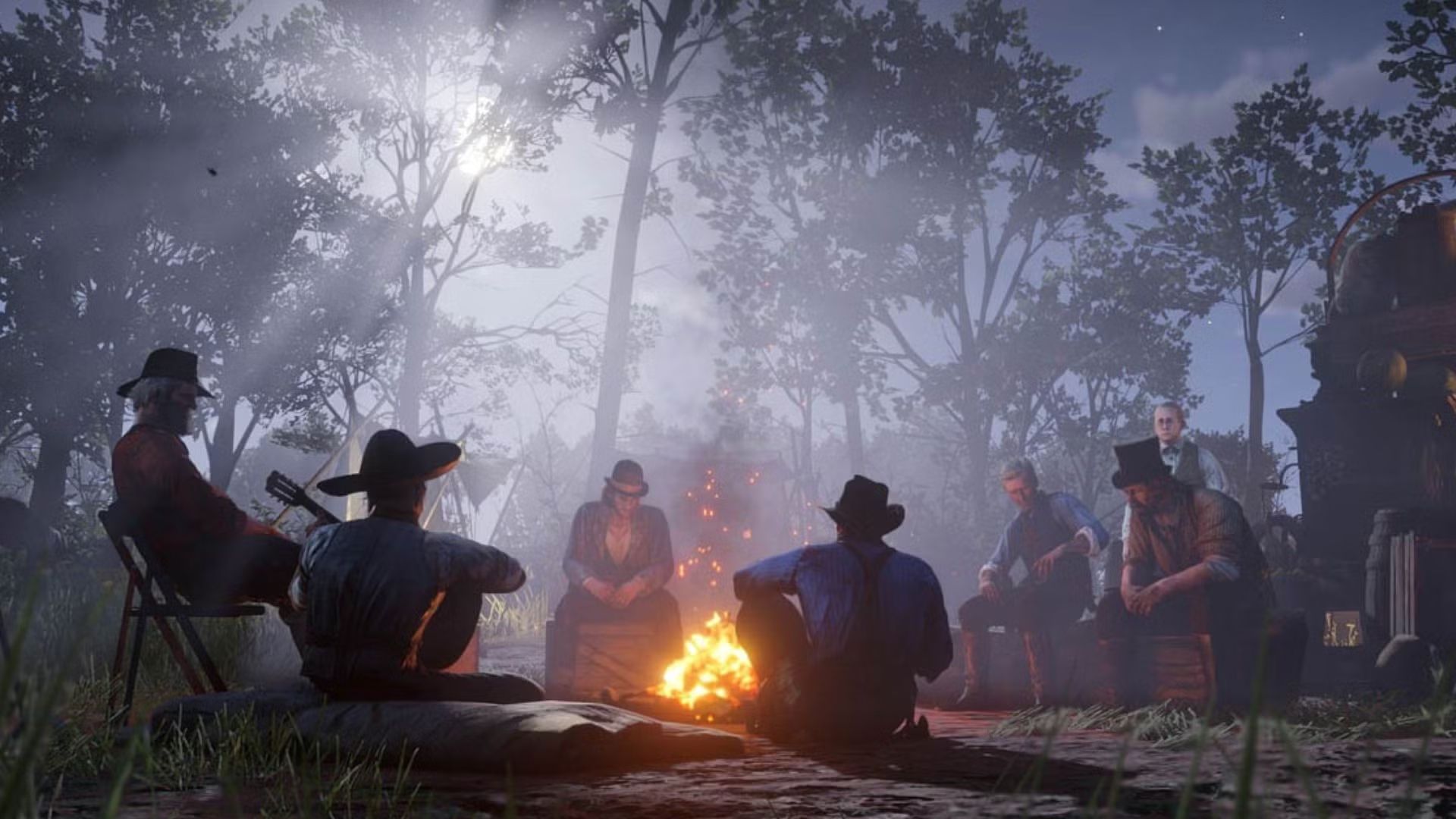
Red Dead Redemption 2 prioritizes a realistic and immersive experience over a fast-paced story. A big part of what makes the game enjoyable is getting to know the characters well. The story’s emotional impact relies heavily on spending time in the camp, having side conversations, and completing optional missions. If you skip these moments, the characters’ development and your connection to them won’t feel as strong.
The game rewards players for exploring every corner of the map, but the biggest payoff is learning more about the world’s characters and their motivations. This adds depth and meaning to an already compelling story.
Fallout: New Vegas
More Paths Than You Could Ever Need
- Faction dynamics change when followed closely.
- Huge benefit to taking side quests, both thematically and gameplay-wise
Fallout: New Vegas rewards players who take their time. The most compelling storylines and choices within the game are unlocked by completing side quests. If you explore thoroughly and help the various characters you meet, you’ll find a much richer and more satisfying experience.
These optional quests aren’t just helpful for understanding the story – they can actually change how powerful you become and even affect which groups will support you at key times. If you rush through the main story without doing them, though, the game can feel a bit empty, and even interesting quests might just become simple chores.
Cyberpunk 2077
Power Isn’t A Guarantee
- Builds rely heavily on optional content.
- Challenging fights are made trivial with more exploration.
While Cyberpunk 2077 lets you rush through the main story, doing so will make the game harder. Building a strong character relies on getting cyberware, perks, and items from side missions and gigs. If you skip these optional tasks, your character will be weak and have limited abilities in combat.
Honestly, the story missions felt like they just kept ramping up the difficulty without ever telling me why I was suddenly expected to be so much stronger. It was weird! But you know what? The game actually encourages you to go off and do side stuff, and I found that those little jobs ended up feeling just as important as the main story when it came down to it. It made everything feel worthwhile in the long run.
Borderlands 4
Levels With Seemingly No End
- Global level scaling means even early enemies get stronger by the end-game.
- Optimized weapons and builds are far more effective.
Even though players can immediately jump to the final stages of Borderlands 4, the game remains challenging throughout. Enemies adjust to the player’s level everywhere on the map, meaning you’ll face tough opponents even in areas designed for the beginning of the game, even after completing the main story.
Success in this game relies heavily on customizing your gear. It’s better to experiment with different combinations than to search for a single, overwhelmingly powerful weapon. Ignoring optional side quests will leave you with a haphazard collection of weapons that might not be strong enough for the tougher challenges later on, forcing you to grind for better equipment before you can progress.
Dragon’s Dogma
Knowledge Is Survival
- Tactical understanding is gained through repetition.
- Vital mechanics are taught through exploration.
Dragon’s Dogma encourages players to discover how its world works through exploration, rather than simply telling them everything upfront. You’ll learn about things like how enemies act and what their weaknesses are by playing the game, not through tutorials.
Trying to quickly push through without learning how things work usually leads to failure and wasted effort, ultimately hindering your progress. It’s much more effective to take the time to learn and experiment, building up your understanding so you’re better equipped to handle the challenges the game throws at you, rather than just trying to power through the main story.
Assassin’s Creed Odyssey
The Grind Is The Gameplay
- Level gating is tied to exploration.
- Side content opens up gear upgrades.
In Assassin’s Creed Odyssey, you advance by exploring different regions and finishing what they have to offer. The main story expects you to have done a lot of side quests and fought many mercenaries, but if you skip those things, you’ll hit frustratingly difficult parts that can stop you from continuing the game.
Improving your gear and abilities requires exploring beyond the main story. To fully unlock skills, players need to complete side quests and activities. This encourages players to experience more of the game world, rather than just rushing through the plot, and helps them stay engaged and avoid getting stuck.
Days Gone
Failure To Prepare Is Preparing To Fail
- Progression is centered around more than just the main story.
- Hordes become increasingly challenging later on.
Days Gone often slows down the main story to encourage exploration. Important improvements for your motorcycle and essential supplies aren’t found directly on the critical path, forcing players to take detours and revisit areas just to progress.
The game subtly guides players toward a balance of strength and understanding, and failing to achieve this can lead to swift defeat by unforeseen dangers. Similar to a real zombie outbreak, reckless actions have serious consequences, turning even small explorations into potentially rewarding ventures later on.
Read More
- All Shadow Armor Locations in Crimson Desert
- Jujutsu Kaisen Season 3 Episode 12 Release Date
- Dark Marksman Armor Locations in Crimson Desert
- How to Get the Sunset Reed Armor Set and Hollow Visage Sword in Crimson Desert
- Best Bows in Crimson Desert
- Wings of Iron Walkthrough in Crimson Desert
- How To Beat Ator Archon of Antumbra In Crimson Desert
- Keeping AI Agents on Track: A New Approach to Reliable Action
- All Golden Greed Armor Locations in Crimson Desert
- Top 5 Militaristic Civs in Civilization 7
2026-01-25 08:38