The SpongeBob episode ‘That Sinking Feeling’ from 2010 unintentionally started a popular meme of Squidward looking sadly out the window while SpongeBob and Patrick goof around. Now, sixteen years later, working on this project with Ubisoft feels exactly like that meme – a bit frustrating to watch others have fun while I’m stuck observing.
A French developer has gained popularity by improving several older games to run smoothly at 60 frames per second on today’s consoles. They updated a variety of titles including games from the Assassin’s Creed, Far Cry, Watch Dogs, and The Division series, and also significantly improved Rainbow Six: Siege.
I’m glad fans of those other games are excited, but it’s surprising to see Ghost Recon overlooked. The fact that Ubisoft seems to be ignoring one of its long-running series is a sign of the company’s current struggles.
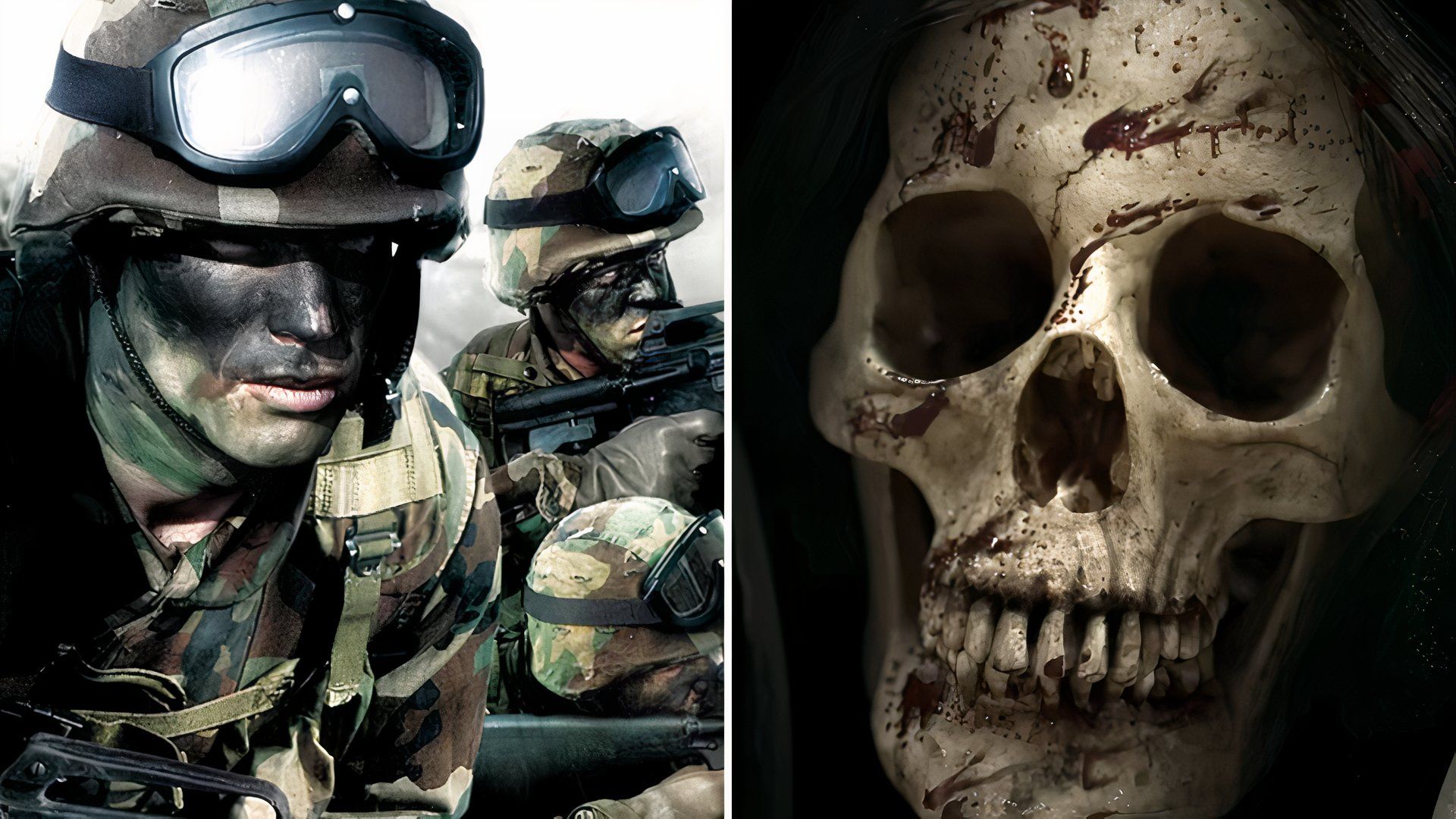
Ghost Recon Was Ubisoft’s Experimental Outlet
Although not directly adapted from a Tom Clancy book, Ghost Recon captures the spirit of his novels better than any other game. It features intense military operations set against a backdrop of complex global politics and incredibly high stakes, where the future of countries rests on the actions of a small team of elite soldiers.
What makes Ghost Recon different from other big Ubisoft games is the willingness to completely change it with each installment. The original game, released in 2001, was a deliberately paced, realistic tactical shooter that felt incredibly immersive for its time.
Advanced Warfighter, released a few years later, took a different approach by envisioning a futuristic battlefield. Then, in 2012, Future Soldier changed to a third-person view and emphasized using cover for protection.
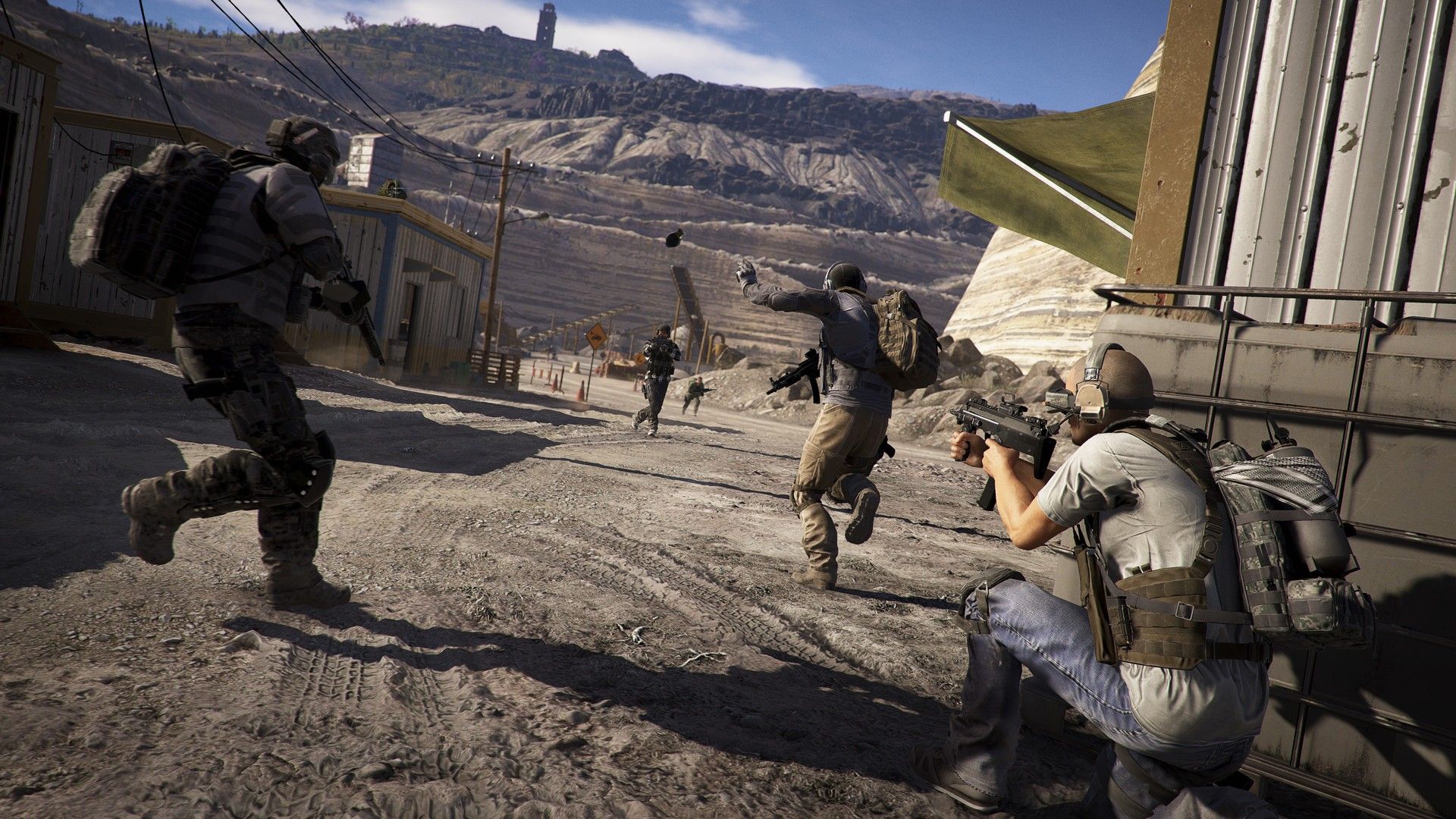
Following the initial games, the biggest success for the series was Ghost Recon Wildlands, released in 2017. It transformed Tom Clancy’s stories into a large, expansive open-world experience.
Wildlands is a massive open-world game with an immersive feel. Its story borrows heavily from the plot of the Tom Clancy film, Clear and Present Danger.
Ubisoft’s experience with depicting criminal organizations controlling nations, gained through games like Far Cry, is evident here. While the gameplay shares similarities with Grand Theft Auto, it still maintains the strategic, team-based feel that defines the Ghost Recon series.
Breakpoint, released in 2019, wasn’t as strong in its story and missions as previous installments, though it did try new things.
Through the Far Cry series, Ubisoft has gained experience portraying how criminal organizations can gain control of entire nations.
While Far Cry and Assassin’s Creed became predictable after their initial releases, Ghost Recon consistently allowed Ubisoft to try new things and experiment with gameplay.
However, company leaders don’t appear to share that view. It’s been seven years since the last Ghost Recon game, and there’s been very little marketing for the upcoming release.
As a big fan, it’s really frustrating to see Ubisoft seem uninterested in making a new game in this amazing series. It feels like they’d rather just keep re-releasing the same open-world formula instead of taking a chance on something with so much potential. I wish they’d take a risk and build on this franchise instead!
While this strategy could boost profits quickly, constantly releasing slightly modified versions of the same game will eventually frustrate players. If Ubisoft doesn’t innovate, it risks falling behind, and leadership will discover that simply being a large company isn’t enough to guarantee success.
Ubisoft Has One Shot to Bring Ghost Recon Back
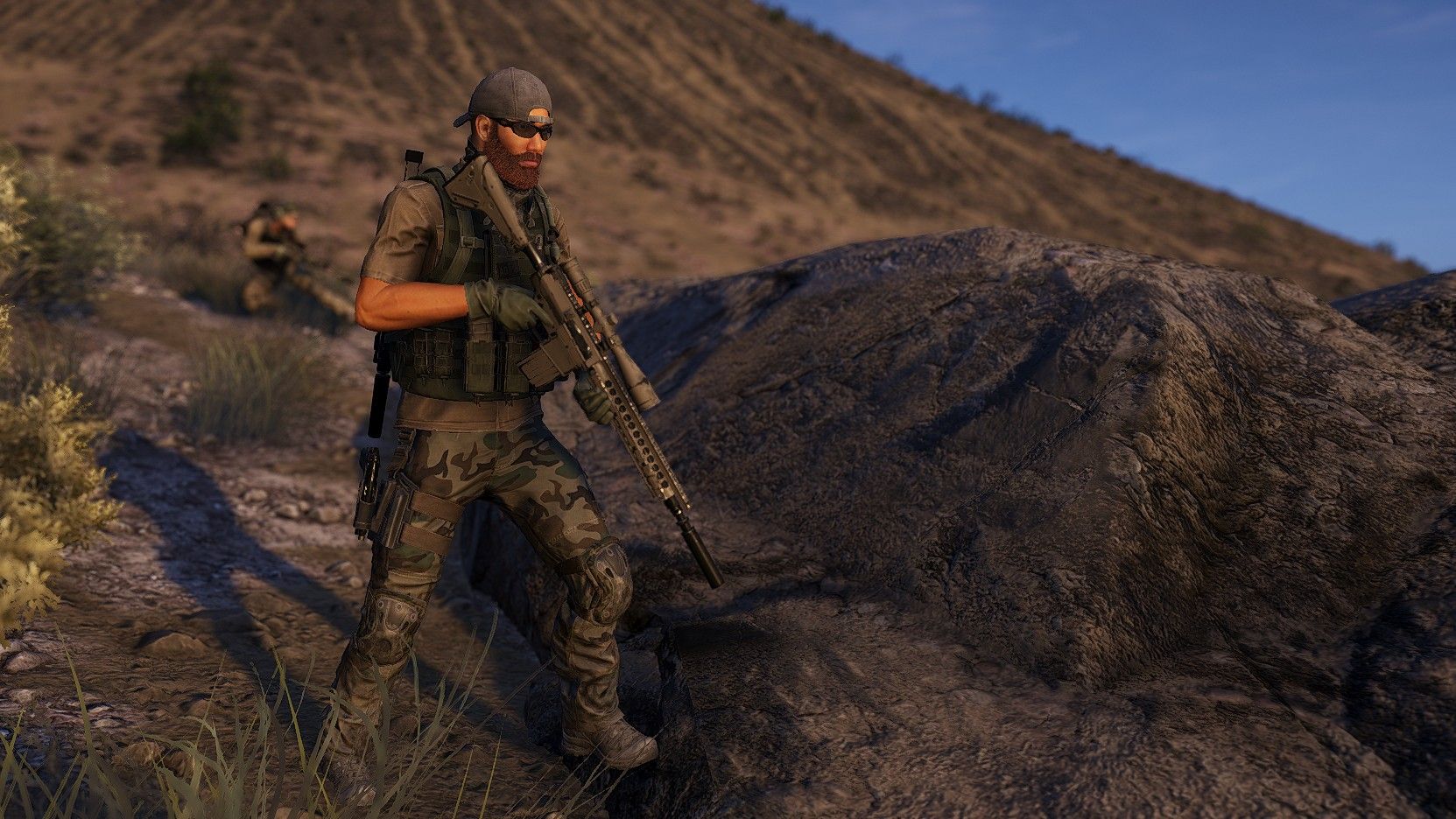
Just because we haven’t heard much about it doesn’t mean Ubisoft has given up on Ghost Recon. While the bits of news we’ve received over time have been encouraging, recent changes within Ubisoft have made its future a little uncertain.
Want deep Ghost Recon context? Subscribe to the newsletter
The next game, currently known as Project Over, will return to a first-person viewpoint and take cues from realistic shooters like Ready or Not. If development goes smoothly, it has the potential to be very popular, as there’s a demand for accessible, realistic shooting games.
However, Ubisoft’s recent restructuring into five creative teams presents a challenge. The Ghost Recon series, along with Splinter Cell and The Division, now falls under a team focused on creating competitive and cooperative shooting games.
Is Ubisoft attempting to revive the Rainbow Six formula – taking a slower, more strategic game and turning it into a fast-paced competitive shooter? A recent podcast on Insider Gaming suggests they might be doing just that with the Ghost Recon series, potentially splitting it into two separate games, including one developed by a different studio.
Splitting the game into separate releases might protect the core experience from feeling watered down, but it also carries the risk of both games failing and damaging the franchise’s future. And even getting both games finished and released isn’t guaranteed, as we’ve seen with projects like the new Prince of Persia: Sands of Time.
Ubisoft needs to revitalize the Ghost Recon series soon, and now is the perfect opportunity. Competitors like Battlefield are seeing significantly fewer players, and Call of Duty is facing major challenges. With the competition faltering, Ghost Recon could reclaim its former popularity if Ubisoft acts quickly.
Read More
- Forza Horizon 6: Find the Ohtani Treasure Chest Location
- NTE Drift Guide (& Best Car Mods for Drifting)
- LEGO Batman Legacy of the Dark Knight Batcave Minikits & WayneTech Caches
- How to Open Locked Door in Tenryu River in Nioh 3 (Dirty Key)
- Sega’s “Super Game” is Said to Release Next Month, But Nothing is Known About It
- Skyblivion Gets Encouraging Development Update
- God of War Shadow Drops New Game and Confirms Greek Trilogy Remake
- Asmongold reveals shocking detail about how much money he makes
- New Steam Game is Like Pokemon If It Were a Sci-fi Shooter
- GameRant Daily Crossword (February 10, 2026)
2026-01-26 18:40