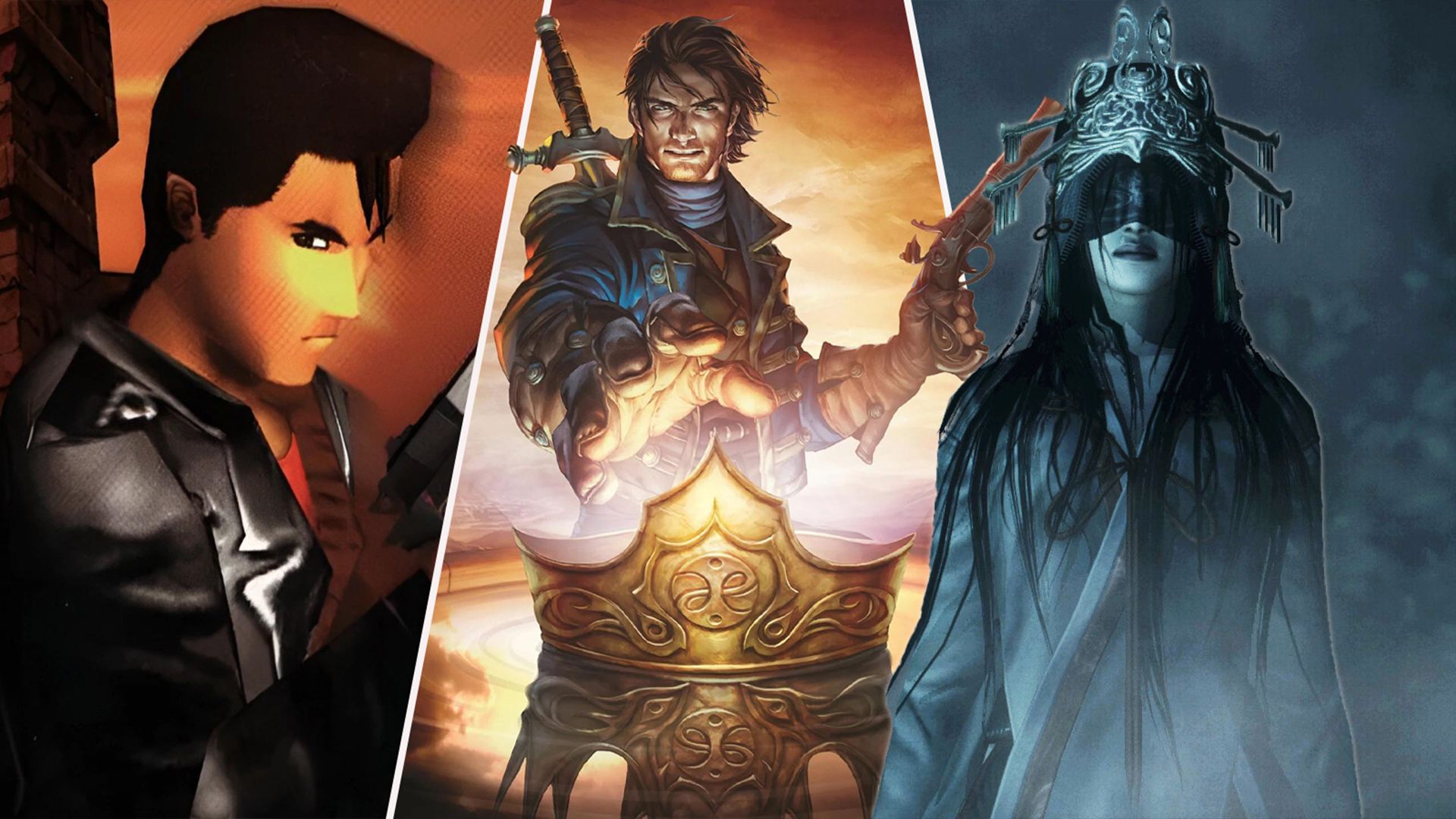
It’s tough to stay relevant as time passes, and many video game franchises struggle to adapt. While series like The Legend of Zelda, God of War, Total War, and Tomb Raider have successfully updated themselves for modern audiences, not all can. Some of the most beloved game series had their best years in the 1990s or 2000s, and unfortunately, lost popularity or disappeared after that.
Many classic video game series have earned their place in history, but haven’t quite lived up to their past success over the last fifteen years. While their reputations are safe, it would be great to see them return to form and remind players what made them so special.
A few criteria and notes:
- 2010 is the cut-off year, but that does not mean a franchise must have released its final great game by 2009.
- “Truly great” is the crucial phrase – Quite a few of the upcoming IPs have dropped decent titles in the last decade.
- To qualify, a franchise must have produced at least two new games since 2010 (including 2010 itself).
- Just to keep things simple, each franchise has four images. The first two are from their glory days, while the second two are from their post-2010 games.
Fable
When Fable 3 Is Your Best Game Since 2010, Then Things Have Been Rough
- Legendary Games: Fable, The Lost Chapters, and Fable 2
- Post-2010 Games: Fable 3, Fable Heroes, Fable: The Journey, Fable Fortune, and Fable Anniversary
Peter Molyneux’s ambitious vision for Fable might have been a bit over the top, but the original game was truly wonderful and delightful. With its appealing graphics, engaging world, lighthearted humor, and surprising amount of player choice, Fable remains remarkably enjoyable today, and many believe its sequel is even better. Fable 2 cemented the series’ legendary status, largely thanks to its vibrant and character-filled depiction of the world of Albion. By this point, fans had a good idea of what to expect from the games, and expectations were fairly reasonable.
After Fable 3 came out, the series hasn’t quite been the same. To be fair, the 2010 game isn’t bad – if you liked the first two Fable games, it’s worth checking out. However, it’s much less innovative and doesn’t really push the boundaries of the RPG genre. While it introduces interesting concepts, like becoming a king or queen, these ideas aren’t fully developed, leaving the game feeling like it could have been so much more.
Aside from the well-done remaster of Fable Anniversary, the Fable series hasn’t seen many successful games since Fable 3. It looked like the franchise might fade away, but a new game from Playground Games could change that.
Fatal Frame
An Iconic Horror Franchise That Has Played Things Too Safely
- Legendary Games: Fatal Frame 2: Crimson Butterfly and Fatal Frame 3: The Tormented
- Post-2010 Games: Spirit Camera, Project Zero 2, Fatal Frame: Maiden of Black Water, and Fatal Frame: Mask of the Lunar Eclipse Remaster
The original Fatal Frame showed promise, but Crimson Butterfly truly established the series as a standout horror title of the 2000s. Fatal Frame 2 delivered a genuinely scary experience inspired by Japanese horror films, combining engaging gameplay with a compelling story that encourages repeat playthroughs. By Fatal Frame 3, the core mechanic of using the Camera Obscura was well-established, allowing the game to build upon its strengths and remain a solid entry in the series.
After the first game, the Fatal Frame series mostly stuck to the same formula. They’d throw in little extras depending on what console you were playing on, but it didn’t really change things up. Spirit Camera from 2012 was a total miss – seriously, the worst in the series – and even Maiden of Black Water in 2014 wasn’t much better. It felt like the developers were content just doing what worked, without trying anything new. Honestly, it reminded me of those classic horror movies that just keep rehashing the same ideas after a while.
The remake of Fatal Frame II: Crimson Butterfly looks fantastic. I’m hoping my article will become outdated once the game releases in March 2026, meaning it will be superseded by the actual experience.
Time Crisis
The Pinnacle Of The Light Gun Genre Died With A Whimper And Not A Bang
- Legendary Games: Time Crisis 1-3
- Post-2010 Games: Time Crisis 2nd Strike and Time Crisis 5
The original Time Crisis games were incredibly enjoyable in arcades, and the first three titles were particularly popular – and kept players pumping in coins! The console versions were good on-rails shooters, though the genre generally hasn’t thrived outside of arcades. By 2010, the series had lost some of its momentum, mirroring the decline of arcades themselves. Despite this, the well-known Time Crisis brand could have potentially continued successfully, maybe by evolving into a modern first-person shooter.
The Time Crisis series quietly disappeared after a few attempts to stay relevant. 2nd Strike was a passable game on iOS for a couple of years, but it was removed from sale in 2015 – the same year the last Time Crisis game was released. Having played only two of the games, I found Time Crisis 5 tried too hard to modernize the gameplay, making it feel clunky. While dual cover and weapon switching can work in other shooting games, they ruined the simple fun of a light-gun shooter. The graphics, built on Unreal Engine 3, looked okay on their own, but they lacked the appealing style of the older games.
FlatOut
Talk About A Video Game Franchise That Crashed & Burned Spectacularly
- Legendary Games: FlatOut 1 & 2
- Post-2010 Games: FlatOut 3: Chaos & Destruction, FlatOut 4: Total Insanity, and FlatOut Stuntman
While calling it “legendary” might be a stretch, FlatOut was a fantastic racing game on the PlayStation 2. Even FlatOut 2 holds up today, and I highly recommend checking out the PC version if you haven’t played it. This series is an over-the-top arcade racer focused on spectacular crashes and ragdoll physics – think of it as Burnout with even more destruction. It’s especially famous for its unique stunt challenges where you launch drivers through the air in incredibly daring – and hilarious – ways.
After the success of FlatOut 2, the series faced major changes, including the departure of its original developers, Bugbear. FlatOut 3, developed by Team6 Game Studios, significantly lowered the quality and stalled the franchise’s progress. The difference in quality between FlatOut 2 and 3 was particularly drastic, and the series needed a remarkable turnaround. While FlatOut 4 was better than FlatOut 3, it wasn’t a standout title overall.
Fortunately, Bugbear has kept FlatOut‘s spirit alive through Wreckfest.
Medal Of Honor
Chasing That Call Of Duty Coin Bankrupted Medal Of Honor’s Creativity
- Legendary Games: Medal of Honor, Allied Assault, Frontline, and Pacific Assault. Airborne was pretty good.
- Post-2010 Games: Medal of Honor (2010), Warfighter, and Above and Beyond
The gaming world has lost something special with the decline of the original Medal of Honor, specifically the series’ focus on realistic World War 2 stories. While older now, the first Medal of Honor was groundbreaking for its time, and it was followed by two excellent sequels: Allied Assault and Frontline. Allied Assault remains one of the greatest first-person shooters ever made, and Frontline was an early standout console shooter. Although later games weren’t as successful, Medal of Honor consistently offered a unique experience for much of the 2000s.
The 2010 Medal of Honor game represented a significant shift for the series, unfortunately. It started borrowing ideas from competitors like Call of Duty and even Battlefield. While the reboot itself wasn’t bad and is one of the better Medal of Honor games, it lost what made the series unique, becoming just another typical military shooter. Warfighter was a complete failure, ending any chance of the reboot succeeding. Above and Beyond is a decent VR game, but it’s too specialized and doesn’t stand out.
The House of the Dead
A Walking Corpse
- Legendary Games: The House of the Dead 1 & 2, The Typing of the Dead, and Overkill
- Post-2010 Games: Overkill: Extended Cut, Typing of the Dead: Overkill, Scarlet Dawn, and The House of the Dead 1 & 2 Remakes
While Time Crisis is well-loved, The House of the Dead truly stood out as the best of the arcade shooting games, particularly for fans of zombie horror. The original two games were not only famous but also incredibly fun and addictive, with a charmingly over-the-top style. Even the spin-off, The Typing of the Dead, was surprisingly good. The series was most popular in the 1990s, but continued to be successful in the 2000s. The House of the Dead: Overkill is considered the best game in the series on consoles, and it’s also remembered as one of the last great light gun shooters.
Besides an improved version of Overkill and the fairly good The Typing of the Dead: Overkill, the House of the Dead series hasn’t seen anything significant since 2010. While Time Crisis has faded, House of the Dead has continued with the disappointing Scarlet Dawn and two remakes that are only okay.
Read More
- All Shadow Armor Locations in Crimson Desert
- Dark Marksman Armor Locations in Crimson Desert
- Jujutsu Kaisen Season 3 Episode 12 Release Date
- How to Get the Sunset Reed Armor Set and Hollow Visage Sword in Crimson Desert
- Best Bows in Crimson Desert
- Wings of Iron Walkthrough in Crimson Desert
- All Golden Greed Armor Locations in Crimson Desert
- How To Beat Ator Archon of Antumbra In Crimson Desert
- Keeping AI Agents on Track: A New Approach to Reliable Action
- Top 5 Militaristic Civs in Civilization 7
2026-01-27 04:07