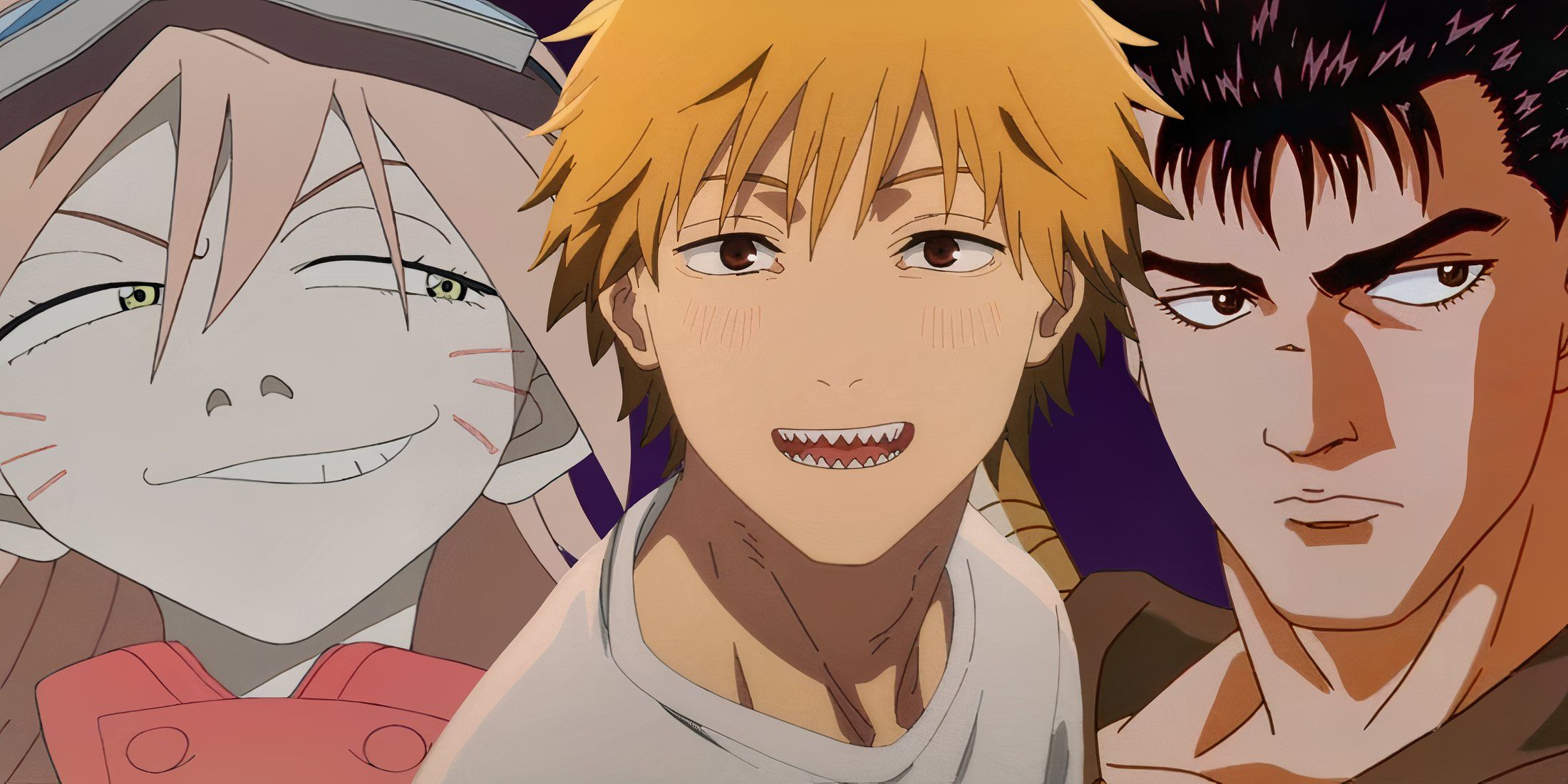
Tatsuki Fujimoto is a truly innovative manga artist. Their work, especially in Chainsaw Man, shows a strong knowledge of film and animation history, bringing a unique depth to each chapter. Rather than simply following typical shōnen manga conventions, Fujimoto draws inspiration from a wide range of sources across decades of art. Fans are consistently amazed by how the series manages to feel both bizarre and chaotic, yet still connect to the established traditions of the medium, blending intense horror with surprising references.
Fujimoto skillfully builds on the work of previous artists, creating a story that feels like a fast-paced blend of different art styles. Fans appreciate that his references aren’t just hidden jokes; they’re woven into the characters and the story’s flow. Here are seven anime that helped inspire the creation of Chainsaw Man.
7. Crayon Shin-chan: Fierceness That Invites Storm!
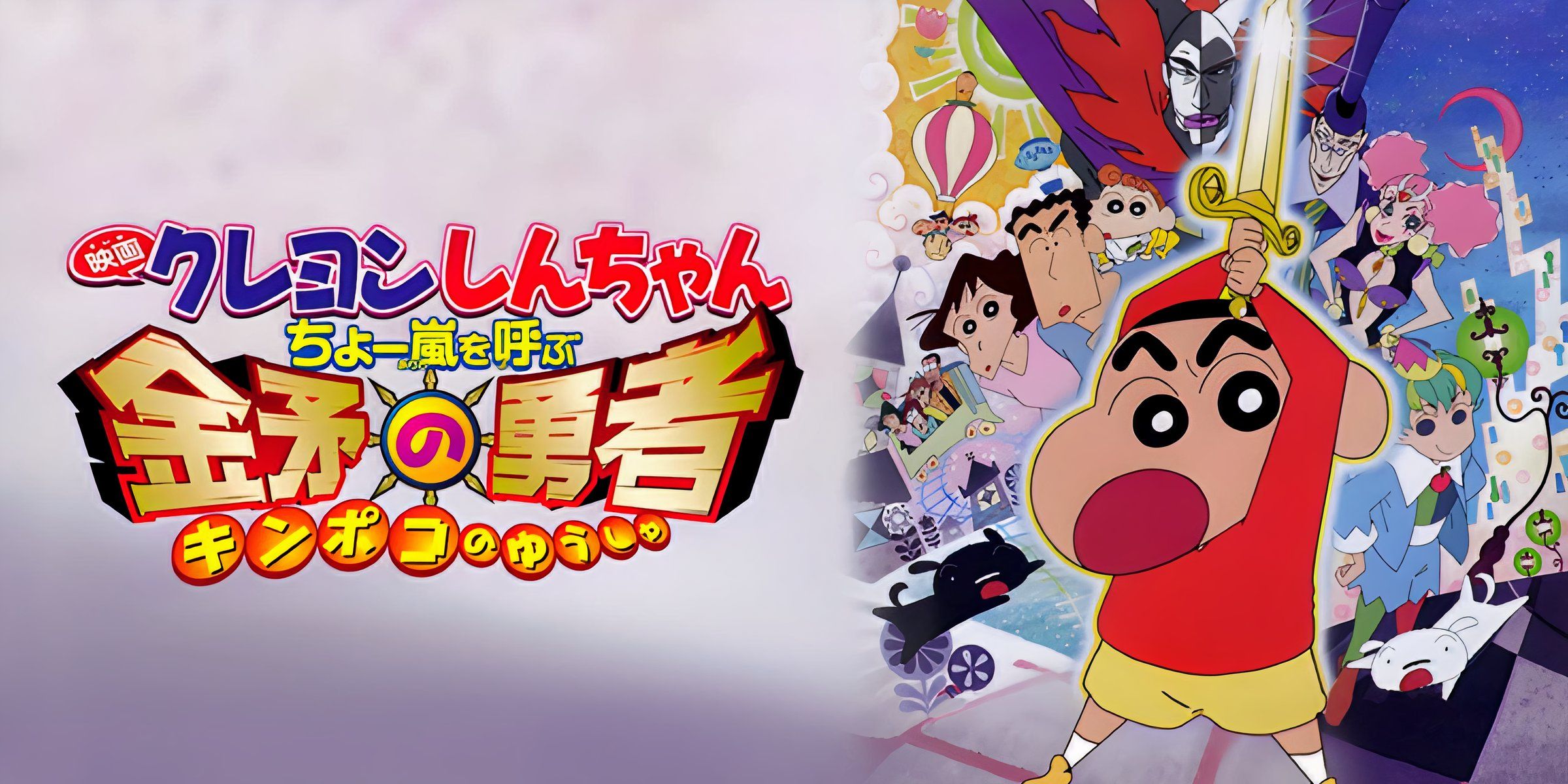
It might seem surprising to connect a lighthearted, sometimes edgy comedy with the violent world of Chainsaw Man, but the creator, Fujimoto, has cited the Crayon Shin-chan films as a major influence on his approach to anime. Specifically, he was deeply impressed by how the film Kasukabe Boys of the Evening Sun balanced intense drama with a strange, theatrical style. Fans have noticed this influence in the Reze Arc, which mixes innocent wonder with shocking realism, mirroring the bittersweet tone of those films.
Presenting these stories as a movie, rather than a typical anime episode, gave the author, Fujimoto, complete control over the story’s rhythm. This allowed for seamless transitions from lighthearted, everyday moments to intense, life-or-death situations. Fans believe this blend of comedy and tragedy is a hallmark of classic Japanese anime. Ultimately, this approach makes the world of Chainsaw Man feel less like a standard action series and more like a uniquely imaginative and skillfully crafted experience.
6. Aim for the Top! (Gunbuster)
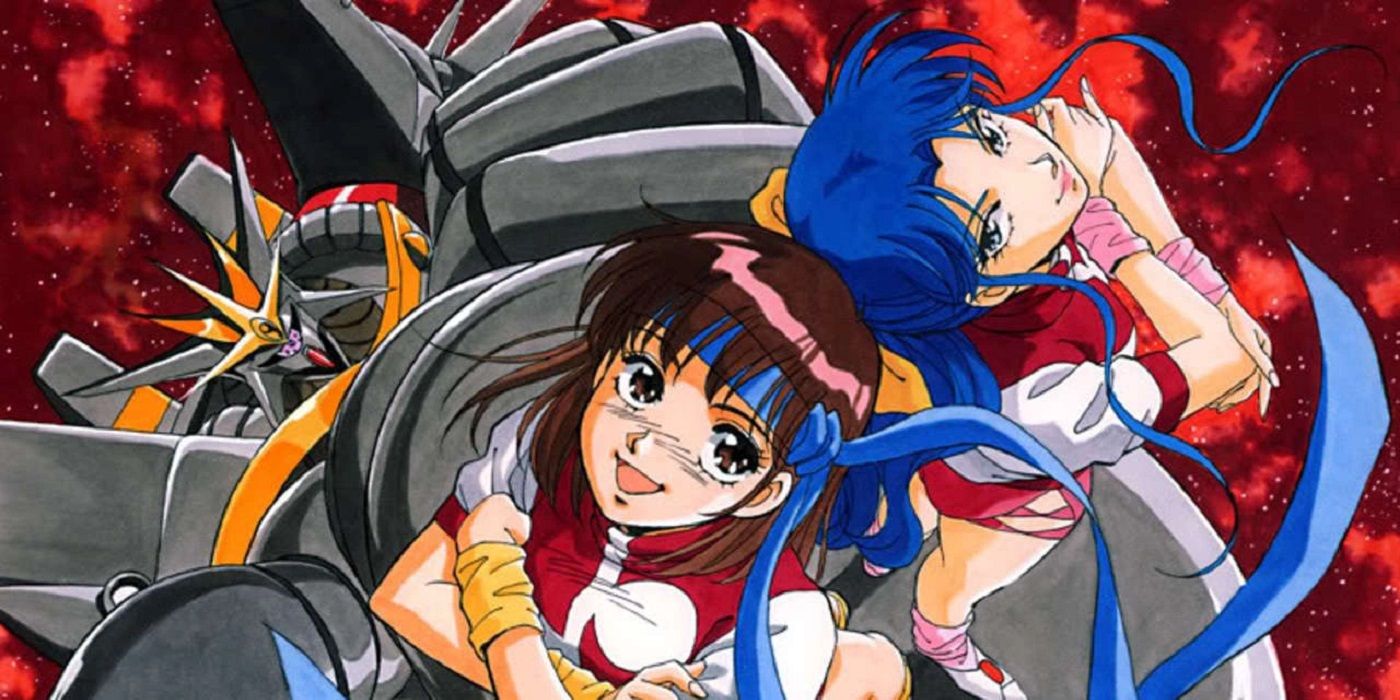
I’ve always noticed how impactful the action is in Chainsaw Man, even when you’re reading it silently. It turns out the creator, Fujimoto, directly credits Gunbuster for that feeling. He specifically tried to recreate the intense, loud bursts of music from that classic mecha anime in the manga’s chaotic scenes, like the car chases. Fans have picked up on this too – the frantic energy of Gunbuster really seems to have inspired those moments in Chainsaw Man where Denji is overwhelmed and everything dissolves into pure movement.
Beyond just its audio, Gunbuster‘s influence is clear in how it portrays combat. The raw, almost brutal way the enemies and their creations interact captures the intense, gritty feel of classic mecha battles. The series isn’t just about powerful attacks; it’s about the pacing and explosive energy of each fight – something creator Fujimoto perfected by figuring out how to make the robots feel truly massive and powerful as they moved through space.
5. Bobobo-bo Bo-bobo
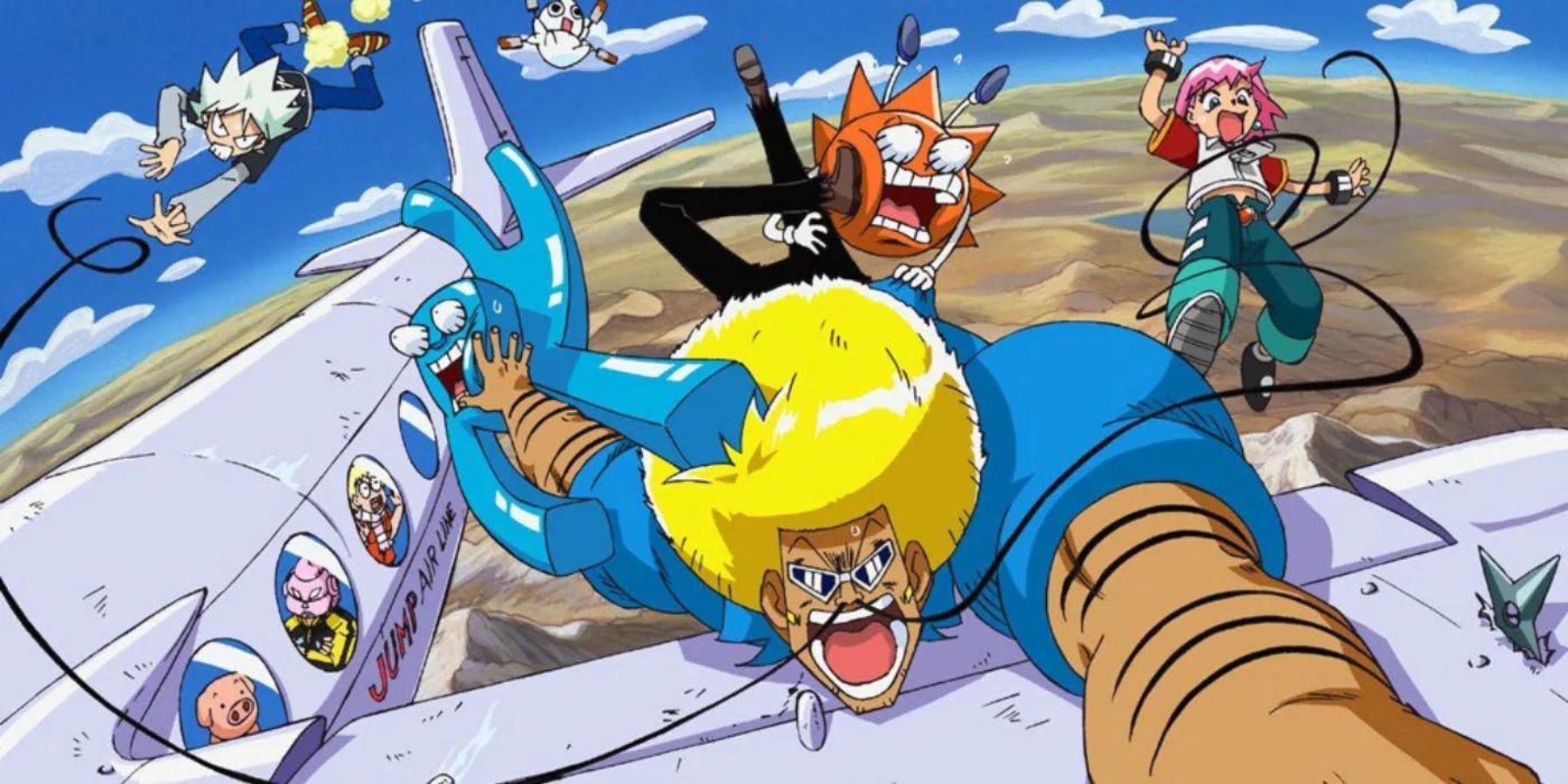
The Bomb Devil character was born from the author’s unique sense of humor, and surprisingly, it was inspired by the silly character Torpedo Girl. Fans love that this menacing villain shares the same basic shape as the comedic, high-heeled torpedo, highlighting the creator’s ability to make even strange or ridiculous ideas feel believable and genuinely intimidating. This sincerity is what makes the character so iconic.
Fujimoto’s style often involves taking absurd concepts and treating them with complete seriousness to heighten the dramatic effect. A prime example is one of the series’ most compelling villains, who was born from subverting the typical comedic “bomb-headed girl” trope. This demonstrates that powerful inspiration can come from unexpected sources, as long as the creator knows how to utilize it. The contrast between the original comedic inspiration and the character’s ultimately tragic portrayal adds a layer of humanity that makes the world of Chainsaw Man so captivating.
4. Berserk
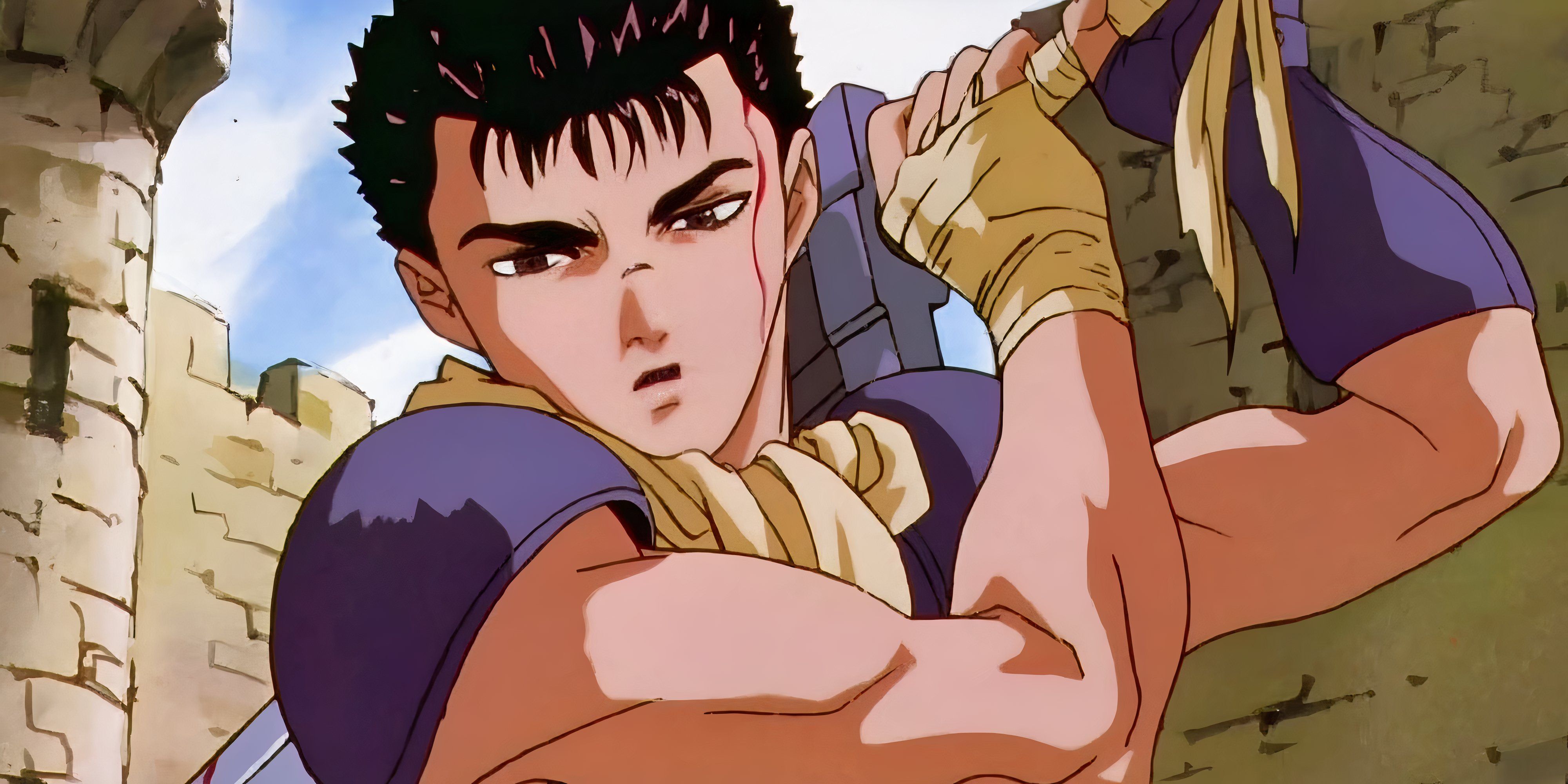
Any good dark fantasy story owes a debt to Kentaro Miura’s Berserk, and Fujimoto’s take on similar themes is particularly unsettling. Fujimoto specifically mentioned being inspired by a scene in Berserk where a member of the God Hand appears from a pile of rats, and this influence is clear in the strange way his character, Makima, moves. Like the Berserk scene, Makima can perceive things through small creatures and ultimately transforms into a mass of rats – a terrifying twist on a familiar idea, representing a powerful and overwhelming force.
Fans often discuss how this choice highlights a contrast between Makima’s perceived innocence and underlying corruption, making her feel less like a powerful human and more like a terrifying, otherworldly being. By using rats – symbols of death and decay – to birth a seemingly perfect woman, the author effectively recreates the unsettling dread that characterized the introduction of the God Hand. It’s a brilliant example of visual storytelling, revealing Makima’s true nature without any dialogue.
3. The Eccentric Family
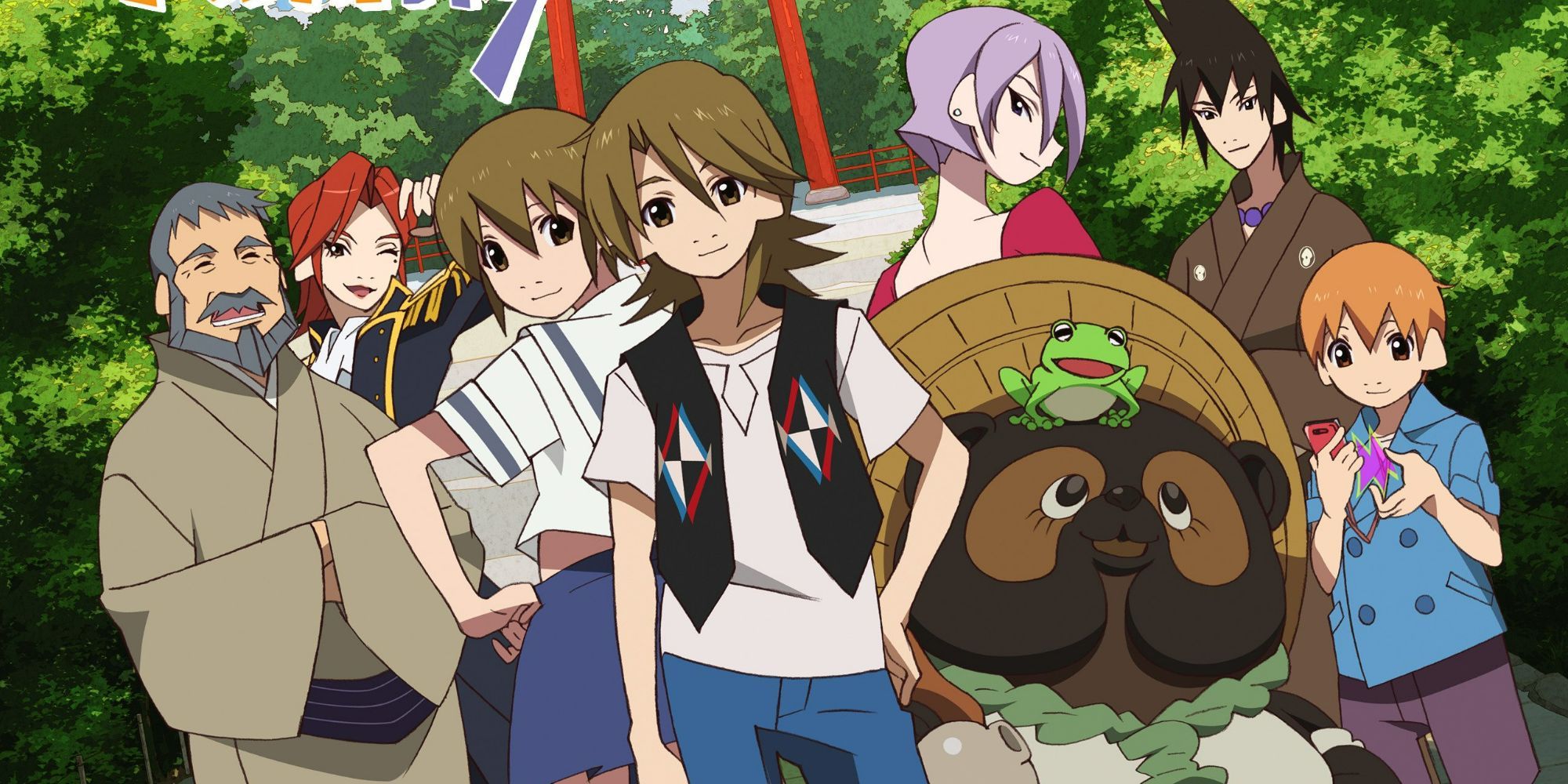
Fujimoto drew inspiration from the dynamics in The Eccentric Family when developing the complex relationship between Denji and Reze. He specifically cited Benten, a character who views the protagonist as insignificant, as the basis for his female characters. Fans have noted that Reze’s flirting – shifting between genuine affection and predatory behavior – closely mirrors how Benten interacts with the tanuki protagonist in her series.
The Reze Arc stands out because of its bittersweet and poignant nature. It’s a love story built on an imbalance of power and understanding between the two characters. This creates a sense of unease for the audience, as we constantly feel the underlying tension and potential danger, even amidst moments of closeness. It’s a sophisticated take on romance, moving beyond typical tropes to explore a flawed, unequal, and ultimately heartbreaking connection.
2. Jin-Roh: The Wolf Brigade
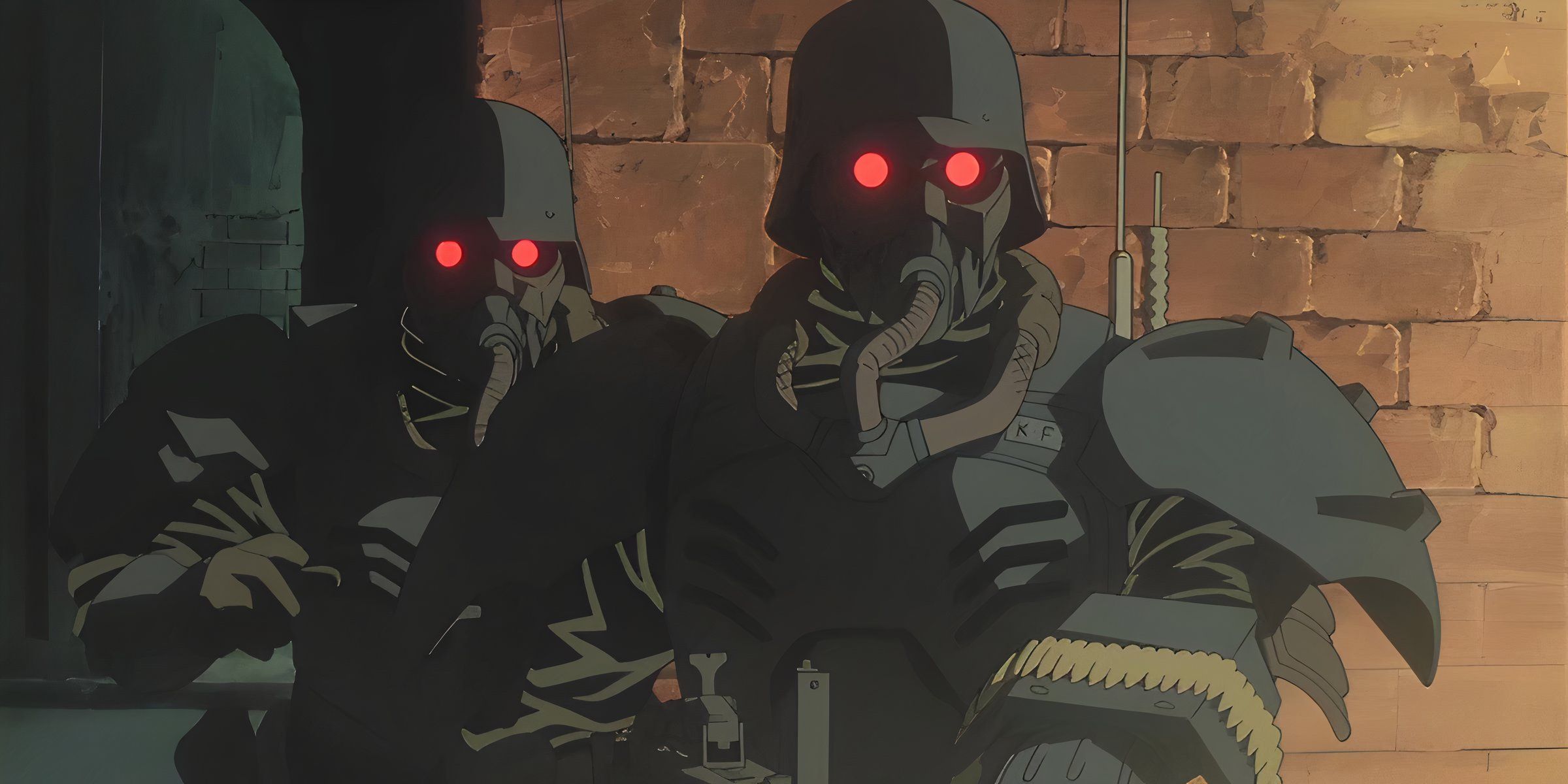
If there’s one movie that perfectly captures the atmosphere of the Reze Arc, it’s Mamoru Oshii’s Jin-Roh. Creator Fujimoto is a big fan of this psychological thriller, and he actually based the Bomb Devil’s transformation on a scene where a girl detonates herself. Fans have pointed out that the entire arc feels like an homage to Jin-Roh, from its gritty city setting to its use of the ‘Town Mouse and Country Mouse’ idea as a central, tragic theme throughout the characters’ stories.
The influence of Jin-Roh is strongly felt throughout Chainsaw Man, especially in how both series portray characters disguised as monsters. Similar to the soldiers in Jin-Roh struggling with their humanity while encased in armor, Reze is a prisoner of her past. Recognizing this connection allows viewers to see Chainsaw Man not just as a story about devils, but as a heartbreaking tragedy about people forced into roles that prevent them from living normal, peaceful lives.
1. FLCL (Fooly Cooly)
Fujimoto has described Chainsaw Man as a wild, energetic story similar to FLCL, and that show’s chaotic spirit is evident throughout the manga. FLCL’s influence is central to the series, seen in how weapons emerge from characters’ heads and in the coming-of-age struggles that motivate Denji. Fans often compare the complex relationship between Denji, the Chainsaw Devil, and Makima to the fast-paced, manipulative, and often bewildering connection between Naota and Haruko in FLCL.
What makes the series particularly striking is how it borrows the fast-paced, unconventional animation style of FLCL and infuses it with intense violence. While FLCL used surreal imagery to explore the experience of growing up, Chainsaw Man uses similar techniques to delve into the harsh realities of poverty and abuse. Fans appreciate this influence because it perfectly captures what makes the series so unique: a vibrant explosion of pop culture references and over-the-top visuals used to tell a deeply emotional and often tragic story.
Read More
- All Shadow Armor Locations in Crimson Desert
- Dark Marksman Armor Locations in Crimson Desert
- Jujutsu Kaisen Season 3 Episode 12 Release Date
- How to Get the Sunset Reed Armor Set and Hollow Visage Sword in Crimson Desert
- Best Bows in Crimson Desert
- Wings of Iron Walkthrough in Crimson Desert
- All Golden Greed Armor Locations in Crimson Desert
- How To Beat Ator Archon of Antumbra In Crimson Desert
- Keeping AI Agents on Track: A New Approach to Reliable Action
- Top 5 Militaristic Civs in Civilization 7
2026-01-27 18:40