Open-world games come in all shapes and sizes, but they all share one thing: a map. While vast landscapes are exciting, they can also be overwhelming if players can’t keep track of where they’ve been or where to go. Interestingly, some games break this mold by limiting map features or even removing the map completely. Instead, they rely on the player’s own sense of direction and clues from the environment. This creates a more natural and immersive experience, encouraging players to discover things on their own, even if it means getting a little lost along the way.
Many games successfully limit navigational aids without making the experience frustrating. Modern games often give players detailed maps and waypoints, telling them exactly where to go and what to expect. But this can actually diminish the fun of discovering things on your own – hidden camps, strange buildings, or interesting characters you might otherwise miss. When games remove these markers, players feel more connected to the world, and exploration becomes truly rewarding. Even small discoveries then feel important and can even be crucial for survival.
Outward
No Safety Nets To Catch You
- No minimap or quest markers.
- Landmark-driven exploration.
Outward intentionally avoids hand-holding, making you navigate using landmarks and your memory instead of modern tools. The world is dangerous and unforgiving, meaning venturing into the unknown without preparation can be risky. However, getting lost isn’t a failure – it’s a natural part of the adventure. Every death and mistake teaches you something new, helping you succeed on your next attempt.
With little help along the way, exploring the game feels like a careful process of trying things out and learning from mistakes as you get used to the ever-present dangers. Remembering even small details – like the shape of a cliff or a building in the distance – can be the difference between failure and success. Outward is a game where taking risks is essential, and only players brave enough to venture into the unknown will truly experience the thrill of discovery.
Subnautica
Lost Under The Sea
- Explore shifting deep-sea biomes.
- Players are guided by the resources they need and the desire to see more.
Subnautica ditches typical maps, encouraging players to learn about the world through its environment and their own exploration. The alien ocean is huge, with layers extending downwards, and is deliberately designed to be confusing – different areas blend together without clear borders. At first, you’ll rely on what you can see, making each dive feel nerve-wracking and unpredictable, because it’s immediately clear there’s no simple way to return to base.
As players explore further, their focus shifts from following waypoints to simply wanting to understand the world around them, while also gathering materials for their next creation. Getting around becomes about truly learning the environment, almost like conducting a real-world ecological study. The game rewards players who take the time to master its details. Even with better equipment, a feeling of being lost persists, emphasizing the game’s central theme of loneliness that stays with the player throughout their underwater journey.
The Long Dark
Suffering Through The Silence
- Manual mapping that is still no better than a guideline.
- Active disruption by weather, illness, and desperation.
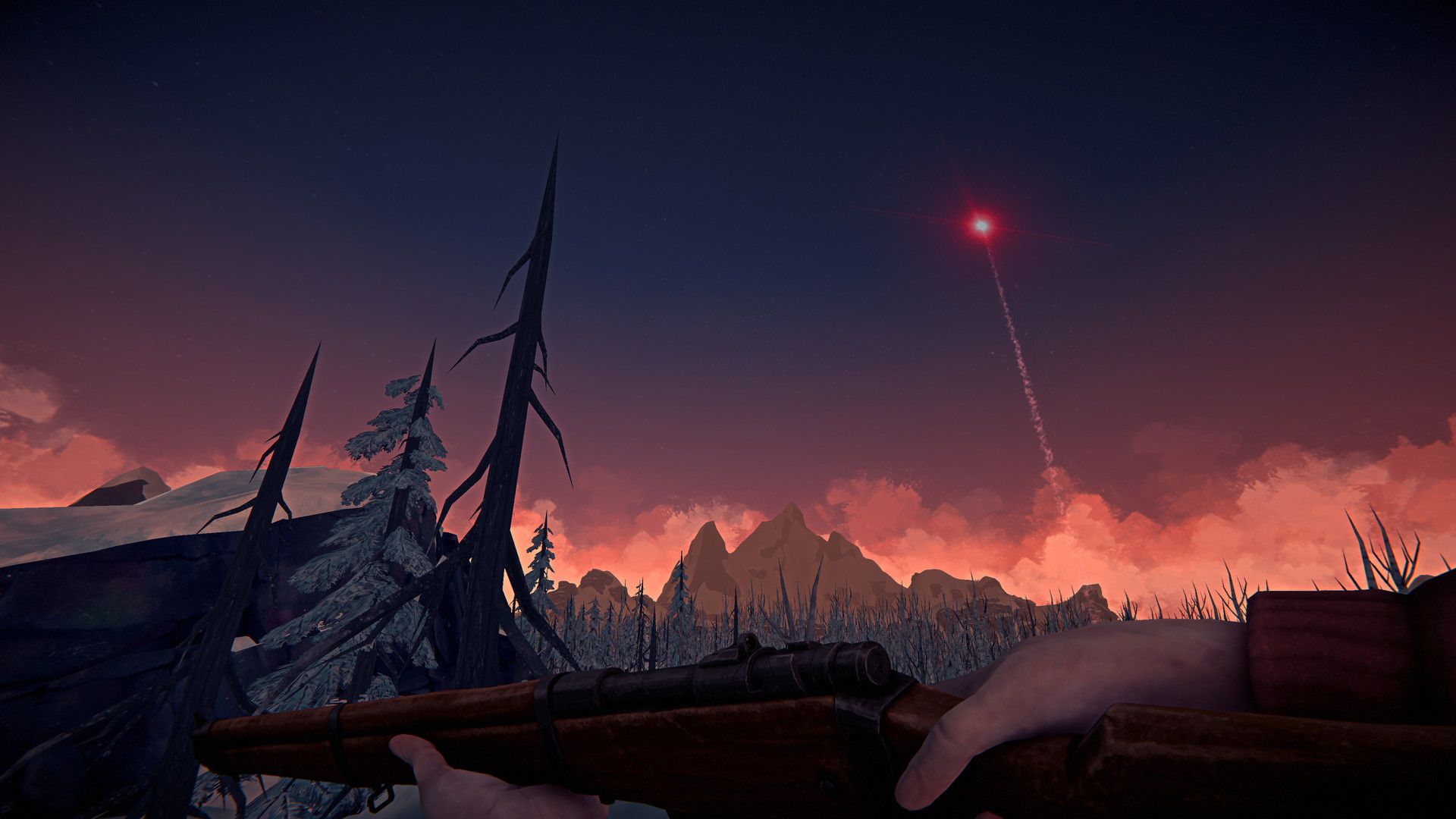
The Long Dark focuses on the most challenging parts of wilderness survival, prioritizing realism above all else. It doesn’t offer any helpful features like automatic maps, GPS, or on-screen guides. Instead, players have to explore, find landmarks, and create their own maps while battling harsh weather and dangerous animals in the unforgiving northern landscape.
As the game progresses, its challenges become clearer, with darkness and snowfall posing significant threats to exploration. What starts as simple tasks quickly escalates into critical choices where success isn’t guaranteed. Even when players feel secure, unexpected obstacles constantly arise to disrupt their plans and create new difficulties.
The Forest
Danger Around Every Corner
- Sparse navigational tools make exploration tense.
- Dense, misleading environments that are easy to get lost in.
The Forest deliberately avoids giving players easy ways to find their bearings, unlike many other survival games. It replaces things like minimaps with basic tools that can actually mislead you. The world lacks clear landmarks, with thick forests often hiding your surroundings, which creates a constant sense of unease that gets worse when night falls.
The game encourages players to explore and learn the island through experience, but it’s dangerous – making a mistake can be fatal. While compasses and maps are available, they’re basic and require careful attention. This intentional difficulty in navigation actually enhances the horror, forcing players to focus not just on survival – building shelter and avoiding cannibals – but also on every single step they take while exploring the wilderness.
Minecraft
Charting The World One Block At A Time
- Procedural open-world that encourages experimentation.
- Player-created landmarks and maps.
Minecraft is a prime example of a truly open-world game, prioritizing player freedom and exploration above all else. It doesn’t offer traditional markers, goals, or quests; instead, it presents a vast, procedurally generated world made entirely of blocks, ripe for creative building. The game’s map system is deliberately simple: players must craft maps and physically explore the world to fill them in, encouraging a hands-on approach to discovering the landscape.
Players will largely need to find their way around by backtracking, marking important spots, and using coordinates to navigate the expansive world. As they explore, their world grows, and what starts as a small area can quickly become thousands of blocks wide, stretching across different landscapes. This means players will have to carefully plan each journey, especially when hunting. Because worlds are generated randomly, valuable resources or key locations like the Ender Dragon’s fortress can be very distant from where players begin. Eventually, players will need to embark on long treks, venturing into the unknown to achieve their goals.
Outer Wilds
Curiosity Leads The Way
- Knowledge is the primary source of guidance.
- Minor maps for general navigation.
Outer Wilds intentionally avoids traditional maps, offering only a few basic ones, to really encourage players to explore out of pure curiosity. The solar system feels both small and intricate, and you uncover the story by carefully observing and figuring things out – the narrative is often hidden in the environment, and it’s much more subtle than you might expect.
Every planet presents unique challenges to movement, requiring players to adjust to changing gravity and dangerous surroundings. The game is designed to be disorienting – you won’t always know where to go or how to get there – and the feeling of finally figuring things out is incredibly rewarding, more so than in other similar games.
Read More
- All Shadow Armor Locations in Crimson Desert
- How to Get the Sunset Reed Armor Set and Hollow Visage Sword in Crimson Desert
- Jujutsu Kaisen Season 3 Episode 12 Release Date
- Best Bows in Crimson Desert
- Dark Marksman Armor Locations in Crimson Desert
- Wings of Iron Walkthrough in Crimson Desert
- All Golden Greed Armor Locations in Crimson Desert
- How To Beat Ator Archon of Antumbra In Crimson Desert
- Top 5 Militaristic Civs in Civilization 7
- Sakuga: The Hidden Art Driving Anime’s Stunning Visual Revolution!
2026-01-28 01:08