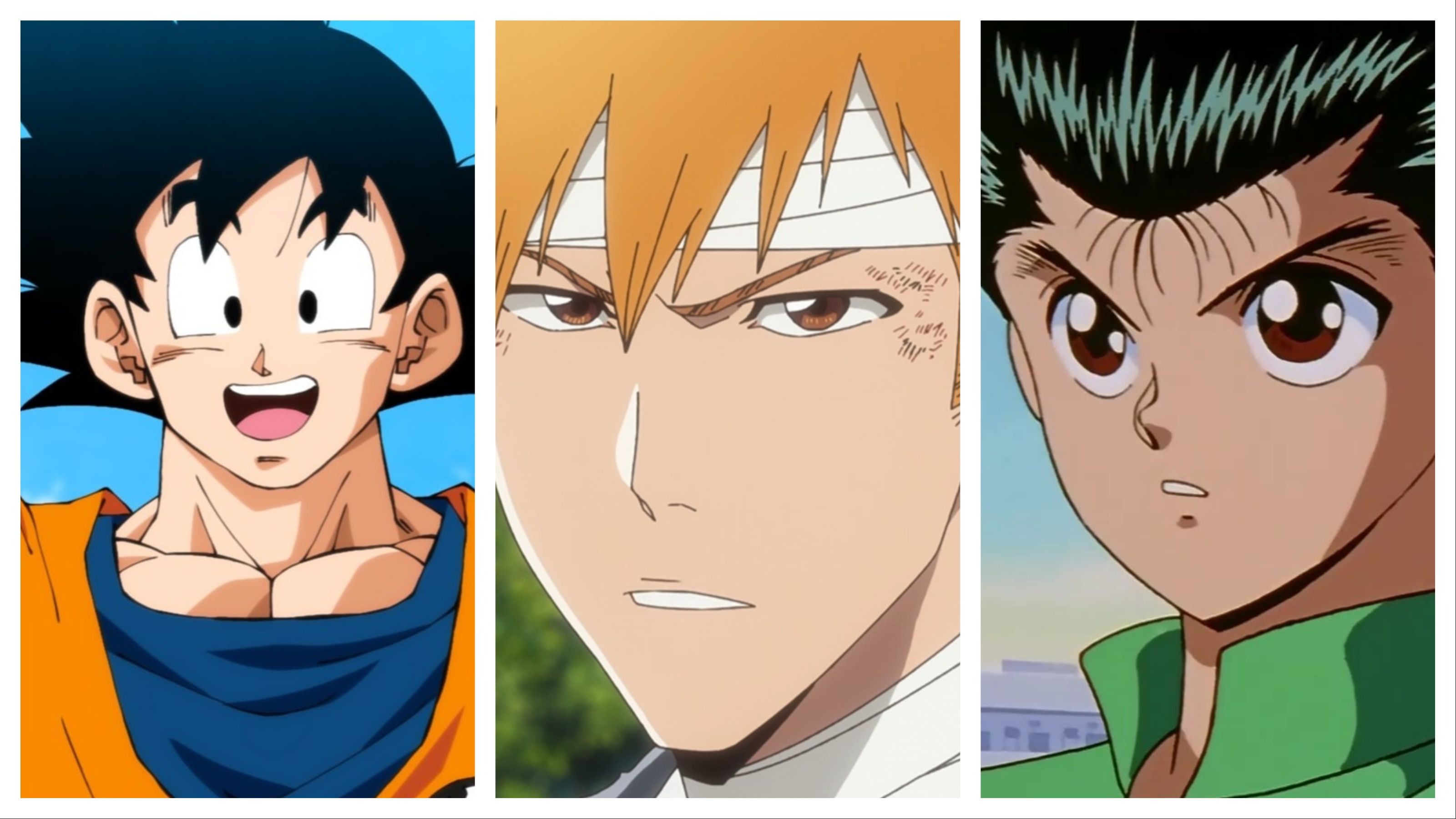
Many modern anime fans consider Bleach a classic shonen series that influenced popular shows like Jujutsu Kaisen and Demon Slayer. But Bleach itself wasn’t created in a vacuum. Looking back to the anime that inspired Bleach, we can see where creator Tite Kubo got his ideas. It all started with Kubo wanting to draw a grim reaper wielding a sword and wearing black robes – this initial concept ultimately led to the creation of Rukia Kuchiki, a key character in Bleach.
The story of Bleach seems to draw inspiration from various sources, including films, religion, and philosophical ideas – like the villain Sosuke Aizen’s motivations, which echo the teachings of Nietzsche, or the name of Yhwach, rooted in Judeo-Christian tradition. Several key figures in the anime industry helped lay the groundwork for Bleach. While one of these names will be familiar to modern fans, the other three might be less well-known.
Dragon Ball Laid the Foundation For Bleach and Its Competitors
Bleach Has Plenty of Transformations in its Runtime
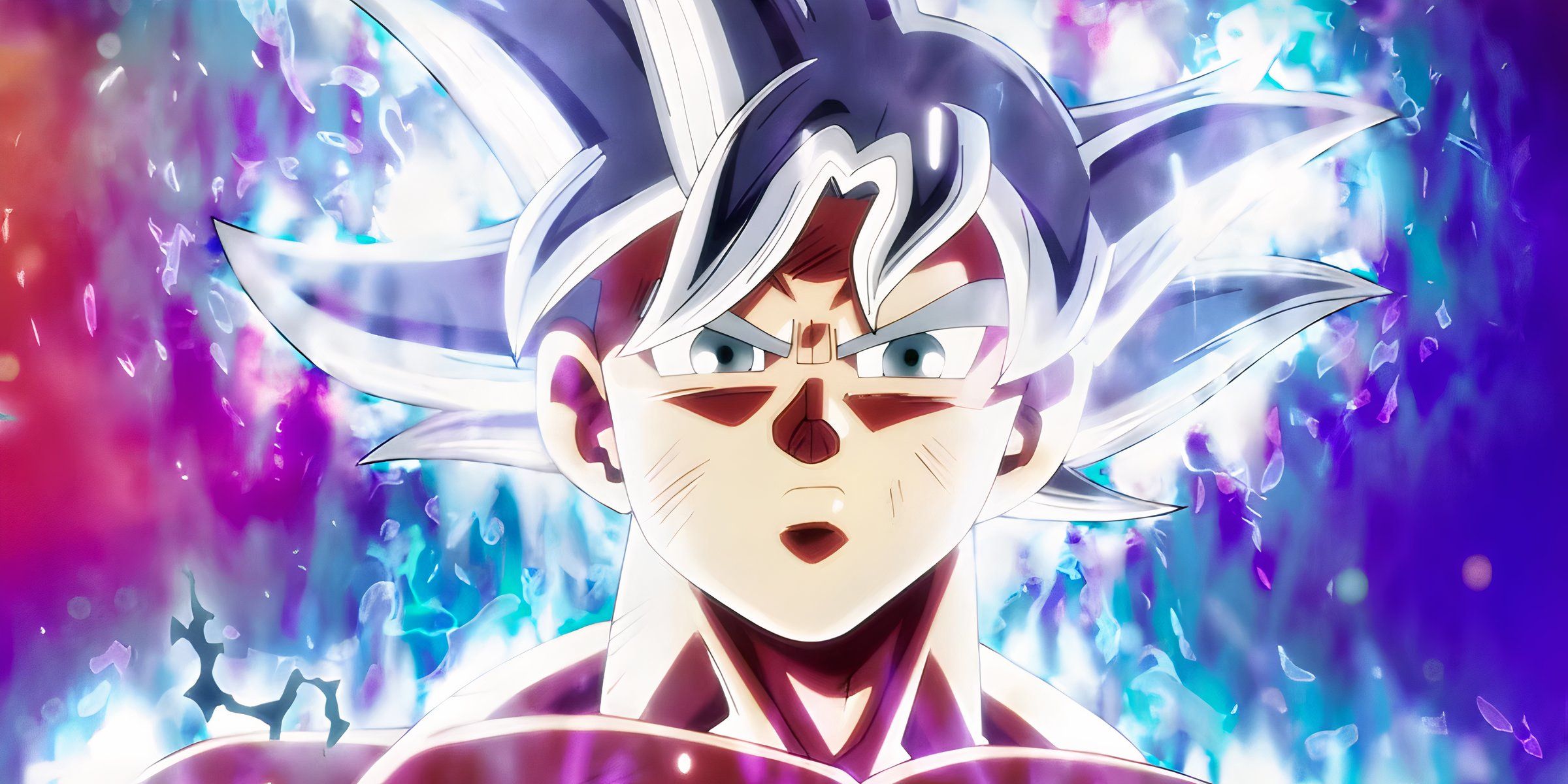
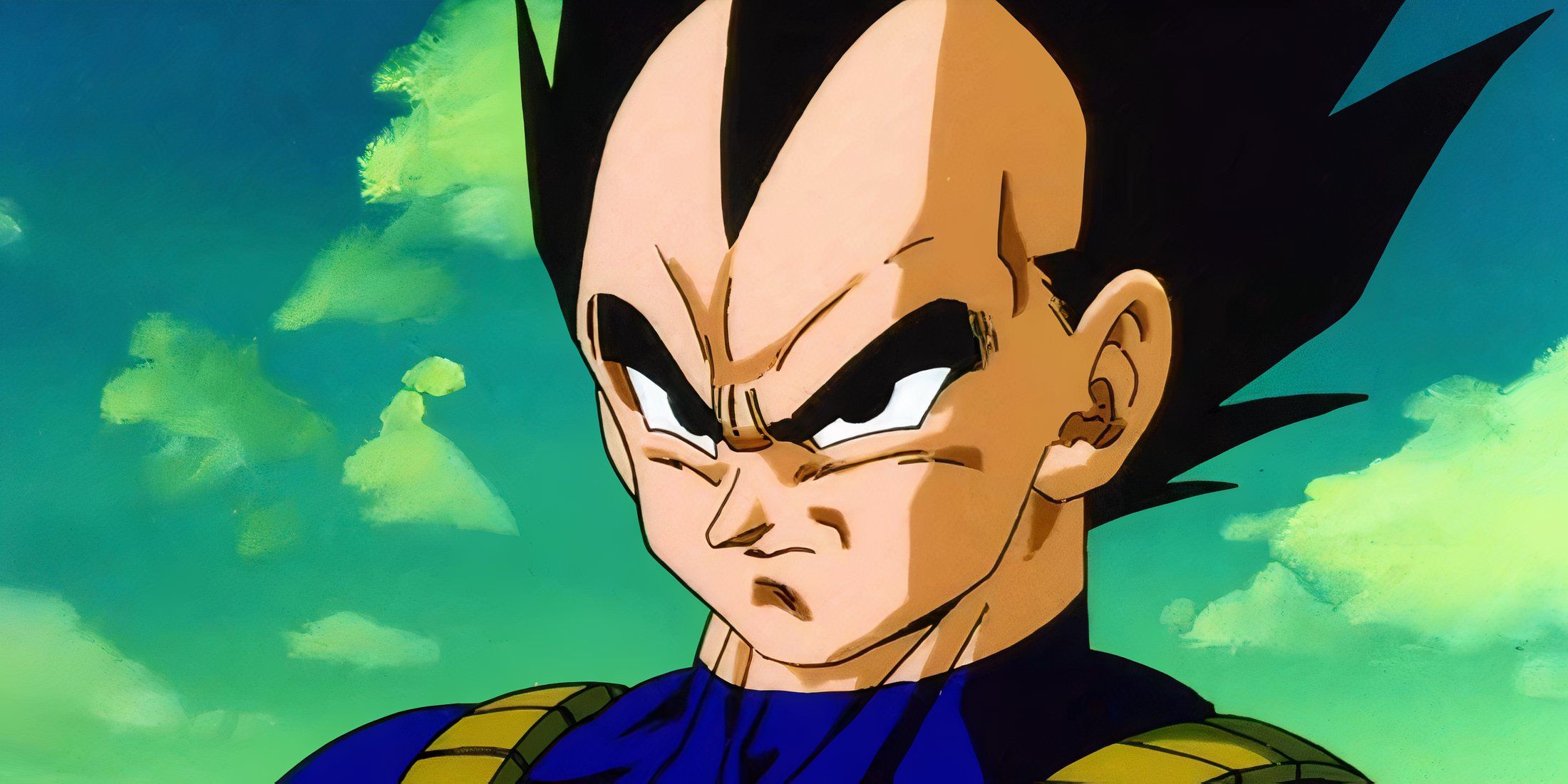
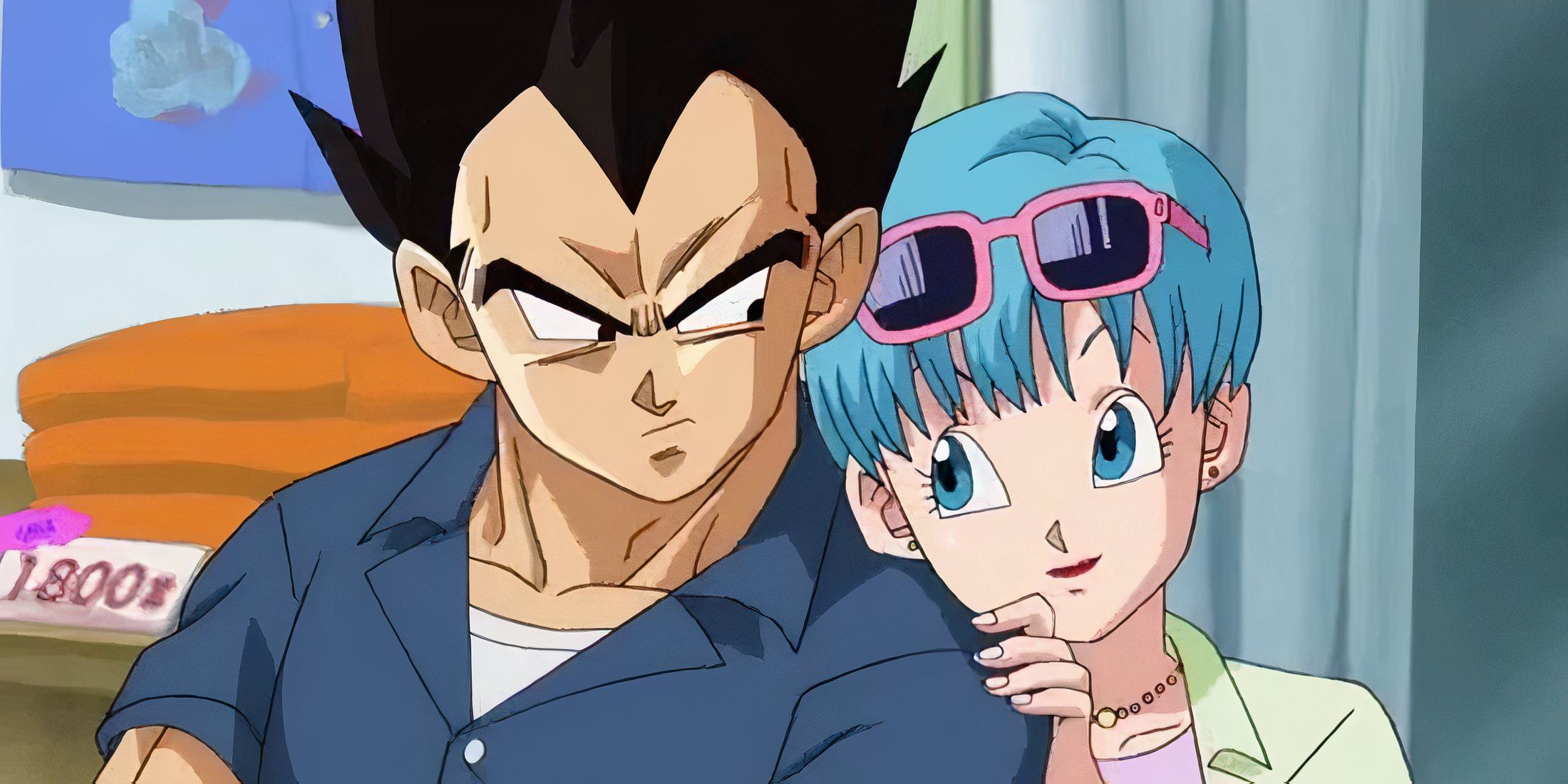
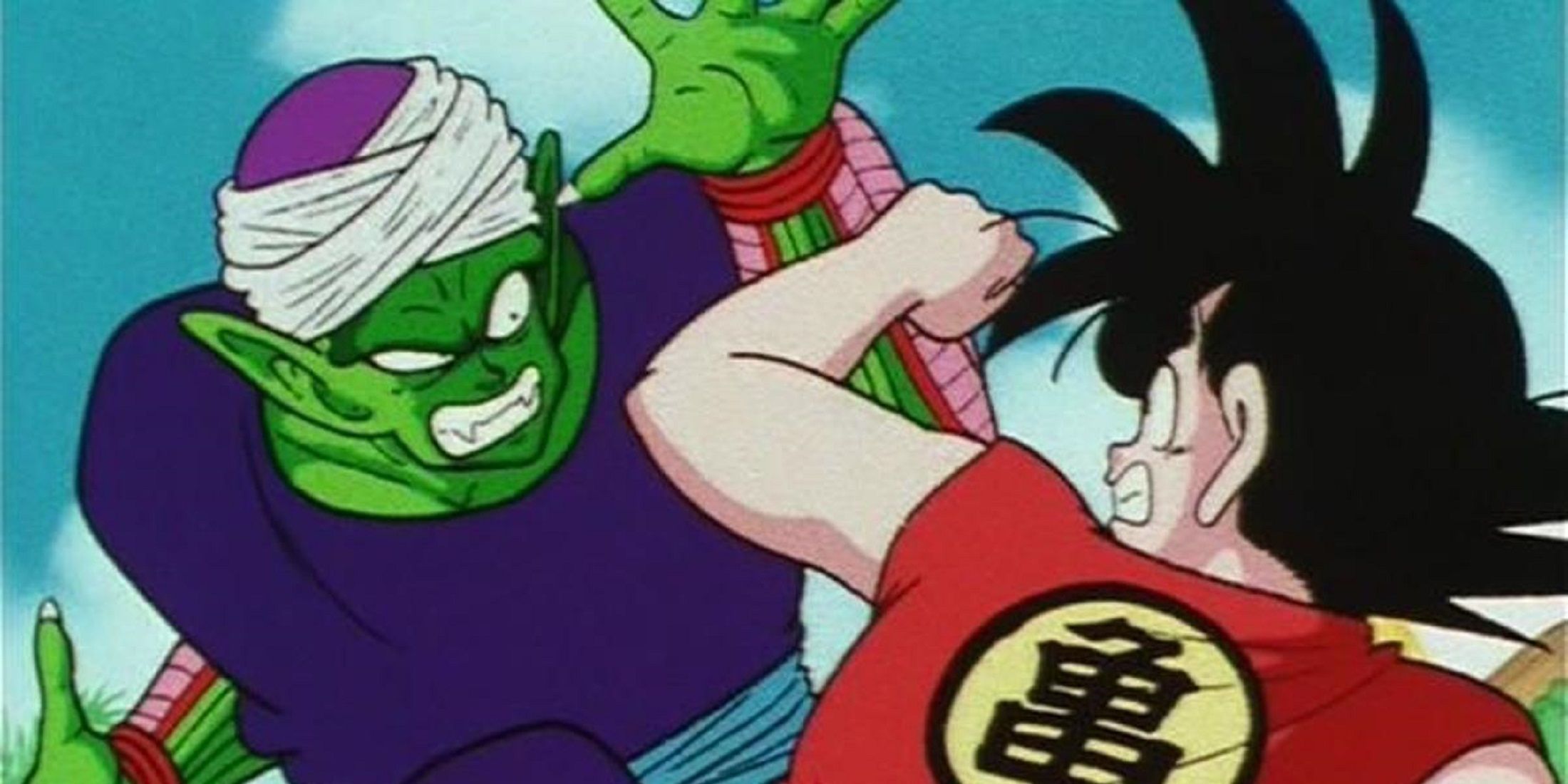
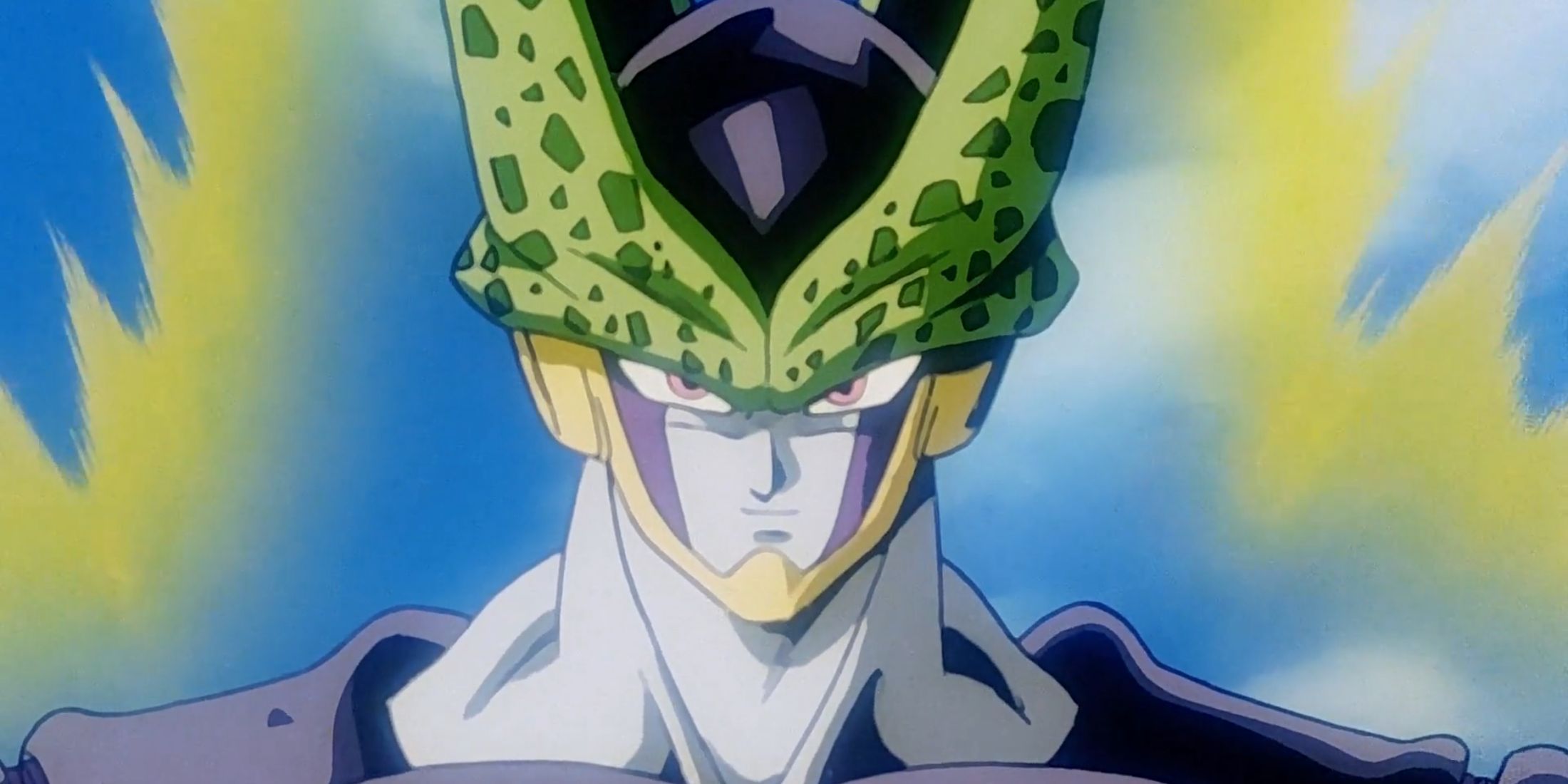
The hugely popular Dragon Ball had a major impact on the three most successful shonen anime series of recent times – Naruto, One Piece, and Bleach – though the ways it influenced them varied. Dragon Ball essentially created the blueprint for modern shonen, introducing or popularizing now-common tropes like a lovable, dim-witted hero, power-ups through transformations, energy auras, and endless training. It’s obvious how Naruto‘s Naruto Uzumaki and One Piece‘s Monkey D. Luffy follow in the footsteps of Goku, but Dragon Ball‘s influence on Bleach‘s Ichigo Kurosaki is more understated. While Bleach doesn’t seem as directly inspired, Dragon Ball‘s impact is still noticeable.
While Bleach and Dragon Ball both use similar story elements, they feel quite different in execution, which gives Bleach a unique identity. Unlike Goku, the main character Ichigo doesn’t have an insatiable appetite or a simple personality. However, like going Super Saiyan in Dragon Ball, Ichigo frequently powers up by transforming his sword, himself, or both during fights with opponents like Byakuya Kuchiki, Grimmjow, and Yhwach. This idea of transformation as a power boost isn’t exclusive to characters like the Super Saiyans; it’s common throughout Bleach. Soul Reapers activate their swords, Arrancars unleash their original forms, and Quincy use Vollständig – all examples of this type of power-up.
Yu Yu Hakusho is the Original Story of a Punk High Schooler Fighting Monsters
Yu Yu Hakusho Remains Popular and Relevant to This Day
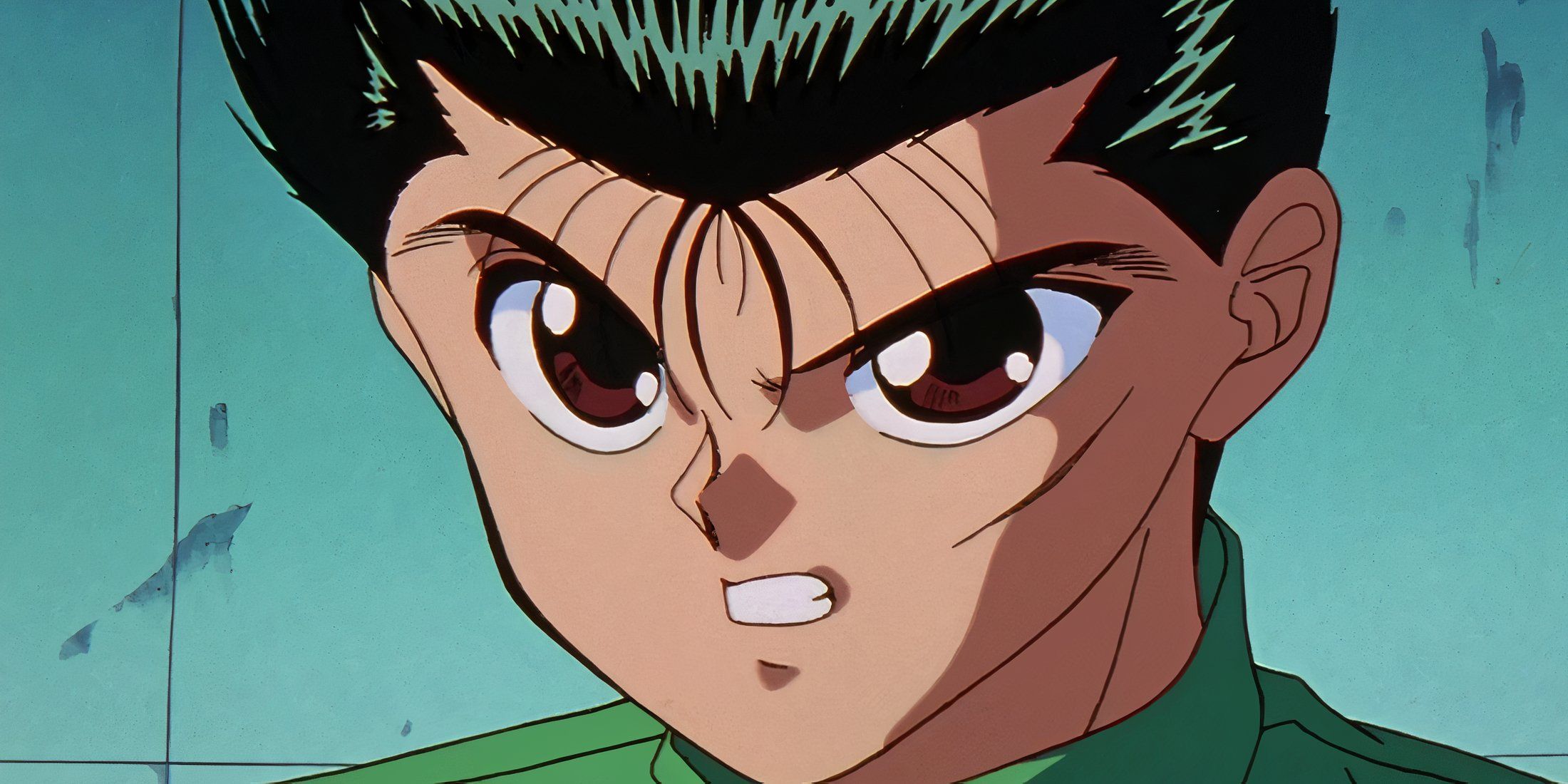 Image via Pierrot.
Anime fans have noticed a repeating pattern in several popular series. It started with Yu Yu Hakusho in the 1990s, which featured a tough but kind protagonist named Yusuke Urameshi who fought demons with his friends. This concept clearly influenced later shows like Bleach, with Ichigo, and Jujutsu Kaisen, with Yuji Itadori, both of whom follow a similar formula: a powerful hero battling supernatural enemies alongside a team of allies. This successful formula has been used consistently in anime since the early 90s.
While Bleach and Yu Yu Hakusho share a lot of similarities, there are a few key differences. Bleach doesn’t focus on big tournaments like some other anime, and characters rely more on weapons than hand-to-hand combat. However, both shows expertly blend everyday life with fantastical worlds, such as the Soul Society and the Demon Plane. They also follow a similar pattern of a competitive rival becoming a valuable ally—Uryu Ishida in Bleach echoes Kazuma Kuwabara in Yu Yu Hakusho. Interestingly, both anime succeed even though the heroes aren’t striving for grand ambitions like becoming a top ninja or pirate; simply fighting to protect loved ones and their community is enough to drive the story.
Saint Seiya Had a Role in Shaping Bleach’s Weapon-Based Combat System
The Sanctuary Arc Likely Inspired Bleach’s Golden Age
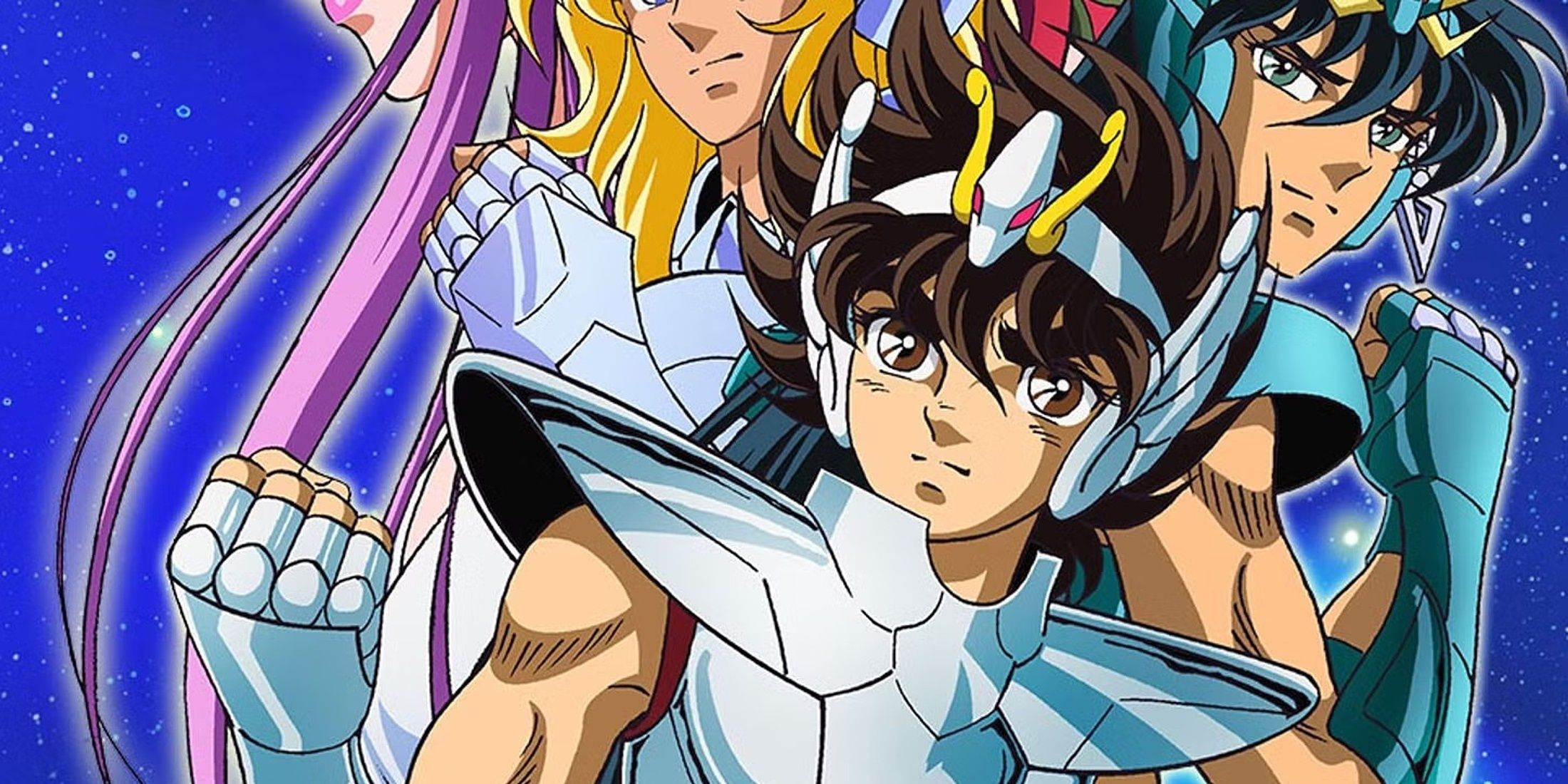 Image via Toei Animation.
 Around the year 2000, Saint Seiya was a key influence in the creation of the popular manga and anime Bleach. While not as widely known as Dragon Ball, Saint Seiya played a significant role in shaping Bleach. Although their stories and worlds differ, Bleach and Saint Seiya share a similar energetic style. Both series feature heroes who gain power through special equipment and battle supernatural enemies. Interestingly, Saint Seiya even includes a storyline involving Hades and the world of the dead, a theme also explored in Bleach.
Both Saint Seiya and Bleach share a striking similarity in their storylines: the arcs where the heroes infiltrate a powerful, hidden society. Saint Seiya‘s Sanctuary Arc and Bleach‘s Soul Society Arc are often considered the best parts of each series. In both, a team of strong warriors fights through a series of challenging locations to rescue a woman, Saori Kido in Saint Seiya, and to confront powerful enemies. Both arcs also feature a major twist regarding the villains – though Bleach’s reveal of Captain Aizen’s true nature, after years of appearing as a kind and trustworthy leader, is particularly memorable.
GeGeGe no Kitaro Inspired Tite Kubo to Draw Manga About the Supernatural
GeGeGe no Kitaro is Obscure to Western Fans But Still Has a Place in Anime History
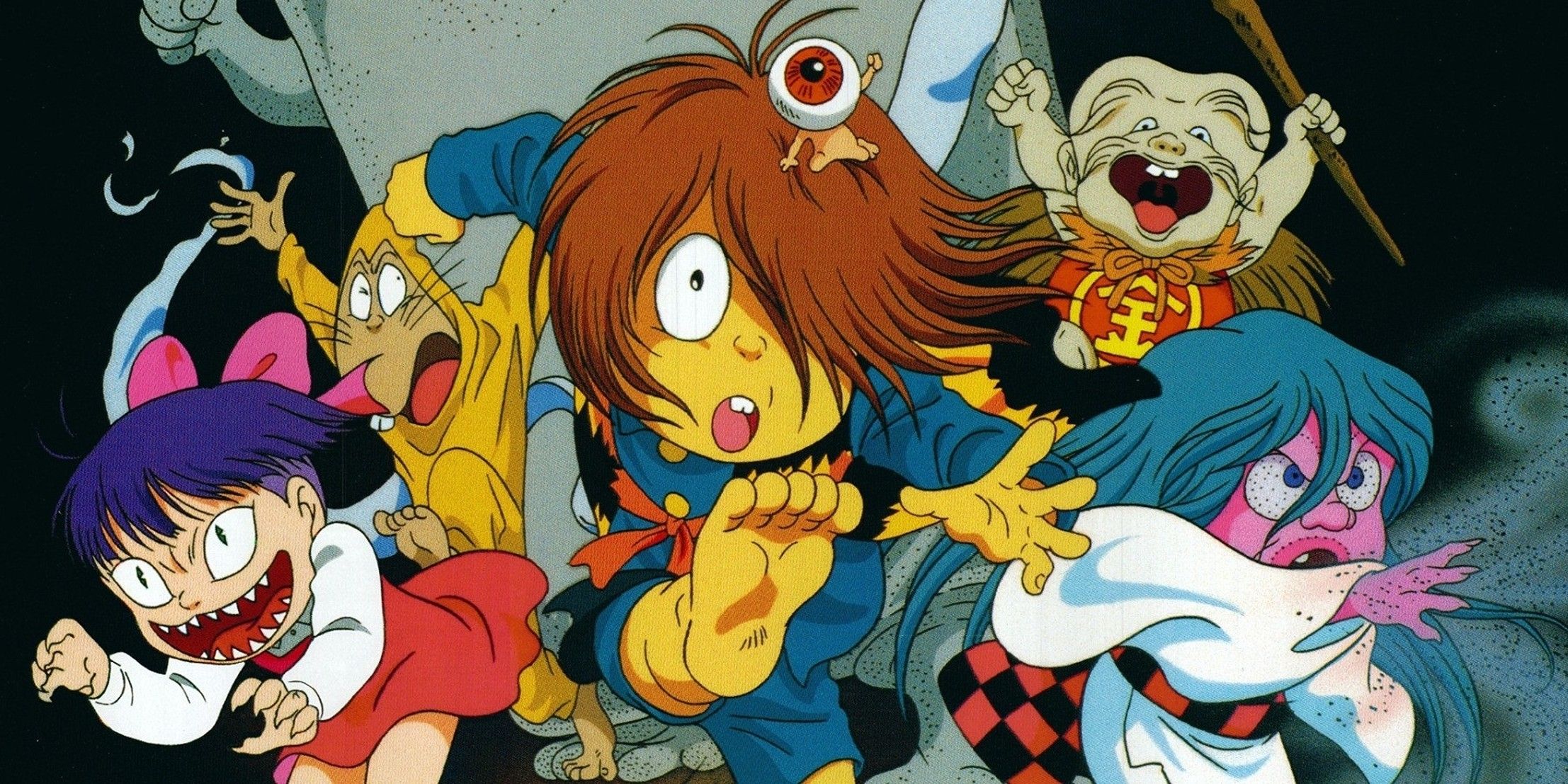 Image via Toei Animation.
 It’s common for popular manga and anime series like Bleach to show influence from earlier hits like Dragon Ball and Yu Yu Hakusho. While these mainstream titles naturally inspire creators—including Bleach‘s Tite Kubo—it’s also important for a series to draw on more unique and personal influences. This helps keep the manga and anime world fresh and prevents the same stories from being retold repeatedly. That’s why the inspiration Bleach takes from series like GeGeGe no Kitaro is so valuable.
The Bleach franchise isn’t well known in Western countries, which contributes to its fresh and unique feel for Western audiences. A major influence on creator Tite Kubo was GeGeGe no Kitaro, which sparked his interest in spirits, the supernatural, and Japanese folklore. While Kubo developed many of Bleach‘s core concepts, like Hollows and Soul Reapers, GeGeGe no Kitaro provided initial inspiration. The stories themselves aren’t very similar, but fans might notice a parallel: Kitaro battles Western spirits like Dracula, just as Bleach‘s Japanese-inspired Soul Reapers fight the German-influenced Quincy empire led by Yhwach.
Read More
- All Shadow Armor Locations in Crimson Desert
- How to Get the Sunset Reed Armor Set and Hollow Visage Sword in Crimson Desert
- Best Bows in Crimson Desert
- Jujutsu Kaisen Season 3 Episode 12 Release Date
- All Golden Greed Armor Locations in Crimson Desert
- Wings of Iron Walkthrough in Crimson Desert
- All Helfryn Armor Locations in Crimson Desert
- How To Beat Ator Archon of Antumbra In Crimson Desert
- How to Craft the Elegant Carmine Armor in Crimson Desert
- Dark Marksman Armor Locations in Crimson Desert
2026-01-28 22:38