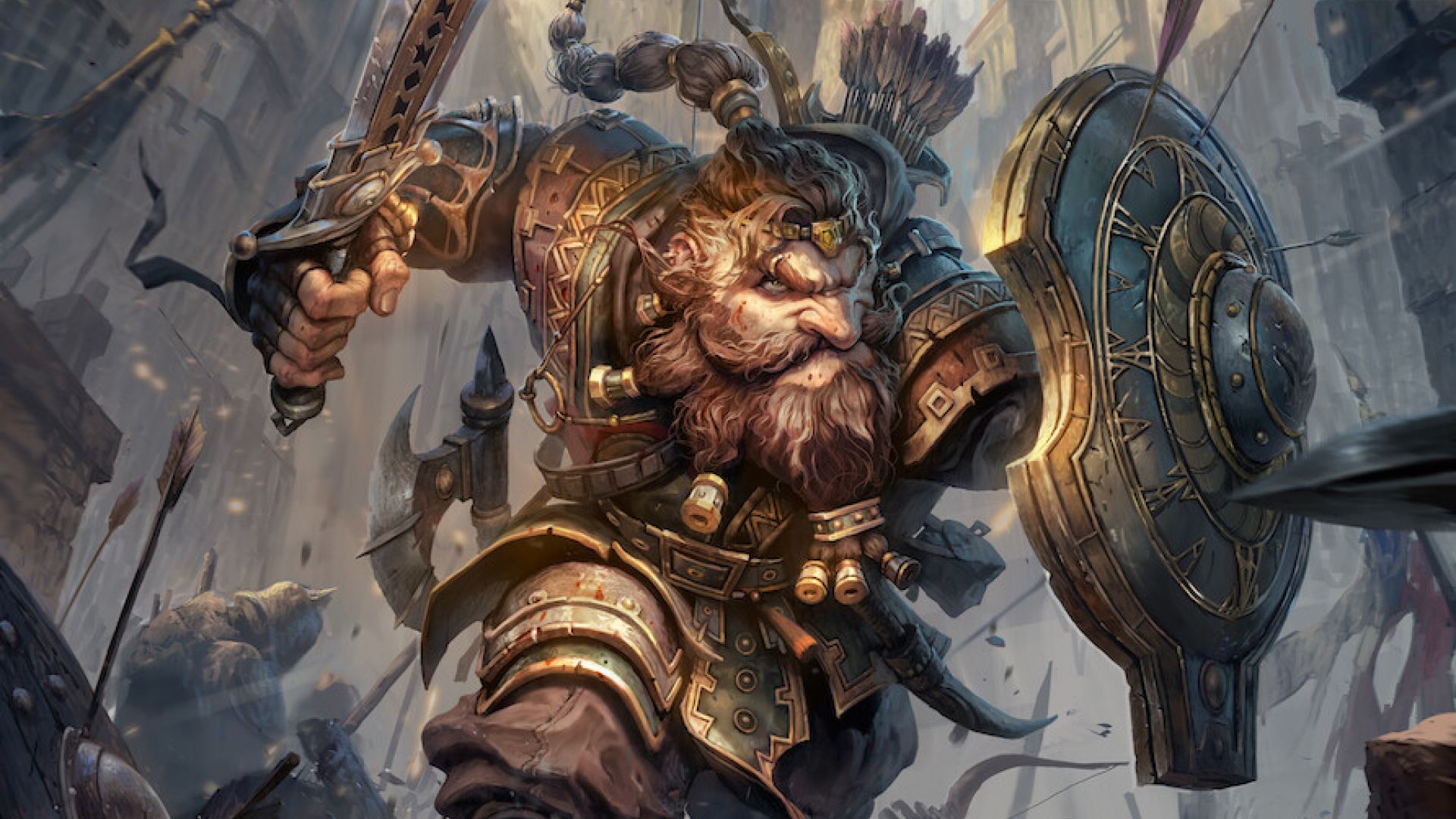
If you want a character who excels in combat in Dungeons & Dragons, the Fighter is a top choice. They’re unique in being able to make more than two attacks in a single turn, and their Action Surge ability gives them a huge advantage during short rests. Recent rule changes in 2024 have further boosted their power, especially with the new Weapon Masteries, which Fighters utilize exceptionally well. It’s easy to see why Fighters are consistently the most popular class in Dungeons & Dragons.
Similar to other character classes in Dungeons & Dragons, Fighters choose a specialization at level three, gaining unique abilities to improve their combat skills and overall effectiveness. Over the years, Wizards of the Coast has released more than a dozen Fighter specializations, and while some are exceptionally powerful, others aren’t as strong. All Fighters are capable in battle, but certain specializations make them significantly more effective.
When creating this list, we focused on key strengths like how well something performs on offense and defense, how easily new abilities are unlocked, how helpful supporting skills are, how adaptable it is, and what level of skill is needed to use it effectively.
S-Tier: Master-Class Combatants That Keep On Coming
- Battle Master
- Cavalier
- Psi Warrior
- Rune Knight
The Battle Master is a particularly popular subclass within the already well-loved Dungeons & Dragons Fighter class. It’s known for its Combat Superiority mechanic, which uses special moves called Maneuvers to control battles, boost damage and defense, and even improve skill checks. Most of the Battle Master’s other abilities either add interesting details or enhance these Maneuvers. This makes the Battle Master a flexible and powerful choice for any Fighter build.
For Fighters who want to be powerful tanks, the Cavalier subclass is a top choice, offering features like Unwavering Mark, Warding Maneuver, Hold the Line, and Vigilant Defender. Cavaliers are versatile fighters, equally effective on foot or mounted, and excel at protecting their teammates while controlling the battlefield. They essentially embody the Sentinel feat as a complete subclass, and recent playtest material suggests that the Cavalier will become even more robust when updated in a future release of Dungeons & Dragons.
Okay, let me tell you about the Psi Warrior in D&D – it’s a psychic subclass that runs on Psionic Energy Dice, similar to the Rogue’s Soulknife, but honestly, it’s a significant step up in power. Early on, you might find yourself burning through those dice quickly, but the abilities you get are seriously versatile. You can boost your damage output and really protect your teammates. By level 10, gaining a Fly speed and getting rid of those pesky Charmed and Frightened conditions really addresses some core weaknesses fighters have. Then, abilities like Bulwark of Force and Telekinetic Master just add layers of awesome on top of an already strong base. It does require a bit of a ‘MAD’ build – meaning you need to invest in multiple ability scores – but trust me, the sheer power of what the Psi Warrior can do more than makes up for it.
In Dungeons & Dragons, a character class is considered “MAD” – meaning “Multiple Ability (Score) Dependent” – if it requires investment in several different stats to function well. This is different from “SAD” (Single Ability Dependent) classes like Sorcerer or Wizard, where you can focus on just one main stat. Fighters are somewhat MAD, as they typically need Strength or Dexterity, along with Constitution. Certain Fighter specializations can make this even more challenging, requiring points in Intelligence, Wisdom, or Charisma as well.
When it comes to Fighter classes in D&D, the Rune Knight is arguably the strongest. They gain powerful passive benefits and active combat abilities as they level up, with a variety of options to choose from. Their ability, Giant’s Might, lets them grow to enormous sizes, increasing their damage, range, and overall impact in combat. Rune Knights are incredibly versatile, with many options for Bonus Actions and Reactions thanks to abilities like Hill, Frost, and Storm Runes, and Runic Shield. This combination of versatility and power allows them to truly excel on the battlefield, often outperforming other Fighters.
A-Tier: Solid Soldiers With Reliable Skills
- Arcane Archer
- Echo Knight
- Eldritch Knight
The Arcane Archer, a character class originally presented in Xanathar’s Guide to Everything, wasn’t particularly strong, but recent playtest material for Dungeons & Dragons has significantly improved it. The class now scales its Arcane Shots with the Fighter’s Intelligence score, meaning they’ll run out of magical energy much less quickly at higher levels, especially with enhancements to their Ever-Ready Shot ability. New features like Magical Ammunition and Masterful Shots also add more versatility both during and outside of battles. The biggest weakness of the Arcane Archer remains its need for high scores in multiple abilities (Intelligence being key).
Echo Knights are a challenging but rewarding fighter subclass in Dungeons & Dragons. They require careful timing of their ‘Manifest Echo’ ability, but mastering it allows for scouting from a distance and even teleportation. A particularly powerful ability is ‘Unleash Incarnation,’ which gives them an extra attack at no cost whenever they attack. While this ability has limits, a skilled, high-level Echo Knight can potentially attack up to ten times in a single turn when combined with ‘Action Surge’.
The Eldritch Knight is a remarkably strong Fighter subclass, and recent updates to the game have made it even better. What sets it apart is its ability to cast spells. At level 7, its War Magic feature allows players to add extra damage to their attacks using spells like Booming Blade or Green Flame Blade at no extra cost. Furthermore, Improved War Magic makes it easy to use helpful spells like Mirror Image or Blur without using up their whole turn. Abilities like Eldritch Strike and Arcane Charge address some common weaknesses, but the Eldritch Knight’s reliance on Intelligence is the main thing preventing it from being top-tier.
B-Tier: Decent Choices With Limiting Niches
- Champion
- Gladiator
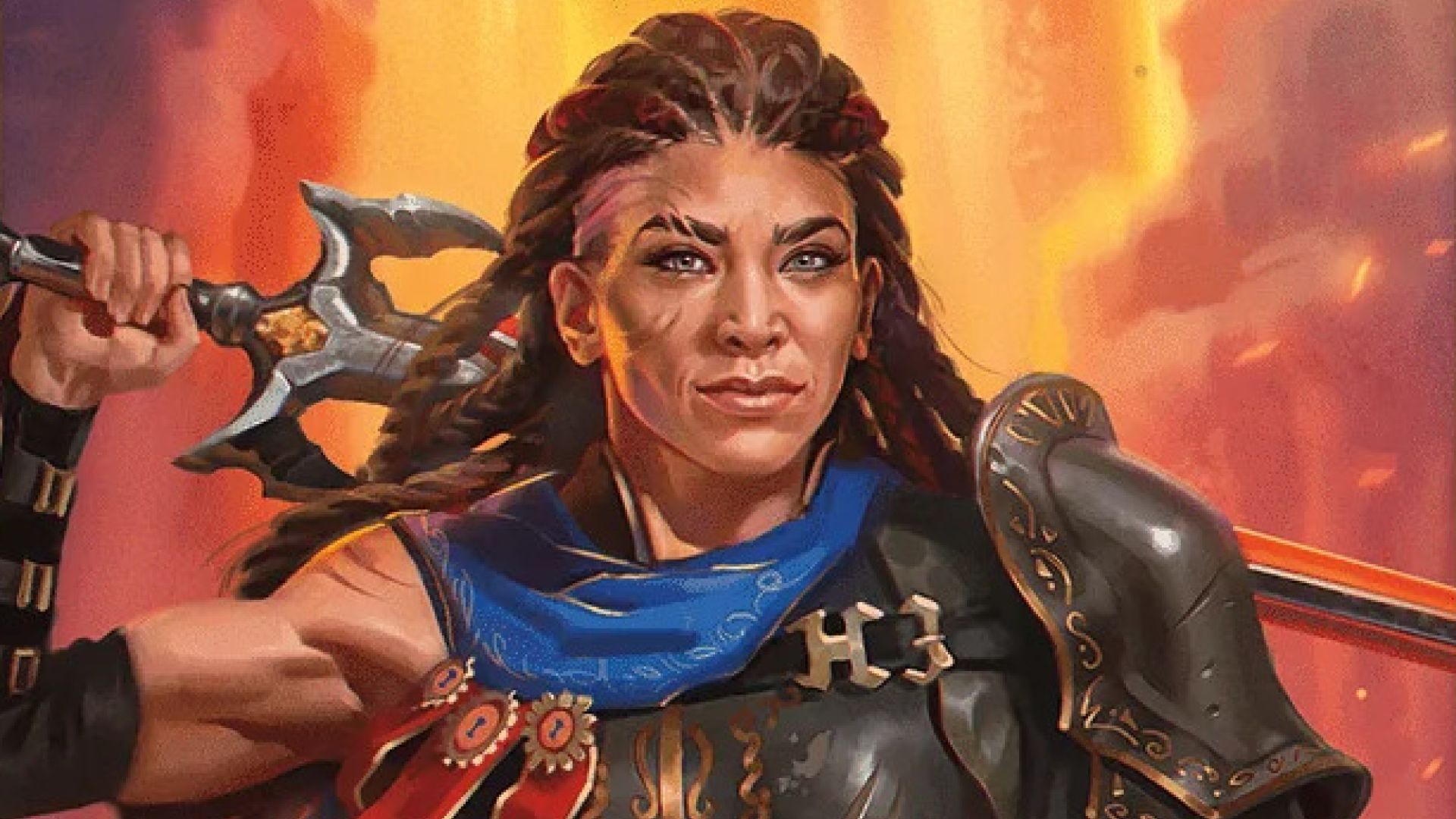
Most classes in Dungeons & Dragons have specialized subclasses, and for the Fighter, that’s the Champion. Champions excel at the core Fighter strengths – they’re better at physical tasks, quick to act, and resilient in tough situations – thanks to benefits like advantages on Athletics, Initiative, and Death Saving Throws, plus an extra Fighting Style and the ability to inspire allies. However, their most notable feature is an expanded range for critical hits. Despite being incredibly effective at what Fighters already do, many players find the Champion subclass somewhat ‘boring’ because its abilities are mostly passive and don’t drastically change how a Fighter plays.
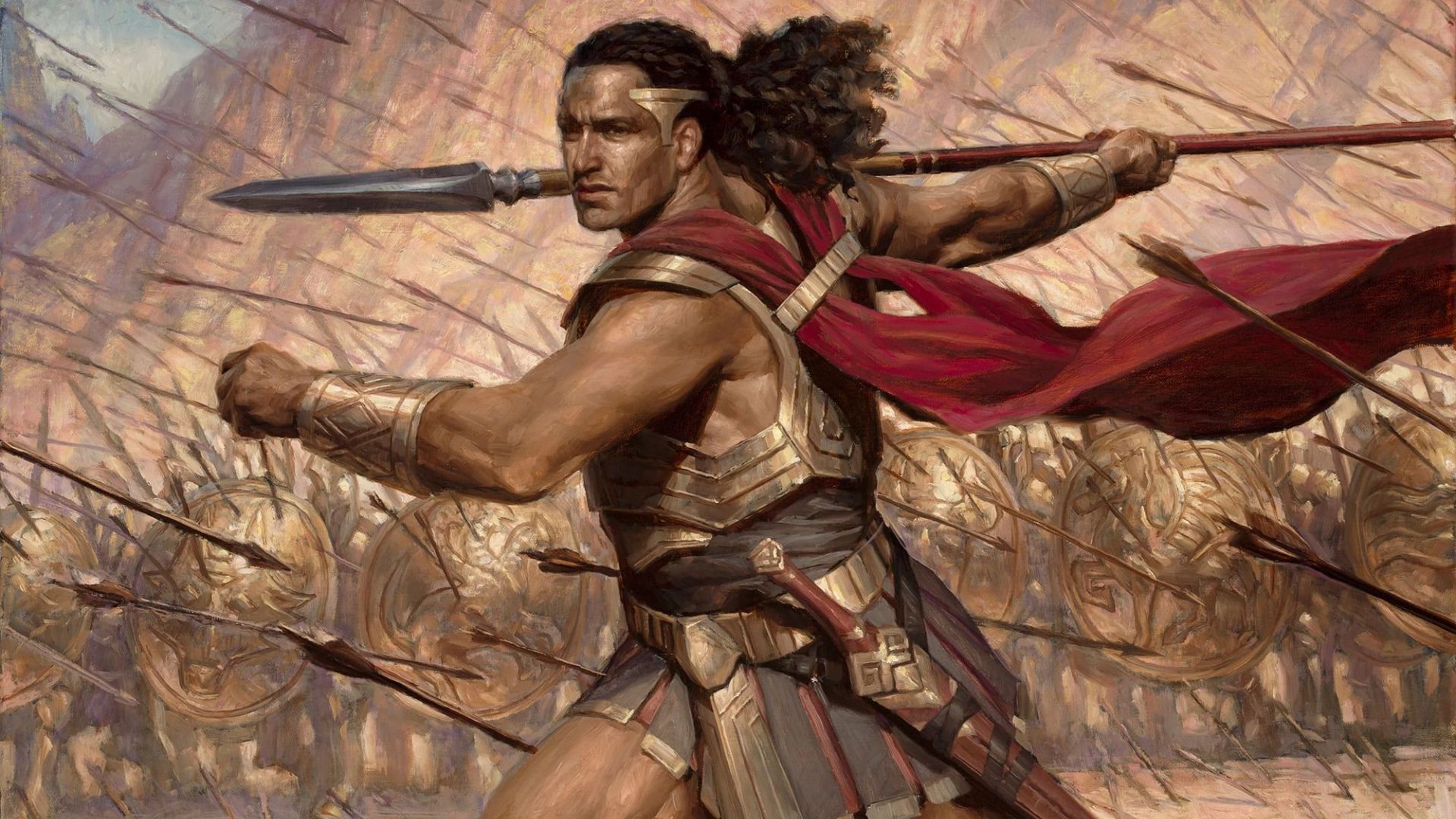
The Gladiator, currently only available in a preview version of Dungeons & Dragons called Unearthed Arcana, shares some similarities with other subclasses. It builds upon the existing Weapon Mastery feature, giving Fighters special abilities like gaining advantage on saving throws, dealing ongoing damage, and making counterattacks. However, it requires a good spread of stats, including Charisma, which can be a drawback. Ultimately, a Battle Master Fighter is likely to be more adaptable and effective in both combat and other situations than a Gladiator.
C-Tier: Underwhelming and Outdated Options
- Banneret
- Samurai
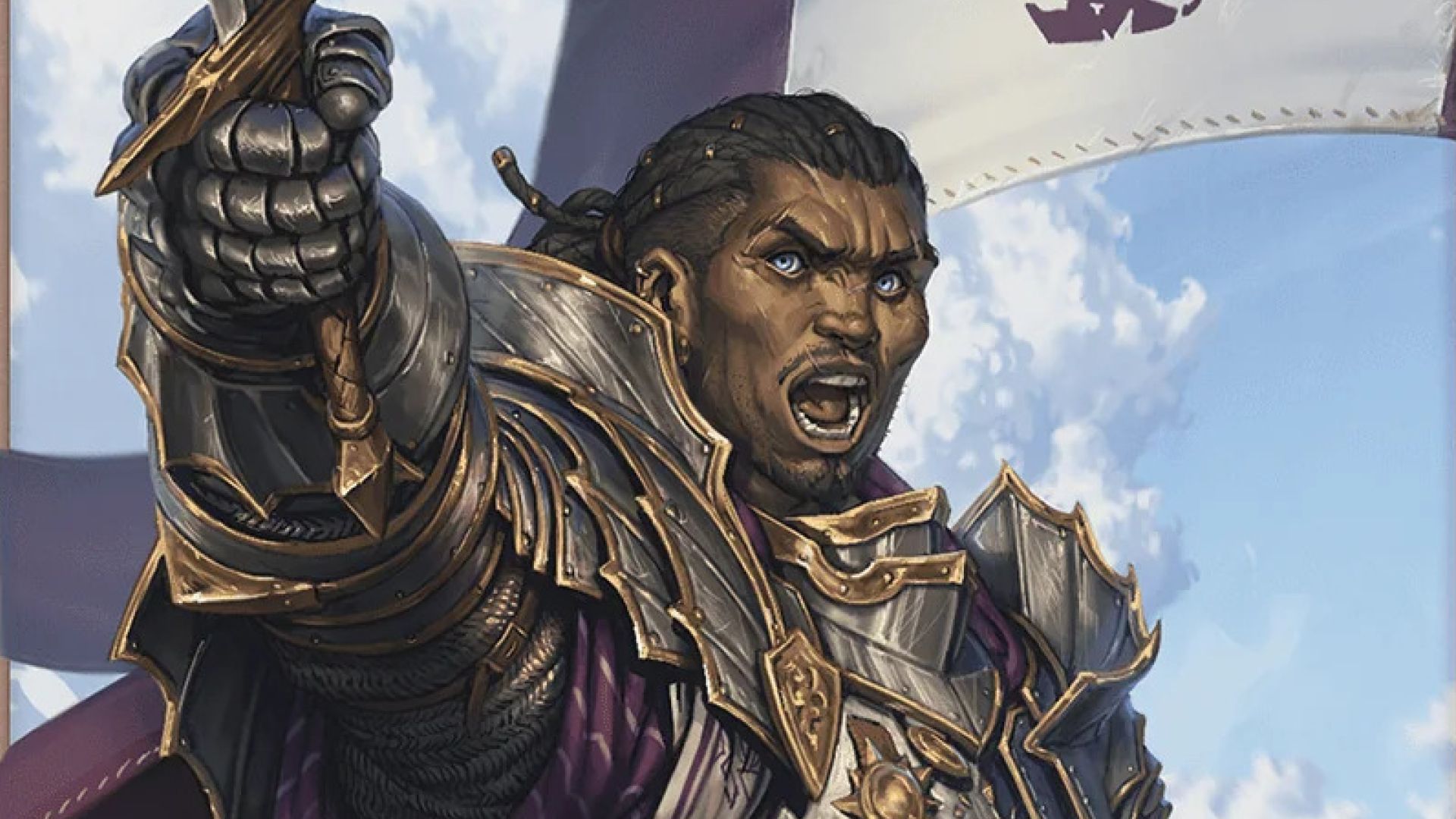
The Banneret subclass has gone through many changes since it first appeared. Originally called the Purple Dragon Knight in the Sword Coast Adventurer’s Guide – a book known for weak subclasses – it was considered particularly ineffective. It briefly became a true purple dragon-riding knight in a playtest document, but eventually evolved into the setting-independent Banneret in Forgotten Realms: Heroes of Faerun. Unfortunately, even after improvements, the Banneret mostly offers skill and language bonuses, along with the ability to share limited resources like Second Wind with allies. This makes it difficult for the class to stand out as anything more than a mediocre support option. While abilities like Team Tactics and Inspiring Commander are decent, other classes or subclasses generally perform those same functions more effectively.
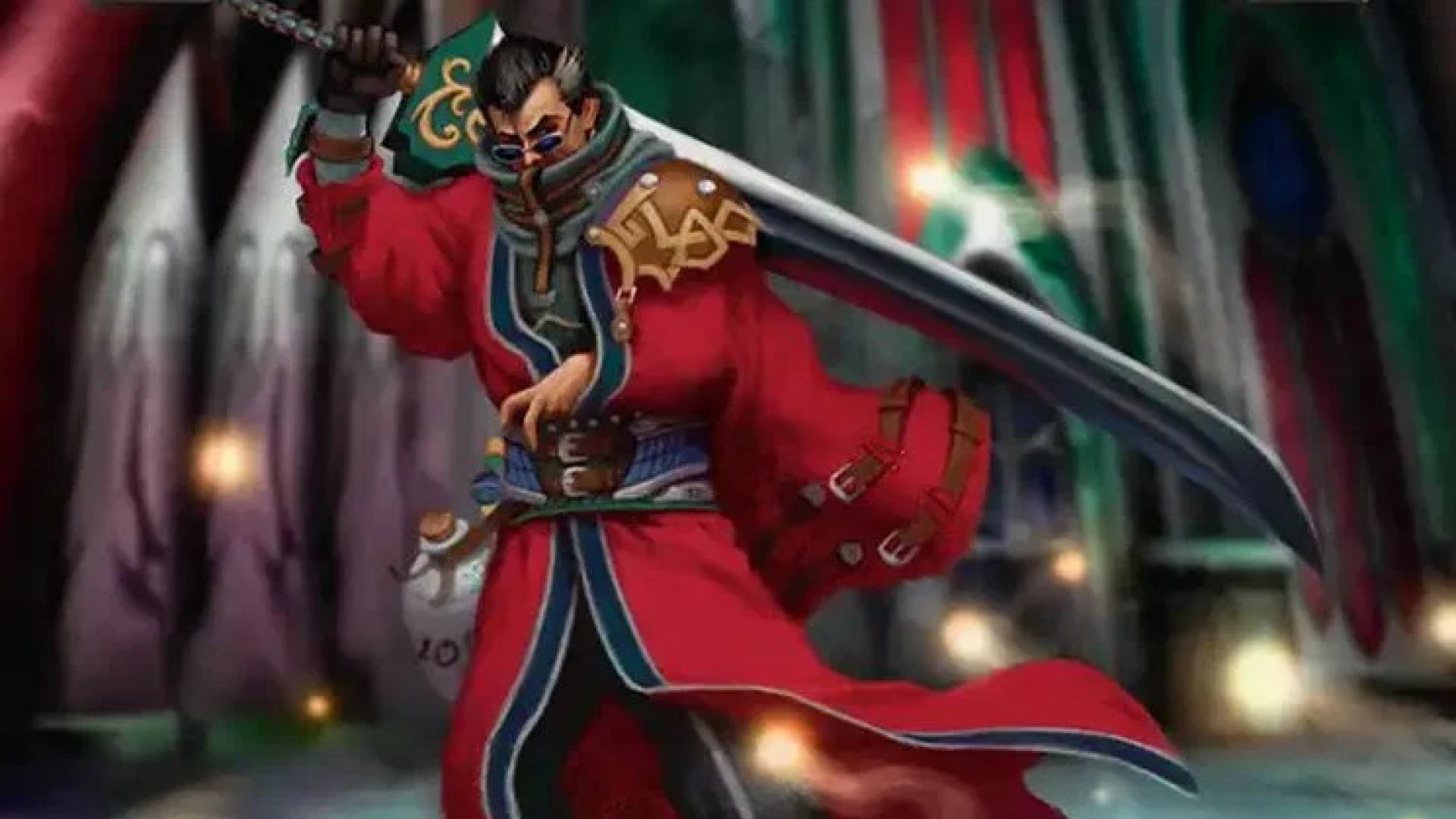
I’ve always been fascinated by the Samurai Fighter! The idea of blending the focused strength and grace of eastern warriors with the Fighter class is just brilliant. However, I often feel like its potential is held back. While the Rapid Strike ability can be incredibly powerful if you play it just right – even rivaling the Echo Knight – the limited uses of Fighting Spirit really hold it back from keeping pace with other subclasses. I really appreciate how Elegant Courtier helps shore up the Fighter’s weaknesses with skill support and Wisdom saves. And Strength Before Death? It’s an amazing ability, but relying on dropping to zero hit points to activate it feels… risky, especially as a capstone. Honestly, the Samurai feels like it has everything it needs to be truly great, but it’s a bit dated, having been released almost nine years ago in Xanathar’s Guide to Everything. It really deserves an update to help it shine!
D-Tier: Subclasses That Weren’t Released For a Reason
- Brute
- Monster Hunter
- Scout
- Sharpshooter
All of the other Fighter subclasses have been published in official sourcebooks or previewed in Unearthed Arcana, but some never made the final cut – and with good reason. The Brute is one of these. It only offers a single unique benefit – an extra die rolled for damage and on Saving Throws – relying heavily on features already found in the Champion Fighter or Barbarian classes in D&D. Ultimately, the Brute doesn’t perform well and is surprisingly even less interesting and more simplistic than the Champion.
The Monster Hunter was one of the first attempts to adapt the Battle Master’s Combat Superiority system for other character classes. However, it ended up with fewer combat maneuvers than a typical Battle Master, instead focusing on abilities that countered magic, provided skill bonuses, and included spells like Detect Magic and Protection from Evil and Good. It’s not surprising that this concept was later refined and released as the Monster Slayer Ranger in Dungeons & Dragons.
The Scout Fighter started out as a weak imitation of the Battle Master, with a few abilities borrowed from the Ranger’s Natural Explorer. However, it ended up with even fewer combat options than the Monster Hunter, and none of those options boosted its damage output. Eventually, the Fighter subclass was discontinued, and the name ‘Scout’ was given to a Rogue subclass, which has become one of the most effective options for Rogue characters in Dungeons & Dragons.
The Sharpshooter Fighter was tested alongside the Samurai, and shares a similar gameplay style. While the Samurai relies on Fighting Spirit, the Sharpshooter recovers its special ability, Steady Aim, with a short rest, letting it maintain effectiveness throughout a longer fight. However, most of the Sharpshooter’s skills are borrowed from other classes like the Inquisitive Rogue, the Samurai Fighter, or standard D&D Fighting Styles, making it feel unoriginal. The idea behind the Sharpshooter Fighter is promising, but this particular version would need significant changes to be balanced and useful in current D&D games.
Read More
- All Shadow Armor Locations in Crimson Desert
- How to Get the Sunset Reed Armor Set and Hollow Visage Sword in Crimson Desert
- Best Bows in Crimson Desert
- Jujutsu Kaisen Season 3 Episode 12 Release Date
- All Golden Greed Armor Locations in Crimson Desert
- Wings of Iron Walkthrough in Crimson Desert
- How to Craft the Elegant Carmine Armor in Crimson Desert
- All Helfryn Armor Locations in Crimson Desert
- How To Beat Ator Archon of Antumbra In Crimson Desert
- Dark Marksman Armor Locations in Crimson Desert
2026-01-29 20:07