Open-world games are known for letting players explore vast environments and make their own choices within the game’s story. However, it’s crucial that players feel like they’re truly impacting the narrative, rather than just following a checklist of tasks. If a game doesn’t achieve this, it can quickly become repetitive and lose its appeal.
Many fantastic games let you stray from the main story, letting you change, tweak, or even completely bypass it. You can often return later, stronger and more prepared, after exploring everything else the game has to offer. This freedom makes the game world much more immersive and fun, because you’re not locked into a single way of playing.
10. The Elder Scrolls 5: Skyrim
World-Ending Stakes But No Real Urgency
Details:
- Narrative tension collapses due to the side content
- The main quest can be delayed indefinitely
While Skyrim features a world-ending dragon crisis, the game doesn’t rush players to deal with it. You’re free to explore other storylines – like joining guilds, fighting in a civil war, or pursuing personal goals – before even focusing on the dragons.
If players put off certain initial quests, important parts of the story can be stalled for a long time – even while other characters act like the world is about to end. This creates a jarring experience that weakens the story’s impact, making the main plot feel like unimportant backstory instead of the main event.
9. Fallout: New Vegas
A Story Designed Around Player Decisions
Details:
- Players can remove entire factions from the game
- Endings adapt dynamically over time
I love how Fallout: New Vegas handles its main story. It doesn’t force you down one specific path. Seriously, you can even kill off the leaders of the major factions super early on – like, during your first meeting with them! You’d think that would break the game, but it doesn’t. Instead, New Vegas actually changes and adapts to your choices, which is awesome. It doesn’t just fall apart, it keeps going, but different.
Since players aren’t locked into one side, the story adapts to their beliefs and actions. It’s possible to completely reshape the narrative by sabotaging factions, breaking alliances, and deliberately avoiding key objectives until the last moment.
8. The Witcher 3: Wild Hunt
Unintended Consequences Throughout
Details:
- Many outcomes are tied to subtle choices
- Story reveals can lose impact through exploration
The story in The Witcher 3 focuses on choices having lasting effects, but the game doesn’t always let you know when those effects are being determined. Small decisions can unexpectedly lead to big consequences – like characters dying or the game’s ending changing – and it’s often hard to tell what impact your choices will have at the time you make them.
Because the game focuses on exploration, you’ll meet characters before you fully understand their role in the story, which can sometimes make them feel less important. While no single character drastically alters the main plot, you’ll have plenty of freedom to influence events and complete quests in your own way, making each playthrough different.
7. The Legend Of Zelda: Breath of the Wild
Cutting Straight To The End
Details:
- The final boss can be fought right after the tutorial
- Story context can be virtually ignored
One of the most remarkable things about Breath of the Wild is the freedom it gives players. Right after the initial tutorial, you can actually try to fight the final boss – and you can do so at any time, for as long as you want. This level of openness is rare in open-world games.
If players hurry to the end, they’ll get a simpler story, but the freedom to choose their own pace makes the game much more satisfying. They aren’t pushed into a final battle that stops them from continuing, and can instead explore as much or as little as they want, changing how the story usually unfolds in open-world games.
6. Cyberpunk 2077
Molding The World To Your Will
Details:
- Endings unlocked through specific choices
- Open-world distractions pull players away from the story
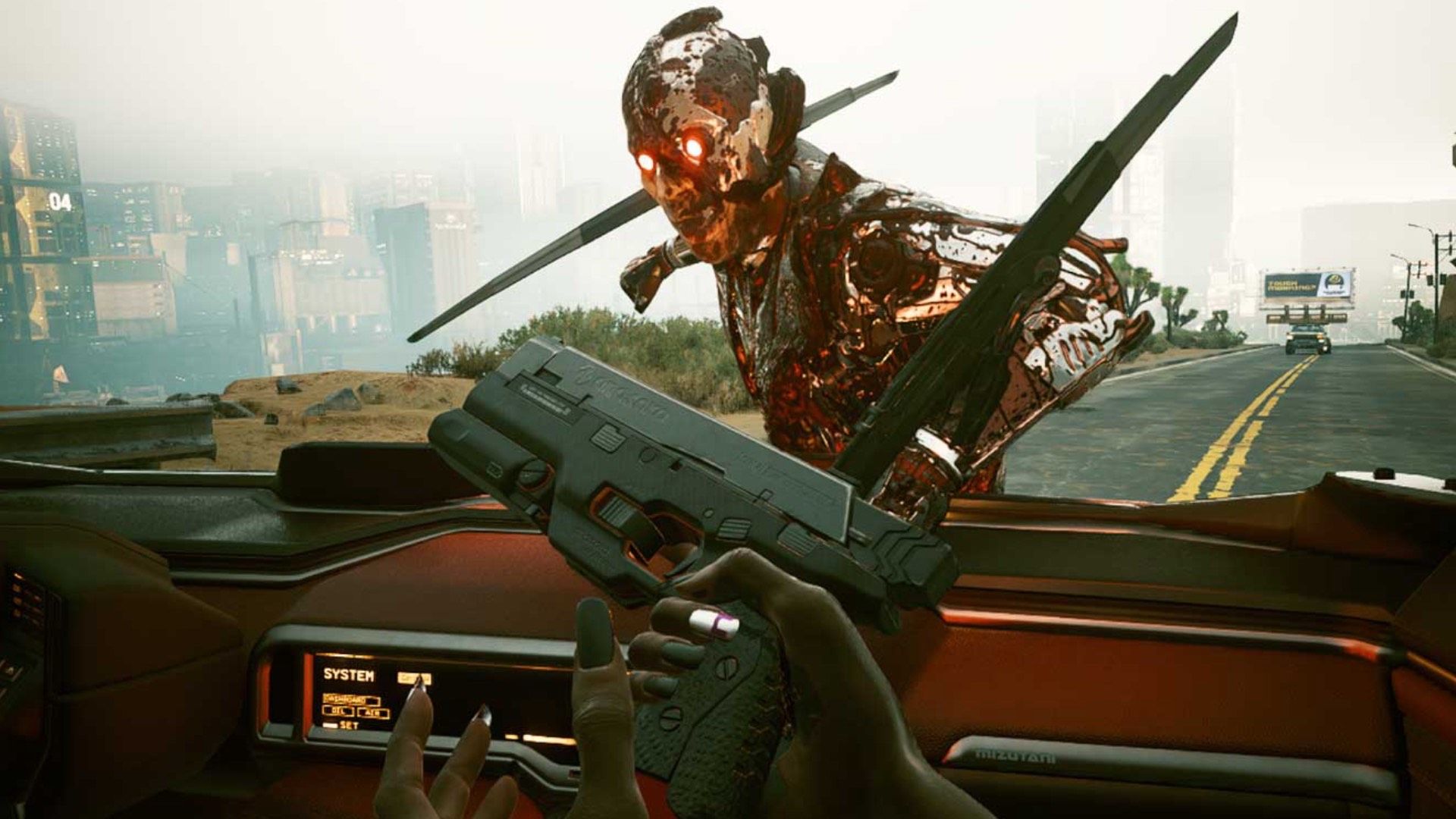
The main story of Cyberpunk 2077 is well-written and feels like a movie, drawing you in with its characters and themes. However, because it’s an open-world game, you can easily get sidetracked, and some relationships with characters might develop or conclude earlier than the story intends.
The game features endings that can be surprisingly easy to unlock, or frustratingly difficult, depending on specific and often hidden dialogue choices. It’s possible to become incredibly powerful and uncover the world’s secrets without actually finishing V’s personal story, making the city itself an obstacle to true completion.
5. The Elder Scrolls III: Morrowind
Total Narrative Freedom
Details:
- Major events are broken apart without ever touching the main story
- Contradictory moments become almost inevitable
Morrowind gives players a remarkable amount of freedom to shape their own story. This means you can accidentally (or intentionally!) derail important quests, eliminate key characters, or focus entirely on side content without ever progressing the main plot. What’s unique is that even if you completely mess things up, the game still lets you keep playing and exploring.
The game’s characters and story often assume the player already understands certain things, which can accidentally reveal important plot points too early. This inconsistent approach weakens the main prophecy, making it feel unreliable or even pointless.
4. Outer Wilds
Knowledge Is The Only Way
Details:
- Ending the game is dependent on knowledge alone
- Narrative order varies on a player-to-player basis
Outer Wilds is a unique game where understanding the world is far more important than skill or strength. While many games require quick reflexes or powerful abilities, in Outer Wilds, simply learning enough information can actually let you beat the game.
After you’ve finished the game once, replaying it doesn’t offer much new experience. All the surprises are gone, and exploring just leads to the same results. It’s a game best enjoyed as a single, unique playthrough.
3. Dragon’s Dogma
A World That Refuses To Wait
Details:
- Important NPCs can die permanently
- The main plot often becomes secondary
Dragon’s Dogma tells a grand story about fate and an endless battle, but players can easily get lost in optional activities like monster hunting and exploring for hours without addressing the main problem. This weakens the story’s sense of urgency and causes many quests to feel unfinished or disconnected.
Importantly, key characters can die for good, sometimes unexpectedly closing off entire storylines. Plus, major discoveries later in the game can dramatically change how you understand things that happened earlier. This means players who take their time or hurry through important moments might have completely different experiences and perspectives, even if they’re playing the same game.
2. ELEX
Ignoring The Structure Is The Only Way
Details:
- Faction choices override certain plot arcs
- Revelations can occur out of sequence
In ELEX, the game doesn’t hold your hand or push you through a set storyline. You can join the main questlines related to different groups at almost any time. This freedom means you might stumble into events without understanding what’s going on, or get information before you’re ready for it, leaving you confused or surprisingly well-informed.
Often, your choices about which group to support and the quests you complete can completely change the main storyline. Plus, because the game doesn’t adjust difficulty based on your level, skilled players can explore areas before they’re meant to, which can ruin the impact of important story moments.
1. Assassin’s Creed: Odyssey
Exploration Leading To New Answers
Details:
- Major villains can be taken out early
- Long-stretches of ignoring the main plot
Assassin’s Creed: Odyssey offers a grand adventure set in Ancient Greece, focusing on themes of family, destiny, and political conflict. However, the game’s story quickly loses momentum because players can easily ignore the main plot and spend their time completing optional side quests and activities.
Ignoring the intended story path can lessen the emotional impact, or even completely break the narrative. Important characters might die prematurely if players explore in an unexpected order. While the game will adjust to player choices, the emotional connection to the story often doesn’t fully recover after straying too far from the main plot.
Read More
- All Shadow Armor Locations in Crimson Desert
- How to Get the Sunset Reed Armor Set and Hollow Visage Sword in Crimson Desert
- Best Bows in Crimson Desert
- All Golden Greed Armor Locations in Crimson Desert
- Wings of Iron Walkthrough in Crimson Desert
- How to Craft the Elegant Carmine Armor in Crimson Desert
- All Helfryn Armor Locations in Crimson Desert
- How To Beat Ator Archon of Antumbra In Crimson Desert
- Keeping Large AI Models Connected Through Network Chaos
- All Skyblazer Armor Locations in Crimson Desert
2026-01-30 11:41