I’ve been a horror game fan for ages, and it’s amazing to see how much the genre has evolved since the beginning! There have been so many great series over the years, but for me, Resident Evil really stands out. It totally revolutionized horror games, making them way more popular and accessible than they ever were before.
Considering the wide variety of games released over the past 40 years, it’s difficult to credit any single series with inventing all the key elements of the horror genre. Many horror staples, gameplay features, and even entire subgenres originated from games that dared to be innovative, and their influence can still be seen in games today.
P.T.
Cutdown Too Soon
Details:
- Revolutionary confined loop
- Countless titles inspired by a single demo
Despite being a brief and now unavailable demo, P.T. remains one of the most impactful horror games of all time. Its effectiveness stemmed from its simple gameplay – a looping hallway that subtly changed with each repetition, slowly building tension. Instead of jump scares or fighting, the game created fear through anticipation and the unknown, making players constantly wonder what was different and what might happen next.
Man, what really got to me about this game was how unbelievably realistic it looked. Every little detail, every creak of the floorboards, every shadow felt like it was actually happening to me. It totally changed horror games after it came out. You can see its influence all over the place – games like Visage and Layers of Fear basically took that same looping, slow-burn, super creepy style and ran with it. It was a game changer, honestly.
Silent Hill
Horror’s Other Crowning Jewel
Details:
- More psychologically driven
- Darkness and dread over jumpscares
Silent Hill is a landmark horror game, as impactful as Resident Evil, but offering a different kind of scare. While Resident Evil focused on survival, Silent Hill pioneered psychological horror. Instead of relying on shocking moments or graphic violence, it created a constant sense of dread through its use of fog, darkness, and sound. Surprisingly, the game’s technical limitations actually enhanced the experience, obscuring the player’s vision and adding to the disorientation – techniques that many later horror games would copy.
The monsters in the game weren’t simply opponents to defeat; they represented the characters’ inner struggles, making them much more impactful than typical enemies. The story encouraged players to think for themselves and find their own meaning, rather than having everything explained to them. This innovative approach redefined horror in gaming, and its influence can still be seen today in many psychological horror games that focus on creating a disturbing atmosphere, using symbolism, and evoking strong emotions.
Outlast
Nothing But A Camcorder
Details:
- Visceral and realistic
- A wave of titles focused less on combat
Outlast revolutionized horror games by eliminating combat and putting players in a terrifying, defenseless situation. You’re forced to run, hide, and observe as you navigate an endless, horrifying asylum. The game’s camcorder mechanic adds to the tension, limiting your vision and making even exploration a stressful experience, regardless of how many batteries you have.
The game turns every moment into a stressful test of endurance, focusing less on skillful gameplay and more on simply staying alive. Its success led to a surge of horror games that emphasize helplessness and being chased, offering players a unique experience where their only option is to keep moving forward. It also showcases excellent use of gore; while some scenes are shocking, the violence feels impactful and realistic without being over-the-top or silly.
Five Nights At Freddy’s
A Horror Revolution
Details:
- Mascot horror progenitor
- Countless sequels, spin-offs, and other franchises
Five Nights at Freddy’s demonstrated that a simple design can build intense suspense in a game. Players are stuck in one room and have to monitor security cameras, close doors, and conserve power, all while listening for sounds and watching out for unsettling animatronics who don’t like being observed. The game isn’t scary because of sudden shocks, but because it creates constant stress and leaves players feeling drained from always expecting something to happen.
Five Nights at Freddy’s (FNAF) didn’t just change how horror games are played; it also dramatically impacted internet culture. It sparked a trend of horror franchises built around recognizable characters and inspired a huge amount of fan-created theories and online content that’s still popular today. Importantly, FNAF introduced a new, younger audience to the horror genre, proving that scares don’t always need to rely on graphic violence to be effective and expanding the genre’s appeal.
Alone in the Dark
Giving The Genre A Third-Dimension
Details:
- 3D characters in pre-rendered environments
- Genre staples like resource limitation and environmental storytelling
Before the popular game Resident Evil, there was Alone in the Dark, which pioneered the survival horror genre. It was innovative for its time, featuring 3D characters moving through detailed environments, dramatic camera work, and puzzles that encouraged exploration. The game focused on making players feel vulnerable, and it achieved this through a strong atmosphere and a slower, more suspenseful pace.
Rather than influencing how games look, this game fundamentally changed how they were built. Many common features in the survival horror genre, such as scarce resources and a feeling of loneliness, originated here. Though simple compared to today’s games, Alone in the Dark essentially created the blueprint for decades of survival horror, and the genre might not be what it is today without it.
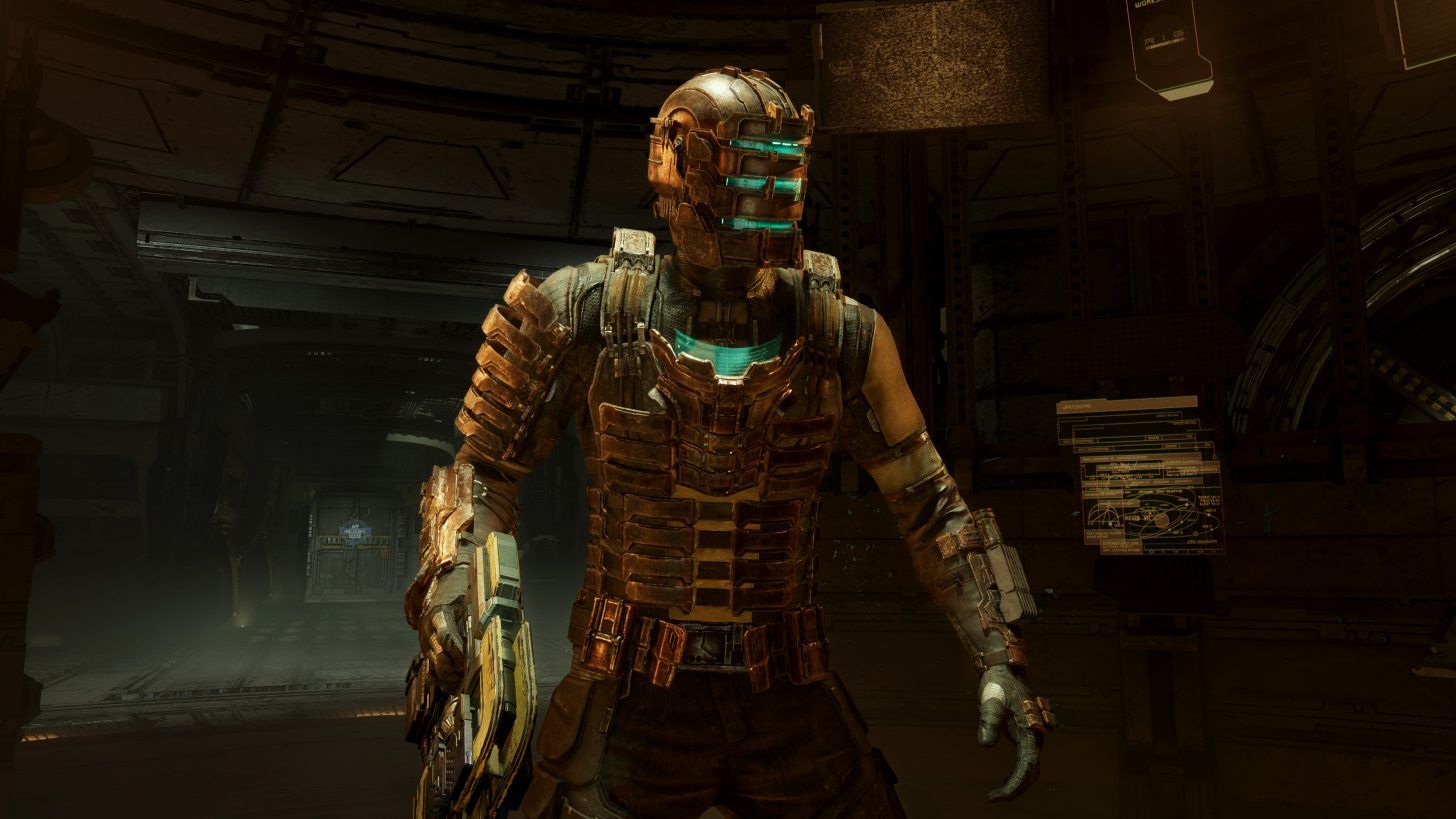
Dead Space
Pioneering The Sci-Fi Space
Details:
- More action in a futuristic setting
- Mainstream use of diegetic HUD
Dead Space successfully combined the classic elements of survival horror with science fiction, demonstrating that the genre could advance technologically while still being truly frightening. The game takes place on a disturbing, run-down spaceship and creates a tense atmosphere. Players had to carefully explore their surroundings for escape routes or to anticipate where creatures might appear. What really set the combat apart was the ability to strategically cut off enemy limbs, turning basic fights into clever, strategic moments.
Beyond the story, Dead Space excelled at the small details, particularly its user interface. Instead of traditional on-screen displays, nearly all information was cleverly integrated onto the player character or the items they carried, creating an incredibly immersive experience that’s still rare today. This, combined with fantastic sound design, turned the game into a truly frightening psychological thriller. More importantly, Dead Space proved that sci-fi horror could be just as scary as classic ghost stories or zombie games, paving the way for other excellent titles like Prey, SOMA, and the more recent ROUTINE.
Clock Tower
The Start Of The Unstoppable Stalker
Details:
- Point-and-click mechanics with far more depth
- Constant fleeing with no way of fighting back
Clock Tower pioneered a classic horror idea: the relentless pursuer, which became common in games like Resident Evil. Players are defenseless and must escape the terrifying Scissorman, generating fear not through combat, but through the constant uncertainty of when he’ll strike next.
This design approach greatly influenced many horror games that followed, including titles like Amnesia and Alien: Isolation. It demonstrated that a relentless, unavoidable threat could be incredibly frightening. By emphasizing helplessness and intense fear over giving players power, it started a trend where building suspense became central to the experience, and fleeing from danger was a legitimate survival tactic, not just something to do when all else failed.
Read More
- All Shadow Armor Locations in Crimson Desert
- How to Get the Sunset Reed Armor Set and Hollow Visage Sword in Crimson Desert
- Best Bows in Crimson Desert
- All Skyblazer Armor Locations in Crimson Desert
- All Golden Greed Armor Locations in Crimson Desert
- Wings of Iron Walkthrough in Crimson Desert
- All Helfryn Armor Locations in Crimson Desert
- Marni Laser Helm Location & Upgrade in Crimson Desert
- How to Craft the Elegant Carmine Armor in Crimson Desert
- Keeping Large AI Models Connected Through Network Chaos
2026-01-31 11:35