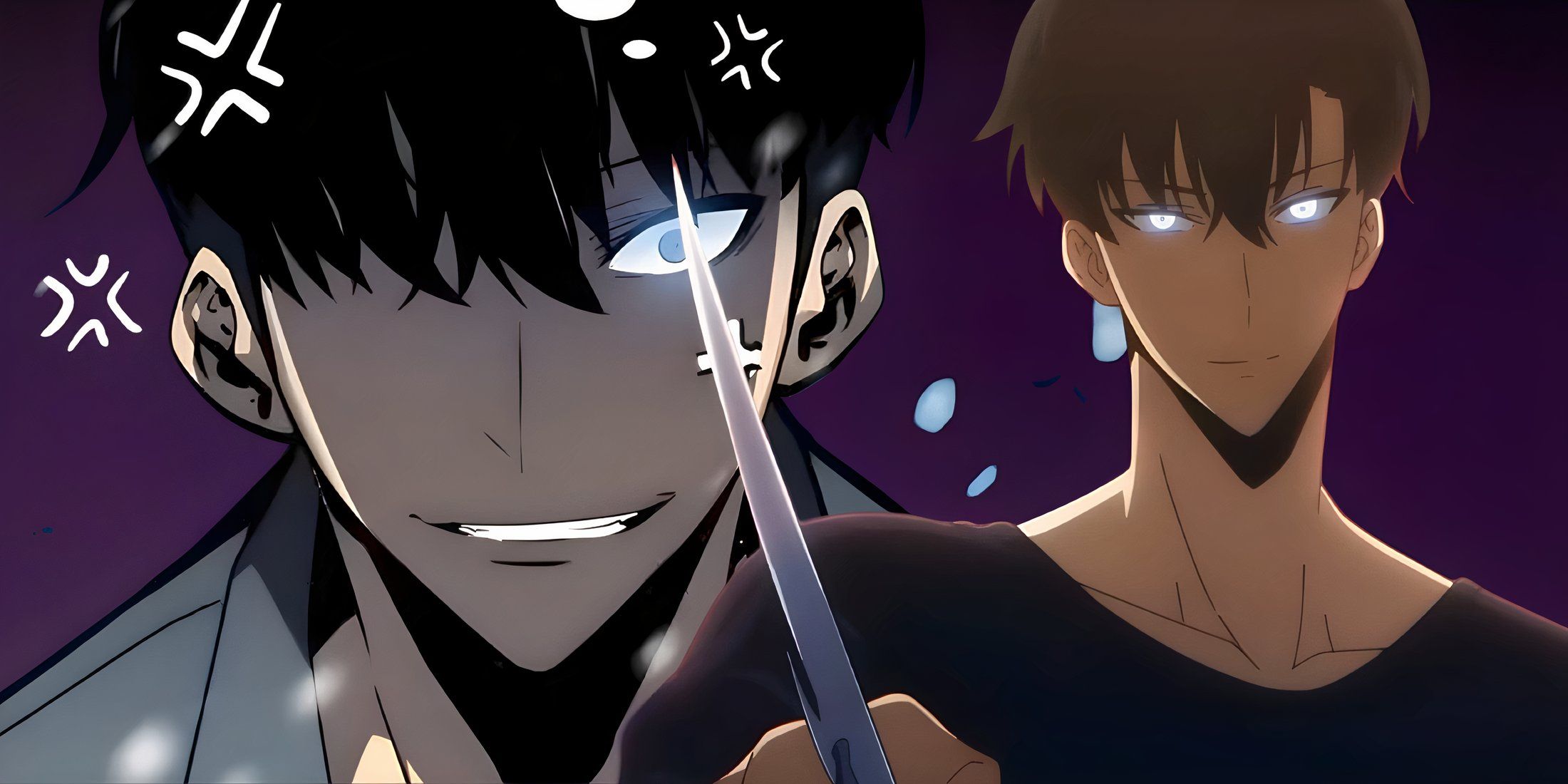
The anime adaptation of Solo Leveling by A-1 Pictures is a fantastic translation of the popular manhwa. The studio has done an excellent job bringing it to life, especially with its exciting action sequences and incredible music by Hiroyuki Sawano. They’ve also expanded the story by giving more focus to supporting characters like Choi Jong-In and the Hunters Guild, making the world feel more expansive. However, because each episode covers about five chapters of the source material, some scenes feel a bit hurried and lose some of the original’s impact.
The anime is visually stunning, but the original Solo Leveling webcomic has a unique atmosphere that’s hard to replicate in animation. The webcomic doesn’t just show images; it conveys powerful emotions through its art. Some panels use a full screen to create a sense of overwhelming dread that feels endless. These eight scenes highlight how the webcomic’s distinctive style and pacing gave the anime a strong foundation, even though the anime itself is already excellent.
8. The First “Arise” (Igris)
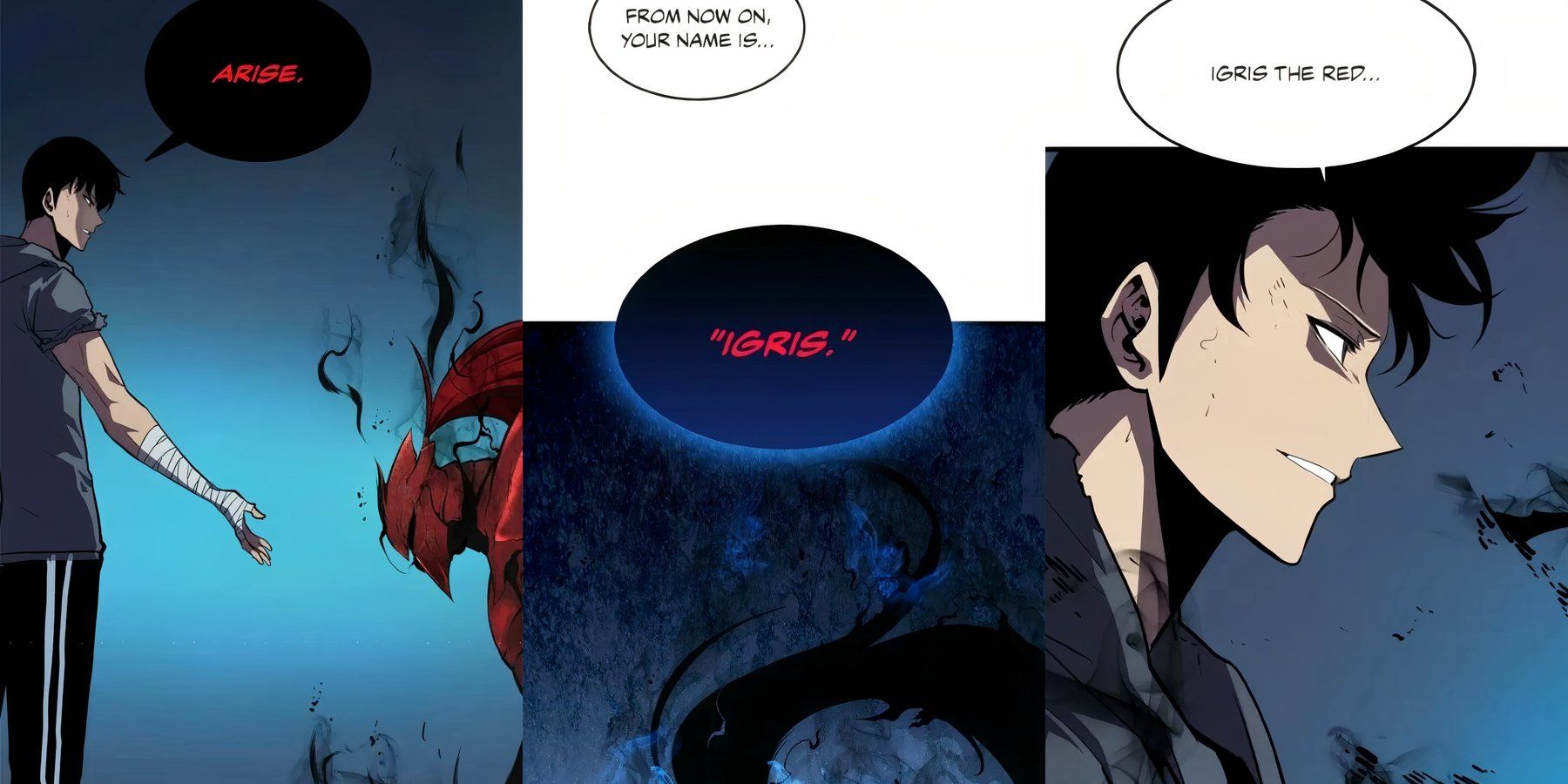
The anime adaptation of Jinwoo summoning Igris uses dramatic music and vibrant purple light for a powerful, cinematic effect. However, the original manhwa achieves a different kind of impact. In chapter 45, instead of music, the scene uses stark silence, represented by a large, completely black speech bubble and striking, white, handwritten text to grab the reader’s attention.
Even a single word can create a strong visual impression, completely altering the atmosphere. In the manhwa adaptation, the calming voice of the anime character Jinwoo is represented by harsh, shadowy lettering, effectively conveying a chilling feeling that animation sometimes struggles to achieve.
7. The God Statue’s First Smile
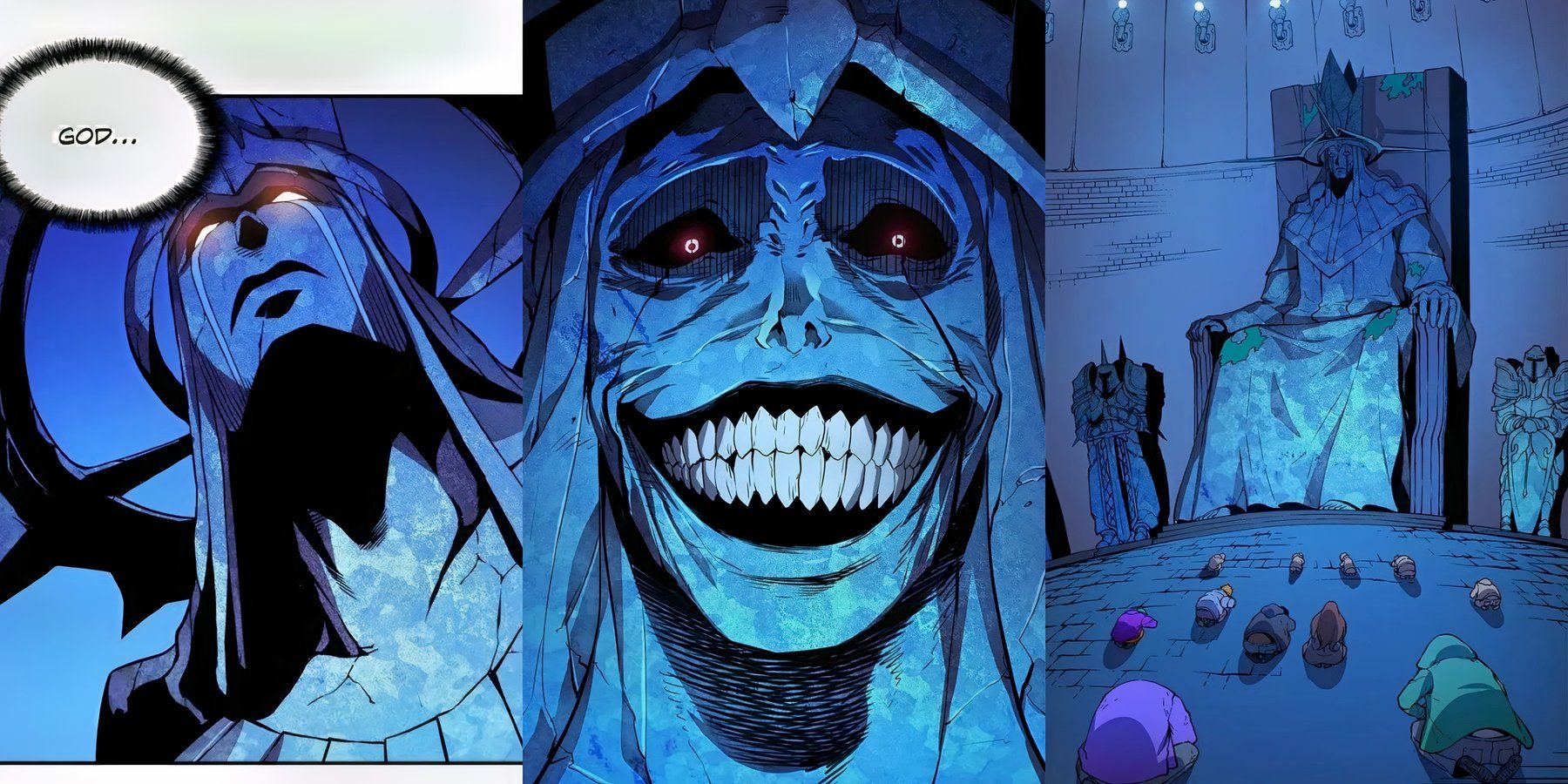
The statue’s smile at the Cartenon Temple is a famous image. While the anime version is fairly faithful to the original, the manhwa makes it seem much more menacing. Chapter 4 shows the stone face in great detail – you can see every crack and broken tooth, making its expression truly frightening.
Reading manhwa allows you to enjoy the story at your own speed, while anime tends to move quickly to maintain excitement. Fans believe a particular statue featured in the manhwa isn’t simply a monster, but an ancient god who finds genuine amusement in human hardship – a complex emotion that’s difficult to capture effectively in animation.
6. The Murderous Intent Warning of the System
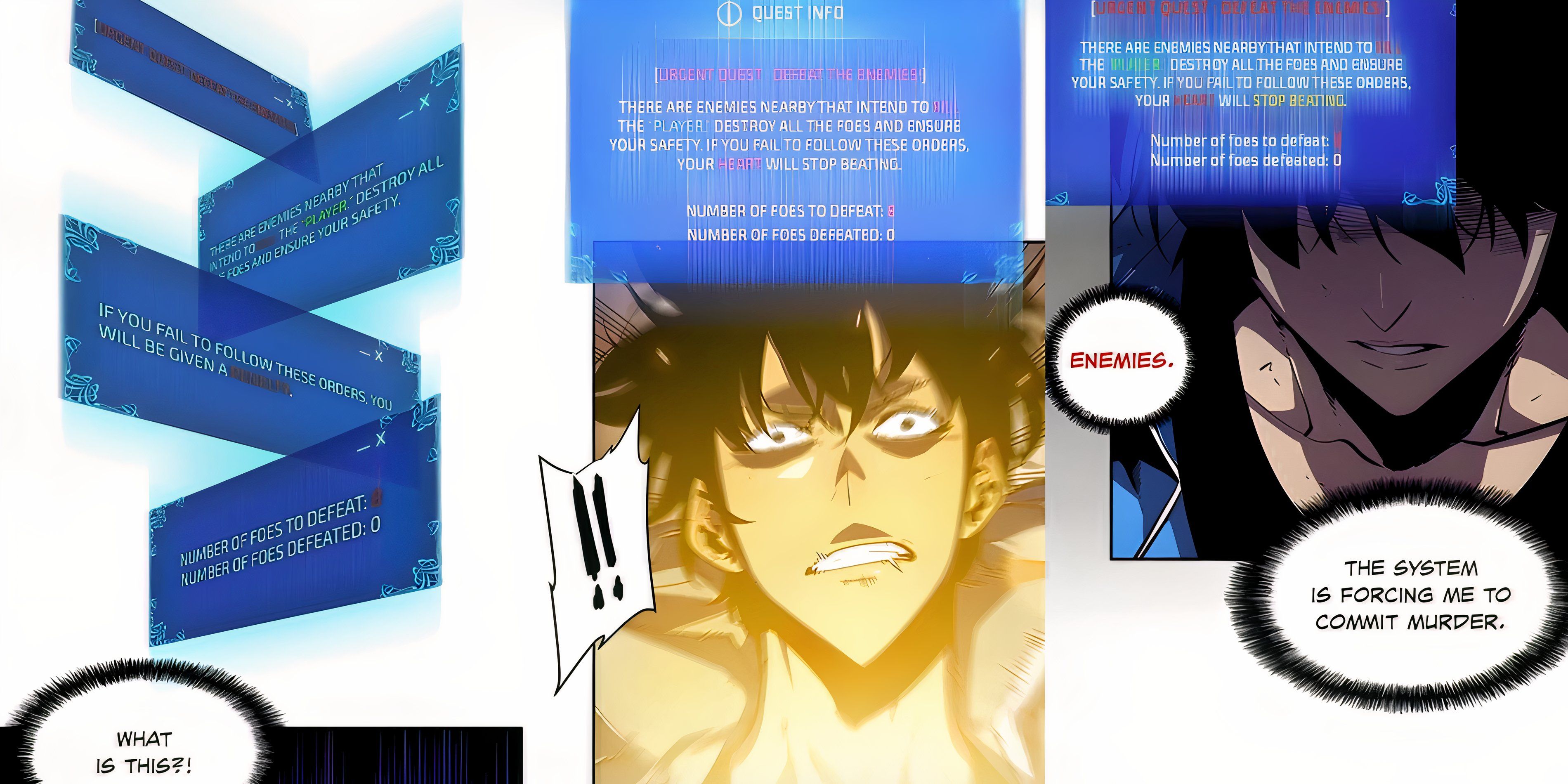
Okay, so things are really heating up! I’m in a battle against Hwang Dongsuk’s group, and the System just threw a crazy quest at me: ‘Surpass the Trial’ – basically, I have to eliminate anyone trying to take me out. The anime shows this as a super-fast interface popping up, with a heartbeat sound adding to the tension. But the manhwa? Wow, it goes all-out! Everything turns red, making it feel way more intense and dangerous. It’s a total visual shift!
The story’s warnings aren’t just alerts; they show how the System controls Jinwoo’s choices and sense of right and wrong. This version emphasizes the harsh, impersonal nature of the System, making it feel more like a judge than a helper. The artwork also creates a tense, trapped feeling, highlighting the life-or-death stakes and portraying the System as a dangerous force that determines Jinwoo’s destiny.
5. A‑Rank Hunter’s Sparring
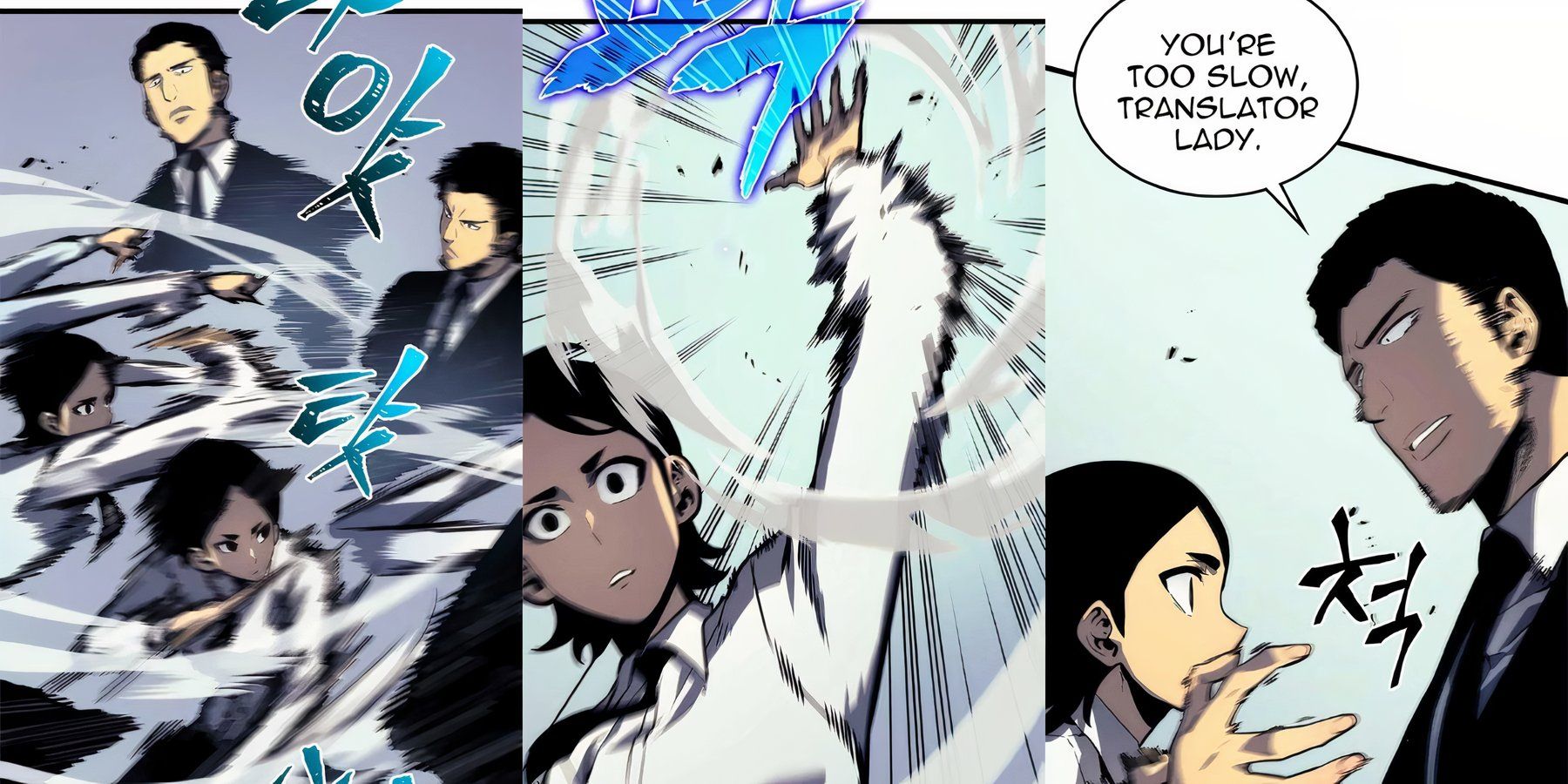
The anime removed this scene to keep the story moving quickly, and fans definitely noticed its absence. In chapter 92, we see a battle between powerful A-rank hunters that highlights the huge difference in strength between them and the even stronger S-rank hunters. While the A-ranks use impressive and destructive abilities, capable of leveling buildings, they seem weak in comparison to the S-ranks who watch the fight.
Without this scene, it’s hard for viewers to fully grasp just how evil characters like Choi Jong-In and Baek Yoon-Ho truly are. Earlier in the story, it showed that even the most heroic humans aren’t on the same level as the show’s real monsters.
4. The Aura farming (2nd Red Gate)
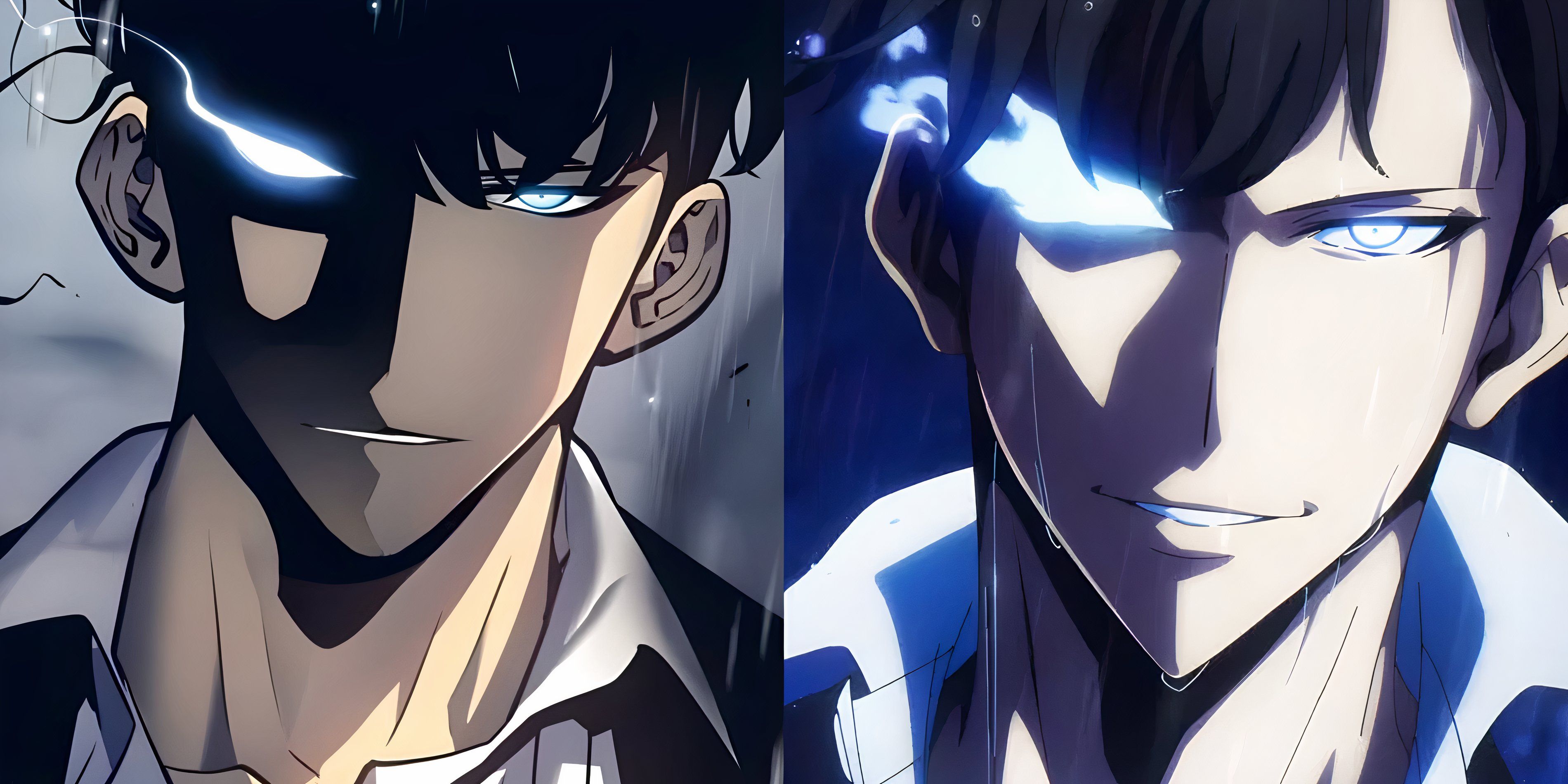
A key moment showcasing Jinwoo’s growing power occurs after the Jeju Island raid and the second Red Gate incident, when he establishes his own guild. In chapter 113, after successfully clearing the gate with his shadow army, they’re no longer presented simply as summoned creatures, but as a devoted and loyal force acknowledging him as their leader. The iconic image of Jinwoo, relaxed and confident, walking among his bowing shadows remains one of the most memorable scenes in the series.
Fans have been debating how a royal procession was depicted in the original manhwa. While the anime (Season 2, Episode 13) successfully conveys a sense of coolness, the manhwa’s artwork creates a more imposing atmosphere and really emphasizes how much more powerful Jinwoo has become compared to even the strongest S-rank hunters.
3. Jinwoo vs. Kang Taeshik
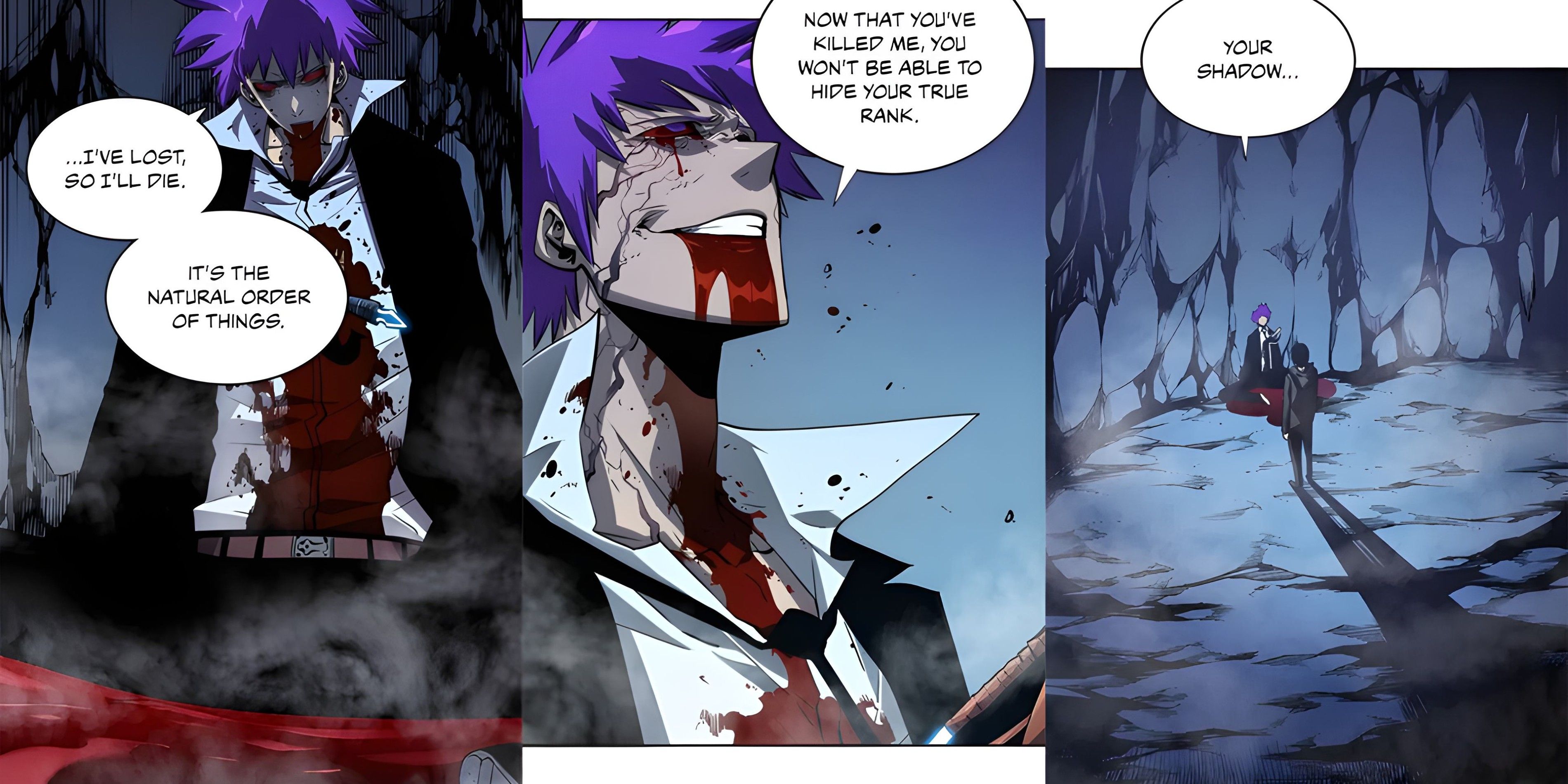
I’ve noticed a lot of fans really connect with the battle against Kang Taeshik, because it feels like a turning point for Jinwoo’s character. What’s interesting is how much colder and more ruthless he becomes in that fight, as shown in the manhwa. I remember specifically in Chapter 33, his eyes were described as wild and dangerous, almost like a predator’s, and his movements were so fast he seemed to disappear and reappear. There’s this chilling moment where he looks at Taeshik and basically asks if he’s ready to face the shadowy things lurking in the darkness, things that are already trying to claim him.
While the anime shows the fight as an exciting action scene, the manhwa portrays it like a terrifying horror movie, with Jinwoo acting as the menacing killer. A close look reveals the manhwa used many more impactful visuals – like extra frames and blood – to emphasize how brutal the killings were. It’s the point where Jinwoo starts losing his humanity, becoming colder and more lethal, and this change felt even more intense when experienced through the manhwa’s artwork.
2. Korea Hunters vs. Japan Hunters
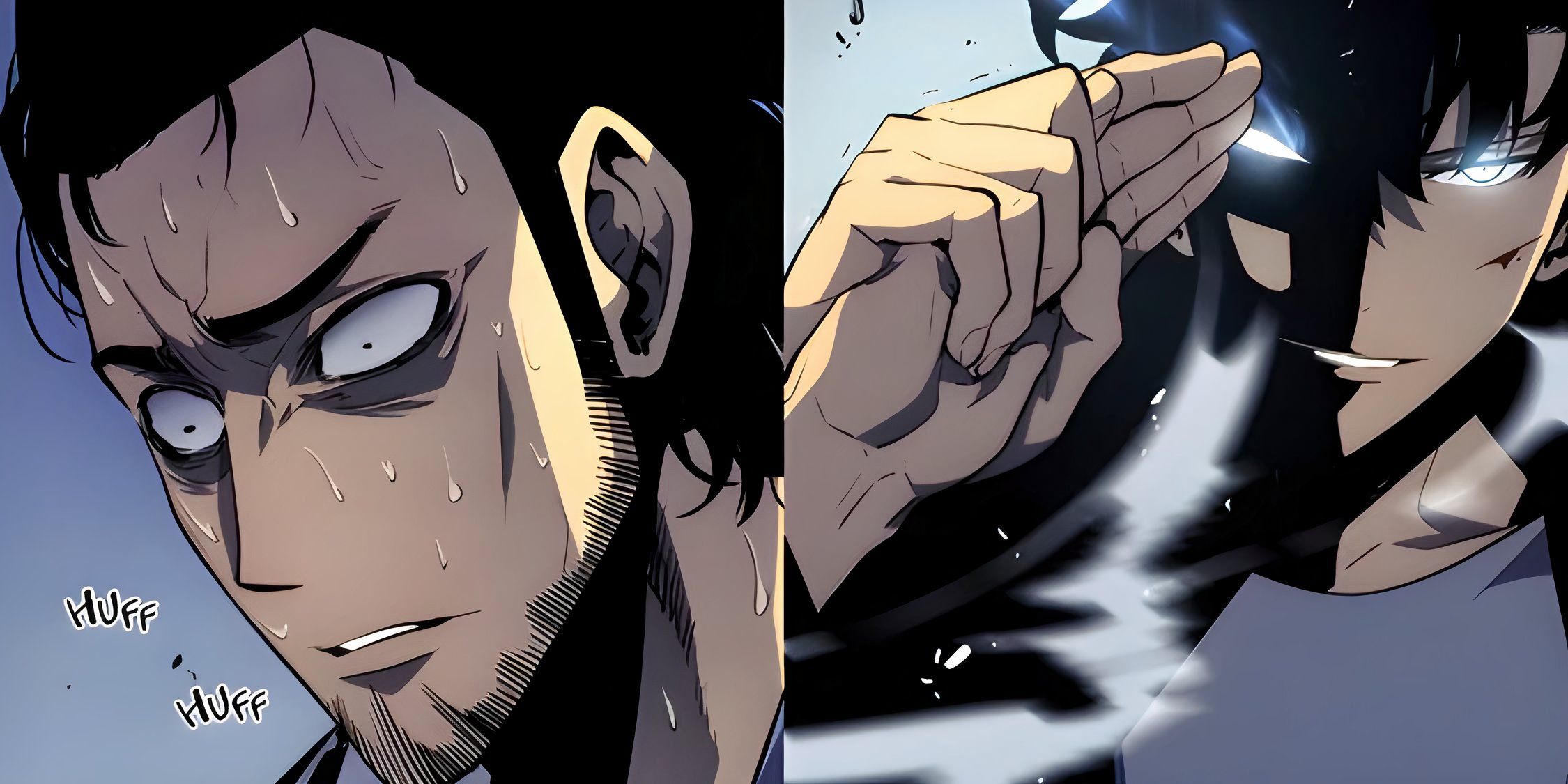
The conflict in Chapter 92 isn’t just shown through what the characters say; powerful, intimidating auras also appear behind them, emphasizing their hostile standoff. Ryuji Goto, in particular, radiates a dangerous presence, like a shark ready to attack.
However, any confidence he has immediately disappears when he confronts Jinwoo. While the anime portrays Jinwoo and Goto as evenly matched, the manhwa depicts Jinwoo as far superior, instilling a fear in Goto that he’s never experienced before.
1. Jinwoo vs. The Ant King Face Off
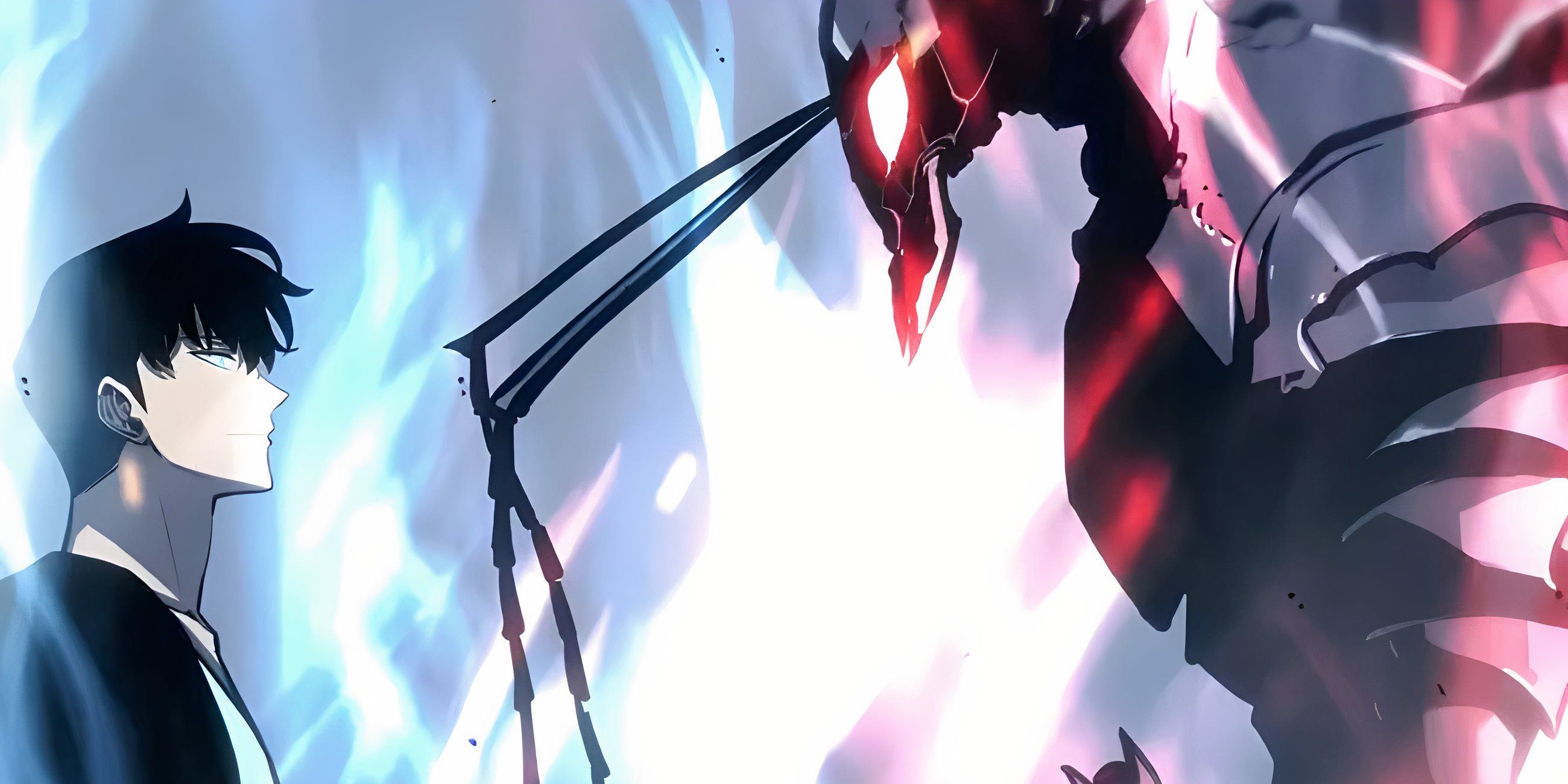
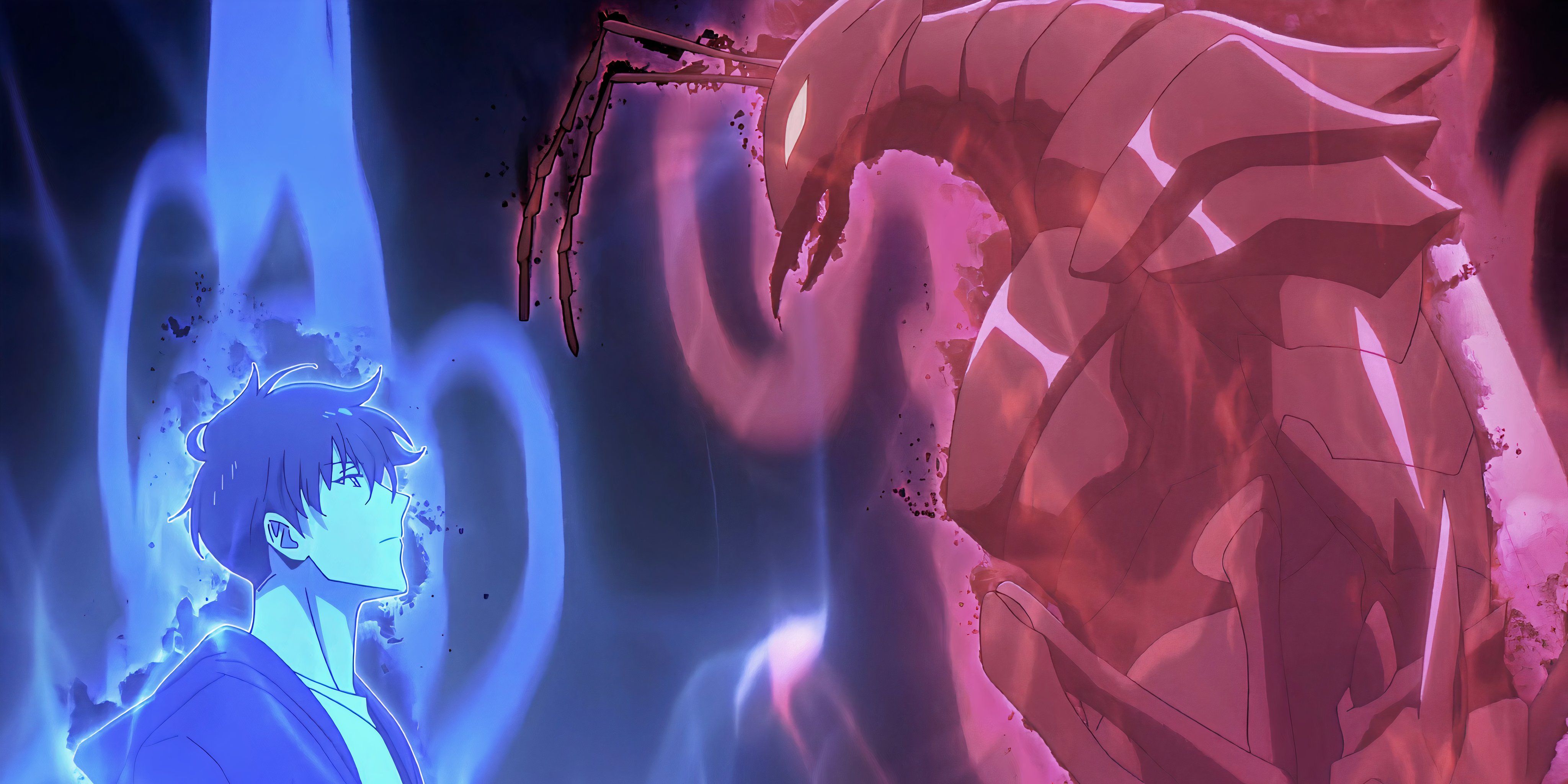
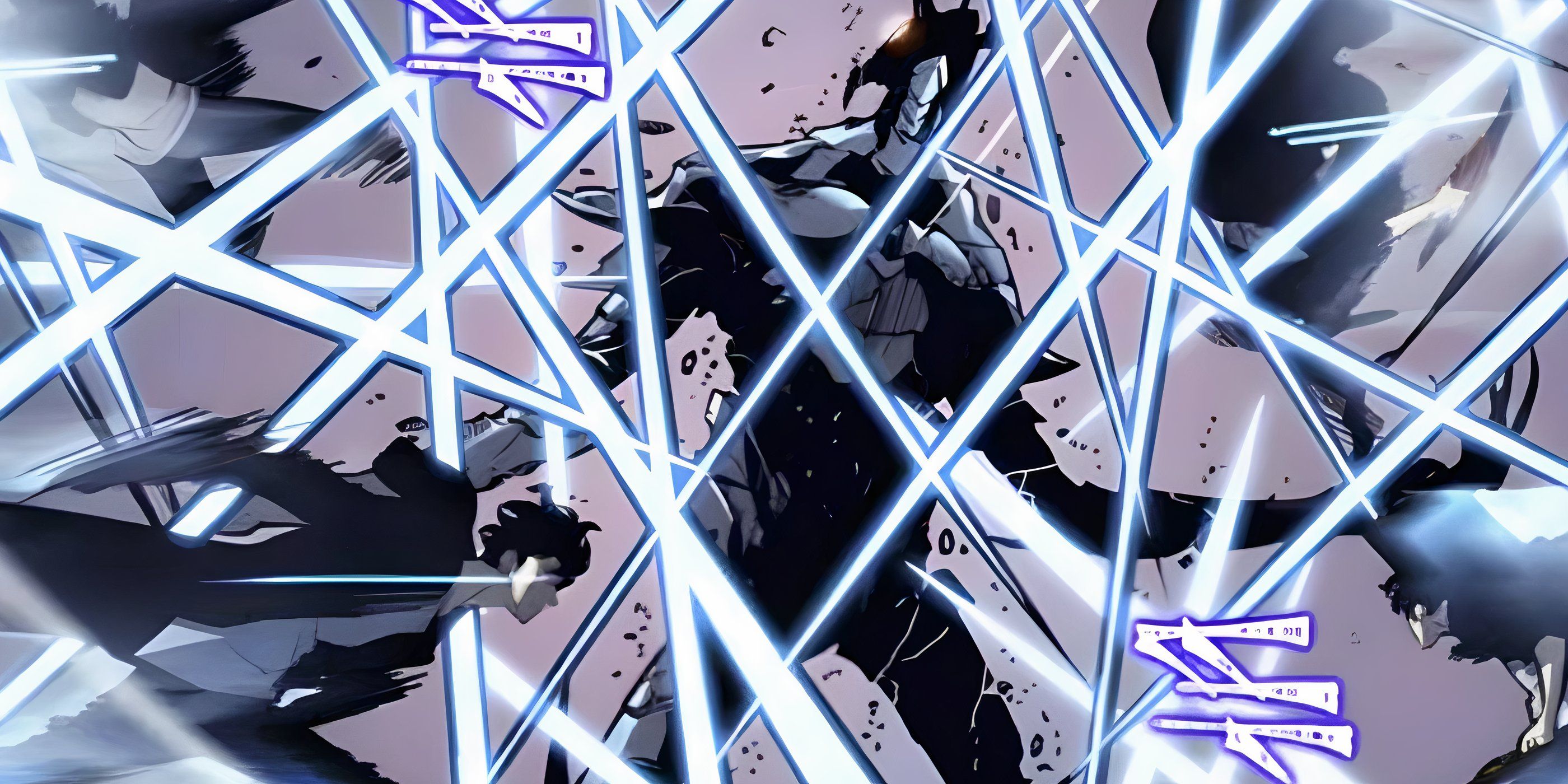
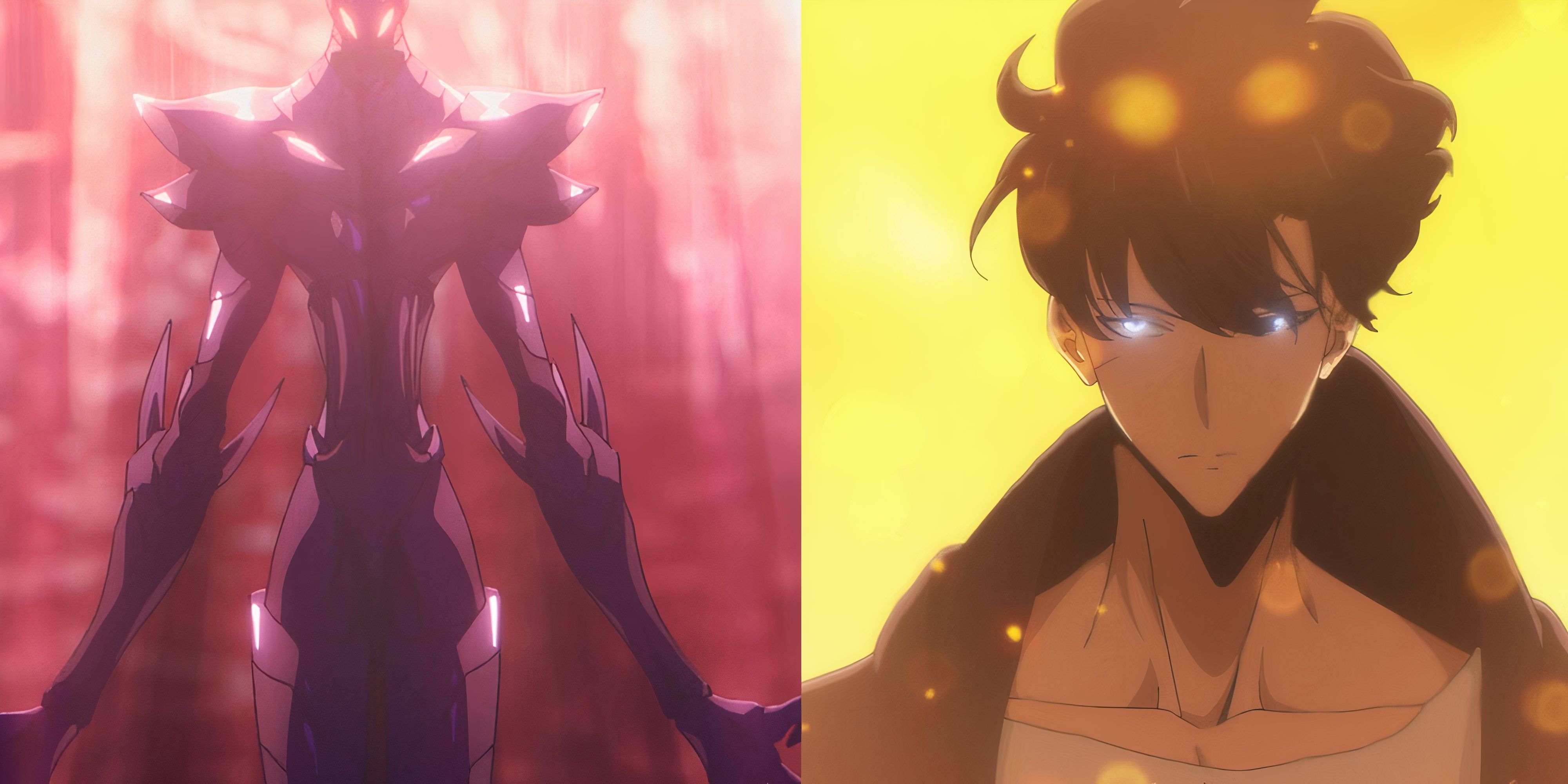
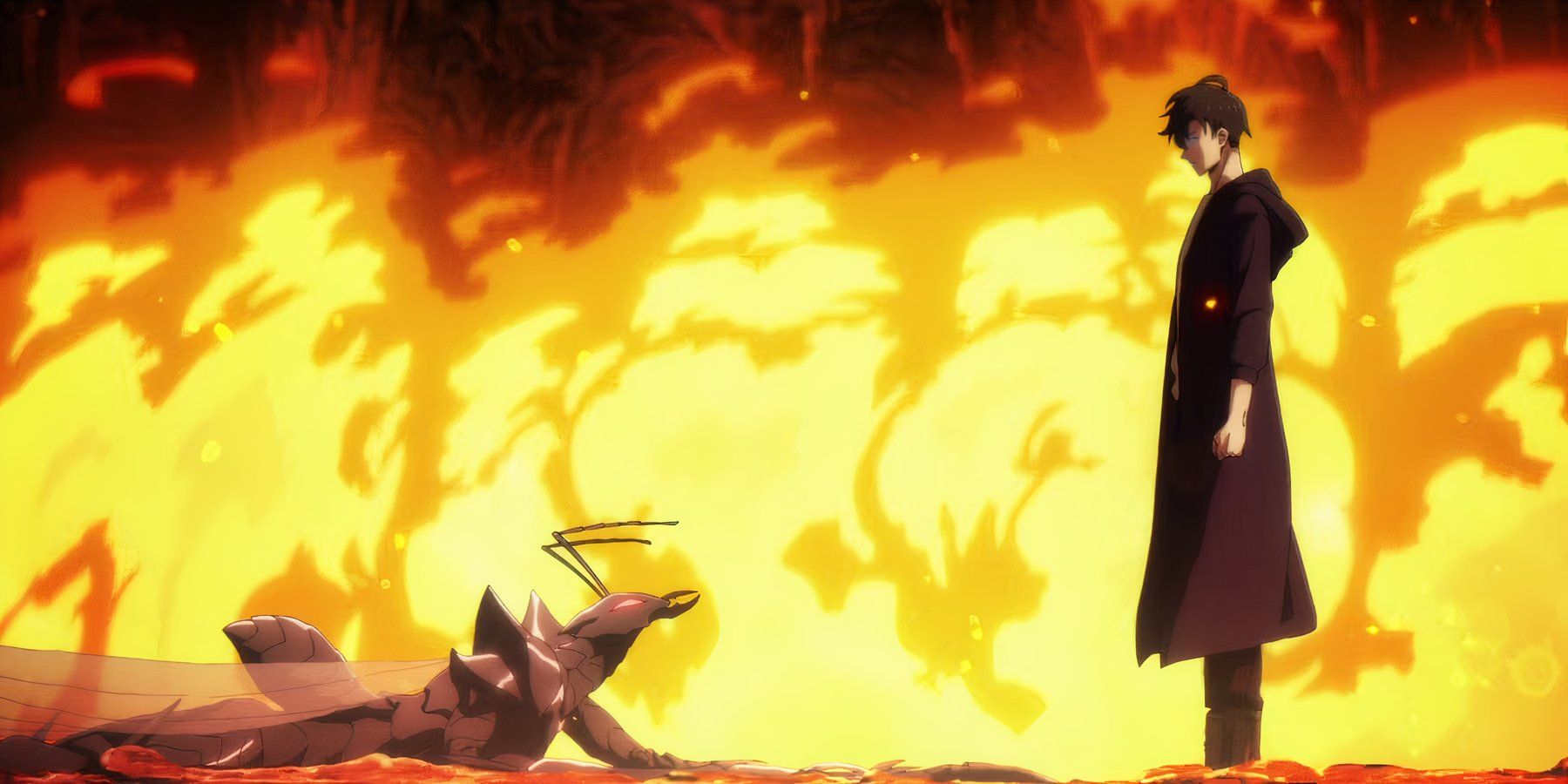
The most exciting moment so far is when Jinwoo and the Ant King, Beru, first see Jeju Island. Chapter 104 depicts the Ant King as a terrifying, monstrous figure who seems to absorb all light. The way the scene is visually split when they face each other perfectly shows two powerful predators recognizing they are the only real threats on the island.
The way Beru is depicted in the manhwa is unsettling – his eyes lack any human quality, which is a huge difference from the powerful and collected appearance of Jinwoo. While the anime adaptation promises an exciting fight, the initial standoff in the manhwa is truly legendary. It’s a quiet moment that powerfully signals the start of a major conflict.
Read More
- All Skyblazer Armor Locations in Crimson Desert
- All Shadow Armor Locations in Crimson Desert
- How to Get the Sunset Reed Armor Set and Hollow Visage Sword in Crimson Desert
- Marni Laser Helm Location & Upgrade in Crimson Desert
- Best Bows in Crimson Desert
- All Helfryn Armor Locations in Crimson Desert
- All Golden Greed Armor Locations in Crimson Desert
- How to Craft the Elegant Carmine Armor in Crimson Desert
- Keeping Large AI Models Connected Through Network Chaos
- One Piece Chapter 1179 Preview: The Real Imu Arrives in Elbaf
2026-02-02 15:35