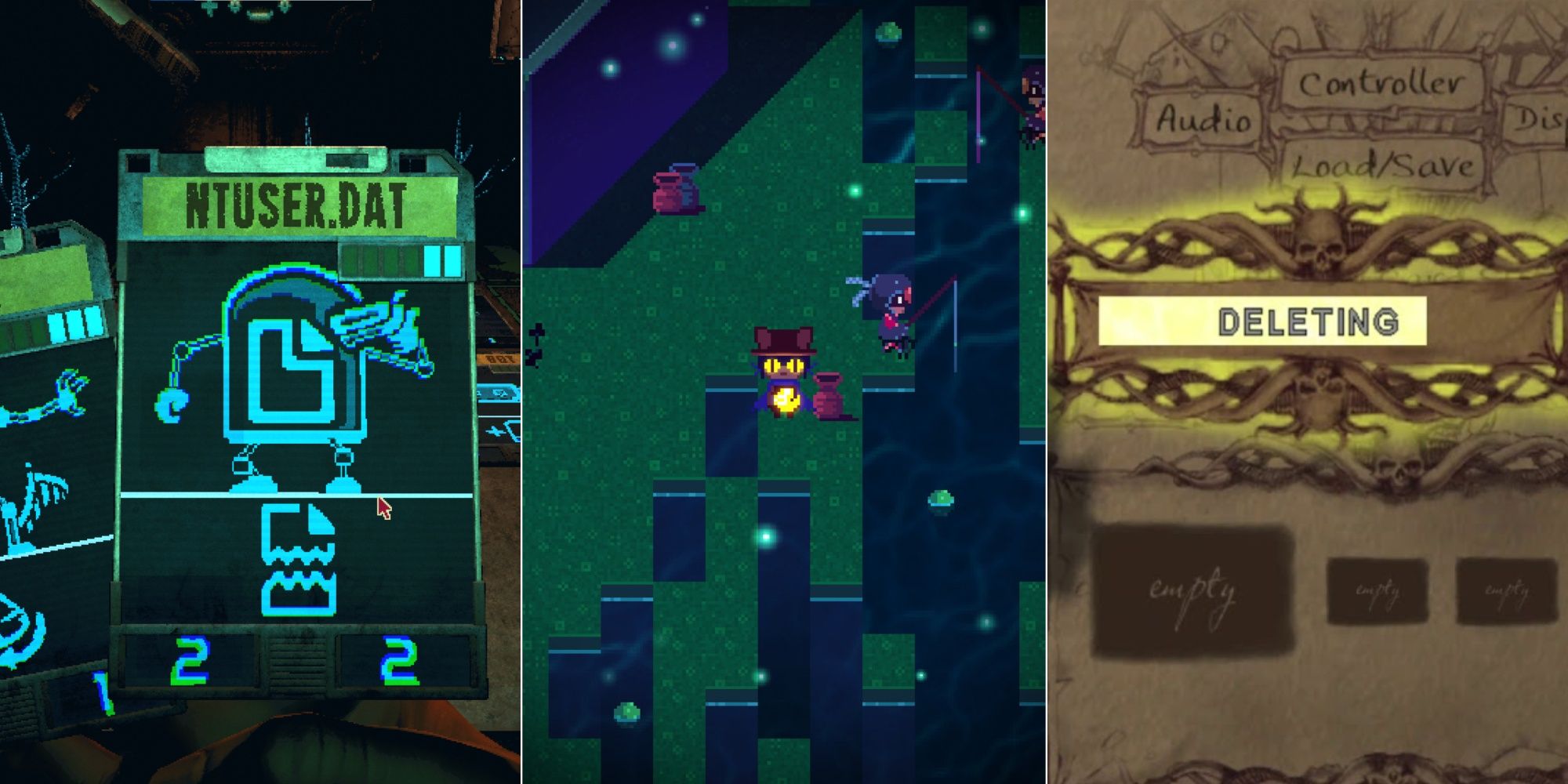
It’s common for stories in movies, books, and other media to directly address the audience, a technique known as ‘breaking the fourth wall’. But in video games, this idea becomes much more impactful and unique.
Unlike a movie where a character might just briefly look at the screen, games let you directly control the action. You’re making choices and actively involved, so it’s much more surprising – and a little unsettling – when the game itself seems to look back at you.
Honestly, one of the coolest feelings in gaming is when a game feels…aware. Like it knows it’s running on my console, digging into my save data or even my memory card. But it gets really intense when a game starts messing with stuff around me – changing things on my screen, or even, seriously, touching my files. That’s when it feels like the line between the game world and reality just… disappears, and it’s both awesome and a little creepy!
For years, innovative game developers have experimented with breaking the fourth wall – directly addressing the player and blurring the lines between the game and reality. This approach has led to some truly memorable and mind-bending games that have gained a devoted following. Today, we’ll be revisiting some of the most famous titles that took this bold step and created a level of immersion traditional games often can’t achieve.
These well-known games demonstrate that your computer – and occasionally your gaming console – is more vulnerable than you might believe.
Be careful, as there are minor spoilers for the games mentioned below. Proceed at your own risk!
8. IMSCARED
A Game or a Virus?
| Developer | Ivan Zanotti’s MyMadnessWorks |
|---|---|
| Release Date | October 12, 2012 |
| Platforms | PC and Android |
| Genre | Puzzle, Horror |
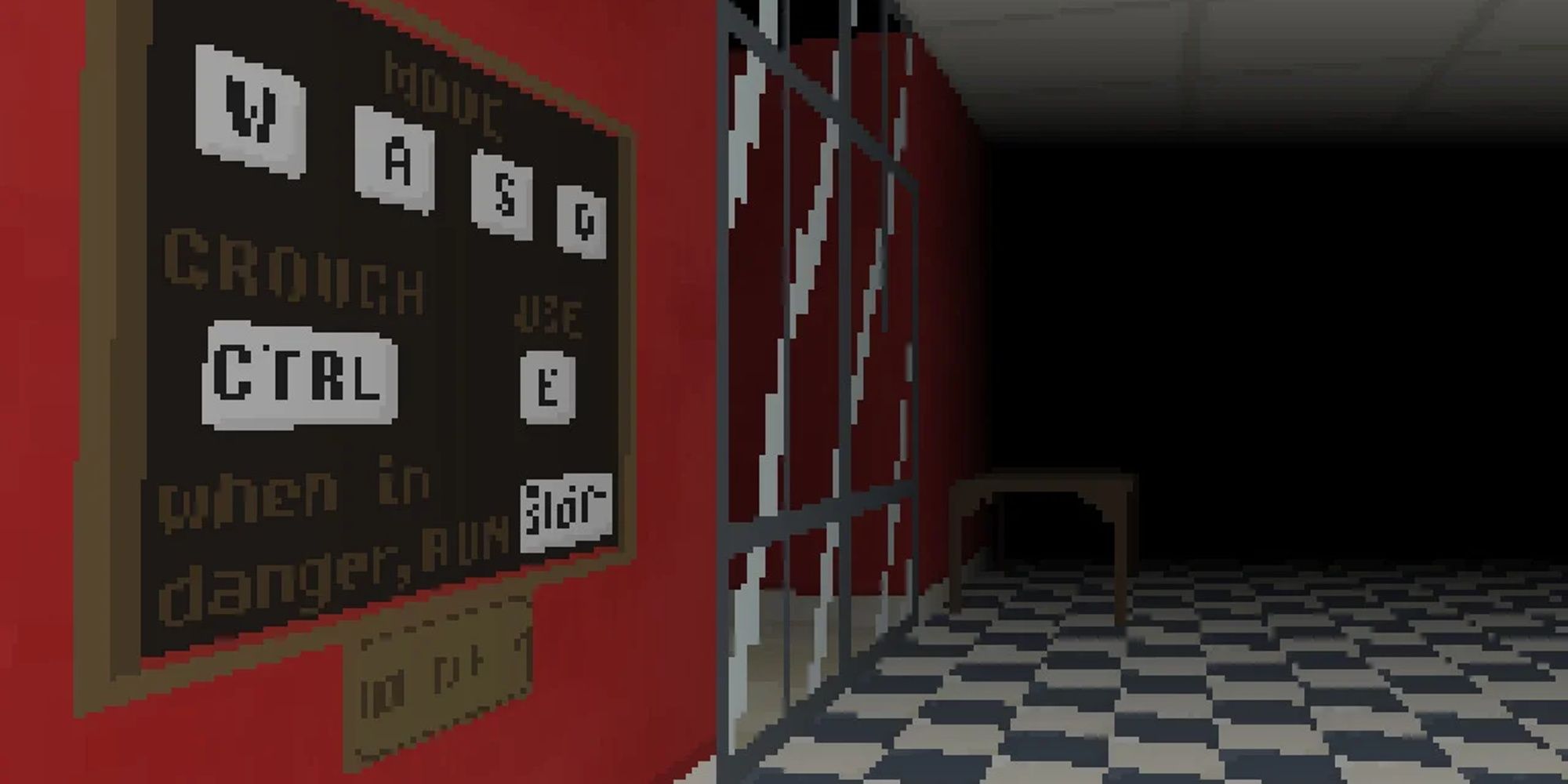
IMSCARED is a retro-style horror game designed to make you feel constantly uneasy. It does this by cleverly mimicking a computer virus, repeatedly altering things on your screen to keep you on edge and looking over your shoulder.
When I first started playing, it was all about wandering around these creepy, quiet places and trying to figure out how to open locked doors – with this constant feeling that something was watching me. But things quickly got weird. The game didn’t just stay in the game; it started messing with my computer itself! Fake error messages would pop up, random files appeared on my desktop, and even my mouse started acting strangely. It was seriously unsettling!
The game adds an unsettling layer by secretly creating files within its game folder – things like images of the creature chasing you and text files with maps and hints. This forces you to switch between the game and your computer’s files, frantically searching for clues while also being genuinely scared of what you might find on your own PC.
What makes IMSCARED so clever is how it creates the feeling that something is taking over your computer. It’s a really effective way to break the fourth wall and suggest there’s something terrifying lurking just beyond the screen.
7. OneShot
Puzzling Your Mind
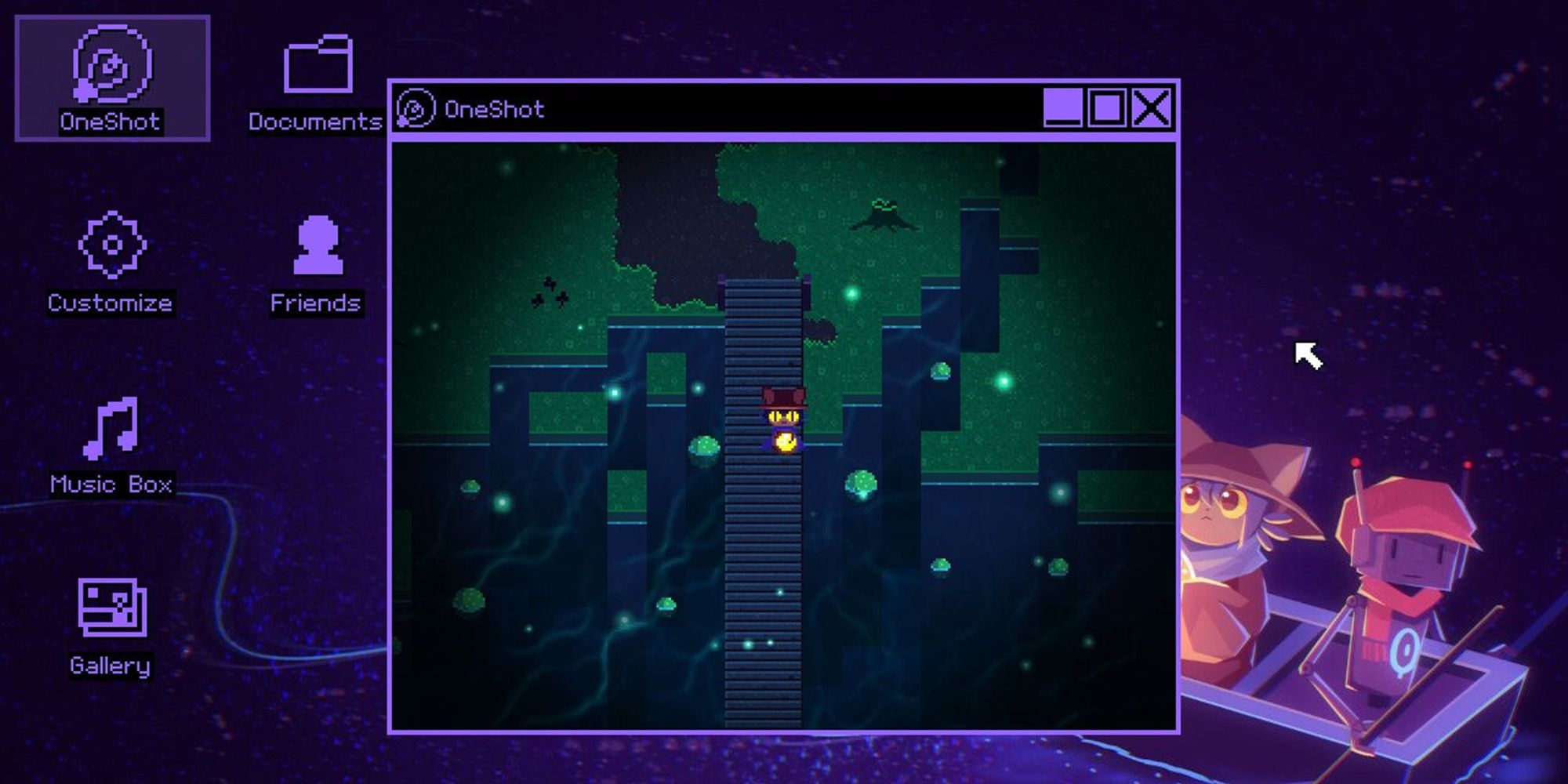
Like many games, OneShot centers around the concept of “hacking,” but it differs from others by focusing on creating an immersive, detective-like experience rather than simply trying to scare you.
This game often asks you to solve puzzles not just within the game itself, but also by interacting with your computer’s files and occasionally adjusting the game window. You’ll need to switch between the game and your computer’s file system to find solutions and keep playing.
This game really embraces the idea of being self-aware! It’s incredibly satisfying to solve each puzzle, as it challenges you to think creatively and go beyond typical problem-solving.
The game also has a really cozy and inviting feel. This is cleverly designed to make you feel like a true partner to Niko, the charming main character, even though you’re both experiencing completely separate worlds.
6. Doki Doki Literature Club
When an NPC Gets Obsessed with You
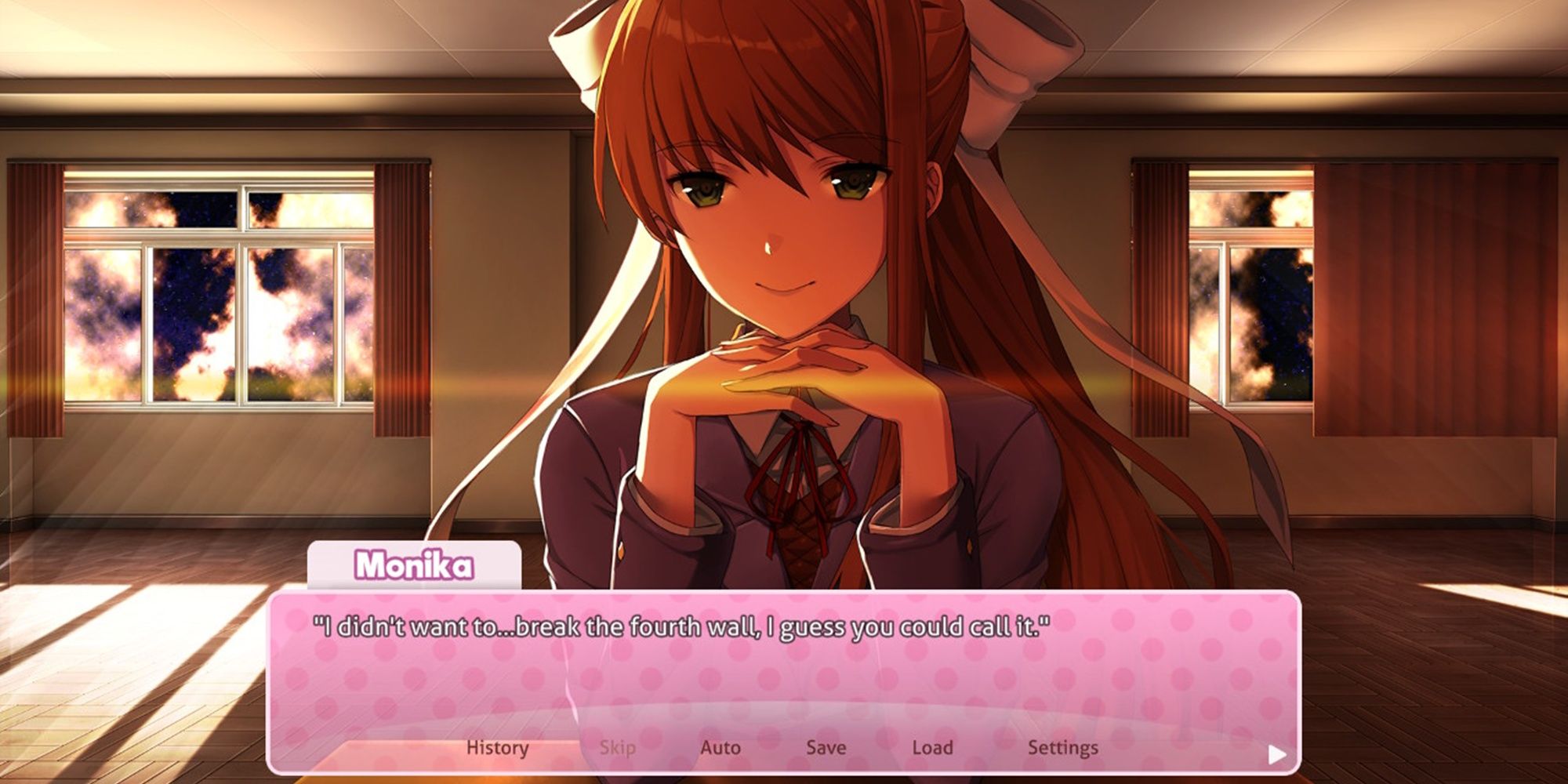
Don’t be fooled by the cute characters and dating sim appearance of Doki Doki Literature Club! It’s actually a deeply disturbing psychological horror game, and it earns that reputation by cleverly messing with the line between the game and reality.
This captivating visual novel puts you in the role of a student who joins an all-girls club and quickly becomes popular. But the fun and friendship don’t last – a mysterious sadness begins to affect the girls, leading to increasingly disturbing events and ultimately, tragedy.
I don’t want to spoil the surprises, but one of the characters realizes she’s in a game and becomes fixated on you, the player. This leads to a unique challenge: you’ll have to directly access the game’s files and modify the character data to try and break free from the increasingly bizarre situation.
Please be aware that this game deals with difficult and sensitive subjects like depression, suicide, self-harm, and grief.
5. Pony Island
A Glitch in the System
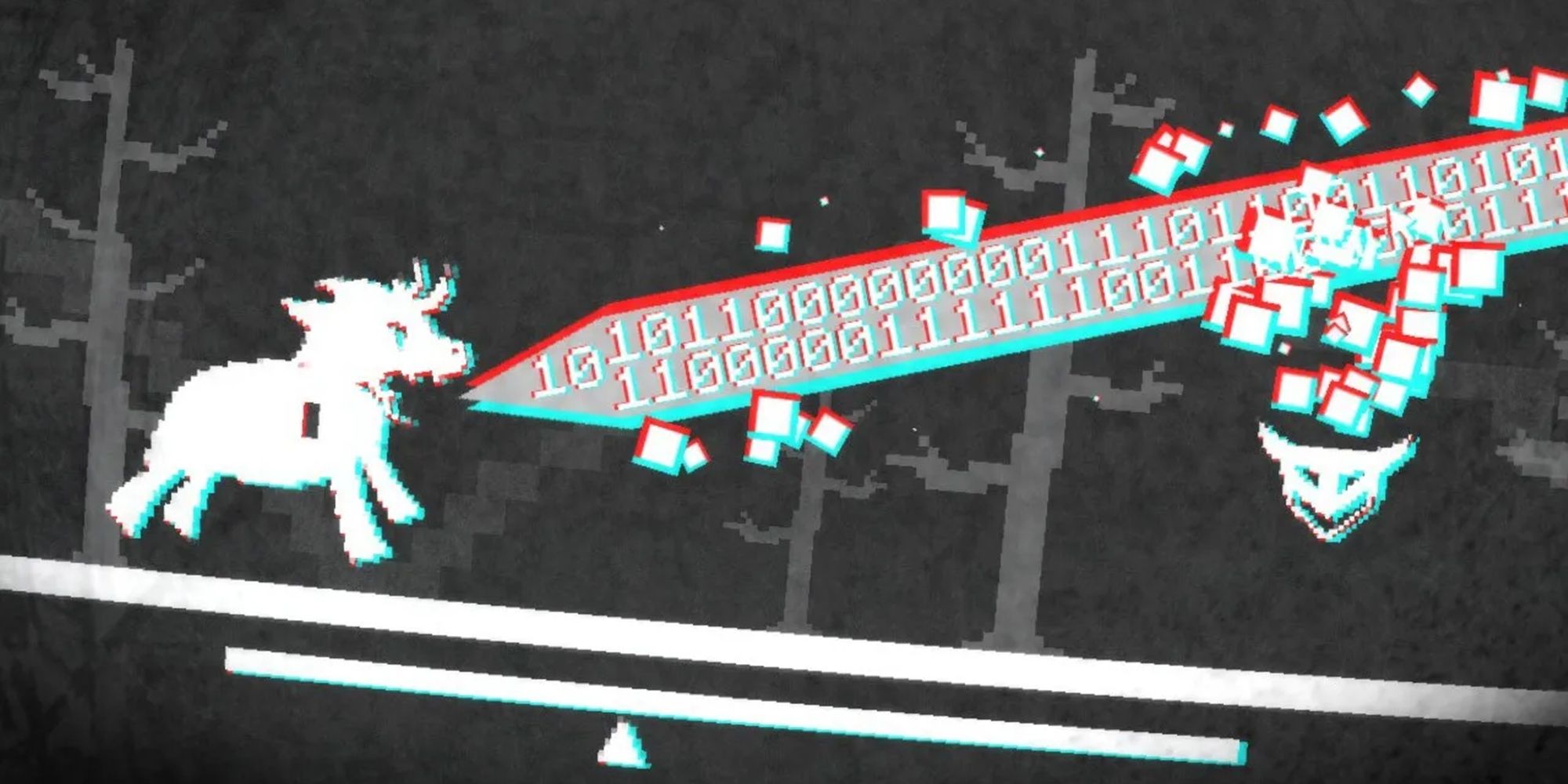
Don’t let the name fool you – Pony Island isn’t a sweet game about ponies. It’s actually a sinister arcade machine built by the Devil to capture human souls.
As you’d expect, the game uses clever tricks that play with your computer itself – things like your files, saved games, and profile – to create scares, particularly towards the end of the story.
One of the best parts of this game is how cleverly designed the scares are – some are genuinely funny! I especially remember a moment where the game warned me to focus, then tested my memory with a number. Just when I was concentrating, a fake Steam notification appeared, pretending a friend was upset with me over a message. It was a brilliantly unsettling trick that really messed with my sense of what was real.
4. Inscryption
Playing with the Devil
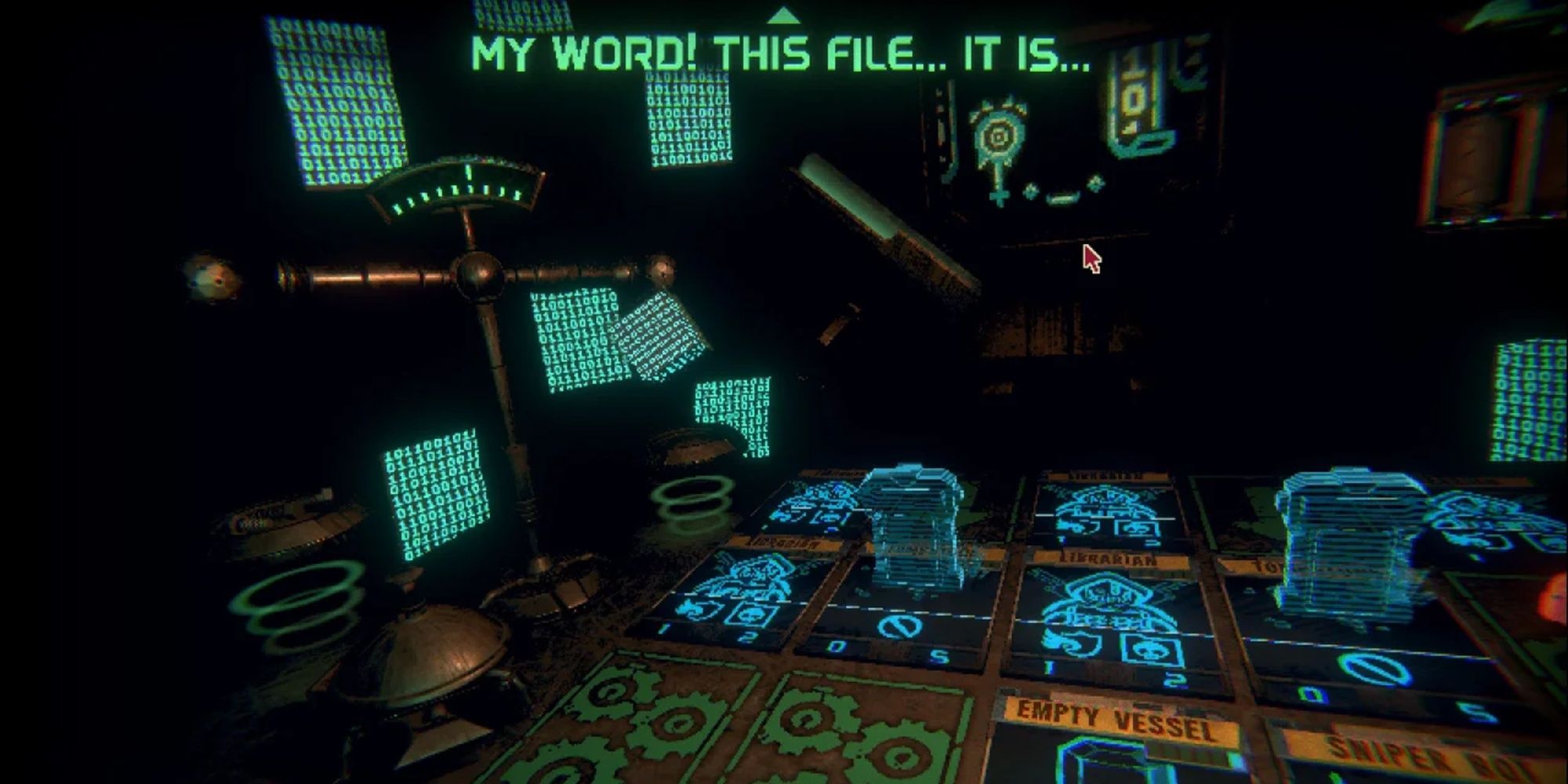
Inscryption, created by the developer of Pony Island (who clearly enjoys playing with the idea of games being self-aware), is a card game where you compete against unsettling and enigmatic opponents.
One boss is particularly unique: it scans your computer and turns your personal files into cards during battle. The real twist? If you’re losing, it’ll threaten to delete one of your most cherished files – maybe your oldest or largest – unless you win the round.
It’s obviously a fake – Steam wouldn’t really let a game wipe your computer – but it’s amazing how many people genuinely panicked and believed the threat! It really highlights how stressful it is to feel like your personal files are at risk.
3. Metal Gear Solid
That Boss We All Love
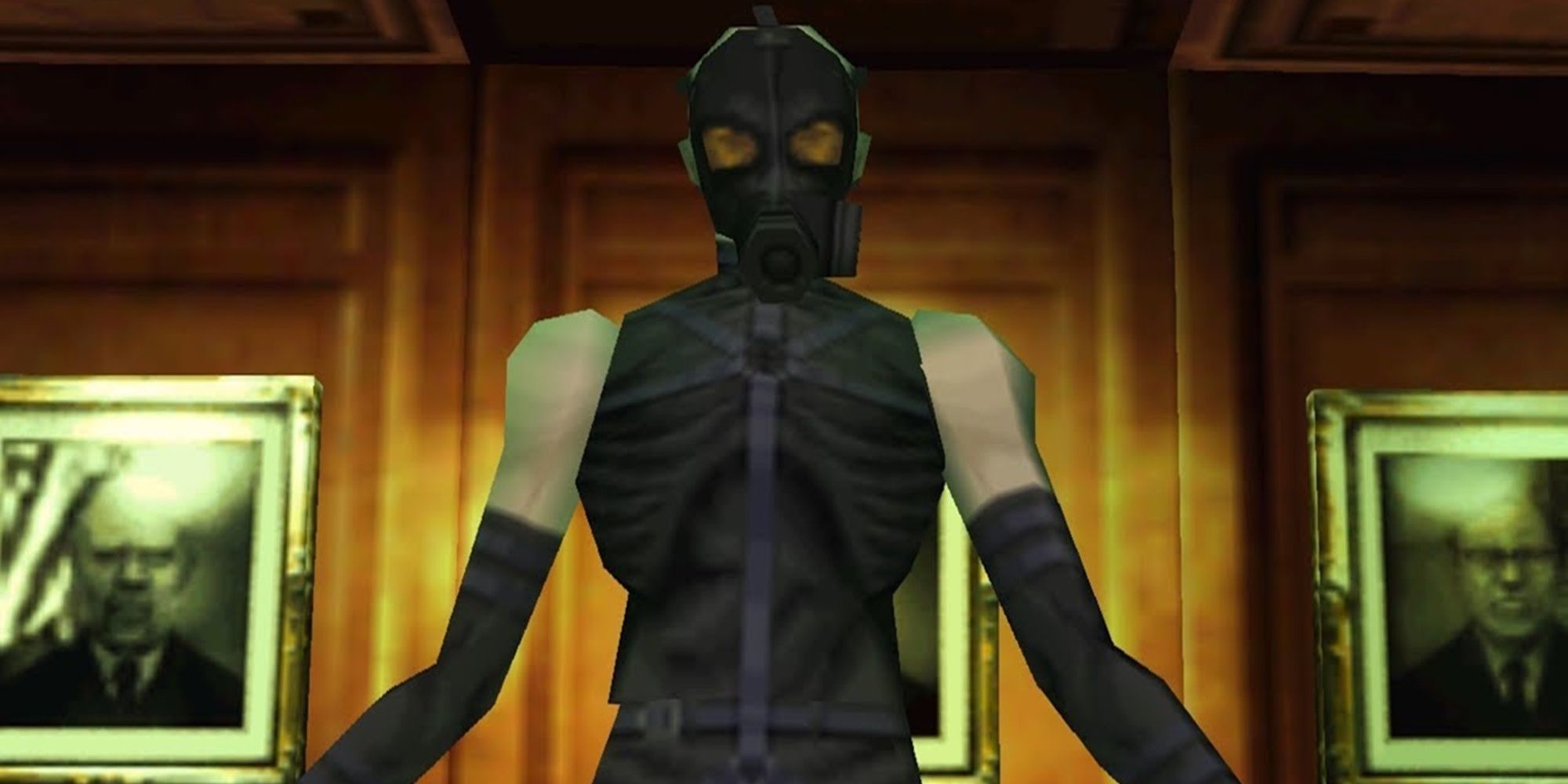
It’s impossible to discuss reading game files and older games without bringing up Psycho Mantis. In the original PlayStation game, Metal Gear Solid, this boss famously seemed to “read your mind,” but he was actually accessing data from your memory card, which was a truly mind-blowing experience for players.
This allowed him to anticipate and deflect nearly any attack, making it impossible to hurt him. He’d also make surprisingly specific observations, like commenting on how frequently you saved your game, or even referencing other games you’d played, such as Castlevania: Symphony of the Night.
Subscribe for deep dives on games that break the fourth wall
Okay, so this boss fight was seriously wild. To beat him, you actually had to unplug your controller and plug it into the second controller port! It totally threw him off because he was programmed to expect your inputs from port one. It’s one of those gaming moments that everyone who played the original PlayStation remembers – a real mind-bender that broke the fourth wall in the best way!
2. Undertale
The Game That Never Forgets
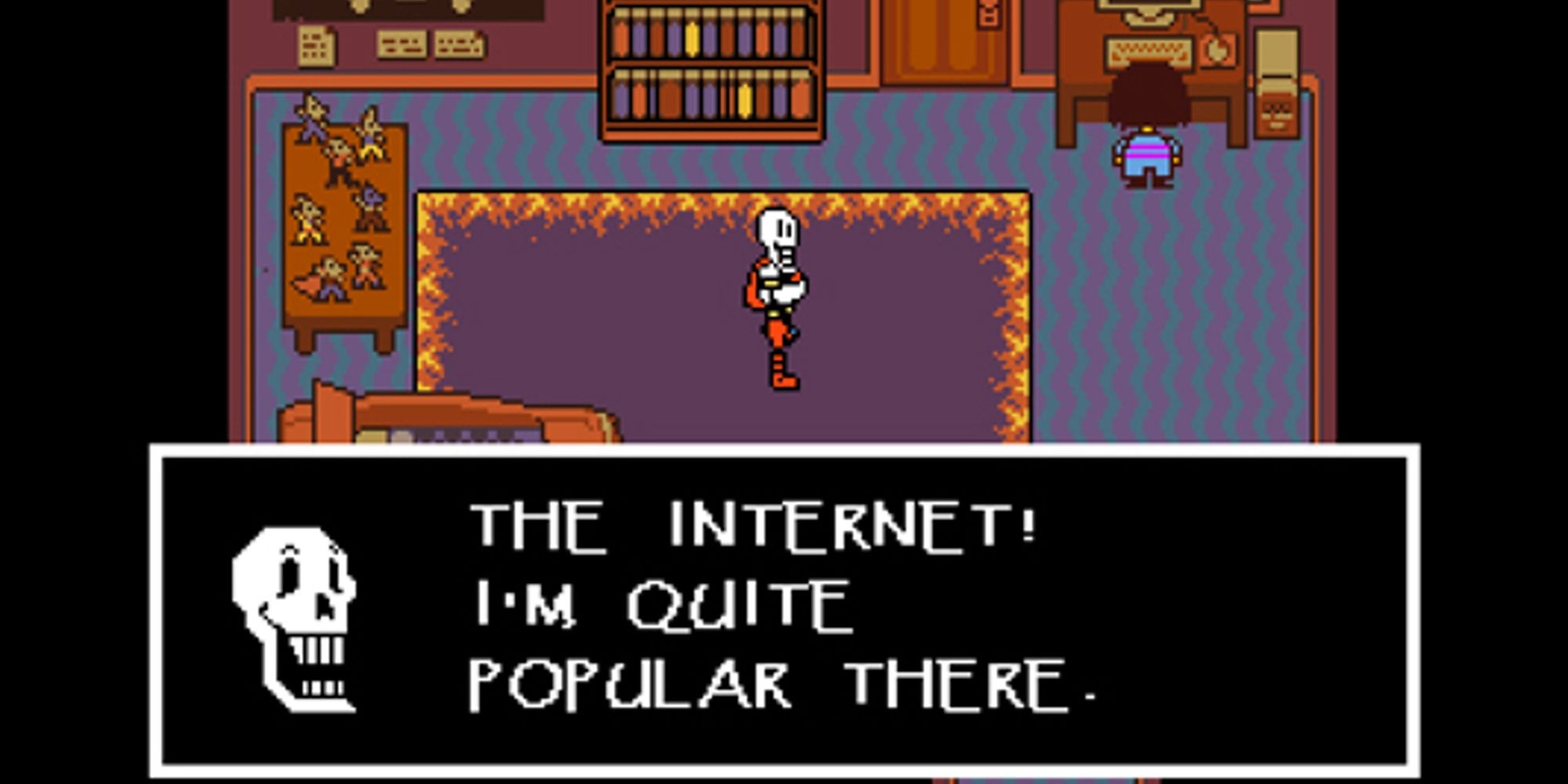
Undertale is a must-play classic! It became famous for its impactful choices – you can complete the game without fighting or choose a path of destruction – and really helped put indie games on the map, increasing their popularity and respect.
The game is well-known for remembering your decisions, but it’s more thorough than most. It notes even minor deviations from a peaceful approach and carries that record across new game starts. Characters will often reference your previous actions, sometimes in obvious ways.
This game permanently changes your saved progress, meaning your choices have lasting consequences. These effects stick with you throughout the game – unless you’re willing to manually delete certain files in the game’s folder to undo your decisions.
1. Eternal Darkness: Sanity’s Requiem
Don’t Trust Your Sanity
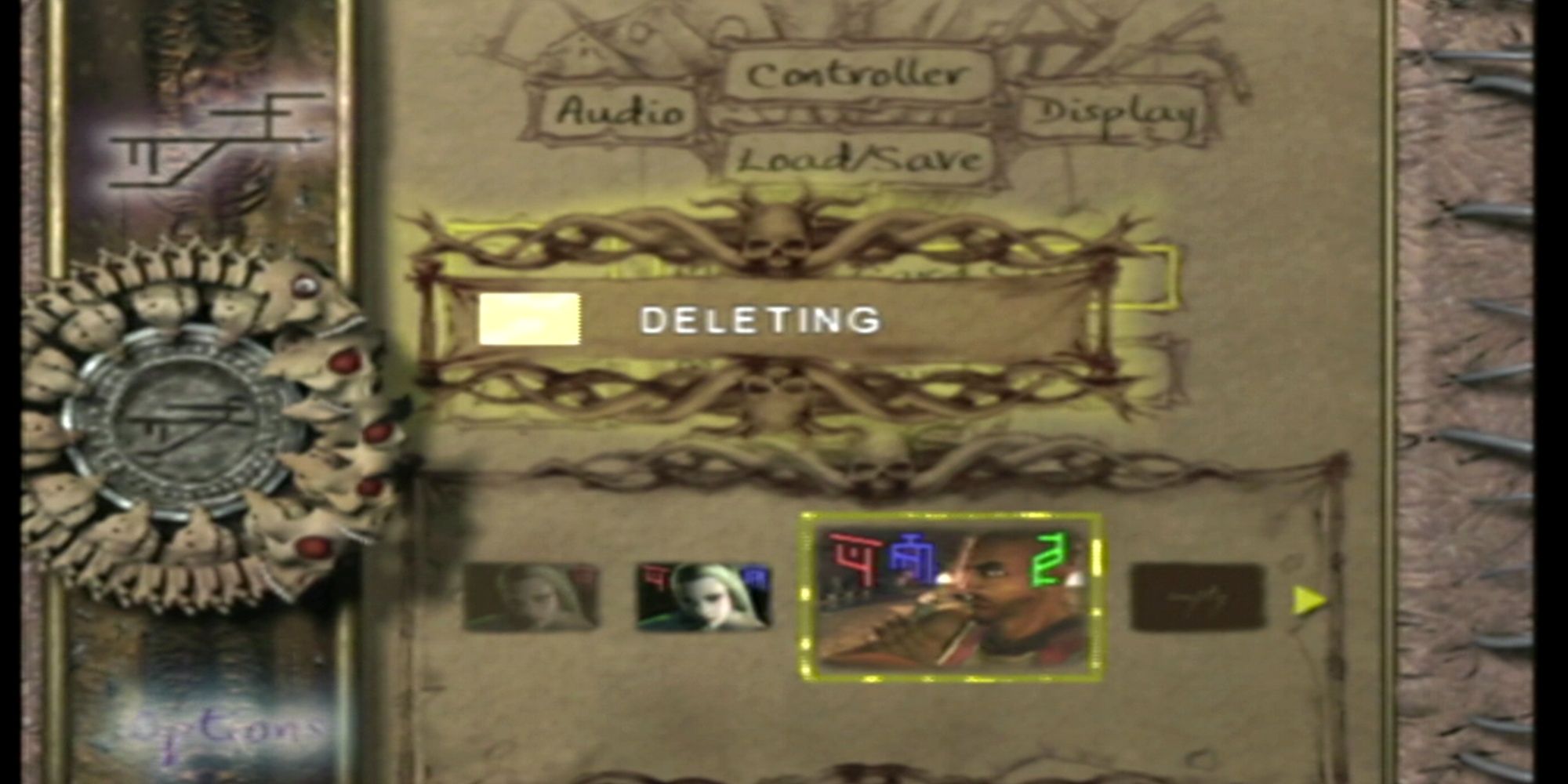
I’m a huge fan of cosmic horror games, and honestly, Eternal Darkness: Sanity’s Requiem on the GameCube was just incredible. It totally pioneered the idea of messing with your head while you played – it was unlike anything else back then!
The game cleverly used a “sanity system” – a common feature in this type of game – to create different in-game effects. One particularly memorable effect was a fake screen that looked like it was deleting all your saved progress. It totally tricked me when I first played it, and back then, it wasn’t easy to quickly check online to see if it was a real error!
I was so startled, I actually leaped up to grab the memory card, trying to save my game! Luckily, after a moment of panic, I discovered it was just a prank – and now it’s one of my most cherished gaming memories from when I was a kid.
Read More
- All Skyblazer Armor Locations in Crimson Desert
- How to Get the Sunset Reed Armor Set and Hollow Visage Sword in Crimson Desert
- All Shadow Armor Locations in Crimson Desert
- Marni Laser Helm Location & Upgrade in Crimson Desert
- All Helfryn Armor Locations in Crimson Desert
- All Golden Greed Armor Locations in Crimson Desert
- Best Bows in Crimson Desert
- All Icewing Armor Locations in Crimson Desert
- One Piece Chapter 1180 Release Date And Where To Read
- How to Beat Stonewalker Antiquum at the Gate of Truth in Crimson Desert
2026-02-04 01:41