
Feats are still a key part of creating a character in Dungeons & Dragons. They give characters special abilities that enhance how they play. Often, a character’s power comes from the right Feat, as these abilities can create strong combinations. However, some Feats aren’t as useful for popular or powerful character builds, and players often overlook them, seeing them as a less effective way to improve their character.
However, players might discover that certain Feats can be surprisingly helpful in tough combat. While many Feats are very specific and don’t cover all situations, others offer a significant power increase. Players should carefully re-examine Feats, as some could be exactly what their character needs to easily win a fight.
Shield Master
Make DEX Saves Easier To Deal With
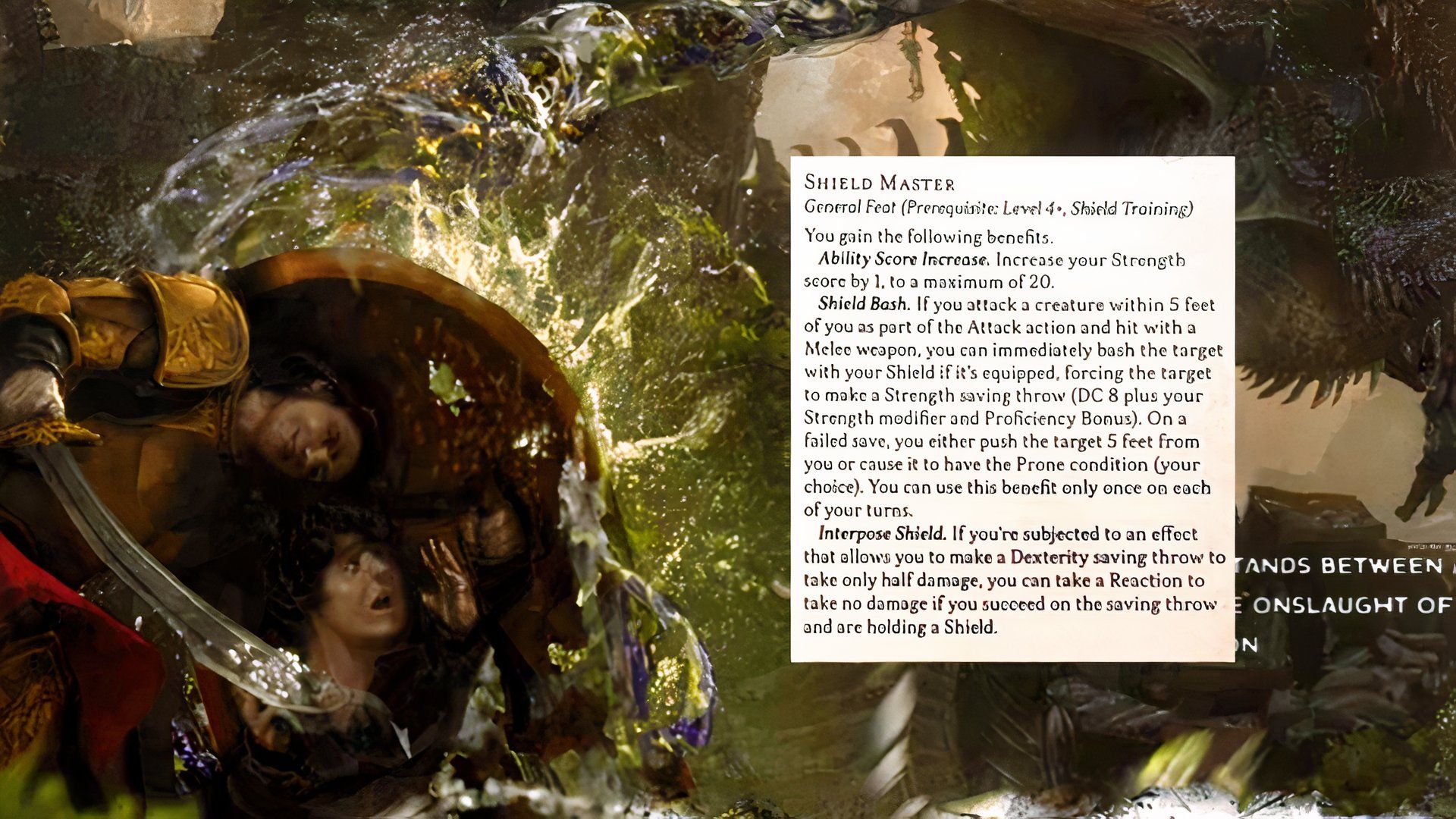 Image from Dungeons & Dragons Player’s Handbook (2024)
- Type: General
- Needs: Shield Proficiency
Many players prefer the Protection Fighting Style over Shield Master for their melee characters. Protection is easier to understand – a shielded character can make it harder for an attacker to hit a nearby ally. Shield Master, while powerful, is more complex. It gives a +1 bonus to Strength, allows a Shield Bash to push or knock an enemy prone, and lets you use your shield to automatically succeed on a Dexterity saving throw to reduce damage, or take half damage from an otherwise full hit.
While the Feat can be powerful, other options often prove more consistently useful right away. However, Shield Master is essential, especially when compared to the Rogue’s Evasion ability. Evasion prevents damage on a successful Dexterity saving throw, but isn’t available until 7th level. Shield Master allows a Fighter with a shield to gain a similar benefit as early as 4th level. In games with many spellcasters, Shield Master can be incredibly helpful for protecting the party from damage, particularly for characters in close combat.
Athlete
Surprisingly Good With Snipers
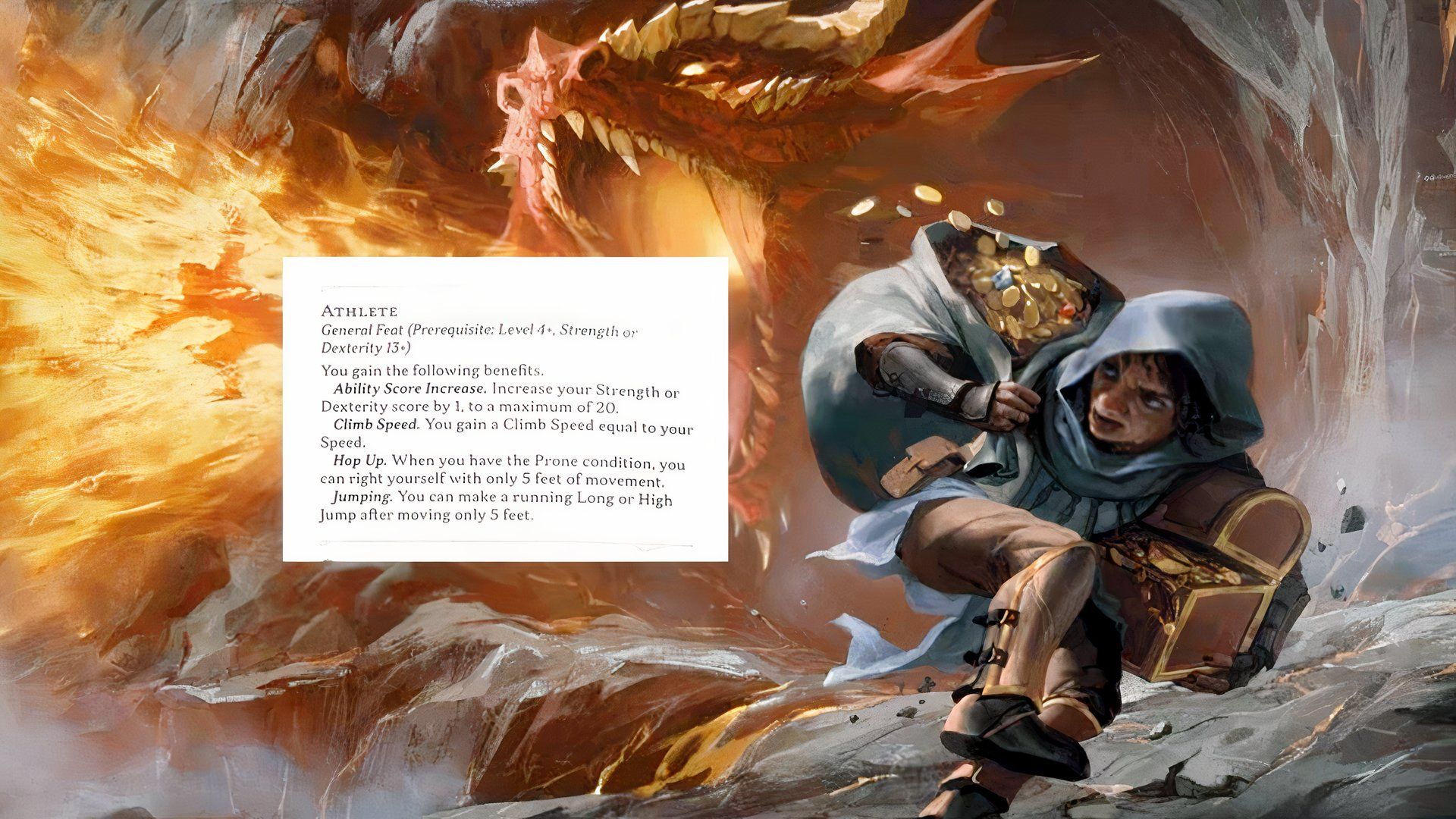 Image from Dungeons & Dragons Player’s Handbook (2024)
 - Type: General
- Needs: STR or DEX 13+
In Dungeons & Dragons, the ‘Athlete’ feat is considered a half-feat, meaning it provides a smaller benefit alongside an increase to either Strength or Dexterity (+1). Specifically, Athlete makes your climbing speed equal to your normal walking speed, reduces the running start needed for high and long jumps to just 5 feet, and allows you to stand up from being prone with only 5 feet of movement.
Even if you focus on building characters with high Strength (STR), the Athlete feat can be very useful, especially for characters who specialize in ranged attacks, like Rangers. It’s particularly helpful because it lets you stand up from a prone position using only 5 feet of movement, which can keep snipers safe from enemy attacks. While it’s easier to hit prone creatures, ranged attacks actually become more difficult against them. Combining Athlete with a Wildhunt Shifter also creates a 30-foot zone where enemies can’t easily gain an advantage, making your character much more resilient.
Defensive Duelist
Finesse Your Way Into Better Defense
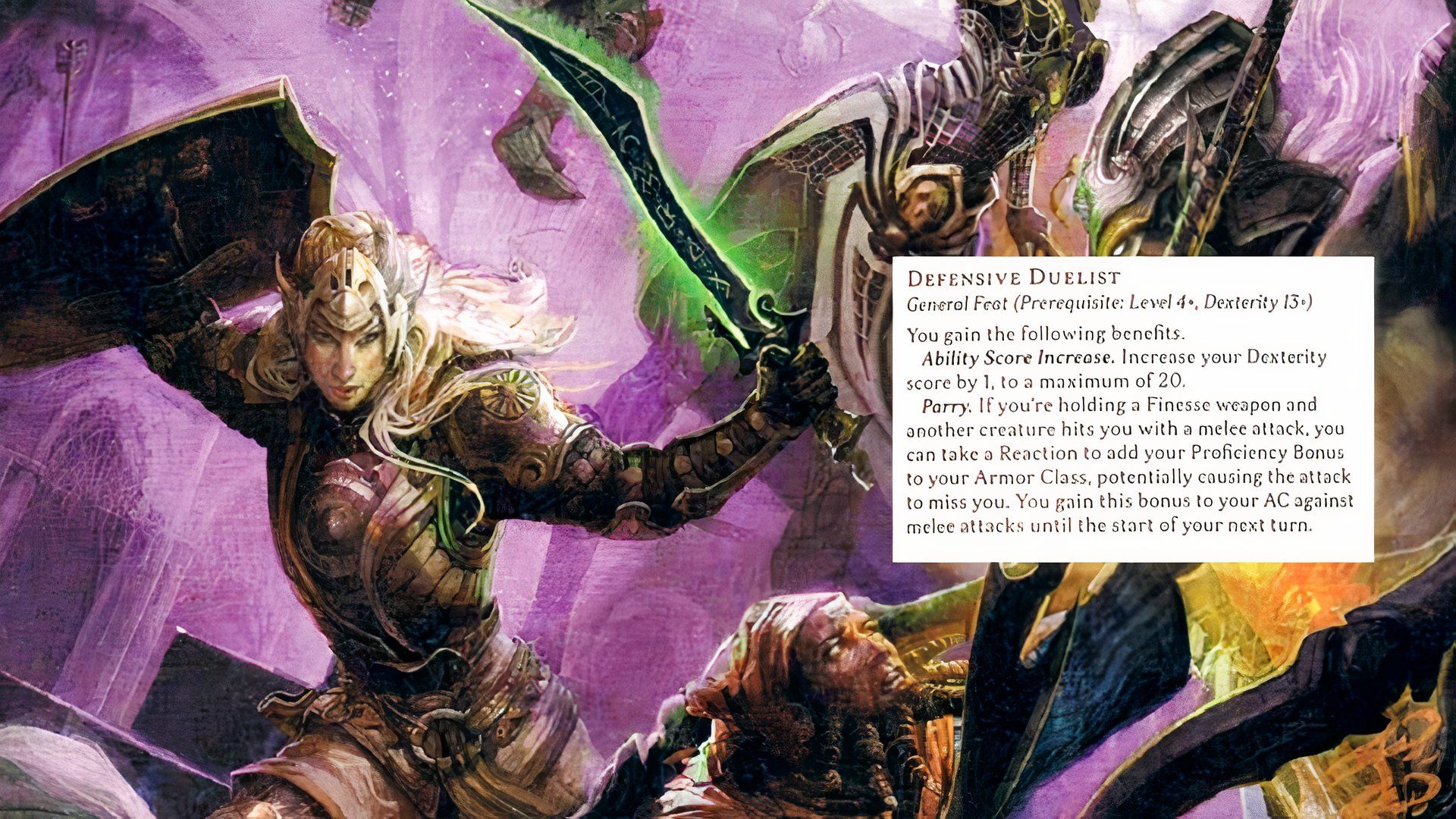 Image from Dungeons & Dragons Dungeon Master’s Guide (2014)
 - Type: General
- Needs: DEX 13+
The Duelist fighting style already gives players a significant defensive boost – a +2 bonus to their Armor Class (AC) when using a finesse weapon and fighting with only one weapon. Combining this with a shield gives them a total of +4 to AC. Because of this existing strong defense, the Defensive Duelist feat doesn’t seem very useful. While it does grant a +1 bonus to Dexterity and allows players to add their proficiency bonus to AC using their reaction when hit with an attack, the benefit is minimal considering the AC bonus already available.
A frequent complaint about the Defensive Duelist feat is that its AC bonus only applies to a single melee attack. Because many enemies attack multiple times, this bonus might not be very impactful. However, the feat can be incredibly useful for avoiding a potentially fatal hit, allowing the character to focus on attacking or moving instead of just defending.
Mounted Combatant
Take Advantage Of An Underused Mechanic
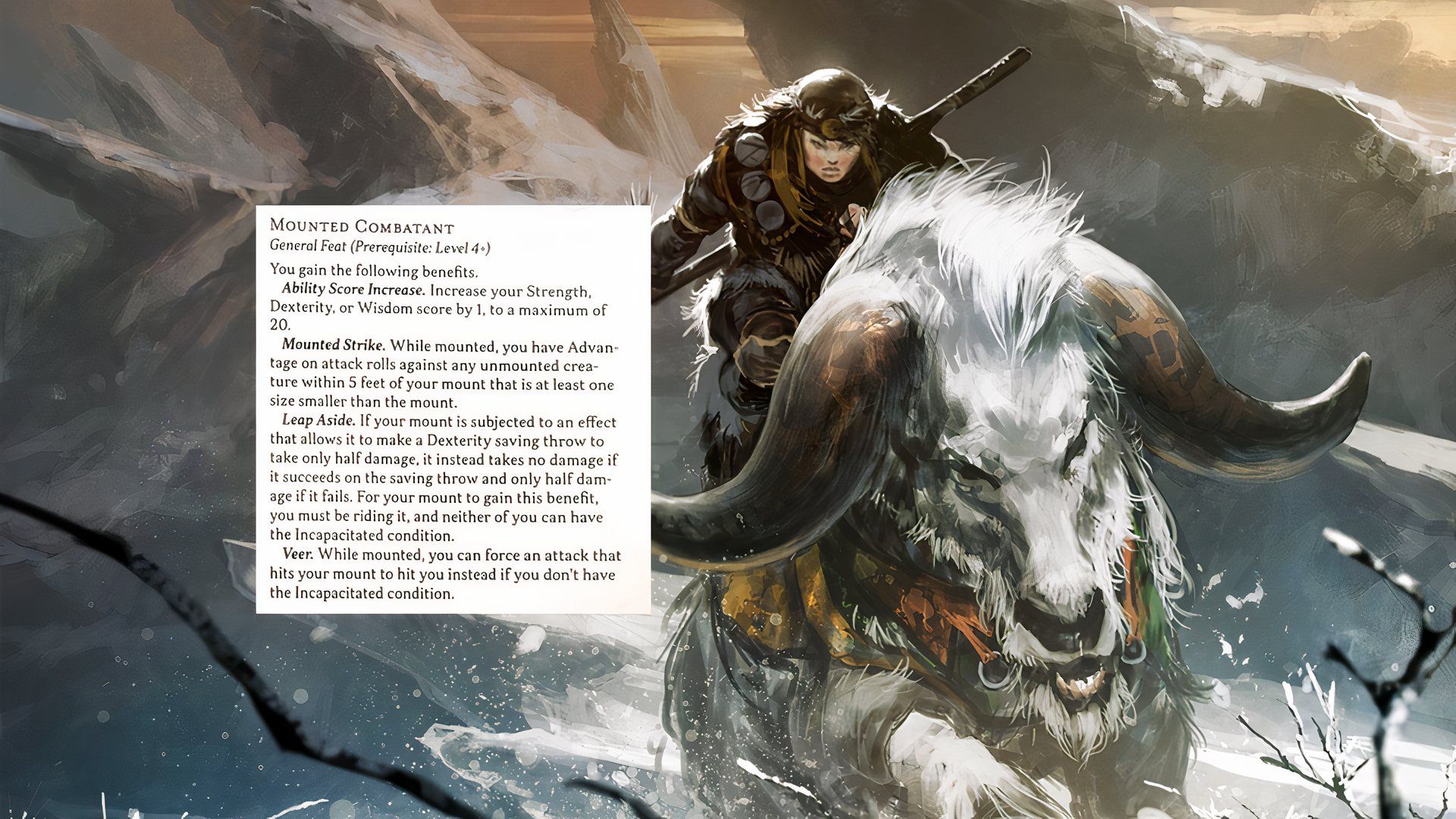 Image from Snowhorn Rider card of Magic the Gathering
 - Type: General
- Needs: None
Many players think of mounts as simply a way to get around outside of battles, but in the game, a mount can actually be a separate creature you control during combat. Given how hard mounts are to acquire, and the fact that most mounted combat rules only offer a speed increase, the traditional image of a knight on horseback doesn’t feel very impactful. Therefore, the Mounted Combatant feat doesn’t seem particularly useful until you actually have a mount. This feat provides a +1 bonus to Strength, Dexterity, or Wisdom and aims to improve how mounted combat works. Specifically, it allows a rider to potentially avoid damage from effects that normally cause half damage with a successful Dexterity save, and it lets the rider take damage that was intended for the mount, as long as the rider isn’t incapacitated (through abilities called Leap Aside and Veer).
Many players miss a key detail about the Mounted Combatant feat in Dungeons & Dragons. A horse is considered a Large creature, while most player characters are Medium. This size difference activates the feat’s special effect, giving the rider advantage on attacks against enemies at least one size smaller than their mount. Essentially, this allows a knight on horseback to effectively deal with stronger opponents on the battlefield.
Heavy Armor Master
Maximize Heavy Armor Proficiency
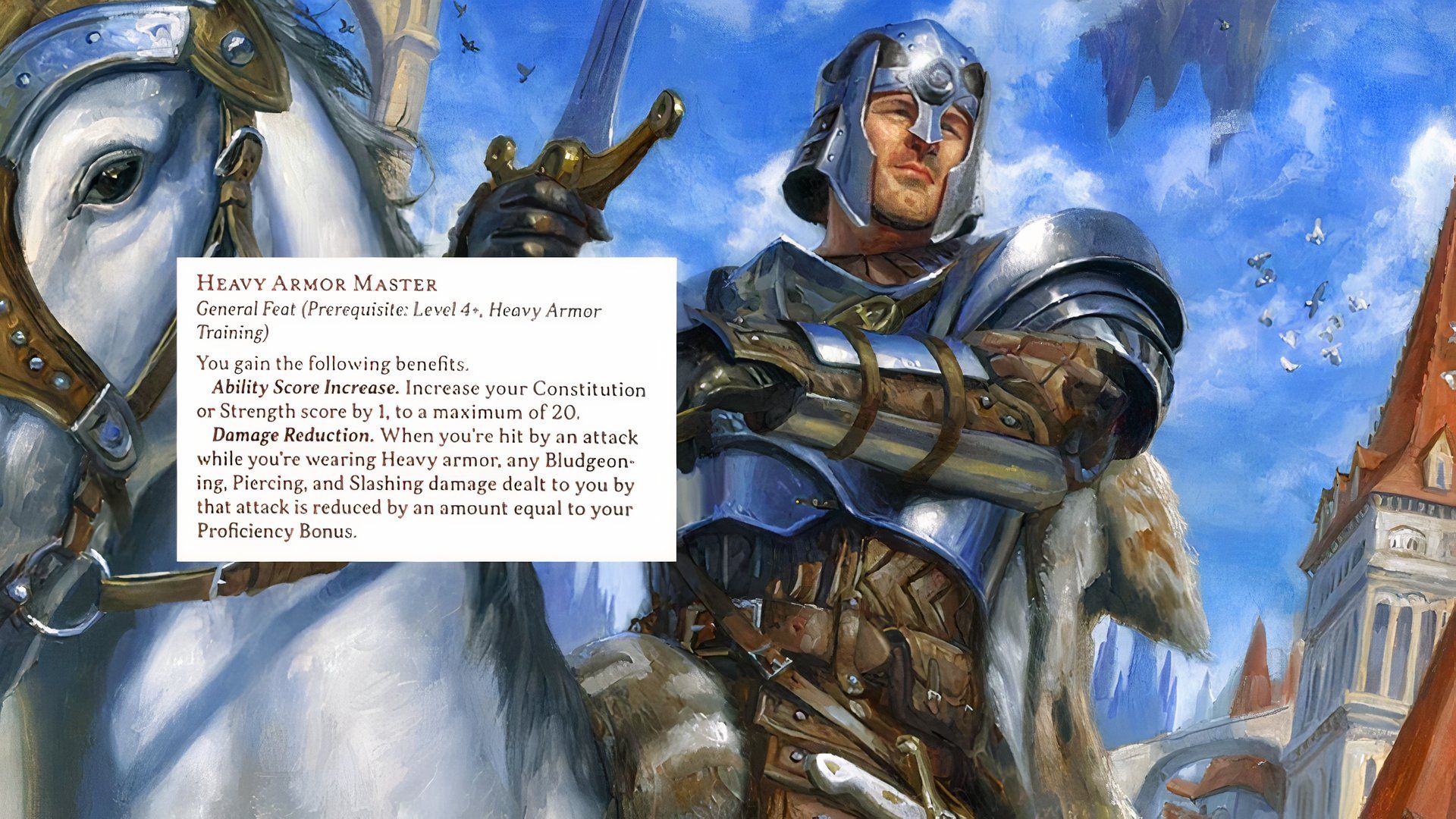 Image from Knight Token card of Magic the Gathering
 - Type: General
- Needs: Heavy Armor Training
Armor Mastery isn’t a brand new type of ability in Dungeons & Dragons; it simply gives benefits to characters who focus on becoming experts with their equipment. For example, the Heavy Armor Master ability can increase Strength or Constitution by +1, and lessen bludgeoning, piercing, or slashing damage from non-magical sources by an amount equal to your proficiency bonus. However, since heavy armor already offers good protection, it might not be worthwhile to focus too much on this particular ability.
The original Heavy Armor Master skill isn’t very impressive, and it’s easy to miss its potential, especially since the updated version can be a strong defensive choice. It’s most effective at higher levels, though – it doesn’t offer much benefit early on. Once a character gains proficiency, reaching a +5 bonus can impose a significant -5 penalty on almost all attacks, greatly increasing the survivability of characters on the front lines.
Healer
Get Access To A Sub-Healer
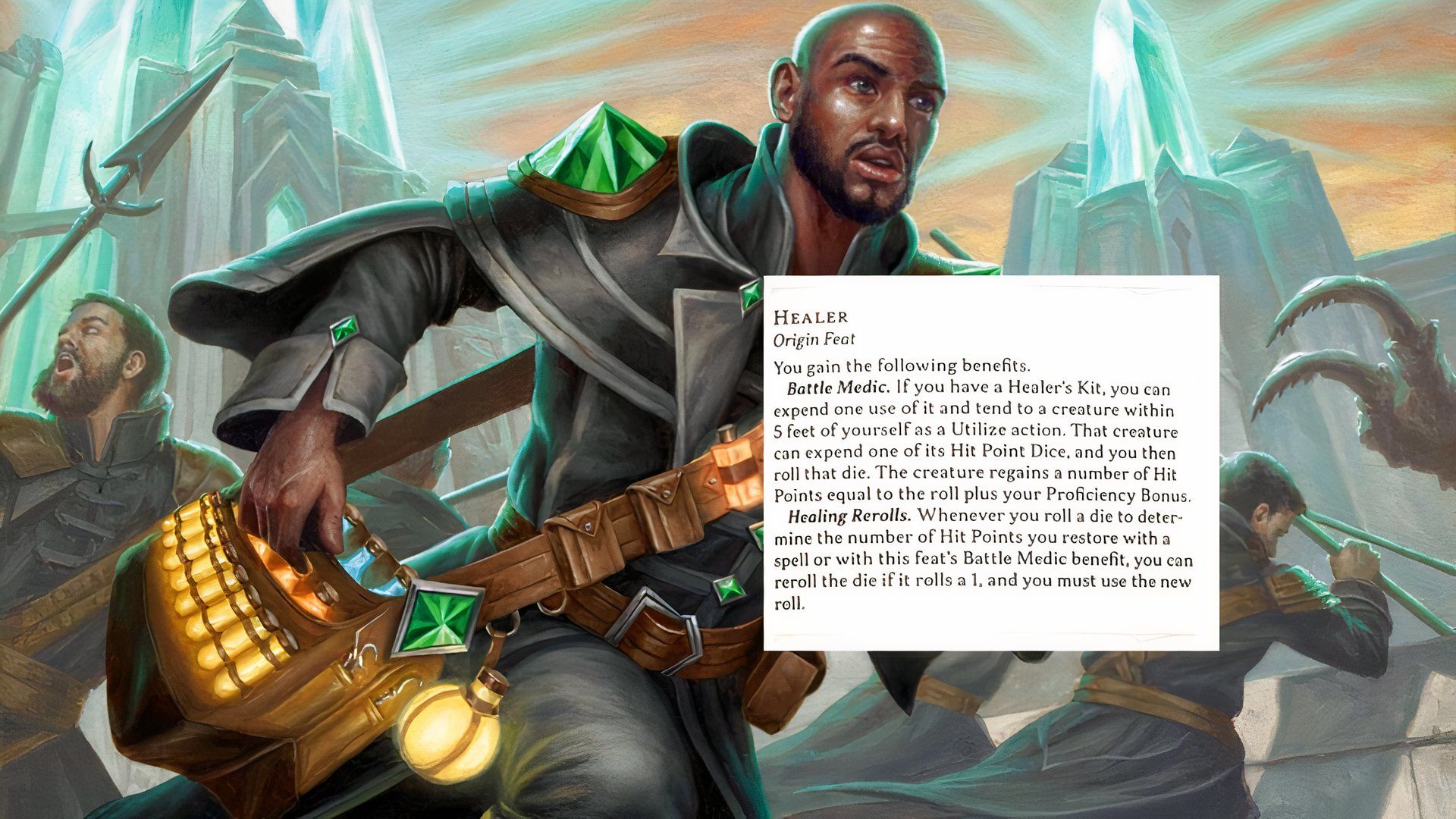 Image from Drannith Healer card of Magic the Gathering
 - Type: General
- Needs: None
In Dungeons & Dragons, healing is a crucial part of combat – so much so that healers often become prime targets for enemies. The Battle Medic class is designed to make it easier for characters to take on this support role. While equipped with a Healer’s Kit, they can use an action to heal allies, using a Hit Die and adding their proficiency bonus. Plus, any roll of 1 on a healing die can be rerolled, potentially improving the outcome.
While this added ability might not always seem useful compared to feats that directly increase damage output, it becomes incredibly valuable when the group faces many battles without much chance to rest. Being able to provide a quick heal using your action, boosted by a bonus and with a chance to improve the result, can be a lifesaver for your allies when they’re in critical condition. It’s especially helpful if your primary healer is struggling to keep up.
Piercer
Maximize DPS With Rerolls
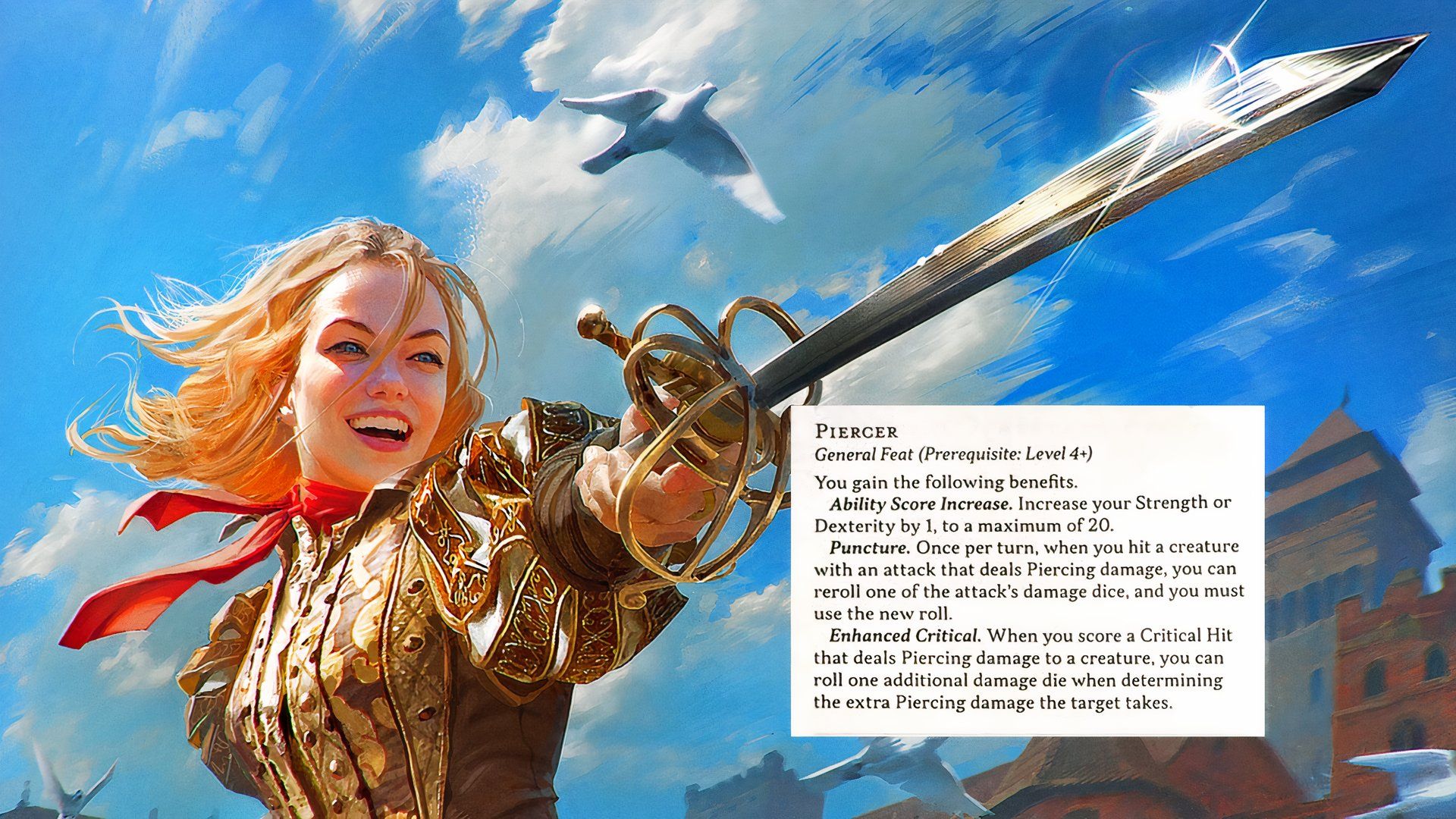 Image from Dueling Rapier card of Magic the Gathering
 - Type: General
- Needs: None
These damage type improvements might not seem very impressive when compared to more complex Feats. For example, the Piercer Feat, which boosts Piercing damage and adds +1 to Strength or Dexterity, doesn’t feel as strong as a full Ability Score Increase. It’s logical to question specializing in just one damage type when characters often use multiple melee attacks. However, Piercer is ideal for characters focused on dealing damage, like Rogues, as it gives them a helpful extra edge.
Once per turn, if a Piercing attack successfully hits an enemy, you can reroll one of the damage dice and must use the new result (Puncture). Additionally, Piercing attacks that score a Critical Hit will add an extra damage die (Enhanced Critical). With the right build, these abilities can turn Sneak Attacks into one-hit knockouts against even the most dangerous foes.
Resilient
Perfect For Concentration
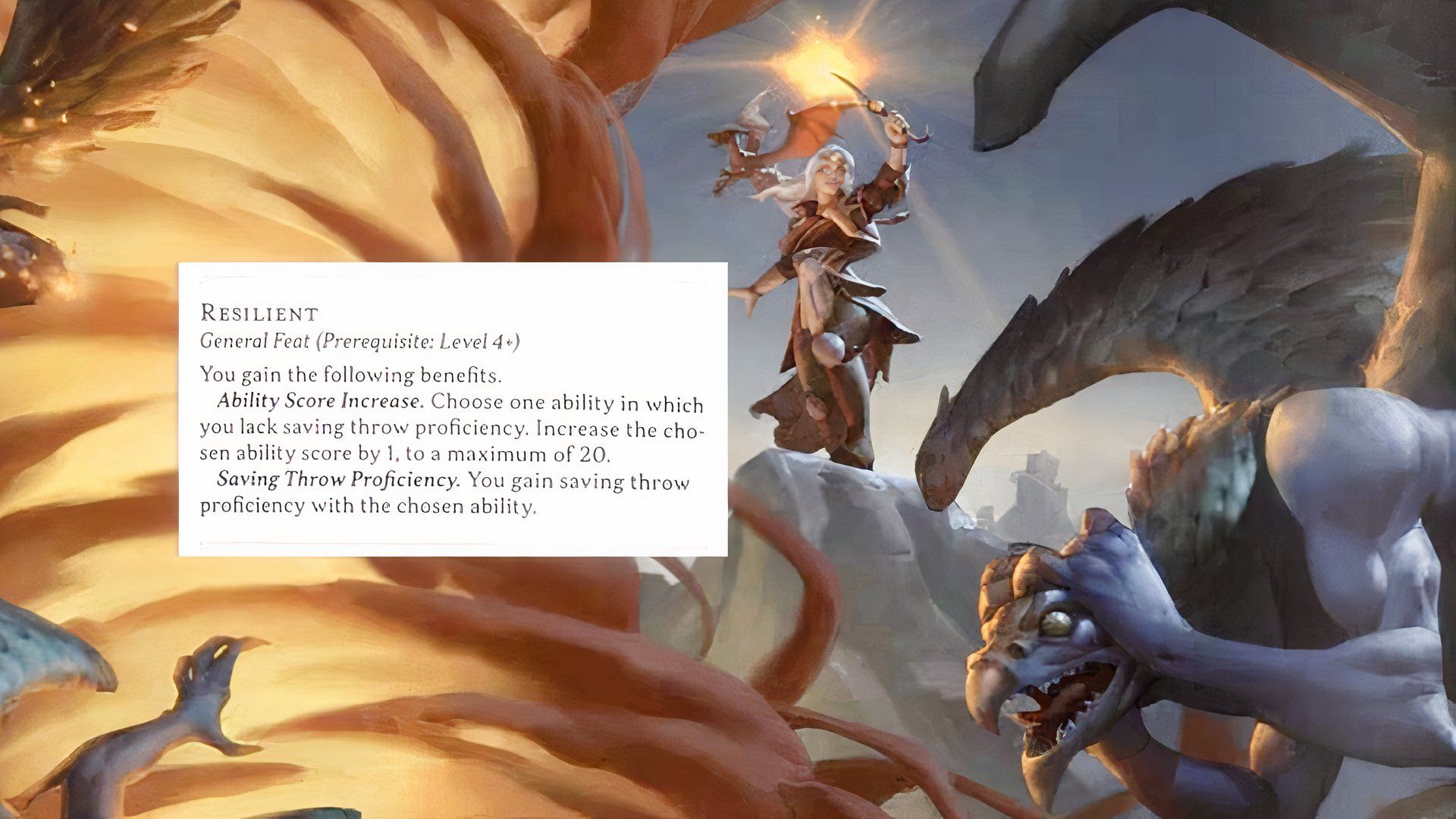 Image from Dungeons & Dragons Player’s Handbook (2024)
 - Type: General
- Needs: None
The Resilient feat helps players make up for weaknesses by allowing them to become proficient in a saving throw for an ability they normally aren’t skilled in, adding +1 to the roll. While saving throws don’t come up constantly in the game, making Resilient a seemingly minor benefit, it becomes particularly valuable when applied to Constitution.
A bonus to Constitution saving throws might not seem impactful at first, since few things directly target your Constitution – mostly poisons and illnesses. However, it’s crucial for spellcasters, who rely on Constitution saves to keep their spells going. This added protection lets them maintain powerful, ongoing effects, like enchantments on tough enemies, while the rest of the team finishes them off.
Fey-Touched
Help Bypass A New Spellcasting Rule
 Image from Dungeons & Dragons Player’s Handbook (2024)
 - Type: General
- Needs: None
Sometimes players overlook how Feats can enrich a character’s history. While Tieflings often have roots in the Nine Hells, some characters experience strange encounters in the Feywild, becoming what’s known as Fey-Touched. This half-Feat provides a +1 bonus to Intelligence, Wisdom, or Charisma, and allows the character to cast one Level 1 Divination or Enchantment spell once per day. It might seem less impressive than the Magic Initiate Feat at first. Why take Fey-Touched when Magic Initiate gives you two cantrips and lets you swap them out as you level up?
Comparing these two options clearly favors Fey-Touched. Both feats allow you to cast a 1st-level spell without using a spell slot, bypassing a rule in the revised edition. However, Fey-Touched offers additional benefits. It can increase your spellcasting ability score, and crucially, it lets you learn any 1st-level Divination or Enchantment spell, even if your class doesn’t normally have access to it.
Elven Accuracy
Powerful Advantage Boost Until Nerfed
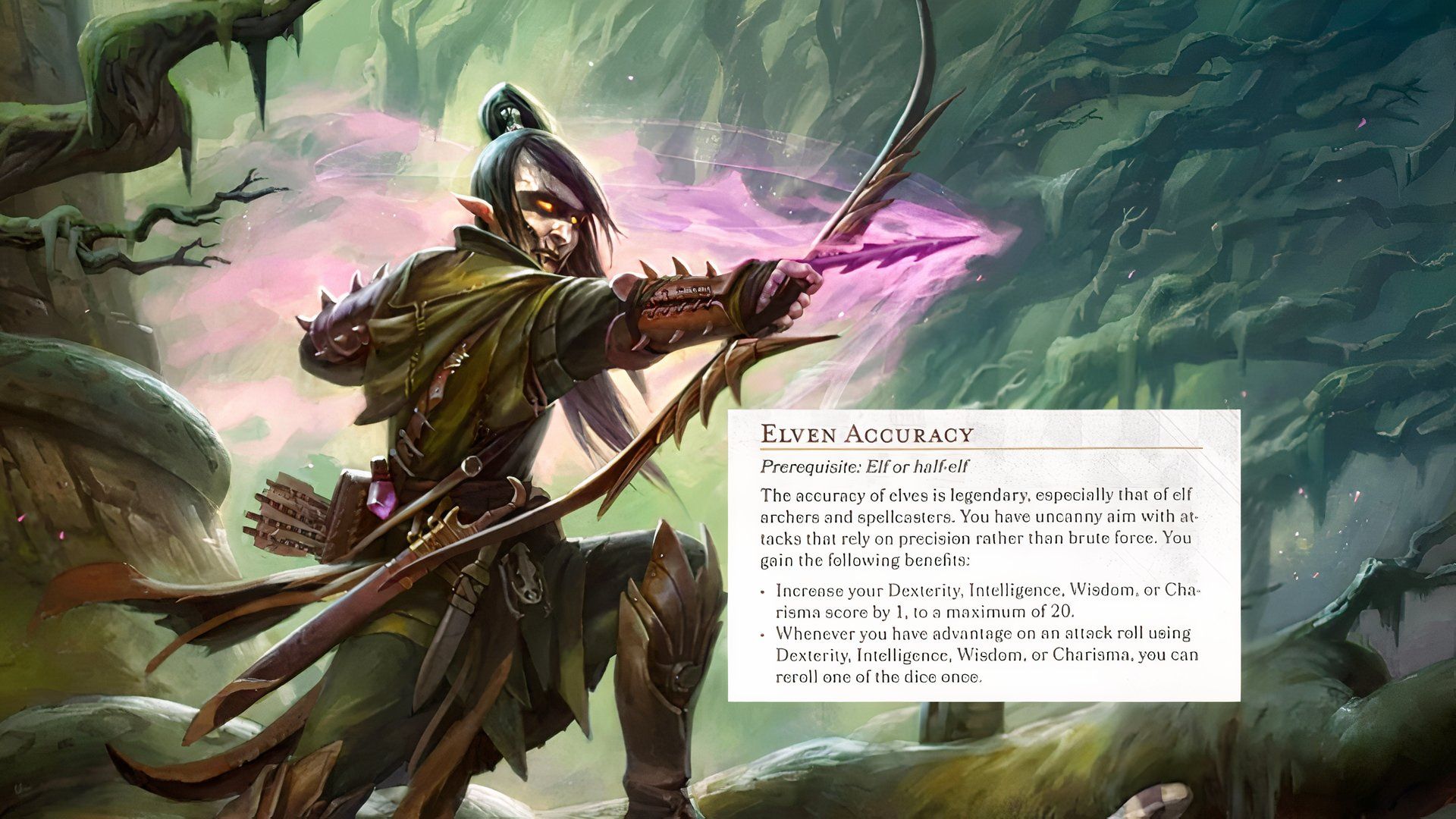 Image from Poison-Tip Archer card of Magic the Gathering
 - Type: Racial
- Needs: Elf or Half-Elf
The updated rules allow players to continue using racial feats from previous Dungeons & Dragons fifth edition books, as long as those feats aren’t changed by the new rules. For example, the ‘Elven Accuracy’ feat, originally found in Xanathar’s Guide to Everything, remains the same. It lets you add +1 to your Dexterity, Intelligence, Wisdom, or Charisma, and gives you the ability to reroll one die when you have advantage on an attack roll using those same abilities.
Elven Accuracy doesn’t immediately seem powerful – most players would likely prefer a full Ability Score Increase or a more focused Feat. It can even feel like a slightly better version of a Background. However, the ability to reroll an attack with Advantage can significantly increase damage, which is great for classes like Rogues, Rangers, and Fighters who have multiple attacks and ways to boost their damage. As long as it isn’t changed in future printings, Elven Accuracy remains a solid way for Elves and Half-Elves to gain an Advantage boost.
Read More
- All Skyblazer Armor Locations in Crimson Desert
- How to Get the Sunset Reed Armor Set and Hollow Visage Sword in Crimson Desert
- All Shadow Armor Locations in Crimson Desert
- Marni Laser Helm Location & Upgrade in Crimson Desert
- All Helfryn Armor Locations in Crimson Desert
- All Golden Greed Armor Locations in Crimson Desert
- All Icewing Armor Locations in Crimson Desert
- Best Bows in Crimson Desert
- How to Beat Stonewalker Antiquum at the Gate of Truth in Crimson Desert
- Legendary White Lion Necklace Location in Crimson Desert
2026-02-04 11:37