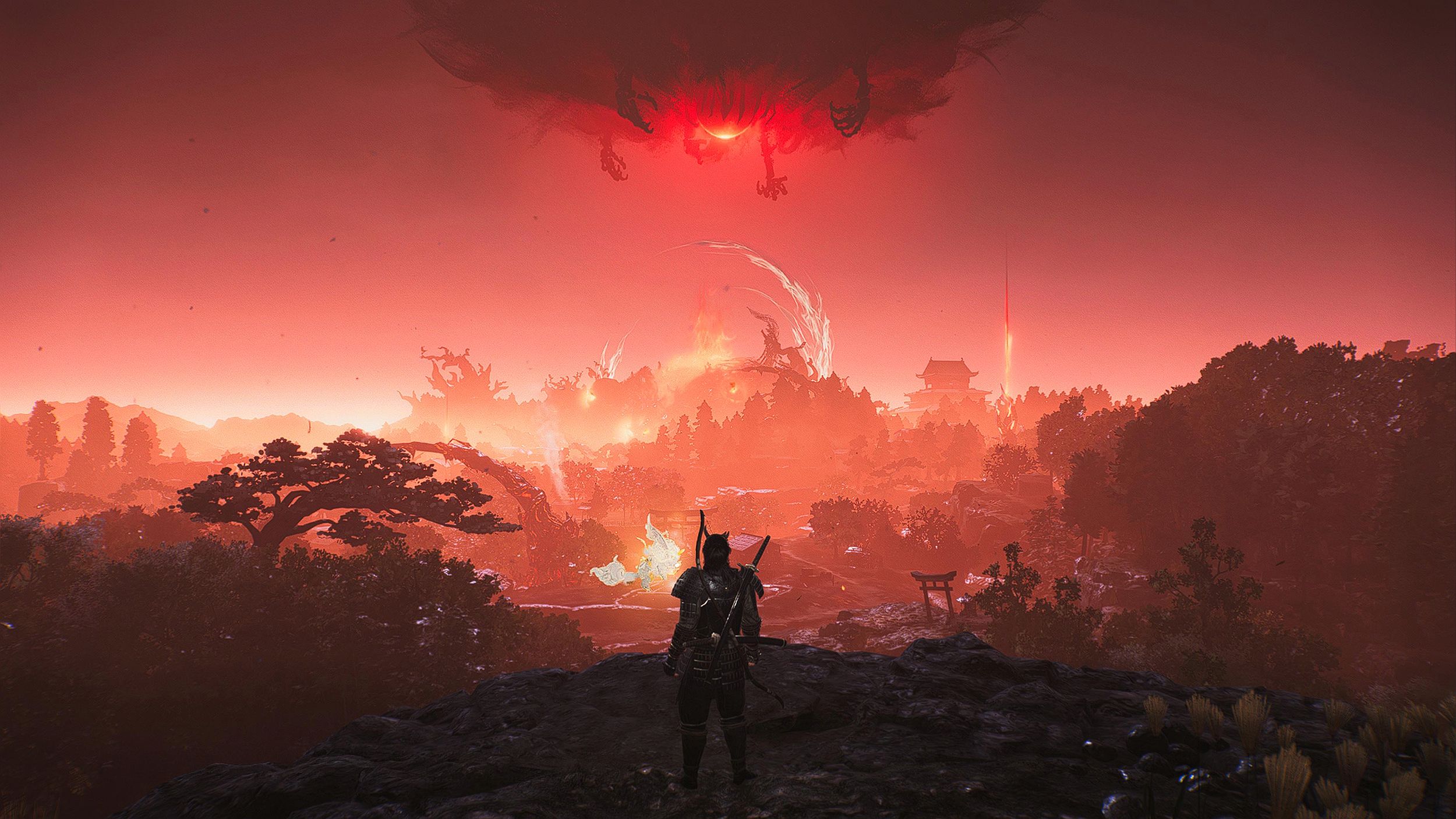
I thought I had Nioh 3 figured out after easily getting through the beginning. The new Ninja gameplay style felt perfect for me, making most enemies surprisingly easy to defeat. I could dodge attacks quickly and sneak up on enemies for big damage, which made me feel incredibly powerful. However, the first few boss fights quickly showed me how wrong I was. I realized I needed to take the game much more seriously if I wanted to succeed.
Overall, my first complete playthrough of around 50 hours was a positive experience. Compared to other games in the ‘Souls-like’ genre, Nioh 3 is relatively easier to pick up, though it’s still quick to punish overconfidence. Its many systems take a while to master, but the game offers satisfying exploration in its large, open areas. The way exploration connects with character progression is a real highlight. I enjoyed Nioh 3 so much that I’m already excited to start a New Game Plus and play through it all again.
The story in Nioh 3 is easy to follow. It uses time travel to take players to different points in Japanese history. A mysterious power called the Crucible has thrown the world into disorder, causing supernatural creatures to appear across time. Instead of treating each time period as separate, the game connects them as one continuous battle, so your progress carries over. The story isn’t overly complex, but it effectively explains what’s happening and keeps you motivated as you explore different areas.
Movement Is the Name of the Game in Nioh 3
After spending many hours playing Nioh 3, the biggest thing I’ve learned is that this game focuses on movement far more than the previous ones. While movement was always important in Nioh, it was about careful positioning and managing stamina during samurai battles. Nioh 3 changes that with its new Ninja style, prioritizing speed and quickness. Ninja characters can often defeat regular enemies so quickly they barely have a chance to attack.
One of the biggest improvements in this game is the new Style Shift system, which fundamentally changes combat and character building. Players can instantly switch between Samurai and Ninja styles, each with its own unique customization options for gear and skills. The Samurai style is similar to classic Souls-like games, emphasizing powerful weapons, close-range combat, and managing stamina. The Ninja style is faster and more flexible, focusing on ranged attacks, dodging, and special ninja techniques like poison shurikens. Switching between styles also has tactical advantages in battle—you can even parry attacks that are normally impossible to block. However, I mostly played as the Ninja throughout my time with the game. This highlights how Nioh 3 encourages diverse playstyles, and I appreciated that it never forced me into a specific way of playing.
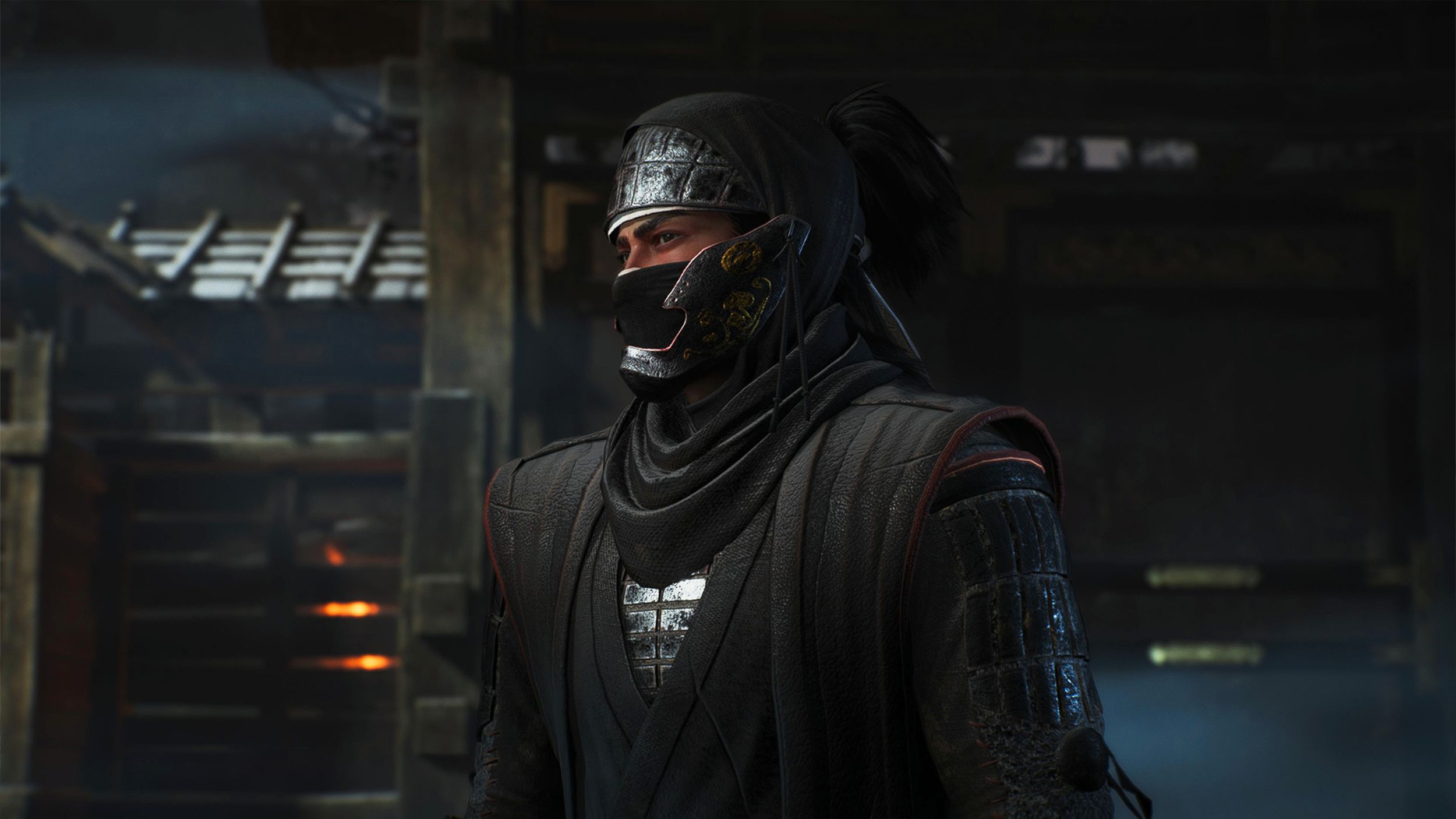
The latest installment in the Nioh series really emphasizes stealth, and it’s a powerful tool. You can quickly take down weaker enemies or deal significant damage to tougher ones. The stealth system can be improved with upgrades that make you harder to detect or increase your attack power when sneaking. While it’s not flawless—sometimes a stealth attack would surprisingly alert nearby enemies even if they hadn’t spotted me—it’s effective enough that skilled players can approach the game with a playstyle similar to Assassin’s Creed Shadows.
Stealth tactics don’t work during boss battles in Nioh 3. While these fights aren’t as brutally difficult as in many Souls-like games, they still require preparation. I especially like that most bosses only have one phase—it’s frustrating to defeat a boss only to have it come back stronger. The fights are designed to be manageable, though calling them ‘easy’ is subjective, as difficulty depends on your skills and character build. You can make them even easier by summoning another player’s ghost using Ochoko Cups, if you have enough.
Nioh 3’s Open-Field Design Gives It a Sense of Discovery Past Entries Didn’t Have
As a big fan of the Nioh series, I was really impressed with how Nioh 3 changed things up. It’s not just about the new Ninja style; the game really focuses on letting you explore. They’re calling it an “open-field” experience, and it’s actually important for making progress! While Nioh 2 touched on different time periods, Nioh 3 really dives into the idea of multiple eras happening at the same time and affecting each other. This translates into some gorgeous, open-world areas – each set in a different time period and with its own unique look – and you have to beat a major boss in each one to move the story forward. Honestly, it reminded me a bit of the open areas in Final Fantasy 7 Rebirth, and like that game, it has some things that work really well and a few drawbacks.
To truly enjoy Nioh 3, it’s important to explore every part of the game world. Hidden off the main path are tons of useful upgrades – like better equipment and skills – that will make your experience much easier. You’ll find powerful items from optional bosses, earn helpful buffs by completing side activities, and unlock skills you can’t get through the story alone. Plus, the game’s environments are stunning, making exploration a rewarding experience overall.
The game’s exploration system unfortunately becomes repetitive. Players improve their understanding of each area by completing tasks like finding shrines, opening chests, and capturing bases. This increases an ‘Exploration Level’ which unlocks benefits like items and stat boosts, and eventually fills the map with icons showing collectibles and points of interest. The problem is, once players fully explore an area – which happens quickly – the map becomes cluttered, and the fun of discovering things naturally turns into simply completing a list.
To fully enjoy Nioh 3, players need to thoroughly explore every part of its world.
In Nioh 3, I didn’t feel as much need to constantly check the map compared to other open-world games. The world itself is visually interesting and encourages you to explore, which helped me overlook the lack of clear icons. However, this didn’t fix the feeling that the open areas were repetitive. While each time period offered new environments and enemies, it often felt similar to Mass Effect Andromeda, where each area was essentially the same with a slightly different look. Thankfully, after a short break, I found exploring enjoyable again and didn’t feel overwhelmed by it.
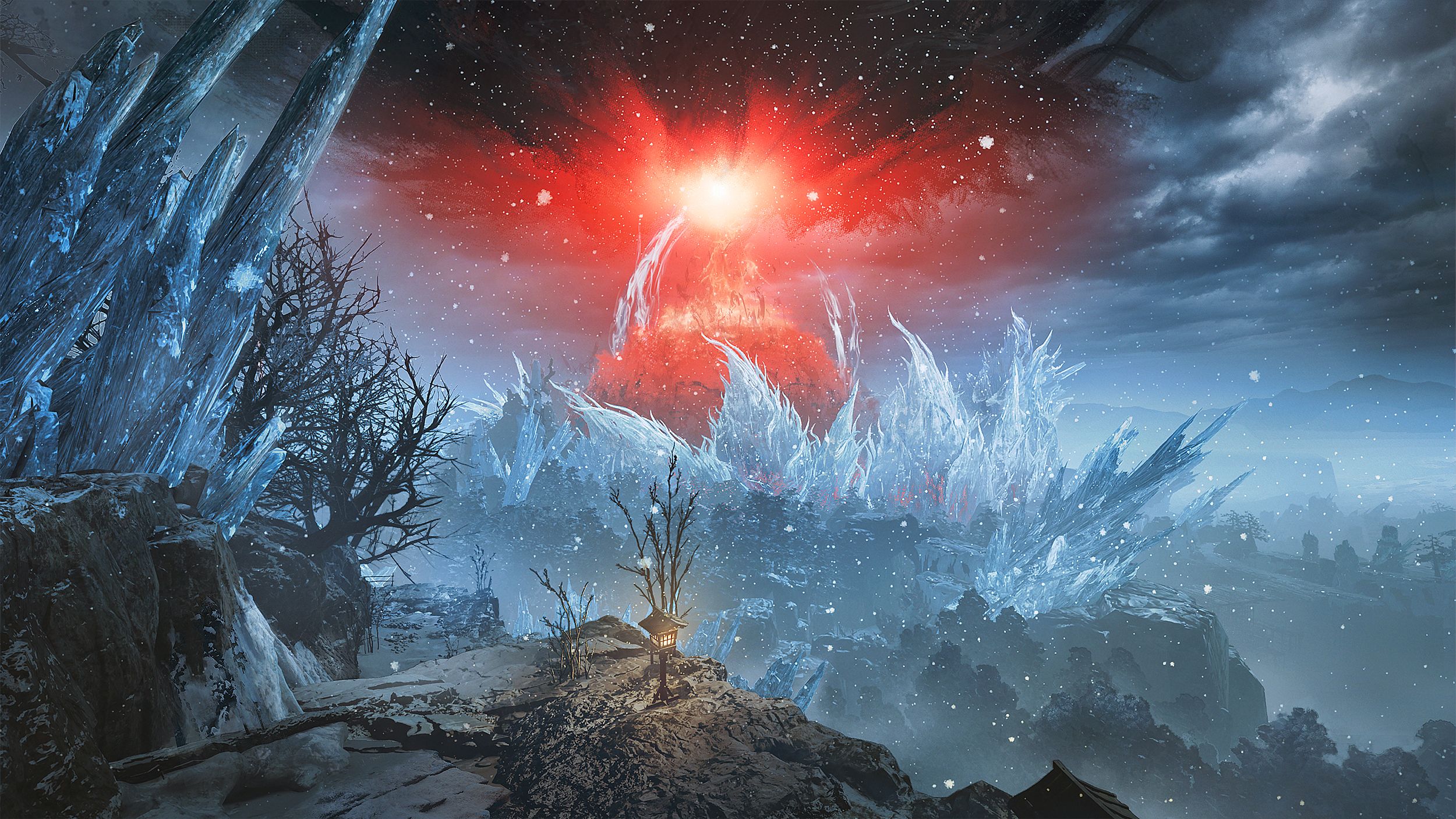
Beyond its part in the story, the Crucible in Nioh 3 acts as a challenging gameplay section that you must complete to advance to new areas. Each time you start a new era, you’ll face a Crucible sequence designed to test your skills. These sections have unique rules, enemies, dangers, and a powerful boss. They’re much more intense than regular gameplay, demanding precision and quick thinking. Completing a Crucible not only advances the story, but also diminishes its hold on that time period, providing a satisfying sense of completion before you move forward. This system smartly divides the game into manageable parts and ensures that your progress always feels meaningful.
Nioh 3 introduces Crucible weapons, which are stronger than regular weapons but have a drawback: they apply the strict rules of the Crucible to the player, including a loss of life energy.
Like games such as Star Wars Jedi: Survivor, Nioh 3 frequently sends you back to earlier parts of the game to find everything it offers. The game also features Guardian Spirits, a series tradition, which unlock new ways to move around and reach previously inaccessible areas. I appreciate this type of exploration, and it worked well in Nioh 3. However, when revisiting areas feels pointless – just for the sake of completion – it feels a little forced. Thankfully, each Guardian Spirit provides useful passive bonuses and combat skills that can improve your character’s build.
Nioh 3 Is a Build-Crafter’s Dream
Though its fast-paced combat and expansive levels are impressive, Nioh 3 really stands out due to its incredible build customization. Unlike many similar games, Nioh 3 truly lets you create almost any character build you can imagine, thanks to the sheer volume of equipment you can find while exploring and battling enemies. In around 60 hours of gameplay, I collected over 10,000 pieces of gear, each with randomly assigned bonuses that could either enhance or detract from my build. While random gear drops are common in the Nioh series, Nioh 3 takes this feature to a whole new level.
Nioh 3 lets you carry up to 2,000 items, so you can play for extended periods without constantly needing to get rid of things. The game also offers detailed filters for quickly selling, breaking down, or converting items into Amrita (souls). You can easily select items based on their rarity or level, making inventory management much simpler.
As a fan, one of the things I really love about Nioh 3 is how much the loot actually matters. It’s not just about getting bigger numbers; all the weapons, armor, and spirit stuff you collect really lets you customize how you play. You can build a character that feels totally different depending on what you equip! It’s amazing when a build finally comes together – suddenly you’re triggering poison more often, doing way more sneak attack damage, or just being able to keep the pressure on enemies for longer. Honestly, even small changes, like swapping a single piece of armor or tweaking it at the blacksmith, can really turn the tide of a battle. It’s a super satisfying system.
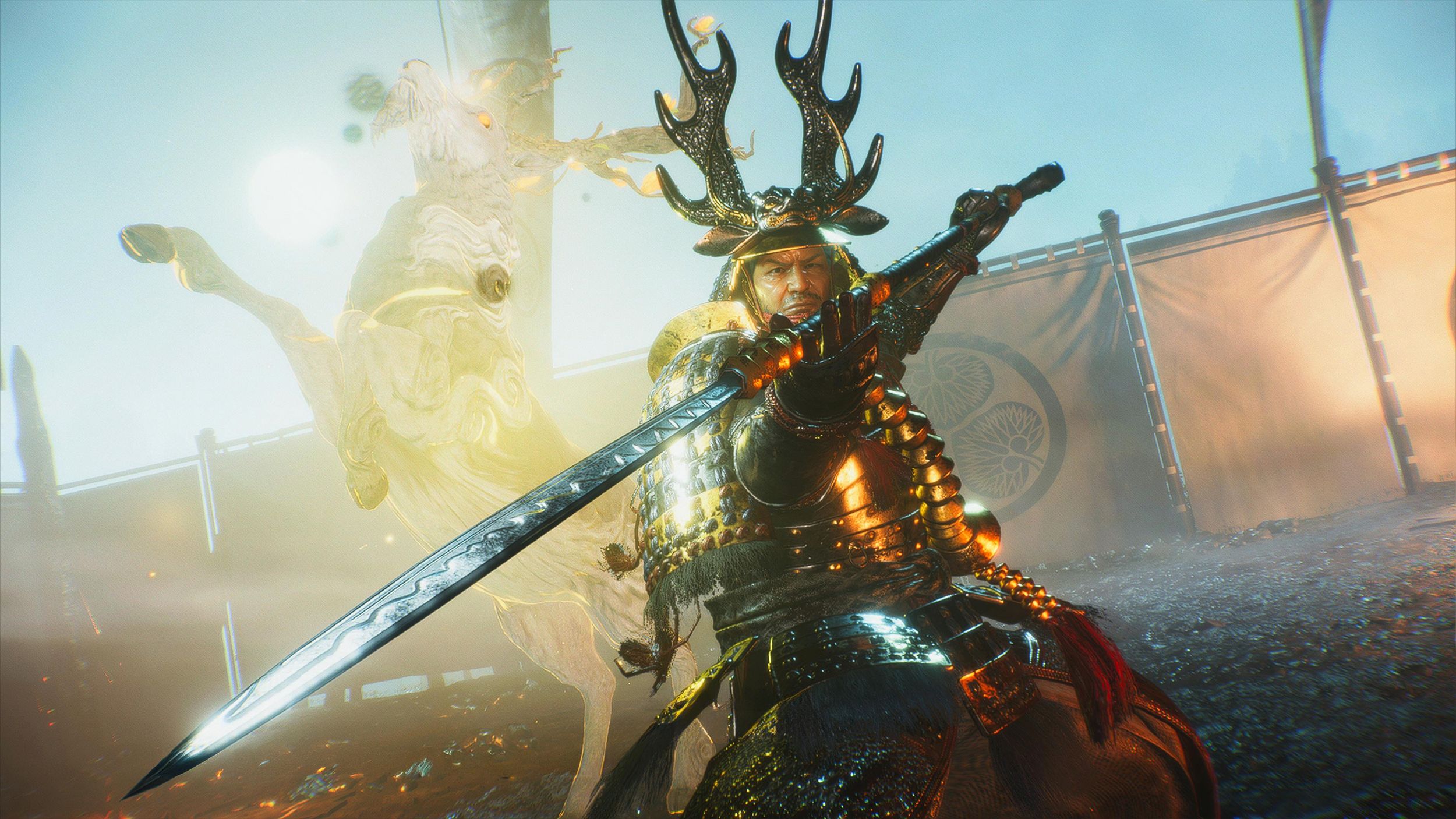
What truly sets Nioh 3‘s character building apart is how it blends the unique Samurai and Ninja fighting styles. Ninja builds emphasize quick recovery, stealth attacks, lingering damage, and increased movement, while Samurai builds prioritize strong attacks, defense, and efficient stamina management. The game not only allows for mixing these styles, but encourages it, especially with the Style Shift feature which lets you try different approaches freely. Experimenting with builds is also easier than ever thanks to the ability to reset your stats and skills as many times as you like, without any cost.
I spent a lot of time experimenting with different equipment setups, not because the game required it, but because I enjoyed optimizing my character. Eventually, I created a build focused on Ninja skills combined with Onmyo Magic and Ninjutsu. This allowed me to constantly pressure enemies, preventing them from attacking, while slowly draining their health and keeping myself safe. It was surprisingly powerful in the end, but it took a lot of effort – countless hours of testing different gear combinations – to get it just right.
Nioh 3 Raises the Bar for What Nioh Can Be
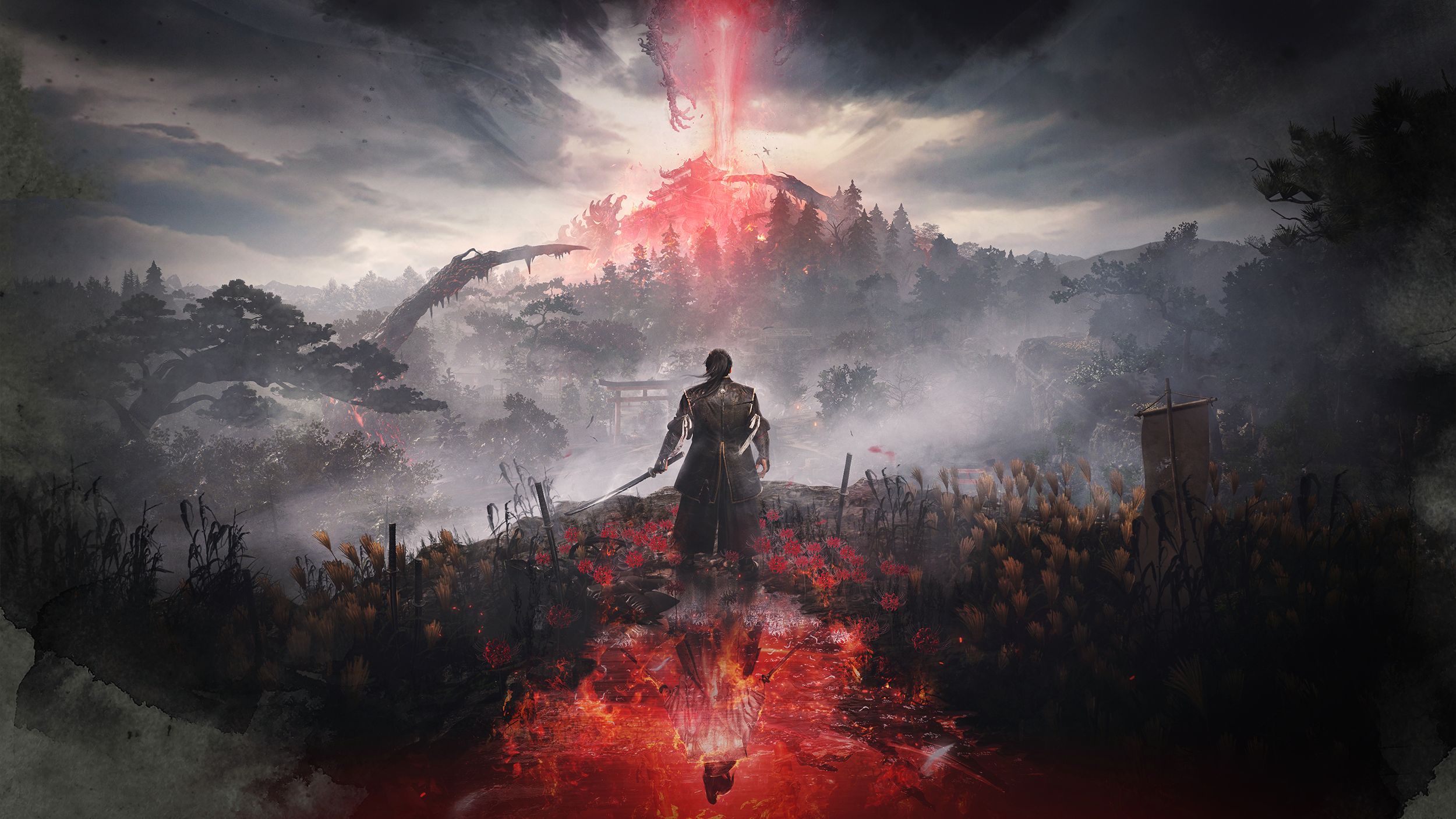
Overall, Nioh 3 is a great evolution of the series. It gives players more freedom with the new Ninja style, the ability to switch between styles mid-combat, and extensive character customization, all while staying true to what made the original Nioh so enjoyable. While the more open areas sometimes rely on familiar concepts, they don’t significantly detract from the experience, and the combat is better than ever. I had a lot of fun with Nioh 3 and immediately started a New Game Plus to explore the increased difficulty and customization, which speaks for itself. The game also runs exceptionally well on the PS5, providing a smooth, issue-free experience. Whether you’re a longtime fan or new to the series, Nioh 3 demonstrates that there’s still plenty of potential for innovation and excitement.
Nioh 3 will be available on PC and PlayStation 5 starting February 6, 2026. We reviewed the game using a PS5 code provided by Game Rant.
Read More
- All Skyblazer Armor Locations in Crimson Desert
- How to Get the Sunset Reed Armor Set and Hollow Visage Sword in Crimson Desert
- All Shadow Armor Locations in Crimson Desert
- Marni Laser Helm Location & Upgrade in Crimson Desert
- All Helfryn Armor Locations in Crimson Desert
- All Golden Greed Armor Locations in Crimson Desert
- All Icewing Armor Locations in Crimson Desert
- Best Bows in Crimson Desert
- How to Beat Stonewalker Antiquum at the Gate of Truth in Crimson Desert
- Legendary White Lion Necklace Location in Crimson Desert
2026-02-04 17:27