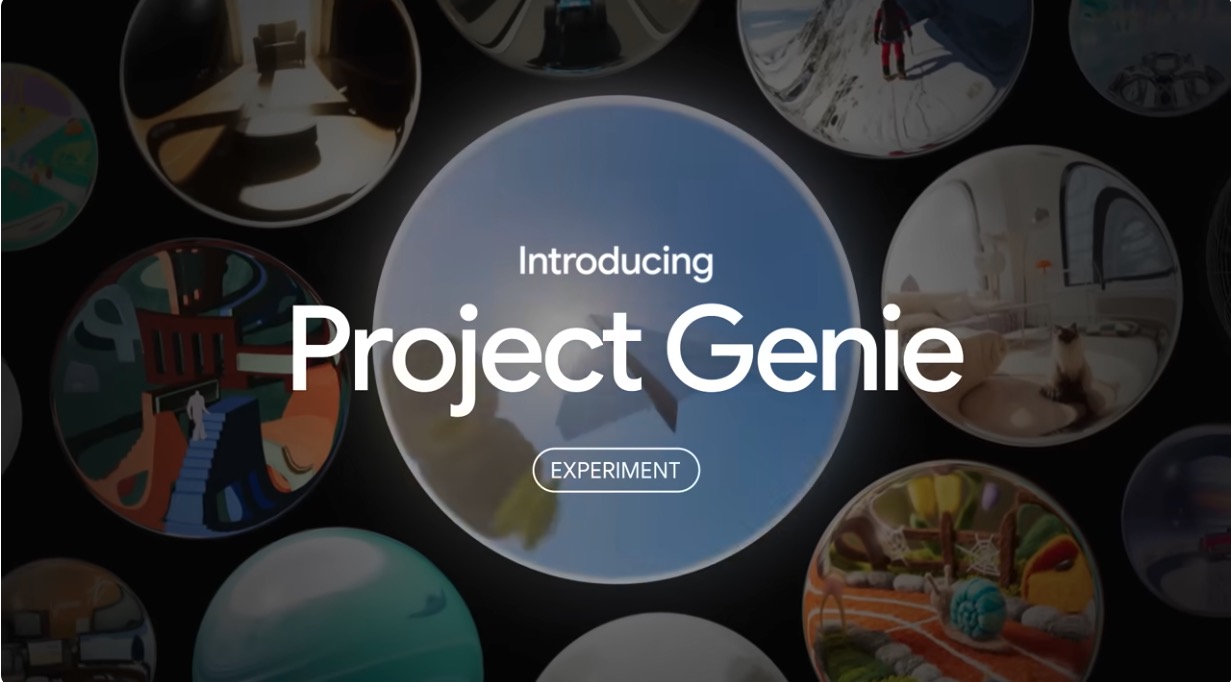
As a gamer, I was blown away by Google’s Project Genie reveal, but it seems Wall Street was a little panicked! Right after they announced this AI that can basically create entire game worlds on the fly, a lot of gaming company stocks took a serious hit. It was like everyone suddenly realized this tech could completely change how games are made, and investors started selling off their shares. It’s a bit scary, but also really exciting to think about what this could mean for the future of gaming!
Shares of Take-Two Interactive, the company behind Rockstar Games and Grand Theft Auto, dropped over 9%, resulting in billions of dollars lost in value – one of their worst single-day performances in years. Roblox, a company built on user-created virtual worlds, fared even worse, with a roughly 12% decline. However, Unity Software experienced the biggest fall, with its stock plummeting around 30% as investors worried about whether artificial intelligence could challenge the need for traditional game development tools.
I was blown away by Google’s Project Genie demo! It’s this incredible system from DeepMind that lets you basically describe a virtual world, and it builds it for you – playable and interactive! Normally, making something like that takes serious coding skills, tons of art creation, and months of work. But Genie does it instantly, and the world actually reacts to what you do. It’s amazing because it means anyone, even if they don’t know how to code, can create their own little virtual experiences. It really opens things up for a lot more people!
Initial public tests of the system quickly brought up legal issues. Users easily created content that looked very similar to popular franchises like Mario, leading to concerns about copyright and intellectual property. Experts noted that because the system can so easily copy existing styles and designs, it could lead to many legal battles over who owns the content created by the AI.
Analysts quickly tried to understand how recent events would affect game companies. Take-Two’s stock price fell, signaling investor concerns that even successful studios with popular franchises could face competition from AI-created games developed outside of typical game development processes. Roblox experienced an even sharper decline, which some found surprising given the company already benefits from user-generated content – but investors seemed worried about an even simpler alternative. Unity’s stock plummeted due to fears that AI tools could eventually lessen the need for traditional game engines used by both small and large developers.
Project Genie offers exciting new opportunities for gamers, but also presents some challenges. It could allow anyone to easily create and play custom game worlds simply by describing them, without needing coding skills or expensive software. However, this technology could also lead to a flood of low-quality or unoriginal games online, potentially overshadowing professionally made titles. Additionally, questions about copyright ownership could restrict how these AI-created games are shared, as platforms might need to limit or monitor this type of content to avoid legal issues.
Concerns about Project Genie have prompted responses from the financial industry. Wells Fargo, for example, sent a message to investors reassuring them that their overall positive outlook on the gaming industry remains unchanged. They believe that even if users can easily create their own virtual worlds, there will still be a need for established online platforms and demand for high-quality games developed by professional studios.
Strauss Zelnick, the CEO of Take-Two, has expressed skepticism about the current hype surrounding AI in gaming. He believes people are exaggerating its capabilities, and that AI can’t currently replace the need for human creativity. He used the example of asking AI to create a game that surpasses Grand Theft Auto, stating that it wouldn’t be successful without human input to make a truly compelling experience.
A new industry survey has shed light on how developers view generative AI. The results show that over half of developers think AI could be a threat to the video game industry, and more than 35% are already using AI tools in their daily work.
The launch of Project Genie happened at a time when many people were already discussing whether the excitement around artificial intelligence was becoming overblown. Companies like OpenAI, Anthropic, Amazon, Microsoft, and Google have become very valuable because investors believe AI will drastically change many industries. While some experts predict AI will lead to economic growth and new jobs, others are concerned it could lead to job losses and harm creative fields.
The gaming industry has always changed with new technology – we’ve seen shifts from arcades to home consoles, then to mobile games, and most recently, from buying games to ongoing, subscription-based services. But AI-powered content creation is different. It doesn’t just change how games are delivered; it challenges the fundamental roles of the people who actually make them – the developers, designers, and artists.
The worlds created by Project Genie, similar to those in Mario games, highlighted the tricky legal issues that are coming. Game companies will likely need to spend a lot on protecting their original ideas, while also figuring out how to use AI tools in a way that doesn’t harm their existing businesses.
After the initial drop in prices calmed down, many people thought the market might have overreacted to the news about Project Genie, considering its current features. However, this situation marked a turning point for the industry, forcing everyone to rethink who can make engaging content and how it’s made.
Read More
- All Skyblazer Armor Locations in Crimson Desert
- How to Get the Sunset Reed Armor Set and Hollow Visage Sword in Crimson Desert
- All Shadow Armor Locations in Crimson Desert
- Marni Laser Helm Location & Upgrade in Crimson Desert
- One Piece Chapter 1180 Release Date And Where To Read
- All Helfryn Armor Locations in Crimson Desert
- All Golden Greed Armor Locations in Crimson Desert
- All Icewing Armor Locations in Crimson Desert
- How to Beat Stonewalker Antiquum at the Gate of Truth in Crimson Desert
- Legendary White Lion Necklace Location in Crimson Desert
2026-02-04 22:47