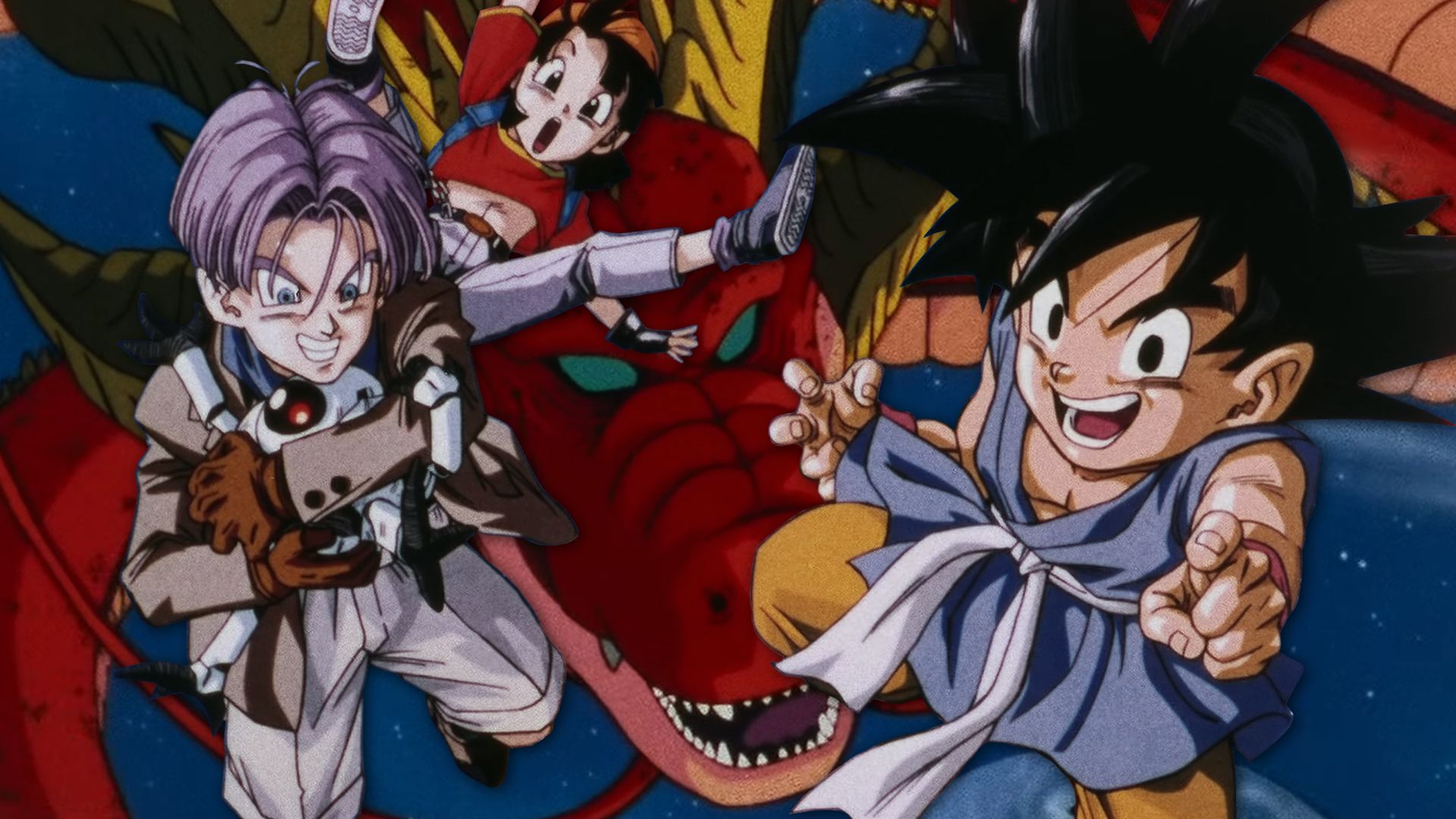
Starting with the original manga in 1984, Dragon Ball has been incredibly popular for over 40 years, becoming a worldwide success and showing no signs of stopping. Fans have always had something new to enjoy – from popular anime series and video games to trading cards and merchandise – even after the passing of creator Akira Toriyama in March 2024. While most releases are well-received, one anime series quickly became known as the odd one out. Although opinions on Dragon Ball GT have changed over time, it still hasn’t fully escaped its reputation as the franchise’s black sheep.
Originally airing in Japan in 1996, Dragon Ball GT is turning 30 this year, but it’s unlikely to receive a major celebration. Even after three decades, many still criticize the show for its weak story and strange character looks, and most fans prefer to focus on other Dragon Ball series. However, a closer look reveals some enjoyable moments, and some longtime fans are starting to appreciate certain aspects of GT after revisiting it.
Dragon Ball GT Remains the Most Controversial Series in the Long-Running Franchise
As a huge Dragon Ball fan, it was amazing but not surprising to see how popular the anime adaptations of Toriyama’s manga became! With so much money flowing in, Shueisha and Toei Animation really wanted to keep the franchise going, which led to Dragon Ball GT. Honestly, Toriyama was pressured into helping create it, but it’s important to know that GT isn’t based on his original manga. It’s a completely separate sequel to Dragon Ball Z, created for the anime, and a lot of us fans weren’t thrilled about that difference right away.
The story starts when Goku is unexpectedly turned back into a child by Emperor Pilaf, one of his old enemies. To save Earth from destruction, Goku, along with Trunks and Pan, must search the universe for the Black Star Dragon Balls within a year. While the first part of Dragon Ball GT is generally well-liked, many fans feel the series declines in quality with later storylines like the Super Android 17 Saga and the Shadow Dragons Saga. Another common criticism is that the show focuses too much on Goku, leaving little opportunity for other characters to develop.
When Dragon Ball GT began in 1996, many fans were eager for more adventures in the Dragon Ball universe. However, it quickly became apparent that GT didn’t quite capture what fans loved about the earlier series. The original creator, Toriyama, wasn’t heavily involved in its production, and viewers noticed a lack of the special quality that defined previous adaptations. The humor often fell flat, the storylines felt unnatural, and characters like Pan and her robot companion, Giru, were frequently criticized as being irritating. Ultimately, GT struggled to gain acceptance, and fans often speculate on what changes could have made it a more successful addition to the Dragon Ball franchise – with greater involvement from Toriyama being the most obvious solution.
I remember when Dragon Ball GT first came out – it wasn’t a complete failure, actually. It sparked quite a bit of merchandise, like a stage show in Japan back in 1997, a few art books, and even a manga adaptation in 2013. There were also several video games based on it, including Dragon Ball GT: Final Bout for PlayStation and Dragon Ball GT: Transformation on the Game Boy Advance, which was only released in North America. Interestingly, it seemed to be much more popular outside of Japan than it was back home, though you don’t see a lot of people talking about it positively online these days.
Despite Backlash, Dragon Ball GT Has Plenty of Redeeming Qualities
For thirty years, people have debated the strengths of Dragon Ball GT. Even viewers unfamiliar with the series likely recognize the Super Saiyan 4 transformation, first shown in episode 34 of GT. It remains a fan favorite throughout the entire Dragon Ball franchise. This powerful form, an evolution of previous transformations, recently reappeared in the new anime Dragon Ball Daima. Fans have enthusiastically welcomed its return, as Super Saiyan 4 was a highlight of GT, and it’s been updated with new features to appeal to today’s audiences.
One of the most compelling villains in Dragon Ball GT was Baby, a survivor of the Tuffle race. Long ago, the Saiyans, led by King Vegeta, destroyed the Tuffles, who originally lived on Planet Plant. In GT, Baby returns seeking revenge on the Saiyans, and he’s a formidable opponent with unique abilities and great power. A particularly exciting moment was when he took control of Vegeta, forcing another battle between Vegeta and his longtime rival. Many viewers appreciated that Baby wasn’t a simple villain; he was complex and memorable. His frightening ability to implant eggs inside those he possessed, turning them into loyal followers, added a horror element to his storyline.
Fans of Vegeta also appreciated how Dragon Ball GT developed his character. Throughout Dragon Ball Z, Vegeta gradually showed more love for his family and Earth, culminating in his sacrifice during the Buu Saga. GT then took this further, portraying him as a devoted family man who prioritized his wife and children over his lifelong rivalry with Goku and his relentless pursuit of power.
30 Years Later, Many Fans Have Warmed up to Dragon Ball GT—At Least, a Little Bit
Although Dragon Ball GT had some promising concepts, many fans felt they didn’t work well because of weak writing and poor storytelling. The Baby Saga, for example, explored exciting possibilities like the Super Saiyan 4 transformation and the merging of Majin Buu and Uub. The introduction of the Black Star Dragon Balls also raised an interesting question for Dragon Ball and Dragon Ball Z viewers: what if the Dragon Balls had become corrupted earlier in the series due to overuse?
Fit the 9 games into the grid.
Even though it’s still debated by fans three decades after it first aired, Dragon Ball GT has undeniably left its mark on the Dragon Ball series. Its influence is currently visible in Dragon Ball Daima, where the popular Super Saiyan 4 transformation has returned in episode 18. While the look is mostly the same, the way characters achieve this form has been updated to fit the new story. Dragon Ball GT has also been featured heavily in Dragon Ball video games, including the recently announced Dragon Ball Sparking Zero. It’s unclear whether more elements from GT will appear in future Dragon Ball projects.
In 2026, the Dragon Ball series will celebrate its 40th anniversary, and fans recently got a sneak peek at what’s coming next. A new anime, Dragon Ball Super: The Galactic Patrol, will continue the story from Dragon Ball Super, and a brand new video game, Dragon Ball: Age 1000, is in development. Though details about the game are currently limited, it has been confirmed that Akira Toriyama, the creator of Dragon Ball, contributed to its creation. We’ll learn more at the Dragon Ball Games Battle Hour event in Los Angeles this April.
Read More
- All Skyblazer Armor Locations in Crimson Desert
- One Piece Chapter 1180 Release Date And Where To Read
- How to Get the Sunset Reed Armor Set and Hollow Visage Sword in Crimson Desert
- All Shadow Armor Locations in Crimson Desert
- Marni Laser Helm Location & Upgrade in Crimson Desert
- All Golden Greed Armor Locations in Crimson Desert
- All Helfryn Armor Locations in Crimson Desert
- How to Beat Stonewalker Antiquum at the Gate of Truth in Crimson Desert
- All Icewing Armor Locations in Crimson Desert
- Black Sun Shield Location In Crimson Desert (Buried Treasure Quest)
2026-02-07 02:35