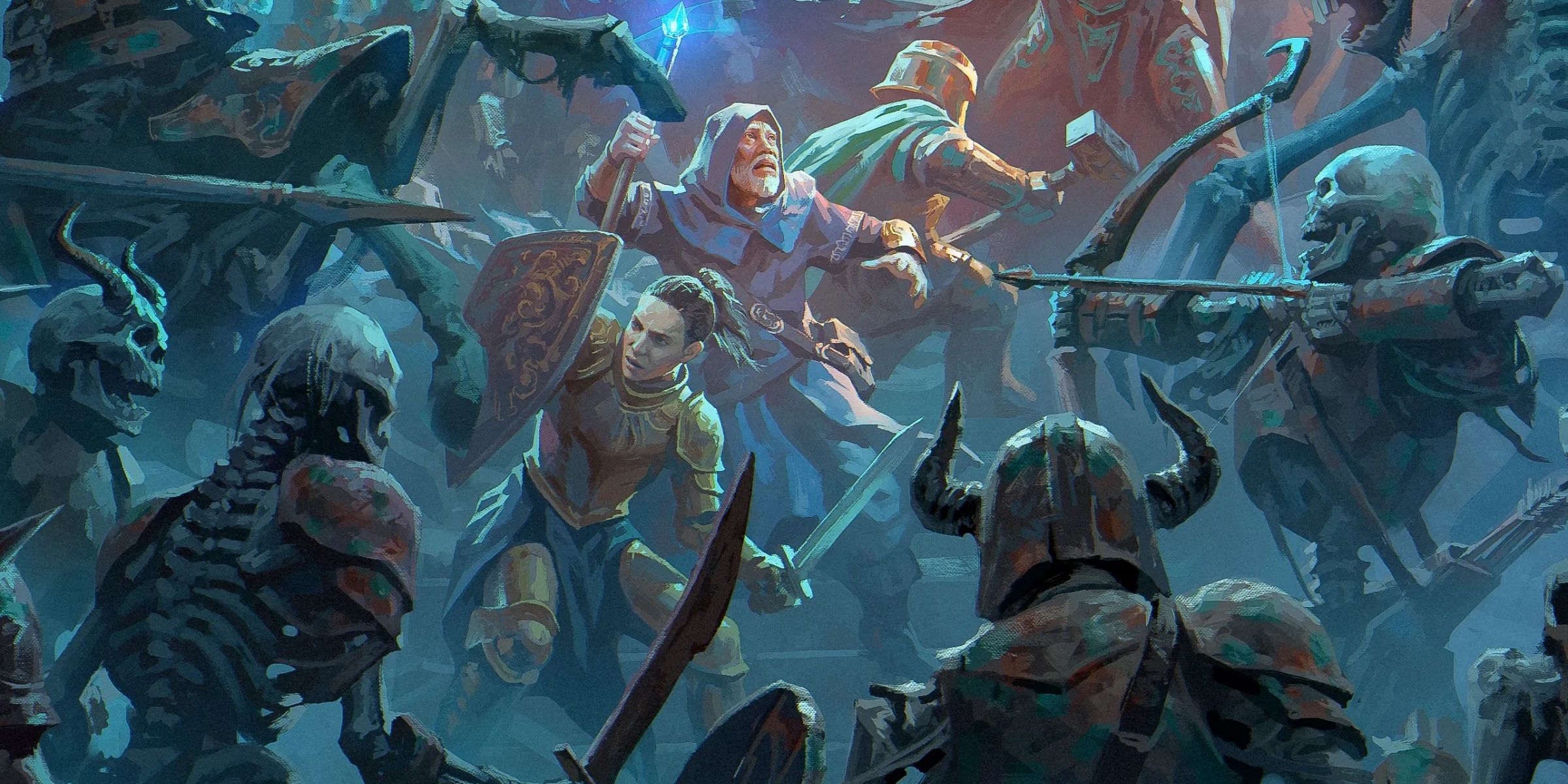
Traps in Dungeons & Dragons often get a bad rap. Players tend to expect obvious dangers like pressure plates and tripwires, and quickly learn to avoid them, making these simple traps ineffective, especially for experienced groups. However, a clever Dungeon Master can use traps in more subtle and unexpected ways. These traps don’t focus on dealing damage, but instead punish players who rely on common assumptions or target those who are intelligent but lack practical experience, catching them off guard.
Today’s approach to dungeon traps focuses on player engagement rather than sudden shocks. A trap that requires a specific action, like a verbal check, often leaves a bigger impression than one that’s purely random. Well-designed traps offer hints, and the best ones present challenges that make players creatively problem-solve. The point isn’t to punish players unfairly, but to reveal details about the dungeon, the story’s antagonist, or the game world in a natural way, fostering a stronger connection between players. Ultimately, the most memorable traps aren’t the deadliest, but the ones that were thoughtfully crafted and sparked the most discussion and teamwork.
Investigative Runes
Punishing That Paranoia

Details:
- Forces thought before action
- Encourages more careful observation
The most effective traps often trigger only when players specifically search for them. A seemingly safe hallway – with solid stone floors and no obvious dangers – can actually be quite unsettling. Players who are careful and start actively investigating, using skills like Investigation and Perception, are exactly who the trap is designed for. It doesn’t punish recklessness, but instead targets the cautious, observant behavior that players are usually rewarded for.
When a player starts searching, a hidden rune suddenly activates, triggering a surprise effect – it could be damage, a hindering condition, or something even trickier. This teaches the whole group that even safe-seeming areas of the dungeon can be dangerous. The key to these traps is that they’re fair, and a good Dungeon Master will make sure players aren’t punished for simply playing the game. Clues, like marks on the floor showing where others paused, or spells that detect magic, can hint at danger without triggering it. Ultimately, smart players will realize the threat isn’t where they’re going, but in the usual actions they take to investigate.
False Dart Traps
Just When You Think It’s Safe
Details:
- Exploits downtime, not positioning
- Reinforces vigilance even after a success
When players first enter a dungeon, they usually encounter common traps as a way to get used to the environment. Things like visible dart holes immediately signal that more traps are likely present, encouraging players to be cautious and search carefully. Successfully spotting or disabling these obvious traps brings a sense of relief, but that’s often when a more dangerous trap is triggered.
After seemingly overcoming a trap, players might trigger a final, hidden danger – often a burst of poisoned darts or similar projectiles aimed at those in the back who’ve let their guard down. A clever Dungeon Master might even reveal the first trap was a fake, designed to create a false sense of security. While this can feel unfair to new players, it’s a valuable lesson: danger isn’t always obvious, and overconfidence can be just as dangerous as rushing in without thinking.
Alchemical Residue
Something Seemingly Harmless Left Behind

Details:
- Forgetfulness is the biggest issue
- Environments become time bombs
Campaigns take players to many diverse locations, from sprawling forests to lively towns. But even when adventurers go indoors, there’s often more to discover. They might be carefully navigating a flooded cavern or searching a deserted potion lab, noticing small details like shattered glass. A Dungeon Master might describe something minor, like an oily substance on the floor that just makes everyone’s boots dirty, and while it’s noticed in the moment, it’s usually quickly forgotten as the adventure continues.
The true danger doesn’t become clear until the team encounters their next fight. A player might cast a powerful spell, only to discover that something previously considered harmless – a strange liquid, for example – suddenly reacts, revealing a trap the Dungeon Master set up much earlier. Players realize they unknowingly triggered it a long time ago. Dungeon Masters often enjoy this kind of setup because it creates a delayed consequence that catches players off guard. This could involve a slowly corrosive substance or a liquid that draws unwanted creatures, but the point is to show that anything the DM describes can be significant, even if it seems unimportant at the time.
Mercy Lock
Compassion With A Heavy Price

Details:
- Subtle yet fair clues
- Test of morality above all else
While exploring, adventurers will often encounter prisoners. Most groups naturally choose to free them, usually after quickly learning how they were captured. However, this act of kindness can be unexpectedly dangerous, and that’s where a trap like this one comes into play – it relies on the party’s willingness to do the right thing.
Once the door is unlocked or opened, a trap activates, either capturing the player or cursing them. Breaking the curse usually requires a sacrifice – perhaps taking damage or giving up a valuable magical item. The trap doesn’t test intelligence; it tests how much the player is willing to lose to help someone else. The Dungeon Master can hint at the trap’s presence with symbols or markings. Ultimately, this isn’t a puzzle to solve with skills, but a challenge that forces players to consider the value of their possessions, abilities, and even their life compared to the life of another.
Strength Check Doors
Old Habits Often Die Hard
Details:
- Targets repetitive behaviors
- Promotes more thoughtful interaction
Simple traps can be surprisingly effective, and Dungeon Masters often find themselves using them. Players quickly become accustomed to interacting with doors – checking them, picking locks, or even forcing them open – early in a campaign. It’s common for a strong character to simply break down a door to get inside, especially if the group isn’t trying to be stealthy.
That kind of thinking is when a Dungeon Master can really challenge the players. Imagine a player tries to jump or climb, makes the skill check, but then is unexpectedly pushed back or knocked down before they can even process what happened. It’s not a huge disaster, but it demonstrates that not every plan will succeed, and the party can’t always rely on the same strategies. The DM might have surprises in store to discourage repetitive actions and keep things interesting.
Read More
- All Skyblazer Armor Locations in Crimson Desert
- One Piece Chapter 1180 Release Date And Where To Read
- How to Get the Sunset Reed Armor Set and Hollow Visage Sword in Crimson Desert
- All Shadow Armor Locations in Crimson Desert
- All Golden Greed Armor Locations in Crimson Desert
- How to Beat Stonewalker Antiquum at the Gate of Truth in Crimson Desert
- All Helfryn Armor Locations in Crimson Desert
- Marni Laser Helm Location & Upgrade in Crimson Desert
- Black Sun Shield Location In Crimson Desert (Buried Treasure Quest)
- All Icewing Armor Locations in Crimson Desert
2026-02-07 16:40