Strategy games demand a lot of thought and planning. You usually manage your own forces, keep an eye on what your opponent is doing, select the right equipment and abilities, and try to control key areas or resources. It’s all about thinking ahead and juggling multiple goals at once. This can be quite challenging, particularly on harder difficulty levels. Games like real-time strategy (RTS) titles often require especially complex and detailed planning.
Man, the hardest part of gaming for me is knowing when to stop thinking. I can seriously get myself into trouble overanalyzing things. It’s not just about losing a single unit or a small battle, either. One little mistake, one overthought decision, can totally derail an entire campaign. It’s a real problem!
10. Advance Wars Series
When An Hour-Long Battle Hinges On One Unit
Advance Wars 1+2: Re-Boot Camp brought the beloved strategy series back after a long hiatus since Advance Wars: Days of Ruin in 2008. Despite its charming, cartoon-like graphics, the game offers a surprisingly deep and challenging tactical experience. Players control units on land, at sea, and in the air, all while carefully managing resources like fuel and ammunition. You’ll need to defend your headquarters and capture enemy territory, and that’s just the beginning. The game also features terrain advantages, unpredictable weather, and powerful special abilities unique to each enemy commander – they could boost enemy movement or even unleash a blizzard!
Between the main campaign and War Room challenges, your performance in each match is scored based on speed, units destroyed, and losses taken. Spending too much time planning a risky move – like airlifting infantry to capture the enemy base – can backfire if your defenses are weak or overextended. This could force you to rebuild your forces and lose progress, potentially making a fresh start a better option. Even a win achieved with slow, careful play might not earn enough ranking points, leading to a frustrating restart.
9. Darkest Dungeon
“Prodigious Size Alone Does Not Dissuade The Sharpened Blade,” Supposedly
In this difficult and strategic RPG set in Red Hook, careful planning is key. You’ve inherited a cursed mansion overrun with Lovecraftian monsters, and you need to lead teams of adventurers into the nearby dungeons to fight them back and, hopefully, eradicate the infestation. You’ll choose from various hero classes – like the supportive Vestal or the strong Highwayman – but combat isn’t just about reducing enemy health. Expect more than just hit point damage during battles against bandits, beasts, and other terrifying foes.
Stress acts like a second health bar that fills up instead of emptying. As stress builds, it causes problems – characters might miss turns or even accidentally attack their friends, spreading the stress further. If stress maxes out twice, a character suffers a heart attack, bringing them close to death. It’s easy to get overwhelmed: hoarding unnecessary items clutters your inventory, and obsessing over character flaws can slow you down. Wasting money or investing in stressed-out characters you’re too attached to will hinder your progress. This game isn’t very forgiving and doesn’t readily teach you the best way to play, so it can be a real grind if you’re not efficient. Unlike some games, you can’t just rush in – careful planning is key.
8. Civilization 6
You Have To Settle Somewhere
Gamers sometimes take the joy out of playing by trying to perfect every detail. They often push themselves to over-optimize, especially in complex games like Civilization, where things are constantly changing. For example, when starting a new game, you might spend a long time deciding where to build your first city, carefully weighing the available resources. But while you’re agonizing over the best location, other players – like the AI opponent Alexander – can quickly move in and claim it for themselves. Then you’re forced to scramble for a new spot and build up your civilization before they get too powerful.
Losing quickly isn’t the end of the world – I can just jump right back in. But it’s super frustrating when the AI messes with my starting position and ruins a whole game! It’s especially tough when I’m playing as the Maori with Kupe. They start surrounded by ocean, and there’s just not a lot of land to choose from. Honestly, finding a decent starting spot can be a real pain. I try to scout fast and pick something workable, because if I don’t, the game can quickly become a real grind.
7. Fire Emblem: Three Houses
The Teacher’s Dilemma
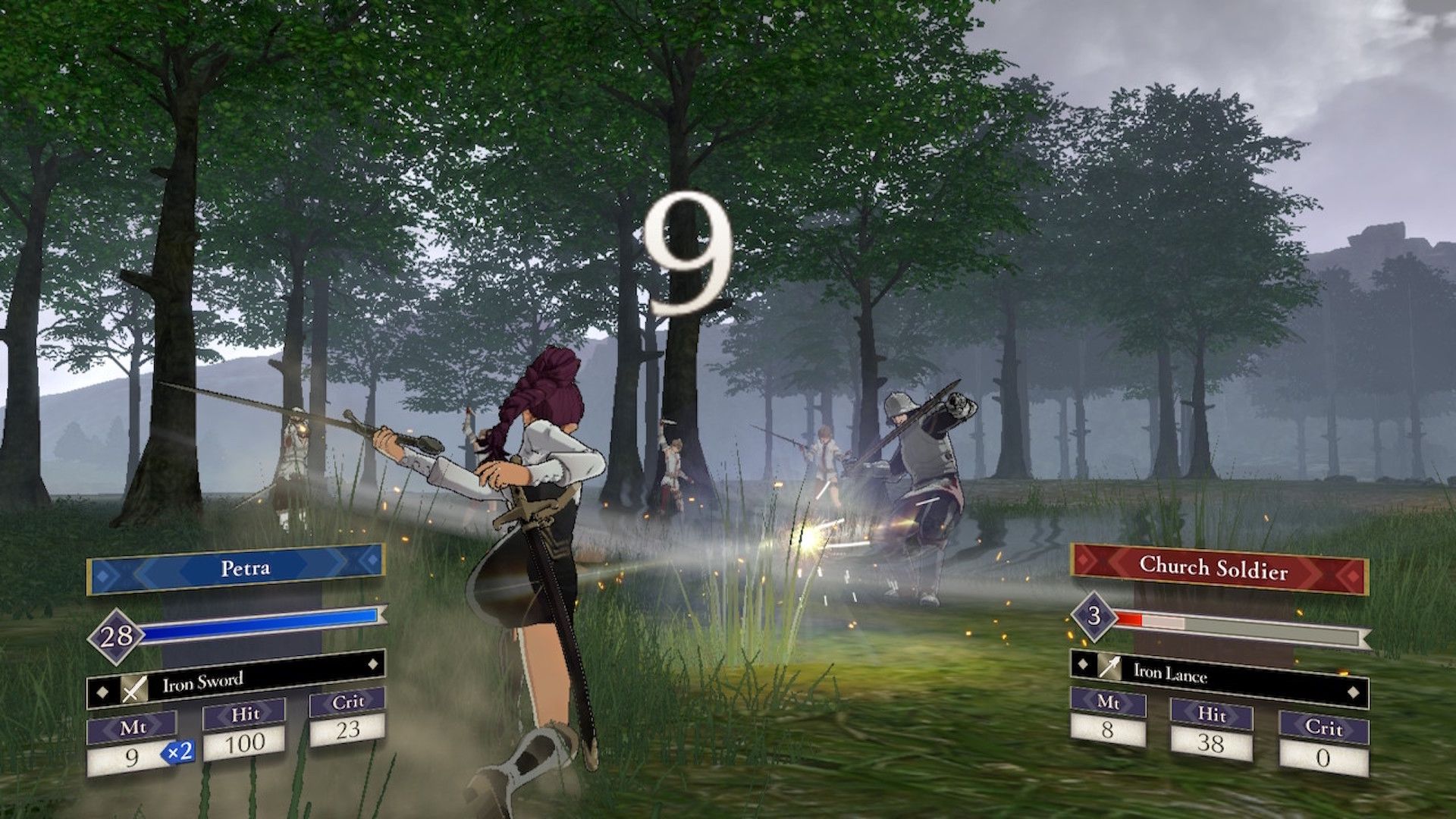
All teachers want to help their students reach their full potential, and in Fire Emblem: Three Houses, you have a lot of control over how your students develop. You’ll make countless choices that affect them throughout the entire game. As the leader of one of the houses, you can directly train your students and improve their skills. While you can manage every detail yourself, it’s important to plan ahead. Think about what classes you want each student to take eventually, because focusing on the wrong skills can be a waste of time. For example, the Fortress Knight is a strong, heavily armored unit who doesn’t use swords, so if you previously trained a character in swordsmanship before switching them to this class, that training won’t be very helpful.
It’s easy to get caught up in endlessly tweaking your characters’ paths, constantly changing their classes. While any class can be powerful later in the game, you’ll generally have the best success if you choose a class and stick with it instead of switching around.
6. Frostpunk
The Stakes, And The Pressure, Are Very High
Survival games vary widely in tone, from playful to intensely serious. Games like This War of Mine and Frostpunk fall into the latter category, offering a grim and realistic look at desperate situations. Frostpunk takes place on a frozen Earth where you build and manage a city, desperately trying to keep its inhabitants alive. As the leader, known as The Captain, you’ll be forced to make incredibly difficult choices, often requiring sacrifices, to ensure the survival of your community – a common theme, similar to This War of Mine.
How far are you willing to go to maintain order? What consequences will those who break the rules face? The choices you make will affect how the people of New London feel, and will determine the city’s future—potentially creating a very different place. Even difficult decisions have long-term effects, and ignoring problems will only make them worse. Losing the game isn’t the worst outcome—allowing the city to fall into a terrible state is.
5. Wildfrost
A Final Twist In The Tale
Okay, so I just checked out Wildfrost, and it’s another game with a wintery vibe, but it’s super cute and cartoony! Don’t let that fool you though, it’s still a really challenging deckbuilder. Basically, you pick a tribe and a leader, then head out to figure out why the weather’s gone crazy. Everything – your leader, the allies you pick up – is a card. You’ll build your deck with those, plus weapons and support characters. As you explore the map, you’ll run into bosses, events, and shops where you can upgrade your cards. The cool thing is, your followers can get injured and need to rest, but if your leader falls, that’s game over! It’s a fun, but tough, run.
This game follows many familiar deckbuilding rules, but it adds a clever twist with its turn system. Both your cards and the enemy’s are placed in rows, and each has a timer counting down to its attack. Playing cards advances these timers. Some enemies can even attack entire rows at once, so you really need to pay attention to everything on the field and anticipate when and how your opponents will strike – it can be quite tense! It’s easy to get caught up in perfecting your deck and sticking to one plan, but that’s where the game gets you. The final boss has a nasty surprise: it uses the very same deck you used to win against other opponents, turning your strength against you. Losing after finally reaching the end, defeated by your own creation, is incredibly frustrating.
4. Among Us
Seems Very Sus Indeed
Among Us quickly became a global phenomenon, even though it had been around for a while before becoming popular. The game’s simple but engaging premise – colorful characters trying to survive on a spaceship while uncovering imposters – has entertained millions with its mix of fun, suspense, and sometimes, frustration. The developers continue to update the game with new features, like the Detective role and their Interrogate ability, which can significantly impact gameplay.
The game is incredibly tense, which makes it easy to second-guess everything – not just your own actions, but everyone else’s too. You’ll constantly wonder about their motives – were they really doing what they said? – and who you can actually trust. Your survival, and the success of your team, hinges on how well you react during discussions. One wrong accusation or suspicious behavior could ruin your reputation and make you a target for the rest of the game.
3. Wingspan
Every Action Has To Count
Wingspan is widely considered one of the most calming and enjoyable board games ever created. Players build wildlife preserves to attract different bird species, using resources gathered from a bird feeder. To succeed, you need to place birds in suitable habitats and earn points through various means, like collecting eggs, playing special cards, and attracting specific types of birds. The digital version beautifully brings the birds to life, and while the controls can be a little tricky on consoles, it remains a wonderfully relaxing game.
But is that really the case? The game can actually end pretty quickly, since each turn limits the number of moves you can make. To win, you need to build up your strategy and score points rapidly. A couple of mistakes can put you too far behind to recover. While overthinking won’t cause an immediate loss, it will likely lead to a gradual decline and eventual defeat.
2. Final Fantasy Tactics: The Ivalice Chronicles
Leveling Up Isn’t Always The Answer
In many role-playing games, spending time leveling up (often called ‘grinding’) can make the game much easier, letting you quickly defeat enemies. However, this strategy isn’t always effective, and some games actually punish you for it. The Final Fantasy series is notorious for this. For example, Final Fantasy 8 adjusts enemy levels to match your party’s average level, which can make it harder to get valuable items. Final Fantasy Tactics also scales enemy difficulty with your progress. Just like poor character customization can leave Squall and his team underpowered, Ramza and his allies will also struggle if you don’t prepare properly.
Don’t get bogged down trying to make the perfect choice every time. With so many skills and jobs to master, combat can feel complicated. The best approach is to build a flexible team, because the Lion War throws a lot of surprises your way, and you’ll face unpredictable battles. Plus, the world of Ivalice is massive!
1. Against The Storm
Nothing Lasts Forever
Most city-building games let you enjoy the results of your hard work – whether it’s a sprawling metropolis or a cozy village, you’ve likely spent hours carefully crafting every detail. However, Against The Storm is different. While you can temporarily hold off the inevitable, the titular storm will always return and destroy everything you’ve built.
The settlements you create aren’t meant to last forever – they’re temporary hubs for different creatures to work and live. The Scorched Queen needs things done quickly to maintain her city. It’s a fast-moving game where you balance the needs, feelings, and work rate of your creatures, making the most of the limited time you have. Keeping your Reputation high by providing enough supplies is crucial, and you’ll need to act decisively – there’s no time for hesitation.
Read More
- All Skyblazer Armor Locations in Crimson Desert
- One Piece Chapter 1180 Release Date And Where To Read
- How to Get the Sunset Reed Armor Set and Hollow Visage Sword in Crimson Desert
- All Shadow Armor Locations in Crimson Desert
- How to Beat Stonewalker Antiquum at the Gate of Truth in Crimson Desert
- All Golden Greed Armor Locations in Crimson Desert
- All Helfryn Armor Locations in Crimson Desert
- Marni Laser Helm Location & Upgrade in Crimson Desert
- Cassius Morten Armor Set Locations in Crimson Desert
- USD RUB PREDICTION
2026-02-08 16:40