Video games have come a long way from arcades, with countless consoles, popular series, and shifting trends. Just like everything else, things never stay the same for long. For instance, many people didn’t think we’d see the end of game cartridges and discs, but digital downloads are becoming increasingly common. Another big change is how we play – it’s moved from local, side-by-side gaming to connecting with players online, which has been a great development.
Let’s examine a few games that marked the end of their respective series. While it’s possible these endings weren’t negative, they’re significant enough to talk about.
Fit the 9 games into the grid.
Results
Pick a game
Final Fantasy 9
The PS1’s Swan Song For Traditional Final Fantasy
With Final Fantasy IX, the original PlayStation era of the main Final Fantasy series concluded strongly. It was also the last game in the series to fully embrace the style that had defined it for over ten years. The game’s world was vibrant and immersive, featuring lively kingdoms, diverse characters, and impressive airships.
The game featured a party of four characters, each with a traditional role like a Black Mage, Thief, or Dragoon. It included many mini-games and a world map that tied everything together. Many consider Final Fantasy 9 to be the quintessential Final Fantasy experience, offering a compelling adventure in a rich and varied fantasy world.
Halo: Reach
Bungie Moves On From Halo
Bungie first gained recognition with the Marathon series on Mac computers. They then partnered with Microsoft and achieved even greater success with Halo: Combat Evolved, which launched with the original Xbox. Halo essentially set the standard for first-person shooter games on consoles, and Bungie was the driving force behind that innovation.
Halo: Reach, the last Halo game developed by Bungie, was a story set before the original game. Because it was based on a popular novel, many fans already knew the tragic outcome. Adding to the emotional weight, players also knew this could be the final Halo game from Bungie, as they were preparing to move on to create Destiny and hand control of the Master Chief series to 343 Industries.
Metal Gear Solid 5: The Phantom Pain
Hideo Kojima’s History With The Series And Konami Dissolves
Metal Gear Solid 5: The Phantom Pain aimed to connect the stories of the earlier Big Boss games with the original Metal Gear. However, the game felt unfinished because its development was rushed. This was largely due to a falling out between creator Hideo Kojima and Konami, ultimately leading to Kojima’s departure from the company after nearly 30 years. He had been deeply involved with the Metal Gear series since its beginning.
Despite repeatedly claiming each new game would be his last, Hideo Kojima didn’t retire until the release of Metal Gear Solid 5: The Phantom Pain in 2015. Although some content was removed during development, the game remains a prime example of excellent stealth gameplay.
Star Fox Adventures
The End Of Rare’s Golden Era
Rare started out making many games for the NES, but their work really took off with Donkey Kong Country for Nintendo. This success created a strong partnership, leading to popular exclusive titles like more Donkey Kong games, Banjo-Kazooie, Perfect Dark, and GoldenEye 007. In 2002, Microsoft acquired Rare, causing them to complete a few final projects for Nintendo and cancel others before shifting their focus.
A prime example is Star Fox Adventures on the GameCube, which received mixed reactions initially but was generally considered a solid game. While Rare continued to release games after that, many longtime fans felt the quality declined after they began working with Microsoft instead of Nintendo.
Resident Evil 0
The End Of Classic, Tank Control Resident Evil
Okay, so Resident Evil 0 basically tells the story of what happened before the original game. You play as Rebecca Chambers, and the game starts on a train that eventually ends up at the Spencer Mansion – you know, where everything really kicked off with the series. The cool thing is you also control Billy Coen, a convict she’s working with. It’s classic Resident Evil gameplay – tank controls, super limited space in your inventory, the whole nine yards!
The early games mainly featured zombies, though other mutated creatures and a collective of leeches also appeared. The series then shifted its focus, moving away from zombies and embracing a more action-packed style, a change that began with Resident Evil 4 a few years later.
The Legend Of Zelda: Skyward Sword
Closing The Gap On Major Motion-Based Titles
In 2006, Nintendo’s Wii revolutionized gaming with its innovative motion controls. Its popularity prompted Sony and Microsoft to create similar devices for the PlayStation 3 and Xbox 360, but those efforts didn’t achieve the same level of success.
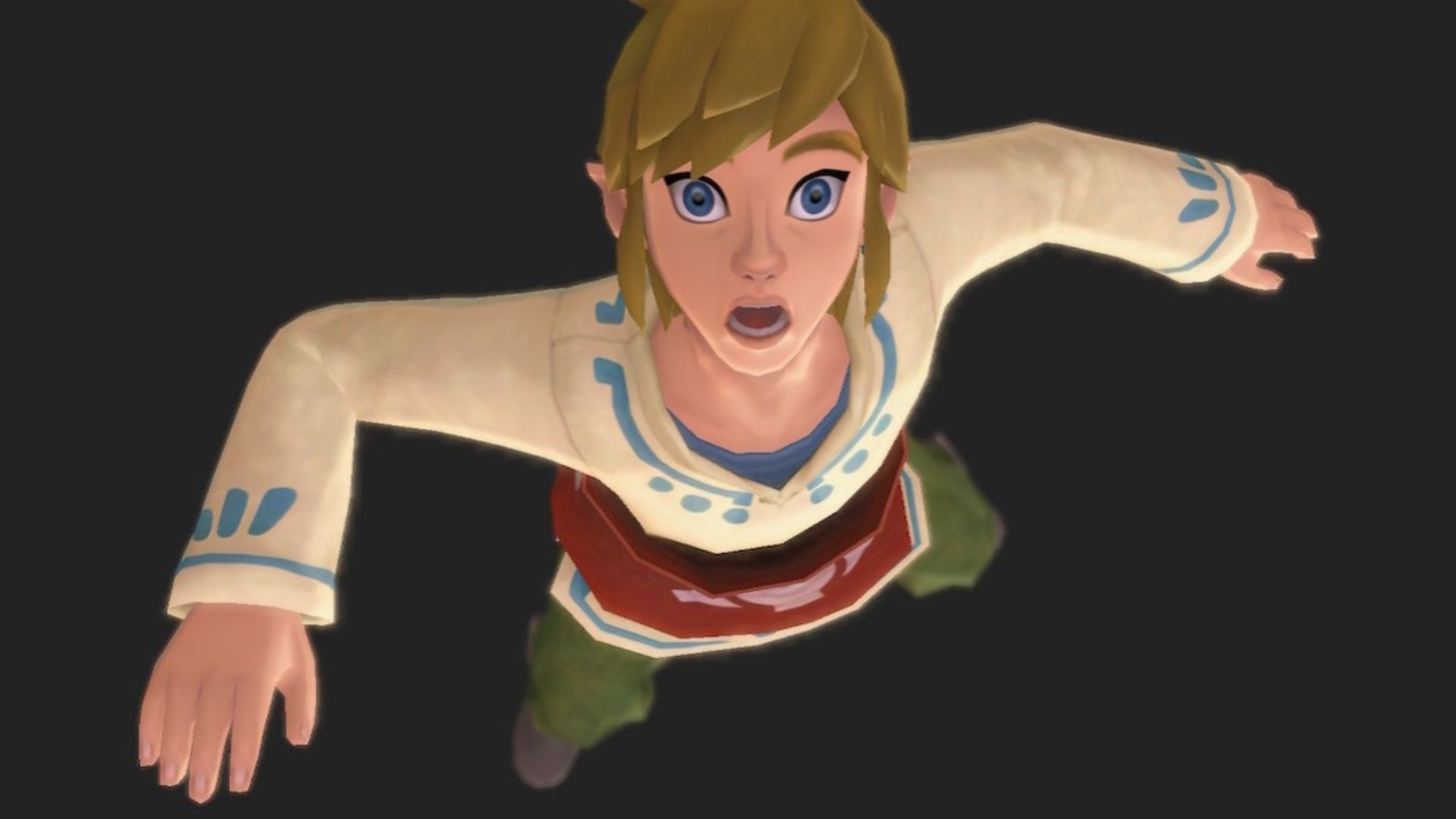
By 2011, the popularity of motion-controlled games was fading. The Legend of Zelda: Skyward Sword was the last big Nintendo game to heavily rely on this technology, a choice some believe wasn’t ideal. The game divided players with its motion controls, and this likely led Nintendo to reconsider using them in future flagship titles.
Rock Band 4
The Plastic Instrument Music Phase Is Over
While games focused on timing and music were around before it, Guitar Hero really launched a new wave of popularity for the genre. This success spawned follow-up games, inspired Rock Band, and led to many other similar titles.
Man, I remember when plastic guitars were everywhere. It was amazing for a while – parties were always bumping with Guitar Hero and Rock Band for like ten years, and there were so many songs to play! But then it kinda fizzled out. There were a couple of tries to bring it back – Guitar Hero Live and Rock Band 4 – and people thought Rock Band 4 was the better attempt, but neither one really stuck. Now I bet a ton of those instruments are just sitting in landfills. It’s a shame, honestly.
Astro’s Playroom
The Last Game From The Legendary Japan Studio
Throughout the history of PlayStation consoles, from the original PS1 to the PS5, Sony’s Japan Studio was arguably its most celebrated internal developer. They created many beloved games, including titles like The Legend of Dragoon, Shadow of the Colossus, Ape Escape 2, LocoRoco, and Puppeteer. Their final major project was Astro’s Playroom, a launch title for the PS5, and they also helped develop the Demon’s Souls remake, which also released with the new console.
In 2021, the studio was merged into Team Asobi, effectively ending its run as a separate entity. Team Asobi is a talented developer, and with contributions from former team members, they’ve improved upon the ideas first seen in Astro’s Playroom with Astro Bot. However, many fans will miss seeing the Japan Studio logo appear in future PlayStation games.
Starlink: Battle for Atlas
The End Of Toys-To-Life
The ‘toys-to-life’ trend started with the game Skylanders: Spyro’s Adventure in 2011, and it quickly became popular. Seeing this success, other companies created their own similar games. While Skylanders, Disney Infinity, and Lego Dimensions all had moments of success, they eventually all stopped being made.
Ubisoft entered the ‘toys-to-life’ market a bit behind other companies with Starlink: Battle for Atlas, a spaceship game where you could buy different ships and story campaigns. The Switch version had a fun connection to Star Fox, but it wasn’t very popular. Although the idea of physical toys interacting with games still exists through Amiibo, they function in a completely different way.
Puyo Pop Fever
Sega’s Last First-Party Game On A Console Puyo Pop Fever
- Developer: Sonic Team
- Publisher: Sega
- Released: February 24, 2004 (Dreamcast Version, Japan)
- Genre: Puzzle Game
During the 1990s, Nintendo and Sega were fierce rivals, constantly competing with each other’s game consoles and games. However, after the Sega Saturn and Dreamcast weren’t successful, Sega stopped making consoles and instead became a company that just develops and publishes games for other platforms.
Although the Dreamcast stopped being made in 2001, new games continued to be released for it. Puyo Pop Fever is remembered as Sega’s final big game for the console in 2003, and it was also available on other systems. Fortunately, Puyo Pop Fever was a well-made puzzle game, and is considered one of the best in its genre.
Read More
- All Skyblazer Armor Locations in Crimson Desert
- One Piece Chapter 1180 Release Date And Where To Read
- How to Get the Sunset Reed Armor Set and Hollow Visage Sword in Crimson Desert
- All Shadow Armor Locations in Crimson Desert
- All Golden Greed Armor Locations in Crimson Desert
- How to Beat Stonewalker Antiquum at the Gate of Truth in Crimson Desert
- Cassius Morten Armor Set Locations in Crimson Desert
- Grime 2 Map Unlock Guide: Find Seals & Fast Travel
- USD RUB PREDICTION
- Marni Laser Helm Location & Upgrade in Crimson Desert
2026-02-09 16:38